
REVIEW · CUSCO
San Pedro Wachuma Ceremony in Cusco – Espiritual Tour
A night in the Sacred Valley feels strangely personal. This San Pedro Wachuma ceremony in Taray (away from the usual tourist drag) pairs a forest setting with a long, steady fire that keeps the atmosphere calm and reflective.
What I really like is that it is held in nature, not on a staged venue, and the focus stays on connection and healing—not performance. You also get an organized, family-run stay that makes the whole thing feel more human.
I especially love the way the experience is paced around comfort and presence. Juan, the host, walks you through the process in a warm, emotional way, and you’re provided with plenty of blankets and a cozy place to rest afterward.
On top of that, you’re not just “watching a ritual.” You take part in guided moments like energetic cleansing works tied to earth, fire, air, and water, plus ancestral music with traditional instruments and guided meditations.
One possible drawback: this is an all-night spiritual ceremony at about 2,900 meters, so the cold can be real. If you don’t handle chilly outdoor nights well, or you fall into the experience’s limits (like claustrophobia or recent surgeries), this may not be your best fit.
In This Review
- Key things that make this San Pedro Wachuma experience stand out
- Taray’s forest setting: why it feels quieter than the Sacred Valley circuit
- Killary ILLary Home: the family touch (Juan and the homey setup)
- Getting there from Cusco: pickup options and the pacing of the day
- Your guided flow: breakfast, transfer, ceremony night, and morning return
- What actually happens during the San Pedro Wachuma ceremony
- Comfort at 2,900 meters: what to pack so you can actually relax
- Price and value: what $385 covers and why it can be worth it
- Who this Taray Wachuma ceremony is best for
- Who should skip it (based on the tour’s own limits)
- Should you book the San Pedro Wachuma ceremony with Andean Ceremonies Perú?
- FAQ
- Where does the San Pedro Wachuma ceremony take place?
- How long is the experience?
- What are the pickup locations in Cusco?
- Is this a private tour or shared group?
- What is included besides the ceremony?
- Is there overnight accommodation?
- What languages are available for the guide?
- What should I bring?
- Who is the tour not suitable for?
Key things that make this San Pedro Wachuma experience stand out
- Forest setting in Taray instead of the busiest Sacred Valley zones
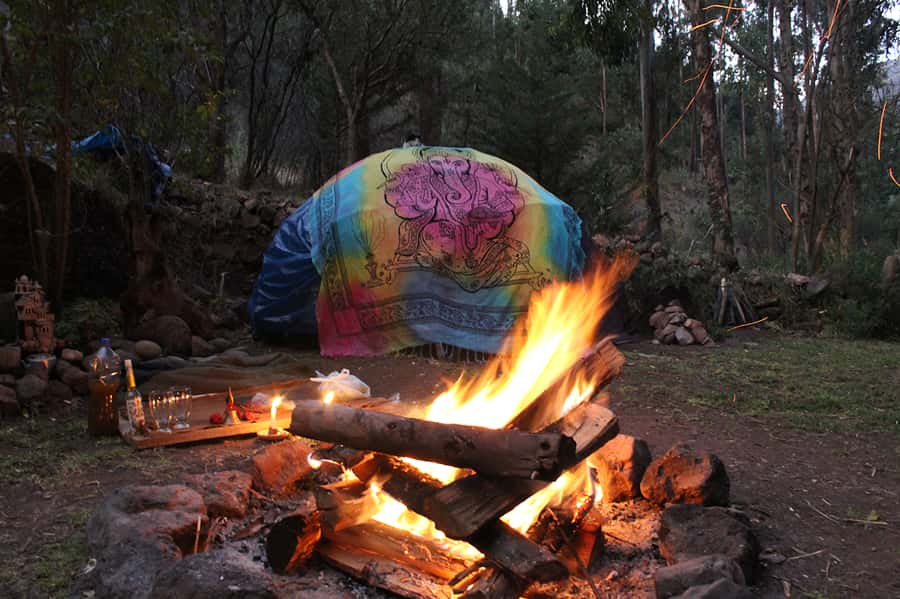
- A big fire all night until midnight to help you relax, meditate, and warm up
- Family-run stay at Killary ILLary Home with blankets, simple room setup, and a natural breakfast
- Cleansing works + ancestral music + meditations as part of the guided flow
- Private transportation with two Cusco pickup options (Plaza De Armas or Plazoleta de San Blas)
- Multilingual guidance in English, Quechua, and Spanish
Taray’s forest setting: why it feels quieter than the Sacred Valley circuit
Cusco is full of sacred history, but not every “spiritual” experience feels grounded in actual daily life. This one is set in the Taray District, in the Sacred Valley of the Incas, about 40 minutes from Cusco and roughly 5 minutes from Pisac. That means you’re close enough for a smooth transfer, yet far enough to feel like you stepped out of the main tourist stream.
The heart of the experience is described as happening in the middle of the forest, at a small house where the family lives. I like that practical detail because it changes the tone: you’re not just being escorted through a performance. You’re arriving somewhere real, where nature is part of the schedule, not decoration.
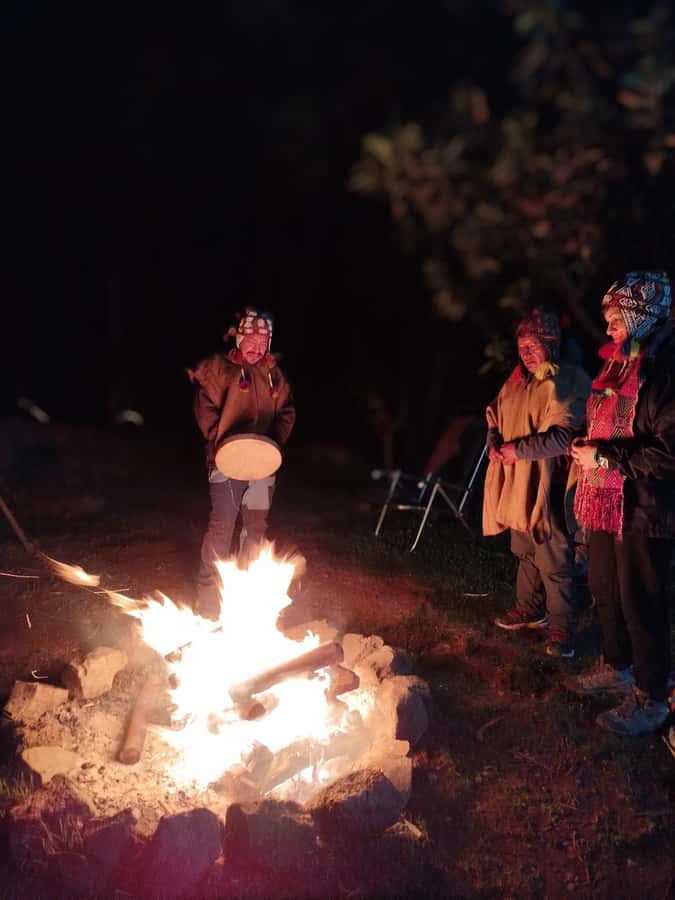
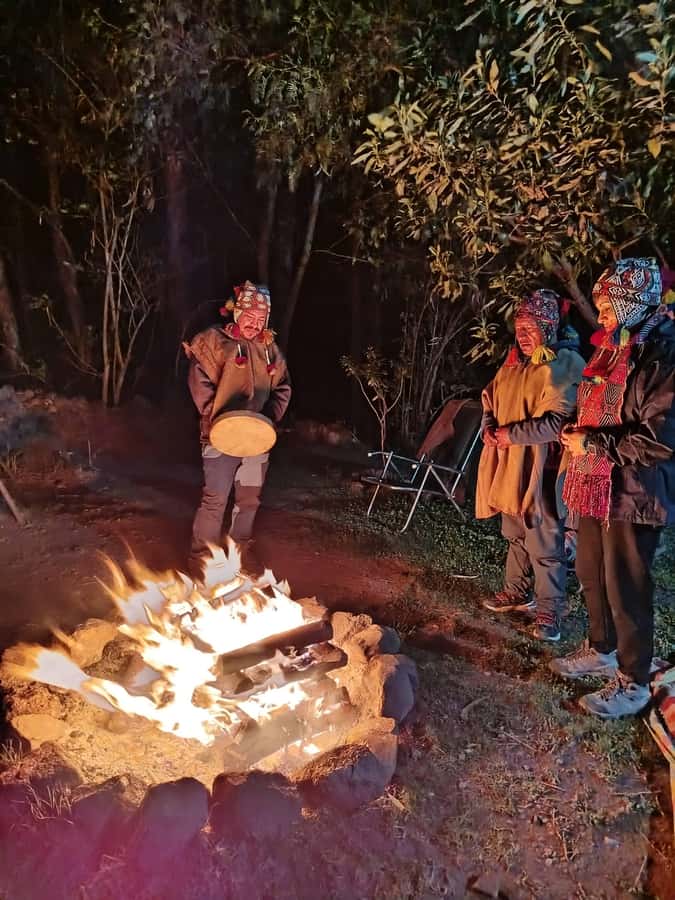
You’ll also spend a long time outdoors. The plan includes a fire that continues throughout the ceremony until midnight, which matters more than it sounds. It’s part warmth, part rhythm, part comfort—so you’re more likely to stay calm instead of bouncing between cold and focus.
Killary ILLary Home: the family touch (Juan and the homey setup)
The experience is hosted through Andean Ceremonies Perú at Killary ILLary Home, a reception house in nature run by the family. You’ll get hotel pickup and drop-off, but the “home base” is where the tone gets personal: a small place, lived-in by the host family, with room to settle before and after the ceremony.
One of the most praised parts is how Juan makes first-timers feel taken care of. If you’re new to anything like this in Peru, the nervous questions are normal, and this is the kind of setup where you can get answers without feeling rushed. In the same spirit, you’re given a comfortable place to lay down during the ceremony and a cozy room afterward.
There’s also a real-feeling breakfast the next morning. The description and feedback point to natural breakfasts cooked by Juan and his wife, which is a big deal after a late night. It’s the kind of simple, grounding finish that turns a spiritual event into a whole experience, not just a one-night stop.
Getting there from Cusco: pickup options and the pacing of the day
This starts with Cusco pickup—two options: Plaza De Armas or Plazoleta de San Blas. It’s a private group, and you’ll use private transportation between Cusco and Valle Sagrado de los Incas (Taray).
The departure time given is 17:00 from Cusco toward the Sacred Valley (Taray). The experience then runs into the next day, with an approximate return to Cusco around 10:00. That timing matters because you’re not doing a quick evening activity—you’re committing to a full stretch that includes breakfast and an overnight at the basic accommodation.
There’s also mention of a guided tour portion that happens in Taray for about 12 hours. In real terms, expect the day to feel like a sequence: arrive, settle, eat, move through guided spiritual parts, then rest, then finish with breakfast and return transport.
If you want to plan your day in Cusco, keep some slack before and after. You’ll want your body ready for late-night outdoors time, and you’ll also want space for the morning routine afterward.
Your guided flow: breakfast, transfer, ceremony night, and morning return
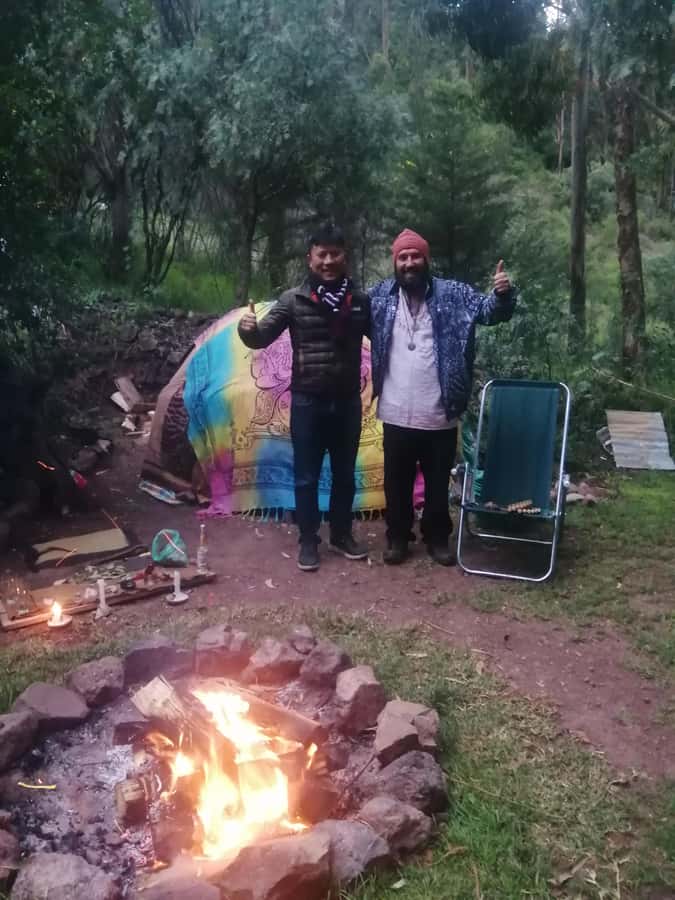
Here’s the practical shape of the schedule, with what each part is likely doing for you.
1) Cusco pickup and departure to Taray (late afternoon)
You leave Cusco around 17:00. The ride is private and direct, designed to get you away from city energy and into the quieter setting by evening.
2) Taray District: breakfast and overnight stay
Before the guided portion, breakfast and an overnight stay are included at Killary ILLary Home. That’s a smart value-add because it means you’re not trekking back and forth with heavy gear at night. It also gives you time to acclimate mentally: this isn’t a drop-in ceremony and then “good luck.”
3) Transfer into the ceremony area
There’s a transfer step of about 45 minutes. That buffer matters for comfort and logistics. It’s long enough to feel intentional, not random, which helps when you’re trying to stay present.
4) Guided tour and ceremony at Taray
The core part is the San Pedro Wachuma ceremony carried out on the reserved night date. The plan includes the Wachuma drink/medicine and a guided spiritual structure using shamanic techniques, energetic and feeling-based communication, plus meditations and music.
5) The fire, the night, and the midnight mark
A big fire is made so it stays going through the ceremony, typically until midnight. After the decision point, there’s space for those who want to continue together to the fire. Either way, you’ll be able to relax, meditate, and stay warm during the main hours.
6) Return to Cusco around late morning
You’re back around 10:00 the next day. Then you’re dropped off at either Plazoleta de San Blas or Plaza De Armas.
The overall pacing is designed to support you emotionally, not just logistically. You eat, you rest, you do the night, and you finish with a real meal rather than an abrupt exit.
What actually happens during the San Pedro Wachuma ceremony
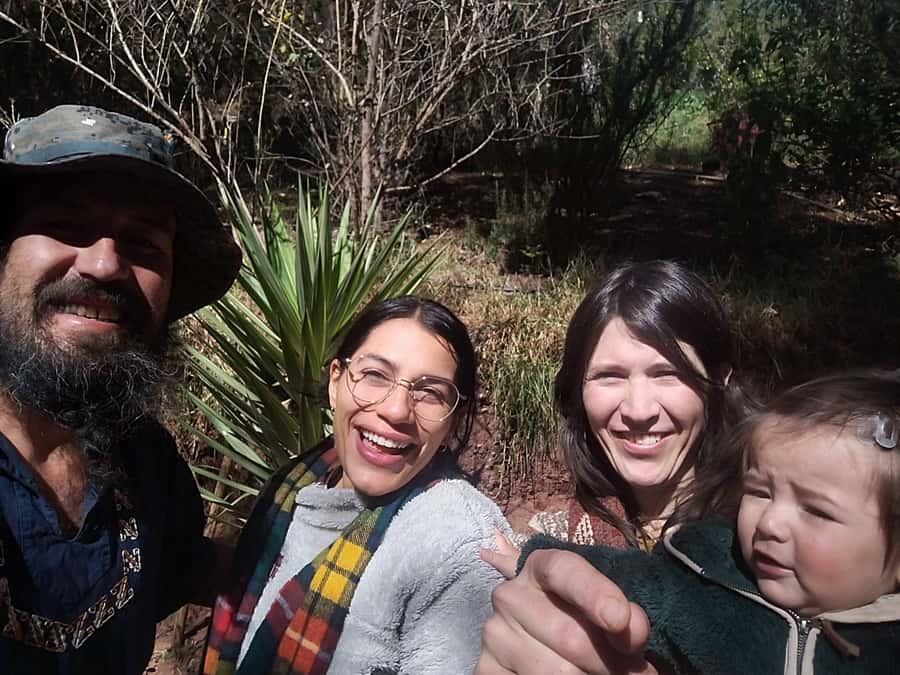
The experience is built around connection, healing, and liberation themes, using shamanic techniques that work through energetic presence and feeling. The description makes it clear that the ceremony is not framed as a casual activity. It’s presented as a guided spiritual process with intentional structure.
Key ceremony elements you should know about:
Wachuma medicine (San Pedro Wachuma)
You’ll take the Wachuma drink/medicine as part of the ceremony. The only “how” detail provided is that it’s called wachuma and the ceremony revolves around it.
Cleansing works linked to earth, fire, air, and water
Included in the experience are energetic cleansing works related to earth, fire, air, and water. This is important because it suggests the night has multiple steps for grounding. Instead of one single moment, you can expect a sequence that returns you to different elements.
Ancestral music with traditional instruments
Traditional instruments and ancestral music are part of the guided flow. Music like this can change your body’s rhythm fast, which is part of why ceremonies often include it. Here, it’s not optional background—it’s integrated.
Meditations and guided reflection
Medations are listed as included. Combined with the fire and the guided shamanic techniques, the ceremony is set up for introspection—especially if you’re the type who benefits from quiet focus rather than constant talking.
A long, stable warmth source (the fire)
You’re kept company by the fire throughout the ceremony hours. This matters practically: it supports your comfort so you can stay mentally present instead of battling discomfort.
One more thing: the host setup is described as being in a small house where the family lives. That changes how the ceremony “feels” too. It can be more relaxed, more intimate, and less like you’re in and out of an event space.
Comfort at 2,900 meters: what to pack so you can actually relax
At about 2,900 meters (9,514 ft), even mild cold can feel sharp once the sun drops. The tour specifically calls for warm layers, and it makes sense given the outdoor night and the timing until midnight.
Bring:
- Comfortable shoes
- Warm clothing and a jacket
- A water bottle
- Snacks and drinks
- A camera (if you want to catch the evening sky)
- Cash
That list is useful, but here’s the practical way to use it. You’ll want warmth that’s easy to layer on and off. Since the ceremony runs late and includes an all-night fire, your best comfort plan is staying warm without overheating when you’re inside or near family space.
And yes, the experience is outdoor-based, so don’t treat this like a city evening. If you’re sensitive to cold, pack like you’re going for a night hike in chill weather.
Price and value: what $385 covers and why it can be worth it
At $385 per person for about 12 hours, you’re not just paying for a ritual. You’re paying for a full package that includes:
- Hotel pickup and drop-off
- Private transportation between Cusco and Valle Sagrado de los Incas (Taray)
- The San Pedro Wachuma ceremony and the Wachuma medicine
- A night of basic accommodation at Killary ILLary Home
- Natural breakfast
- Energetic cleansing works, ancestral music, and meditations
- Guided tour components
That’s the value picture. Many Cusco experiences charge you for transport and guiding, then leave you to find your own accommodation and food. Here, you get the overnight and a morning breakfast built in, plus the guided spiritual elements.
Basic accommodation also keeps expectations realistic. You’re here for the ceremony and the setting, not luxury. If you accept that and focus on comfort through layers and rest, the price starts to feel fair for a private, full-night experience.
Who this Taray Wachuma ceremony is best for
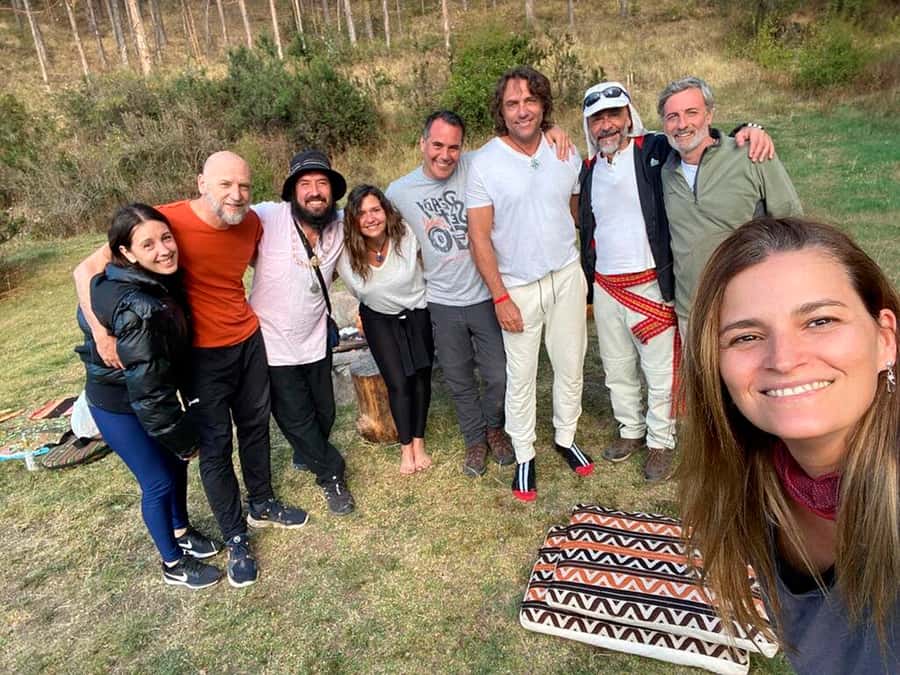
This experience is best for you if you want:
- A ceremony held away from the main tourist scene
- Nature-first setting and a more homey atmosphere
- A guided process that includes music, cleansing works, and meditations
- Comfort support like blankets, a place to lay down, and an overnight stay
It also helps if you like structure. The plan isn’t only about taking part—it includes multiple guided elements, with a steady fire so you’re not constantly trying to regulate your own comfort.
Who should skip it (based on the tour’s own limits)
This tour is not suitable for:
- Children under 10
- People with mobility impairments
- People with claustrophobia
- Wheelchair users
- People with recent surgeries
- People with motion sickness
If you fall into any of those categories, it’s worth respecting the limit. The ceremony and the overnight setup involve a night out in nature and a spiritual process that may be hard to adjust.
Should you book the San Pedro Wachuma ceremony with Andean Ceremonies Perú?
I’d book this if you’re choosing Cusco experiences for meaning, not just checkmarks. The biggest reasons: the family-run Taray setting, the all-night fire rhythm, and the fact that the guidance includes cleansing works, ancestral music, and meditations—not just a single moment.
I’d hesitate if you’re cold-sensitive, overwhelmed by late nights outdoors, or you know you won’t do well with the experience’s stated limitations. Also, come with realistic expectations about accommodation: it’s basic, and that’s okay if you plan for it.
If you want an authentic Sacred Valley spiritual evening with a steady, human welcome, this is the kind of option that feels built for actual presence.
FAQ
Where does the San Pedro Wachuma ceremony take place?
The ceremony takes place in the Taray District in the Sacred Valley of the Incas, about 40 minutes from Cusco (and about 5 minutes from Pisac).
How long is the experience?
The duration is listed as 12 hours, with departure from Cusco at 17:00 and an approximate return around 10:00 the next morning.
What are the pickup locations in Cusco?
You can be picked up at Plaza De Armas or Plazoleta de San Blas.
Is this a private tour or shared group?
It’s a private group.
What is included besides the ceremony?
Included are hotel pickup and drop-off, private transportation, the ceremony and the Wachuma drink/medicine, one night of basic accommodation at Killary ILLary Home, a natural breakfast, energetic cleansing works (earth, fire, air, water), ancestral music with traditional instruments, and meditations.
Is there overnight accommodation?
Yes. You’ll stay one night at Killary ILLary Home, which is described as a basic accommodation.
What languages are available for the guide?
The live tour guide is available in English, Quechua, and Spanish.
What should I bring?
Bring comfortable shoes, warm clothing, a jacket, water, snacks, and cash. A camera is also suggested.
Who is the tour not suitable for?
It’s not suitable for children under 10, people with mobility impairments, people with claustrophobia, wheelchair users, people with recent surgeries, and people with motion sickness.