
REVIEW · MACHU PICCHU TOURS & TICKETS
Inka Jungle trek to Machu Picchu 3 D/ 2 N
Machu Picchu feels faster when you earn it. This Inka Jungle route mixes downhill biking, jungle walks, and a guided sunrise into the site, so the last day doesn’t feel like a cold arrival. What makes it interesting is the way the itinerary threads daily life and vegetation—mango, coffee, coca leaves—right into your trip downhill toward Aguas Calientes.
I especially like the mix of adventure sports (biking plus optional zip line and rafting) with time to notice what’s growing and who lives along the way. I also like that the trip includes Machu Picchu entrance and a professional guide on-site, so you’re not wandering the ruins with guesswork.
The main drawback to think about: you’ll be walking and cycling with limited room for comfort. Also, rafting is not guaranteed because it depends on river conditions, and in that case there’s no refund.
In This Review
- Key highlights worth your attention
- Day 1: Cusco to Abra Málaga and the big downhill bike
- Santa María to Santa Teresa: staying overnight where the air changes
- Day 2: Zip line at Cola de Mono, then the hike toward Hidroeléctrica
- Day 3: sunrise on the way in, guided Machu Picchu, then back to Cusco
- Value and price: what $410 buys you in the real world
- Who this trek suits best (and when to skip it)
- Packing and altitude tips that actually help
- Quick reality check on rafting and other optional extras
- Should you book Inka Jungle trek to Machu Picchu 3D/2N?
- FAQ
- How long is the Inka Jungle trek to Machu Picchu?
- Where does the tour start?
- Is Machu Picchu entrance included?
- What meals are included?
- Are zip line and rafting included?
- What about optional Wayna Picchu?
- Are hot springs included?
- What’s the group size and tour language?
Key highlights worth your attention
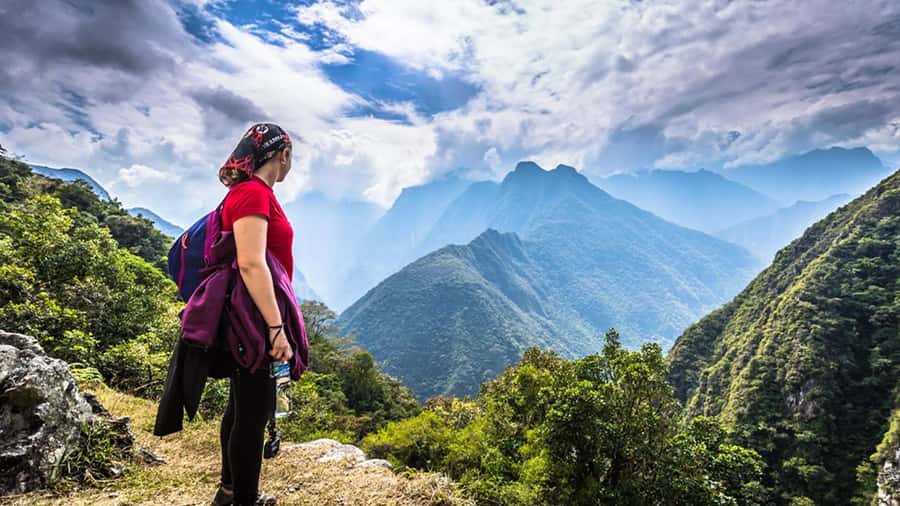
- Downhill biking from Abra Málaga: a long, scenic descent that sets the pace for the whole trek
- Huamanmarca and local routines: you get more than views, including an archaeological center and stops connected to daily life
- Zip line at Cola de Mono: a fun add-on if you feel like pushing it on day 2
- Hike to Hidroeléctrica through canyon + waterfalls: a “moving through the jungle” day, not just transport
- Sunrise timing at Machu Picchu: you aim to be one of the first groups inside for the morning atmosphere
- Small group size (max 18): easier to manage on uneven terrain
Other ways up to Machu Picchu, reviewed
- From Aguas Calientes: Machu Picchu guided tour with tickets★ 4.9 · 72 reviews
- From Cusco: Machu Picchu 2 days★ 3.6 · 29 reviews
- Cusco: Machu Picchu Day Trip with Train + Entrance ticket★ 4.5 · 17 reviews
- Rainbow Mountain tour and Machu Picchu tour by train★ 4.8 · 13 reviews
Day 1: Cusco to Abra Málaga and the big downhill bike
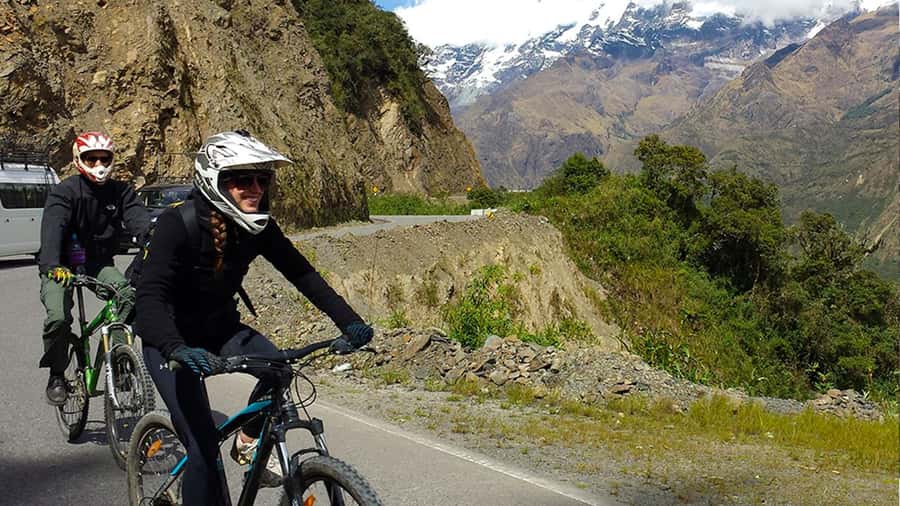
Your day starts early, with hotel pickup around 06:00 and a 4-hour drive toward Abra Málaga. The ride out matters because it switches you from city air to mountain-to-jungle transition. You’ll start climbing and then quickly shift into the real fun: biking.
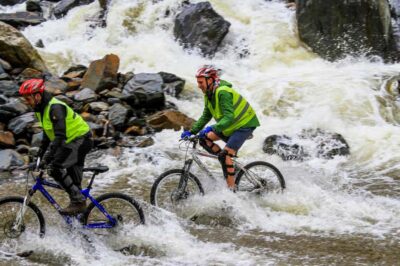
Once you reach Abra Málaga, the adventure begins with a 3 to 4 hour downhill bike descent to Santa María. This is not a quick photo stop. It’s real time on the bike, with a lot of changing scenery as you drop in altitude. The practical upside for you: downhill biking can feel easier than constant uphill trekking, as long as your legs and balance are ready for the ride.
Along the route, you’ll stop at the archaeological center of Huamanmarca. This is where the trip stops being only active and starts feeling like a story. You get a moment to connect the geography to the Inca-era presence in the Andes.
What I like about this day is how it mixes physical effort with sensory details you can actually use. You’ll be paying attention to jungle birds, medicinal plants, and fruits like mango, pineapple, papaya, avocado, coffee, plus coca leaves. If you’re the kind of person who enjoys learning what you’re looking at, this day rewards you.
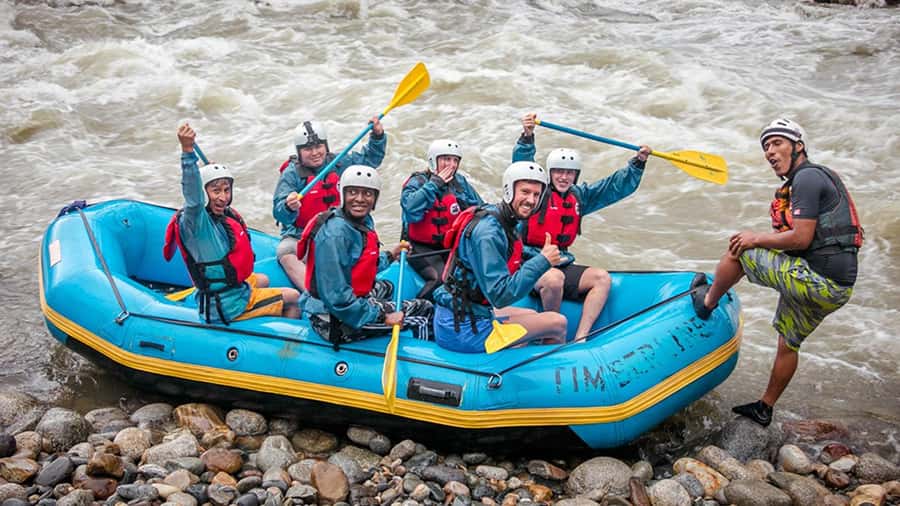
One important note: the itinerary also mentions river rafting as part of the included adventure. But it’s only subject to weather conditions between January 1 and March 31. If the river is high on your activity day, it won’t take place and there’s no refund. Plan your mindset accordingly: come ready to do the biking and hikes, and treat rafting as a bonus when conditions allow.
Santa María to Santa Teresa: staying overnight where the air changes
After reaching Santa María, the trip shifts from biking to transfer mode. In the afternoon, you travel by car to Santa Teresa, where you spend the night. The overnight matters because day 2 becomes a long movement toward Aguas Calientes. Breaking up the route like this makes the trek feel doable rather than punishing.
In Santa Teresa, you’ll also have an optional stop: Cocalmayo hot springs. The hot springs entry itself isn’t included, so if you want it, budget for it separately. Still, it’s a smart option if your muscles are feeling the bike day.
On this kind of trek, rest isn’t luxury. It’s part of the plan. The combination of altitude changes and physical work means you’ll feel the benefit of sleeping in a place that doesn’t require immediate hiking before breakfast.
Day 2: Zip line at Cola de Mono, then the hike toward Hidroeléctrica
Day 2 begins with options. After breakfast, you can do the zip line at Cola de Mono. Even if you’re not a thrill-seeker, it’s worth considering because it’s short and it adds variety after a cycling day. If you’d rather keep energy for the hike, skipping it is totally fine.
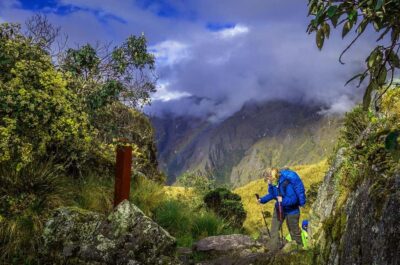
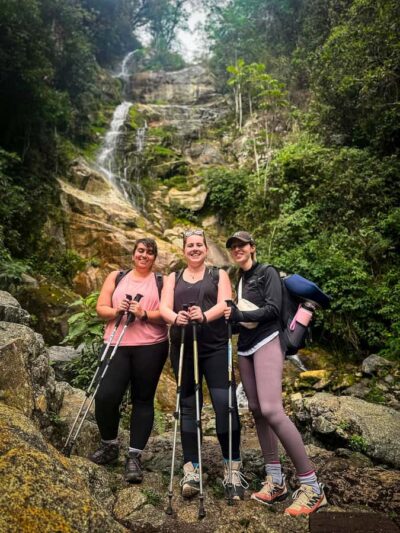
Then the main day begins: you start walking toward Hidroeléctrica, passing through a narrow canyon. The canyon detail matters because it changes the feel of the trek—temperature and humidity can shift in ways you notice quickly once you move through. You’ll also see waterfalls and thick vegetation, plus plantations of banana, mango, avocado, cocoa, orange, and again coca leaves.
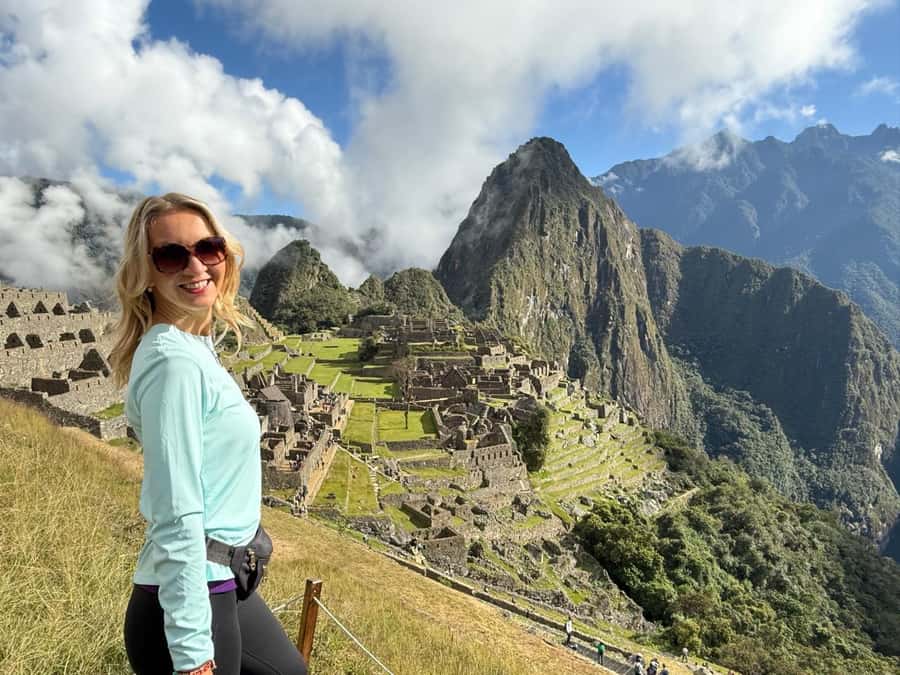
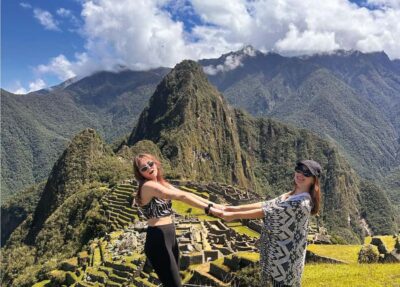
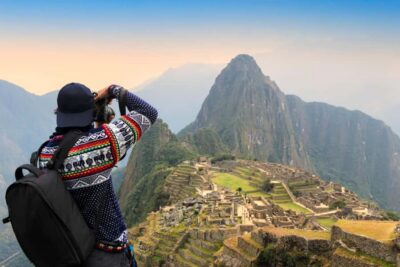
A neat moment on this day: you’ll finally be able to see the mountain of Machu Picchu while you’re still on the way. That visual cue is huge psychologically. You stop wondering if you’ll actually reach the site and you start feeling the approach.
At Hidroeléctrica, you stop for lunch. This is included, and it’s a proper recovery break. After that, the trek turns into a different kind of walking: you continue along the train tracks for about 3 hours until you arrive in Aguas Calientes (Machu Picchu Pueblo).
When you get to Aguas Calientes, you’ll have time for hot springs as an option, but entry to hot springs in this area is not listed as included. So treat it as extra.
You’ll sleep again in Inka jungle hostels, and this overnight sets you up for the most time-sensitive day: Machu Picchu sunrise.
Day 3: sunrise on the way in, guided Machu Picchu, then back to Cusco
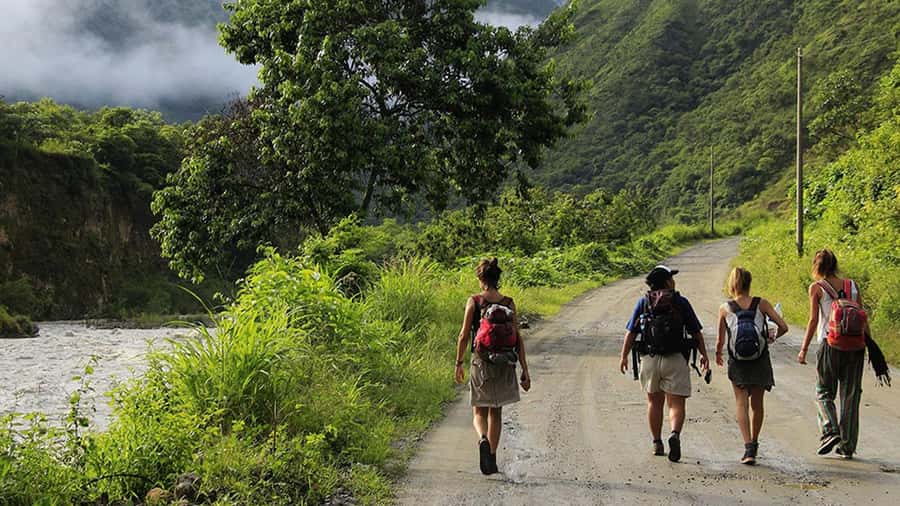
On day 3, you go early—walk to Machu Picchu after breakfast. The payoff is that the plan includes sunrise. That’s not just a romantic idea. It changes how Machu Picchu feels. Morning light reduces the harsh glare, and the atmosphere is calmer before the day fully fills up.
A big practical benefit here: the route is timed so you can be one of the first groups inside. That gives you a smoother entry and time to take in key structures without fighting the strongest crowds.
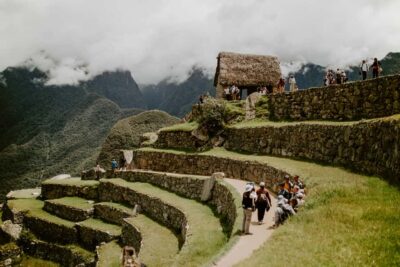
At the site, you’ll tour for about 2 and a half hours with a professional guide. The visit focuses on major points like Inti Watana, the Temple of the Condor, the sacred rock, and other important areas. This is where you’ll appreciate having a guide rather than doing it alone. Machu Picchu is visually dramatic, but a guide helps you understand why the spaces matter.
After your visit, you descend to Aguas Calientes and catch the train from Machu Picchu Pueblo station to Ollantaytambo. From Ollantaytambo, there’s tourist transport back to Cusco.
The itinerary also mentions an alternative: you may walk back to the hydroelectric plant to take a car. In practice, that means you’re not locked into one rail-only rhythm, but the exact choice may depend on timing and how the day runs.
Either way, you’re finishing the trek with a full exit from the Machu Picchu area rather than getting stuck there.
More Inca Jungle combos, bike, raft and trek
Value and price: what $410 buys you in the real world
At about $410 per person for 3 days, the value comes from what’s bundled, not from any one highlight. You’re paying for:
- Machu Picchu entrance
- A professional adventure tour guide (English or Spanish)
- Transport across the route (Cusco to Abra Málaga, Ollantaytambo back to Cusco)
- Train between Aguas Calientes and Ollantaytambo (or hydroelectric transport to Cusco)
- Two nights in Inka jungle hostels
- Meals: 2 breakfasts, 2 lunches, 2 dinners
- Biking equipment: bicycle, arm protector and knee pads, helmet, gloves
- Zip line and rafting as included activities (with the rafting weather rule)
Two things to watch on value:
1) Not included: breakfast on the first day and lunch in Aguas Calientes. So you’ll want to have a little cash set aside for those meal gaps.
2) Hot springs: Cocalmayo hot springs are optional, and hot springs in Aguas Calientes aren’t listed as included.
On logistics, you get a solid buffer: the group is limited to 18 participants, which tends to help with pacing, safety, and keeping the day from turning into a stampede.
Who this trek suits best (and when to skip it)
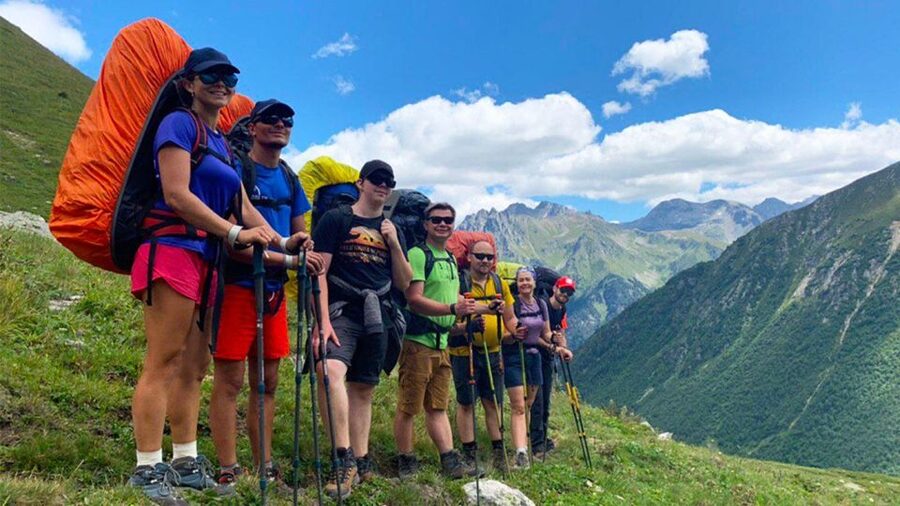
This is a good match if you want movement and variety. You’re not doing just one thing. You bike, hike, and potentially zip line and raft—while also getting cultural stops like Huamanmarca and time in and around local families’ routines.
It’s not a good fit if you need low-impact travel. The tour is explicitly not suitable for:
- People with back problems
- Pregnant women
- Wheelchair users
If you have doubts, ask the provider before booking, especially because there’s a lot of walking and because it includes biking and canyon hiking.
Also remember the “what to bring” reality: backpacks are not allowed. That means you’ll need to travel light and use whatever carry system the day allows. Bring water, sunscreen, and any personal medication early, not at the last minute.
Packing and altitude tips that actually help
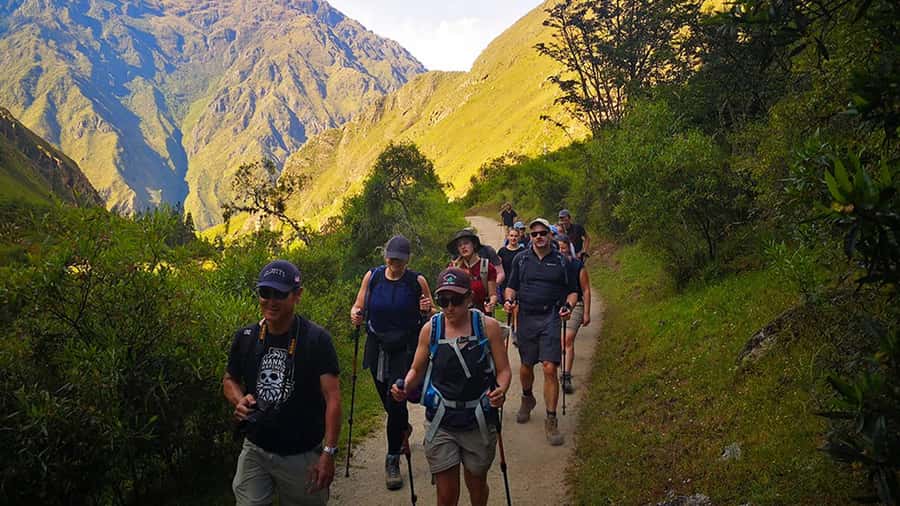
Here’s what you should plan to have ready:
- Passport or ID card (a valid passport is required on travel day)
- Sunglasses, camera
- Sunscreen, water, snacks
- Cash (for items not included)
- Personal medication
Altitude matters on any Cusco-based itinerary. You’ll be given a helpful tip: drinking coca tea before the excursion can help prevent altitude sickness. It’s a simple step, but it’s the kind of thing that can make the day feel more comfortable.
One more practical rule: no alcohol and no drugs. Pets aren’t allowed either.
If you’re prone to sunburn or heat swings, pack like the weather will change. You’ll move from higher areas into more humid jungle conditions across the days.
Quick reality check on rafting and other optional extras
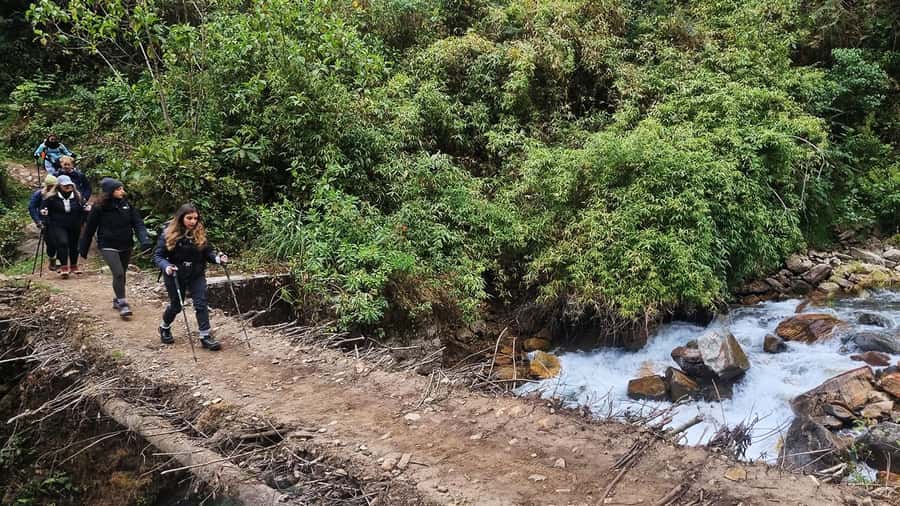
The itinerary includes zip line and rafting, but rafting has a weather safety rule between January 1 and March 31. If the river is high, rafting won’t happen, and there’s no refund. So don’t count on getting that one “big splash” moment.
Optional extras to consider:
- Wayna Picchu is optional (cost listed as USD 65), but not included.
- Santa Teresa hot springs (Cocalmayo) are optional and not included.
- Hot springs in Aguas Calientes are something you’ll have the chance to visit, but entry isn’t listed as included.
Should you book Inka Jungle trek to Machu Picchu 3D/2N?
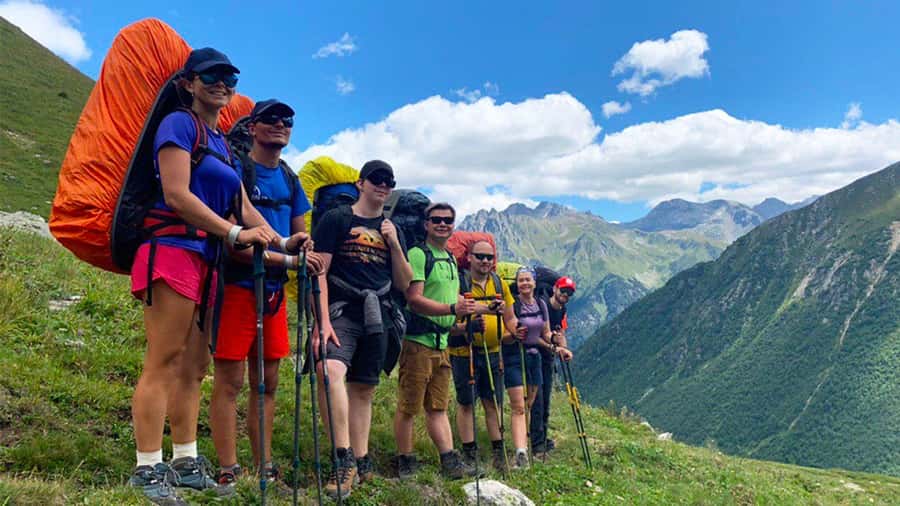
Book it if you want a physically active route that mixes biking, jungle walking, and a guided sunrise approach to Machu Picchu. The value is strongest for people who appreciate included logistics: entrance, guide, train segments, meals, and even biking protection gear.
Skip it or reconsider if you want mostly flat sightseeing, if you’re dealing with back issues, or if you can’t handle the walking and uneven terrain that comes with canyon-to-ruins travel. And if your trip dates fall in the Jan–Mar window, treat rafting as a bonus, not a guarantee.
If you’re choosing between doing Machu Picchu as a pure train day versus earning it the Inka Jungle way, this one gives you more than a destination. It gives you the “in between” story—plants, fruit, canyon air, and that first-morning entry—tied directly to the journey down from the Andes.
FAQ
How long is the Inka Jungle trek to Machu Picchu?
It’s a 3-day experience with 2 nights in Inka jungle hostels.
Where does the tour start?
You’re picked up from your Cusco hotel around 06:00, and transportation takes you toward Abra Málaga.
Is Machu Picchu entrance included?
Yes. Entrance to Machu Picchu is included.
What meals are included?
Meals included are 2 breakfasts, 2 lunches, and 2 dinners. Breakfast on the first day and lunch in Aguas Calientes are not included.
Are zip line and rafting included?
Zip line is included. River rafting is included but subject to weather conditions between January 1st and March 31st. If the river is high on your rafting day, the activity won’t take place and there is no refund.
What about optional Wayna Picchu?
Wayna Picchu is optional and costs USD 65. It is not included.
Are hot springs included?
Hot springs in Santa Teresa (Cocalmayo) are not included. In Aguas Calientes, you’ll have the opportunity to visit hot springs, but hot spring entry is not listed as included.
What’s the group size and tour language?
It’s a small group limited to 18 participants. The live tour guide works in English and Spanish.
More Tour Reviews in Aguas Calientes
Keep Going on the Inca Jungle
Machu Picchu, More Ways In
Recent write-ups from around Aguas Calientes, just off the trail
- Huchuy Qosqo Trek To Machu Picchu
★ 5.0 · 3 reviews - Guide in Machu Picchu
★ 5.0 · 3 reviews - “Glamping Sky Lodge Domes” 2-Day Humantay Lake & Salkantay
★ 5.0 · 3 reviews - From Cusco: Machu Picchu by Car 2D/1N
★ 3.5 · 3 reviews - TOUR TO MACHU PICCHU FULL DAY BY TRAIN – The Best Adventure
★ 3.2 · 4 reviews
Machu Picchu Tours & Tickets, compared.
 ★ 4.7From Cusco: Full-Day Group Tour of Machu PicchuFrom $3211,767 reviews
 ★ 4.5Machu Picchu Day Trip from CuscoFrom $3361,644 reviews
 ★ 4.6Machu Picchu: Full-Day Tour from Cusco with Optional LunchFrom $283927 reviews
 ★ 4.84-Day Inca Trail to Machu Picchu with AccommodationFrom $470432 reviews
 ★ 4.6From Cusco: 2-Day Trip to the Sacred Valley and Machu PicchuFrom $370265 reviews
 ★ 4.9Machu Picchu 2-Day Inca Trail with Panoramic TrainFrom $582260 reviews
 ★ 4.2From Cusco: 2-Day Inca Trail to Machu PicchuFrom $290244 reviews
 ★ 4.9Machu Picchu: Inca Trail 2-Day Overnight Guided TourFrom $585203 reviews
Browse the lists this tour appears in