
REVIEW · MACHU PICCHU TOURS & TICKETS
Cusco: 4-Day Inca Trail to Machu Picchu with Accommodation
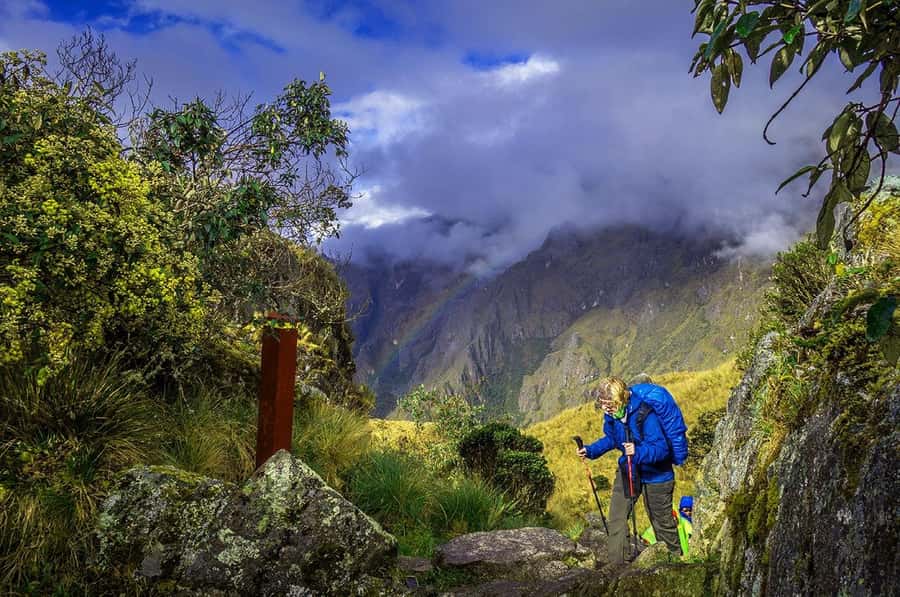
You’ll start your Machu Picchu story with a bike ride. This 4-day Inca Jungle Trail has a big, practical hook: you’ll bike way down from Abra Málaga, then hike parts of the Andean road system while doing hands-on coffee roasting and ending with a guided tour at Machu Picchu. I especially like how the itinerary mixes adrenaline with culture, and how the Machu Picchu entrance ticket is handled for you. One thing to consider: accommodations outside Machu Picchu can be basic in spots, so don’t expect luxury.
The trip also stays small. You’re picked up from the Cusco Main Square, you’ll cross the Sacred Valley, and you’ll spend three nights sleeping in mountain and jungle settings with a bilingual guide (English-Spanish) and a group limited to 9 people.
If you’re hoping for an easy stroll, this isn’t it. You start early (including a 4:00 am climb day), you’re hiking with real elevation changes, and the operator lists it as not suitable for pregnant women, people with back problems, or wheelchair users.
In This Review
- Key things that make this Inca Jungle Trail feel special
- Cusco start: a 6:00 AM pickup and Sacred Valley run
- Abra Málaga and the 50 km downhill bike day
- Pispitayoc eco-house night: forest quiet and a real local flavor
- Coffee roasting on the Qhapaq Ñan: coca, coffee, fruit, and birds
- Cocalmayo thermal baths: optional recovery with real payoff
- Hidroeléctrica to Aguas Calientes: walking the train track into town
- 4:00 am to Machu Picchu: guided tour, then freedom
- Price and value: what $470 actually buys you
- What it feels like day to day (and who should book)
- Booking decision: should you go on this Cusco-to-Machu Picchu route?
- FAQ
- Where do we meet in Cusco?
- What time is the pickup on Day 1?
- How many people are in the group?
- What meals and accommodation are included?
- Is the Cocalmayo thermal baths stop included?
- Do I need extra transportation to Machu Picchu?
- What ID do I need to bring?
- Is the tour refundable and is it accessible?
Key things that make this Inca Jungle Trail feel special
- Abra Málaga downhill bike (about 50 km) with proper safety gear
- Hands-on coffee roasting plus time on the old road network, Qhapaq Ñan
- Coca-and-coffee plantation hiking with viewpoint breaks (like Huancarcasa)
- Thermal baths option at Cocalmayo after the second day’s trek
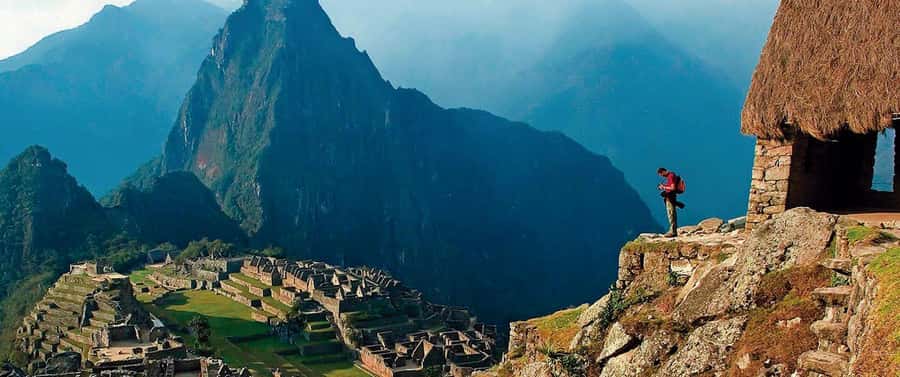
- Machu Picchu with an included guided tour and then free time to explore
- Small-group pacing with lots of support from your bilingual guide
Other ways up to Machu Picchu, reviewed
- From Cusco: Full-Day Group Tour of Machu Picchu★ 4.7 · 1,767 reviews
- Machu Picchu Day Trip from Cusco★ 4.5 · 1,644 reviews
- Machu Picchu: Full-Day Tour from Cusco with Optional Lunch★ 4.6 · 927 reviews
- Cusco: 4-Day Inca Trail to Machu Picchu with Accommodation★ 4.8 · 432 reviews
Cusco start: a 6:00 AM pickup and Sacred Valley run
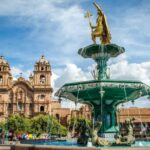
Day 1 begins with a 6:00 AM pickup from Plaza Mayor de Cusco. Your guide calls your name and wears the agency jacket, so you won’t be wandering around guessing who’s with the group. Then you’re transported through the Sacred Valley, including stops in Chinchero, Urubamba, and Ollantaytambo, which helps you get your bearings before the more rugged parts start.
This matters more than it sounds. By the time you reach the high pass, you’ve already seen how the valley works—villages, farming, and the terrain that shapes everything you do next. And because your guide is bilingual, you’ll get the “why” behind what you’re passing rather than only the “what.”
You’ll also want to mentally plan for altitude. Cusco is already high, and the route keeps moving through zones at different elevations. That’s part of what makes the jungle trail such a good transition toward Machu Picchu: you’re not going straight from city to summit. You’re acclimating through motion.
Abra Málaga and the 50 km downhill bike day
The signature start is the ride from the Abra Málaga pass, where you’re treated to views toward Huacay Willca. Then you get your biking setup: Kona bicycle plus elbow and knee pads, gloves, goggles, and a helmet, with a rain jacket added if conditions call for it.
After that, you’ll bike downhill through Puna and Cloud Forest zones for about 3 hours covering roughly 50 km. You end at the area near Huaman Marq’a ruins, where the rest of the day shifts from bike tempo to walking and short transfers. You’ll take a brief van ride and then walk onward toward Santa María, before continuing to the forest for the night.
Why this is such a smart use of time: it turns the hardest-to-reach terrain into something you can enjoy without burning your legs before the hikes start in earnest. And based on the positive feedback around the biking, this is often the moment people realize the tour isn’t only about endurance—it’s also about variety and fun.
The main drawback is obvious: you need to be comfortable riding in rougher terrain and following instructions. It’s not a casual city pedal.
Pispitayoc eco-house night: forest quiet and a real local flavor
Day 1 ends in Pispitayoc village with an overnight stay in an eco-house in the forest (dinner included). This is the “you’re not in Cusco anymore” night. Expect a quieter setting where the day’s movement gives you time to slow down and actually notice the surroundings.
The tour doesn’t oversell the comfort level here, and that’s honest. Some people describe the accommodations as more basic than they hoped, while others loved the feel of staying with a friendly local setting tied to jungle life and coffee. Either way, you should treat this night as part of the experience: it’s practical, it supports recovery, and it helps you sleep after an active first day.
If you’re the type who needs perfect bedding or constant hot-water reliability, you may want to temper expectations. But if you care more about getting the story of the region rather than checking comfort boxes, this part tends to land well.
Coffee roasting on the Qhapaq Ñan: coca, coffee, fruit, and birds
Day 2 starts with breakfast, then shifts into something I really value on this route: learning coffee roasting and participating. It’s not only watching. The idea is that you get hands-on with how coffee is prepared—because in this region, coffee isn’t a souvenir topic. It’s part of daily life.
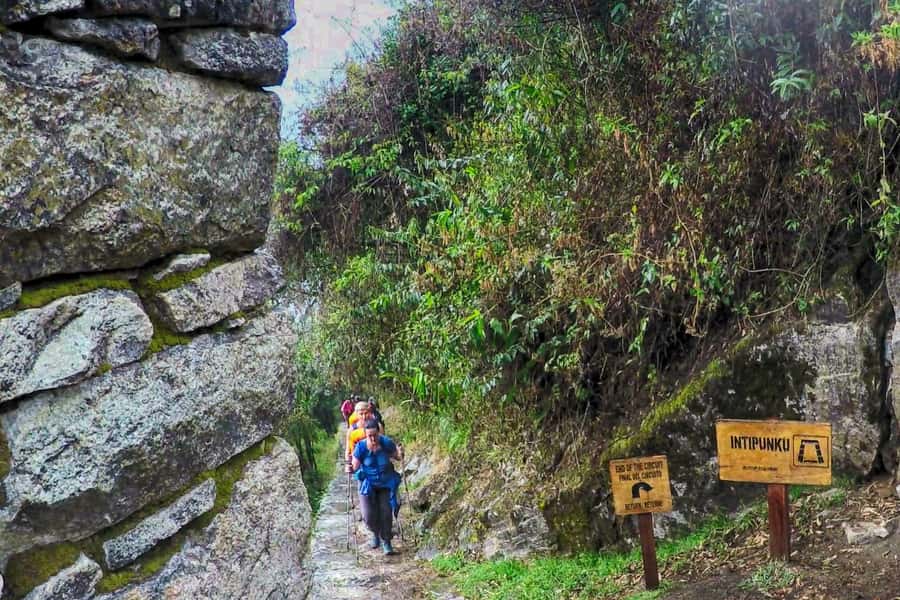
Then you hike a stretch that follows part of the Qhapaq Ñan, the Inca road network. Along the way you’ll get a sense of biodiversity and farming at the same time. You’ll move through plantations of coca, coffee, and fruit trees, and you’ll pause for views and bird spotting when conditions allow.
At Huancarcasa viewpoint (around 1,750 meters), you get a panoramic break before descending toward Qellomayo village at about 1,200 meters for lunch. After lunch, the last leg is about 2 hours, descending toward optional Cocalmayo thermal baths at roughly 1,450 meters, then continuing to Santa Teresa (around 1,515 meters) for dinner and another overnight stay.
This day is where the tour feels most “Andes-specific.” You’re not only getting scenery—you’re getting the human layer: how people farm, how they process coffee, and how the old road system shaped movement through the mountains.
More Inca Trail departures we have walked through
Cocalmayo thermal baths: optional recovery with real payoff
If you book this trip for the hiking and biking, you’ll still be grateful for the recovery option. The itinerary includes the chance to soak at Cocalmayo hot springs after the Huancarcasa-to-Santa Teresa trekking day. The important detail: hot spring tickets aren’t included, so you’ll pay separately if you want this stop.
Still, even with that extra cost, it’s an excellent trade. Day 2 includes enough hiking that your legs will feel it, and a soak is one of the best ways to reset before the next long travel-to-Aguas Calientes day.
In practice, what you want is flexibility. If your group energy is high, you’ll likely treat Cocalmayo as a must. If you’re tired (or just want an early dinner and sleep), you can skip it and keep momentum. The itinerary is built so you arrive in Santa Teresa in time for dinner regardless.
Hidroeléctrica to Aguas Calientes: walking the train track into town
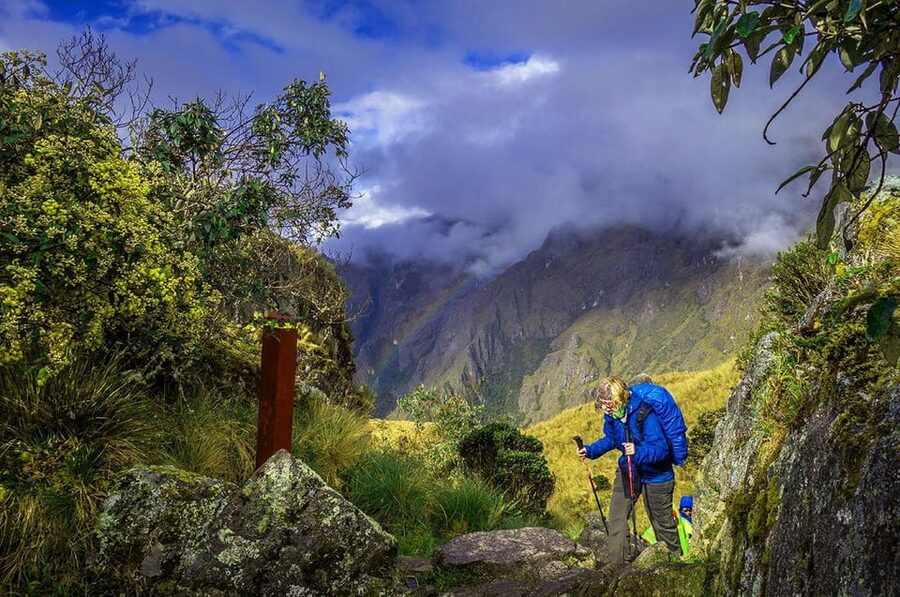
Day 3 moves from plantations to transport infrastructure. After breakfast in Santa Teresa, you trek for about 3 hours through coffee and coca plantations to Hidroeléctrica (around 1,900 meters), where lunch and a break are scheduled.
Then comes one of the most practical sections of the whole route: another 3 hours along the train track, arriving in Aguas Calientes (about 1,950 meters). This gets you close to Machu Picchu without forcing you into constant steep climbing. Once you arrive, your afternoon is free.
That free time is worth protecting. You’ll likely want to eat, rest, maybe walk around town, and keep your head clear for the early wake-up on Day 4. In the evening you’ll gather for dinner and a briefing about the Machu Picchu climb.
4:00 am to Machu Picchu: guided tour, then freedom
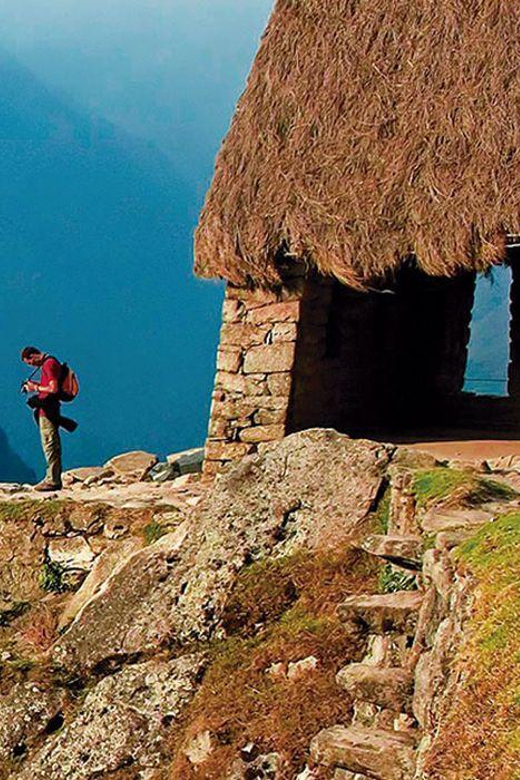
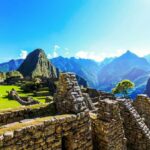
Day 4 starts early—4:00 AM. You’ll hike up to Machu Picchu, reaching around 2,400 meters in about 1.5 hours. This is not a long, scenic stroll; it’s a steady climb designed to get you to the citadel while the day is still fresh.
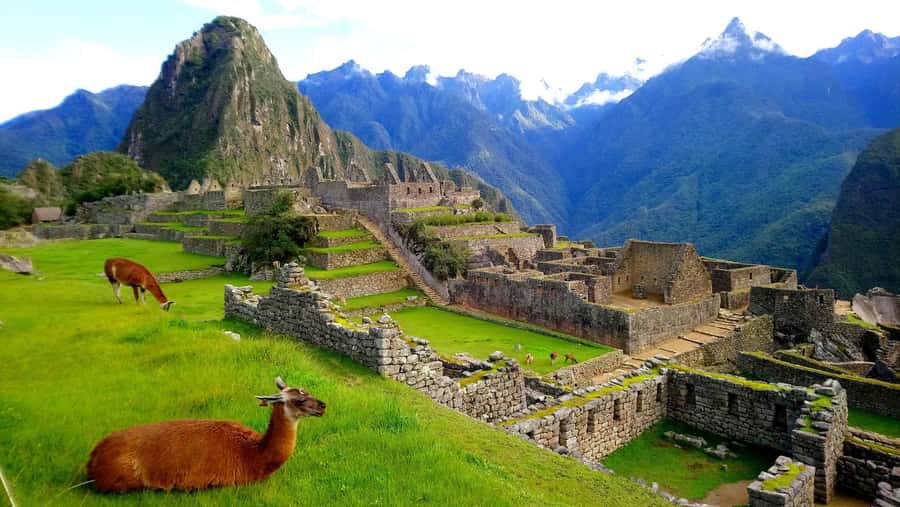
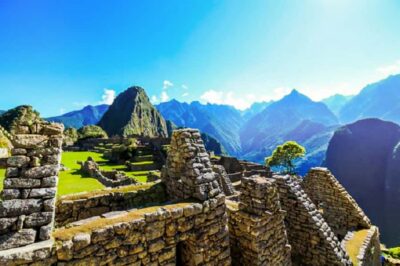
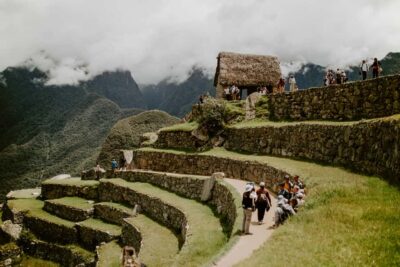
Once there, you get a 2-hour guided tour covering the main parts of Machu Picchu. After that, you get free time to explore on your own, which is where you can slow down, take photos at your pace, and revisit whatever area stuck with you from the guide’s explanation.
Then the descent and travel logistics:
- You return to Aguas Calientes to collect belongings.
- You take the included train back to Ollantaytambo.
- A bus returns you to Cusco, ending the service.
This is also where the guide’s style matters. In the past, people praised guides like Richard, Francis, Amaru, Francis (again), Gerson, and Luis for keeping energy high during hard sections and making the Machu Picchu experience feel connected to the Andes rather than like a checklist. You can’t choose your guide in most cases, but the recurring theme is support, timing, and clear communication.
Price and value: what $470 actually buys you
At $470 per person for 4 days, you’re paying for more than entrance to a famous site. The included package covers a lot of the expensive moving parts that usually add up:
- Machu Picchu entrance tickets plus a guided visit
- Train transport from Aguas Calientes to Ollantaytambo
- Multiple meals: 3 breakfasts / 3 lunches / 3 dinners
- A full set of biking equipment and a guided bilingual team
- Three nights of lodging across Pispitayoc, Santa Teresa, and Aguas Calientes
That’s why many people call this strong value. You’re not trying to piece together transport, tickets, and guide services after the fact. The itinerary is stitched into one system, which usually means fewer “where do we go next” moments for you.
Where to watch your budget:
- Cocalmayo hot springs tickets are not included.
- Optional extras (some groups mention add-ons like zip line or rafting) may come with extra fees.
- The bus up and down to Machu Picchu is optional and not included, which matters if you’re not up for the Day 4 hike.
If you want a trip that feels coordinated and includes the core costs up front, this price is easier to justify. If you’re counting every extra sol, build in a buffer.
What it feels like day to day (and who should book)
Here’s the honest rhythm: you’ll do early starts, you’ll hike, and you’ll ride. Day 1 is adrenaline-first with the bike downhill. Day 2 is culture-and-nature with coffee roasting and the Qhapaq Ñan hike, plus optional thermal recovery. Day 3 turns more into transit on foot toward Aguas Calientes. Day 4 is the big Machu Picchu push with a guided tour.
That makes this tour best for:
- Active travelers who want a mix of biking, hiking, and cultural stops
- People who like small groups and personal guidance
- Travelers who want Machu Picchu but don’t want it to be the only highlight
It is not the right fit for:
- Pregnancy
- People with back problems
- Wheelchair users
And if you’re older or have fitness concerns, you’ll still be in good hands as long as you accept the physical demands. Guides are praised for adjusting pace and encouragement, but the schedule still includes real climbs and distance.
Booking decision: should you go on this Cusco-to-Machu Picchu route?
I’d tell you to book this if you want Machu Picchu with a story attached—bike down from Abra Málaga, learn coffee roasting, and hike through working farmland and the old Inca road network before the final citadel day. The value is strong because the package handles the biggest logistics: guide, key meals, lodging, and Machu Picchu entry plus train return.
I’d think twice if you want a low-effort trip or if accommodation comfort is your top priority. Some stays are described as quiet but basic, and you’ll be paying extra if you want hot springs or optional activities.
If you can handle early mornings and hikes, this route is a high-reward way to reach one of the world’s most famous places.
FAQ
Where do we meet in Cusco?
You meet in the Cusco Main Square (Plaza Mayor de Cusco). The guide will call your name and be wearing the agency jacket.
What time is the pickup on Day 1?
Day 1 starts with a pickup at 6:00 AM from the Cusco Main Square.
How many people are in the group?
This is a small-group tour limited to 9 participants.
What meals and accommodation are included?
The tour includes 3 breakfasts, 3 lunches, and 3 dinners, plus three nights of accommodation: one night in an eco-house in Pispitayoc, one night in Santa Teresa (hostel), and one night in Aguas Calientes (hostel).
Is the Cocalmayo thermal baths stop included?
The Cocalmayo hot springs tickets are not included, though the itinerary includes the option to go.
Do I need extra transportation to Machu Picchu?
The bus up and down to Machu Picchu is marked as optional and not included. The Day 4 plan includes a hike up starting at 4:00 AM.
What ID do I need to bring?
Bring a passport or ID card. A copy is accepted.
Is the tour refundable and is it accessible?
The activity is non-refundable. It is not suitable for wheelchair users, and the operator lists it as not suitable for pregnant women and people with back problems.
More Tour Reviews in Cusco
Still Set on the Inca Trail?
Machu Picchu, More Ways In
Recent write-ups from around Cusco, just off the trail
- Cuzco: Rainbow Mountain Excursion
★ 5.0 · 3 reviews - 1 day excursion to Qeswachaka bridge and the 4 lagoons
★ 3.6 · 3 reviews - Waqrapukara 1 day trekking + meals
★ 3.9 · 3 reviews - Valle Sur Cusco | half day
★ 4.3 · 3 reviews - Full-Day Condor Viewpoint & Inca Sites Tour
★ 5.0 · 3 reviews
Machu Picchu Tours & Tickets, compared.
 ★ 4.7From Cusco: Full-Day Group Tour of Machu PicchuFrom $3211,767 reviews
 ★ 4.5Machu Picchu Day Trip from CuscoFrom $3361,644 reviews
 ★ 4.6Machu Picchu: Full-Day Tour from Cusco with Optional LunchFrom $283927 reviews
 ★ 4.6From Cusco: 2-Day Trip to the Sacred Valley and Machu PicchuFrom $370265 reviews
 ★ 4.9Machu Picchu 2-Day Inca Trail with Panoramic TrainFrom $582260 reviews
 ★ 4.2From Cusco: 2-Day Inca Trail to Machu PicchuFrom $290244 reviews
 ★ 4.9Machu Picchu: Inca Trail 2-Day Overnight Guided TourFrom $585203 reviews
 ★ 4.0The First Class Machu Picchu Train by Inca RailFrom $855182 reviews
Browse the lists this tour appears in