
REVIEW · MACHU PICCHU TOURS & TICKETS
4 Day Inca Trail Trek to Machu Picchu Multi day tour
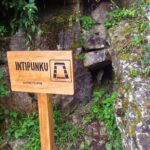
The Inca Trail is a workout with a reward. This 4-day hike follows the ancient route toward Machu Picchu, crossing Dead Woman’s Pass and arriving through Inti Punku (Sun Gate) for that first jaw-drop view. Expect river trails, high passes, cloud forest, and ancient ruins spread across the Andes.
I love how much of the heavy lifting is handled for you. You get a trained guide, a professional trekking chef, camping gear, and a super porter who carries your duffel bag (up to 7 kg), so you can focus on your legs and your breath.
The main drawback is altitude and early starts. You’ll hit high elevations on tough days, and the trip’s success depends on being ready for steep climbs, long hiking hours, and cold nights at camp.
In This Review
- Key highlights worth getting excited about
- Entering the 4-Day Inca Trail: Km 82 to Sun Gate
- Price and value: what $930 really covers
- Day 1: Km 82, the Urubamba River path, and Huayllabamba
- Day 2: Warmiwañusca (Dead Woman’s Pass) and Pacaymayo Valley
- Day 3: Runkurakay, Sayacmarca, Phuyupatamarca, and Wiñay Wayna
- Day 4: Sun Gate (Inti Punku), guided Machu Picchu, and the way back
- Camp life that actually makes sense: tents, water, and meals
- Guides and porters: why the small details get praised
- Pace, altitude, and what to prepare mentally
- What to pack (and what you should not forget)
- Getting to Machu Picchu and back: train and bus flow
- Should you book this 4-Day Inca Trail trek?
- FAQ
- What time does the trek start from Cusco?
- How long is the Inca Trail trek?
- Where does the trek begin?
- What is the highest point on the trail?
- What is included in the price?
- Do I need to bring a sleeping bag?
- Are hiking poles provided?
- Is the sleeping setup comfortable?
- How large is the group?
- What happens if I cancel?
Key highlights worth getting excited about
- Sun Gate arrival on Day 4: your first wide view of Machu Picchu before the guided ruins time
- Dead Woman’s Pass (Warmiwañusca) at 4,215 m: the hardest moment that many people remember most
- Chef-cooked camping meals: food support included even while you’re sleeping outdoors
- Porter team + super porter: less to carry, smoother camp setup
- Small group size (max 16): easier pace control with a guide managing different abilities
- Emergency kit with oxygen: extra reassurance on a high-altitude trek
Other ways up to Machu Picchu, reviewed
- From Cusco: Full-Day Group Tour of Machu Picchu★ 4.7 · 1,767 reviews
- Machu Picchu Day Trip from Cusco★ 4.5 · 1,644 reviews
- Machu Picchu: Full-Day Tour from Cusco with Optional Lunch★ 4.6 · 927 reviews
- Cusco: 4-Day Inca Trail to Machu Picchu with Accommodation★ 4.8 · 432 reviews
Entering the 4-Day Inca Trail: Km 82 to Sun Gate
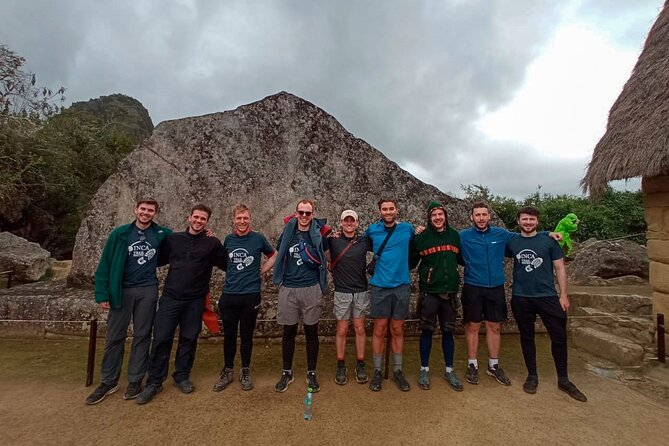
This is the classic four-day version of the Inca Trail that runs from Km 82 into Machu Picchu, with your final approach through Inti Punku (Sun Gate). That matters because the day you reach the Sun Gate feels like a transition from hiking to history. You come in over mountain ground and then the citadel appears in full scope.
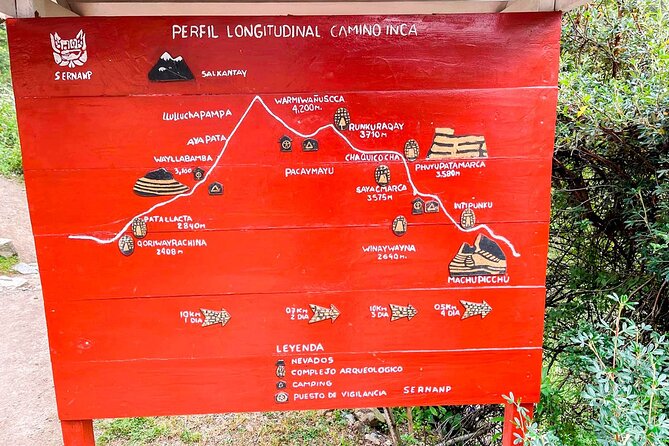
Over four days, the route moves through big changes in altitude and environment. You’ll go from river-adjacent walking to steep mountain passes, then into cooler cloud-forest sections and terrace country near the end. The trail distance totals around 42 km (26 miles), spread across multiple days so it’s demanding but manageable for prepared hikers.
One detail to keep in mind: you start with logistics before you start walking. Your day begins early in Cusco, and you’ll drive down into the Urubamba Valley area before you step onto the trail.
Price and value: what $930 really covers
$930 is not cheap, but it’s also not just “a guide and a map.” This package folds in several cost-heavy items that can add up quickly if you try to piece them together yourself.
What you get in the price includes:
- Inca Trail permit and Machu Picchu entrance fee
- Camping accommodation (3 nights) plus camp infrastructure like kitchen/dining tents and a toilet tent
- Guide, professional trekking chef, and porters (including a super porter for your duffel)
- Shuttle bus from Machu Picchu down to Aguas Calientes
- Train back from Machu Picchu to Ollantaytambo
- Bus from Ollantaytambo back to Cusco
- Meals: breakfasts (3), lunches (3), dinners (3)
- Drinking water at every campsite provided by the chef
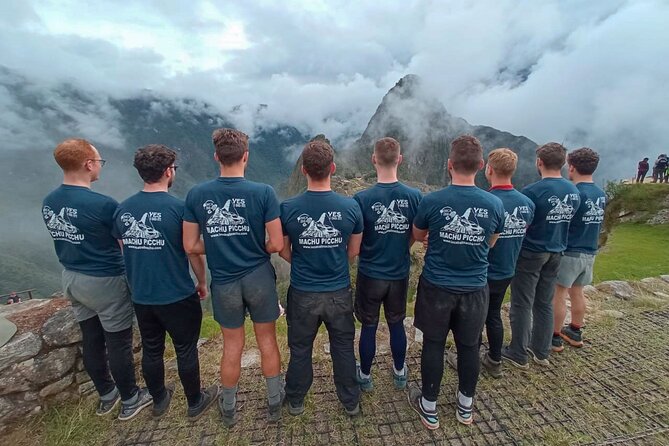
- A few helpful extras like a plastic rain poncho, first-aid kit with emergency oxygen, and a t-shirt
- All taxes and fees included, plus an opportunity to sponsor native tree planting
Not included items are also clear, and that’s important for budgeting: you’ll need to plan for a sleeping bag, and hiking poles are not provided (though some people bring them for the steep descents). Tips and travel insurance are also not included.
If you want a simple way to judge value, use this rule: if you’d otherwise have to buy permits, pay for camping setup, and arrange transport back to Cusco, the package starts to look like a fair deal instead of a splurge.
Day 1: Km 82, the Urubamba River path, and Huayllabamba
Day 1 is your trail setup day. You’ll get early pickup from your Cusco hotel, then ride through the Urubamba Valley to the trailhead at Km 82. After crossing the Vilcanota River, you start along an ancient Inca road path.
The walking is about 7.5 miles (12 km) and described as moderate. That’s the day you’ll want to use smart pacing. You’re likely to feel altitude more than distance, so start slower than your instincts. You’ll follow the banks of the Urubamba River, with big mountain-and-valley views that keep your eyes busy when your legs are still warming up.
You pass Huayllabamba, with a chance to interact with local people. That kind of moment is small on paper, but it helps make the hike feel grounded in real communities, not just a postcard route.
By the end of the day, you’re setting a rhythm for camp life: eat, hydrate, and prepare for a bigger altitude day next.
Day 2: Warmiwañusca (Dead Woman’s Pass) and Pacaymayo Valley
Day 2 is the one with the headline climb: Warmiwañusca, also called Dead Woman’s Pass, reaching 4,215 m (13,828 ft). After an early wake-up and breakfast, you’ll climb to the top, take a short rest, and then descend toward Pacaymayo Valley for the night campsite.
This is the toughest section of the trip for most people. Even when you’re moving at a steady pace, altitude changes how hard everything feels. You’ll want slow steps, short pauses, and consistent breathing. If you go out too fast, you’ll pay for it on the descent.
The environment shifts as you move from high grassland tones into cooler terrain. The route passes through changing scenery, including cloud forest areas where orchids and bromeliads can show up. The plants are a nice reminder that this isn’t just rocks and steep stairs.
At camp in Pacaymayo, you get the protected routine that makes guided camping work. Expect your meals, water provided by the chef at camp, and setup support from the porter team.
More Inca Trail departures we have walked through
Day 3: Runkurakay, Sayacmarca, Phuyupatamarca, and Wiñay Wayna
Day 3 is where you get a lot of “wow” spread across walking. You climb toward the second pass, Runkurakay at 3,970 m (13,022 ft), then descend through cloud forest to Sayacmarca at 3,624 m (11,887 ft).
This day also has a layered archaeological feel. You’re not only hiking toward Machu Picchu; you’re seeing how the Inca shaped routes through ruins, terraces, and ritual spaces. Passing smaller ruin sections along the way adds a sense of continuity. It’s like the trail is telling you the story in pieces.
Then you reach the third pass, Phuyupatamarca, at 3,670 m (12,040 ft). After that, the trail descends again to Wiñay Wayna, known for terraces and ritual baths. The campsite for the night sits around 2,650 m (8,694 ft), and you get views over the mountain surroundings.
If you’re the type who forgets to take breaks, Day 3 can be a good reminder to. The pass-to-ruin flow is easier when you pause often. You’ll enjoy the ruins more when you’re not rushing through them to catch your breath.
Day 4: Sun Gate (Inti Punku), guided Machu Picchu, and the way back
Day 4 starts early again. You’ll have breakfast, then walk to the checkpoint to enter the final stretch. This is the moment that turns the hike into the main event.
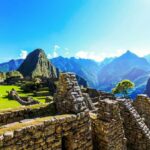
First stop is Inti Punku (Sun Gate). From there, you get one of the best “panoramic reveal” moments for the citadel. It’s not just a view; it’s a shift in scale. You went from trail and terraces to a full ceremonial city, and your brain catches up in stages.
After the Sun Gate, you go to Machu Picchu itself for a guided tour of the ancient ruins, including time with your guide for context. The program mentions Hiram Bingham’s 1911 rediscovery of Machu Picchu, which gives you a helpful anchor point for understanding how the world learned about the site.
When you’re done, the logistics move quickly but smoothly. You’ll take the bus down to Aguas Calientes, have a celebratory lunch, then ride the train back to Ollantaytambo and a bus back to Cusco. That final transfer chain is part of the value of booking a packaged trek.
Camp life that actually makes sense: tents, water, and meals
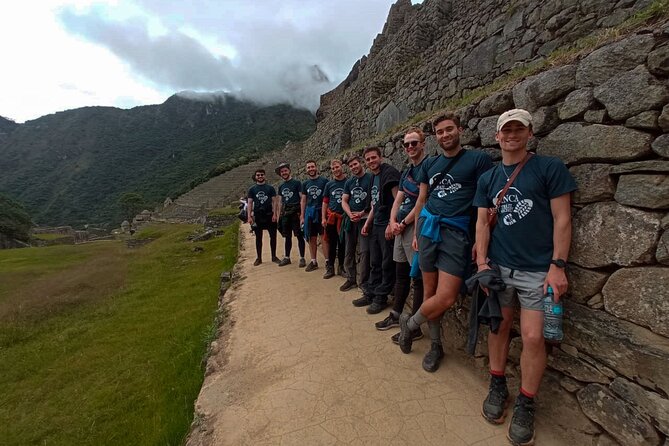
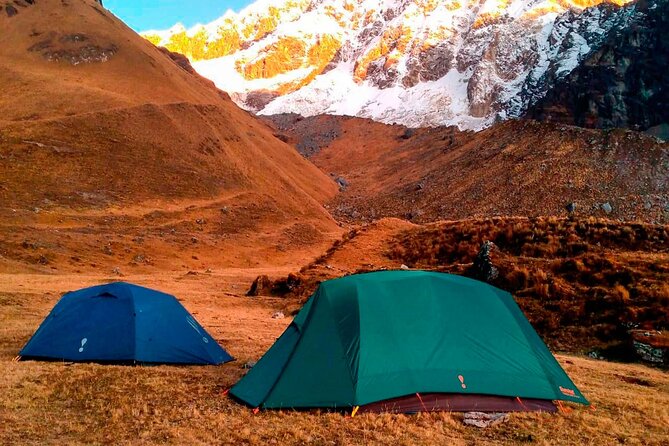
The camping setup is one of the biggest quality-of-life factors on a trek like this. Here, you get Eureka tents for 2 people per tent out of a 4-person structure. That helps with personal space and keeps your luggage more secure than the flimsy “toss it in a bag” approach you might expect on an expedition-style hike.
You’re also provided comfort sleeping roll mattress, plus a full camp operation: kitchen/dining tents, utensils, tables and chairs, and a toilet tent. There’s nothing glamorous about being outdoors at altitude, but having the basics handled makes the trip feel more civilized.
Meal quality is repeatedly praised, which matters because food is your fuel for high-altitude walking. The chef is described as producing delicious food despite camping, and there’s even mention of a baked cake on the trail—proof that this isn’t just survival chow.
You also get water at every campsite provided by the chef. That’s one less thing for you to carry and filter yourself, and it keeps you focused on hydration, not logistics.
Guides and porters: why the small details get praised
The strongest pattern in the praise is staff. Guides such as Nico Raul, César Pérez, Josias, Clemente (chef name appears too), and Plinio (guide) show up in the names provided. Across these experiences, the common thread is caring guidance and a team that runs the trek like a system.
Pace management stands out. One guide is described as adjusting the plan to match the group’s capabilities, which is exactly what you want on a route where steep sections and altitude can hit different people differently. Another theme is support during tough moments, not just reciting facts.
Porters matter too. They handle food and cooking equipment and help keep camp running. Plus, you get a super porter for your duffel bag up to 7 kg. That’s huge. It means you can carry a smaller personal day pack, rather than hauling everything over multiple passes.
And yes, the emergency kit includes emergency oxygen. That’s the kind of detail you don’t think about until you’re at altitude and realize how quickly things can feel harder than you expected.
Pace, altitude, and what to prepare mentally
This tour is aimed at people with strong physical fitness. That doesn’t mean you need to be a mountain racer. It means you should be ready for hours of hiking, steep climbs and descents, and the mental patience to take it slow when your breathing tells you to.
The passes are at real elevations:
- Dead Woman’s Pass: 4,215 m
- Runkurakay: 3,970 m
- Phuyupatamarca: 3,670 m
If you take nothing else from this: plan to go slower than you think you should. The trail distance looks reasonable when broken into days, but altitude changes the game. You’ll feel it most on the big pass day.
Also, weather can shift. The tour notes include rain support (rain poncho) and a flexible camp-and-route environment. You’ll enjoy the experience more if you treat weather as part of the hike instead of something to fight.
What to pack (and what you should not forget)
This package includes a lot, so your packing list is mostly about personal comfort. The main items listed as not included:
- Sleeping bag (you’ll need to bring or rent)
- Hiking poles (optional but helpful on steep descents)
- Rest mattress inflatable is listed as an extra option at U$20
- Tips
- Peru travel insurance
- First breakfast and last lunch in Aguas Calientes (you’ll cover those)
You are given a plastic rain poncho, so you don’t need to bring one just for the trek. Still, if you run cold, plan layers. High altitude nights can feel colder than you expect, even when the day hiking feels manageable.
Also think about small essentials you’ll use daily: sunscreen, lip balm, a way to keep your phone or camera protected, and enough snacks if you like extra calories between meals.
Getting to Machu Picchu and back: train and bus flow
A lot of people dread the “after” part—getting from Machu Picchu back to Cusco can be its own mini-journey. Here, the return logistics are handled:
- Shuttle bus down from Machu Picchu to Aguas Calientes
- Tourist train from Machu Picchu to Ollantaytambo
- Bus from Ollantaytambo to Cusco
That matters because it keeps the whole experience on track. You’re not scrambling for tickets or trying to figure out transit schedules while tired. You can focus on your final meal and the final transition back to city life.
Should you book this 4-Day Inca Trail trek?
Book it if you want a guided, structured Inca Trail experience where the permits, camping setup, and transport are handled and you’re ready for altitude and early starts. This is a great fit if you’d rather hike with support than manage camp logistics yourself.
Skip it or choose a gentler alternative if you’re not comfortable with steep climbs and high elevation days. Day 2’s Warmiwañusca (Dead Woman’s Pass) can be a real test, and the tour expects a strong fitness level.
One last practical point: go in with the mindset that you’re doing a hiking trip, not a museum day. The payoff is the combination—trail effort, multiple archaeological stops, and then the Machu Picchu reveal from Sun Gate.
FAQ
What time does the trek start from Cusco?
Start time is listed as 4:30 am, with an early morning pickup from your hotel in Cusco.
How long is the Inca Trail trek?
The duration is 4 days (approx.).
Where does the trek begin?
The trek begins at Km 82.
What is the highest point on the trail?
The highest point is Dead Woman’s Pass (Warmiwañusca) at 4,215 meters (13,828 feet).
What is included in the price?
Included items list the pre-trek briefing, transport to Km 82, 3 nights camping, Inca Trail permit and Machu Picchu entrance fee, guide, trekking chef, super porter for a duffel bag (up to 7 kg), porter support, tents and camping equipment, toilet tent, sleeping roll mattress, water at camps, rain poncho, first-aid kit with emergency oxygen, train and bus transfers back to Cusco, and meals (3 breakfasts, 3 lunches, 3 dinners).
Do I need to bring a sleeping bag?
Yes. A sleeping bag is not included (listed as U$25).
Are hiking poles provided?
No. Hiking poles are not included (listed as U$20).
Is the sleeping setup comfortable?
You use Eureka tents, with 2 people per tent out of a 4-person tent setup, plus a comfort sleeping roll mattress.
How large is the group?
The tour has a maximum group size of 16 travelers.
What happens if I cancel?
This experience is non-refundable and cannot be changed for any reason.
More Tour Reviews in Cusco
Still Set on the Inca Trail?
Machu Picchu, More Ways In
Recent write-ups from around Cusco, just off the trail
- Cuzco: Rainbow Mountain Excursion
★ 5.0 · 3 reviews - 1 day excursion to Qeswachaka bridge and the 4 lagoons
★ 3.6 · 3 reviews - Waqrapukara 1 day trekking + meals
★ 3.9 · 3 reviews - Valle Sur Cusco | half day
★ 4.3 · 3 reviews - Full-Day Condor Viewpoint & Inca Sites Tour
★ 5.0 · 3 reviews
Machu Picchu Tours & Tickets, compared.
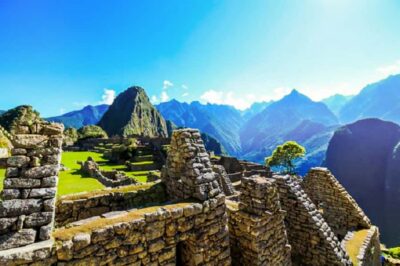 ★ 4.7From Cusco: Full-Day Group Tour of Machu PicchuFrom $3211,767 reviews
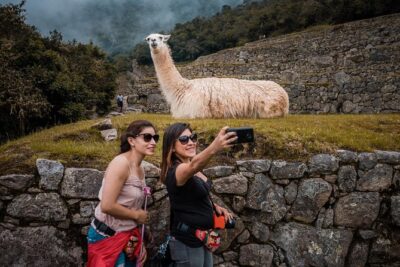 ★ 4.5Machu Picchu Day Trip from CuscoFrom $3361,644 reviews
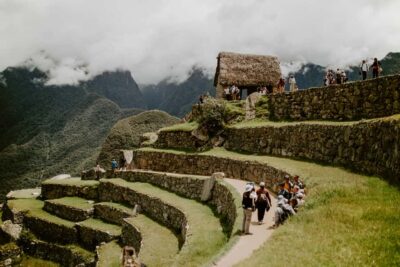 ★ 4.6Machu Picchu: Full-Day Tour from Cusco with Optional LunchFrom $283927 reviews
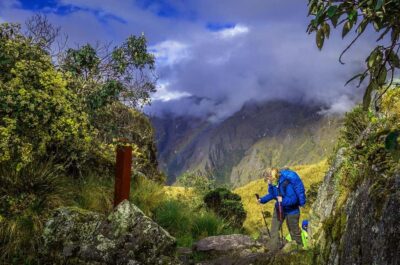 ★ 4.84-Day Inca Trail to Machu Picchu with AccommodationFrom $470432 reviews
 ★ 4.6From Cusco: 2-Day Trip to the Sacred Valley and Machu PicchuFrom $370265 reviews
 ★ 4.9Machu Picchu 2-Day Inca Trail with Panoramic TrainFrom $582260 reviews
 ★ 4.2From Cusco: 2-Day Inca Trail to Machu PicchuFrom $290244 reviews
 ★ 4.9Machu Picchu: Inca Trail 2-Day Overnight Guided TourFrom $585203 reviews
Browse the lists this tour appears in