
REVIEW · SOUTH VALLEY (TIPON & PIKILLACTA)
Valle Sur Cusco | half day
South Valley ruins, then gold-leaf art in hours. This half-day circuit connects Tipón with Inca hydraulic engineering, then ends at Andahuaylillas, a chapel packed with colonial artwork. You’ll also get a guided look at Wari remains before heading back toward Cusco.
Two things I really like: the clear way you can connect the Incas’ water problem to what you see at Tipón, and the sheer visual impact of Andahuaylillas’ gold-leaf altars and painted murals. It’s also a practical, hotel-to-hotel format with transport and a professional guide.
One possible drawback to plan for: entrance tickets and food aren’t included, and you may need to budget extra on the spot for sites along the route.
In This Review
- Key highlights you’ll notice right away
- How this Valle Sur Cusco route feels in real life
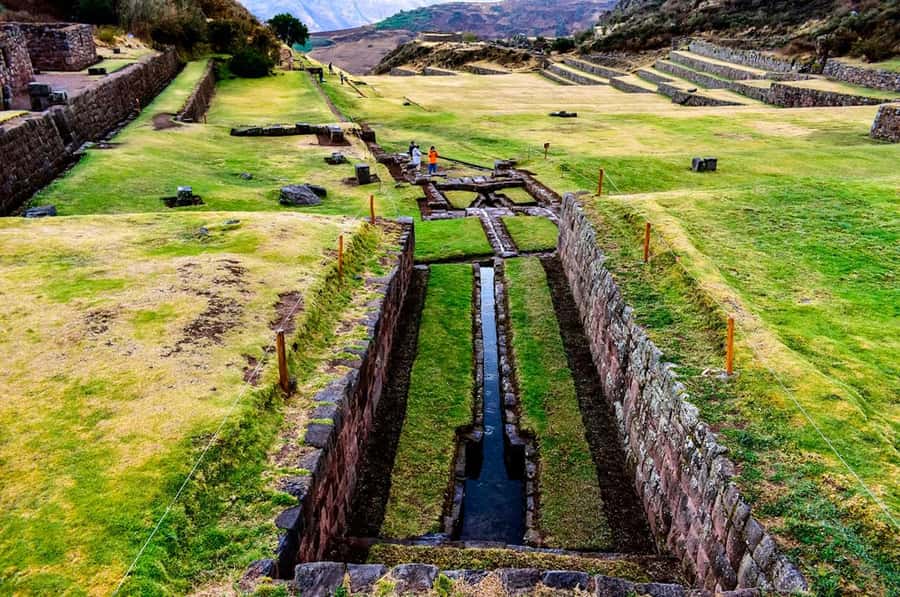
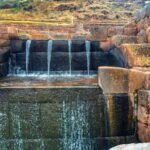
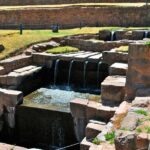
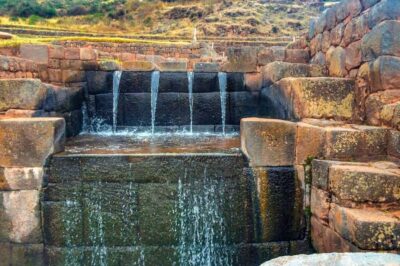
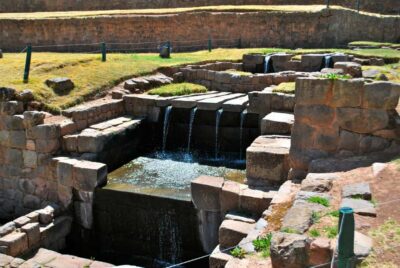
- Tipón: Inca waterworks you can actually interpret
- Pikillacta: Wari stone walls and a sense of scale
- Andahuaylillas chapel: baroque paintings and gold-leaf altars
- Saylla chicharrón stop: local food without the big detour
- Price and value: what $19 really buys
- Timing, pickup, and how long the day really lasts
- Who this tour fits best (and who should skip it)
- A practical checklist before you go
- Should you book the Valle Sur Cusco circuit?
- FAQ
- What is the main focus of the Valle Sur Cusco tour?
- What sites does the tour include?
- Is hotel pickup included?
- How long does the tour last?
- What is the price, and what does it include?
- Are entrance fees included?
- Is chicharrón included?
- What languages will the guide speak?
- What is the cancellation policy?
- Is the tour suitable for everyone?
Key highlights you’ll notice right away
- Tipón’s Inca water technology makes the Incas feel technical, not just mysterious
- Pikillacta’s Wari stone maze gives you a real sense of scale and layout
- Andahuaylillas’ colonial baroque art includes paintings, murals, and gold leaf altars
- Saylla chicharrón stop (optional) adds a local food moment without turning the day into a full detour
- Hotel pickup in Cusco’s historic center keeps logistics simple for most people
More of the South Valley, Tipon to Andahuaylillas
- SOUTH VALLEY CUSCO★ 4.1 · 56 reviews
- Cusco South Valley: Morning Half Day Tour★ 4.2 · 15 reviews
- Half-Day Tour Tipón, Pikillaqta & Andahuaylillas Shared Tour★ 5.0 · 4 reviews
- From Cusco: South Valley Villages and Archaeology Tour★ 5.0 · 3 reviews
How this Valle Sur Cusco route feels in real life
This is a “hit the highlights” South Valley day that’s built around three archaeology stops, plus a food option on the way back. The vibe is efficient but not rushed-chaotic: you get tourist transport, a professional guide, and hotel pickup so you’re not spending energy figuring out buses, schedules, and entrances.
Even better, the tour structure helps you connect the dots across eras. You’ll move from Inca engineering at Tipón, to Wari remains at Pikillacta, and then to colonial religious art at Andahuaylillas. That mix is more interesting than just seeing ruins in isolation. It’s also a good match if you’re staying in Cusco and want a strong day without committing to a full-day trek.
One note before you plan around it: the duration is listed as 450 minutes, which is about 7½ hours. Calling it half-day makes sense if you’re comparing it to longer excursions, but it’s still a full-workday block. Wear good shoes and plan for a long sit in the van between stops.
Tipón: Inca waterworks you can actually interpret
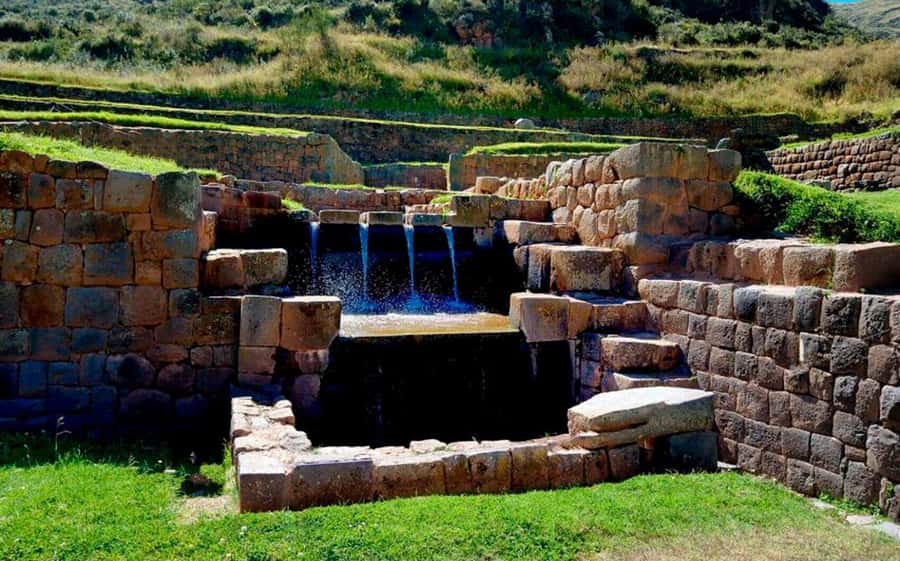
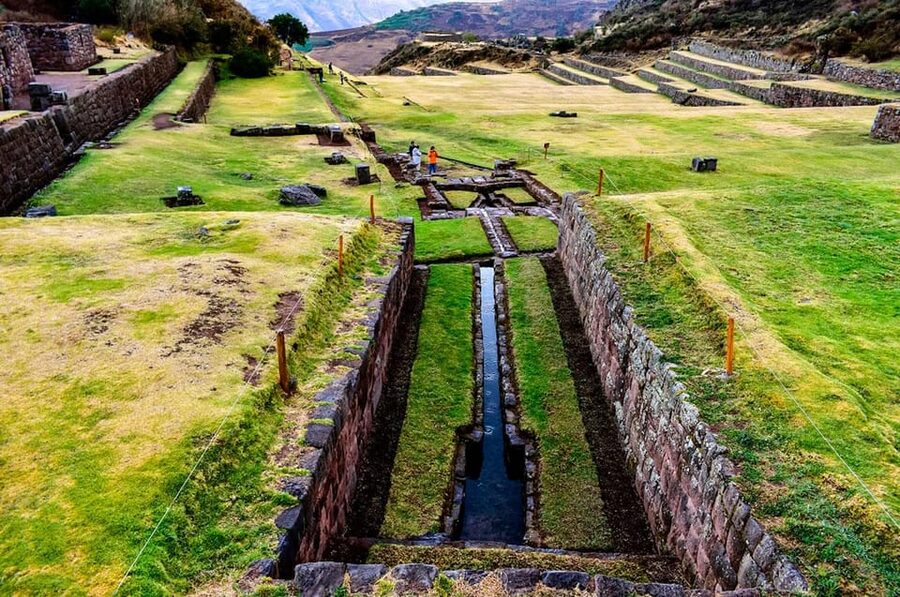
Tipón is the first stop, and it’s there for a reason: it’s one of the clearest places in the Cusco area to see hydraulic engineering tied to real landscape and real needs. Instead of just pointing at stones, the guide’s job here is to explain the logic behind the water system—how the Incas handled flow, channels, and control.
When you’re there, pay attention to the “because of this, you get that” pattern. That’s what makes Tipón click. You’re not just looking at impressive construction; you’re understanding how it would have worked. It’s the kind of sight where good guiding makes a big difference, because the details are physical, not abstract.
Practical tip: bring a light layer. Even on a sunny day, the air around river channels and open stone areas can feel cooler than you expect. Also, take your time with the footing. Historic irrigation and walkways can be uneven.
Pikillacta: Wari stone walls and a sense of scale
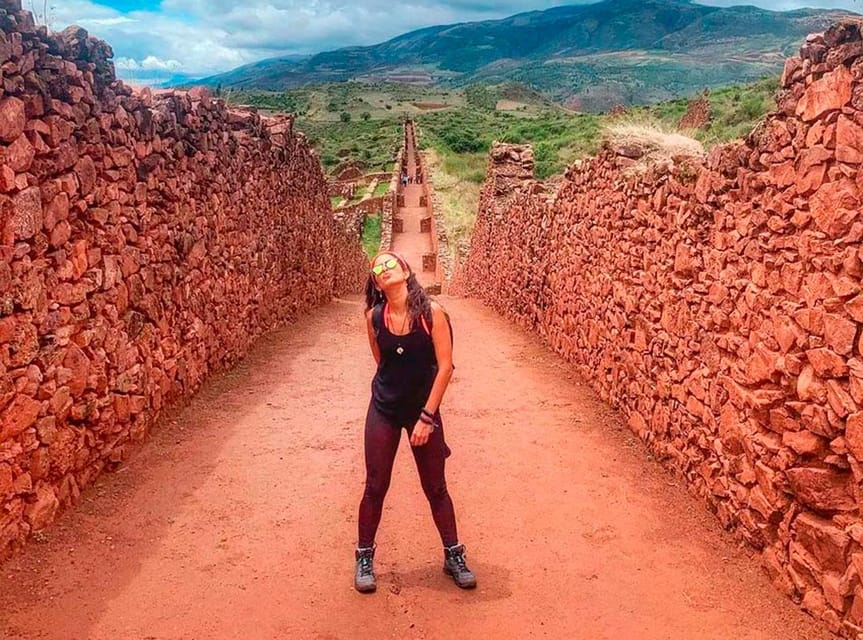
Next comes Pikillacta, which is a sample of a Wari civilization. The Wari are often less in-the-museum than the Incas in many visitors’ minds, so this stop helps balance your Cusco-region reading. Here, the draw is the structure: stone walls and a layout that feels like a built city rather than a single monument.
One visitor described it as a maze of stone walls, and that matches what you should expect from the feel of the site. You’ll spend time walking the remains and letting the guide frame what you’re looking at. If you like archaeological sites that reward slow observation—corners, alignments, room-like spaces—Pikillacta is a strong second act.
Potential drawback: because it’s a ruined city layout, it can be a bit more “interpretation-dependent” than a single highlight building. In other words, bring curiosity and let your guide explain the context. If you’re expecting one iconic photo spot, you may need a little patience to find your angle.
Andahuaylillas chapel: baroque paintings and gold-leaf altars
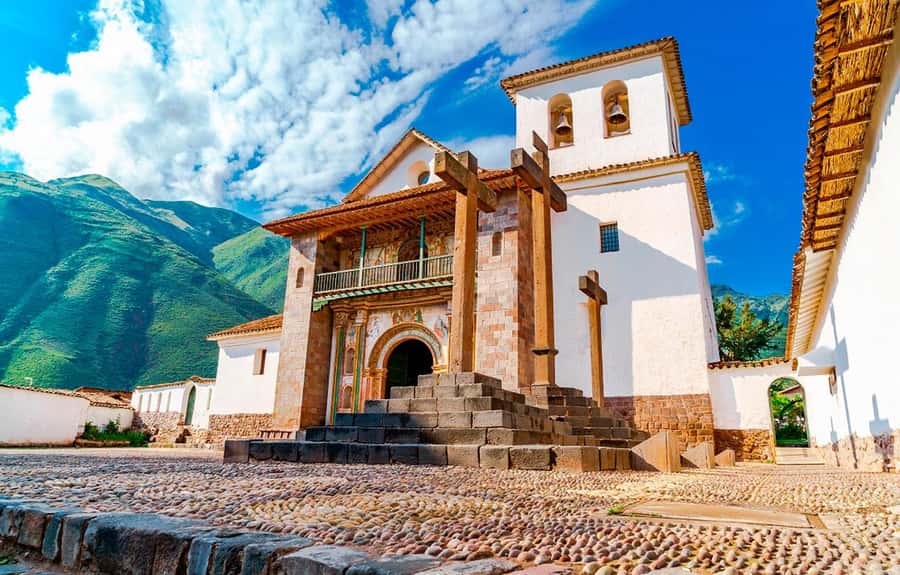
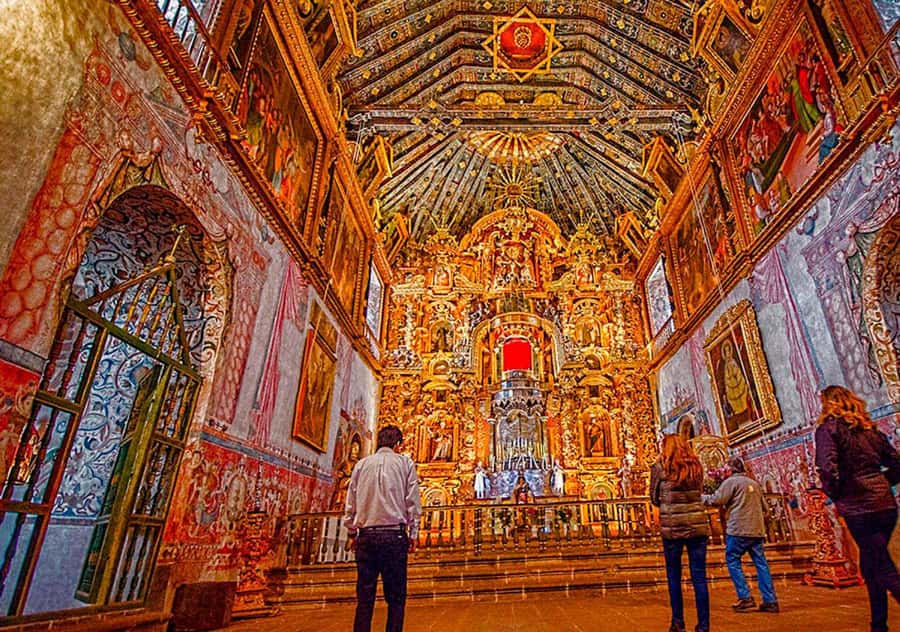
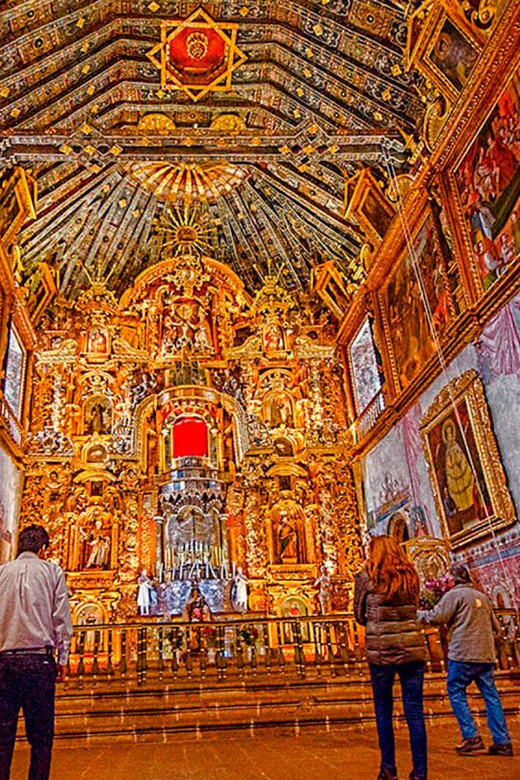
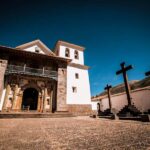
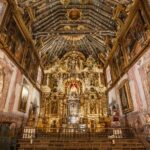
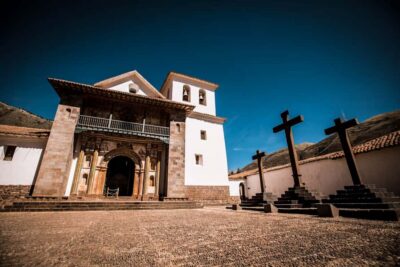
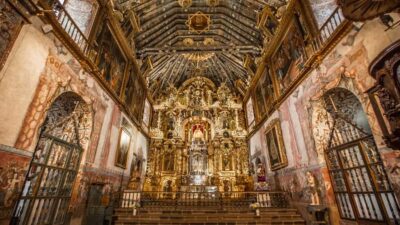
Then the tour saves its visual punch for last: the temple of Andahuaylillas. The standout here is the artwork. You’re walking into a chapel that mixes colonial style with a dramatic, baroque feel—paintings, murals, and gold leaf altars that make the interior pop.
This is one of the best reasons to do this specific route. Ruins are great, but they can blur together if you’ve already seen multiple archaeological sites. Andahuaylillas resets the day with a totally different kind of cultural power: religious art designed to overwhelm the senses and guide attention.
What to look for inside:
- The gold leaf altars, which catch the light and make the interior feel layered
- The painted murals and baroque style details, where the guide can point out themes and composition
- The overall interior decoration, which is where the site becomes more than a quick stop
Time-wise, this is the moment where people tend to slow down. It’s also where a good guide matters most, since the “why this matters” part is tied to art and symbolism—not just architecture.
Saylla chicharrón stop: local food without the big detour
On the way back to the historical center, you pass by Saylla for chicharrón tasting. It’s listed as optional, and that’s a smart setup: you get the chance to try a classic pork dish without forcing a full meal stop.
Chicharrón is one of those foods that instantly feels local. If you haven’t had it in Cusco yet, this is an easy way to tick that box while you’re already on the route. If you already ate a big lunch, you can treat it like a snack and keep your energy for the ride back.
Because food and beverages are not included, plan your spending for this option. Also, if you’re sensitive to rich foods, go easy. Pork with crackling can be heavier than it looks, especially after a day of walking.
Price and value: what $19 really buys
At $19 per person, the baseline value is solid—especially for Cusco, where transport and guided time can add up quickly. What you’re paying for here is the structure: hotel pickup from the historic center, a professional guide, first aid kit support, and tourist transport between sites.
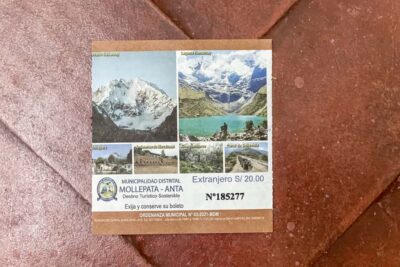
The key caveat is what’s not included. Entrance tickets and food aren’t included. And one review pointed out that entry costs can be more than $20 in total for the attractions, with the costs becoming clear only after purchasing the tour. Even if your exact total differs, treat it as a real budgeting line item rather than a small add-on.
My advice: budget entrance fees and a food option from the start so there are no surprise math moments. If you’re already planning to visit Andahuaylillas and the other stops, paying for the tour still makes sense because you’re buying convenience and guided context—not just transportation.
Timing, pickup, and how long the day really lasts
Pickup happens between 8:00 am and 9:00 am from hotels in Cusco’s historical center. That’s a helpful window: you’re not stuck at a 6:00 am wake-up, and you’re starting in the city where most visitors are staying.
Your total duration is listed as 450 minutes, with the trip ending back at your hotel after the return transfer. That means you’ll be on the move for several hours, with breaks built into the site visits. Plan for sun and stone-walk conditions: comfortable shoes matter, and so does a small water strategy.
If you’re traveling with a tight schedule, check how this 7½-hour block fits your next day. Cusco has altitude and travel fatigue that can sneak up on you, so treat this as a main activity, not a casual stroll.
Who this tour fits best (and who should skip it)
This circuit is best for people who want a guided sampling of the South Valley without the hassle of self-planning. It’s especially good if you like:
- Connecting engineering with what you physically see (Tipón)
- Understanding different civilizations beyond just the Inca story (Wari at Pikillacta)
- Seeing how colonial religious art can feel intense and personal in real space (Andahuaylillas)
It’s not a match if you need wheelchair access or if you’re visually impaired, based on the tour’s listed suitability. People over 70 also aren’t recommended by the operator.
Also keep in mind the basic rules: no pets, and no alcohol or drugs. If you want to bring snacks, you can only do it if they don’t conflict with the tour’s rules about outside food or drinks (food and beverages are listed as not included, so assume you’ll be buying on your own where permitted).
A practical checklist before you go
This is a “walk some ruins, then see an art chapel” day. That means you’ll want:
- Comfortable, grippy shoes for stone surfaces
- A light layer for cooler moments around outdoor sites
- Money set aside for entrance tickets and optional chicharrón
- Patience for photo moments indoors at Andahuaylillas, where the best views take time
If you’re the type who likes to understand what you’re looking at, this tour format will reward you. The guide’s role is front-and-center on the engineering and the art side, not just reciting names.
Should you book the Valle Sur Cusco circuit?
Book it if you want a focused South Valley day that blends Inca engineering, Wari remains, and a chapel interior full of gold-leaf colonial art—all with hotel pickup and transport. It’s great value when you factor in a guide, because you’re not just moving between sites, you’re getting explanations that help the sights make sense.
Skip or rethink it if entrance costs and food charges would feel stressful. Because tickets and meals are not included, you’ll want to budget extra from the start. Also, if you fall into the tour’s listed unsuitability categories (like wheelchair access or certain visual needs), look for an option built for your situation.
If you’re planning your Cusco days and want one “best hits” route that still teaches you something, this is a strong candidate.
FAQ
What is the main focus of the Valle Sur Cusco tour?
The circuit centers on the chapel of Andahuaylillas, known for its colonial artwork, including gold leaf altars, paintings, and murals.
What sites does the tour include?
You visit the archaeological center of Tipón, the archaeological center of Pikillacta, and the temple of Andahuaylillas. On the way back you pass by Saylla for optional chicharrón.
Is hotel pickup included?
Yes. The tour includes pickup from your hotel in Cusco’s historical center between 8:00 am and 9:00 am.
How long does the tour last?
The duration is listed as 450 minutes (check availability for starting times).
What is the price, and what does it include?
The price is $19 per person. Included are hotel pickup, a professional guide, a first aid kit, and tourist transport.
Are entrance fees included?
No. Entrance tickets are not included.
Is chicharrón included?
No. Food and beverages are not included, but you can taste chicharrón in Saylla as an optional stop.
What languages will the guide speak?
The tour offers live guidance in English and Spanish.
What is the cancellation policy?
Free cancellation is available up to 24 hours in advance for a full refund.
Is the tour suitable for everyone?
The tour is not suitable for wheelchair users, visually impaired people, or people over 70 years. Pets are also not allowed, and alcohol and drugs are prohibited.
More Tour Reviews in Cusco
More of the South Valley
Recent write-ups from around Cusco, just off the trail
- Cuzco: Rainbow Mountain Excursion
★ 5.0 · 3 reviews - 1 day excursion to Qeswachaka bridge and the 4 lagoons
★ 3.6 · 3 reviews - Waqrapukara 1 day trekking + meals
★ 3.9 · 3 reviews - Valle Sur Cusco | half day
★ 4.3 · 3 reviews - Full-Day Condor Viewpoint & Inca Sites Tour
★ 5.0 · 3 reviews
South Valley (Tipon & Pikillacta), compared.
 ★ 4.1SOUTH VALLEY CUSCOFrom $2056 reviews
 ★ 4.2Cusco South Valley: Morning Half Day TourFrom $2915 reviews
 ★ 5.0Half-Day Tour Tipón, Pikillaqta & Andahuaylillas Shared TourFrom $384 reviews
 ★ 5.0From Cusco: South Valley Villages and Archaeology TourFrom $293 reviews
Browse the lists this tour appears in