
REVIEW · CUSCO CITY & SACSAYHUAMAN
Cusco: Half-Day City Tour with Sacsayhuaman and Q’enco
Cusco feels like it’s built on top of a story. This half-day tour strings together the big Inca sites above town, with guided explanations and frequent photo stops. You start in the historic core, ride a minivan between landmarks, then end back in the city so you can keep the rest of your day easy.
I like how much you pack into about five hours without turning it into a sprint. I also like the human touch from guides like Wilson and Luis, who were praised for clear English and for taking questions seriously, including slowing down when needed at Tambomachay.
The main drawback is simple: it’s a fast loop. If you want long, quiet wandering at every site, you might feel a bit pressed, and you’ll also want to plan for extra site fees since tickets for Qorikancha and the tourist ticket are not included.
In This Review
- Key things to know before you go
- How this Cusco half-day tour makes sense (even if it’s your first visit)
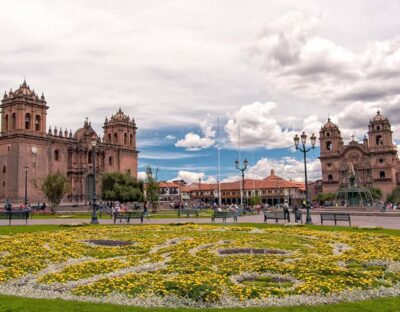
- Start point and getting oriented in a crowded Plaza de Armas
- Coricancha (Qorikancha): the optional start that tells you how Cusco was imagined
- Sacsayhuamán fortress: the viewpoint that makes the whole city click
- Q’enqo: ceremonial space with an astronomical angle
- Puka Pucara: military fortress vibes in a place built for control
- Tambomachay: sacred water channels you can actually picture
- The ride back: finishing near Calle Plateros
- What the guide and audio format adds (and how to use it well)
- Pacing and comfort: tight schedule, but not the worst kind of tight
- What you’re actually paying for (and what costs extra)
- What to bring so you don’t think about gear all day
- Who this tour suits best (and who should reconsider)
- Should you book this Cusco half-day city tour?
- FAQ
- How long is the Cusco half-day city tour?
- Where do I meet for the tour?
- Is Qorikancha included, or do I need tickets?
- What sites are included in the route?
- Does the tour include transport and a guide?
- What should I bring?
- Are there restrictions on who can join?
Key things to know before you go
- Half-day by design: you hit multiple Inca sites above Cusco in one outing, with real guided time at each stop
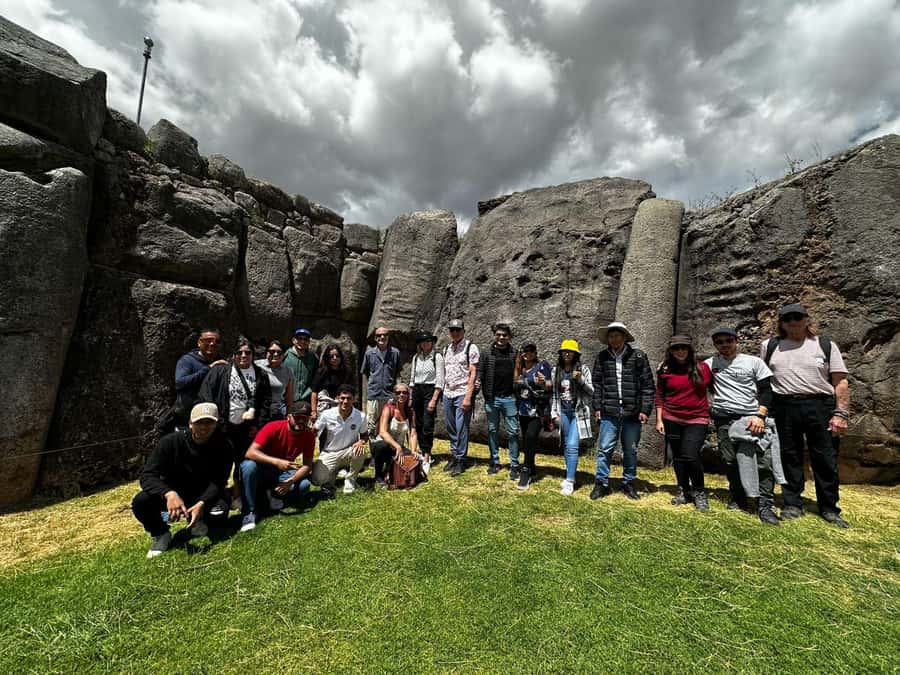
- Great city views from Sacsayhuamán: a fortress viewpoint that helps you understand where Cusco sits
- Two different kinds of ruins: ceremonial/astronomical at Q’enqo, military at Puka Pucara
- Water-focused Tambomachay: carved stone channels that connect architecture to Andean water worship
- Coricancha/Qorikancha may cost extra: guided visit may be optional, and entrance is not included
- Ask for slower pacing: guides have made it easier for guests who needed extra time at Tambomachay
More Cusco city and Sacsayhuaman walks
- City Tour Cusco Qoricancha Sacsayhuaman y Tambomachay★ 4.7 · 617 reviews
- Cusco: Sightseeing Tour of the City on an Open-Top Bus★ 4.0 · 481 reviews
- Open Bus Cusco City Tour★ 4.5 · 219 reviews
- Cusco: City Tour | Half-Day Tour to 4 Archaeological Sites★ 4.6 · 206 reviews
How this Cusco half-day tour makes sense (even if it’s your first visit)
The smartest part of this tour is the shape of the day. You’re not trying to do one massive trek or spend hours commuting outside Cusco. Instead, you get a compact route that shows you how the Incas used the ridgelines and hilltops around town, then brings you back to the historic center.
You’ll ride in a minivan and move between sites quickly enough to fit everything, but the stops include photo time, walking, and guided explanations. That mix matters in Cusco because the sites aren’t just “pretty rocks.” They’re built to be read from angles—views, alignments, and how water or space was used. The guided component is what turns seeing into understanding.
The tour runs in two possible windows: a morning option (about 9:00am to 2:00pm) and a late option (about 1:00pm to 6:30pm). Pick the one that fits your altitude rhythm. If you’re still adjusting, I’d lean toward the earlier start so the rest of your day stays calmer.
Start point and getting oriented in a crowded Plaza de Armas
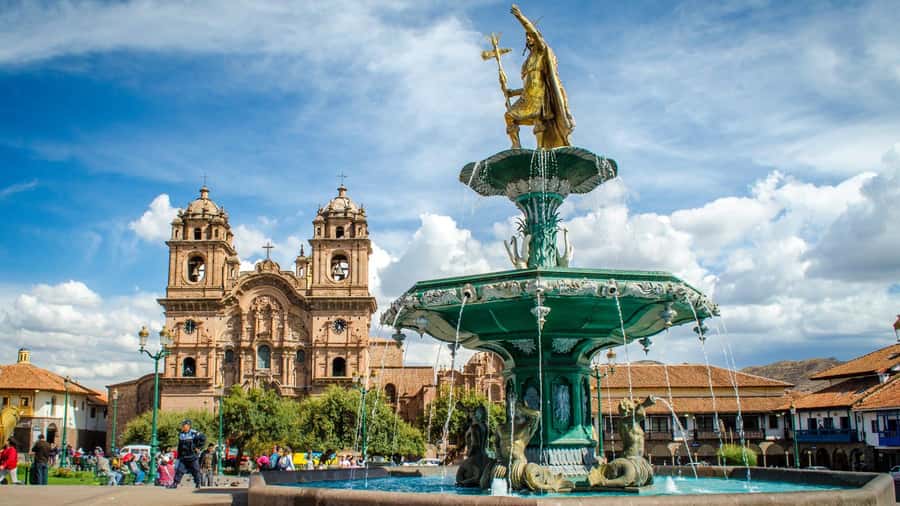
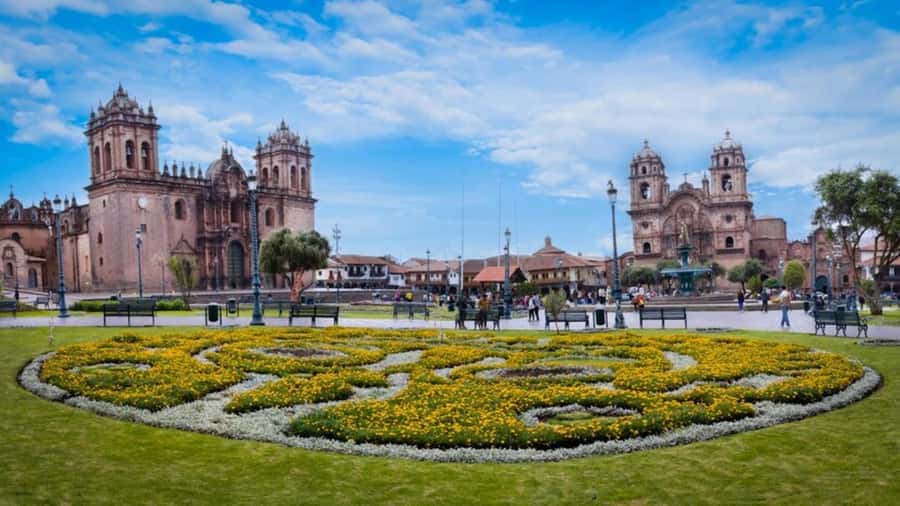
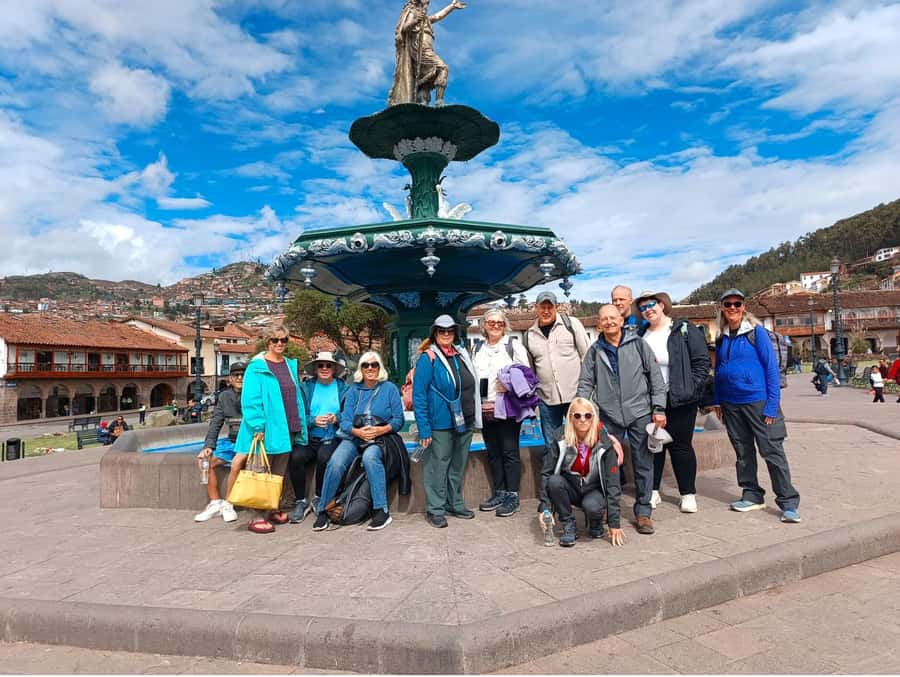
You meet in the Cusco Main Square, by the fountain. The coordinates place you right in the heart of the action, and that’s exactly why it’s busy. The practical tip I’d give you is to plan to arrive a little early and look for your guide with the company flag/logo and a nameboard.
Pickup can also happen at your hotel if you’re in the urban area of Cusco, or you can meet at the main square instead. Either way, you’ll want to have your ID or passport handy, just in case they check it when you board.
Once you’re grouped up, the guide brings order fast: who you’ll see, what to look for, and how much time you’ll have at each stop. That helps at altitude, where you don’t want to spend mental energy figuring things out on your feet.
Coricancha (Qorikancha): the optional start that tells you how Cusco was imagined
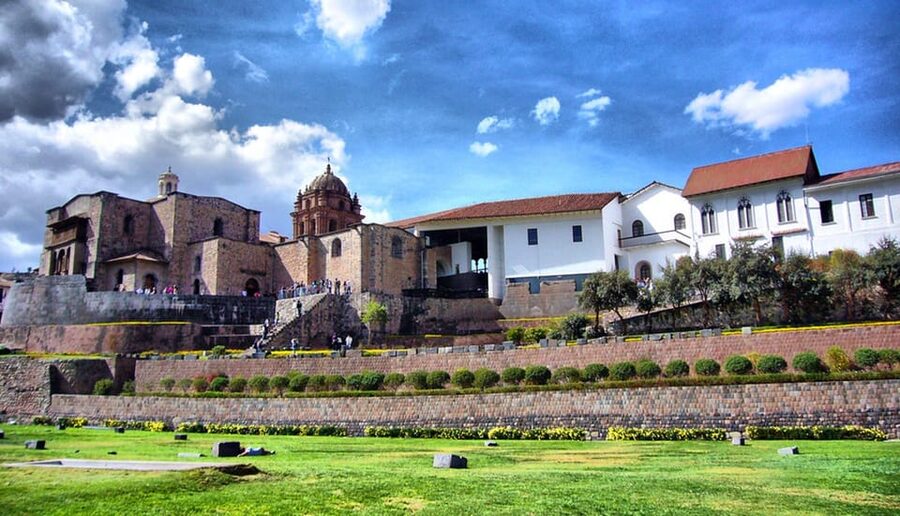
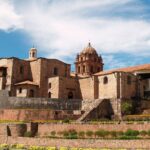
The route can begin with Coricancha Temple (listed as optional), and that opening is a good move if you want context. Coricancha matters because it connects Inca engineering and belief systems to the way Cusco grew around these sacred spaces.
In practical terms, you’ll get a photo stop plus a guided visit and sightseeing walk for about an hour. That’s enough time to see the layout and understand why people still treat this site as a reference point for Cusco’s spiritual geography.
Budget note: Qorikancha ticket costs extra. The tour does not include the Qorikancha entrance fee (listed as S/20.00), and you’ll also need the tourist ticket (listed as S/70.00). If you’re trying to keep costs tight, you can still enjoy the rest of the loop because the big “wow” factor is spread across multiple sites. But if Qorikancha is on your must-see list, factor in those tickets ahead of time and bring cash.
Sacsayhuamán fortress: the viewpoint that makes the whole city click
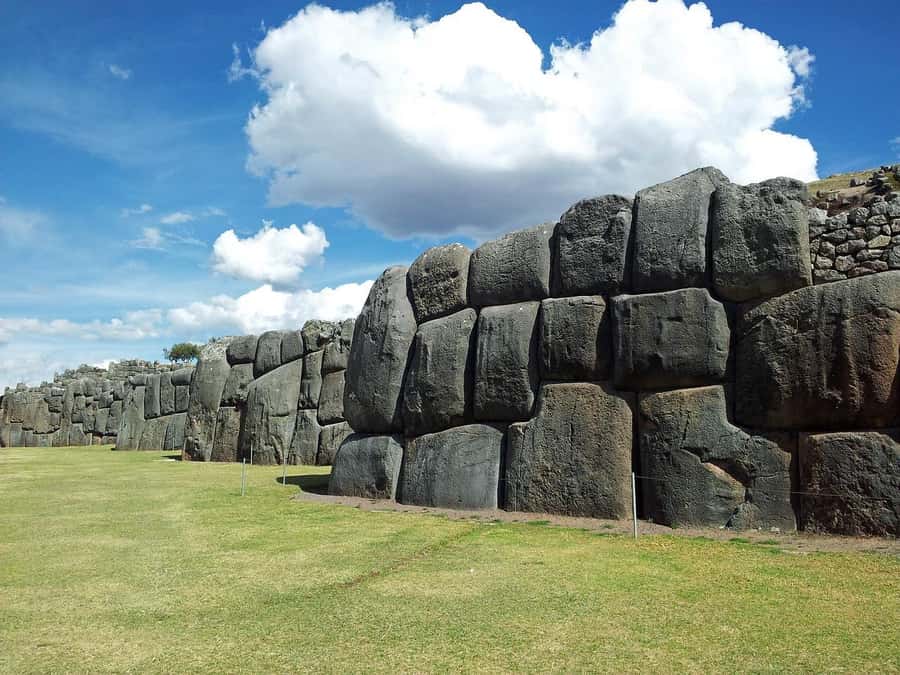
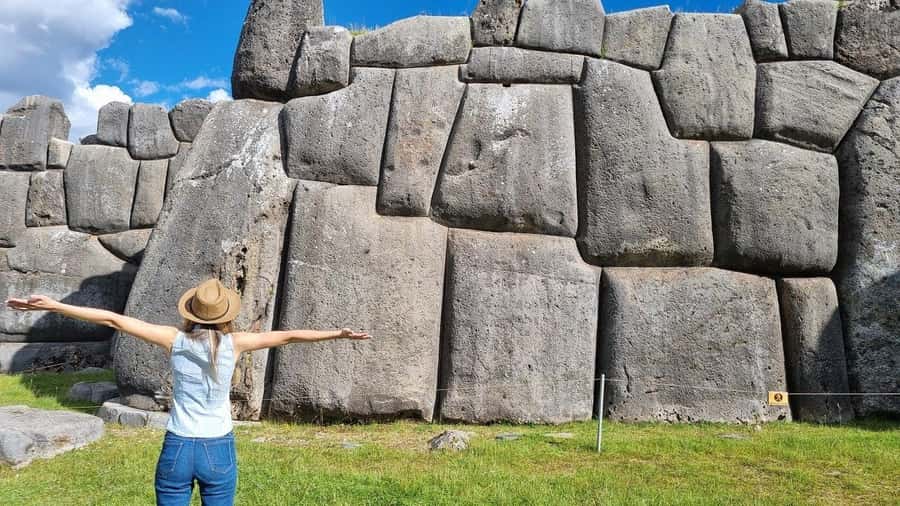
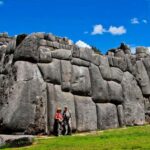
This is usually the star stop, and for good reason. You’ll visit Sacsayhuamán as one of the first major Inca landmarks, and it includes a guided tour plus photo stops and free time. The big payoff is the view: from here, you can see almost the entire city, which instantly helps you place Cusco in relation to the ruins.
The site is also perfect for learning because it invites questions. Why are the stones shaped the way they are? How were these structures meant to hold and defend? The guide’s job here is to connect the stonework to how the Incas ruled space—politically and spiritually.
A practical consideration: Sacsayhuamán involves walking and standing on uneven terrain. Comfortable shoes are not optional. And if you’re sensitive to altitude, take short rests during the free time. Some guests noted they were given extra time to reach and enjoy areas at Tambomachay; the same idea applies here. If you need to slow down, tell your guide early and you’ll usually get a more comfortable pace.
A last few Cusco tours and experiences to fold into the trip
Q’enqo: ceremonial space with an astronomical angle
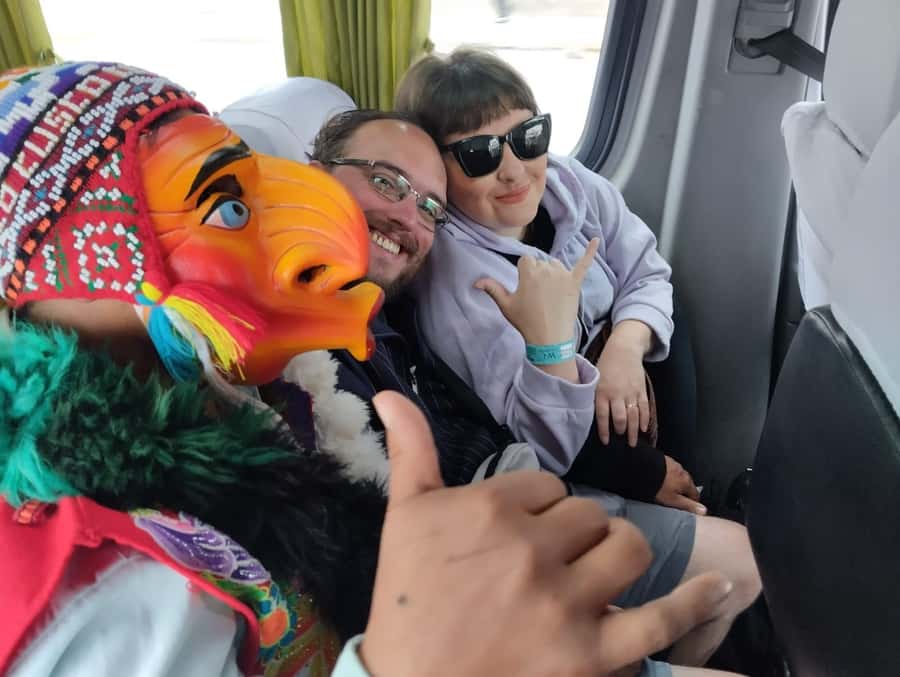
Next up is Q’enqo, described as mainly ceremonial and astronomical in use. That phrase might sound academic, but here’s what it means for you on the ground: you’ll see a complex where design, space, and sightlines were likely tied to celestial observations and ritual life.
Your time is shorter than Sacsayhuamán—about 30 minutes including a guided explanation, photo moments, and sightseeing. That’s the tradeoff of a half-day tour. You won’t have hours to wander and connect every detail. But you will leave with enough context to recognize what you’re looking at rather than just snapping photos.
Look for the “why” behind the shapes. The guide’s explanations make it easier to see Q’enqo as a designed environment, not a random set of stone forms. If you like ruins that feel like they were made for ceremonies—part architecture, part calendar—this stop hits the mark.
Puka Pucara: military fortress vibes in a place built for control
Puka Pucara shifts the mood. This site is described as a military fortress, with multiple environments, squares, bathrooms, aqueducts, walls, and towers. That’s a lot to take in, especially because you’ll have around 25 minutes including visit and guided touring plus free time.
What you’ll enjoy most is the contrast. When you move from Q’enqo to Puka Pucara, you go from ritual space toward infrastructure and control. The presence of water management features (and other built elements) is a clue that this wasn’t just about grand ceremonies. It was also about keeping systems running and enforcing order.
If you’re the type who likes to compare sites—how each one served different purposes—Puka Pucara is a great “switch” in the loop. It makes the Incas feel practical, not just monumental.
Tambomachay: sacred water channels you can actually picture
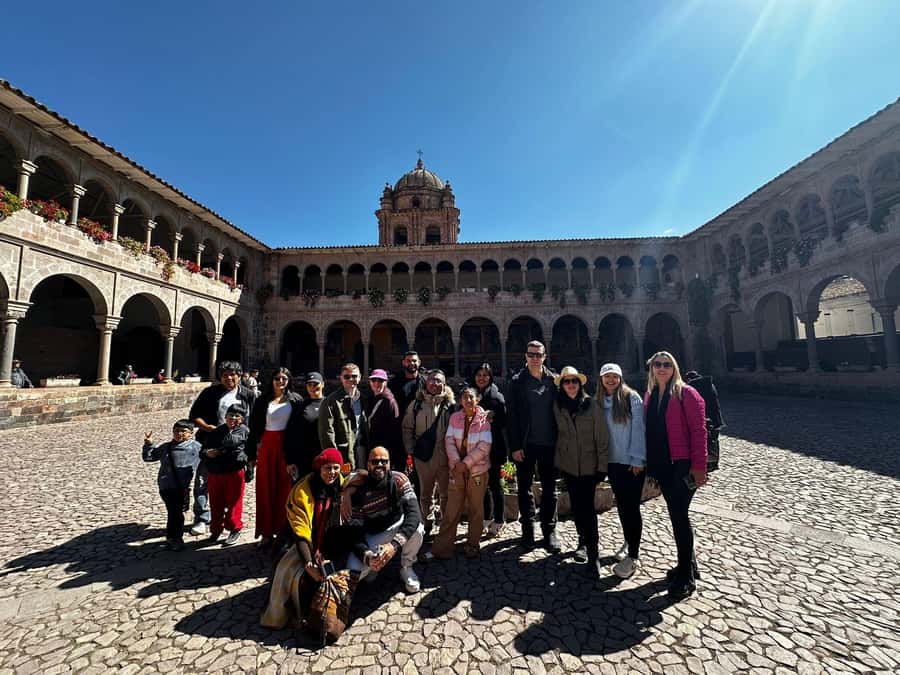
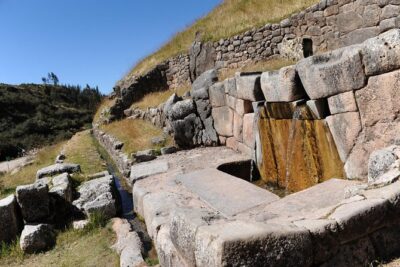
Tambomachay is the site where the tour’s story turns toward water. It’s described as having water channels made of carved stone, possibly dedicated to worship of water. Even if you don’t know much about Andean beliefs yet, you can understand the concept: the Incas built structures to work with nature’s resources, and water was central to life.
You’ll spend about 40 minutes here, including guided tour, photo time, free time, and a bit of walking. That extra time compared with Q’enqo and Puka Pucara is useful because Tambomachay rewards lingering. You can walk around, look at the channels, and connect the physical design to the symbolic idea of water as something sacred.
Practical tip from real-world experience: bring water and take your time with the walkways. Some guides have allowed extra time for older guests at Tambomachay to reach viewpoints comfortably. If you’re traveling with someone who moves slower, this stop is one place where it matters.
The ride back: finishing near Calle Plateros
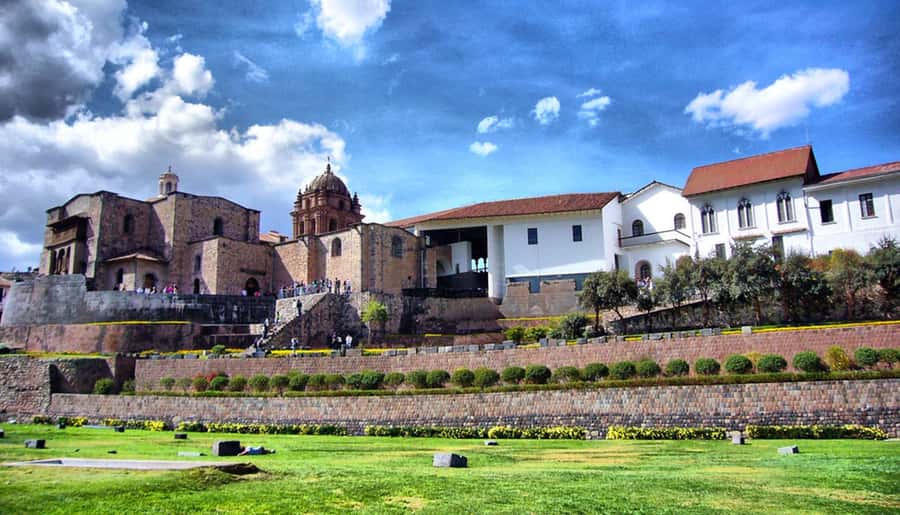
After Tambomachay, you head back toward the historic center and finish on Calle Plateros. That matters because you’re not dumped at the far edge of town. It’s a decent setup for finding dinner, or for continuing sightseeing without wasting time getting yourself back.
Also, you’ll likely feel altitude by this point. The minivan segments are there for a reason, so don’t treat them as a break only for comfort—use them to hydrate and catch your breath.
What the guide and audio format adds (and how to use it well)
This is a live-guided tour with English and Spanish support, plus an audio guide in English and Spanish. That combination is smart for groups with different language levels. It also means you can get the main story from your guide, then use the audio when you want to repeat or reframe an explanation.
Here’s how I’d use it: when your guide gives context at the start of a site, listen for the one or two key ideas (ceremonial astronomy at Q’enqo, military function at Puka Pucara, water worship at Tambomachay). Then when you’re on your feet taking photos, you’ll recognize those ideas in the stone and the layout.
Different guides show different strengths. Some guests credited Wilson and Jared for strong English and patience with questions. Others praised Luis and Victor for being passionate and clear. If you care about details—dates, symbols, how different sites function—ask questions early rather than waiting until the end of each stop.
Pacing and comfort: tight schedule, but not the worst kind of tight
This is a half-day circuit, so it’s naturally packed. You’ll see multiple sites in sequence with bus/coach rides between them. The schedule includes short transfers (like 5–30 minutes depending on the leg), plus guided time and walking.
The best way to make it enjoyable is to treat the stops as “guided highlights,” not “full exploration.” You’ll get enough time to see the main features, but you’re not going to feel like you’re studying every wall.
If you’re traveling with family, the format generally works because it’s structured and predictable. If someone in your group has mobility challenges, plan for uneven ground and short uphill bits. And if you have health considerations, note the tour is not suitable for pregnant women or people with epilepsy, based on the activity rules.
What you’re actually paying for (and what costs extra)
At $13 per person, this is priced like an efficient local sightseeing deal. You get tourist transport and a professional guide. For Cusco, where time and logistics can eat your budget, that’s a real value.
But don’t get surprised at the register: tickets are not included. You may need to buy:
- Qorikancha ticket (listed as S/20.00) if you do the Coricancha/Qorikancha stop
- Tourist ticket (listed as S/70.00), which often applies to multiple Cusco sites
So the all-in cost depends on whether you choose the Qorikancha option and whether you already have the tourist ticket. My advice is to price it as a package: $13 gets you the guided loop and transport, while the entrances decide the final total.
Also remember meals are not included. Cusco runs cool early and then warms later, but you can still get dehydrated fast. Bring water and plan a snack before you go, especially if your stomach is sensitive at altitude.
What to bring so you don’t think about gear all day
The essentials are simple, but don’t skip them:
- Comfortable shoes for uneven walking
- Sun hat, sunglasses, and sunscreen (Cusco sun can be sharp)
- Water and a daypack
- Camera (most of the stops are built for photos and angles)
- Passport or ID card
- Cash for any entrance fees and optional purchases
If you want a small trick: wear layers. Even within a few hours, Cusco’s temperature can shift.
Who this tour suits best (and who should reconsider)
This outing is a strong fit for:
- First-timers who want Cusco’s Inca landmarks in a single half-day
- Families and mixed-age groups who prefer structure over wandering alone
- People who like guided context for ceremonial and historical sites
- Anyone who wants a value-priced way to see multiple ruins without a full-day commitment
You might reconsider if:
- You want very slow, quiet time at each ruin
- You’re not comfortable with walking on uneven surfaces
- You’re in one of the groups the tour rules note as not suitable (pregnant women or people with epilepsy)
Should you book this Cusco half-day city tour?
Yes, if your goal is to get your bearings fast and you like the idea of learning what each site was for—ceremony, defense, astronomy, and water—without spending the whole day on the road.
Book it particularly if you’re budget-minded but still want a real guide. The fact that guides have been praised for English clarity and for adjusting pace at tougher moments is a good sign that the tour isn’t just “show up and rush.”
One last planning note: if Qorikancha is a priority, add the ticket cost early so you don’t scramble. And if your dates are flexible, this activity offers free cancellation up to 24 hours in advance and a reserve now, pay later option.
If you want a practical first Cusco day that doesn’t overwhelm you, this half-day circuit is one of the smartest ways to do it.
FAQ
How long is the Cusco half-day city tour?
It runs for about 5 hours. There are two schedule options: a morning shift (around 9:00am to 2:00pm) and a late shift (around 1:00pm to 6:30pm).
Where do I meet for the tour?
You meet at Cusco Main Square by the fountain. The coordinates given are -13.516772, -71.9787231.
Is Qorikancha included, or do I need tickets?
The tour mentions visiting Coricancha Temple as optional. Qorikancha ticket is not included, and the listed cost is S/20.00, plus a tourist ticket listed as S/70.00.
What sites are included in the route?
You’ll visit (in the tour’s order) Coricancha (optional), Sacsayhuamán, Q’enqo, Puka Pucara, and Tambomachay, then return to central Cusco and finish near Calle Plateros.
Does the tour include transport and a guide?
Yes. It includes tourist transport (minivan) and a professional guide.
What should I bring?
Bring comfortable shoes, a sun hat, sunglasses, sunscreen, camera, water, a daypack, and your passport or ID. Cash is useful for entrance fees.
Are there restrictions on who can join?
The tour is listed as not suitable for pregnant women and people with epilepsy. Pets and alcohol/drugs in the vehicle are also not allowed.
More City Tours in Cusco
More Tour Reviews in Cusco
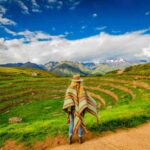
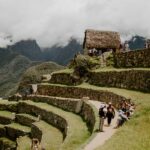
More of Cusco on Foot
Recent write-ups from around Cusco, just off the trail
- Cuzco: Rainbow Mountain Excursion
★ 5.0 · 3 reviews - 1 day excursion to Qeswachaka bridge and the 4 lagoons
★ 3.6 · 3 reviews - Waqrapukara 1 day trekking + meals
★ 3.9 · 3 reviews - Valle Sur Cusco | half day
★ 4.3 · 3 reviews - Full-Day Condor Viewpoint & Inca Sites Tour
★ 5.0 · 3 reviews
Cusco City & Sacsayhuaman, compared.
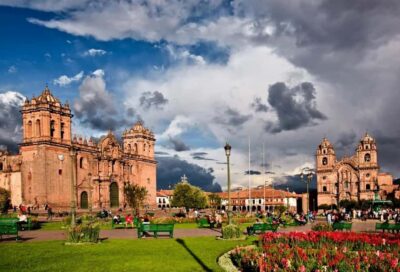 ★ 4.7City Tour Cusco Qoricancha Sacsayhuaman y TambomachayFrom $13617 reviews
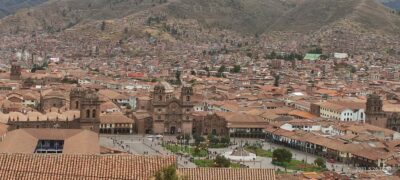 ★ 4.0Sightseeing Tour of the City on an Open-Top BusFrom $12481 reviews
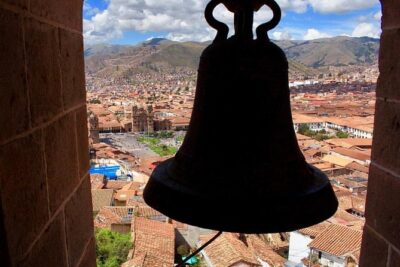 ★ 4.5Open Bus Cusco City TourFrom $14219 reviews
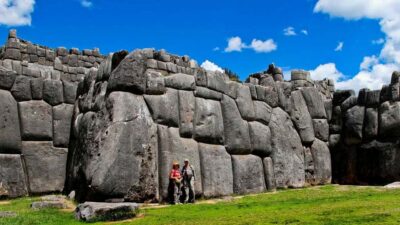 ★ 4.6City Tour | Half-Day Tour to 4 Archaeological SitesFrom $29206 reviews
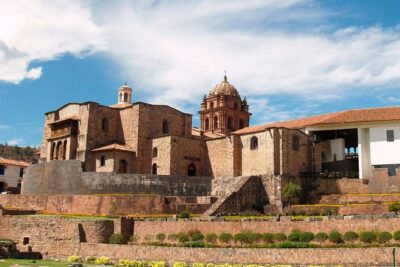 ★ 5.0City Tour in Cusco & visit Museum South American Camelid Private.From $49147 reviews
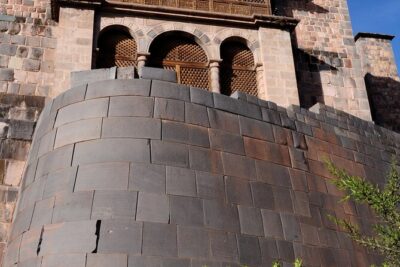 ★ 4.5Cusco City Sightseeing, San Pedro Market, Cathedral and Qorikancha TempleFrom $59139 reviews
 ★ 4.2Half-Day City TourFrom $17129 reviews
 ★ 4.5Cusco City Sightseeing and Sacsayhuaman Archeological Park TourFrom $79101 reviews
Browse the lists this tour appears in