
REVIEW · CUSCO CITY & SACSAYHUAMAN
Cusco: Half-Day City Tour
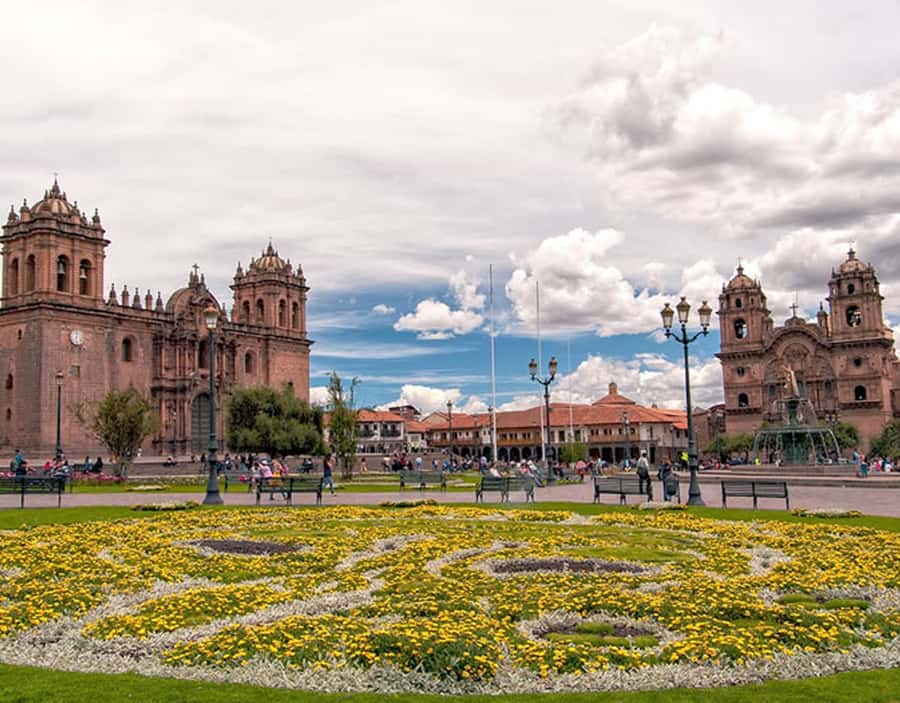
Six hours, ancient Cusco in one tight loop. It is a practical way to connect Inca stonemasons with today’s Cusco, and it can also add the Basilica Cathedral and Coricancha on afternoon departures. I love how this tour hits major ceremonial and defensive sites without wasting time, and I like the simple flow of hotel pickup in the Centro Histórico and a finish back at Plaza Mayor. One thing to consider: there can be a textile-shop stop that may feel unnecessary if you are not in the mood for sales.
A good guide can make the whole circuit click, and this one often delivers. People highlight guides like Silvia (patient with kids) and Clara (fast, detailed storytelling about Cusco and Inca life), and there are also strong mentions of Wally and Janet as energetic, English-friendly hosts. If you want clear explanations and a pace that still feels doable, this tour is a solid bet—just keep your expectations realistic for a packed half-day.
In This Review
- Key things to know before you go
- Why this Cusco half-day circuit is a smart use of your time
- Qenqo: a ceremonial stone setting made by nature and people
- Puca Pucara: military ruins, guard posts, and the practical side of power
- Tambomachay: the baths of the Incas and theories you can test with your eyes
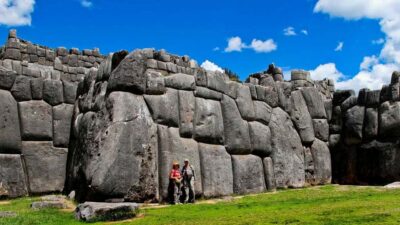
- Sacsayhuamán: limestone engineering and the solar-shrine idea
- Coricancha and the Basilica Cathedral: when Inca perfection meets colonial Cusco
- Coricancha
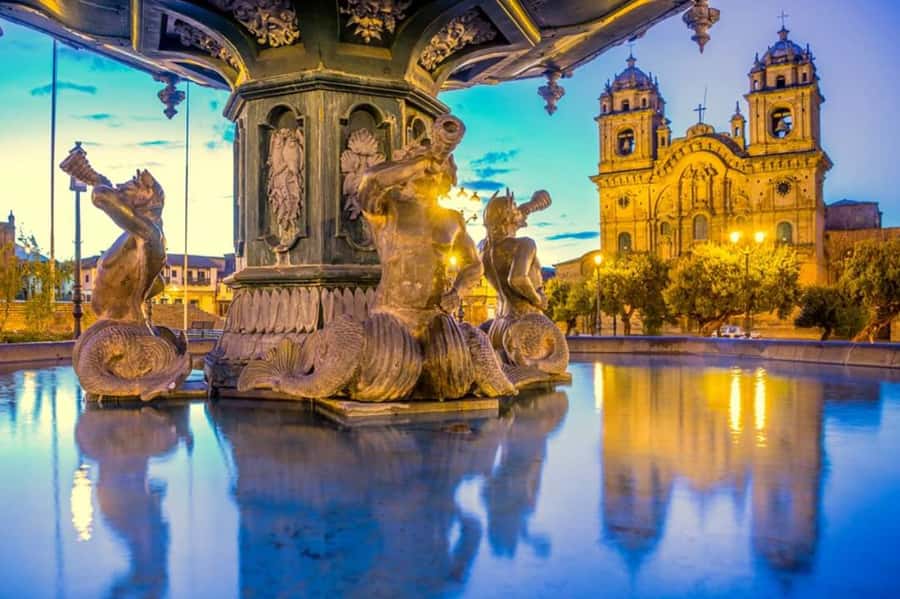
- Cusco Cathedral (Basilica Cathedral)
- Price and entrance fees: where the real cost lands
- Logistics that actually matter: van rides, walking time, and what to pack
- Guides and group pace: why the storytelling can make the ruins feel connected
- Who this tour is best for (and who should pick something else)
- Should you book this Cusco half-day city tour?
- FAQ
- How long is the Cusco half-day city tour?
- Is hotel pickup included?
- What sites are included in the morning version?
- What sites are included if I book an afternoon departure?
- What does the price include?
- What entrance fees are not included?
- What should I bring and wear?
- Is video recording allowed?
- Is there free cancellation?
Key things to know before you go
- Hotel pickup from Centro Histórico means you do not have to figure out timing or transport on your own.
- 40 minutes each at Qenqo and Puca Pucara keeps you moving while still giving time to understand what you are looking at.
- Tambomachay’s water features connect ancient “baths” ideas to what you can still see today.
- Sacsayhuamán’s massive limestone blocks are the engineering lesson you do not forget.
- Afternoon departures may add Coricancha and the Basilica Cathedral (with extra entrances you pay on top).
- Entrance fees add up, so plan cash for cathedral, Coricancha, and the archaeological tourist ticket for sites outside the city.
More Cusco city and Sacsayhuaman walks
- City Tour Cusco Qoricancha Sacsayhuaman y Tambomachay★ 4.7 · 617 reviews
- Cusco: Sightseeing Tour of the City on an Open-Top Bus★ 4.0 · 481 reviews
- Open Bus Cusco City Tour★ 4.5 · 219 reviews
- Cusco: City Tour | Half-Day Tour to 4 Archaeological Sites★ 4.6 · 206 reviews
Why this Cusco half-day circuit is a smart use of your time
Cusco is high-altitude busy. One morning or afternoon can disappear fast if you are trying to stitch together ruins, tickets, and rides. This half-day tour is built for focus: a tight route through key Inca-era sites plus optional colonial landmarks, all wrapped in a guided format.
For $17 per person and a six-hour duration, the value is in the “guided connections.” You are not just walking among stones. You get a human explanation of why places were built, what functions they might have served, and how the Incas used design and engineering to shape daily life and ceremony. That makes the stops feel less random and more like a single story.
Just keep one practical expectation in mind: it is a lot of ground in a short window. Even with a van between sites, you will be on your feet, and you will want comfortable shoes and water from the start.
Qenqo: a ceremonial stone setting made by nature and people
Qenqo is one of those Cusco stops where the setting matters. You are looking at a natural rock formation that became part of a ceremonial center—so you get the feeling of “place” as much as “monument.”
What you’ll notice with a guide:
- how the rock formation was used as a focal point for ceremonies
- the sense that the site was designed for gatherings, not just sightseeing
- the way the Inca approach can look like it blends architecture into the ground
The tour includes a guided visit of about 40 minutes here. That is long enough to slow down, look closely, and ask questions—without dragging your whole afternoon into the next century. This is also a good spot to orient yourself. If you are still figuring out the basics of Cusco’s layout and the Inca influence, Qenqo often helps the rest of the route make more sense.
Puca Pucara: military ruins, guard posts, and the practical side of power
After Qenqo, Puca Pucara shifts the mood. Instead of a purely ceremonial feel, this is tied to military ruins: guard posts, staircases, streets, houses, and courtyards. You are seeing evidence of planning for control and defense.
Why this stop matters:
- It shows that Inca sites were not only temples and rituals.
- You can imagine how people moved, watched, and lived inside a fortified system.
- It makes later stops at larger complexes feel less mysterious and more logical.
The guided visit is also about 40 minutes, so you can actually trace the layout rather than just stand and take photos. If you like your history with “how it worked” details, this is often the stop that makes the tour feel more real.
Tambomachay: the baths of the Incas and theories you can test with your eyes
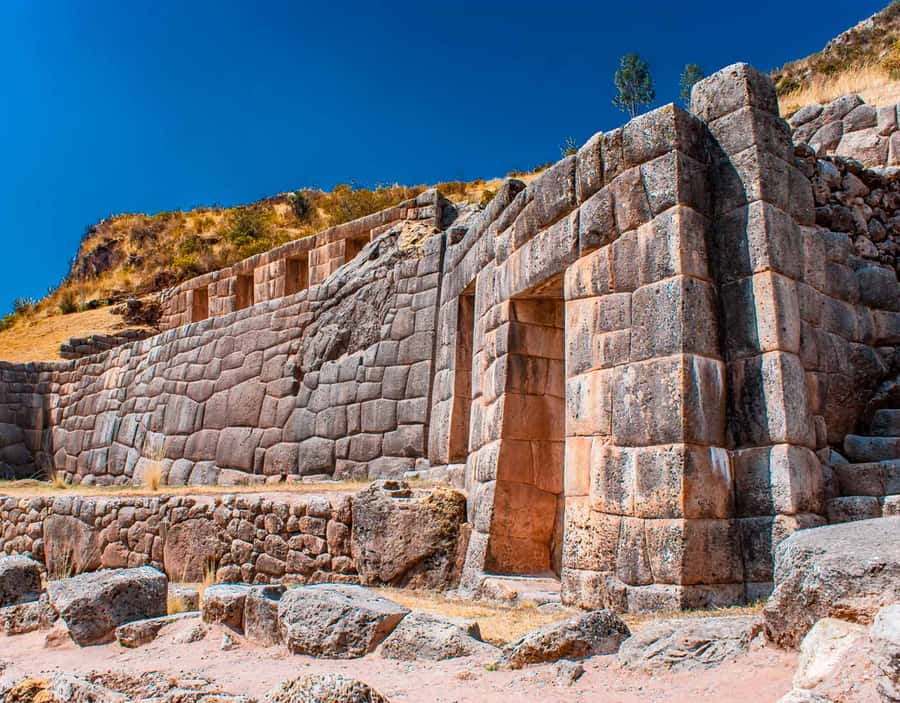
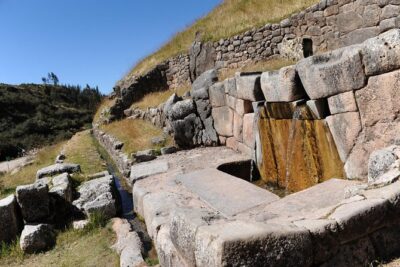
Tambomachay sits about 9 kilometers outside Cusco, and it has that instantly memorable “water” identity. It is commonly known as the baths of the Incas because of the shape of its water source.
With a guide, you’ll hear two linked ideas:
- it could have been a temple connected to the cult of water and purification
- it could also be read as a place designed around controlled water use
Even if you are not deep into archaeology, Tambomachay is one of the best “look-and-understand” stops on this route. The physical water channels and the way the site is shaped invite you to connect function to form. You are there for about 40 minutes, which is enough time to notice what’s been preserved and what still tells a story.
One heads-up: because Tambomachay is outside the city, it ties into the extra archaeological tourist ticket cost you should budget for.
A last few Cusco tours and experiences to fold into the trip
Sacsayhuamán: limestone engineering and the solar-shrine idea
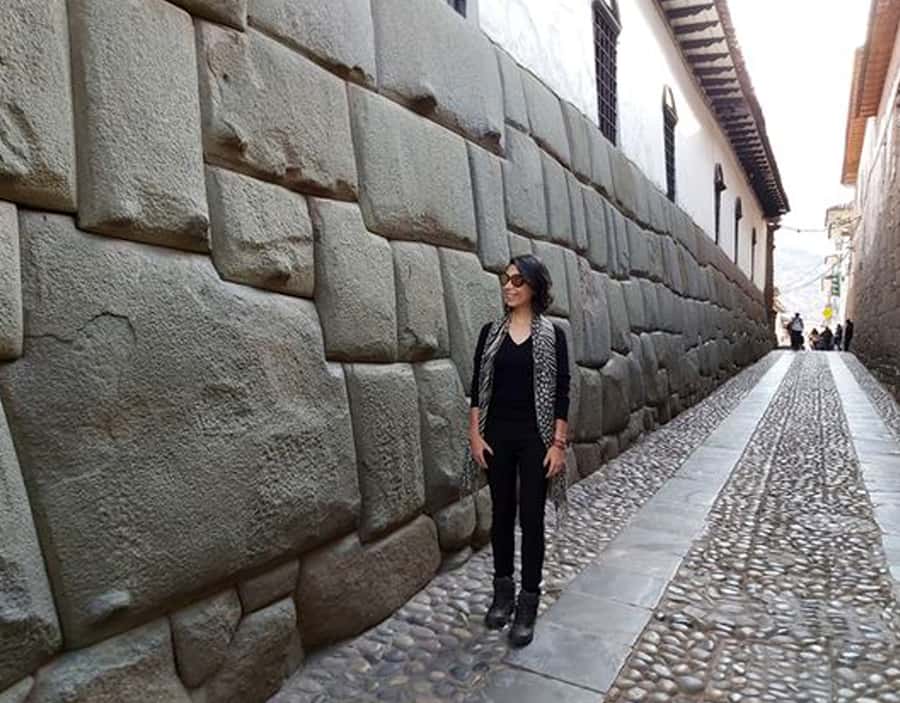
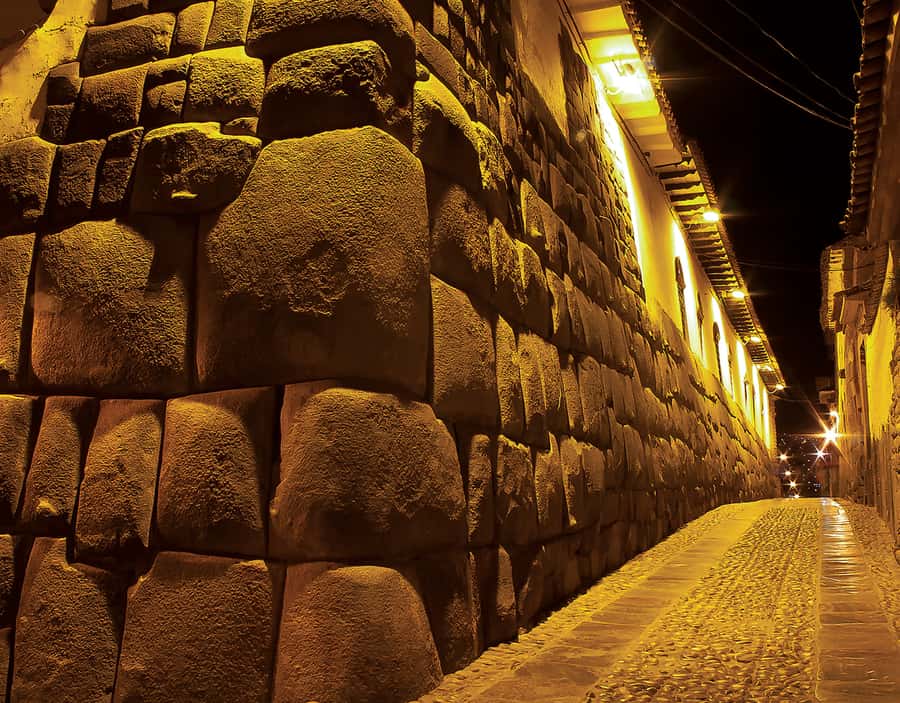
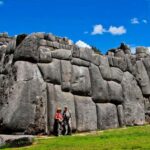
Sacsayhuamán is the big-name complex for a reason. Chroniclers have described it as a solar shrine built by the last dynasties of the Incas, and it also connects to the practical problem of defending Cusco—especially against attacks coming from the east or Antis.
Here is what you’ll want to pay attention to during your guided 40-minute visit:
- the size and fit of the limestone blocks
- the defensive logic of heavy construction
- the way the site’s purpose can be interpreted as both spiritual and strategic
This is often where you see Inca engineering most clearly. Those blocks are not just impressive. They are part of a system—built to last, built to hold structure, and built to signal power.
If you are short on time, the good news is this: even a brief visit here can feel satisfying. You get the “wow” visuals, but you also get explanations for why the site exists.
Coricancha and the Basilica Cathedral: when Inca perfection meets colonial Cusco
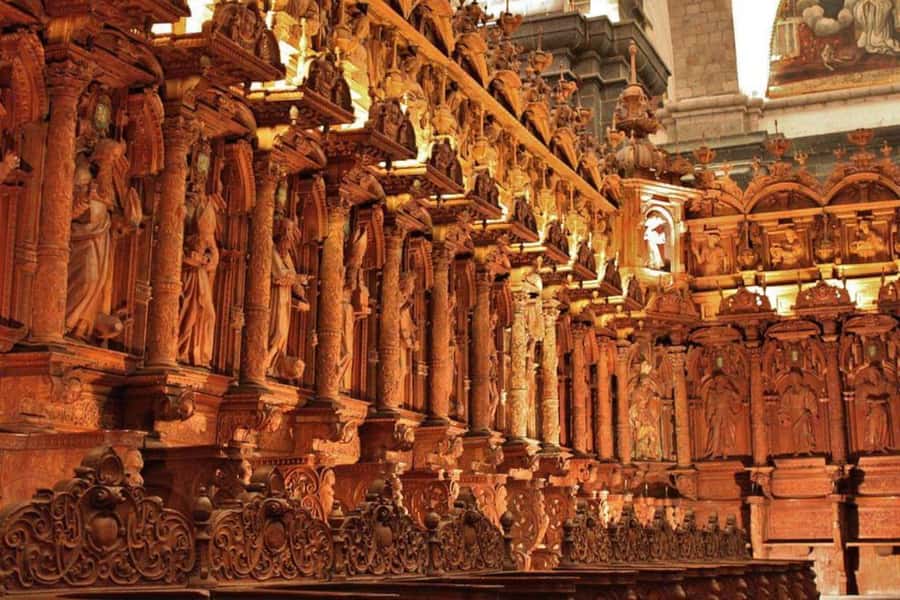
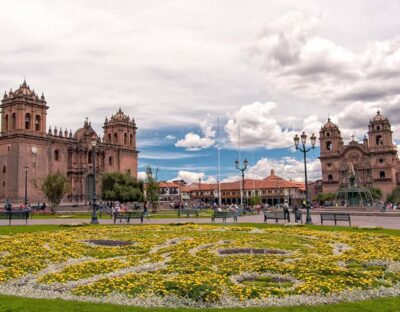
Not every departure includes the same stops. On morning tours, you’ll focus on the archaeological sites (Sacsayhuamán, Qenqo, Puca Pucara, Tambomachay). On afternoon departures, you can add the UNESCO-listed Basilica Cathedral and the Inca temple of Coricancha.
Coricancha
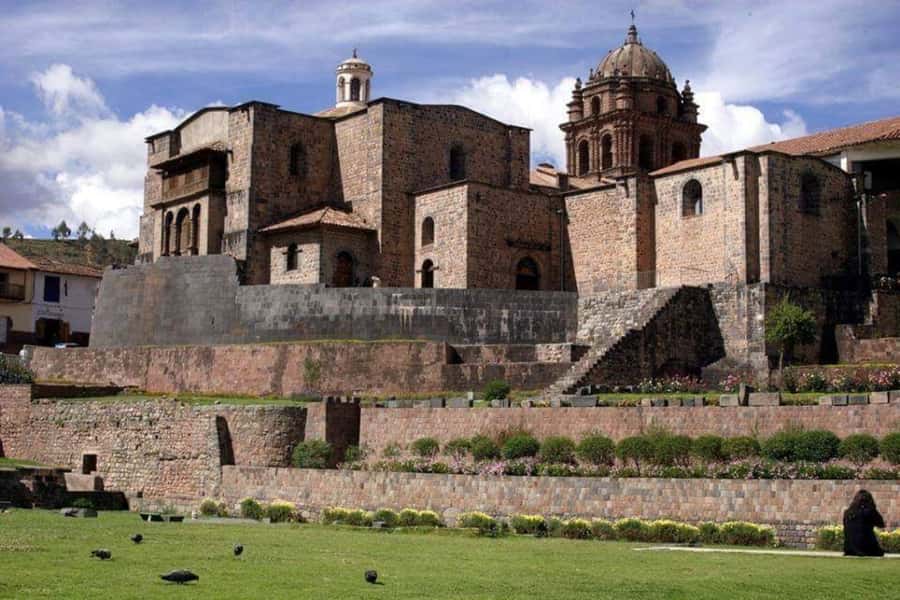
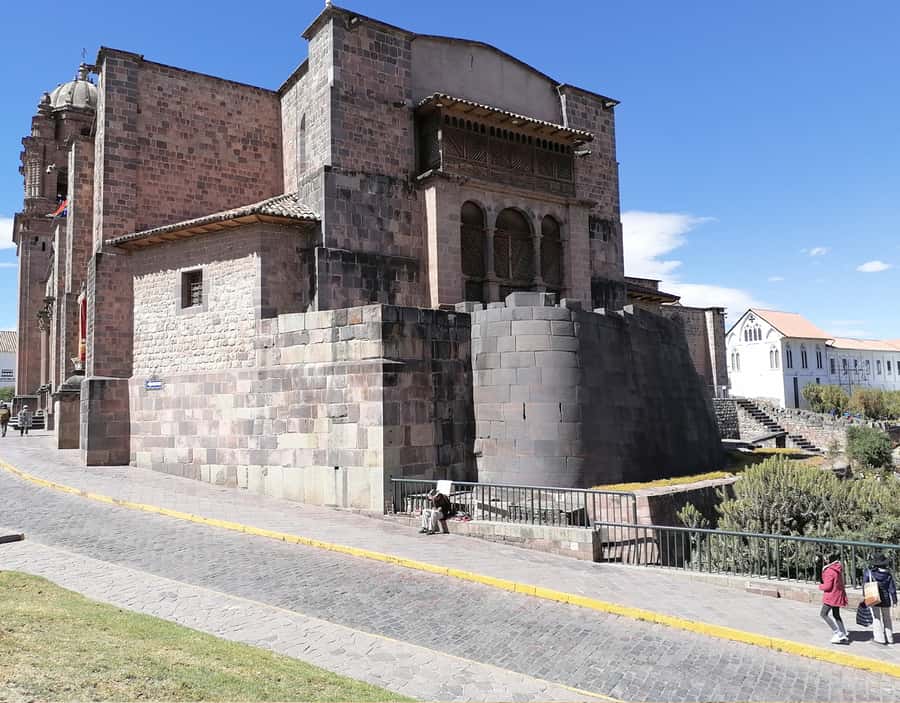
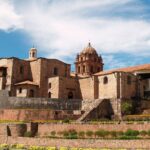
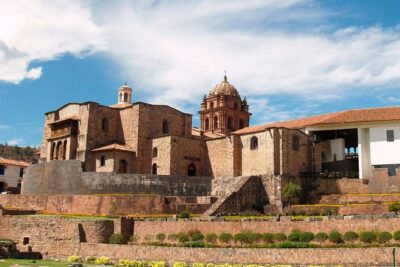
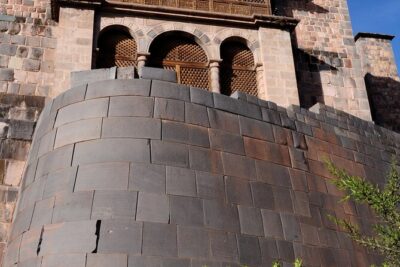
Coricancha is described as the most important temple of the Inca empire, with perfect architecture and stone construction. It is an important contrast to the open-air complexes you’ve visited earlier. Think of it as the moment where the story shifts toward how the Incas treated religion as central and organized.
Your tour includes a guided 1-hour stop here, but there is an entrance fee you pay on the spot.
Cusco Cathedral (Basilica Cathedral)
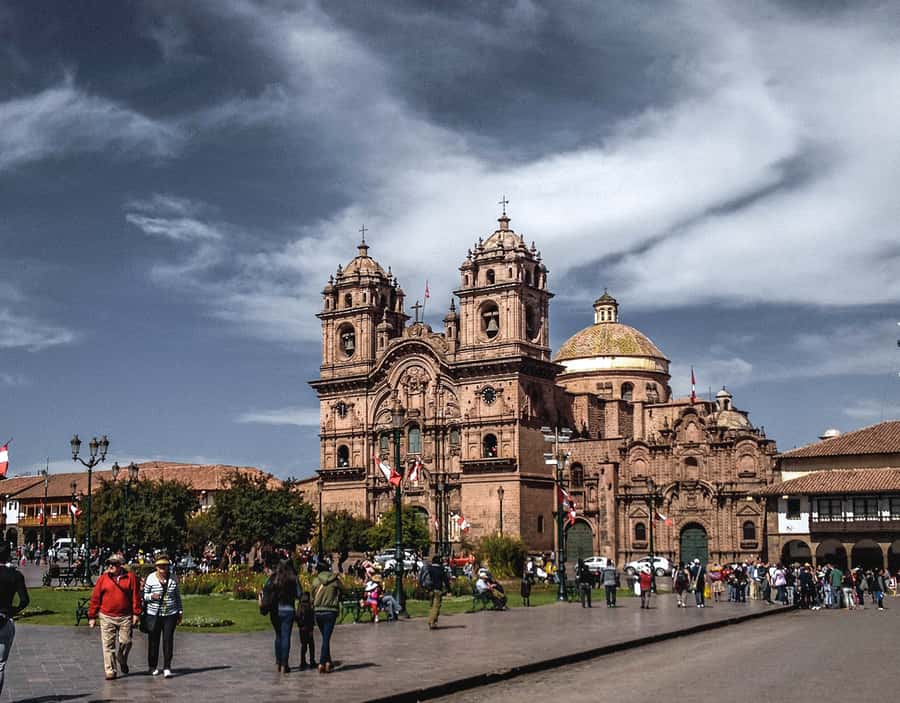
The cathedral, built in 1560, adds the colonial layer. This is where you see how Cusco’s sacred space kept evolving—stone after stone, era after era—without losing the city’s strong religious identity.
Expect guided time of about 40 minutes here. It is not the kind of stop where you will want to rush. Even if you are not a church-history person, the cathedral connects to why Cusco still feels like a place where beliefs are visible in public space.
Price and entrance fees: where the real cost lands
The headline price is $17 per person, and you get transportation plus a professional bilingual guide (Spanish/English). That base price is strong—especially if you would otherwise pay for separate guides or muddle through transportation and explanations on your own.
But you should budget for entrances, because key sites are not included:
- Cathedral entrance: 40 soles
- Coricancha entrance: 15 soles
- Archaeological tourist ticket for sites outside the city: 70 soles
That means the total can add up fast if you are on an afternoon run that includes the cathedral and Coricancha. Still, the tour feels fair because:
- you are getting a guide for multiple sites (not just one)
- the transport is handled
- the timing is organized so you do not waste half your day figuring out what comes next
My advice: carry cash, because these are typically in local currency. If you hate surprise costs, plan the soles before you leave your hotel.
Logistics that actually matter: van rides, walking time, and what to pack
The tour includes hotel pickup in the historic center (Centro Histórico). The first transfer is by van—about 40 minutes—and the rest is a sequence of guided site visits with continued driving between stops. The day ends back at Plaza Mayor del Cusco.
So what should you bring to keep this comfortable?
- Comfortable shoes (you will be walking enough to care about soles)
- Water (Cusco altitude is real)
- Passport (you are asked to bring it)
- Cash for entrances
And because Cusco weather can turn quickly, the practical packing notes are worth taking seriously:
- long pants
- sun hat and sunscreen (30+ SPF)
- waterproof jacket or raincoat
One more rule to know: no video recording is allowed. Photos are not mentioned as restricted, but video recording is.
Guides and group pace: why the storytelling can make the ruins feel connected
This is where reviews get personal. People consistently praise guides by name and by style, and that matters because this route only works if someone explains what you’re seeing while you’re there.
You might meet:
- Silvia, noted for being patient with kids and good at keeping families engaged
- Clara, praised for her attention and energy, with lots of details about Cusco and Inca life
- Janet and Wally, described as excellent introductions to the city
Also, you may find you are not stuck in a giant crowd. One review highlighted the small-group feel as helpful. Even if group size varies, a smaller group usually means you get more room to ask questions and hear the guide over the wind.
The challenge: it is still a demanding half-day because there are many places. If you get tired easily, plan to pace yourself, use water, and keep your questions short and focused.
Who this tour is best for (and who should pick something else)
This tour is ideal if you want:
- a structured way to see major Inca sites in a short time
- guided explanations that connect ceremonial and military themes
- a route that can include Coricancha and the cathedral on afternoon departures
You might want to consider a different option if:
- you hate shopping detours (one criticism points to a textile store stop that felt unnecessary for some people)
- you want a slow, linger-at-each-spot style of sightseeing
- you are extremely sensitive to walking and want fewer stops overall
If your goal is to get your bearings fast and understand Cusco’s layers, this half-day route is a strong starting point.
Should you book this Cusco half-day city tour?
Book it if you want a guided, efficient loop through Qenqo, Puca Pucara, Tambomachay, and Sacsayhuamán, with the option to add Coricancha and the Basilica Cathedral on afternoon runs. The big win is how the tour organizes meaning: you see ruins plus the reasons behind them, without needing to plan a whole day from scratch.
Hold off or choose a different format if you know you will dislike forced stops or you prefer a lighter schedule. And if you book the afternoon version, budget for entrances and plan for the soles you’ll need.
FAQ
How long is the Cusco half-day city tour?
The tour lasts about 6 hours.
Is hotel pickup included?
Yes. Pickup is included from hotels in the Centro Histórico area. If your hotel is not accessible by vehicle, you’ll be given the nearest meeting point.
What sites are included in the morning version?
Morning tours visit Sacsayhuamán, Qenqo, Puca Pucara, and Tambomachay. The cathedral and Coricancha are not included on morning departures.
What sites are included if I book an afternoon departure?
Afternoon departures may include the Basilica Cathedral and the temple of Coricancha, in addition to the archaeological stops.
What does the price include?
The price includes tourist transportation and a professional bilingual guided tour (Spanish/English).
What entrance fees are not included?
Entrance fees not included are 40 soles for the cathedral, 15 soles for Coricancha, and a 70 soles tourist ticket for archaeological sites outside the city.
What should I bring and wear?
Bring comfortable shoes and water, plus your passport and cash. It’s also recommended to wear long pants, bring a sun hat, use sunscreen (30+ SPF), and bring a waterproof jacket or raincoat.
Is video recording allowed?
No. Video recording is not allowed on this activity.
Is there free cancellation?
Yes. You can cancel up to 24 hours in advance for a full refund.
More City Tours in Cusco
More Tour Reviews in Cusco

More of Cusco on Foot
Recent write-ups from around Cusco, just off the trail
- Cuzco: Rainbow Mountain Excursion
★ 5.0 · 3 reviews - 1 day excursion to Qeswachaka bridge and the 4 lagoons
★ 3.6 · 3 reviews - Waqrapukara 1 day trekking + meals
★ 3.9 · 3 reviews - Valle Sur Cusco | half day
★ 4.3 · 3 reviews - Full-Day Condor Viewpoint & Inca Sites Tour
★ 5.0 · 3 reviews
Cusco City & Sacsayhuaman, compared.
 ★ 4.6Half-Day City Tour with Sacsayhuaman and Q’encoFrom $131,129 reviews
 ★ 4.7City Tour Cusco Qoricancha Sacsayhuaman y TambomachayFrom $13617 reviews
 ★ 4.0Sightseeing Tour of the City on an Open-Top BusFrom $12481 reviews
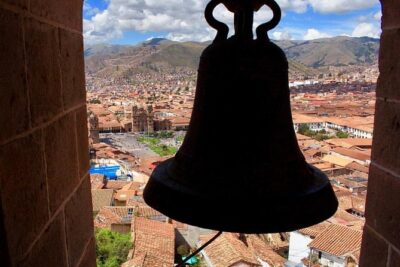 ★ 4.5Open Bus Cusco City TourFrom $14219 reviews
 ★ 4.6City Tour | Half-Day Tour to 4 Archaeological SitesFrom $29206 reviews
 ★ 5.0City Tour in Cusco & visit Museum South American Camelid Private.From $49147 reviews
 ★ 4.5Cusco City Sightseeing, San Pedro Market, Cathedral and Qorikancha TempleFrom $59139 reviews
 ★ 4.5Cusco City Sightseeing and Sacsayhuaman Archeological Park TourFrom $79101 reviews
Browse the lists this tour appears in