
REVIEW · CUSCO CITY & SACSAYHUAMAN
Cusco: City Tour | Half-Day Tour to 4 Archaeological Sites
One city, five sacred stops, and a guide who connects the dots. I like the easy hotel pickup plus transport, and I especially like how the bilingual guidance helps you understand why these places mattered to the Inca. The main thing to watch is that the timing can slip a bit, and entrances are partly on you (cash/tickets), so plan your day with a little breathing room.
This half-day format is a smart way to get oriented fast in Cusco. You start in the city center, then move through major Inca religious, military, and water-related sites, finishing back where you can go out for dinner.
Key points I’d plan around before you go
- Hotel pickup from Cusco Centro Historico keeps you from wasting the first hour figuring out logistics
- Bilingual English/Spanish guiding (with named guides like Luis/Louis, Maribel, Fabrisio, and Yenny) helps if you want context, not just photos
- Five major stops are packed into a short window: Qoricancha, Sacsayhuamán, Q’enqo, Puca Pucará, and Tambomachay
- Entrance fees are not included for Qoricancha, and a tourist ticket/pass is required for most sites
- Group timing can vary—some people report finishing later than the stated duration
- Keep an eye on side stops; a small “extra” marketplace/upsell can eat time if you’re hoping for straight archaeological viewing
In This Review
- Cusco in 4 hours: five key sacred stops, not just a quick drive-by
- Qoricancha (Temple of the Sun) and Santo Domingo: why this site is never simple
- Sacsayhuamán’s cyclopean stone: the fortress that makes Inca power feel physical
- Q’enqo: ritual space, amphitheater shape, and the unsettling purpose of sacrifice
- Puca Pucará and Tambomachay: the checkpoints and the water temple
- Puca Pucará: the surveillance and entry control feel
- Tambomachay: water worship and the myth of eternal youth
- Tickets, cash, and the tourist pass reality (don’t get caught with empty hands)
- Your guide and group setup: bilingual can be excellent or awkward
- The best way to enjoy this route without feeling rushed
- Price and value: $29 is the easy part; what matters is the total day spend
- Who should book this half-day Cusco tour?
- Should you book this Cusco city tour to Qoricancha, Sacsayhuamán, Q’enqo, Puca Pucará, and Tambomachay?
- FAQ
- How long is the Cusco City Tour?
- Does the tour include hotel pickup in Cusco?
- What languages are offered during the tour?
- What’s included in the price?
- Are entrance tickets included for the archaeological sites?
- Is there a way to avoid long lines at security?
- Is there an optional add-on visit to the Cathedral of Cusco?
- Can I cancel for a full refund?
- Can I book and pay later?
Cusco in 4 hours: five key sacred stops, not just a quick drive-by
If you’re short on time in Cusco, this tour hits a good sweet spot: it’s long enough to feel like you’re moving through real places with meaning, but short enough that you still have dinner plans afterward. You’re not just seeing ruins—you’re getting a guided explanation of how the Inca shaped the landscape (and how Spanish-era culture layered on top).
One helpful detail: you’re picked up from your hotel in Cusco Centro Historico, so you don’t burn energy negotiating streets, stairs, and altitude with a map in hand. The tour also uses tourist transport between stops, which matters because Cusco’s narrow streets and elevation can make “walking everywhere” tiring fast.
The only tradeoff with a tight half-day schedule is time at each site. Even when a guide does everything right, popular stops can get crowded and you can feel a bit “managed,” especially if your tour runs long.
More Cusco city and Sacsayhuaman walks
- City Tour Cusco Qoricancha Sacsayhuaman y Tambomachay★ 4.7 · 617 reviews
- Cusco: Sightseeing Tour of the City on an Open-Top Bus★ 4.0 · 481 reviews
- Open Bus Cusco City Tour★ 4.5 · 219 reviews
- Cusco: City Tour | Half-Day Tour to 4 Archaeological Sites★ 4.6 · 206 reviews
Qoricancha (Temple of the Sun) and Santo Domingo: why this site is never simple
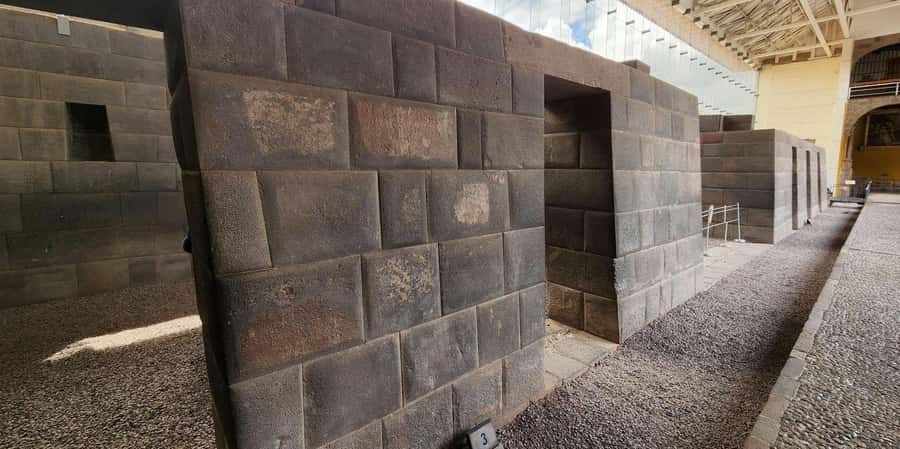
Most first-time Cusco visitors remember the big names—Sacsayhuamán, maybe Tambomachay. But I love starting at Qoricancha because it teaches you how layered Cusco really is.
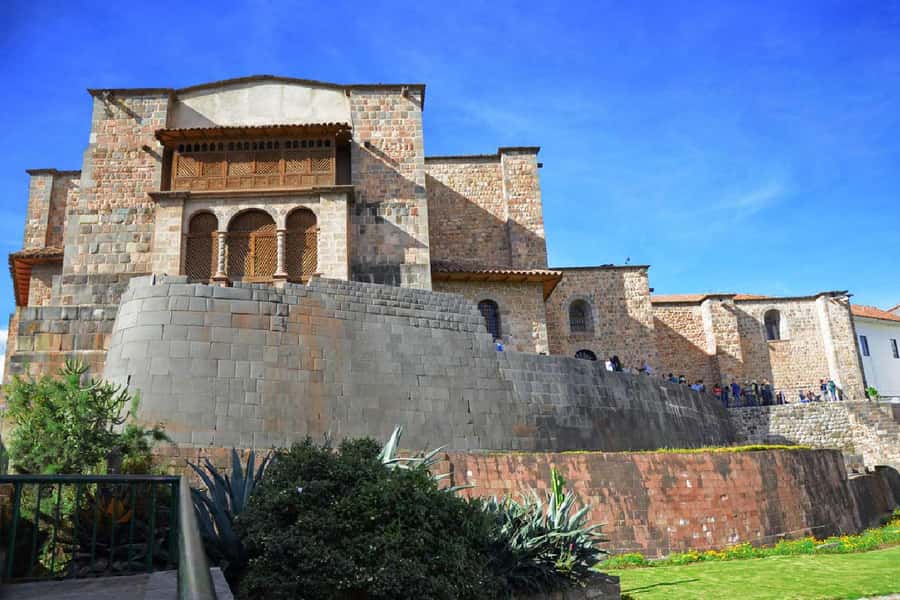
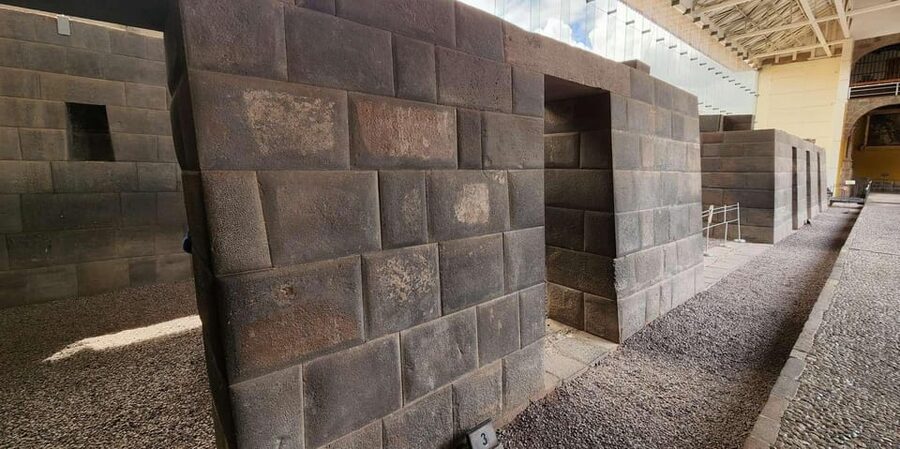
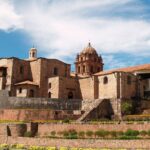
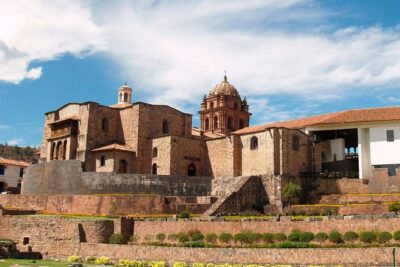
This is the religious center the Incas associated with the Temple of the Sun—and the spot later became known through Spanish-era presence as the Temple of Santo Domingo. What you’re looking at isn’t just “ancient walls.” You’ll see the engineering logic behind the layout, plus artwork housed inside (including Cusquenian-style paintings).
Practical angle: Qoricancha’s entrance ticket isn’t included (it’s listed as 20 soles). That means if you’re serious about sticking to the tour’s pace, you should have cash/tickets ready or use the tourist pass if you already bought one. Also, Qoricancha tends to be a place where you’ll want to slow down—so don’t show up with the attitude of, I just need a photo and I’m done.
Sacsayhuamán’s cyclopean stone: the fortress that makes Inca power feel physical
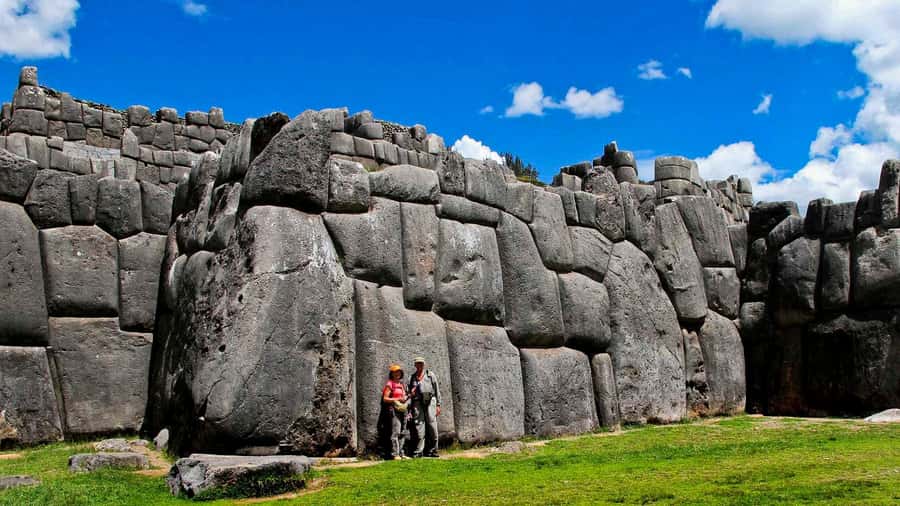
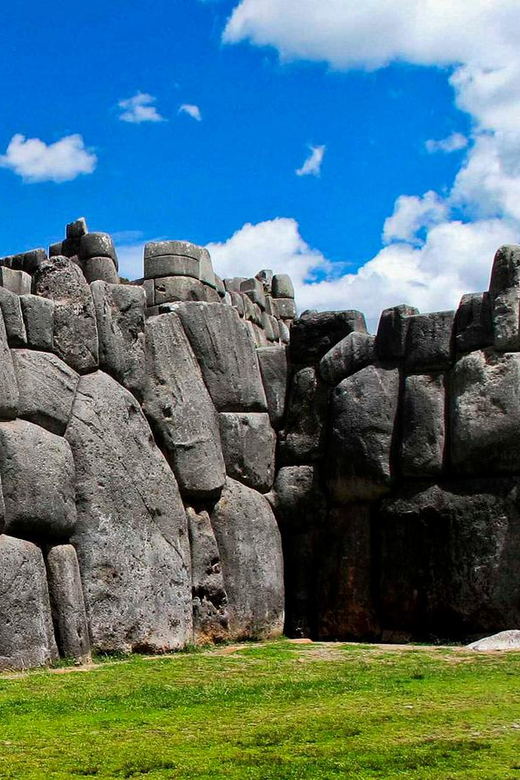
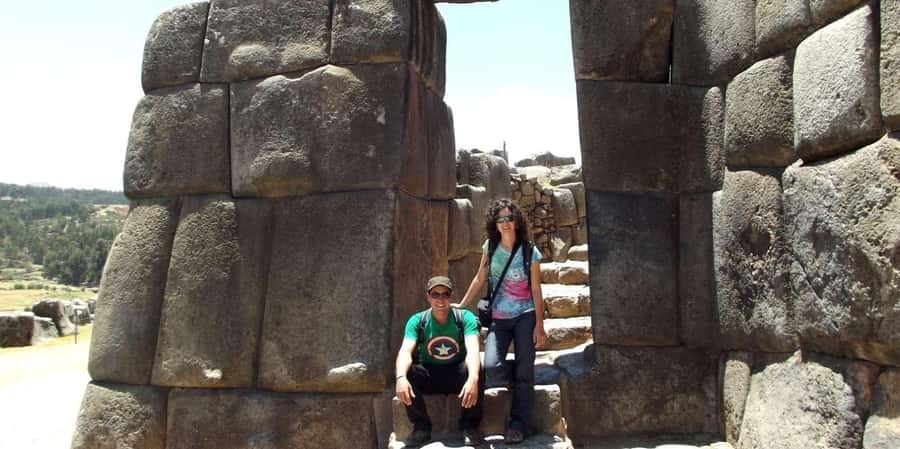
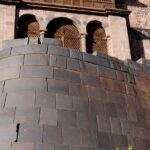
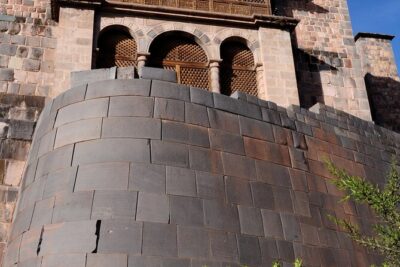
Next comes Sacsayhuamán, one of those Cusco sites where the scale hits you before the explanation does. This ceremonial and defensive fortress is known for Inca architecture built by fitting massive stone blocks together with precision.
Here’s why the details matter: some stones are listed at about 9 meters (30 ft) high, and they can weigh more than 350 tons. Even if you don’t do the math on the spot, your brain gets it: this wasn’t “construction as usual.” It was organized labor on a level that turns ruins into evidence.
There’s also a cultural note worth remembering while you’re there. Sacsayhuamán is tied to the Inti Raymi celebration around June 24, the Party of the Sun. In other words, you’re visiting a place that still has a calendar in its bones—even if the modern ceremonies differ from the past.
Time consideration: Sacsayhuamán can be windy and cool. If your visit runs into late afternoon, plan for it. A light layer makes the difference between Enjoying the views and Wanting to rush back to warmth.
Q’enqo: ritual space, amphitheater shape, and the unsettling purpose of sacrifice
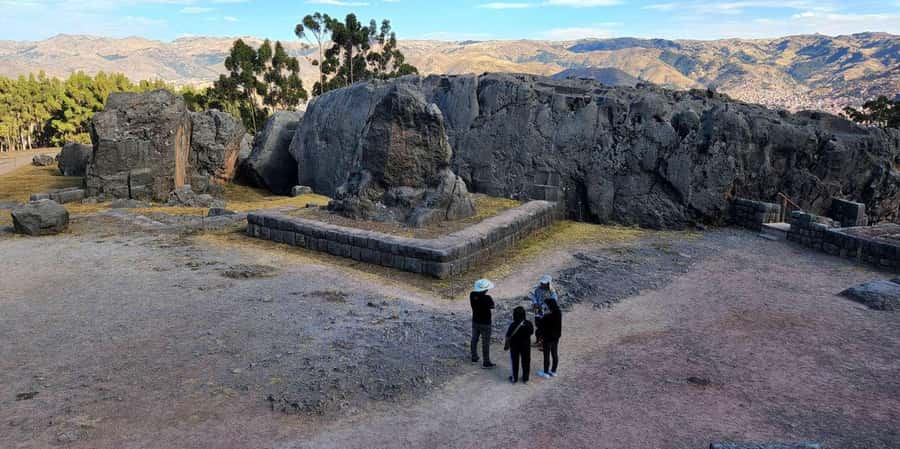
After the fortress, you head to Q’enqo, described as a ceremonial and religious center. The site is shaped like an amphitheater, and the intention wasn’t entertainment in the modern sense. It’s tied to sacrifices during Inca times.
That matters for how you look at what’s on the ground. When you hear that the shapes weren’t decorative, you start reading the site differently. Instead of thinking only about “where people stood,” you notice “how people were meant to experience events.”
At a practical level, Q’enqo is typically manageable compared to the biggest sites, so it fits nicely into a half-day route. Still, keep an eye on how much time your group gets. In tightly run schedules, your best approach is to pick a few viewpoints and let the rest be guided stops, not self-directed exploration.
Puca Pucará and Tambomachay: the checkpoints and the water temple
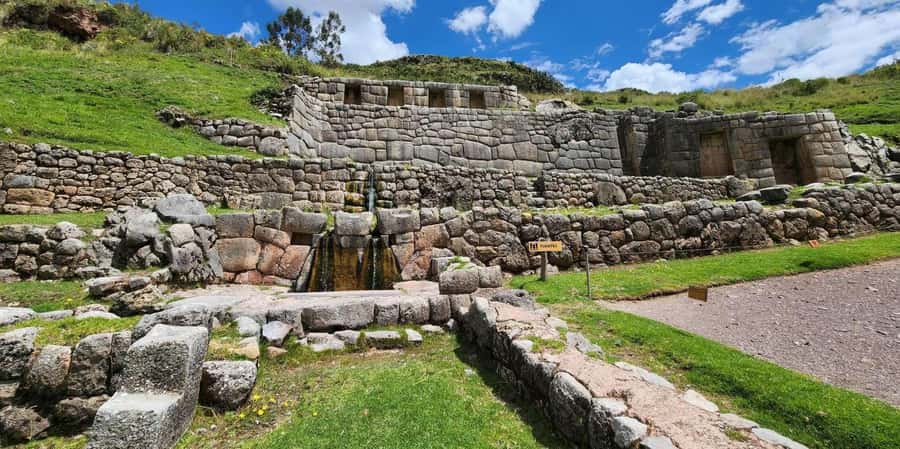
The tour continues to two places that feel different from the main fortress vibe.
A last few Cusco tours and experiences to fold into the trip
Puca Pucará: the surveillance and entry control feel
Puca Pucará is described as a former Inca surveillance post and entry control point to Cusco. That label changes how you perceive it. Instead of imagining only religious ritual, you start thinking about watchfulness—routes, access, and how power moved through gates.
In a guided setting, this stop often works well because it helps connect dots between sites: Qoricancha is about sacred life; Sacsayhuamán is about force; Puca Pucará is about control.
Tambomachay: water worship and the myth of eternal youth
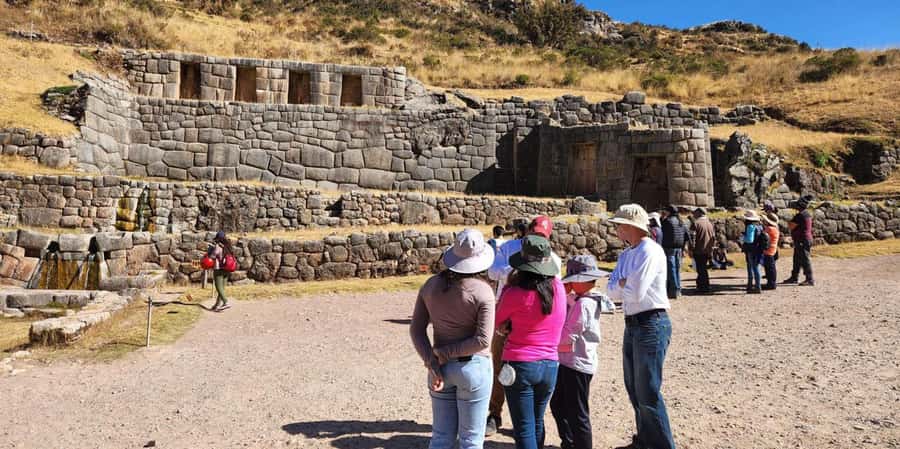
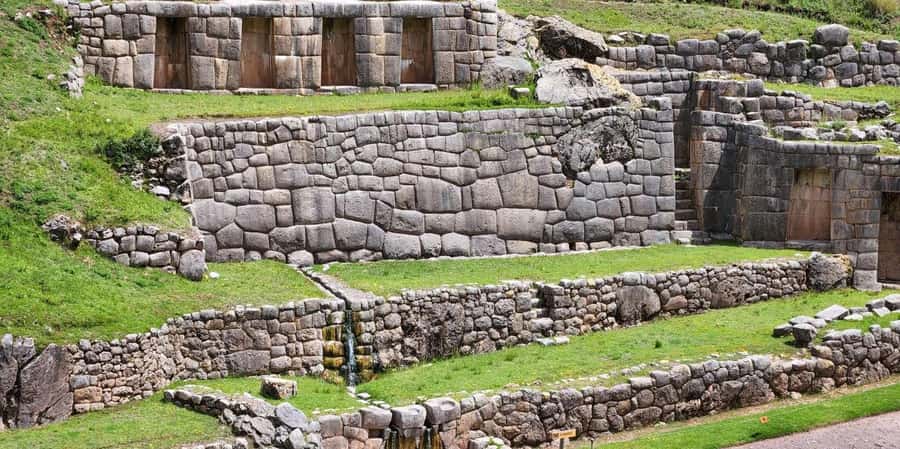
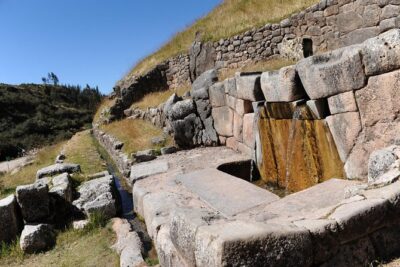
Then comes Tambomachay, called a water temple where worship of water took place while people could enjoy leisure. It’s also known as the place of the waters of eternal youth.
This is the stop that often feels calmer. Water is involved not just as scenery, but as purpose. If you’ve been thinking this is only about stone and military might, Tambomachay brings you back to daily-human meaning: water, rituals, and the hope connected to them.
Timing note: depending on how long the group stays at earlier stops, Tambomachay can be either a relaxed capstone or a “let’s get through it” moment. So if water-themed sites are your thing, do your best to stay engaged early so you don’t run out of attention later.
Tickets, cash, and the tourist pass reality (don’t get caught with empty hands)
Even at a strong value price, you’ll spend extra once you’re on the ground. Here’s the practical breakdown based on what’s explicitly stated:
- Qoricancha entrance ticket is not included (listed at 20 soles).
- A tourist ticket/pass is required for other sites, listed as S/70 to S/120, or you can show a ticket you already purchased with another tour.
- The tour uses express security to help you avoid unnecessary waiting.
Several guides also mention cash details. One review notes that site entry is cash only, so it’s smart to carry the right mix of cash (and double-check what each stop requires that day). If you’re thinking, I’ll just pay on arrival, that’s where things can slow down—especially when weather changes or the group is moving between multiple locations.
Bottom line: get your tickets set up early, ideally the day before. Then your half-day stays half-day, not ticket-line-and-wait.
Your guide and group setup: bilingual can be excellent or awkward
The tour is bilingual in English and Spanish, and in practice that’s often a big win for visitors who want context without guessing. People have praised guides like Luis/Louis for friendliness and approachability, and also mentioned Maribel and Fabrisio as strong, question-friendly guides. Some guides have gone beyond basics with extra context—one guide is even noted as the author of a history book about the Incas.
But bilingual setups come with a real-world issue: when there’s a mixed-language group, questions and answers may not always fully transfer between languages. I treat this as a consideration, not a dealbreaker. If you care deeply about asking questions, you’ll get more from staying attentive to the guide’s main narration and using your question time wisely.
Also watch for pacing. A few comments mention the group being slightly rushed or the day running longer than planned. That doesn’t mean the tour is bad—it just means you should plan your evening like a sensible adult: don’t schedule something that depends on you being back exactly on the clock.
The best way to enjoy this route without feeling rushed
Because you’re moving through five major places in a short time, your enjoyment depends on your mindset and prep.
What I recommend:
- Wear layers. Cusco mornings and late afternoons can feel cold, and you’ll probably spend time outdoors at multiple stops.
- Expect crowds at the most famous sites. Sacsayhuamán and Qoricancha are popular for a reason.
- Bring small cash for snacks or warm drinks. One practical tip from experience: hot tea vendors along the route can be a lifesaver when it cools down.
- If you’re sensitive to schedule changes, keep dinner flexible. A few people reported a longer-than-expected tour end time.
One more timing tip: one review mentions the start being a bit chaotic due to pickup logistics. That can happen in busy travel seasons when groups converge. If you’re picking up at a hotel, have your meeting point details ready and be waiting a few minutes earlier than you think you need.
Price and value: $29 is the easy part; what matters is the total day spend
At $29 per person for four hours, this tour can be a strong value if you compare it to what you’d pay separately for a guide, transport, and a structured plan across multiple sites.
But here’s the honest math: you’ll likely pay additional money on top for entrance needs (Qoricancha’s separate ticket plus the tourist pass range). So the real question isn’t just whether the base price is cheap—it’s whether the guide time saves you from wasting hours planning, arranging transport, and buying the right tickets later.
For first-time Cusco visitors, that’s where the value shows. You get:
- hotel pickup in central Cusco
- transport between major sites
- bilingual interpretation
- express security assistance
If you already have your tourist pass and you’re comfortable paying site fees, this becomes one of the simpler ways to get your bearings fast.
Who should book this half-day Cusco tour?
I think this is a great fit if:
- you’re seeing Cusco for the first time and want an organized overview
- you want both Inca and colonial-era context at Qoricancha
- you prefer guided explanations over wandering ruins alone
- you’re short on time and want a structured plan that ends back in the city center
I’d be a bit more cautious if:
- you hate any side stop, marketplace detour, or upsell-style interruption (some schedules can include extras that don’t feel archaeology-focused)
- you have tight dinner or other time-dependent plans (because a few people reported the day running long)
- you’re planning to ask lots of questions and need every exchange in your preferred language (bilingual group dynamics can be hit-or-miss)
Should you book this Cusco city tour to Qoricancha, Sacsayhuamán, Q’enqo, Puca Pucará, and Tambomachay?
If you want an efficient Cusco introduction, I’d book it—especially if you like the idea of seeing sacred, military, control, and water-related sites in one go. The biggest strengths are the practical hotel pickup, the structured movement between major stops, and guides who clearly enjoy explaining what you’re seeing (people name Luis/Louis, Maribel, Fabrisio, Jessica, Joel, and Yenny as examples of strong guiding).
Just go in with two expectations: you’ll need tickets/cash for entrances, and the schedule can run a little beyond four hours. If you plan your evening with that in mind, this tour becomes a very solid way to understand Cusco fast—and then enjoy the rest of your trip with better context.
FAQ
How long is the Cusco City Tour?
The tour duration is listed as 4 hours, though some groups may run a bit longer depending on how the day goes.
Does the tour include hotel pickup in Cusco?
Yes. Pickup is included from your hotel in Cusco Centro Historico.
What languages are offered during the tour?
The live guide provides English and Spanish.
What’s included in the price?
Included items are hotel pickup, tourist transport, and a bilingual guide.
Are entrance tickets included for the archaeological sites?
No. The Qoricancha entrance ticket is not included (20 soles), and a tourist ticket/pass is required for other sites (listed as S/70 to S/120), or you can show a ticket you already purchased with another tour.
Is there a way to avoid long lines at security?
Yes. The tour includes express security check.
Is there an optional add-on visit to the Cathedral of Cusco?
Yes. An optional visit to the Cathedral of Cusco is listed as an extra.
Can I cancel for a full refund?
You can cancel up to 24 hours in advance for a full refund.
Can I book and pay later?
Yes. It’s listed as Reserve now & pay later, so you can book without paying immediately.
More City Tours in Cusco
More Tour Reviews in Cusco
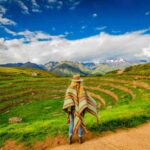
More of Cusco on Foot
Recent write-ups from around Cusco, just off the trail
- Cuzco: Rainbow Mountain Excursion
★ 5.0 · 3 reviews - 1 day excursion to Qeswachaka bridge and the 4 lagoons
★ 3.6 · 3 reviews - Waqrapukara 1 day trekking + meals
★ 3.9 · 3 reviews - Valle Sur Cusco | half day
★ 4.3 · 3 reviews - Full-Day Condor Viewpoint & Inca Sites Tour
★ 5.0 · 3 reviews
Cusco City & Sacsayhuaman, compared.
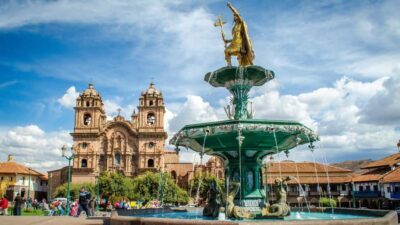 ★ 4.6Half-Day City Tour with Sacsayhuaman and Q’encoFrom $131,129 reviews
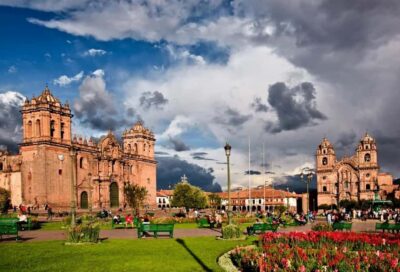 ★ 4.7City Tour Cusco Qoricancha Sacsayhuaman y TambomachayFrom $13617 reviews
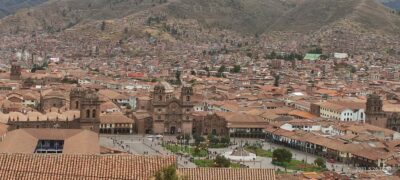 ★ 4.0Sightseeing Tour of the City on an Open-Top BusFrom $12481 reviews
 ★ 4.5Open Bus Cusco City TourFrom $14219 reviews
 ★ 5.0City Tour in Cusco & visit Museum South American Camelid Private.From $49147 reviews
 ★ 4.5Cusco City Sightseeing, San Pedro Market, Cathedral and Qorikancha TempleFrom $59139 reviews
 ★ 4.2Half-Day City TourFrom $17129 reviews
 ★ 4.5Cusco City Sightseeing and Sacsayhuaman Archeological Park TourFrom $79101 reviews
Browse the lists this tour appears in