
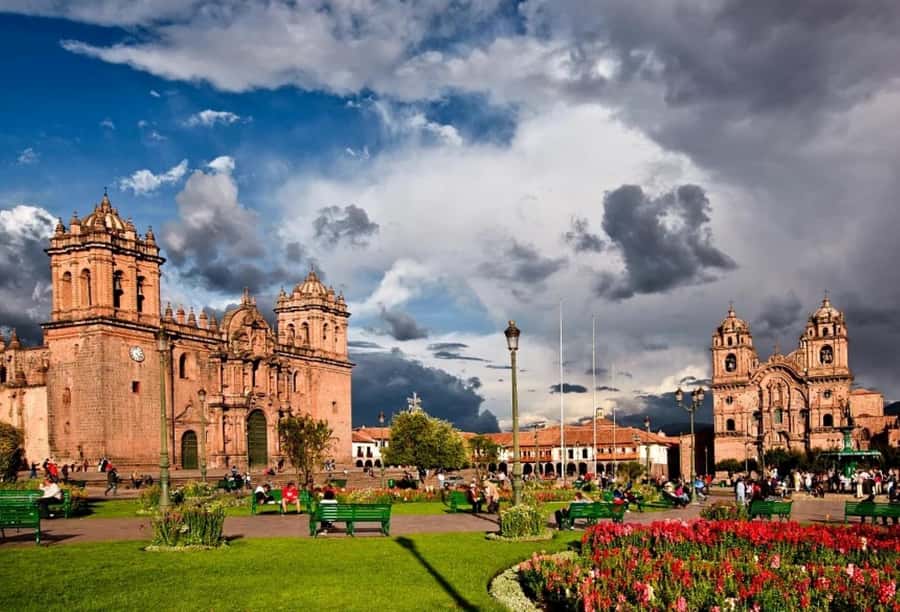
REVIEW · CUSCO CITY & SACSAYHUAMAN
City Tour Cusco Qoricancha Sacsayhuaman y Tambomachay
Cusco feels like a living Inca puzzle. This half-day tour ties together the big hitters—Qorikancha and Sacsayhuamán—plus quieter ritual sites like Qenqo and Tambomachay, so you leave with a clearer sense of how the empire worked in daily life and ceremony.
What I like most is how tightly the route connects sacred places to practical power: stonework, water worship, and fortress strategy all show up in the same day. I also love that the tour uses a real local guide and adds an audio guide in English and Spanish, so you can follow even if your ears are juggling altitude and sun.
One thing to consider: the tour price doesn’t include the main entrance ticket for Qorikancha, so you’ll want extra cash ready. Also, depending on the group and guide mix, the English portion can vary.
In This Review
- Key things to know before you go
- Cusco in 5 Hours: what this tour gets right
- Plaza de Armas meeting point and how the guide sets the tone
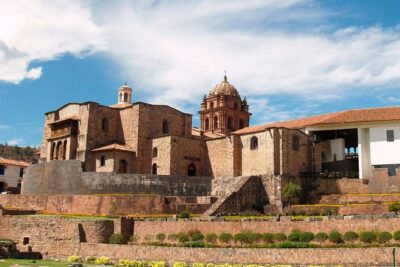
- Qorikancha (Temple of the Sun): where ceremony meets Spanish reuse
- The shared coach ride: less stress, but manage your energy
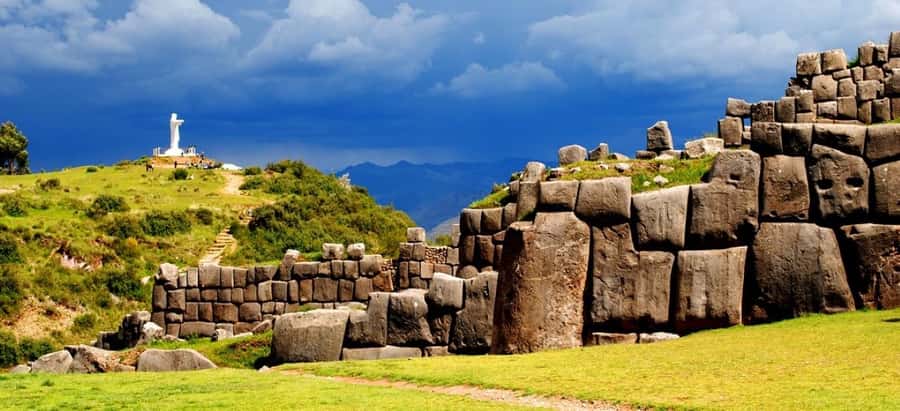
- Sacsayhuamán fortress: massive stones and big panoramic rewards
- Qenqo: altars, rock formations, and a ritual mind-set
- Puka Pukara: the military/control stop people often skip
- Tambomachay (Inca Baths): the water worship you can still hear
- How the tour ends: back to Cusco’s historic center
- Price and value: what you’re paying for (and what you’re not)
- Altitude, comfort, and photo strategy (so you don’t feel rushed)
- Who this Cusco tour suits best
- Should you book City Tour Cusco Qoricancha Sacsayhuaman y Tambomachay?
- FAQ
- What are the tour start times for the morning and afternoon shifts?
- Where is the meeting point?
- How long is the tour?
- What language options do you get?
- Is the Qorikancha (Temple of the Sun) entrance ticket included?
- Do I need the Cusco Tourist Ticket?
- Is transportation included between stops?
- Is the tour wheelchair accessible?
- What should I bring?
- Are drones allowed and what other items are not allowed?
Key things to know before you go
- Plaza de Armas start: meet by the fountain for a quick orientation before heading to the ruins
- Two language formats: live guide in English/Spanish plus an included audio guide
- Fortress-to-ritual flow: Sacsayhuamán’s strategy connects well to Qenqo’s religious spaces
- Water worship at Tambomachay: channels and fountains still run there
- Extra stop beyond the usual map: Puka Pukara adds military/control history in a shorter visit
More Cusco city and Sacsayhuaman walks
- City Tour Cusco Qoricancha Sacsayhuaman y Tambomachay★ 4.7 · 617 reviews
- Cusco: Sightseeing Tour of the City on an Open-Top Bus★ 4.0 · 481 reviews
- Open Bus Cusco City Tour★ 4.5 · 219 reviews
- Cusco: City Tour | Half-Day Tour to 4 Archaeological Sites★ 4.6 · 206 reviews
Cusco in 5 Hours: what this tour gets right
If you’re short on time in Cusco, this is the kind of tour that helps you make sense of the city instead of just collecting photos. The route hits the core Inca landmarks around Cusco—temple, fortress, ceremonial centers, and water worship—then finishes back in the historic center so you can keep exploring on your own.
At about five hours, it’s a good first-days-in-Cusco plan. You’ll get a guided orientation to what you’re looking at, and that matters a lot when you’re trying to separate Inca stonework, later Spanish overlays, and the way the sites sit in the Andes.
The price is also fair for the amount of guiding and transport you get. You’re paying for the local explanations, the shared coach ride between sites, and the stop-by-stop pacing—plus you’re not forced to research each ruin one by one before you go.
Plaza de Armas meeting point and how the guide sets the tone
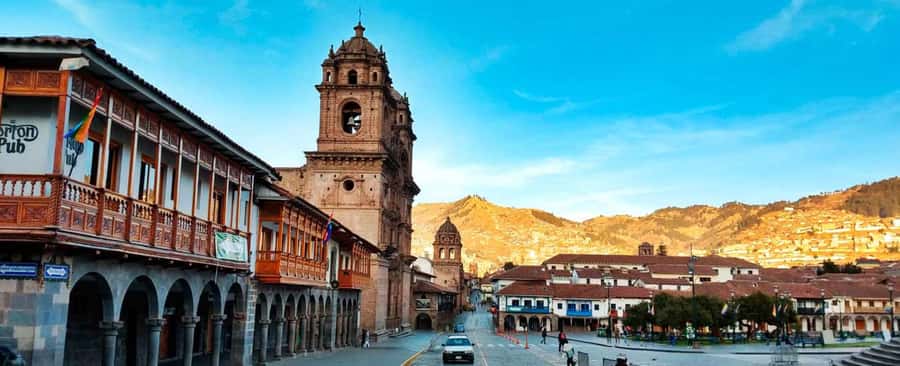
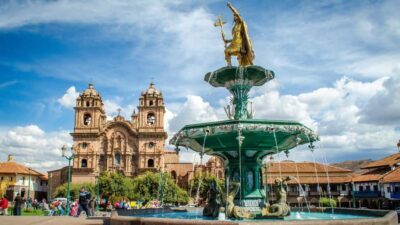
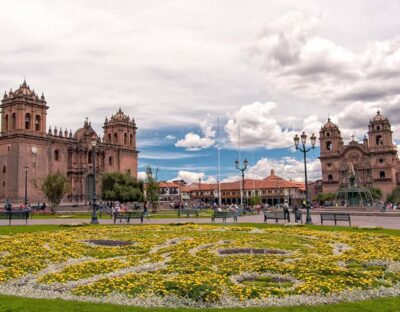
You start at Plaza de Armas, meeting next to the central fountain (arrival tip: be there about 10 minutes early). The tour begins with an introduction right in the square, and that short briefing pays off later when you’re staring at stone walls and trying to understand what they were for.
Because your guide stays with the group throughout, you don’t have to wonder what you’re looking at or where to go next. You’ll also get an audio guide in English and Spanish, which is handy when your attention is split between altitude, photos, and questions.
Practical tip: Cusco can feel bright and dry even when you think you’re used to sun. I’d bring sunglasses and sunscreen right away, because the first stretch is mostly outdoors before you get to the ruins.
Qorikancha (Temple of the Sun): where ceremony meets Spanish reuse
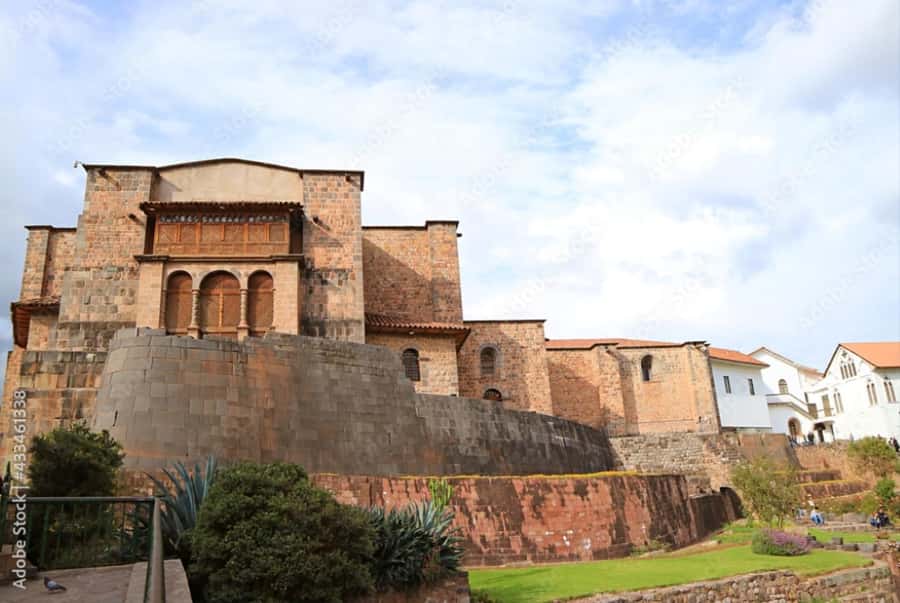
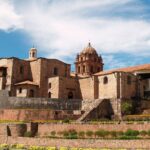
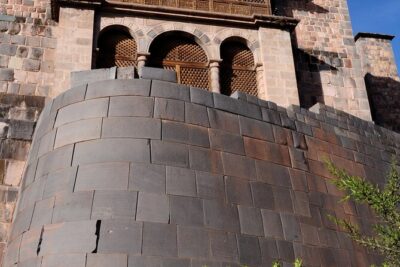
Qorikancha is the major religious site here, and the tour handles it well: you don’t just pass by. You’ll spend about 40 minutes with a photo stop and guided explanations focused on ceremonial purpose and the fine stonework.
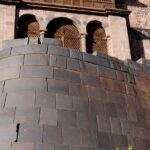
One of the most interesting parts is the way the later Santo Domingo Convent was built on top of Qorikancha’s foundations. You’ll see how the Inca layout and construction choices influenced what came later—useful context if you’ve ever felt like Cusco’s history is layered without explanation.
If you’re picky about timing, keep this stop at the top of your priority list. It’s one of those places where 10 extra minutes makes your photos sharper and your understanding deeper, especially if you like architectural details.
Budget note: Qorikancha entrance ticket is an extra cost (S/ 20 soles), so don’t assume the tour price covers everything.
The shared coach ride: less stress, but manage your energy
Between stops, you’ll use shared tourist transportation (coach/bus). The itinerary includes short drives—often 10 to 30 minutes—so you can recover a bit on travel days when altitude and walking add up.
This is a good balance for a half-day plan: enough moving to see multiple sites, but not so much transit that you lose the morning or afternoon. Still, you’ll be on your feet for walks at each location, and some parts are outdoors and uneven.
If you want photos with minimal fatigue, think of the biggest viewpoints as “save your legs.” Sacsayhuamán is the big one, so pace yourself after Qorikancha.
A last few Cusco tours and experiences to fold into the trip
Sacsayhuamán fortress: massive stones and big panoramic rewards
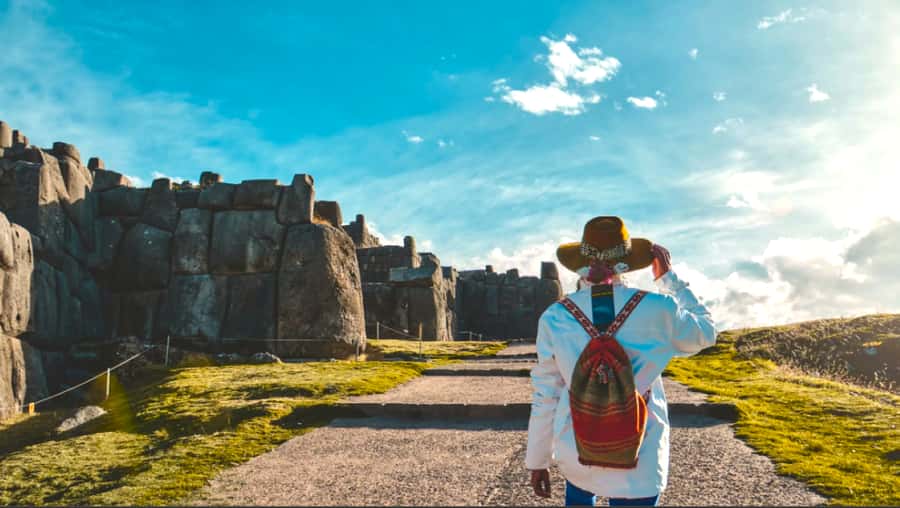
Sacsayhuamán is where the tour earns its keep. You’ll get a break and a photo stop, then time for visits and free time, with a guided segment and scenic views on the way.
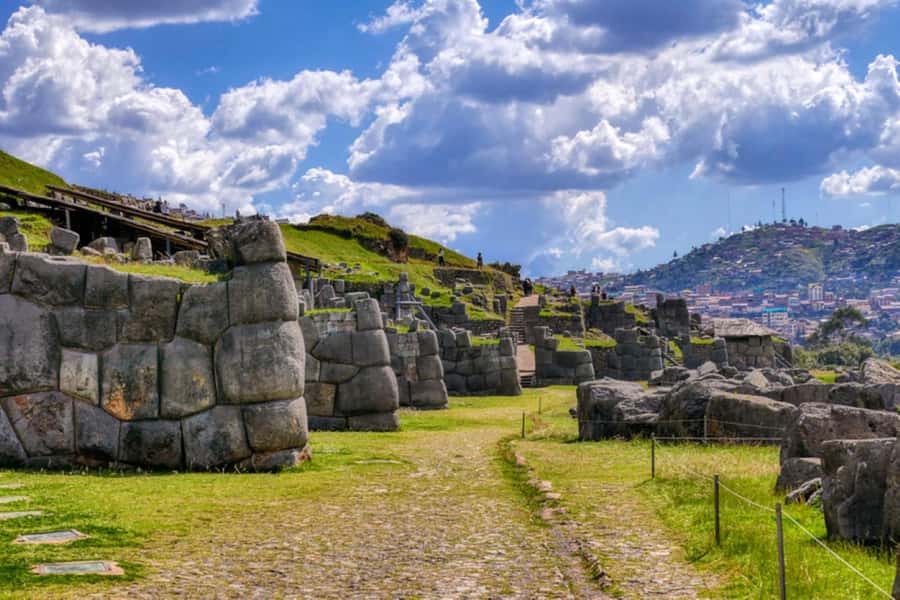
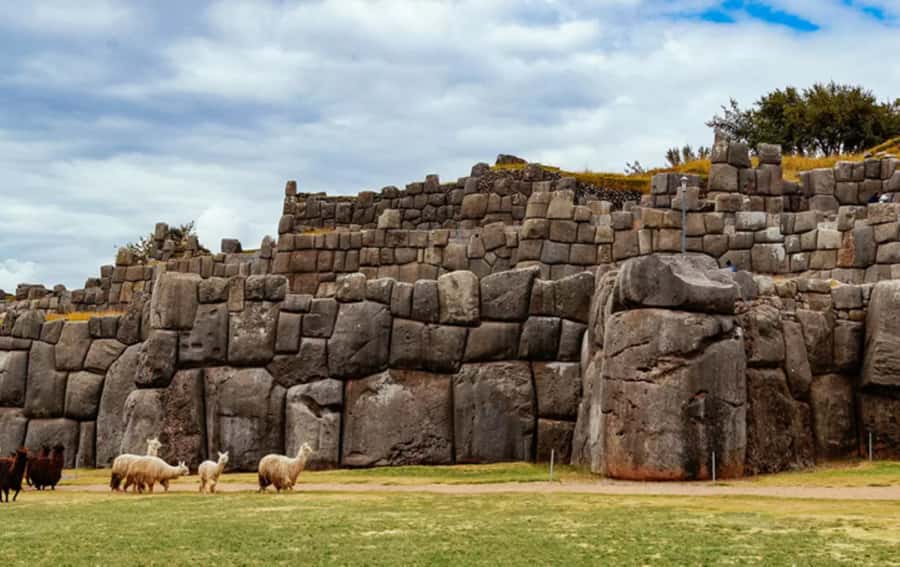
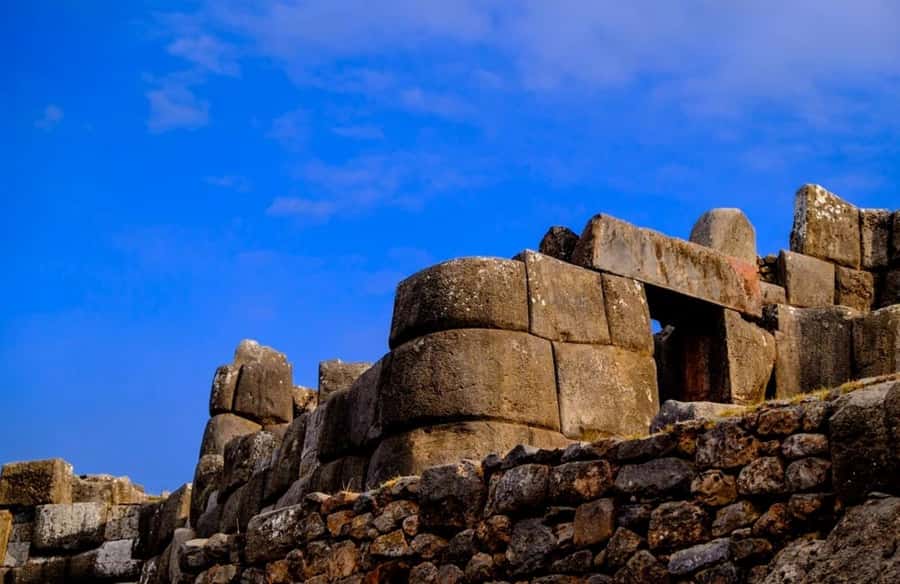
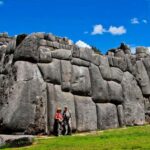
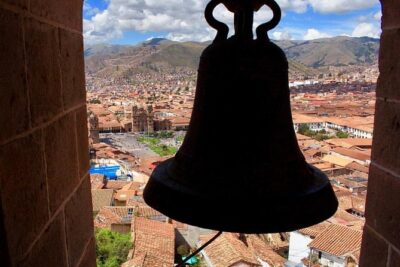
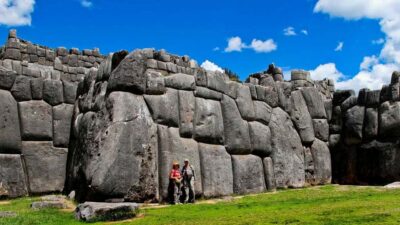
The standout is the massive stone blocks and the way they show both strategic and ceremonial importance. You’ll also get panoramic views of Cusco, which is exactly why this stop hits hard early in your trip: once you’ve seen the fortress setting, everything else in Cusco feels more connected.
What to watch for: the stones here aren’t decorative filler. The shape, scale, and placement give you clues about how the builders planned for stability and the kind of impact they wanted the site to have.
Also, plan for a little altitude breathlessness. The good news is the tour builds in time for breaks, so you’re not sprinting between explanations.
Qenqo: altars, rock formations, and a ritual mind-set
After Sacsayhuamán, you’ll move to Q’enco (Qenqo), a ceremonial center with altars, underground passages, and rock formations. It’s less “fortress wow” and more “focus and meaning,” so it works best when you slow down and actually listen to what the guide connects the spaces to.
In practical terms, this stop is valuable because it gives you a different Inca lens than pure architecture. Q’enco helps you understand how places could be designed for specific religious rituals, not just for defense or administration.
Time at Q’enco is about 25 minutes, including photo stop and walking through the complex. That’s enough to get the big shapes and the main explanations, but it’s not a long museum-style experience—so come with curiosity, not checklist pressure.
Puka Pukara: the military/control stop people often skip
Next is Puka Pukara, an ancient military and control post that also served as a resting place for Inca travelers. The tour includes guided context plus scenic viewpoints on the way, then time for a guided visit with a photo stop.
This stop is interesting because it’s a reminder that the Inca world ran on logistics as much as religion. Terraces and defensive structures help you see how control points shaped movement through the region.
If you love “how things worked” history, you’ll enjoy this more than you’d expect. It’s one of those sites where short time can still change how you interpret the rest of the day.
Tambomachay (Inca Baths): the water worship you can still hear
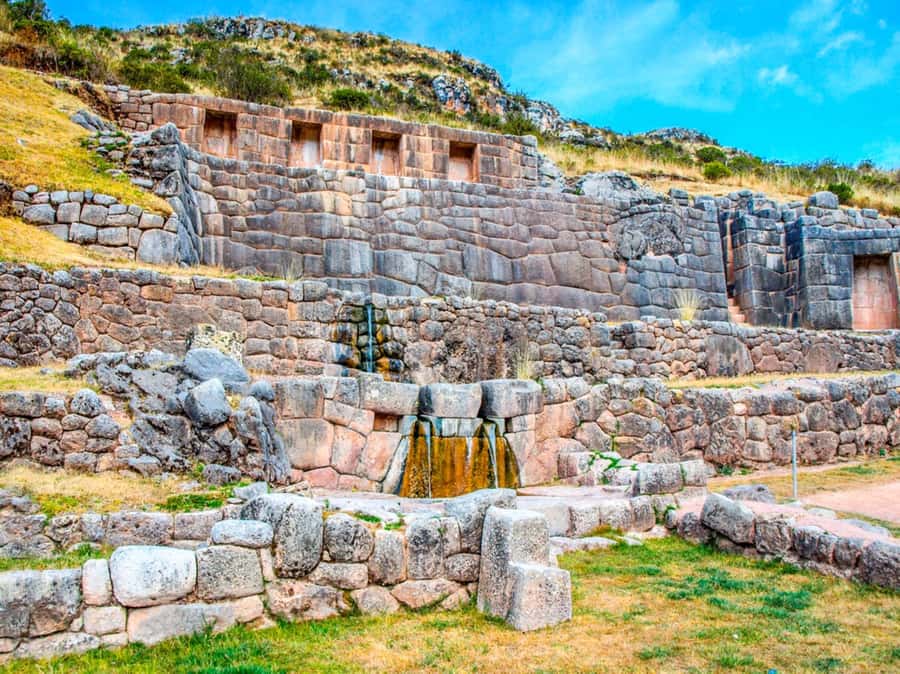
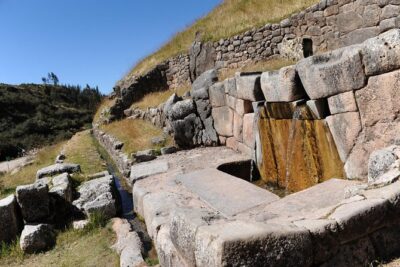
Finally, you’ll reach Tambomachay, known as the Inca Baths. The focus here is worship of water—channels and fountains that still flow today—so you’re looking at living infrastructure, not just ruins.
Expect a break plus photo time, then guided explanations and time to visit. This is a great contrast to the stone-heavy fortress and ceremonial spaces you’ve already seen.
What makes Tambomachay worth your attention is the everyday feel of it. Even when you don’t fully decode the symbolism, you can tell the Inca chose this for a reason: water mattered, and they built systems to keep it central.
How the tour ends: back to Cusco’s historic center
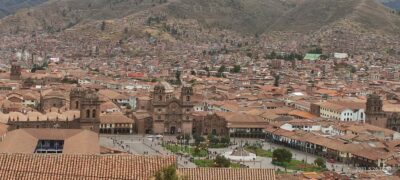
The tour wraps up at Plaza Regocijo or a nearby point in Cusco’s historic center. That ending location matters because it keeps you close to restaurants and shops, without forcing you to figure out transportation immediately after your last ruins stop.
If you’re planning a second activity later the same day, you’ll be in a good position to do it. You’ve already covered the big reference points, so the rest of your time can be more flexible.
Price and value: what you’re paying for (and what you’re not)
The tour price is listed at about $13 per person, and for most people that’s strong value because it includes:
- professional local guiding throughout
- shared coach transport between major sites
- stops at the key Cusco attractions around town
- an audio guide in English and Spanish
What’s not included is where your budget planning matters. You’ll still pay extra for the Qorikancha entrance ticket (S/ 20 soles). There’s also mention of a Cusco tourist ticket (S/ 70 soles), so check what the sites require on your specific day—having cash on hand avoids the usual last-minute scramble.
Even if you add those costs, the trade-off is still good if you’re the type of traveler who benefits from context. You’re not just walking around ruins—you’re learning what different spaces were for.
Altitude, comfort, and photo strategy (so you don’t feel rushed)
This tour runs either a morning shift (9:00 AM to about 2:00 PM) or an afternoon shift (1:00 PM to about 6:30 PM). Either works, but I’d choose based on how your first day in Cusco treats you.
Cusco altitude can make small walks feel big. The good part here is the built-in breaks and short drives between stops. The not-so-good part is that it’s still a packed circuit, so you should dress for comfort and keep your camera ready.
Bring what the tour asks for: passport or ID, sunglasses, sun hat, sunscreen, comfortable clothes, and a small daypack. I’d also carry water and basic snacks if you can, since the day includes multiple outdoor segments and viewpoint time.
One more practical angle: if English is your main language, ask how the guide will balance it with Spanish during your booking confirmation message. Some past groups noted that the split can lean Spanish-heavy, so it’s smart to clarify.
Who this Cusco tour suits best
This tour fits you if you want a structured overview of Inca Cusco landmarks in a half day. It’s also a good pick if you’re traveling with mixed interests—fortress views for the photo people, ritual explanations for the history heads, and water worship for anyone who likes “why here” questions.
It’s also a solid choice as an early-trip activity. With orientation under your belt, you can come back later and explore at your own pace with less confusion.
Should you book City Tour Cusco Qoricancha Sacsayhuaman y Tambomachay?
Book it if you want an efficient, guided loop that connects multiple Inca sites around Cusco instead of doing only one big landmark. The combination of Qorikancha, Sacsayhuamán views, Q’enco ritual spaces, and Tambomachay’s water makes it feel like a coherent story.
Skip—or at least double-check—if you hate ticket add-ons, because Qorikancha’s entrance is extra. Also, if you need guaranteed English-only guiding, confirm language balance ahead of time.
If you’re mostly trying to maximize your first days in Cusco, this is the kind of tour that helps you see more and understand more, without turning your vacation into a stressful scavenger hunt.
FAQ
What are the tour start times for the morning and afternoon shifts?
The morning shift starts at 9:00 AM and runs to approximately 2:00 PM. The afternoon shift starts at 1:00 PM and runs to approximately 6:30 PM.
Where is the meeting point?
Meet at Cusco’s Main Square (Plaza de Armas), next to the central fountain. Arrive about 10 minutes early.
How long is the tour?
The duration is listed as 5 hours.
What language options do you get?
The live guide is available in English and Spanish. An audio guide in English and Spanish is also included.
Is the Qorikancha (Temple of the Sun) entrance ticket included?
No. The entrance ticket for the Temple of the Sun (Qorikancha) costs S/ 20.00 soles.
Do I need the Cusco Tourist Ticket?
A Cusco Tourist Ticket is listed as S/ 70.00 soles, but the tour information doesn’t clearly say if it’s required for this exact itinerary. You may want to confirm what applies for your chosen sites.
Is transportation included between stops?
Yes. Tourist transportation (shared service) is included.
Is the tour wheelchair accessible?
The activity details include wheelchair accessibility, but it also notes that it is not suitable for wheelchair users. If you need accessibility support, it’s important to verify suitability before booking.
What should I bring?
Bring your passport or ID card, sunglasses, a sun hat, camera, sunscreen, comfortable clothes, cash, and a daypack.
Are drones allowed and what other items are not allowed?
Drones are not allowed. The tour also lists restrictions such as weapons or sharp objects, alcohol and drugs, littering, and making noise.
More City Tours in Cusco
More Tour Reviews in Cusco
More of Cusco on Foot
Recent write-ups from around Cusco, just off the trail
- Cuzco: Rainbow Mountain Excursion
★ 5.0 · 3 reviews - 1 day excursion to Qeswachaka bridge and the 4 lagoons
★ 3.6 · 3 reviews - Waqrapukara 1 day trekking + meals
★ 3.9 · 3 reviews - Valle Sur Cusco | half day
★ 4.3 · 3 reviews - Full-Day Condor Viewpoint & Inca Sites Tour
★ 5.0 · 3 reviews
Cusco City & Sacsayhuaman, compared.
 ★ 4.6Half-Day City Tour with Sacsayhuaman and Q’encoFrom $131,129 reviews
 ★ 4.0Sightseeing Tour of the City on an Open-Top BusFrom $12481 reviews
 ★ 4.5Open Bus Cusco City TourFrom $14219 reviews
 ★ 4.6City Tour | Half-Day Tour to 4 Archaeological SitesFrom $29206 reviews
 ★ 5.0City Tour in Cusco & visit Museum South American Camelid Private.From $49147 reviews
 ★ 4.5Cusco City Sightseeing, San Pedro Market, Cathedral and Qorikancha TempleFrom $59139 reviews
 ★ 4.2Half-Day City TourFrom $17129 reviews
 ★ 4.5Cusco City Sightseeing and Sacsayhuaman Archeological Park TourFrom $79101 reviews
Browse the lists this tour appears in