
REVIEW · SACRED VALLEY TOURS
Cusco: Sacred Valley, Pisac, Ollantaytambo, Salt Mines Moray
A full Sacred Valley day in Cusco.
This 12-hour tour strings together the Sacred Valley’s top stops—Chinchero, Moray, Maras, Urubamba, Ollantaytambo, and Pisac—so you can see a lot without planning multiple trips around Peru’s mountain road times.
I love the one-day route that hits the big highlights, especially when your Cusco schedule is tight. I also like the bilingual guiding style, with guides such as Victor and Edith showing up repeatedly in feedback for clear explanations in English and Spanish and for keeping the group moving on time.
The trade-off is shorter visits at each stop, plus plenty of walking and stairs—Ollantaytambo can feel fast—so bring good shoes and don’t expect museum-speed wandering.
In This Review
- Key points worth your attention
- A one-day Sacred Valley loop that actually fits Cusco time
- Meeting point, hotel pickup, and what your morning feels like
- Chinchero textiles: the Sacred Valley’s weaving lesson in one stop
- Moray’s circular terraces: Inca farming science you can picture
- Maras salt mines: thousands of ponds, one story of supply
- Urubamba lunch and market break: fuel plus a taste of daily life
- Ollantaytambo: fortress views plus real city energy
- Pisac: hillside ruins and a colorful market town below
- Transportation and timing: why this feels intense but organized
- Price and tickets: what $28 actually turns into
- What to bring for comfort (and to avoid small pain later)
- Who should book this Sacred Valley day trip
- Should you book this tour or choose a slower Sacred Valley plan?
- FAQ
- How long is the Sacred Valley tour?
- Where do I meet the tour?
- What places are included in the itinerary?
- Is lunch included?
- Are entrance tickets included in the price?
- What languages will the guide speak?
- Can this tour connect to Machu Picchu train plans?
- What should I bring with me?
- What’s not allowed during the tour?
- Is there a refund if I need to cancel?
Key points worth your attention
- All-star Sacred Valley loop: Chinchero → Moray → Maras → Urubamba → Ollantaytambo → Pisac in one day
- Textiles + Inca farming + salt engineering: three different “why this place mattered” stories, back to back
- Bilingual guide support: English and Spanish explanations that keep you oriented without guesswork
- Lunch included in Urubamba: a buffet break in the valley, built into the timing
- Machu Picchu friendly ending: there’s an option to finish in Ollantaytambo for the train
More of the Sacred Valley, village by village
- Sacred Valley: Chinchero, Moray, Ollantaytambo & Pisac+Lunch★ 4.8 · 501 reviews
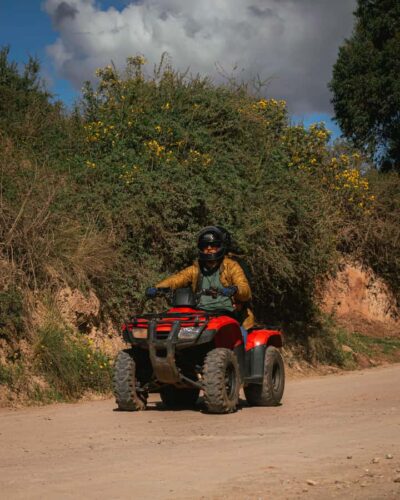
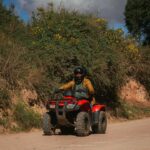
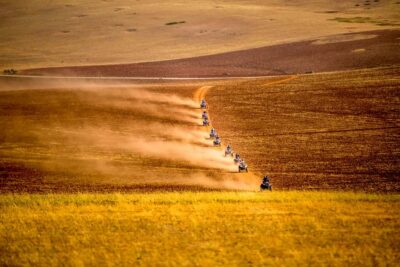
- Sacred Valley: Maras & Moray by Quad Bike from Cusco★ 4.6 · 418 reviews
- From Cusco: 2-Day Trip to the Sacred Valley and Machu Picchu★ 4.6 · 265 reviews
- Full-Day Excursion to Sacred Valley, Pisac and Ollantaytambo from Cusco★ 4.5 · 174 reviews
A one-day Sacred Valley loop that actually fits Cusco time
If you’re in Cusco for only a day or two, you’re probably doing math: how much history can you pack in without turning your trip into a sprint? This Sacred Valley day trip is built for that exact problem. You start early, drive the valley, and hit the sites that most travelers would otherwise spread across multiple outings.
What makes it work is the balance. You don’t just “bus to ruins and leave.” You also get Andean weaving at Chinchero, Inca agricultural experiments at Moray, the salt production story at Maras, and then two powerhouse towns—Ollantaytambo and Pisac—before heading back to Cusco.
The day is full. It’s long. But it’s designed around seeing the important parts in the time you’ve got.
Meeting point, hotel pickup, and what your morning feels like
You’ll either meet in Cusco or get picked up, depending on the option you choose.
- The meeting point listed is Plaza de Armas in Cusco at 7:20 a.m.
- Another option allows hotel pickup, and the pickup time can be about 15 minutes before departure for the VIP version. Some schedules also describe hotel pickup between 6:00 a.m. and 6:30 a.m.
Either way, the goal is the same: get moving early so you don’t lose half the day to departure delays and traffic. Cusco traffic is real, and this tour’s whole rhythm depends on sticking to timing.
One practical thing: depending on where your hotel sits, you might be asked to walk a short distance to a place where the vehicle can reach. That’s worth assuming, just to avoid morning stress.
Chinchero textiles: the Sacred Valley’s weaving lesson in one stop
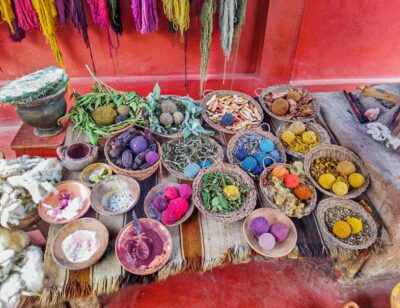
Chinchero is a fast but meaningful start. The focus isn’t just the view or quick photos—it’s the textile center and the Andean weaving tradition.
Here’s what you’re aiming to absorb during the visit:
- how natural fibers get used in local textiles
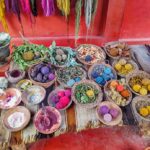
- how dyes connect to local materials (the tour explains the role of natural sources for color)
You’ll typically get a mix of photo time, a guided visit, and some free time for shopping. If you like crafts, this stop is one of the more educational ones because it explains the “how” behind what you’re seeing, instead of treating it as a souvenir pit stop.
Pro tip for your brain: when you’re later at Moray and Maras, you’ll notice the same theme—people using local resources and clever design to survive and thrive. Chinchero is an easy way to set that mindset early.
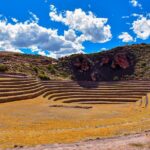
Moray’s circular terraces: Inca farming science you can picture
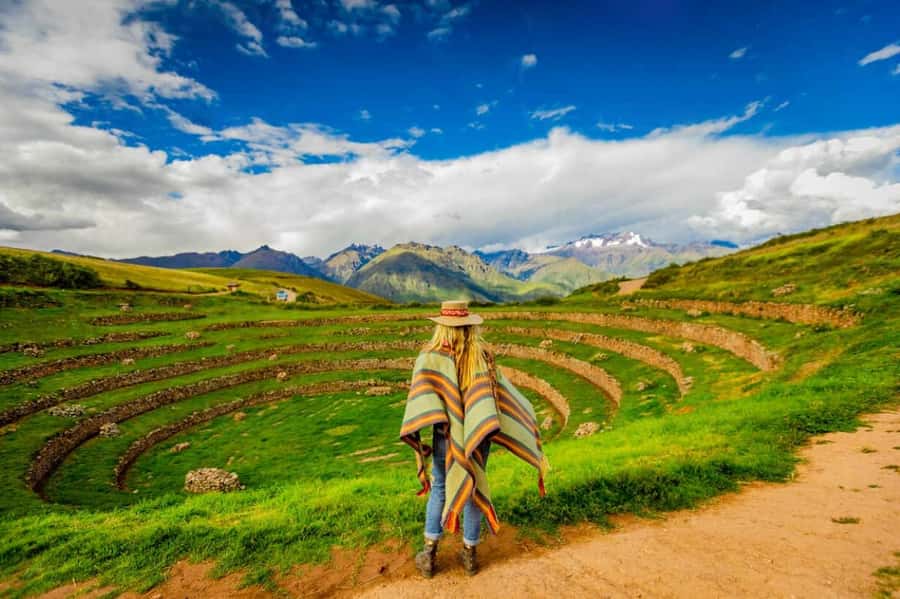
Moray feels like a strange place at first glance: circular terraces climbing in concentric levels. The tour teaches you why that shape mattered.
The big idea:
- Moray acted like an Inca agricultural laboratory
- different microclimates across the terraces helped experiment with crop varieties
You don’t need a science degree to get it. The guide’s job is to connect the terraces to the practical reason they were built: varying conditions to test what could grow where. It’s the kind of stop that becomes more interesting the moment you realize the Incas weren’t just building monuments—they were running experiments.
Time here is usually limited, so if you love detail, take a moment early to look across the whole structure before you start walking. It helps you understand it as a system, not just an interesting ruin.
More Maras salt pans and Moray terraces
Maras salt mines: thousands of ponds, one story of supply
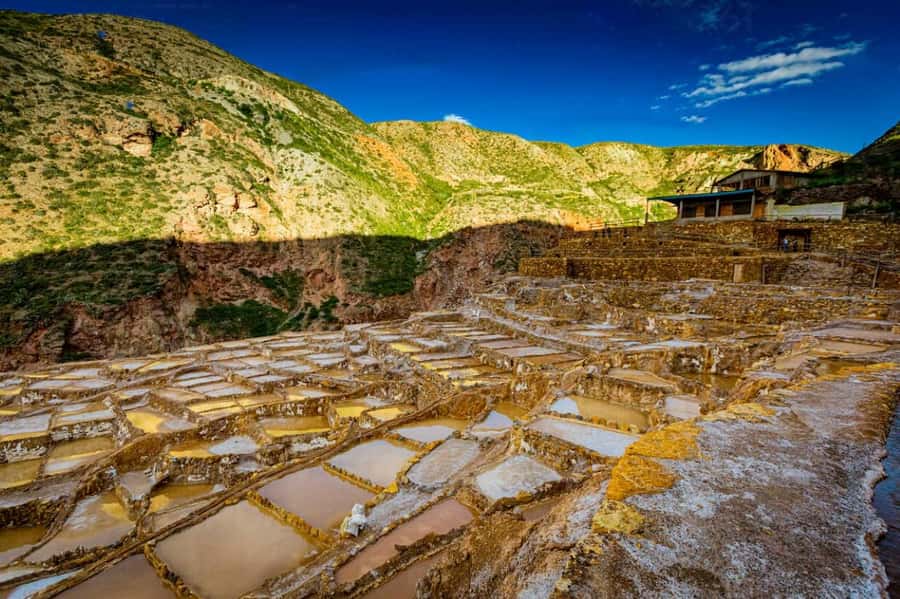
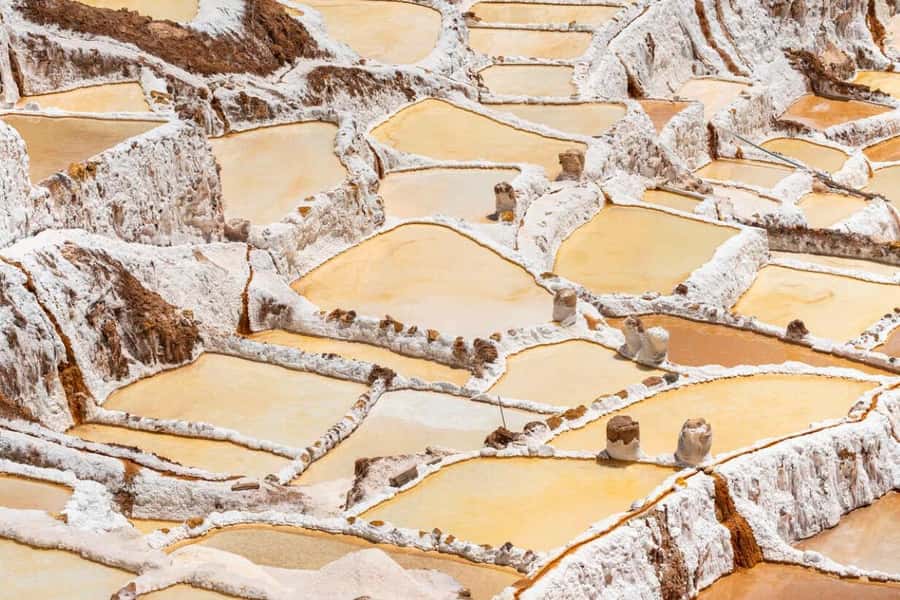
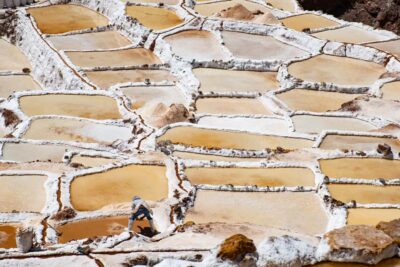
Maras is the kind of place that makes your camera work overtime. You’ll visit the famous Maras salt mines, where thousands of salt pools are fed by an underground spring.
The tour frames Maras with two key points:
- it was once important for trade during the Inca period
- it’s still in use today, so you’re seeing a living process rather than a fully abandoned site
Expect photo time, guided explanation, and a window for shopping. This stop is also where many people overspend if they’re not paying attention, because it’s easy to buy salt and small gifts on impulse right after walking through the most impressive visuals.
One useful money-saving tip: if you’re tempted by packaged salt or chocolate sold in a craft demonstration area, it can cost much more there than in Cusco’s markets. A smarter approach is to check San Pedro or San Blas markets later in the trip and compare prices before you buy.
Urubamba lunch and market break: fuel plus a taste of daily life
Urubamba is where the day lets you breathe. The tour includes a buffet lunch here, typically around 50 minutes.
Why this stop matters:
- You reset your energy for the second half of the day (Ollantaytambo and Pisac)
- you get a break from constant walking and photos
- you can browse a local market for regional products and handicrafts
The lunch is included, but drinks are not. That’s one of the easiest “surprise costs” to plan for—have cash ready if you want coffee, tea, or other beverages.
If you’re the type who hates rushing meals, this is one of the better breaks on the route because it’s scheduled as a real pause, not just a quick snack stop between buses.
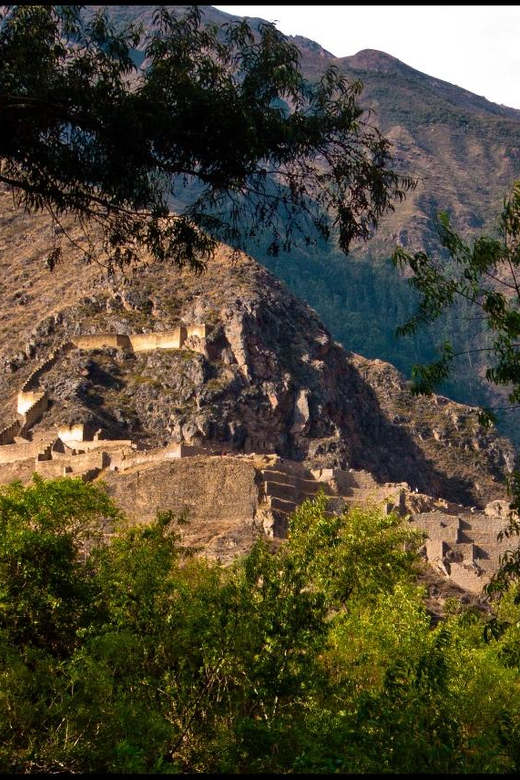
Ollantaytambo: fortress views plus real city energy
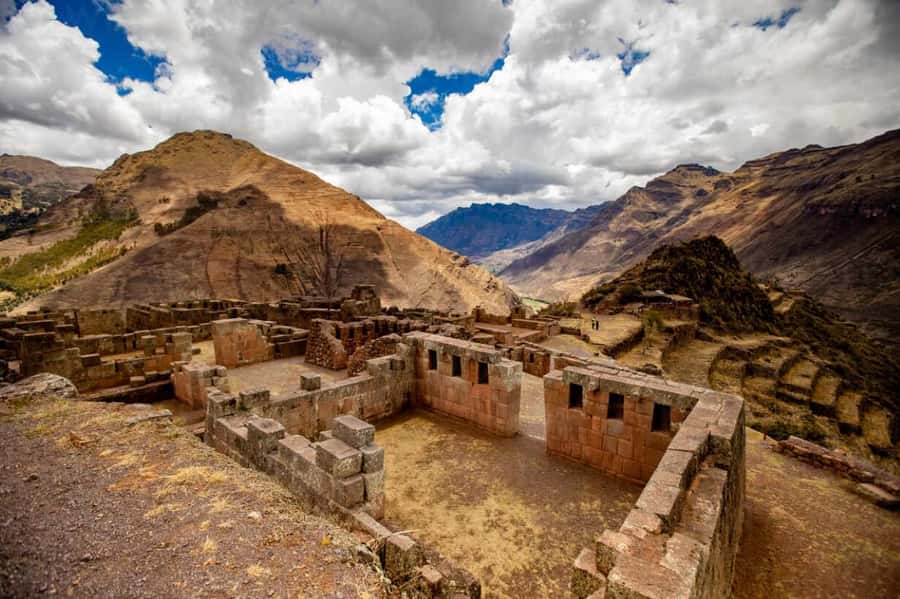
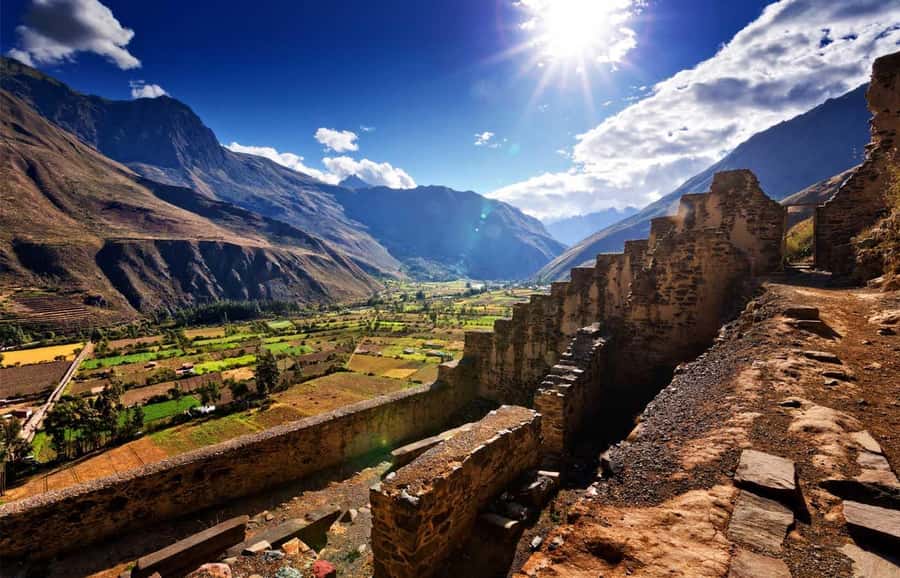
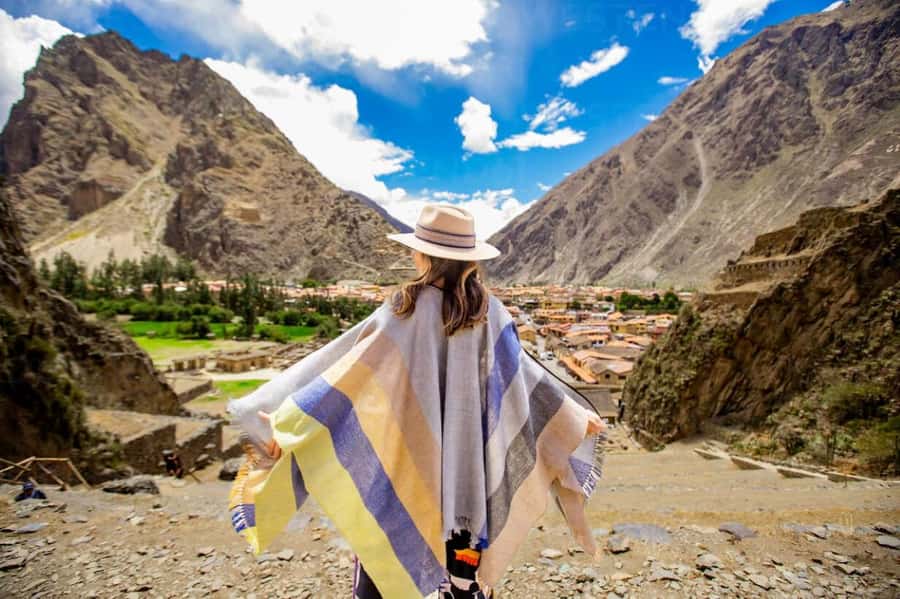
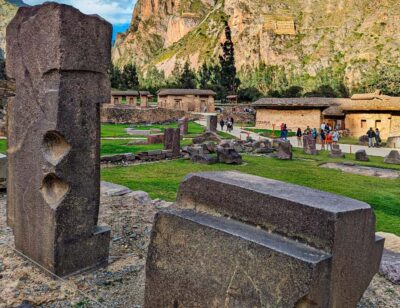
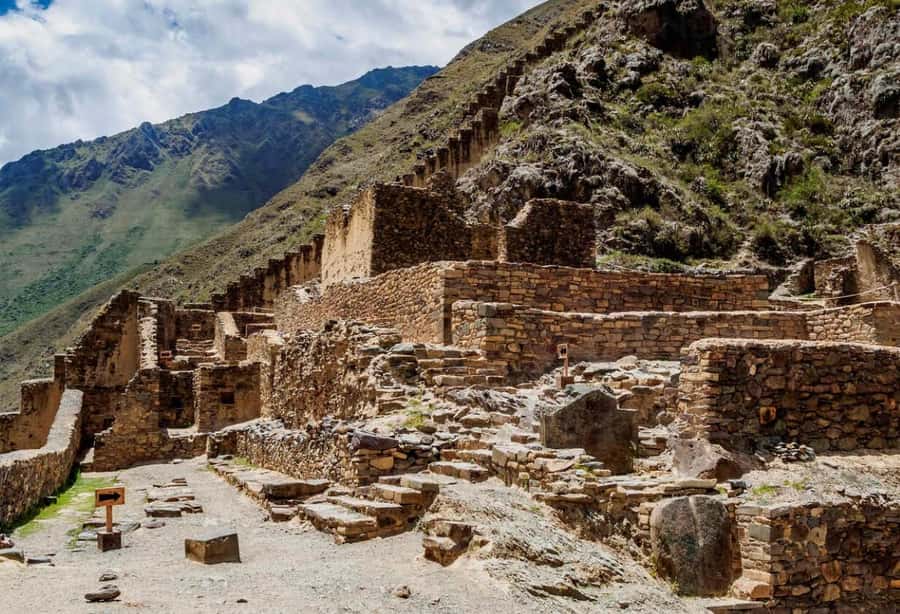
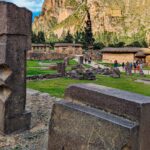
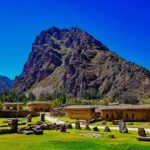
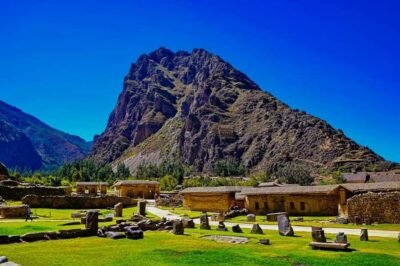
Ollantaytambo isn’t just an archaeological site. It’s described as a living Inca town, with cobblestone streets and stone temples that help the place feel intact.
What you’ll do here:
- guided visit of the fortress/ruins area
- photo stops and free time to explore
Keep expectations realistic about pacing. This stop can involve steep steps and a faster movement style, especially when the group is trying to hit timing for Machu Picchu connections and the overall day schedule.
If you’re going to be tired later, save your energy for the moments that matter most:
- take photos early, while you still have good legs
- keep water in mind and pause when you need to
If you have asthma or get winded on stairs, tell yourself this isn’t the stop to “push through.” Go steady. You’ll see enough.
Pisac: hillside ruins and a colorful market town below
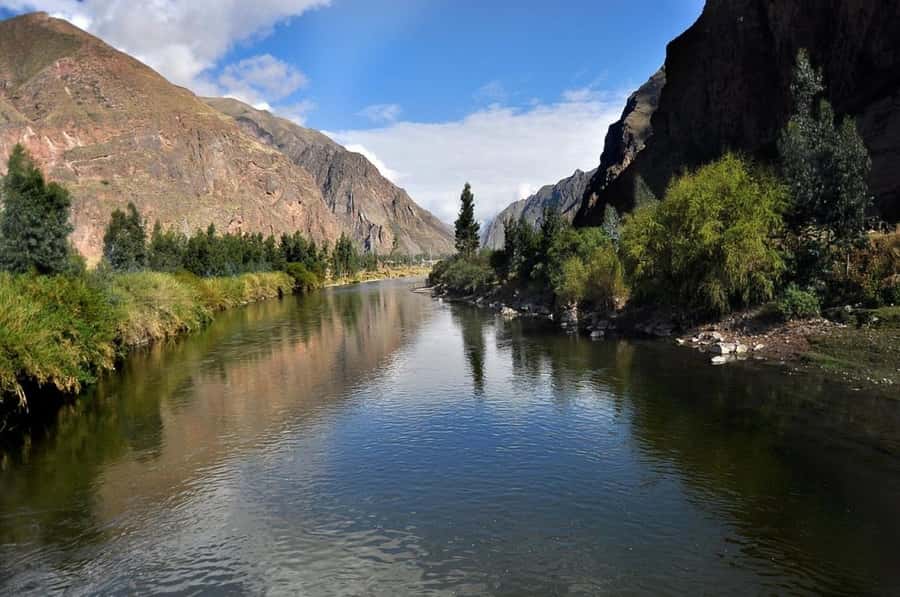
Pisac ends the sightseeing portion in a way that feels different from the ruins-heavy stretch before it.
You’ll get:
- Inca ruins high on the hillside (with guided context)
- the town below in a more colonial-style setting
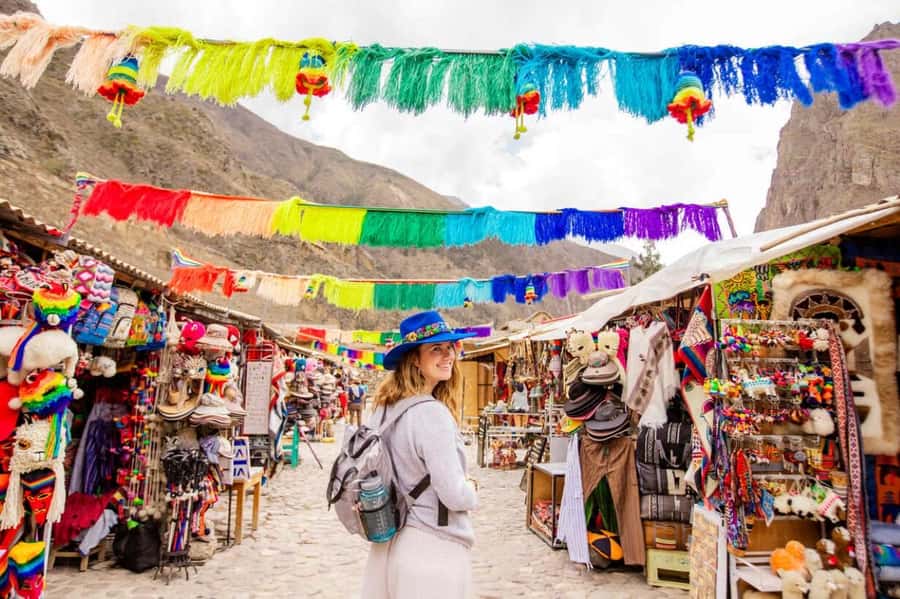
- free time tied to the visit, with the famous artisan market as a natural draw
Pisac is often where you catch your second wind because the vibe can feel more relaxed than fortress steps. You’ll still be climbing and walking, but it’s easier to enjoy because the town atmosphere is part of the experience.
Transportation and timing: why this feels intense but organized
This is a long day with multiple bus segments and multiple short site blocks. That can be exhausting, but it also helps explain why so many people feel they got excellent value from the day.
The structure is usually:
- early departure
- a handful of timed stops (each one with a photo window plus guided explanation)
- one longer lunch break
- final drop-offs back in Cusco
A recurring theme in practical feedback is that the guides and drivers work to keep the schedule tight, including managing vehicle access in older streets and staying ahead of typical rush windows when possible.
If you’re sensitive to long rides, consider that some vehicles won’t feel roomy for a 12-hour day. If you can, plan to sit comfortably, bring sun protection, and treat the bus time as part of the cost of seeing the valley in one go.
Price and tickets: what $28 actually turns into
The tour is listed at $28 per person, which is the kind of price that makes a tight Cusco schedule feel doable. But the key is knowing what’s included and what you must pay separately.
Not included:
- tourist entrance ticket (listed as 70 soles)
- entrance ticket to the salt mines (listed as 20 soles)
- drinks
Included:
- hotel pickup (with the option described) and tourist mobility via shared transport
- buffet lunch in Urubamba
- professional English/Spanish guide
- textile center visit in Chinchero
So your realistic budget is the tour price plus at least the entrance fees. One helpful note from a practical traveler: if you’re already buying a general Cusco tourist ticket (listed as S/130) it can be worth it compared with two separate partial tickets, and that full ticket expires 10 days after purchase. That can matter if you plan more than one guided outing in the region.
Bottom line: this tour is strong value when you want one-day coverage and you’re comfortable paying a bit extra for entrances and drinks.
What to bring for comfort (and to avoid small pain later)
You’ll be outside for a long stretch, with early morning cool air and later sun. Pack for the basics listed by the tour:
- passport
- sunscreen
- cash
- biodegradable insect repellent
Also, bring common-sense extras even if they’re not explicitly listed:
- good walking shoes (Ollantaytambo stairs are no joke)
- a light layer for early morning
- water if allowed by your day’s rules and comfort level
And no drones. No weapons or sharp objects. No alcohol or drugs.
Who should book this Sacred Valley day trip
This is a great fit if:
- you have very limited time in Cusco
- you want the headline Sacred Valley sites in one day instead of planning separate tours
- you like context from a guide, not just wandering ruins with a map
- you want a structured day with lunch built in
It may not be your best match if:
- you hate time limits at historical sites
- you prefer slow, detailed exploration where you can linger in every corner
- you have mobility concerns that don’t play well with steps and uneven terrain
If you want a more relaxed pace, you’d likely do better with a slower, single-zone plan. But if your calendar is strict, this “greatest hits” format is exactly what it was made for.
Should you book this tour or choose a slower Sacred Valley plan?
Book it if you want maximum coverage with a guide who keeps you moving and helps you understand what you’re looking at. The biggest strength is how the route mixes farming science (Moray), salt production (Maras), and two major Inca-era towns (Ollantaytambo and Pisac) with a real lunch break in Urubamba.
Choose something else if you’d rather spend half a day at one place and take your time with photos, markets, and viewpoints. This one is designed for progress, not lingering.
If you do book, go prepared: good shoes, sun protection, some cash for entrances and drinks, and a mindset that each stop is a “best version of the highlights,” not a full-day deep study.
FAQ
How long is the Sacred Valley tour?
It runs for 12 hours.
Where do I meet the tour?
The listed meeting point is Plaza de Armas in Cusco at 7:20 a.m. Hotel pickup may be available depending on the selected option.
What places are included in the itinerary?
You visit Chinchero, Moray, Maras Salt Mines, Urubamba (lunch and market time), Ollantaytambo, and Pisac.
Is lunch included?
Yes. Lunch is included as a buffet in Urubamba.
Are entrance tickets included in the price?
No. You’ll need to pay the tourist entrance ticket (listed as 70 soles) and the Salt Mines ticket (listed as 20 soles).
What languages will the guide speak?
The guide provides English and Spanish.
Can this tour connect to Machu Picchu train plans?
Yes. There’s a special option where the tour ends in Ollantaytambo at 3:00 p.m. so you can board the train to Aguas Calientes.
What should I bring with me?
Bring your passport, sunscreen, cash, and biodegradable insect repellent.
What’s not allowed during the tour?
Drones are not allowed, and the tour also prohibits weapons or sharp objects, plus alcohol and drugs.
Is there a refund if I need to cancel?
Free cancellation is available up to 24 hours in advance for a full refund.
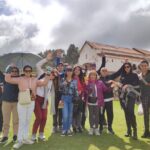
More Pisac and Ollantaytambo

More Salt Pans and Terraces
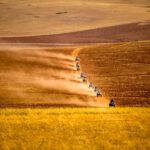
Deeper Into the Sacred Valley


Recent write-ups from around Cusco, just off the trail
- Cuzco: Rainbow Mountain Excursion
★ 5.0 · 3 reviews - 1 day excursion to Qeswachaka bridge and the 4 lagoons
★ 3.6 · 3 reviews - Waqrapukara 1 day trekking + meals
★ 3.9 · 3 reviews - Valle Sur Cusco | half day
★ 4.3 · 3 reviews - Full-Day Condor Viewpoint & Inca Sites Tour
★ 5.0 · 3 reviews
Sacred Valley Tours, compared.
 ★ 4.8From Cusco: Sacred Valley & Maras Salt Mines Tour with LunchFrom $282,227 reviews
 ★ 4.8Sacred Valley: Chinchero, Moray, Ollantaytambo & Pisac+LunchFrom $25501 reviews
 ★ 4.6Sacred Valley: Maras & Moray by Quad Bike from CuscoFrom $39418 reviews
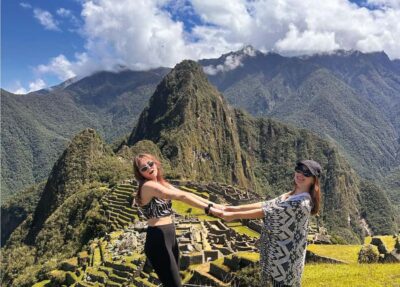 ★ 4.6From Cusco: 2-Day Trip to the Sacred Valley and Machu PicchuFrom $370265 reviews
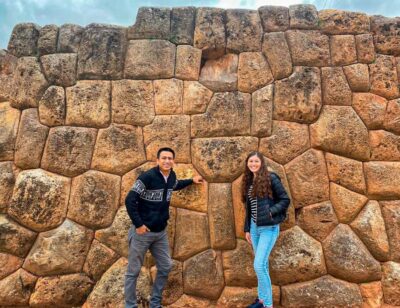 ★ 4.8Sacred Valley Pisaq,Ollantaytambo,Chinchero with LunchFrom $28183 reviews
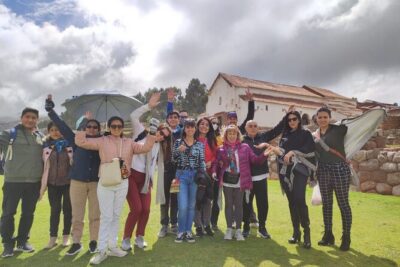 ★ 4.5Full-Day Excursion to Sacred Valley, Pisac and Ollantaytambo from CuscoFrom $47174 reviews
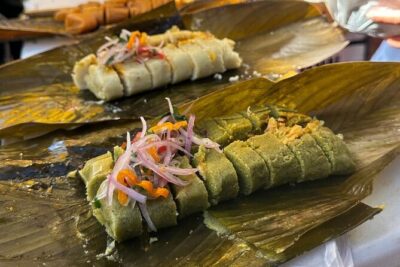 ★ 5.0Food and Culture Full day Tour in the Sacred ValleyFrom $200144 reviews
 ★ 5.0Private Tour to Sacred Valley and Machu Picchu from CuscoFrom $600133 reviews
Browse the lists this tour appears in