
REVIEW · SACRED VALLEY TOURS
Sacred Valley: Chinchero, Moray, Ollantaytambo & Pisac+Lunch
One day, four Sacred Valley stops. You’ll get a full north-of-Cusco sweep with guided archaeology, a textile moment at Chinchero, and a big included lunch in Urubamba. I especially like that the day is practical: transportation, timing, and interpretation are handled.
My second favorite part is the food. The buffet lunch in Urubamba is repeatedly described as a real win, not a rushed add-on. The main drawback to plan for is pacing: you do a lot in one day, so some sites can feel a bit tight, especially Ollantaytambo and Pisac.
In This Review
- Key things that make this tour work
- A 12-hour Sacred Valley sampler from Cusco
- Chinchero textiles and a fast look at Inca culture at 3,762m
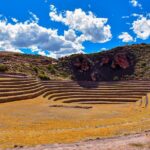
- Moray and the Inca farming logic you can actually picture
- Maras salt mines: working production, not just scenery
- Urubamba lunch: the included meal that people remember
- Ollantaytambo: terraces, sun symbolism, and the gateway role
- Pisac: ruins on the mountain edge and an artisan market stop
- Price and entry fees: what the $25 really buys
- Timing, comfort, and altitude: how to keep the day enjoyable
- Guides and the difference between a site list and a story
- Shopping stops and how to keep control of your time
- Who this tour suits best
- Should you book Sacred Valley: Chinchero, Moray, Ollantaytambo & Pisac + Lunch?
- FAQ
- What does the price include?
- Are archaeological tickets included?
- How long is the tour?
- When are pickups and meeting times?
- What’s included for lunch?
- What languages are the guides?
- Is the tour good for first-time visitors to Cusco?
- What should I bring and what is not allowed?
Key things that make this tour work
- Chinchero textiles paired with a real look at how locals interpret craft and alpaca culture
- Moray explained as an Inca agricultural experiment, not just a set of ruins
- Maras salt mines with a guided visit to the working salt story
- Urubamba buffet lunch that people consistently call out as surprisingly good
- Ollantaytambo terraces and sun temple as an easy-to-follow walking-and-stops experience
- Pisac ruins plus artisan market time so you get both history and daily life
More of the Sacred Valley, village by village
- Sacred Valley: Chinchero, Moray, Ollantaytambo & Pisac+Lunch★ 4.8 · 501 reviews
- Sacred Valley: Maras & Moray by Quad Bike from Cusco★ 4.6 · 418 reviews
- From Cusco: 2-Day Trip to the Sacred Valley and Machu Picchu★ 4.6 · 265 reviews
- Full-Day Excursion to Sacred Valley, Pisac and Ollantaytambo from Cusco★ 4.5 · 174 reviews
A 12-hour Sacred Valley sampler from Cusco
This is a one-day Sacred Valley tour designed for people who want many of the highlights without building a full multi-day itinerary. You’re picked up in Cusco in the morning (they collect you about 30 minutes before departure), then you ride north and work your way from town to ruins to viewpoints.
The whole day is built around short, guided stops. That can feel efficient if you’re on a schedule, and it can feel rushed if you like hanging out for longer in one place. Either way, you’ll be back in Cusco by around 6:30 to 7:00 p.m., with drop-offs in the Plaza Kusipata area and Calle Plateros.
Altitude matters here. Cusco is already high, and several key stops sit around 3,762m (Chinchero, Moray, and Maras). Plan for slower steps, extra water, and a calmer attitude if stairs make you feel winded.
Chinchero textiles and a fast look at Inca culture at 3,762m
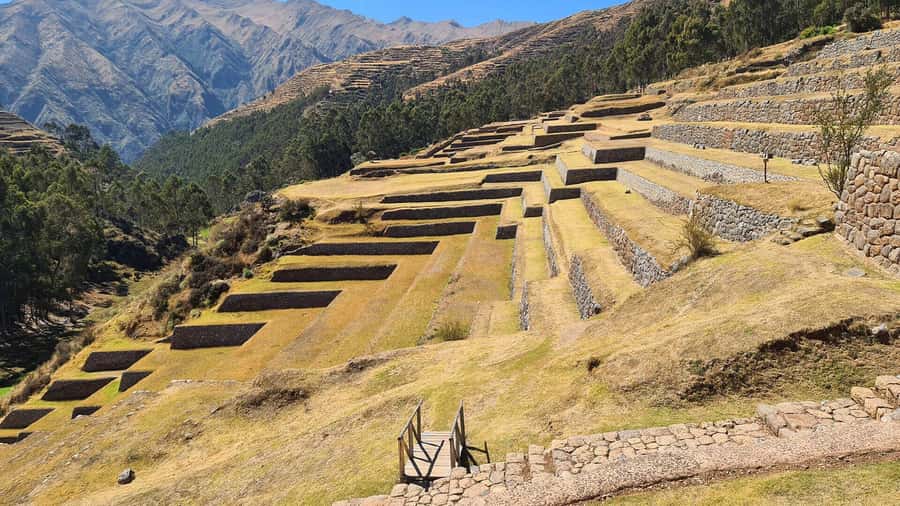
Chinchero is usually your first big stop, and it sets the tone. You’ll get break time and photo stops, then a guided visit at the Centro Arqueológico de Chinchero area. The visit includes walk time plus free time for photos and shopping.
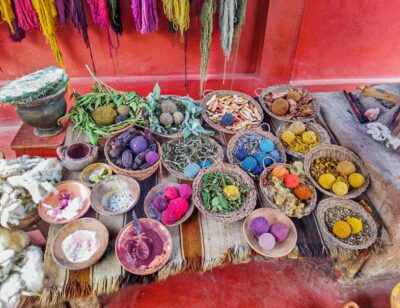
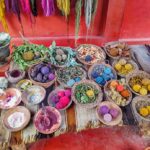
What makes Chinchero special on this itinerary is that it’s not just ruins. You’ll also visit a local community connected to textile interpretation, so you can connect what you see on the mountain to what people actually wear and produce. In the feedback, the textile demonstration and the chance to interact with artisans-style work keeps popping up as a highlight.
Practical note: you’ll be at 3,762m. Bring a daypack, water, and something to cover your shoulders if you get cold in the shade. If you’re sensitive to altitude, keep your pace slow during any uphill sections.
Moray and the Inca farming logic you can actually picture
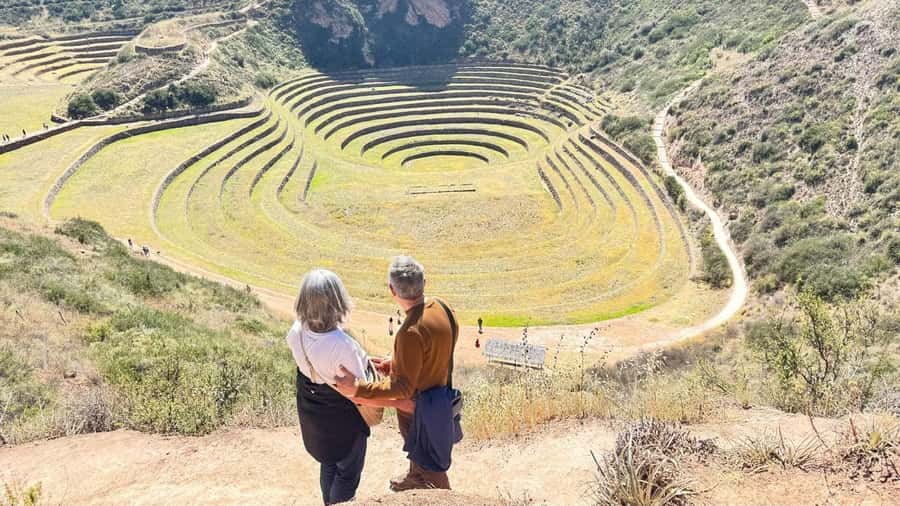
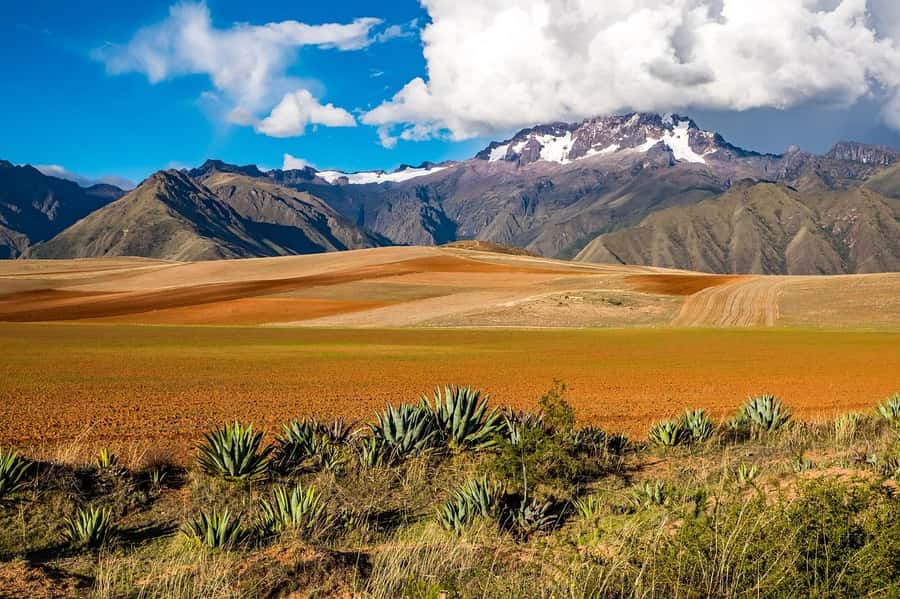
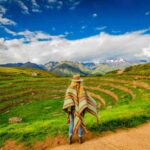
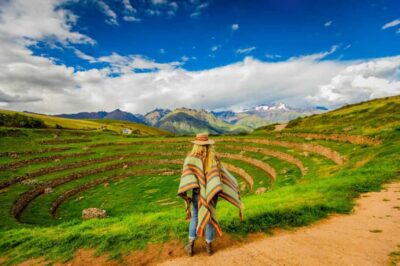
Moray is the place where you start understanding why the Inca were so systematic. The site is often described as the Inca agricultural laboratory, and your guide should help you connect the idea to the natural setting—different terraces that create different conditions.
You’ll have a short guided visit plus time to walk and take photos. The stop length is limited, so you won’t have hours to roam. Instead, you get the core idea, the key structures, and enough time to orient yourself so the place makes sense.
One more thing: Moray is often a fatigue test. You’re already high up, and the walking is not huge, but it’s steady. If you pace yourself, it feels doable; if you charge ahead, you’ll feel it.
Maras salt mines: working production, not just scenery
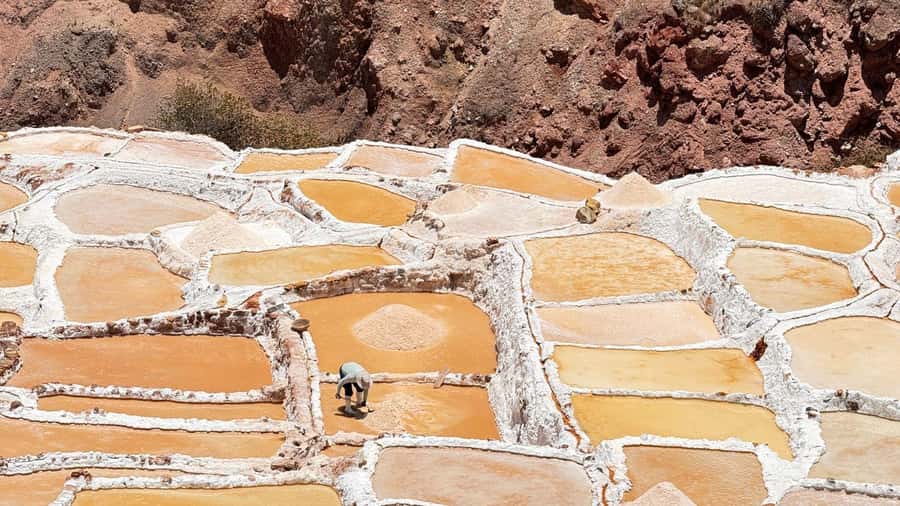
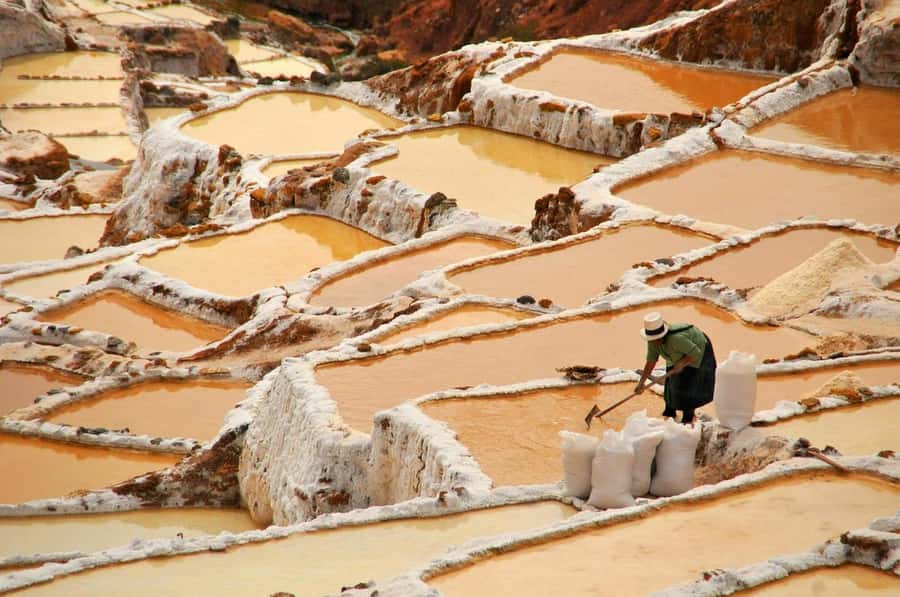
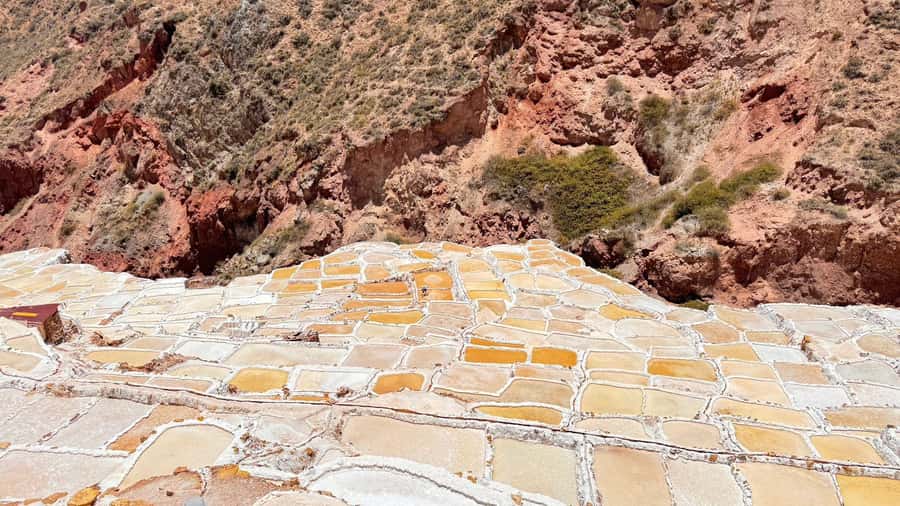
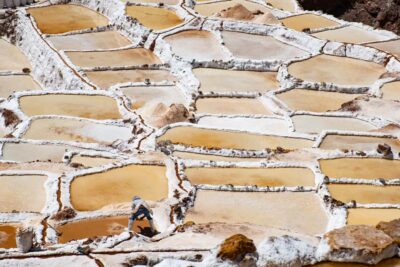
From Moray you pass through the town of Maras, then you head to the salt mines for a guided visit. This is one of those stops that can be surprisingly moving because it’s not a “museum ruin” vibe. You’re looking at a long-running resource and how it’s used.
You’ll get guided time and photo opportunities, plus a shorter visit slot. That’s ideal if your main goal is seeing the salt flats and understanding the process in a structured way.
A consideration: salt shops and sales stops can feel commercial. One comment raised that a salt shop stop made the day feel less efficient, since salt might be cheaper just outside the mines. If buying isn’t your priority, you can simply treat the stop as a chance to learn and take photos, not a shopping requirement.
More Maras salt pans and Moray terraces
Urubamba lunch: the included meal that people remember
Lunch is served in Urubamba, and it’s a real part of the value. This isn’t a sack lunch on a bus. It’s described as a buffet at a restaurant, and multiple people call out the amount and quality of the food.
What I like about this setup is that it gives you a reset. After high-altitude stops, you can eat, warm up, and regroup. If you’ve got dietary needs, a buffet can still work because you can pick what suits you from the spread. At least one person specifically mentioned vegetarian and celiac-friendly considerations while enjoying the buffet format.
If you’re trying to maximize the day, eat earlier rather than later in the meal window. You’ll be back on the road afterward, and a good lunch makes the rest of the afternoon easier.
Ollantaytambo: terraces, sun symbolism, and the gateway role
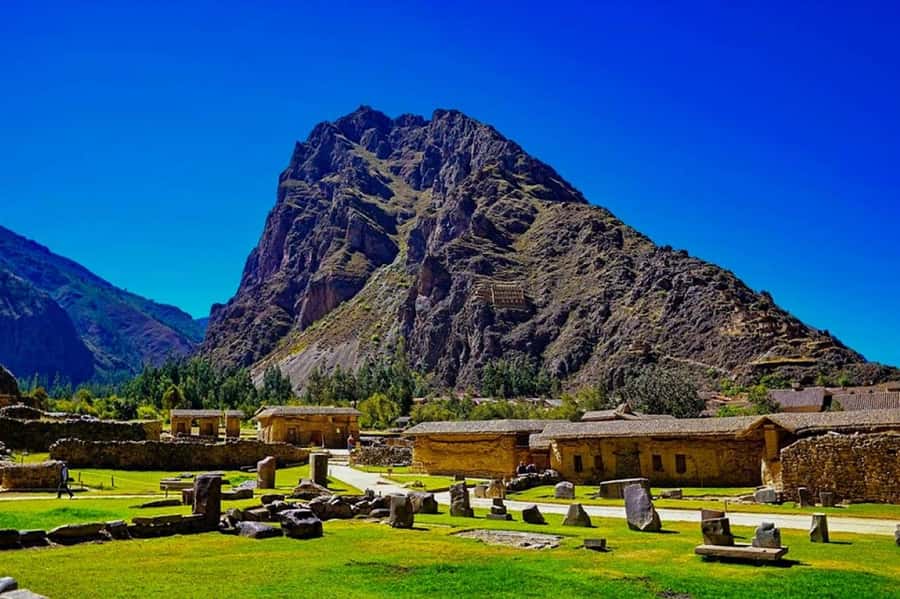
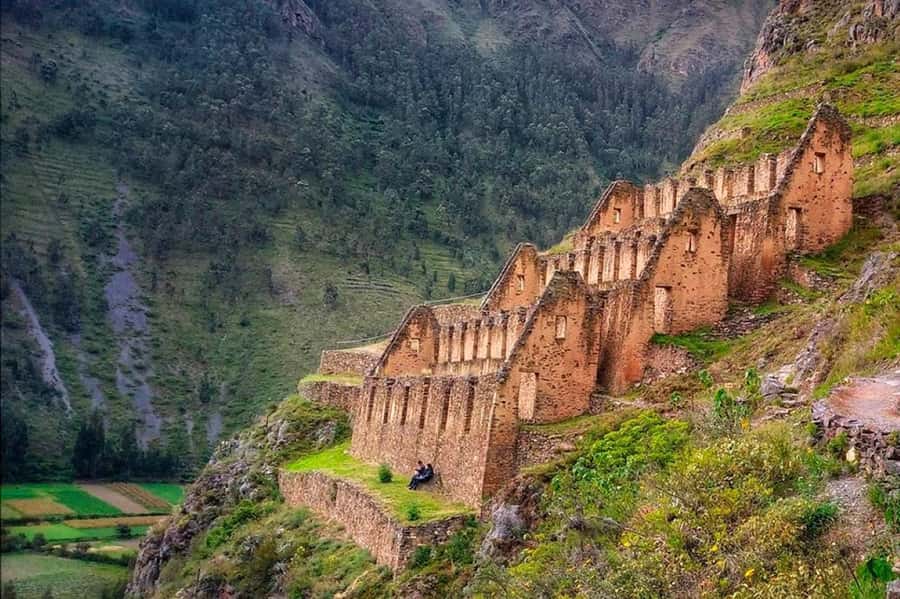
Ollantaytambo is the emotional anchor for many people on this route. You’ll stop in the Parque Arqueológico Ollantaytambo area with photo time plus a guided tour.
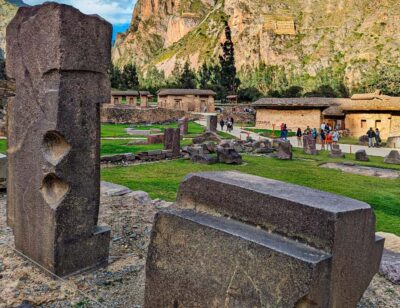
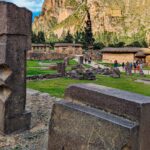
The site is described as a tambo—an Inca resting place—and it also connects to the route people take toward Machu Picchu. On the ground, you’ll walk through major stone structures like large terraces, the Temple of the Sun, and the fountain linked with the Princess Baths.
Here’s the trade-off: this is a big site, but the time window is limited. Feedback includes that some people wanted more time at Ollantaytambo. If you love ruins and want to wander without a clock, this is where you may feel the day is moving a bit fast.
Still, as a single-day plan, it’s a strong choice. With a guide handling the meaning and pointing out what matters, you don’t need hours to get the big picture.
Pisac: ruins on the mountain edge and an artisan market stop
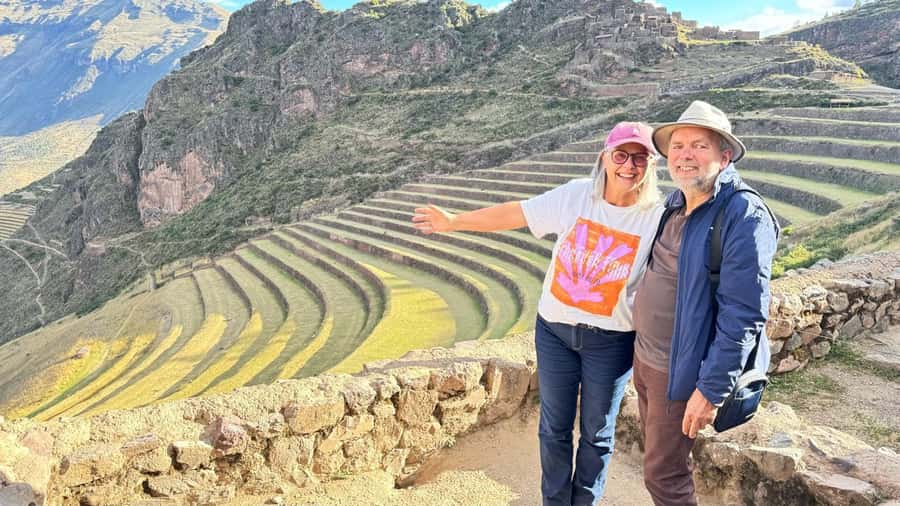
Pisac is split into two parts: the Archaeological Park and then time back in town for the artisan market. You’ll ascend up to the ruins, get guided interpretation, and have some free time for sightseeing and photos.
This stop is where you feel the contrast between big stone engineering and everyday local life. After the ruins, you’ll return to Pisac Pueblo and visit the artisan market area. The tour focuses on the fact that local residents work with minerals and craft, which makes the shopping feel connected to real practice rather than random tourist trinkets.
One practical angle from the feedback: there are many shopping opportunities throughout the day. If you want to buy something, bring cash, and compare prices when you can. If you don’t, treat the market time as a cultural window—watch, photograph, and skip anything that doesn’t interest you.
Price and entry fees: what the $25 really buys
The published price is $25 per person, and that number feels low for a full day. The included items are the big ones: hotel pickup in Cusco, shared transportation, an English/Spanish professional guide, and the buffet lunch in Urubamba.
The catch is entry fees. Archaeological tickets are not included (listed as 70 soles), and salt mine entry is also not included (20 soles). You’ll want cash ready so you’re not scrambling.
Value-wise, this tour makes the most sense if:
- you want guided interpretation across several sites in one day, and
- the included lunch is worth prioritizing, and
- you’re okay with a schedule that favors movement over lingering.
If you already plan to visit only one or two sites, you may feel this day trip is doing too much at once. But if you’re time-limited in Cusco, it’s a strong way to cover major Sacred Valley stops without organizing everything yourself.
Timing, comfort, and altitude: how to keep the day enjoyable
This is a long day: about 12 hours on the clock, with multiple bus rides and stops. The itinerary is built around short segments (45 minutes here, 30 there), so you’ll spend some time traveling and some time walking, often at higher elevations than you’re used to.
A few practical tips:
- Wear sportswear and shoes with good grip. Even if the walking isn’t long, the ground can be uneven.
- Bring a daypack so you can keep water and layers with you during the ruins portion.
- Add cash for tickets and small purchases. Shopping stops are common, and entry fees are separate.
- Expect cold and sun swings. You might start in crisp morning air and then feel warmer mid-day, especially around lunch.
Also, don’t ignore the comfort rules: drinks in the vehicle are not allowed, and drones are not permitted. You’ll want to follow normal trash and safety rules, since littering and fires are not allowed.
Guides and the difference between a site list and a story
The tour quality often comes down to the guide. In the experiences shared, guides named Victor, Rudy, and William (and variations of those names) were singled out for making the day feel fun and easier to understand. The common thread is interpretation: explaining what you’re looking at before you reach it, and keeping the walking stops meaningful.
You may also get a guide who mixes English and Spanish so everyone gets the same essentials. That matters on a multi-stop day because you’re absorbing a lot at once. When the guide ties the sites together—agriculture at Moray, resources at Maras, resting and ceremony at Ollantaytambo—it stops feeling like a checklist.
Shopping stops and how to keep control of your time
There’s a textile-related component early, plus additional shopping opportunities. Some people love this, especially if you’re interested in textiles or local crafts. Others feel that certain sales stops could be shorter.
My advice: decide in advance what you want.
- If you want textiles, focus there and be selective elsewhere.
- If you don’t want to buy, plan to browse only and move on.
- Bring cash but keep spending limits. When you’re tired and high up, it’s easy to impulse-buy.
If your priority is pure ruins time, you may wish you had fewer side stops. Still, as a one-day overview, the trade-offs are part of the package.
Who this tour suits best
This Sacred Valley day trip is a good fit if:
- you’re short on time in Cusco and want multiple major stops in one go,
- you value guided context more than long, quiet exploration, and
- you want transportation plus lunch handled so you can focus on the sites.
It may be less ideal if:
- you prefer slow travel and deep time at one or two sites,
- you’re highly altitude-sensitive, or
- you’re looking for a day with minimal shopping and minimal sales pressure.
And it’s not suitable for everyone: it’s listed as not suitable for people over 220 lbs (100 kg) and for pregnant women. If any mobility concerns apply, take that seriously.
Should you book Sacred Valley: Chinchero, Moray, Ollantaytambo & Pisac + Lunch?
Book it if you want the best one-day value route through the Sacred Valley—especially because the itinerary includes a real buffet lunch in Urubamba and you get guided interpretation across several major sites. It’s also a smart first trip out of Cusco since the day is structured and you get back in the evening.
Think twice if you know you need long time in museums-and-ruins mode. This is a “see a lot” plan. You will feel the pace, and you may wish you had more minutes at Ollantaytambo or Pisac.
If you’re the type who likes to understand before you walk, and you’re okay with short site visits, this tour is a very workable way to get your bearings in the Sacred Valley.
FAQ
What does the price include?
The tour price includes hotel pickup in Cusco, shared tourist mobility (transportation), a buffet lunch in Urubamba, and an English/Spanish professional guide.
Are archaeological tickets included?
No. The archaeological ticket is listed as 70 soles, and it is not included. The salt mines ticket is listed as 20 soles and is also not included.
How long is the tour?
The duration is 12 hours.
When are pickups and meeting times?
You are collected from your hotel with an anticipation of about 30 minutes before departure.
What’s included for lunch?
Lunch is a buffet in Urubamba. It’s described as Peruvian cuisine and is included in the tour.
What languages are the guides?
The tour provides live guidance in English and Spanish.
Is the tour good for first-time visitors to Cusco?
It’s designed as a full-day overview of Sacred Valley highlights with organized transportation and guided stops. Just keep in mind the high altitudes during the day.
What should I bring and what is not allowed?
Bring a passport, camera, food and drinks, cash, a daypack, and sportswear. Drones are not allowed, and drinks in the vehicle are not allowed.
More Pisac and Ollantaytambo

More Salt Pans and Terraces
Deeper Into the Sacred Valley

Recent write-ups from around Cusco, just off the trail
- Cuzco: Rainbow Mountain Excursion
★ 5.0 · 3 reviews - 1 day excursion to Qeswachaka bridge and the 4 lagoons
★ 3.6 · 3 reviews - Waqrapukara 1 day trekking + meals
★ 3.9 · 3 reviews - Valle Sur Cusco | half day
★ 4.3 · 3 reviews - Full-Day Condor Viewpoint & Inca Sites Tour
★ 5.0 · 3 reviews
Sacred Valley Tours, compared.
 ★ 4.8From Cusco: Sacred Valley & Maras Salt Mines Tour with LunchFrom $282,227 reviews
 ★ 4.6Sacred Valley, Pisac, Ollantaytambo, Salt Mines MorayFrom $281,058 reviews
 ★ 4.6Sacred Valley: Maras & Moray by Quad Bike from CuscoFrom $39418 reviews
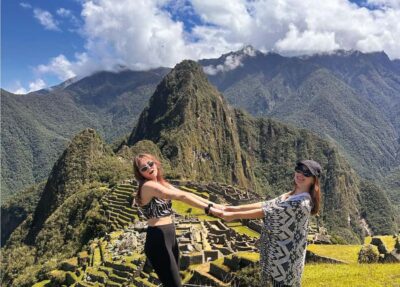 ★ 4.6From Cusco: 2-Day Trip to the Sacred Valley and Machu PicchuFrom $370265 reviews
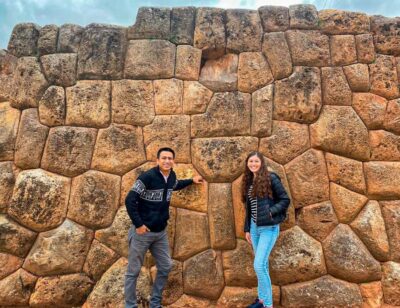 ★ 4.8Sacred Valley Pisaq,Ollantaytambo,Chinchero with LunchFrom $28183 reviews
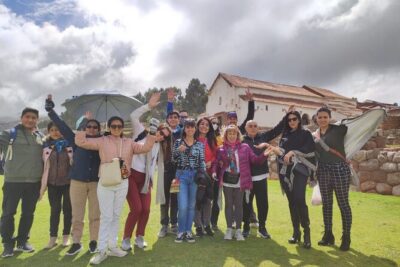 ★ 4.5Full-Day Excursion to Sacred Valley, Pisac and Ollantaytambo from CuscoFrom $47174 reviews
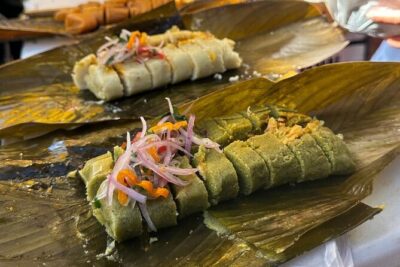 ★ 5.0Food and Culture Full day Tour in the Sacred ValleyFrom $200144 reviews
 ★ 5.0Private Tour to Sacred Valley and Machu Picchu from CuscoFrom $600133 reviews
Browse the lists this tour appears in