
REVIEW · MARAS & MORAY SALT MINES
From Cusco: Moray, Maras Salt Mines & Chinchero Weavers Half-Day
Three Sacred Valley stops, one efficient day.
This tour strings together Chinchero’s Quechua weaving world, Moray’s Inca terraces, and the Maras salt mines—all with clear explanations and enough time to actually look, not just pose and rush. You’ll get a real feel for how Andean communities use nature: plants for dyes, microclimates for crops, and hot springs for salt.
I love the bilingual guide and the way the day connects the dots between daily life and big Inca ideas. I also love that Chinchero includes a weaving workshop focus—where the colors come from natural plants—so it’s more than sightseeing; it’s hands-on culture you can photograph and understand.
The main drawback is simple: you’re out a long chunk of the day and there’s no lunch included, plus Moray and the salt mines cost extra tickets. If you hate walking in altitude or you get cranky without food, plan for it.
In This Review
- Key highlights you’ll care about
- Why Chinchero, Moray, and Maras Fit Together
- Pickup, Timing, and What 6 to 7 Hours Really Means
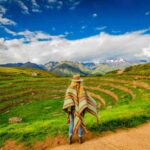
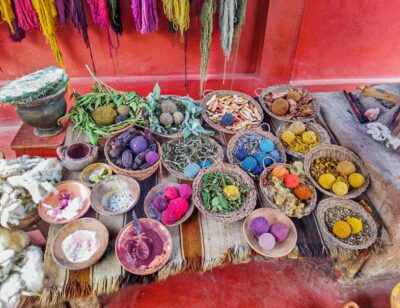
- Chinchero: Quechua Weavers, Market Barter, and Natural Plant Dyes
- Moray Terraces: Inca Microclimates in a Stone Bowl
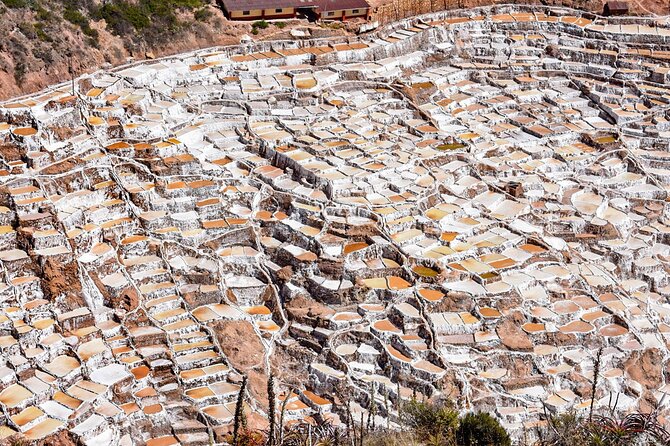
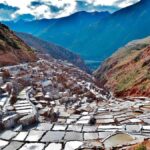
- Maras Salt Mines (Salineras): 3,000 Pools and an Old Salt Trade
- The Guide and Driver: What Makes the Explanations Click
- Cost and Value: Base Price vs. Real Total
- Comfort, Altitude, and Practical Tips That Actually Help
- Who Should Book This Tour (and Who Might Want a Different Plan)
- Should You Book This Moray, Maras & Chinchero Tour?
- FAQ
- What time do they pick you up in Cusco?
- When do you return to Cusco?
- What does the tour include?
- Which entrance fees are not included?
- Is breakfast or lunch included?
- How many people are in the group?
- Is good weather required?
Key highlights you’ll care about
- Chinchero weaving + natural dye demos with bartering in the market nearby
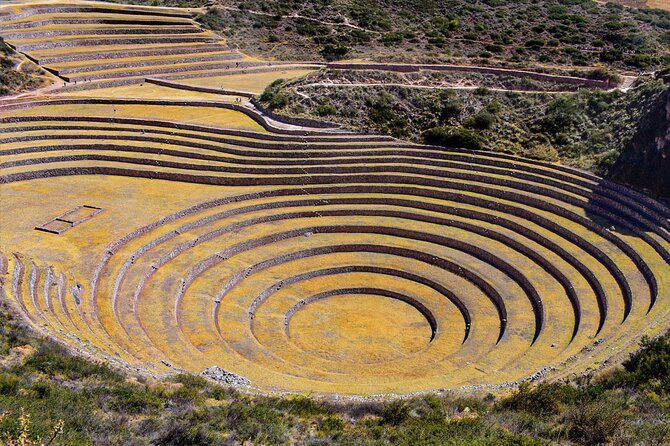
- Moray terraces explained as Inca experimentation with sub-climates
- Maras salt mines (Salineras) with roughly 3,000 small pools fed by hot springs
- Free Chinchero admission time and a return to Cusco around Plaza de Armas
- Small-group feel (max 16) with bilingual guiding at each stop
- Extra entrances for Moray and the salt mines make your final cost higher than the base price
More Maras salt pans and Moray terraces
- Cusco: Sacred Valley, Pisac, Ollantaytambo, Salt Mines Moray★ 4.6 · 1,058 reviews
- Cusco:Chinchero,Moray & Salt Mines drop-off in Ollantaytambo★ 4.8 · 793 reviews
- Sacred Valley: Chinchero, Moray, Ollantaytambo & Pisac+Lunch★ 4.8 · 501 reviews
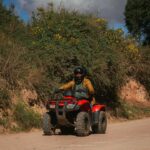
- Sacred Valley: Maras & Moray by Quad Bike from Cusco★ 4.6 · 418 reviews
Why Chinchero, Moray, and Maras Fit Together
On paper, these are three separate Sacred Valley highlights. In real life, they talk to each other.
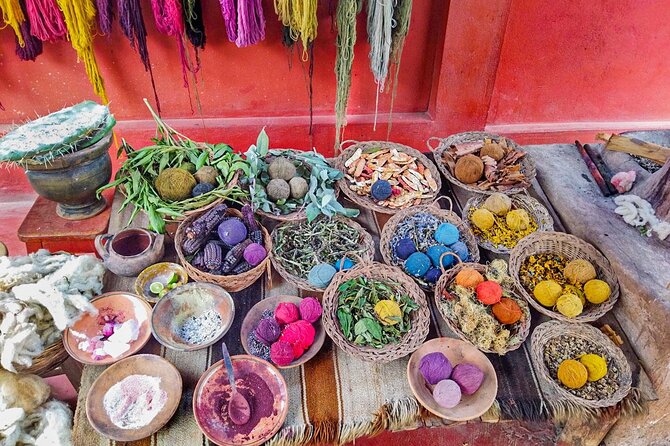
Chinchero shows you how people turn local materials into dyed textiles—using plants for color and preserving the Quechua weaving tradition. Moray then flips the theme to agriculture: those stacked terrace levels are essentially an outdoor lab for growing at altitudes where crops normally struggle. And Maras salt mines put a price tag on survival—salt made for centuries, still produced today in those thousands of pools.
If you want a fast intro to how the Andes work—food, fiber, and trade—this route makes that connection without dragging your day into a full tour.
Pickup, Timing, and What 6 to 7 Hours Really Means
Your hotel pickup window is 8:20 to 8:40 am, and you’ll return to Cusco around 3:15 pm near Plaza de Armas. That puts the day in the sweet spot for visitors who want Sacred Valley without sacrificing the whole afternoon.
This is also a “schedule matters” kind of tour. The stops are spaced so you can see a lot, which means you’ll want to be ready when the guide calls. One review noted that timing can feel stressful for groups, so go with a calm mindset and don’t treat it like a slow stroll.
Comfort-wise, the transportation is generally fine, but a couple of comments flagged that a mini-bus can get uncomfortable when it’s full. With a group cap of 16, you should be in better shape than the worst-case scenario—still, if you’re sensitive to tight seating, bring a small neck pillow or be ready to shift positions.
Chinchero: Quechua Weavers, Market Barter, and Natural Plant Dyes
Chinchero is the first cultural stop, and it starts high—around 3,762 meters. You’ll visit a traditional market area where bartering happens, then move into an Andean textile center/weaving workshop.
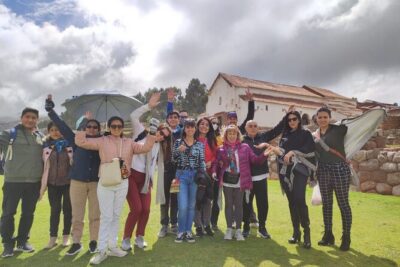
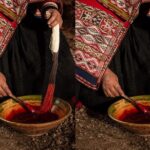
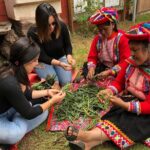
What makes Chinchero worth it here is the focus on process. You’re not just seeing finished items. The weaving demonstration includes how colors come from natural plants, and you can take photos while dressed in Andean-style clothing if the workshop offers it.
A practical heads-up: this visit concentrates on part of town plus the textile center, not the entire village. That’s fine for a half-day tour, but it does mean you won’t wander freely through everything.
One important balance point from experience-based comments: Chinchero can feel a bit sales-forward once you’re done learning. You can absolutely enjoy the dye and weaving explanations, but if you hate being pushed to buy, treat it like a demo you’re enjoying, not a shopping mission.
Altitude comfort tip: take it slow when you arrive. The “market energy” is fun, but altitude can sneak up on you—especially early in the day.
Moray Terraces: Inca Microclimates in a Stone Bowl
Next comes Moray at about 3,450 meters. Moray is where the tour turns from culture to “outdoor science class.”
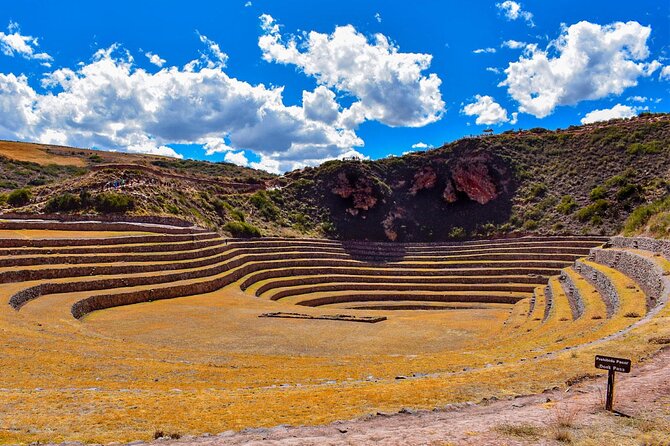
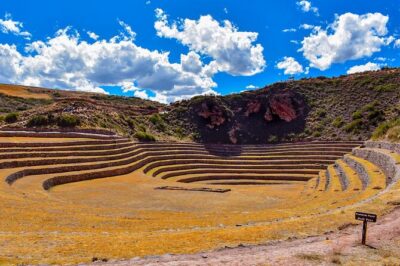
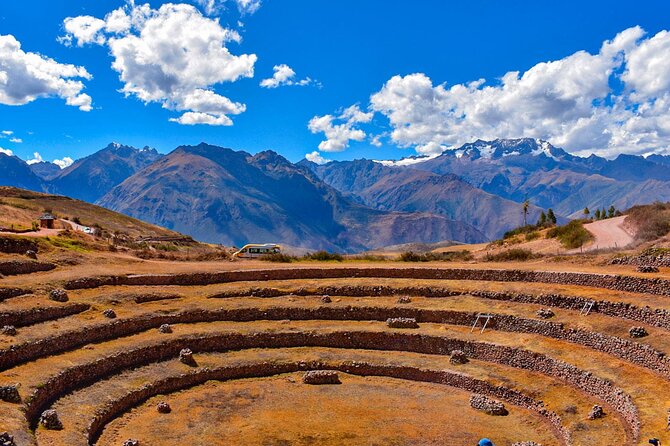
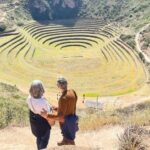
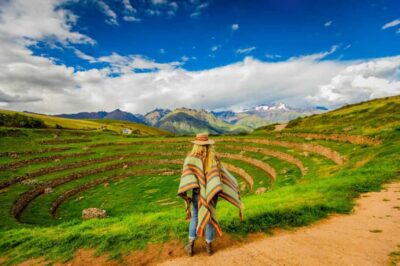
You’ll see the agricultural terraces carved into a huge bowl-shaped structure, with complex irrigation and terrace levels. Part of the site was further worked by the Incas. The big idea you’ll hear: these terraces are thought to have helped the Incas discover optimal growing conditions for crops at different sub-climates.
In plain terms, Moray is an altitude workaround. The terraces create different conditions so crops can do better in levels where altitude alone would normally be a problem. If you like learning how people solved practical challenges with what they had, this stop is a winner.
Tickets here are extra: Moray entrance is 19 dollars (70 soles). That’s worth budgeting because it’s the single site in this half-day where you’re paying for the chance to stand inside that amphitheater-like geography.
One more payoff: Moray’s views can be dramatic, and the backdrops matter here because the terraces are the main “object.” It’s not a quick photo stop—it’s a “look longer than you planned” stop.
More Pisac and Ollantaytambo ruins
Maras Salt Mines (Salineras): 3,000 Pools and an Old Salt Trade
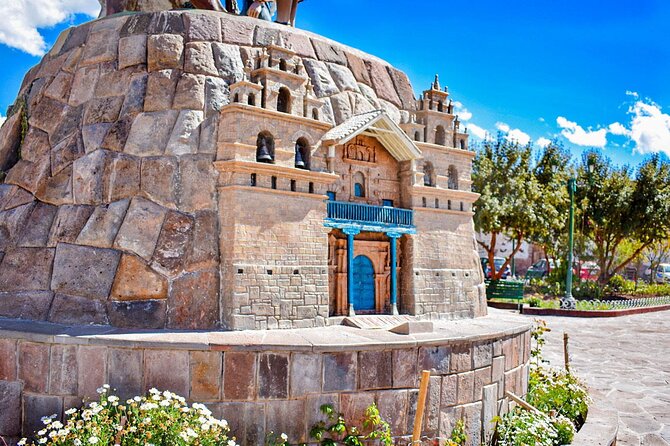
Then the tour shifts again, this time to salt—Maras Salt Mines, also called Salineras. On the way, you’ll pass through Maras Village, where colonial-style architecture is still preserved with thin stone construction.
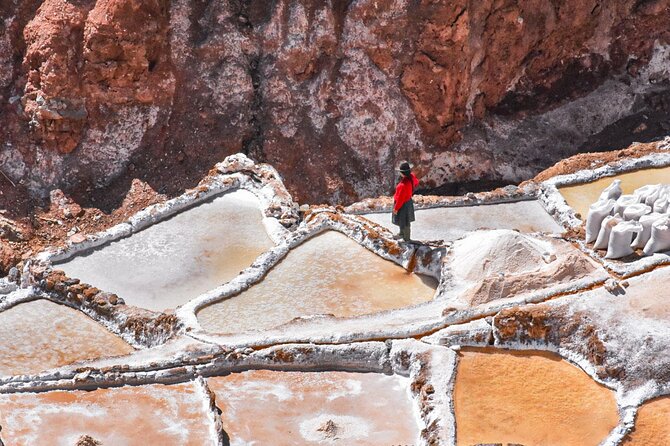
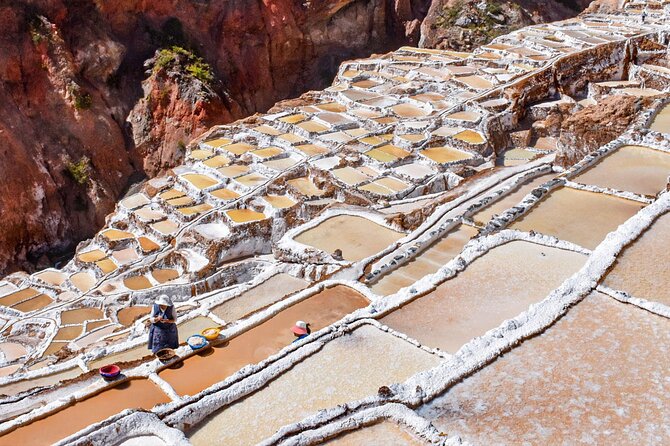
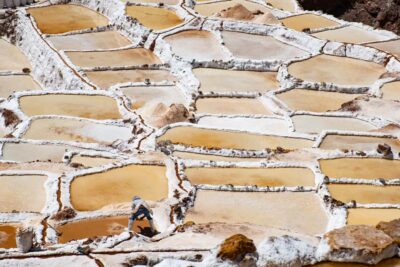
When you reach the salt mines, the scale hits you fast: the mine consists of about 3,000 small pools. During the dry season, workers fill the pools with salt water that comes from natural hot springs—and the process is tied to timing, since the filling is done roughly every three days.
This is one of those places where you’re watching a living tradition. Salt production at this site dates back to pre-Inca times and continues today. You’ll also learn what happens after harvest: salt is processed, treated with iodine, and packaged for markets across the region.
Entrance here costs extra as well: 6 dollars (20 soles). If you’re trying to decide what to spend your money on, this one is easy to justify. The mine isn’t just historic scenery; it’s a working system you can visually understand even if you don’t speak Spanish.
Practical note: expect uneven ground and lots of steps. I’d bring shoes with grip and plan on moving at a steady pace, not a sprint.
The Guide and Driver: What Makes the Explanations Click
A huge part of why this tour gets near-universal praise is the people running it. The tour includes a bilingual guide, and the best guides here do two things well: they explain history in everyday language and they help you get good viewpoints without wasting time.
In past groups, guides like Felipe and Manuel (and others named such as Julio or Eddie) have stood out for stories that tie modern life to the past. One review even mentioned coca leaves being shared to try—small cultural moments like that can make the day feel more personal.
On top of that, the driver often gets credit for safety and navigation in mountain roads. If you get car-sick, it helps that the group moves with purpose and isn’t doing random stops.
If you want a simple test: listen for how often your guide connects “why” (agriculture, irrigation, salt production) instead of just listing “what.” When the guide does that, the whole day feels more coherent.
Cost and Value: Base Price vs. Real Total
The tour base price is $15.20 per person, and that includes hotel pickup, transportation, and a bilingual tour guide. That’s a strong starter price, especially in Cusco where getting out to multiple sites can cost more just in transit.
But two entrances are not included:
- Moray: 19 dollars (70 soles)
- Salt Mines: 6 dollars (20 soles)
So your likely total ends up closer to $40-ish after tickets (depending on currency and payment choices). For that, you’re getting three major Sacred Valley stops in one day, with guided storytelling and a planned return by mid-afternoon.
The value depends on your priorities:
- If you want only one site, buying tickets for two may feel steep.
- If you want an intro day that covers agriculture and salt trade as well as weaving culture, the math works out better.
Also, this tour doesn’t include food. That affects value in the real world. You’ll be eating on your own after you return around 3:15 pm, so budget for snacks during the day.
Comfort, Altitude, and Practical Tips That Actually Help
This is doable for most travelers, but it’s still the Andes. Chinchero and Moray are high, so plan like altitude matters.
Here’s what I’d do to keep the day smooth:
- Bring water and snacks: at least one review specifically advised it, and there’s no lunch provided.
- Plan layers: morning can feel cooler, and you’ll be outside while walking between viewpoints.
- Wear grippy shoes: salt mines can be rough underfoot, and Moray terrain includes steps and uneven ground.
- Take breaks without apologizing: if you slow down at Chinchero’s market or at Moray’s terrace lines, you’ll enjoy it more.
Also, if you get stressed by schedules, remember this tour is built for efficiency. That’s great for time, but it means you can’t treat each stop as a long lunch break.
Who Should Book This Tour (and Who Might Want a Different Plan)
This is a great fit if:
- You’re short on time in Cusco and want a solid Sacred Valley sampler
- You want both culture (Chinchero weaving) and “how it works” sites (Moray terraces and Maras salt production)
- You like guided context more than solo wandering
You might rethink if:
- You need a full-day with a real lunch stop included
- You’re extremely sensitive to vehicle discomfort when groups get full
- You want a deeper, slower exploration where you choose how long to stay in each place
For most people, though, this hits the sweet spot: enough variety for a first visit, without requiring an early-morning whole-day commitment.
Should You Book This Moray, Maras & Chinchero Tour?
I’d book it if you want an efficient, story-driven Sacred Valley day that covers weaving culture, Inca agriculture ideas, and salt production history in one loop. The base price is attractive, and the bilingual guide support makes the sites easier to understand rather than just stand and look.
Do it with one adjustment: budget extra for the Moray and salt mine entrances, and pack snacks so the “no lunch included” part doesn’t wreck your mood. If the weather is poor, the tour may be canceled and rescheduled or refunded, so keep flexibility in your Cusco schedule.
If you’re trying to decide where to spend your limited time, this is one of the better ways to see the Andes at work—plants, water, terraces, and salt—within a manageable half-day window.
FAQ
What time do they pick you up in Cusco?
Pickup is scheduled between 8:20 am and 8:40 am from your hotel.
When do you return to Cusco?
You’ll head back to Cusco around 3:15 pm near Plaza de Armas.
What does the tour include?
It includes pickup from your hotel, transportation, and a bilingual tour guide.
Which entrance fees are not included?
Moray entrance is 19 dollars (70 soles) and Salt Mines entrance is 6 dollars (20 soles).
Is breakfast or lunch included?
No. Breakfast and lunch are not included, and you’ll have time for lunch on your own after you return.
How many people are in the group?
The tour has a maximum of 16 travelers.
Is good weather required?
Yes. The experience requires good weather, and if it’s canceled due to poor weather, you’ll be offered a different date or a full refund.
More Andean Weaving
More Pisac and Ollantaytambo

More Salt Pans and Terraces
Recent write-ups from around Cusco, just off the trail
- Cuzco: Rainbow Mountain Excursion
★ 5.0 · 3 reviews - 1 day excursion to Qeswachaka bridge and the 4 lagoons
★ 3.6 · 3 reviews - Waqrapukara 1 day trekking + meals
★ 3.9 · 3 reviews - Valle Sur Cusco | half day
★ 4.3 · 3 reviews - Full-Day Condor Viewpoint & Inca Sites Tour
★ 5.0 · 3 reviews
Maras & Moray Salt Mines, compared.
 ★ 4.8From Cusco: Sacred Valley & Maras Salt Mines Tour with LunchFrom $282,227 reviews
 ★ 4.8From Cusco: Moray, Maras Salt Mines & Chinchero Weavers TourFrom $151,925 reviews
 ★ 4.6Sacred Valley, Pisac, Ollantaytambo, Salt Mines MorayFrom $281,058 reviews
 ★ 4.8Chinchero,Moray & Salt Mines drop-off in OllantaytamboFrom $27793 reviews
 ★ 4.8Sacred Valley: Chinchero, Moray, Ollantaytambo & Pisac+LunchFrom $25501 reviews
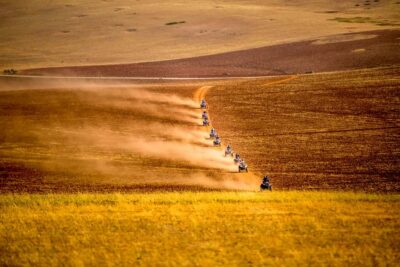 ★ 4.6Sacred Valley: Maras & Moray by Quad Bike from CuscoFrom $39418 reviews
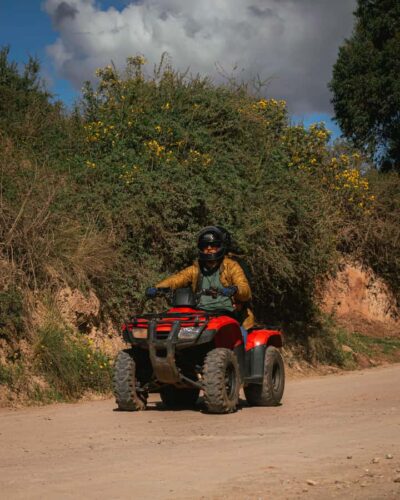 ★ 4.7From Cusco: Quad bike tour Moray and Salt MinesFrom $27314 reviews
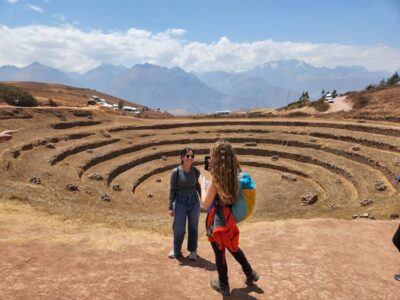 ★ 4.5From Cusco: Chinchero, Moray, Maras and OllantaytamboFrom $4583 reviews
Browse the lists this tour appears in