
REVIEW · MARAS & MORAY SALT MINES
From Cusco: Moray, Maras Salt Mines & Chinchero Weavers Tour
Three Inca worlds, one smooth half-day. This tour ties together Chinchero’s weaving traditions and the Sacred Valley’s engineering at Moray, then finishes at the Maras Salt Mines with those 3,000 shimmering pools that look almost unreal. It’s built as a tight loop out of Cusco with hotel pickup, guided stops, and just enough walking for photos without draining your whole day.
What I love most is the balance: you get guided interpretation at each major site, and you also get short windows to look around on your own. I also like that the weaving stop isn’t just a quick photo moment; you spend real time watching how artisans use natural plants to pull out color for Andean textiles.
One thing to plan for: the day runs rain or shine, and you’re high up (over 3,400 meters at key stops), so sun can hit hard and air can feel thin. Bring water, keep moving at your pace, and take breaks when you need them.
In This Review
- Key highlights to watch for on this Cusco Sacred Valley loop
- From Cusco to Chinchero: the weaving workshop that sets the tone
- Moray’s terraced farming at 11,318 feet
- Maras Village: colonial stonework and a calmer stop
- The Maras Salt Mines: 3,000 pools you can’t unsee
- Pace and timing: how the 390 minutes usually feel
- Price and value: what $15 buys (and what you’ll pay extra)
- What to pack (and what actually matters at 3,700 meters)
- Who this Sacred Valley tour suits best
- Should you book this Cusco: Moray, Maras Salt Mines & Chinchero Weavers Tour?
- FAQ
- What’s the tour length?
- Is hotel pickup included?
- What’s not included in the price?
- How long is the Chinchero weaving workshop?
- Do I need cash?
- Does the tour run in bad weather?
Key highlights to watch for on this Cusco Sacred Valley loop
- Chinchero weaving workshop: see how natural plants turn into dyes for Andean art
- Moray’s Inca terraces at 11,318 feet: a guided look at terracing and irrigation design
- Maras Salt Mines: walk and photograph a network of about 3,000 salt pools
- Short, well-timed stops: photo breaks plus guided time, so the day doesn’t feel like a rush
- Guides like Felipe, Julio, and Edi: often praised for clear, friendly storytelling and good photo help
More Maras salt pans and Moray terraces
- Cusco: Sacred Valley, Pisac, Ollantaytambo, Salt Mines Moray★ 4.6 · 1,058 reviews
- Cusco:Chinchero,Moray & Salt Mines drop-off in Ollantaytambo★ 4.8 · 793 reviews
- Sacred Valley: Chinchero, Moray, Ollantaytambo & Pisac+Lunch★ 4.8 · 501 reviews
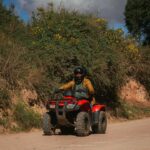
- Sacred Valley: Maras & Moray by Quad Bike from Cusco★ 4.6 · 418 reviews
From Cusco to Chinchero: the weaving workshop that sets the tone
Your day starts with a hotel pickup in the Cusco area. You’ll get dropped into the Chinchero district at about 3,762 meters, and that altitude means you should take the first minutes easy. You’re not doing a hike right away, but stepping out of the van with your heart a bit faster is normal at this elevation.
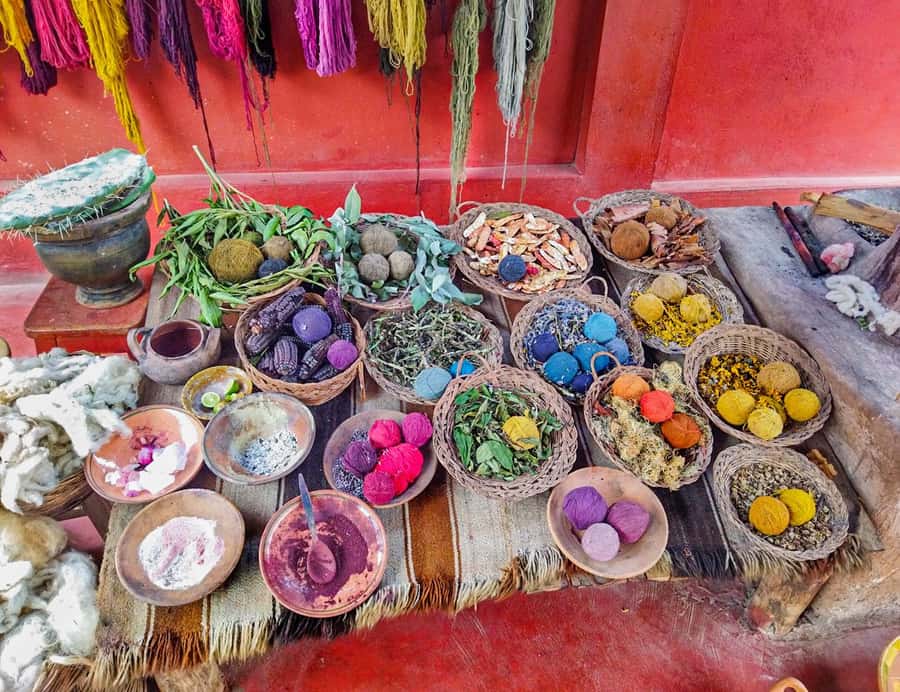
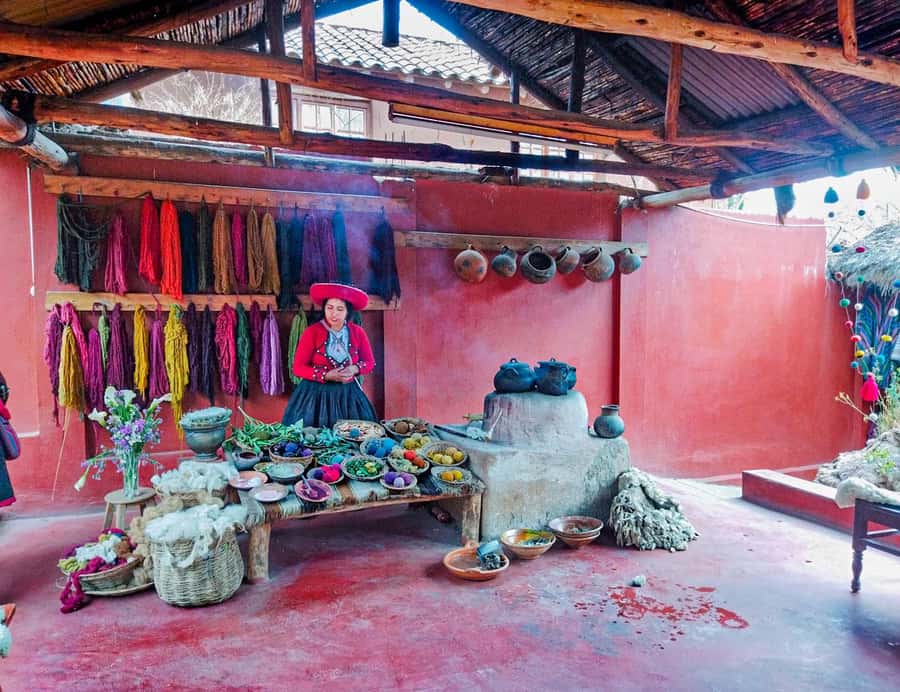
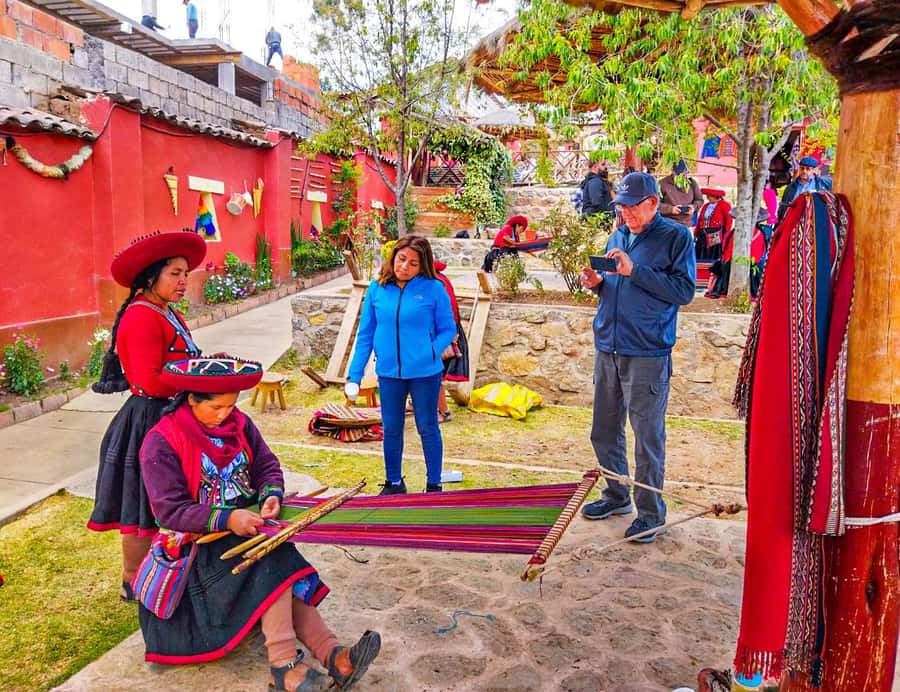
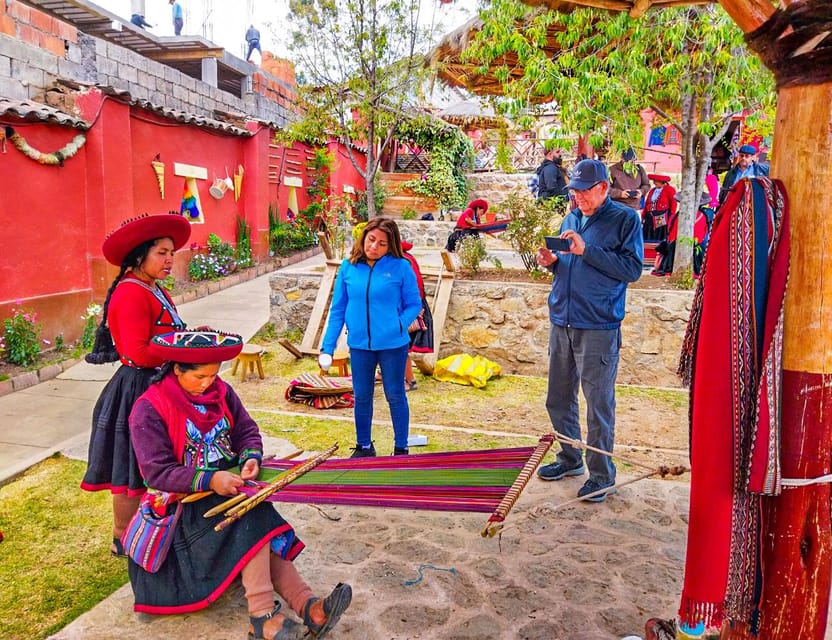
Chinchero is where the tour shows its cultural side. You’ll get a photo stop, some time for shopping, and then about 1 hour at a weaving workshop. This is the part I think makes the tour more than a drive-by. You’re not just hearing that textiles matter in the Andes. You can actually see the process: artisans explain how they use natural plants to extract dyes for Andean artwork. The colors feel purposeful, not random. Even if you’re not buying anything, it’s satisfying to understand the “why” behind the look.
A bonus you may notice depending on the workshop setup: the focus is still on textiles, but there’s often an extra “hands-on” atmosphere, and some visitors end up seeing alpacas up close as part of the experience. If animals or hands-on moments aren’t part of your exact session, no stress—the dye and weaving explanation is the core.
What to watch out for: the workshop area can feel warm, and the sun at altitude doesn’t need your permission. A sun hat and sunscreen matter more here than you might expect. Also, if you’ve got cash for small purchases, keep some handy so you’re not scrambling later.
Moray’s terraced farming at 11,318 feet
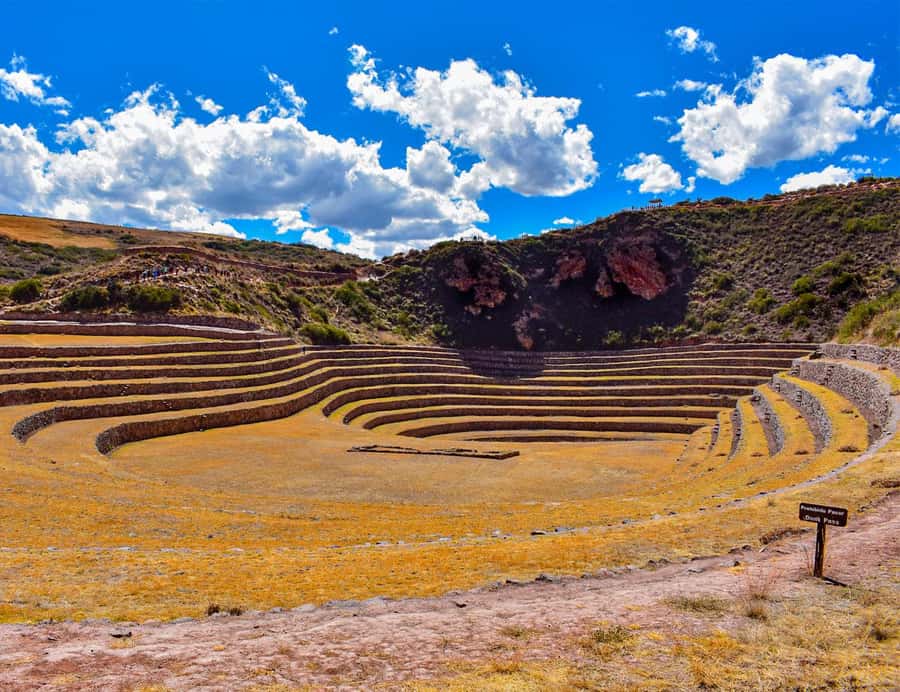
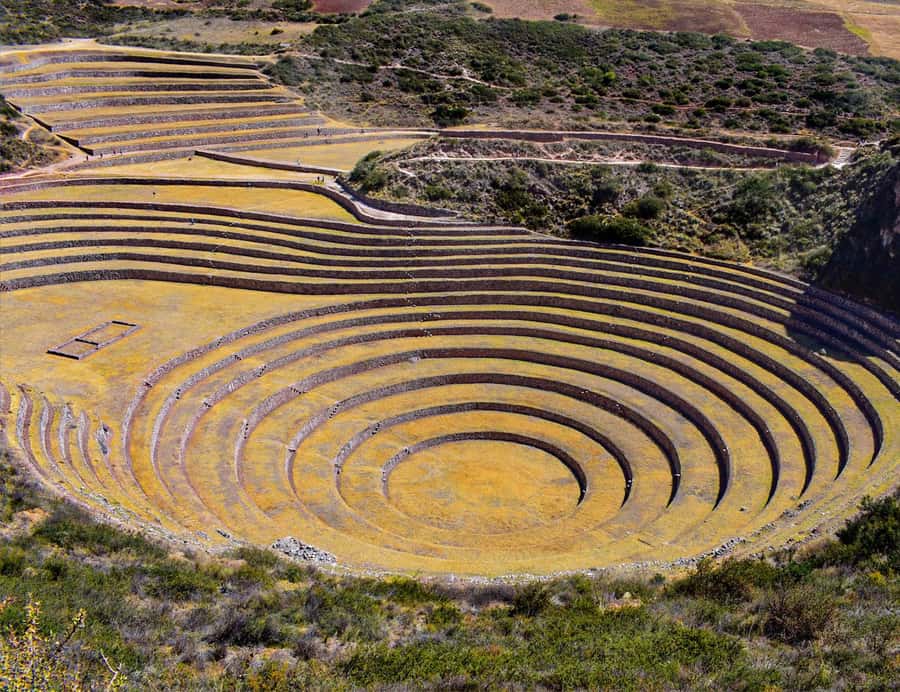
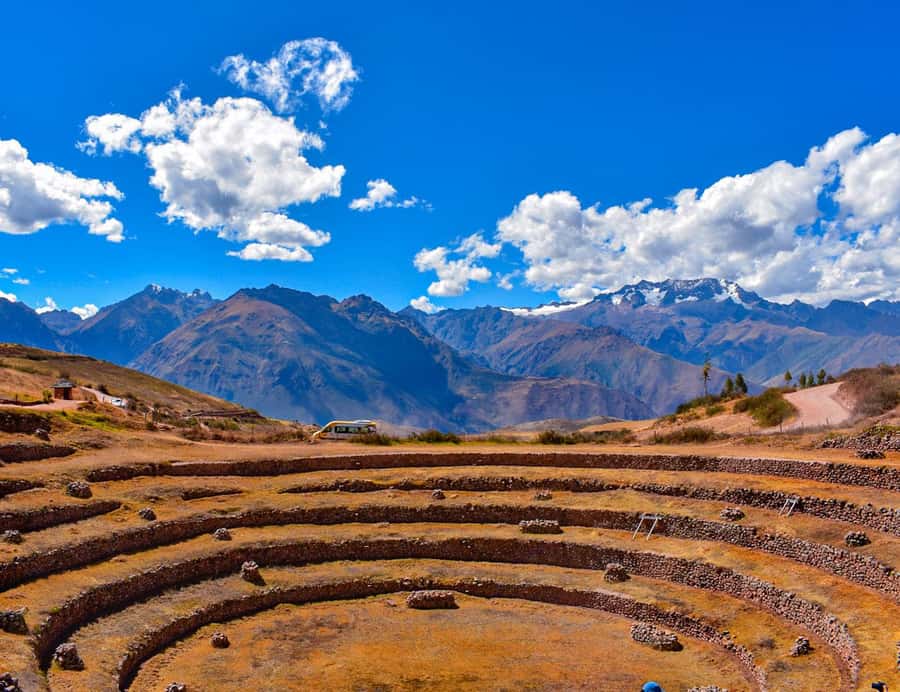
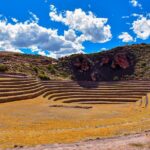
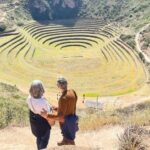
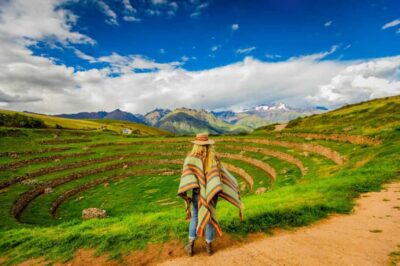
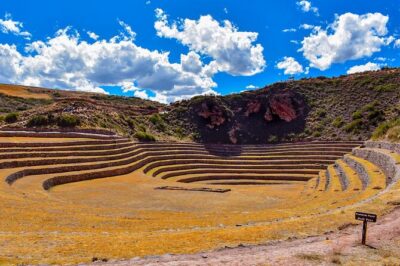
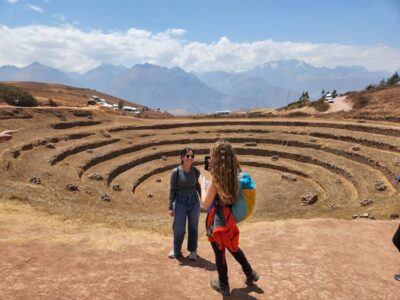
Next comes Moray. You’ll be climbing to around 3,450 meters (11,318 feet). Moray is famous for its unusual Inca agricultural terraces and the irrigation system that supports them. Even if you’ve seen Inca ruins before, Moray tends to feel different because the place reads like a design problem solved with stone and water.
You’ll get a photo stop and then a guided tour and walk of about 40 minutes. That’s a good amount of time. Long enough for your guide to point out the main features, but short enough that you don’t end up footsore before the salt mines.
Here’s why Moray is worth paying attention to: the terraces aren’t just “pretty steps.” They show how the Inca treated farming like a system. The irrigation channels and terracing layout communicate planning. Your guide will connect it to Inca agricultural life and the bigger Sacred Valley story, so it stops being just architecture and becomes practical history.
Cost note: Moray’s entrance fee is 70 soles and isn’t included in the basic tour price, so plan to pay that on site. Bring cash.
Good photo tip: aim for the edges and higher viewpoints your guide points out. From those angles, Moray looks like patterns made in stone, and your photos turn into more than “I stood near a wall” shots.
Maras Village: colonial stonework and a calmer stop
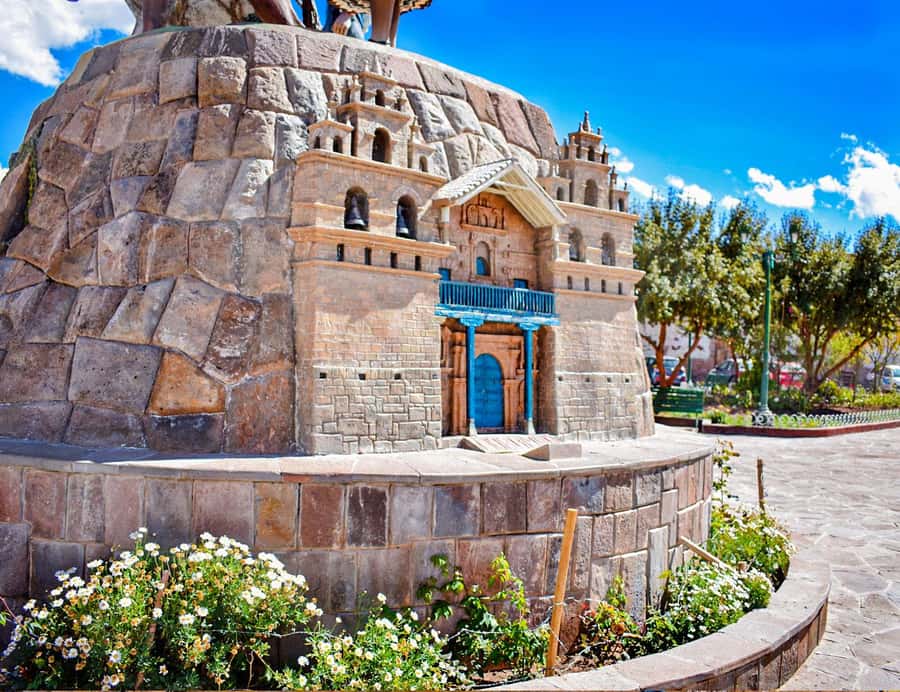
After Moray, you’ll head to Maras Village. This part is less about a single big site and more about atmosphere: you’ll see preserved colonial architecture and thin-stoned buildings that give the village a distinct feel compared with the Inca-focused stops.
The tour gives you free time, plus some chance for shopping and a smaller workshop-style visit (about 20 minutes). This isn’t a full shopping spree. It’s more like a chance to slow down, stretch your legs, and decide if you want small souvenirs or just a snack and a breather.
I like this stop because it resets the pace. After the intensity of terracing and irrigation logic, Maras feels human-scaled. You can watch local life moving at normal speed while the Andes sit overhead doing their dramatic thing.
What to consider: this is one of the warmer, sunnier parts of the loop for many people. Even when you don’t walk much, you’ll still feel exposed. Wear comfortable shoes that handle uneven ground, and keep water in reach.
The Maras Salt Mines: 3,000 pools you can’t unsee
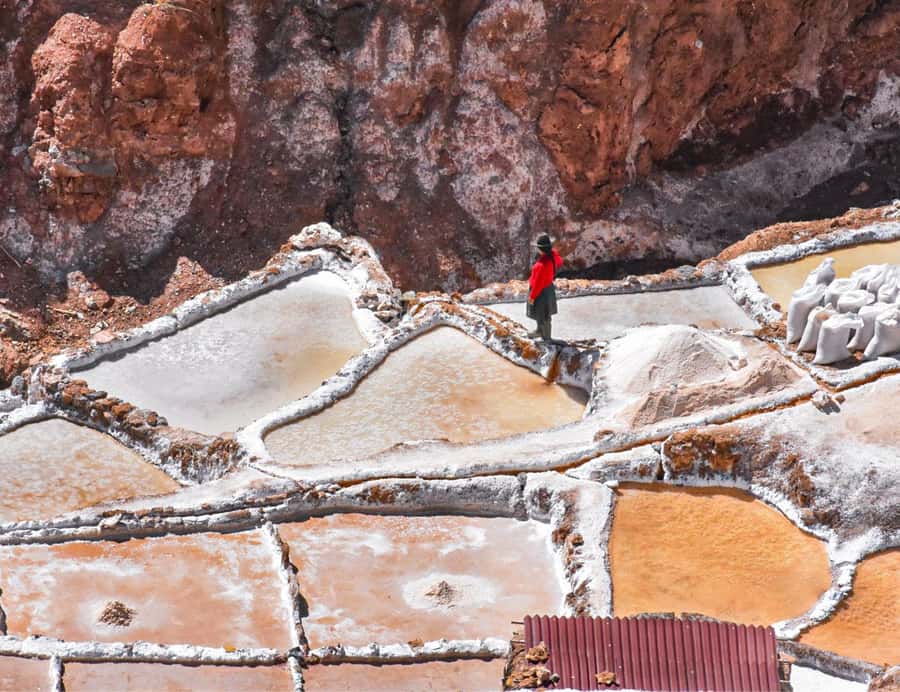
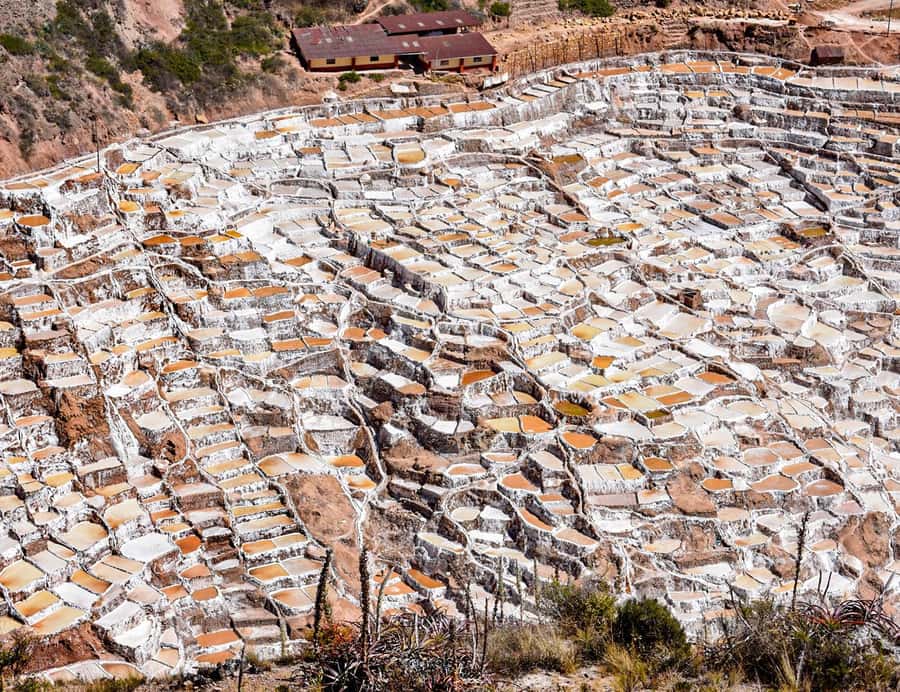
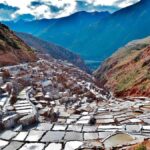
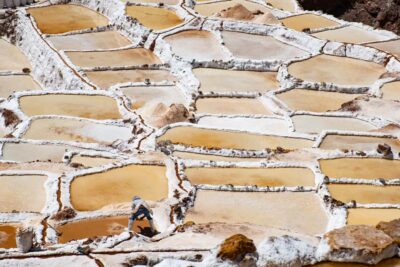
Then you reach the main show: the Salineras salt mines (often called the Maras Salt Mines). This is a historic site that dates back to pre-Inca times and is still producing salt. The most striking part is the scale: a network of roughly 3,000 small pools spread across the hillside like a patchwork of pale mirrors.
You’ll have a photo stop, a guided tour, and then a walk of about 40 minutes. That walk is short but real—think steps, uneven ground, and surfaces that can get slippery if the weather turns. The payoff is the variety of angles. From one viewpoint, the pools look like dots. From another, they look like a whole system.
Your guide should explain how the salt is produced—how it’s harvested and then processed and distributed around the region. That context is important. It turns the mines from scenery into work—something people do every day, not just a photo backdrop.
Cost note: the salt mines entrance is 20 soles, not included. Like Moray, pay with cash.
Why this stop gets so much praise: it’s visually dramatic without being confusing. You don’t need an engineering degree to understand what you’re seeing. And if your guide is good—guides like Julio, John, Roy, or Manuel are often singled out for clear explanations and good pacing—you’ll end the walk feeling like you learned something real.
One practical thing I’d keep in mind: the roads around the mines can be narrow, and the trip in and out involves careful driving. Many guides/companies keep things safe and smooth, but it’s still smart to bring a little patience and let the driver do their job.
More Pisac and Ollantaytambo ruins

Pace and timing: how the 390 minutes usually feel
The tour runs 390 minutes (around 6.5 hours). That’s why it’s such a popular choice when you’re in Cusco and you don’t want a full-day commitment. You’ll return to the city in time for lunch on your own, and some departures wrap up around 3:30 PM depending on the schedule.
The itinerary is designed around “small bursts”:
- a workshop that takes focus (Chinchero)
- a guided walk with time for pictures (Moray)
- a calmer village stop with breathing room (Maras)
- a guided walk that’s the big visual finale (Salt Mines)
In real terms, you should expect a day that feels organized. People often mention that the pacing doesn’t feel rushed. And you’ll notice that even the walking is controlled—enough to experience the sites, not enough to turn it into a stamina test.
Pickup and drop-off: you’ll have multiple pickup options in Cusco (including Centro Histórico), and you’ll be dropped back near Plaza Regocijo or the Centro Histórico area. Your exact pickup spot depends on your selection, so double-check the meeting point the day before.
Price and value: what $15 buys (and what you’ll pay extra)
At $15 per person, this tour is priced like a real deal—especially because it includes hotel pickup, a bilingual guide, and transportation through the Sacred Valley circuit. You’re also getting a structured cultural experience (weaving) and two major regional stops (Moray and Maras Salt Mines).
But there are two key entrances not included:
- Moray entrance: 70 soles
- Salt Mines entrance: 20 soles
So yes, you’ll pay extra on the ground. Still, even with those fees, the value is strong because you’re buying convenience plus guided time. For many people, the alternative is either paying for a private driver and trying to time everything yourself, or skipping at least one stop. This combo gives you variety without turning the day into a logistics puzzle.
Also, note that there’s private or small group availability depending on the option you pick. If you hate waiting for other people to look at the same wall for 15 minutes, the private option can feel worth it.
What to pack (and what actually matters at 3,700 meters)
This is one of those days where practical gear beats wishful thinking.
Bring:
- Sun hat (strong recommendation)
- Sunscreen
- Comfortable shoes for short walks
- Camera (you’ll want it at Moray and the salt pools)
- Cash for the Moray (70 soles) and Salt Mines (20 soles) entrances
- Passport (listed as required)
Also, I’d add one thing you’ll feel glad you remembered: water. The altitude and sun together can make you dehydrated faster than you expect, and some visitors specifically call out bringing water.
Weather is rain or shine, so consider a light rain layer even if the forecast looks friendly. Wind can change fast in the Andes.
Finally: sunglasses. Not on your list, but on your face. Salt mines plus bright sun can be blinding.
Who this Sacred Valley tour suits best
This tour fits best if you:
- want a half-day Sacred Valley highlight that doesn’t drag into a full-day hike
- care about Inca agriculture and culture, not just ruins
- like practical cultural stops, like the Chinchero weaving workshop
- want a day that works well for solo travelers (many visitors note feeling safe and comfortable)
It may not fit as well if you:
- want long, deep time at a single site (this is a mix of multiple stops)
- dislike walking on uneven ground at the mines
- don’t like paying entrance fees on top of the base price
Should you book this Cusco: Moray, Maras Salt Mines & Chinchero Weavers Tour?
I’d book it if you’re visiting Cusco and you want the Sacred Valley in one organized shot: weaving with real dye know-how, Moray’s distinctive terracing, Maras Village’s architecture, and the Salt Mines’ 3,000 pools. The timing is tight, the day usually feels well-managed, and the guide can turn each stop into a story you’ll remember.
Do it with a little planning: bring cash for the two entrances, pack sunscreen and a hat, and respect the altitude at the higher stops. If you’re prepared for that, this is a strong value day that gives you culture, views, and a look at how work and tradition still matter here.
FAQ
What’s the tour length?
The tour lasts 390 minutes.
Is hotel pickup included?
Yes. Hotel pickup is included, and you’ll wait in the lobby about 10 minutes before your scheduled pickup time. Pickup is available outside Cusco’s Centro Histórico area.
What’s not included in the price?
Entrance fees are not included: Moray (70 soles) and the Salt Mines (20 soles). Hotel drop-off is also not included.
How long is the Chinchero weaving workshop?
The Chinchero stop includes a weaving workshop of about 1 hour.
Do I need cash?
You should bring cash, since the tour does not include the Moray and Salt Mines entrance fees.
Does the tour run in bad weather?
Yes. The tour runs rain or shine.
More Andean Weaving


More Pisac and Ollantaytambo

More Salt Pans and Terraces

Recent write-ups from around Cusco, just off the trail
- Cuzco: Rainbow Mountain Excursion
★ 5.0 · 3 reviews - 1 day excursion to Qeswachaka bridge and the 4 lagoons
★ 3.6 · 3 reviews - Waqrapukara 1 day trekking + meals
★ 3.9 · 3 reviews - Valle Sur Cusco | half day
★ 4.3 · 3 reviews - Full-Day Condor Viewpoint & Inca Sites Tour
★ 5.0 · 3 reviews
Maras & Moray Salt Mines, compared.
 ★ 4.8From Cusco: Sacred Valley & Maras Salt Mines Tour with LunchFrom $282,227 reviews
 ★ 4.6Sacred Valley, Pisac, Ollantaytambo, Salt Mines MorayFrom $281,058 reviews
 ★ 4.8Chinchero,Moray & Salt Mines drop-off in OllantaytamboFrom $27793 reviews
 ★ 4.8Sacred Valley: Chinchero, Moray, Ollantaytambo & Pisac+LunchFrom $25501 reviews
 ★ 4.6Sacred Valley: Maras & Moray by Quad Bike from CuscoFrom $39418 reviews
 ★ 4.7From Cusco: Quad bike tour Moray and Salt MinesFrom $27314 reviews
 ★ 5.0From Cusco: Moray, Maras Salt Mines & Chinchero Weavers Half-DayFrom $15126 reviews
 ★ 4.5From Cusco: Chinchero, Moray, Maras and OllantaytamboFrom $4583 reviews
Browse the lists this tour appears in