
REVIEW · MARAS & MORAY SALT MINES
From Cusco: Chinchero, Moray, Maras and Ollantaytambo
Cusco is already high and dramatic. This day trip turns that energy toward the Sacred Valley with stops that feel like chapters, not chores. You’ll hit Chinchero, Moray, Maras, and finish at Ollantaytambo with big views and Inca-focused context, all timed for travelers who need to connect to Machu Picchu plans.
I like two things right away. First, the tour isn’t just ruins on a schedule—Chinchero includes an alpaca-wool textile explanation so you understand what you’re seeing (and why). Second, the Ollantaytambo finish is a practical win: you’re done at a great spot for the next step toward Aguas Calientes.
One thing to keep in mind: because there are four major attractions in one day, your time at each site is capped and you’ll move on quickly. If you want long, slow wandering at just one place, this setup may feel a bit rushed.
In This Review
- Key points worth knowing
- A Sacred Valley Day That Actually Works With Machu Picchu Timing
- Pickup, Drive Times, and the Truth About “Limited Time”
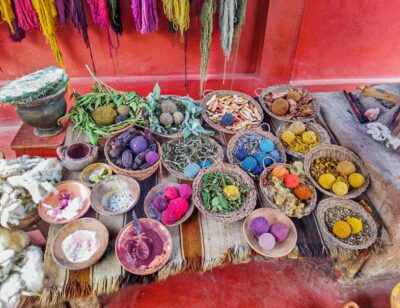
- Chinchero: Ruins and Alpaca Wool to Textiles
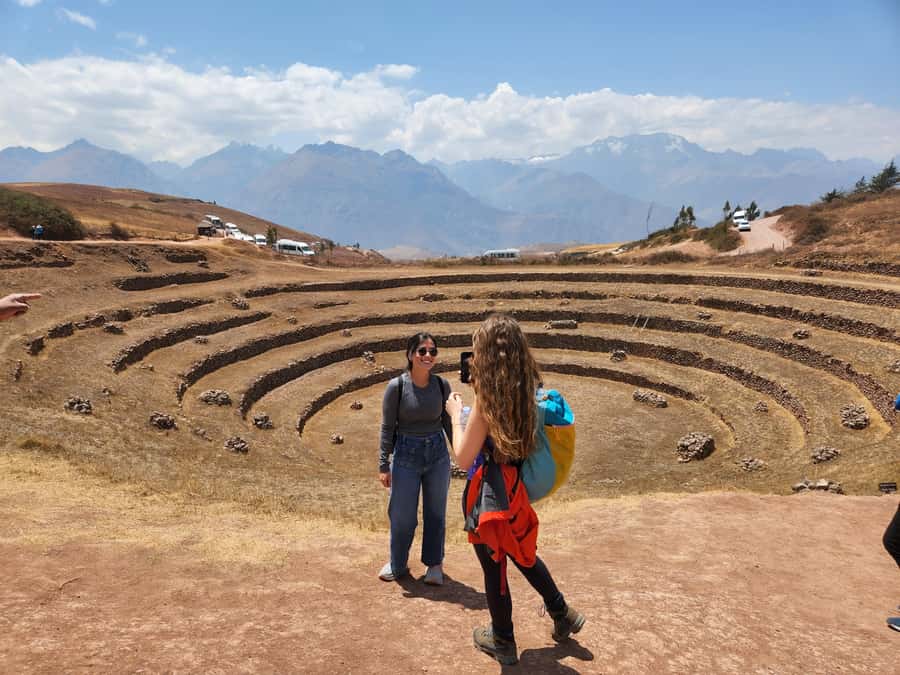
- Moray’s Circular Terraces: An Inca Agricultural Lab
- Maras Salt Mines: Small Pools, Serious Extraction Work
- Lunch in Urubamba: A Real Break Before Ollantaytambo
- Ollantaytambo Fortress: Inca Stonework and Valley Views
- Price and Logistics: Does $45 Add Up?
- Who This Tour Suits Best (and Who Should Skip It)
- Booking With Midway Peru Adventures: What to Expect From the Guide
- Should You Book This Sacred Valley Day Trip?
- FAQ
- What’s the duration of the tour?
- Where does the tour start?
- What does the price include?
- Are entrance tickets included for Moray and Maras?
- Is lunch included, and what kind is it?
- What time does the tour end, and where?
- Do I have options after the tour ends?
- What languages are the live guides available in?
- Are drones allowed?
- Is this tour suitable for older adults?
Key points worth knowing
- Chinchero goes past the ruins with alpaca wool processing and textile know-how, not just photo ops
- Moray’s circles are explained as an Inca agricultural experiment, which makes the shapes easier to read
- Maras salt mines are still working—watching how extraction works makes the photo spots more meaningful
- Lunch is a buffet in Urubamba, giving you real food energy before the final fortress stop
- The day ends in Ollantaytambo around 3:30 pm, handy for connecting onward
- Moray and Maras tickets cost extra, so budget for entrance fees on top of the tour price
More Maras salt pans and Moray terraces
- Cusco: Sacred Valley and Salt Mines Ending in Ollantaytambo★ 4.6 · 5 reviews
- From Cusco: Sacred Valley & Moray, Salt Mines with Lunch★ 4.6 · 3 reviews
- Cusco | Visit Maras, Moray, Chinchero, Pisac | Valle Vip★ 4.4 · 3 reviews
- From Cusco:Chinchero, Moray, Maras, Ollantaytambo with lunch★ 5.0 · 3 reviews
A Sacred Valley Day That Actually Works With Machu Picchu Timing
This tour is designed for a common Cusco rhythm: you’re here, you want the Sacred Valley highlights, and you still need to be positioned for the next leg—often the route toward Machu Picchu. What makes it work is the pacing. You get a broad sweep of sites in one day without needing to plan a separate tour day for each stop.
The itinerary also keeps the focus on the right “why.” You’re not just looking at ruins as scenery. At Chinchero, the emphasis is on textiles and wool processing. At Moray, you’re learning how the terraces functioned as an agricultural experiment. At Maras, the point is the salt extraction process. By the time you arrive at Ollantaytambo, you understand the region as a whole system—craft, farming experiments, resource extraction, and fortress design.
If you’re on your first trip to the area, this kind of overview is a smart move. You’ll leave with enough context to appreciate what comes next.
Pickup, Drive Times, and the Truth About “Limited Time”
You’ll be picked up from your hotel in Cusco and start heading toward the Sacred Valley right away. Expect a fair bit of bus travel between stops; that’s part of the deal here. The good news is that the tour is structured with clear site windows—so you’re not guessing how long you’ll have once you get there.
Here’s what “limited time” really means in practice. You’ll get guided time at each attraction, plus a bit of photo time. Then you’re moving. The tour even notes that you’ll be given information on the bus, because the number of attractions is the point.
So if you’re the type who wants to linger at a single viewpoint until the light changes, I’d consider pairing this tour with one slower half-day on your own later. But if your goal is to see the big names efficiently while learning what matters, you’ll like the structure.
Also, the tour’s end time is meaningful. It finishes at Ollantaytambo around 3:30 pm, which helps you decide whether to stay in the main square area or take the train onward to Aguas Calientes.
Chinchero: Ruins and Alpaca Wool to Textiles
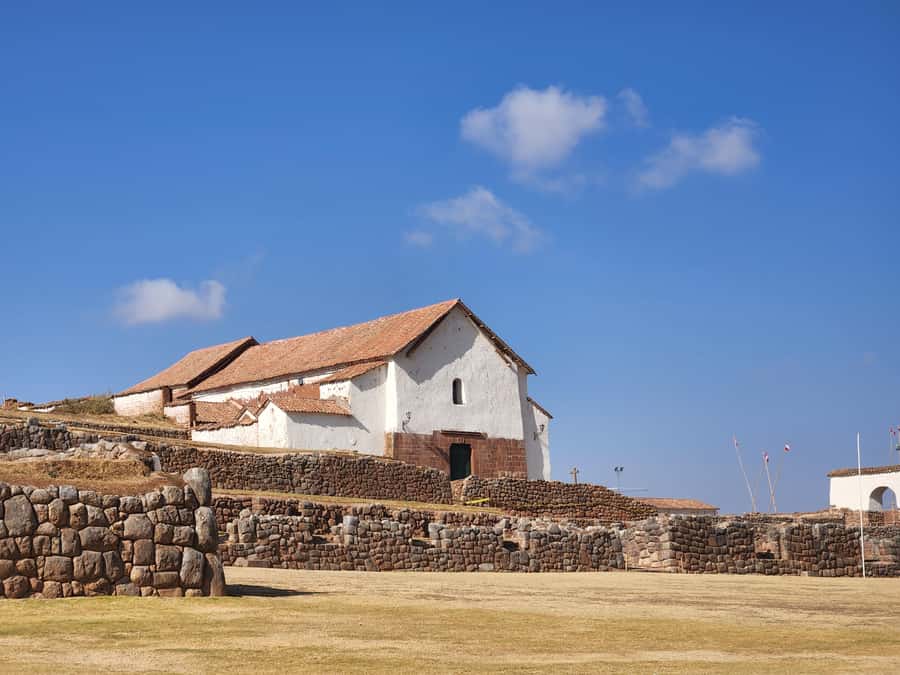
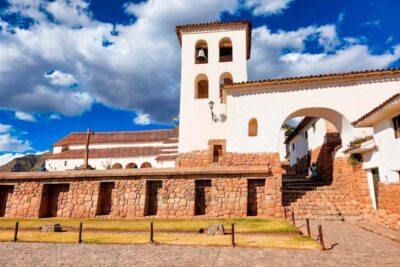
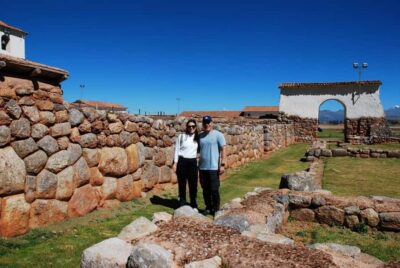
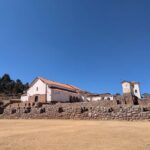
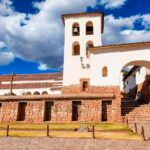
Chinchero is where this tour earns its “more than a quick stop” reputation. The archaeological center gives you classic Inca-era stonework to look at, but the experience doesn’t stop at architecture. You also visit an Andean textile center to learn how alpaca wool gets turned into textiles.
That matters because many visitors see weaving as just a craft souvenir. In Chinchero, the explanation helps you connect the process to the culture around it—how materials, labor, and technique shape what people make. Even if you don’t buy anything, you’ll leave with a clearer sense of how wool becomes fabric, and how that fits into daily life in the Andes.
Timing here is about 45 minutes for the site experience, which includes guided time and photo moments. If you’re sensitive to pace, this is one of the better-balanced stops because the textile component adds depth instead of feeling like a second “look at stones” session.
One practical tip: this is the kind of stop where you’ll want to keep your phone/camera accessible. The weaving process and steps are easier to appreciate if you can pause and capture what’s being explained.
Moray’s Circular Terraces: An Inca Agricultural Lab
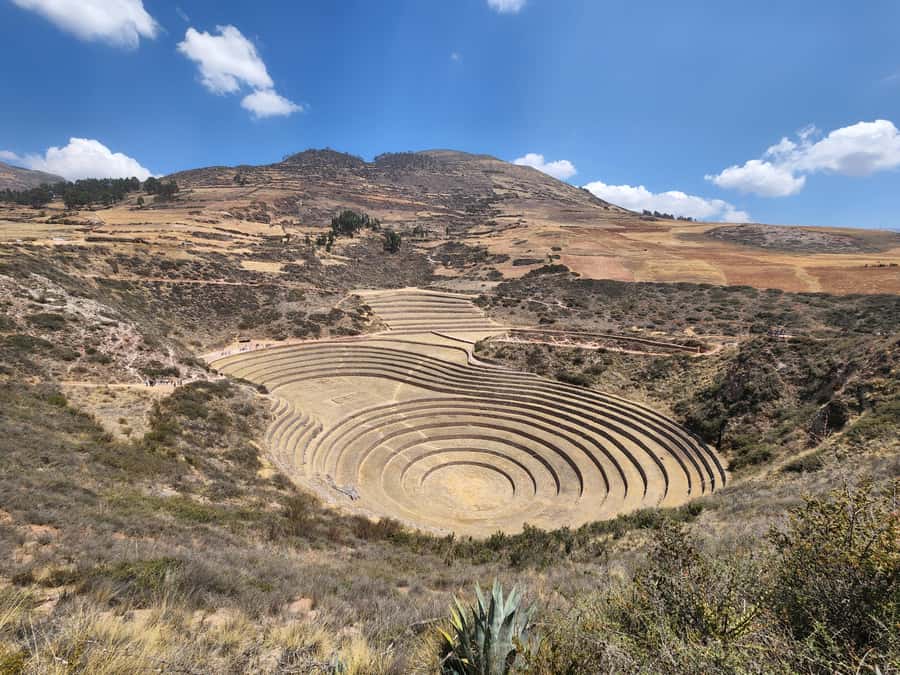
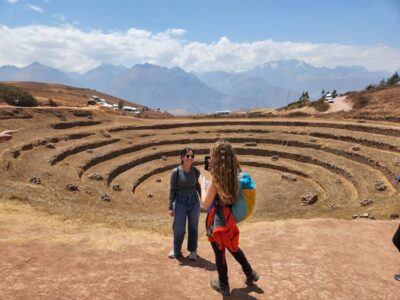
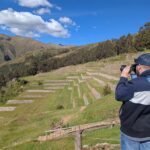
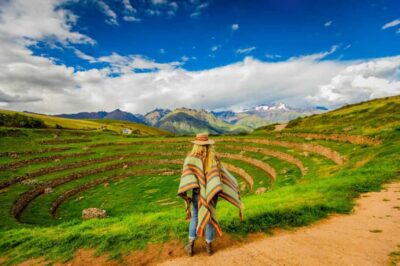
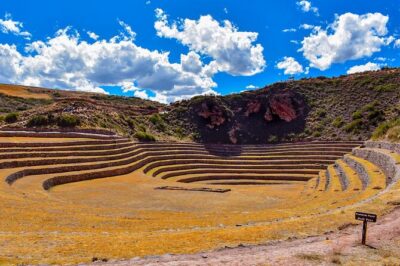
Moray is famous for a reason: those circular terraces look like they were built for a purpose beyond decoration. In this tour, you get the key context—these circular terraces were used as agricultural laboratories by the Inca.
That framing changes how you look at the site. Instead of seeing a set of stacked shapes, you start imagining how temperature, microclimates, and farming conditions could be tested across levels. Even with a short visit, the guided explanation helps you “read” the terraces.
You’ll have around 30 minutes for the Moray stop, including photo time and a guided tour. The extra detail isn’t just academic. When you understand the idea of experimentation in agriculture, the place feels more like an instrument than a monument.
Cost note: Moray’s entrance ticket is not included in the base price. You’ll need to plan for the Moray ticket (70 soles) on top of the tour cost.
More Pisac and Ollantaytambo ruins
Maras Salt Mines: Small Pools, Serious Extraction Work
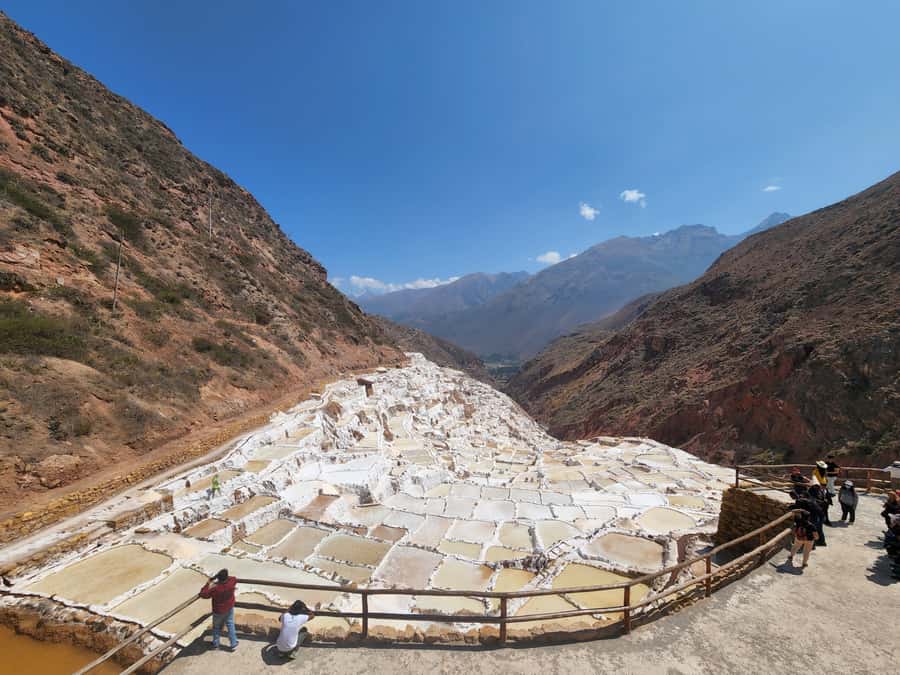
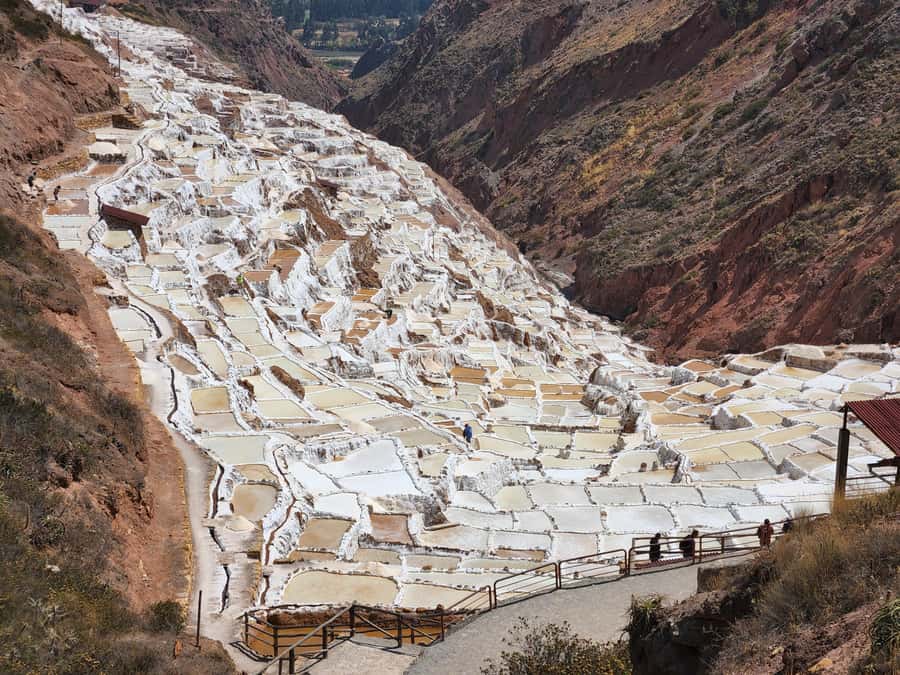
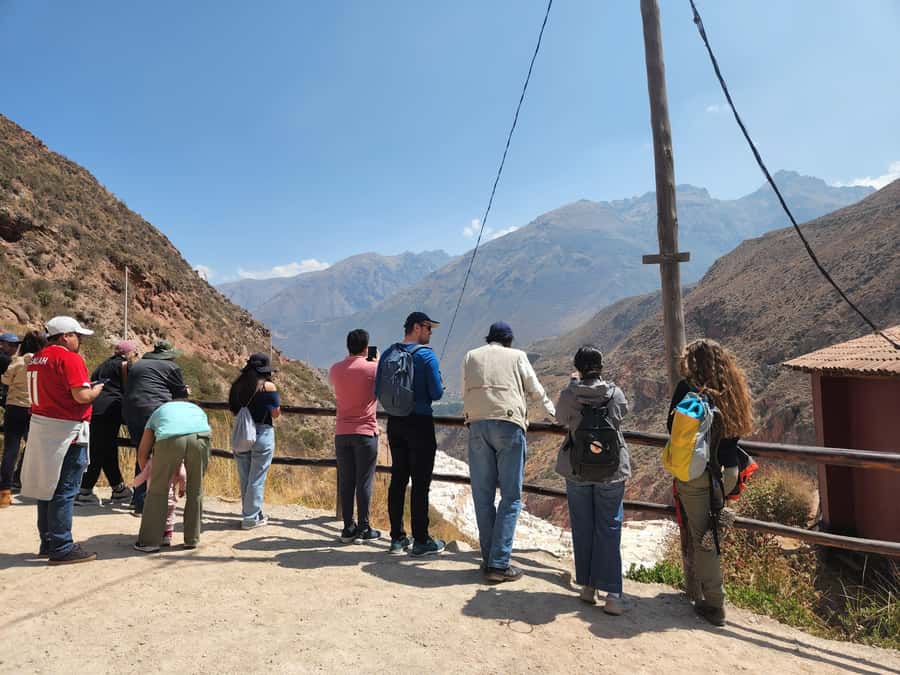
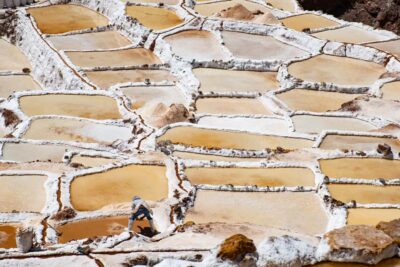
Then comes Maras, with its thousands of salt extraction pools. This is one of those places where the photos can look repetitive until you actually learn what’s happening. The guided portion focuses on the extraction process, and that’s what turns it from a visual checklist into something more real.
You’ll spend about 30 minutes here with guided tour and time to photograph or record video. That’s enough to see how the pools operate and to appreciate the visual pattern—without rushing through it so fast you miss the point.
The salt mines are often photographed from a distance, but don’t ignore the guided details. Understanding the method helps you make sense of why the landscape looks the way it does: it’s not random. It’s engineered extraction over time.
Cost note: Maras’s entrance ticket is also not included. Budget for the Maras ticket (20 soles).
Practical idea: if you care about photos, Maras is a place where small framing choices make a big difference. Aim to capture at least one wide shot showing the full pool grid, then one closer view that shows the texture and color variation.
Lunch in Urubamba: A Real Break Before Ollantaytambo
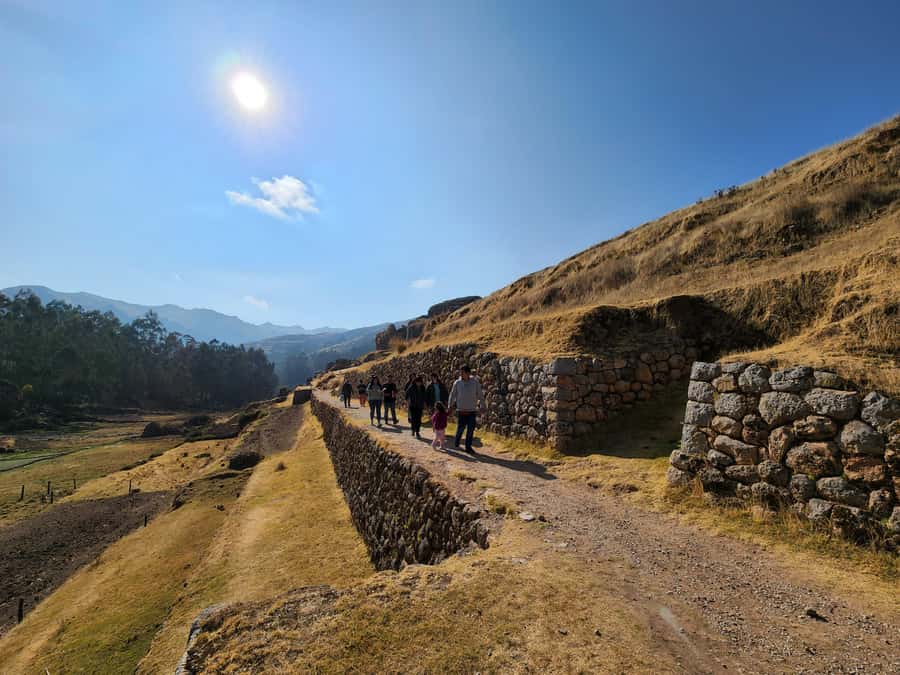
At noon, the tour stops at Urubamba for lunch. This isn’t a tiny snack stop designed to keep you moving—it’s a delicious Andean buffet lunch, and you’ll get about 45 minutes.
A good buffet matters in altitude travel. You want something satisfying and you want choices. This tour’s lunch is included, which helps value. Reviews also point out that the lunch options offer variety, and I can see why: after several site visits, being able to choose what sits right with you is a big quality-of-life win.
If you’re sensitive to timing, use this lunch break to reset. Eat, hydrate, and take a moment away from the group pace. It makes the final stop feel more enjoyable instead of “just getting through it.”
Ollantaytambo Fortress: Inca Stonework and Valley Views
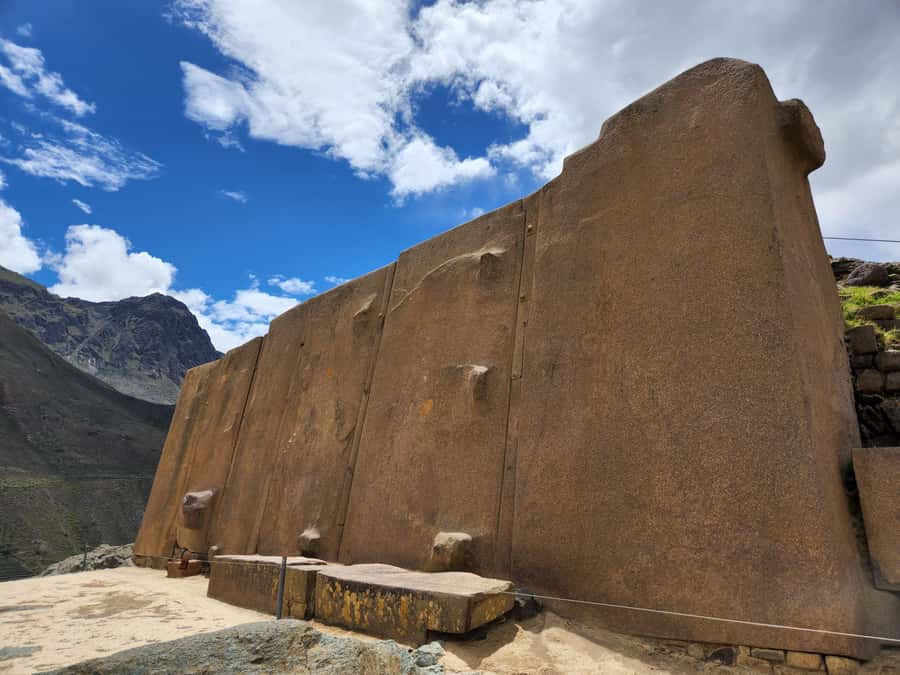
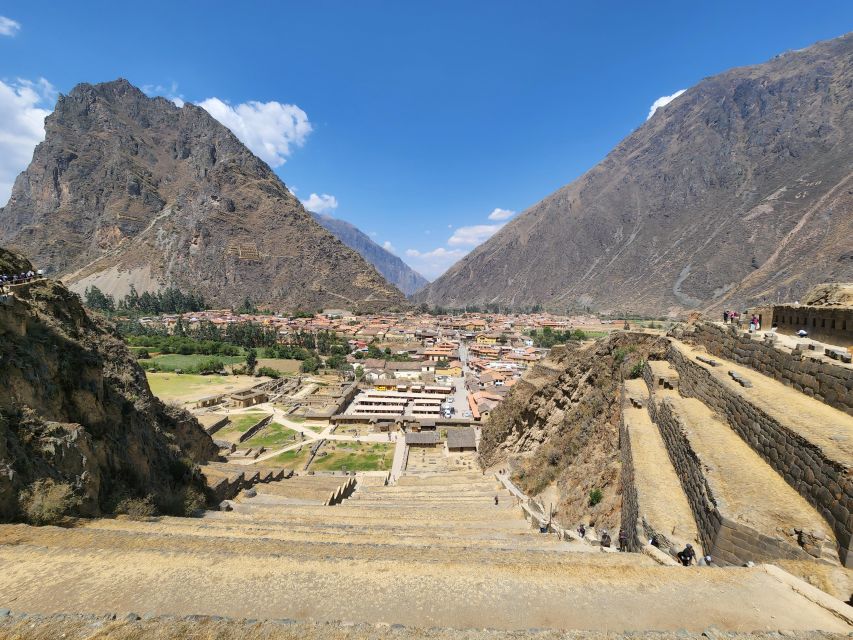
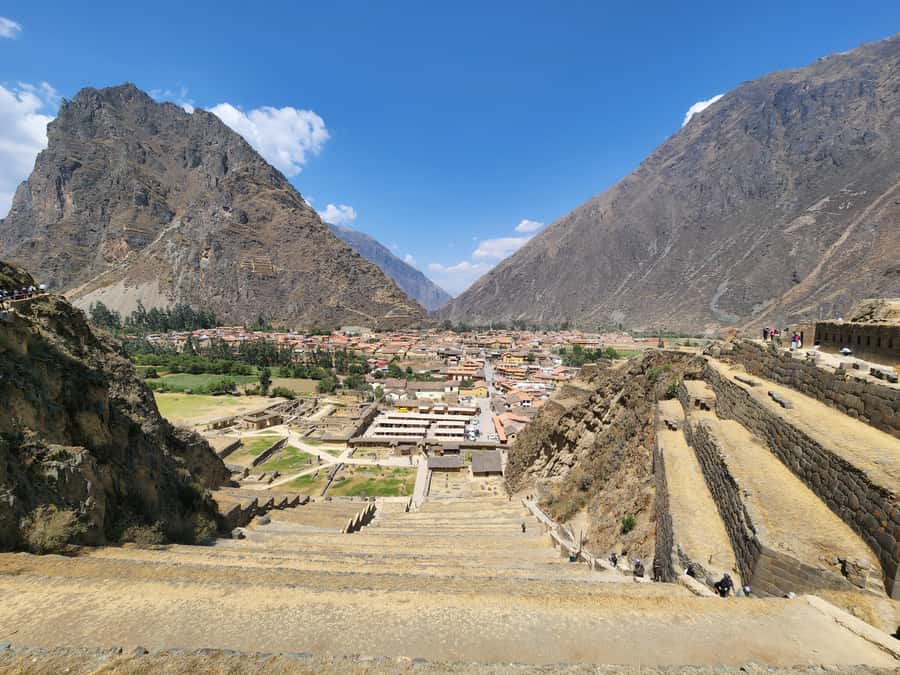
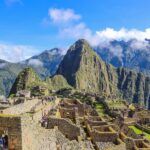
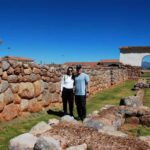
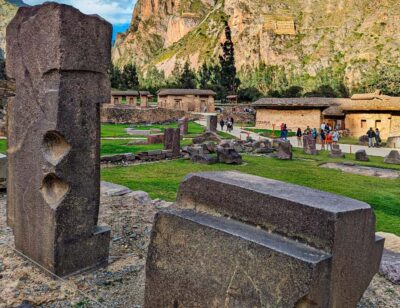
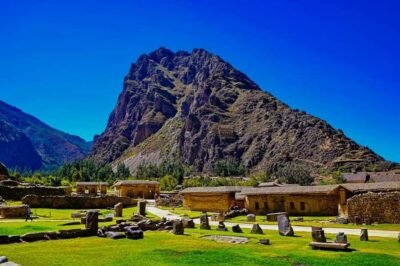
Ollantaytambo is a strong finish. The fortress area gives you impressive Inca architecture and design, plus spectacular views of the valley. You’ll have around 45 minutes here, including photo time and guided explanation.
This is where the day’s themes click. Earlier stops focused on resources and experimentation—wool textiles, agricultural terraces, and salt extraction. Here, the region’s strategic and built environment comes forward. The fortress design makes you think about control, defense, and how people shaped space in the Andes.
The views are also not just a bonus. Even in a short visit, the vantage points help you understand how the valley works—where settlements and travel routes likely mattered.
The tour ends at Ollantaytambo at 3:30 pm. You have the option to stay in the main square or take the train to Aguas Calientes. For anyone traveling toward Machu Picchu, this ending location is a practical advantage rather than a random drop-off.
Price and Logistics: Does $45 Add Up?
The tour price is $45 per person, which includes hotel pickup in Cusco, transportation, a guide, and a buffet lunch. For a full day with four major attractions, that’s a solid base package.
But don’t forget the two added entrance fees:
- Moray ticket: 70 soles
- Maras salt mines ticket: 20 soles
So the true all-in cost depends on those extra tickets, plus whatever spending you choose to do at sites (souvenirs, drinks, etc.). Still, the “included” pieces are meaningful: transportation across multiple sites, a live guide, and lunch remove a lot of planning stress.
Where the value really comes in is the balance between guide time and the number of places you cover. A well-led group can make short site windows feel informative instead of rushed. Reviews often highlight that guides provide clear explanations and that activities like the Chinchero textile learning feel like genuine added value rather than filler.
If you’re trying to maximize your time in the Sacred Valley without building a complex schedule, this is one of the more efficient ways to do it.
Who This Tour Suits Best (and Who Should Skip It)
This is a great match if you:
- Want a first-pass Sacred Valley day with major highlights
- Like tours that teach the “why” behind the sights, not only the “what”
- Need a day plan that ends in Ollantaytambo around mid-afternoon
- Prefer guided structure because Cusco Region logistics can be confusing at first
You might want to choose something else if you:
- Want lots of free time to linger in one place
- Are very sensitive to walking and short transitions (this tour moves you along consistently)
- Are in a group that needs slow pacing; the visit windows are capped
One more limit to note: the tour is not suitable for people over 70 years. If that affects you or someone in your party, it’s worth looking for an alternative with fewer stops or a slower schedule.
Booking With Midway Peru Adventures: What to Expect From the Guide
The tour runs with a live tour guide in English and Spanish. That matters more than it sounds, because you’re dealing with multiple sites where the context can make or break the experience.
In particular, guides on this route are often praised for clarity—names like Miguel and Richard come up in feedback for their explanations. That’s a good sign. When the guide can translate the meaning of terraces, fortifications, and extraction work into plain language, you get far more out of limited time.
Also, the “information on the bus” approach is smart for this kind of itinerary. It’s how the tour compresses multiple attractions without leaving you with empty gaps.
Should You Book This Sacred Valley Day Trip?
I’d book it if your goal is a smart, structured overview of the Sacred Valley that connects cleanly to your Machu Picchu plans. The best reasons are the mix of sites and the way the stops are explained: Chinchero’s textile learning, Moray’s agriculture-lab framing, Maras extraction context, and Ollantaytambo’s fortress views all give you a coherent day.
Skip it only if you hate pacing. This is not a “one place, all day” tour. It’s a “see it all, understand it, move on” day.
If that sounds like your style, this tour offers good value—especially because pickup and transportation are included and lunch is taken care of.
FAQ
What’s the duration of the tour?
The tour is listed as 9 hours.
Where does the tour start?
It includes hotel pickup in Cusco.
What does the price include?
The price includes hotel pickup in Cusco, transportation, a guide, and a buffet lunch.
Are entrance tickets included for Moray and Maras?
No. Entrance to Moray is 70 soles, and entrance to the Maras salt mines is 20 soles.
Is lunch included, and what kind is it?
Yes. Lunch is included as an Andean buffet in Urubamba.
What time does the tour end, and where?
The tour ends at Ollantaytambo at 3:30 pm.
Do I have options after the tour ends?
Yes. You can stay in the main square of Ollantaytambo or take the train to Aguas Calientes.
What languages are the live guides available in?
The live guide is available in English and Spanish.
Are drones allowed?
No, drones are not allowed.
Is this tour suitable for older adults?
It is not suitable for people over 70 years.
More Tour Reviews in Urubamba
More Pisac and Ollantaytambo
More Salt Pans and Terraces
Recent write-ups from around Urubamba, just off the trail
- 1 Day – Humantay Lake
★ 3.1 · 3 reviews - From Cusco: Salkantay trek 5 days/4 nights meals included
★ 4.0 · 3 reviews - Sun and Moon Tour
★ 4.5 · 3 reviews - From Cusco: Sacred Valley VIP Tour with Buffet Lunch
★ 4.7 · 3 reviews - From Cusco: Sacred Valley & Moray, Salt Mines with Lunch
★ 4.6 · 3 reviews
Maras & Moray Salt Mines, compared.
 ★ 4.8From Cusco: Sacred Valley & Maras Salt Mines Tour with LunchFrom $282,227 reviews
 ★ 4.8From Cusco: Moray, Maras Salt Mines & Chinchero Weavers TourFrom $151,925 reviews
 ★ 4.6Sacred Valley, Pisac, Ollantaytambo, Salt Mines MorayFrom $281,058 reviews
 ★ 4.8Chinchero,Moray & Salt Mines drop-off in OllantaytamboFrom $27793 reviews
 ★ 4.8Sacred Valley: Chinchero, Moray, Ollantaytambo & Pisac+LunchFrom $25501 reviews
 ★ 4.6Sacred Valley: Maras & Moray by Quad Bike from CuscoFrom $39418 reviews
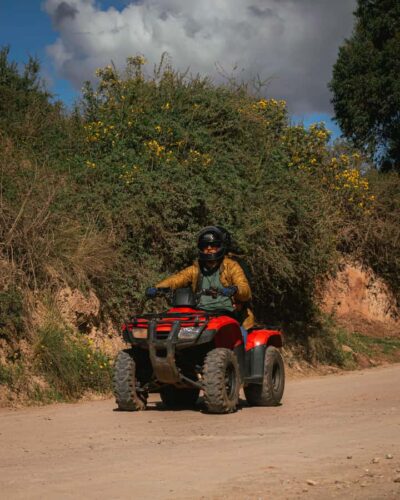 ★ 4.7From Cusco: Quad bike tour Moray and Salt MinesFrom $27314 reviews
 ★ 5.0From Cusco: Moray, Maras Salt Mines & Chinchero Weavers Half-DayFrom $15126 reviews
Browse the lists this tour appears in