
REVIEW · SACRED VALLEY TOURS
Cusco | Visit Maras, Moray, Chinchero, Pisac | Valle Vip
One day in the Sacred Valley, packed right. This Cusco-area circuit is a smart way to see five major Inca-and-colonial stops without wasting time, while a bilingual guide helps you connect the dots as you move from site to site. I like that it keeps the pace organized, not random, and it also builds in a proper lunch break so the day feels doable. One thing to consider: it’s a long day, and you’ll likely spend more time in transit than you’d get on a slower, single-site visit.
The itinerary is excellent for big highlights, but the tradeoff is time pressure. I’d also flag that the day can include a shopping stop that some people find a bit unnecessary, which can cut into how long you get at the ruins.
In This Review
- Key highlights worth your attention
- Why this 10-hour Cusco circuit is a good use of your time
- Getting the day started: the 6:30 a.m. pickup and how to prepare
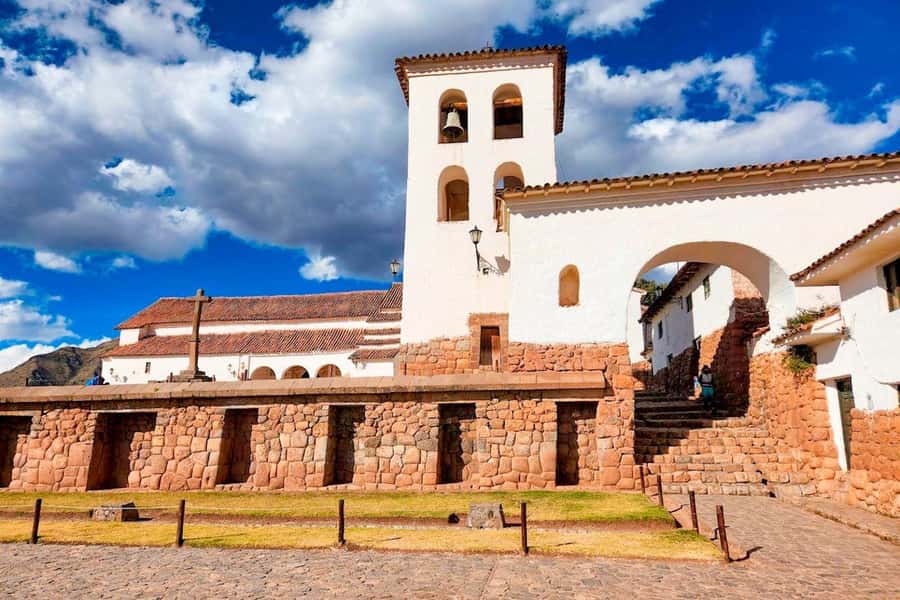
- Chinchero: where Indigenous tradition meets a colonial temple
- Moray and Maras salt ponds: terraces with a purpose, not just views
- Urubamba lunch break: a buffet that keeps the pace realistic
- Ollantaytambo ruins: a fortress town energy right in the middle of it
- Pisac archaeological center: terraces and the cemetery you don’t want to skip
- Price and logistics: is $43 good value once fees are added?
- Group size, the guide, and the one thing to watch for
- Who this tour suits best (and who should choose differently)
- Should you book this Cusco trip to Maras, Moray, Chinchero, and Pisac?
- FAQ
- How long is the tour?
- What time is hotel pickup in Cusco?
- Which sites are included in the day?
- Is lunch included?
- Are entrance fees included in the price?
- What language is the guide?
- How do they handle group size?
- Is this tour wheelchair accessible?
- What should I bring, and what is not allowed?
- Can I cancel for a refund?
Key highlights worth your attention
- Chinchero plus a colonial temple: you get both Indigenous craft traditions and the later Spanish layer in one place
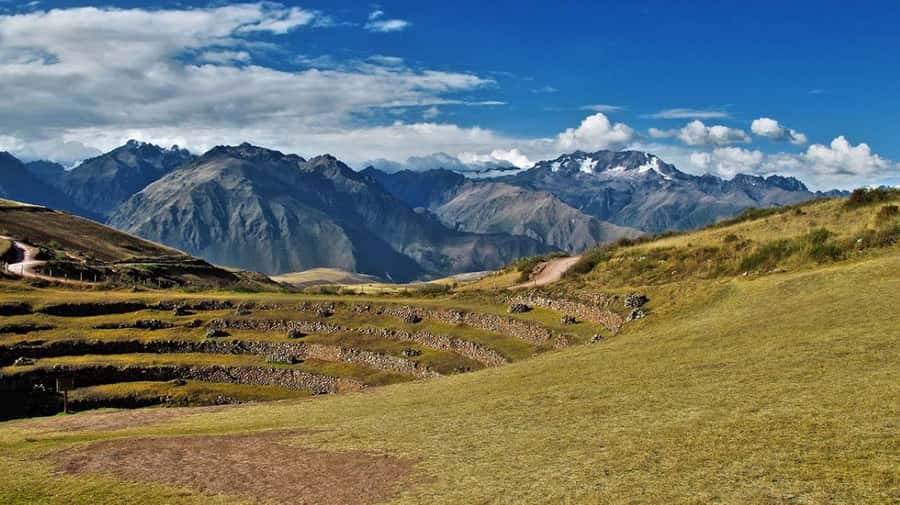
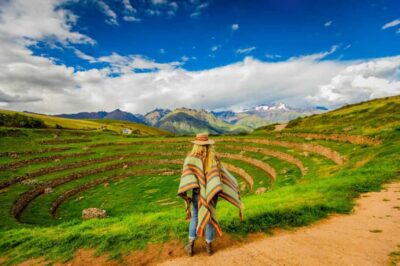
- Moray’s agricultural terraces: a rare look at how Inca farming experiments shaped microclimates
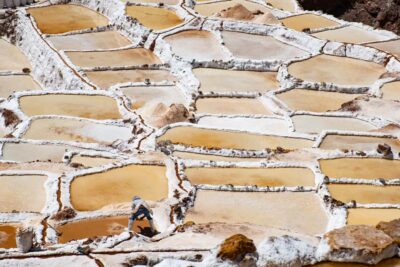
- Maras salt ponds: ancient salt production still operating with striking visual patterns
- Urubamba buffet lunch at leisure: a real break in the middle of the rush
- Pisac terraces and cemetery: a focused end to the day with strong on-site preservation
More of the Sacred Valley, village by village
- from Urubamba & Ollantaytambo:Sacred Valley Full-Day Private★ 4.9 · 31 reviews
- Super Sacred Valley★ 3.8 · 6 reviews
- Cusco: Sacred Valley and Salt Mines Ending in Ollantaytambo★ 4.6 · 5 reviews
- From Cusco: Sacred Valley VIP Tour with Buffet Lunch★ 4.7 · 3 reviews
Why this 10-hour Cusco circuit is a good use of your time

If you only have one full day in the Cusco region, this route is built for high payoff. You cover Chinchero, Moray, Maras salt ponds, Urubamba, Ollantaytambo, and Pisac in a single push, and that matters because the distances and winding roads can eat your time fast.
The best part is how the stops connect. You’re not just ticking boxes. You’re moving from town and temple (Chinchero), to experimental agriculture and salt production (Moray and Maras), to a classic valley hub for lunch (Urubamba), then to two major archaeological areas with different vibes (Ollantaytambo and Pisac). It’s a practical arc that helps you understand how people lived, farmed, traded, and built power in the Sacred Valley.
Getting the day started: the 6:30 a.m. pickup and how to prepare
Your day begins with a hotel pickup at 6:30 a.m. From there, you’re on the road toward your first stop, so you’ll want to be ready before the early wake-up feels real. This tour runs about 10 hours, and you’ll return to Cusco around 7:00 p.m.
To make the day easier on your body:
- Wear comfortable shoes you can walk in for long stretches on uneven ground.
- Bring water and keep it accessible. Even with breaks, you’ll be moving most of the day.
- Pack a camera if you like documenting terraces, stonework, and the geometric look of the salt ponds.
- Dress in comfortable layers, since mornings and late afternoons can feel cooler at elevation.
Also note the rules: no alcohol and no drugs. It’s usually a straightforward, respectful day, but it helps to know what’s not allowed.
Chinchero: where Indigenous tradition meets a colonial temple
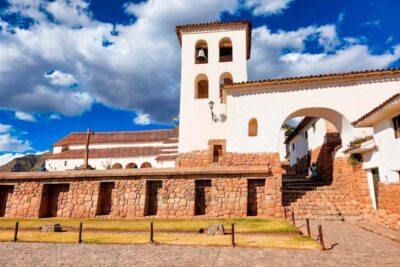
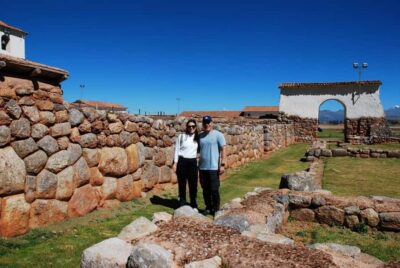
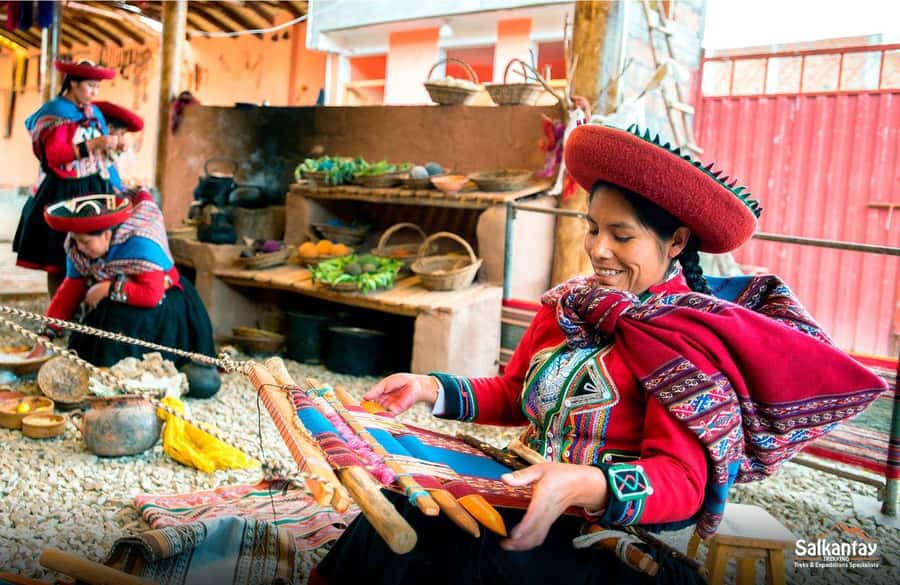
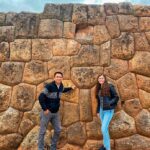
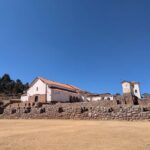
Chinchero is your first major archaeological stop, and it’s a strong way to begin because it blends two worlds. You’ll explore archaeological centers alongside a colonial temple in the same general area.
Why I like this start: it gives you an early “anchor.” Many Sacred Valley routes hit Inca sites first and leave the Spanish layer for later. Here, you get the colonial presence up front, which makes the whole region feel more historically grounded. You’re seeing how new influences sat on top of older ones instead of treating them like separate chapters.
Practical consideration: because this is the first stop of the day, you’ll want to be awake mentally and physically. The first hour sets the tone. If you’re dragging, you’ll miss details in stonework and the layout around the temple and archaeological areas.
Moray and Maras salt ponds: terraces with a purpose, not just views
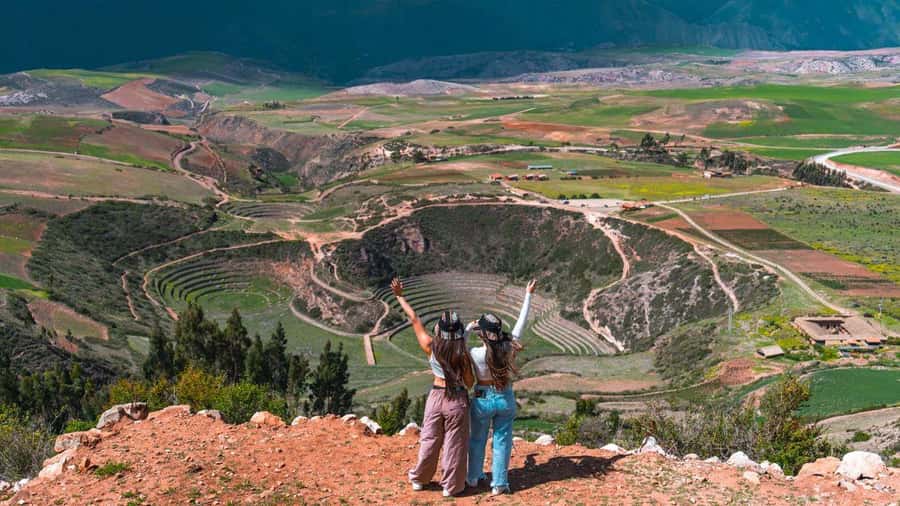
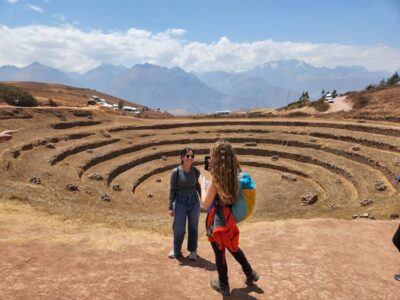
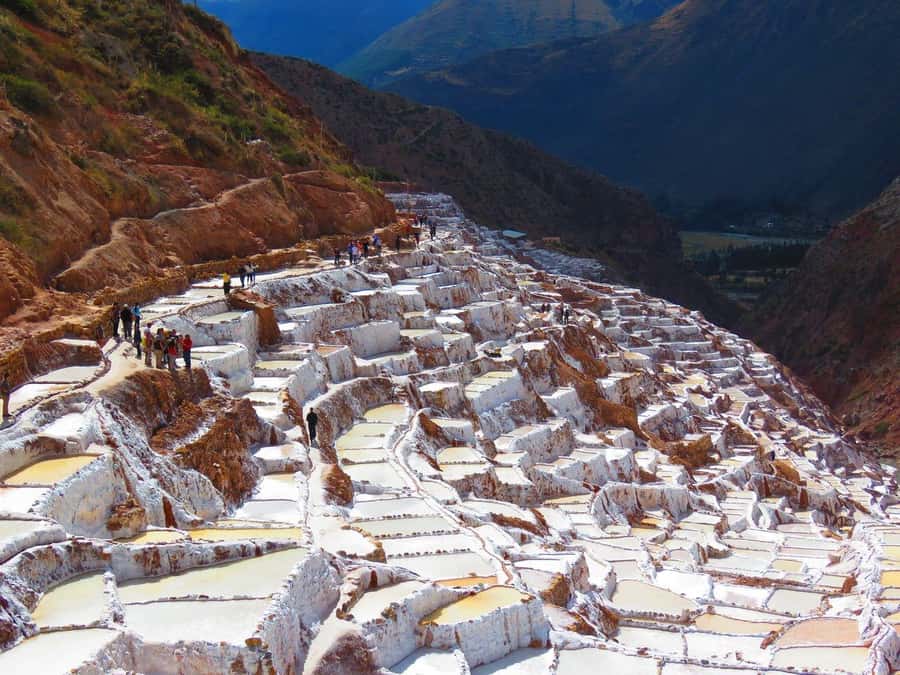
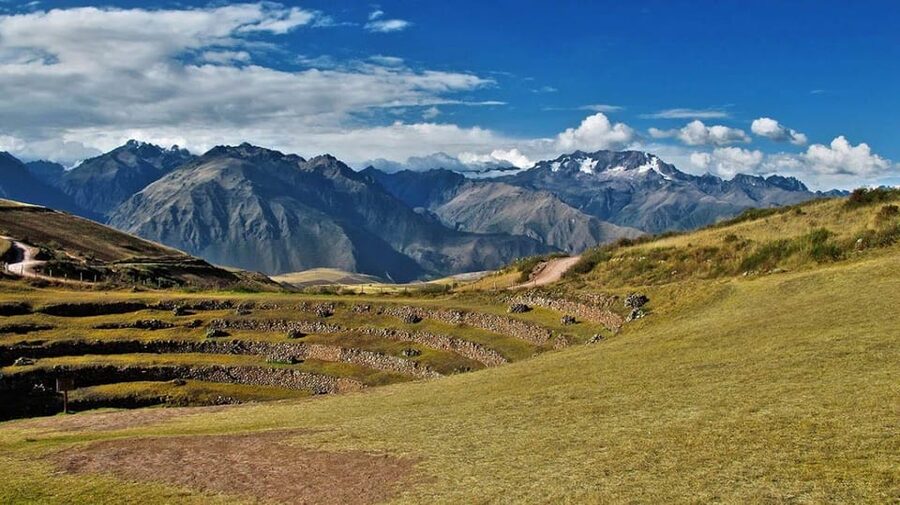
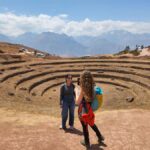
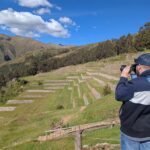
Next comes Moray and the famous agricultural terraces. These weren’t built just for looks. The terraces are part of how Inca farmers used microclimates to grow different crops in the same area. Standing there helps you see why the Inca approach to agriculture was so methodical.
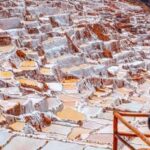
Right after Moray, you’ll head to the salt ponds, an operation exploited since Inca times. The salt ponds have that rare mix of function and pattern. From certain angles, they look almost like a design grid across the hillsides, but it’s still a working landscape.
What to watch for:
- Take your time with the terrace contours at Moray. The shape is the point.
- At the salt ponds, keep your camera ready, but don’t rush past the view lines. The geometry is best when you step back and look across the pond layout.
Time reality: this part of the day can feel brisk because the day is packed. If you’re the type who loves soaking up every viewpoint, you’ll have to choose your favorite angle and focus your attention there.
More Maras salt pans and Moray terraces
Urubamba lunch break: a buffet that keeps the pace realistic
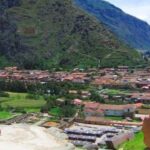
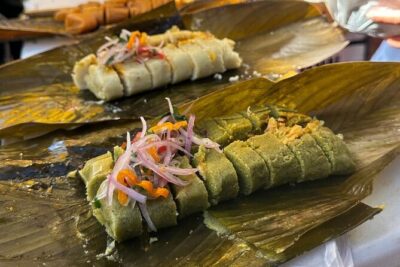
After the morning highlights, you’ll reach Urubamba, where you enjoy an Andean buffet lunch at leisure. This is one of the most valuable inclusions on the whole tour because it prevents the day from turning into a constant snack-and-go routine.
Also, buffet lunch matters for practical travel reasons:
- You’re not stuck waiting for a single plated meal.
- You can eat at your own pace, which helps after uneven walking and early timing.
- It’s a calmer pocket of the day, so you can reset before the archaeological stops later.
If you’re sensitive to crowds or noise, this is a good section of the day to breathe and just eat without rushing.
Ollantaytambo ruins: a fortress town energy right in the middle of it
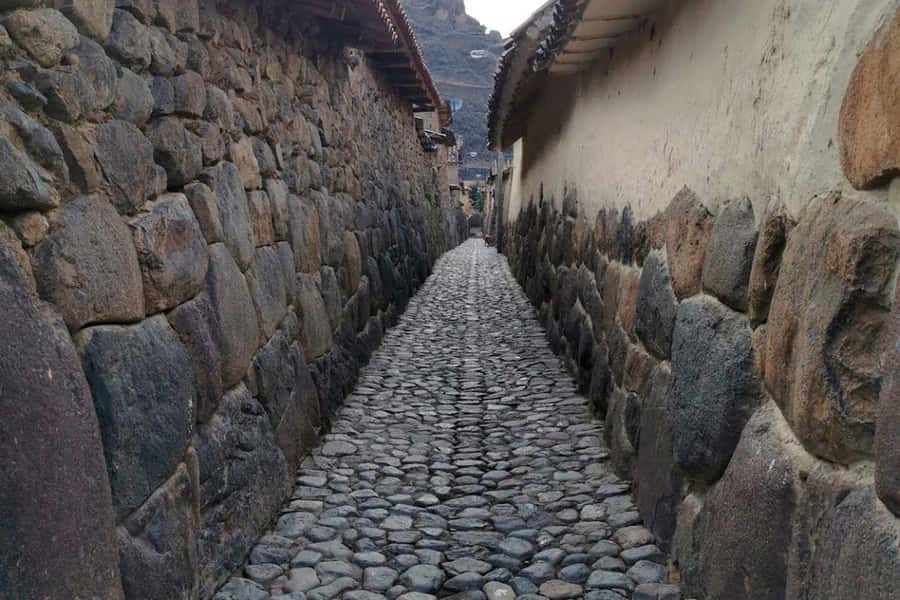
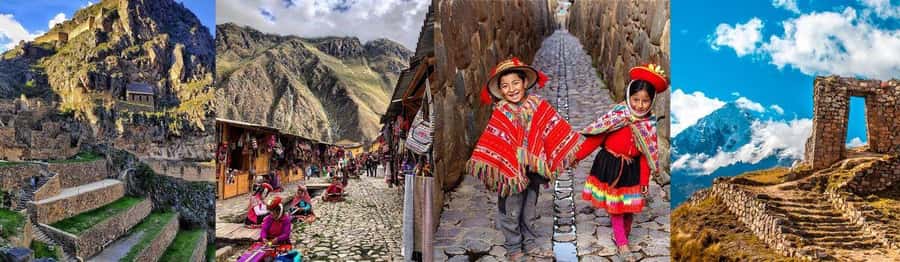
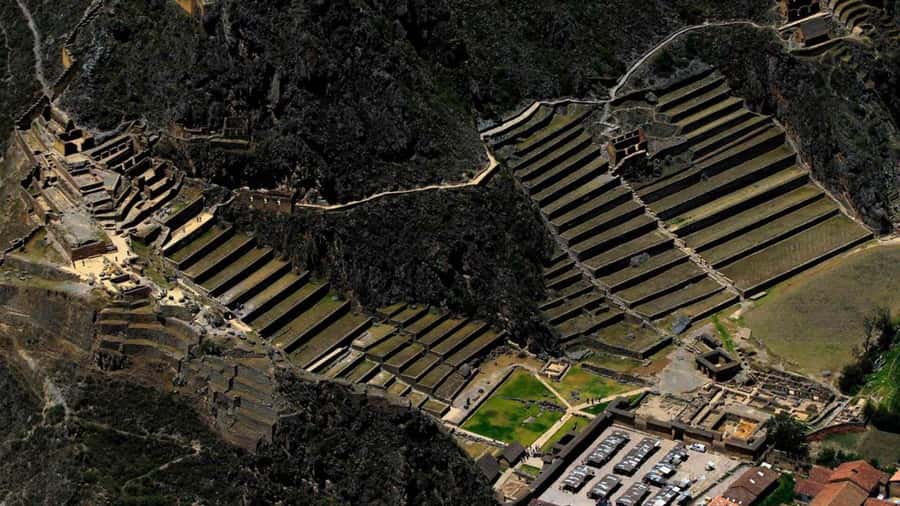
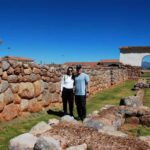
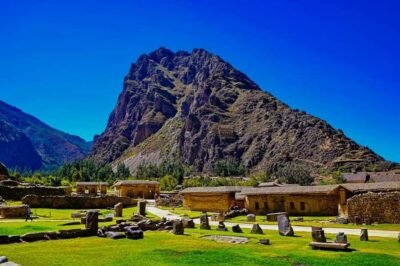
Ollantaytambo is next, and it brings a different feel than Chinchero. Here, you’ll explore the archaeological ruins in the town area.
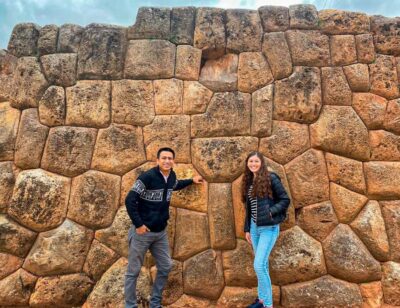
This stop works well later in the day because your eyes have already learned what to look for: stone construction, layout, and how people moved through space. Ollantaytambo also sits near the rail access for Aguas Calientes, so the town has a steady flow of people connected to Machu Picchu plans. Even if you’re not taking that train, the location gives the ruins an extra sense of continuity between old-world architecture and modern travel routes.
One consideration: if your group is larger, this stop can feel busy. You’ll still see the key ruins, but you might have less breathing room for photos and slower looking.
Pisac archaeological center: terraces and the cemetery you don’t want to skip
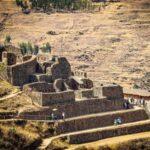
Your day ends at the archaeological center of Pisac, one of the best places on the circuit to slow down and appreciate preservation. You’ll see numerous Andean terraces and what’s described as the best preserved Andean cemetery in the region.
Pisac is a strong closer because the site gives you space to reflect. Terraces show how geography shaped life, and the cemetery adds a solemn layer that makes the stone feel more connected to people than just architecture.
Practical tip: the end of a long day is when people rush. Don’t. Pisac is the sort of place where even one or two extra minutes looking carefully can change how you remember it.
Price and logistics: is $43 good value once fees are added?
The headline price is $43 per person, and that’s fairly reasonable for a day that includes hotel pickup in Cusco, round-trip transportation, an on-the-ground bilingual guide, and an Andean buffet lunch.
The catch is entrance fees. These are not included:
- Sacred Valley entrance fees: 70 soles
- Maras entrance fees: 20 soles
So the total cost you should plan for is higher than $43 once you budget for sites. That said, the tour still offers value if you want everything handled for you: transport timing, guiding, and a structured route that covers multiple major areas.
When this price makes sense:
- You want one-day efficiency without hiring separate guides for each stop.
- You value interpretation in English and Spanish rather than relying only on self-guided notes.
- You like having a lunch included so you don’t spend the day hunting for food.
When you might reconsider:
- If you hate shopping interruptions (more on that below) or want a strictly ruins-only day.
- If you already plan to visit these sites independently and don’t need guided context.
Group size, the guide, and the one thing to watch for
This is sold as a small group experience, and a bilingual guide runs the day in Spanish and English. In at least one case, the guide named Vergilio was noted for keeping the flow under control, which is a real quality when you’re juggling early pickup, multiple sites, and a late return.
Still, group dynamics can matter a lot on a multi-stop day. The difference between a manageable group and a crowded one shows up fast—especially at viewpoints and indoor-feeling temple areas.
The other item to consider is the end-of-tour shopping element. One review flagged an end tour sales stop in a jewelry store, described as unnecessary. If you know you’ll feel uncomfortable with that, plan to politely decline, and focus your attention on what you came for: Chinchero, Moray, the salt ponds, Ollantaytambo, and Pisac.
Who this tour suits best (and who should choose differently)
This day trip is ideal if:
- You want a one-day overview of major Cusco region highlights.
- You enjoy guided context and want someone to point out what matters at each stop.
- You’re comfortable with long travel and early morning timing.
It may not be a great fit if:
- You need wheelchair access, because the tour is not suitable for wheelchair users.
- You’re older and want a lower-impact day; it’s listed as not suitable for people over 95 years.
- You prefer slow-paced wandering at one or two sites rather than moving through five in a day.
Should you book this Cusco trip to Maras, Moray, Chinchero, and Pisac?
I’d book it if you have one day and you want structure. The combination of Moray terraces, the salt ponds, and a strong end at Pisac is exactly the kind of route that helps you understand the Sacred Valley beyond postcards. The included buffet lunch and round-trip transport also lower the stress level, which is a big deal on a 10-hour schedule.
I’d think twice if you want a totally ruins-only day or if shopping stops will bother you. In that case, confirm what the final stop looks like and be ready to move on politely.
FAQ
How long is the tour?
The tour lasts 10 hours.
What time is hotel pickup in Cusco?
Pickup is at 6:30 a.m.
Which sites are included in the day?
You visit Chinchero, Moray, the salt ponds at Maras, Urubamba (lunch area), Ollantaytambo, and Pisac.
Is lunch included?
Yes. You get an Andean buffet lunch in Urubamba.
Are entrance fees included in the price?
No. Entrance fees are listed as 70 soles for Sacred Valley and 20 soles for Maras, and they are not included.
What language is the guide?
The guide provides live interpretation in Spanish and English.
How do they handle group size?
The activity is described as a small group. (The provider lists it as limited to 1 participant, so it’s smart to check what your specific departure looks like.)
Is this tour wheelchair accessible?
No. It is not suitable for wheelchair users.
What should I bring, and what is not allowed?
Bring comfortable shoes, a camera, water, and comfortable clothes. Alcohol and drugs are not allowed.
Can I cancel for a refund?
The tour offers free cancellation up to 24 hours in advance for a full refund, and you can reserve now and pay later.
More Pisac and Ollantaytambo
More Salt Pans and Terraces
Deeper Into the Sacred Valley
Recent write-ups from around Urubamba, just off the trail
- 1 Day – Humantay Lake
★ 3.1 · 3 reviews - From Cusco: Salkantay trek 5 days/4 nights meals included
★ 4.0 · 3 reviews - Sun and Moon Tour
★ 4.5 · 3 reviews - From Cusco: Sacred Valley VIP Tour with Buffet Lunch
★ 4.7 · 3 reviews - From Cusco: Sacred Valley & Moray, Salt Mines with Lunch
★ 4.6 · 3 reviews
Sacred Valley Tours, compared.
 ★ 4.8From Cusco: Sacred Valley & Maras Salt Mines Tour with LunchFrom $282,227 reviews
 ★ 4.6Sacred Valley, Pisac, Ollantaytambo, Salt Mines MorayFrom $281,058 reviews
 ★ 4.8Sacred Valley: Chinchero, Moray, Ollantaytambo & Pisac+LunchFrom $25501 reviews
 ★ 4.6Sacred Valley: Maras & Moray by Quad Bike from CuscoFrom $39418 reviews
 ★ 4.6From Cusco: 2-Day Trip to the Sacred Valley and Machu PicchuFrom $370265 reviews
 ★ 4.8Sacred Valley Pisaq,Ollantaytambo,Chinchero with LunchFrom $28183 reviews
 ★ 4.5Full-Day Excursion to Sacred Valley, Pisac and Ollantaytambo from CuscoFrom $47174 reviews
 ★ 5.0Food and Culture Full day Tour in the Sacred ValleyFrom $200144 reviews
Browse the lists this tour appears in