
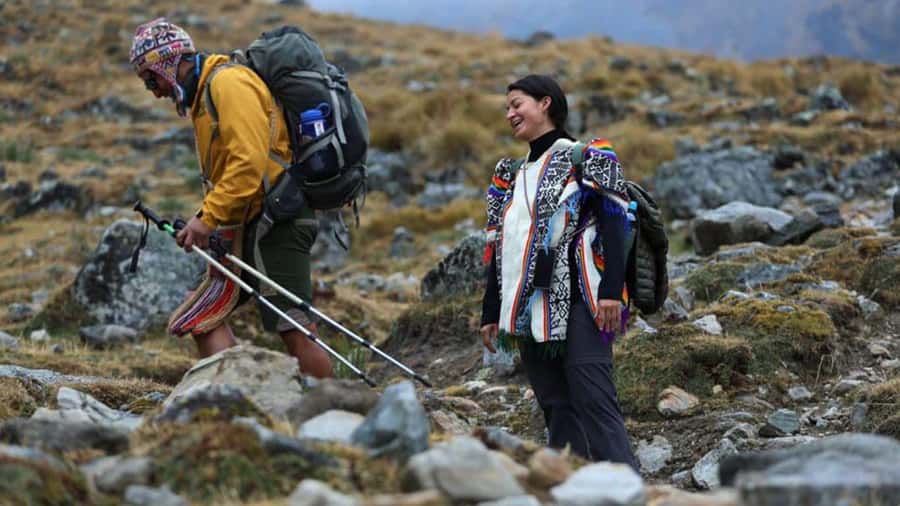
REVIEW · SALKANTAY TREK
From Cusco: Salkantay trek 5 days/4 nights meals included
Five days, two worlds of altitude.
This Salkantay trek is the kind of Peru trip that really earns its hype: you cross dramatic terrain between Humantay Lake country and the high Salkantay Pass (4,650m), then you arrive at Machu Picchu through the long, satisfying approach most people miss. I love the mix of big scenery with real trail time, and I love that meals are handled well enough that you can focus on walking instead of hunting food. One drawback to plan for: it’s a serious hike, and you’ll want solid shoes and good fitness, especially on the pass day and the early stairs at Machu Picchu.
On this route, you don’t just “see” Machu Picchu—you work toward it. You’ll start early most days, sleep close to nature (with cabins for the first two nights and camping afterward), and follow the old paths that connect the Andes to the Inca citadel. The small group size (up to 18) also helps your guide keep things organized when timing matters.
If you’re the kind of traveler who gets motion-sick on steep roads or you’re not comfortable with high-altitude trekking, this might feel like a tough match. The tour isn’t recommended for pregnant travelers or anyone with mobility impairments, and the altitude makes pacing part of the deal.
In This Review
- Key highlights that make this trek worth it
- Why the Salkantay route feels different than a basic Machu Picchu day trip
- Price and what you’re really paying for ($460)
- Day-by-day: the route you’ll follow and what each stop means
- Day 1: Cusco → Soraypampa → Humantay Lake → Quiswarniyoc camp
- Day 2: Quiswarniyoc → Salkantay Pass (4,650m) → Wairacmachay → Cchaullay camp
- Day 3: Chaullay → Playa Sahuayaco → Santa Teresa → optional hot springs
- Day 4: Lucmabamba → Llactapata ruins → Hidroeléctrica → Aguas Calientes
- Day 5: Machu Picchu main gate around 6:00am, then back to Cusco
- Camping comfort: cabins the first nights, real camping after
- Food quality: the thing that keeps your legs moving
- Fitness reality check: you’ll want strong legs and good timing
- Practical tips: Humantay Lake, hot springs, and the extra costs that pop up
- Group size, guide support, and what to expect if things shift
- Who should book this Salkantay trek—and who should skip it
- Should you book this 5-day Salkantay trek?
- FAQ
- What is included in the 5-day trek price?
- How hard is the trek, and is it for beginners?
- Do I need to pay extra fees during the trek?
- Are meals vegetarian or vegan friendly?
- What sleeping arrangements should I expect?
- Is Machu Picchu entry and guiding included?
- Can I cancel for free?
Key highlights that make this trek worth it
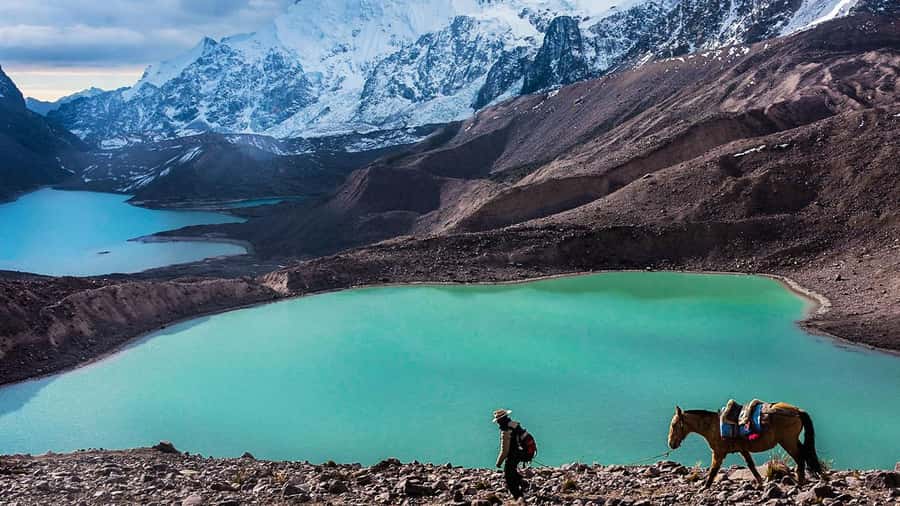
- Salkantay Pass at 4,650m: the highest point is the payoff moment, with huge views and cold air to remind you you’re in the Andes.
- A small Andean ritual: you’ll learn about mountain gods and take part in a ritual led with the guide.
- Cabins + camping: the first two nights are in Mountain Sky cabins with thick mattresses, then you move into true camping.
- Food you’ll actually look forward to: a professional chef and kitchen team keep refueling real, even on tough days.
- Llactapata viewpoints, then the classic track walk: the approach to Aguas Calientes is long, but it’s part of the story.
- Early guided Machu Picchu visit: you’ll reach the main gate around 6:00am and get a structured tour of the main features.
Still shaping the itinerary? Here are more Urubamba tours we have written up.
- Cusco:Sacred Valley Pisaq,Ollantaytambo,Chinchero with Lunch★ 4.8 · 183 reviews
- Machu Picchu: Group Guided Tour★ 4.7 · 102 reviews
- Machu Picchu: Tour Guide Service & Entrance Ticket Circuit-2★ 4.6 · 90 reviews
- From Cusco: Chinchero, Moray, Maras and Ollantaytambo★ 4.5 · 83 reviews
Why the Salkantay route feels different than a basic Machu Picchu day trip
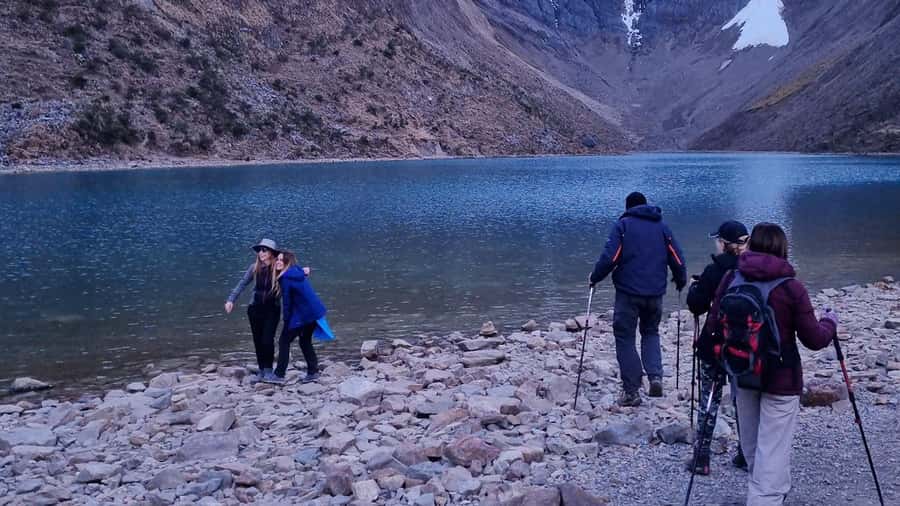
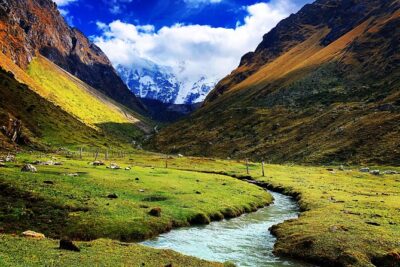
Machu Picchu is amazing, yes. But the best feeling on this trek is how the scenery keeps changing while your body keeps adjusting. You start around Cusco’s altitude, then you climb toward colder high passes, and later you drop into warmer valleys that can feel almost like a climate switch.
That change is the point. On days like the Salkantay Pass crossing and the Santa Teresa valley hike, you’ll notice the Andes doesn’t “look the same” for long. It’s a moving experience: rock, clouds, temperature, and vegetation shift as you go. And because you’re walking most of it, the final arrival at Machu Picchu feels earned, not delivered.
Price and what you’re really paying for ($460)
At $460 per person, this is not a budget hike. You are paying for a lot that usually costs extra if you piece things together yourself: guide, a full set of meals, camping gear support, private transport to trailheads, and the Machu Picchu entrance and guided tour.
Here’s the value angle in plain terms:
- You get 4 breakfasts, 4 lunches, and 4 dinners—so your energy plan is built in.
- Your trip includes 3 nights of camping plus 1 night in Aguas Calientes, with cabins for the first two nights.
- Machu Picchu is not tacked on as an afterthought. You get the ticket and a guided tour once you reach the citadel.
- A chef and kitchen team are part of the package, which matters a lot on multi-day treks.
And there’s one detail that can make or break your comfort: a duffel bag up to 7 kilos is transported by horses for the first three days. That means you can carry less, and spend your effort on the trail instead of hauling everything yourself.
Day-by-day: the route you’ll follow and what each stop means
Day 1: Cusco → Soraypampa → Humantay Lake → Quiswarniyoc camp
You’ll leave Cusco early, around 5:45am, with a drive of about 2 hours to Mollepata. After breakfast there, you continue for roughly 1 hour to Soraypampa, then begin the main uphill walk of about 2 hours to Humantay Lake.
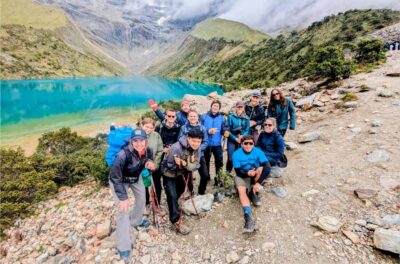
Humantay is famous for a reason: the walk sets the tone for the whole trek, and the lake views give you that early “wow” before you even reach the real high pass. Afterward, you head downhill for about 2 hours and have lunch in Quiswarniyoc, then you get some free time before sleeping at the camp.
One practical catch: the Humantay Lake entrance fee is not included (20 soles). If you want it, bring cash for this day.
A last few Urubamba tours and experiences to fold into the trip
Day 2: Quiswarniyoc → Salkantay Pass (4,650m) → Wairacmachay → Cchaullay camp
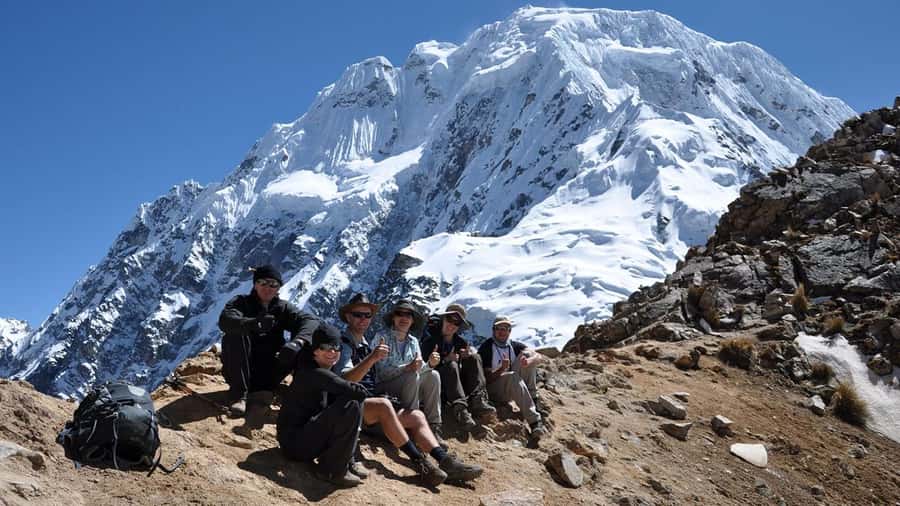
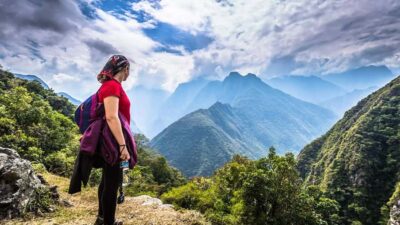
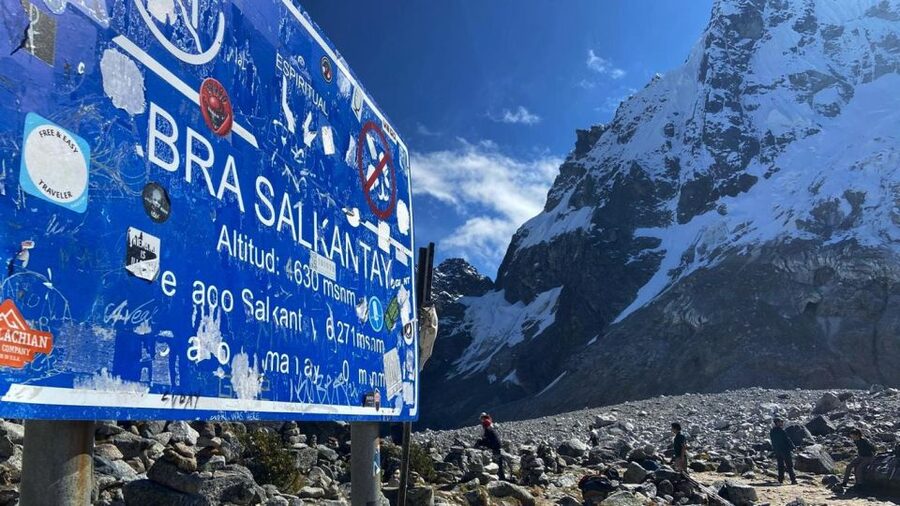
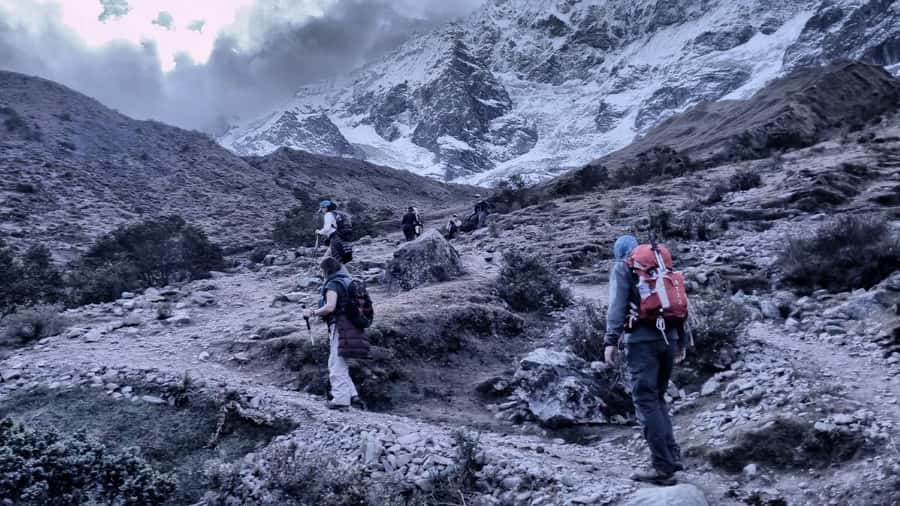
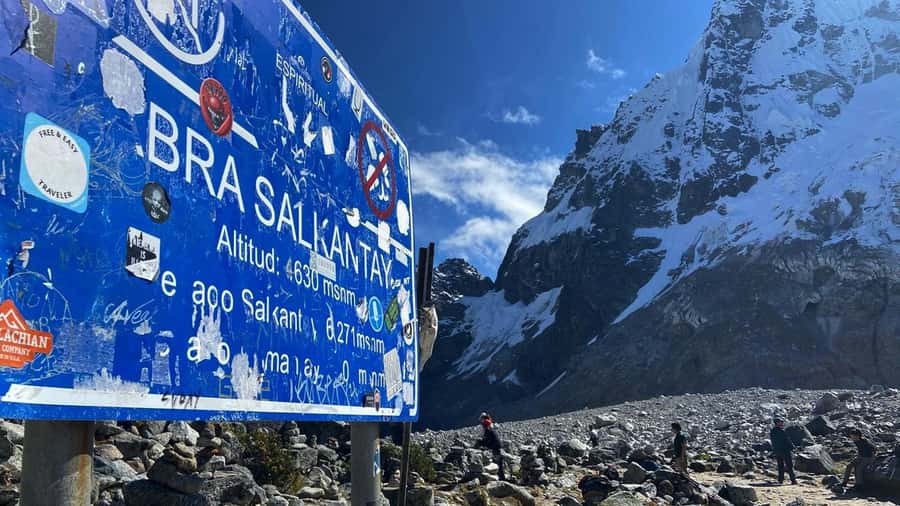
This is the “earned suffering” day. After breakfast, you start walking for about 4 hours to reach the Salkantay Pass at 4,650 meters. At that altitude, you’ll feel the cold and thin air even if the views are clear.
Then you descend for about 4 hours to Chaullay (2,900m), your second camping stop. The tour includes camping equipment here, plus hot tea and dinner, so you’re not stuck improvising after a long drop.
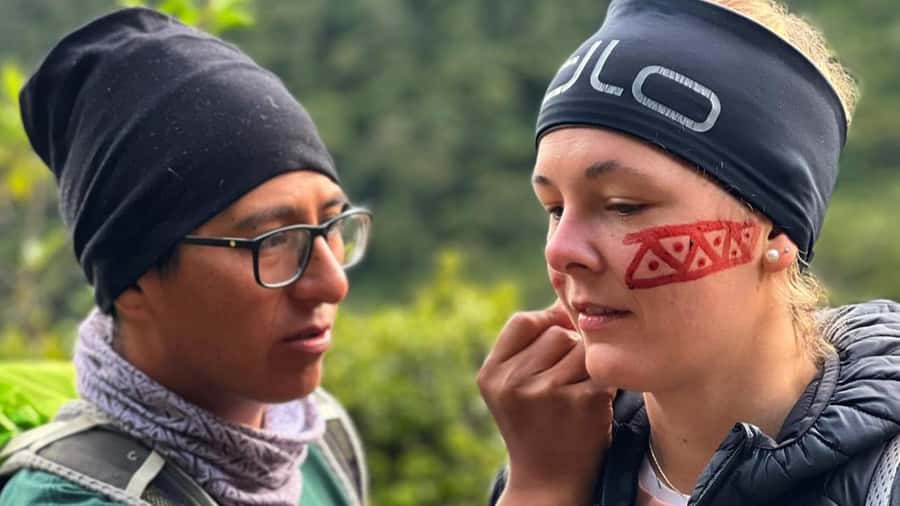
This is also where the tour’s cultural element matters. You’ll learn about mountain gods and take part in a small Andean ritual during the trek experience, led with the guide. It’s a meaningful pause in a schedule that otherwise stays focused on walking.
Day 3: Chaullay → Playa Sahuayaco → Santa Teresa → optional hot springs
You’ll have breakfast, then walk roughly 5 hours through the Santa Teresa Valley shaped by the Salkantay River. This is a calmer day than the pass, but it still has time-on-your-feet energy. After the hike, you reach Playa Sahuayaco and take tourist transport to the third camp at Santa Teresa.
At camp, you eat lunch, and then you have an optional chance to visit hot springs near the area (Colcamayo, about 15 minutes by car). The hot springs aren’t included in the package price, so budget the extra if you want the soak.
This day is a recovery rhythm. The valley walking and later warm break can make the next day feel much more manageable.
Day 4: Lucmabamba → Llactapata ruins → Hidroeléctrica → Aguas Calientes
Day 4 starts early with breakfast around 5:30am, then you take transport (about 45 minutes) to Lucmabamba.
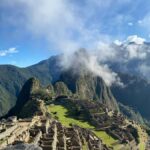
From there it’s about 3 hours uphill to the Inca ruins of Llactapata. This is one of the best “peek at the prize” moments. From Llactapata, you’ll get views toward Machu Picchu and Huayna Picchu Mountain, which helps your brain understand what you’re walking toward.
After Llactapata, you walk downhill for about 2 hours to Hidroeléctrica for lunch. Then comes the long, distinctive section: about 3 hours walking along the train tracks to Aguas Calientes.
This track walk can feel long, but it’s also oddly satisfying. It’s the transition from high-country trekking to the Machu Picchu staging zone, with the town waiting at the finish line.
In Aguas Calientes, you’ll have time to rest and eat dinner (your day plan includes an evening meal time).
Day 5: Machu Picchu main gate around 6:00am, then back to Cusco
Wake-up is around 4:00am. You’ll get a packed breakfast and start walking about 30 minutes to the Puente Ruinas checkpoint, where you show your passport, Machu Picchu ticket, and student ID if applicable.
After the first checkpoint, you climb stairs for about 1 hour to the main gate, arriving around 6:00am.
Then the best part: a guided visit of about 2.5 hours at Machu Picchu, covering the main features such as the main square, urban sector, circular tower, solar clock, and Inca cemetery. Once the tour ends, you move back to Aguas Calientes, and then return toward Cusco (the return is by train or walking/car, depending on your choice).
Camping comfort: cabins the first nights, real camping after
This isn’t the kind of trek where you fear sleeping arrangements every evening.
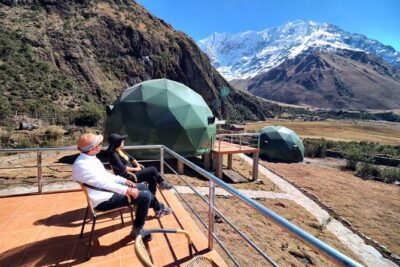
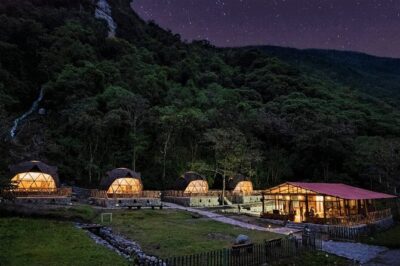
For the first two nights, you’ll stay in Mountain Sky cabins with thick mattresses. There’s also mention of glass door plus night and panoramic lighting, which helps the cabins feel more like a protected base than a rough shed.
After that, you camp outdoors for 3 nights, with camping equipment provided. There’s also a personal pad (double foam, 2.5 inches thick). The one missing piece is sleeping bags: if you don’t have one, you can rent with the tour for 10 USD.
If you tend to get cold at night, don’t treat the sleeping bag option as “nice to have.” High elevations can mean chilly evenings, and your comfort affects next-day walking.
Food quality: the thing that keeps your legs moving
A multi-day trek lives or dies by meals. This one includes meals daily: breakfasts, lunches, and dinners, handled by a professional chef and kitchen team.
That matters because you’re not only hiking—you’re also managing altitude fatigue and keeping your body fueled for long stretches. The tour design means your food shows up when you need it: after the pass day, during the Santa Teresa recovery walk, and during the long travel day into Aguas Calientes.
In one experience, the food stood out as a highlight, with a chef putting serious effort into meals and even finishing with a dessert like a cake. Even if your exact menu varies, the point is consistent: the kitchen team is a real part of the value.
Fitness reality check: you’ll want strong legs and good timing
This trek is for people who are actually excited to walk.
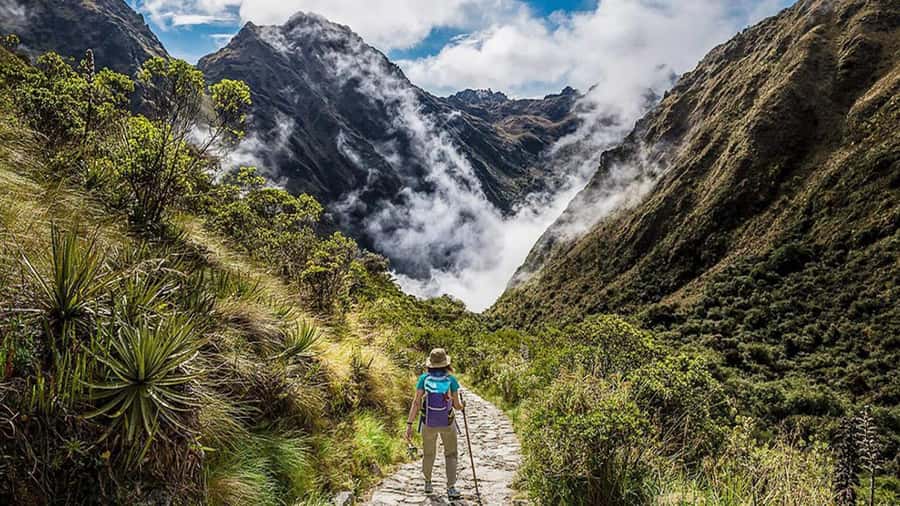
You’ll cross major elevation changes, with the most intense segment being the climb to the Salkantay Pass and the long, continuous days around it. On top of that, the Machu Picchu morning includes a stair climb after the checkpoint.
The biggest practical tip is footwear. Bring comfortable, well-broken-in hiking shoes with decent grip. You’ll also want long pants and hiking pants from your packing list, plus a jacket and sunscreen. Day-to-night temperature swings are part of the deal here.
If you’re new to hiking at altitude, pace yourself early. Start slower than you think you need to, because the pass day punishes ego.
Practical tips: Humantay Lake, hot springs, and the extra costs that pop up
The tour includes a lot, but a few add-ons are not included:
- Humantay Lake entrance: 20 soles
- Hot springs of Santa Teresa/Colcamayo area: 10 USD
- Sleeping bag: rent for 10 USD if needed
- Transport up/down between Aguas Calientes and Machu Picchu: 24 USD (if you choose that option)
A smart budgeting move is to bring some cash for the spots that use local fees. Also, the tour includes a list of helpful items: insect repellent, sunglasses, camera, swimwear (so there’s likely an opportunity you’ll want it), and hiking-ready clothes.
One more timing note: you’ll show your passport at Machu Picchu’s checkpoint. Keep it where you can reach it fast when morning pressure hits.
Group size, guide support, and what to expect if things shift
The tour runs as a small group, limited to 18 participants, and you’ll have a professional guide working in English/Spanish.
In an ideal world, your guide stays with your group all day long, giving explanations and keeping the pace smooth. But on long treks, health can be unpredictable. If a guide’s availability changes, it can affect how much explanation you get at certain moments—though the route and meals still move forward as planned.
My advice: ask questions early. If you want cultural context about mountain gods, Inca sites, or what you’re seeing from Llactapata, get those answers before you get tired.
Also, take advantage of the pre-departure briefing. There’s a briefing the evening before departure at 7:00pm, which is a good time to confirm what you should carry, how the duffel-horse transport works, and how to handle Machu Picchu entry morning.
Who should book this Salkantay trek—and who should skip it
Book it if:
- You love hiking and want the Andes experience, not just the highlight photo at the end.
- You want meals handled, a guided Machu Picchu visit, and a structure that keeps you moving safely.
- You’re excited by the cultural layer (mountain gods + small Andean ritual) as part of the journey.
Skip it if:
- You don’t handle altitude trekking well, or you’re looking for a gentle walk.
- You have mobility limitations or you’re pregnant (this tour states it’s not suitable).
- You want a fully comfortable, low-foot-traffic trip. This is an active itinerary.
If you’re the kind of traveler who enjoys doing things the harder way because the payoff feels real, you’ll be happy here.
Should you book this 5-day Salkantay trek?
I’d book it if you’re ready for real hiking and you care about doing Machu Picchu with context. The combination of pass crossing, valley trekking, Inca ruins viewpoints at Llactapata, and a guided Machu Picchu morning makes this more than a transportation-and-ticket package.
But don’t book it if you’re hoping for an easy walk. This trek rewards preparation: good shoes, realistic fitness, and planning for chilly nights and long days.
If you match that profile, you’ll likely feel the difference on day 5. When you see Machu Picchu at sunrise, it won’t feel like you arrived by luck. It’ll feel like you earned your way there.
FAQ
What is included in the 5-day trek price?
The price includes pickup from your Cusco hotel, private transportation to the trail, a professional English/Spanish guide, a professional chef and kitchen team, 4 breakfasts, 4 lunches, 4 dinners, 3 nights camping, and 1 night hotel in Aguas Calientes. It also includes the Machu Picchu entrance ticket and a guided Machu Picchu tour, plus return to Cusco by train or walking and car depending on your choice. Vegetarian and vegan options are available on request at no extra charge.
How hard is the trek, and is it for beginners?
This is a multi-day trek with a climb to the Salkantay Pass at 4,650 meters and long walking days. It’s best for people who are sport-fit with good conditioning and comfortable with uphill and downhill hiking.
Do I need to pay extra fees during the trek?
Yes. Humantay Lake entrance is not included (20 soles). Hot springs near Santa Teresa are also not included (10 USD). Also, transport between Aguas Calientes and Machu Picchu for the day trip is not included (24 USD), if you choose that option.
Are meals vegetarian or vegan friendly?
Vegetarian and vegan options are available upon request with no extra charge.
What sleeping arrangements should I expect?
The first two nights are in Mountain Sky cabins with thick mattresses, and you’ll also have a personal foam pad. The remaining nights are camping nights, with camping equipment provided. Sleeping bags are not included, but you can rent one for 10 USD.
Is Machu Picchu entry and guiding included?
Yes. Machu Picchu entrance is included, and you’ll get a guided tour of about 2.5 hours covering major areas of the citadel.
Can I cancel for free?
Yes. The tour offers free cancellation up to 24 hours in advance for a full refund.
If you want, tell me your hiking experience level (and whether you’ve done altitude before), and I’ll suggest what pace to aim for and what to prioritize packing for cold nights and the Machu Picchu morning.
More Hiking & Trekking in Urubamba
More Tour Reviews in Urubamba
Recent write-ups from around Urubamba, just off the trail
- 1 Day – Humantay Lake
★ 3.1 · 3 reviews - From Cusco: Salkantay trek 5 days/4 nights meals included
★ 4.0 · 3 reviews - Sun and Moon Tour
★ 4.5 · 3 reviews - From Cusco: Sacred Valley VIP Tour with Buffet Lunch
★ 4.7 · 3 reviews - From Cusco: Sacred Valley & Moray, Salt Mines with Lunch
★ 4.6 · 3 reviews
Salkantay Trek, compared.
 ★ 5.0Salkantay Trek Challenge – 3 Days / 2 NightsFrom $680101 reviews
 ★ 5.0Small Group 5 Days Salkantay and Machu Picchu by Llactapata TourFrom $59388 reviews
 ★ 5.0Machu Picchu: 5-Day Salkantay Trek with Panoramic TrainFrom $65579 reviews
 ★ 5.0Salkantay Trek 4 Days to Machu Picchu by Glamping Sky Lodge DomeFrom $76168 reviews
 ★ 4.5Salkantay Trek to Machu Picchu in 4 daysFrom $59050 reviews
 ★ 5.0Salkantay Trek Standard 5D/4N48 reviews
 ★ 5.0Salkantay Trek To Machu Picchu 5 Days And 4 NightsFrom $69044 reviews
 ★ 5.05-Day: Salkantay Trek to Machupicchu and Humantay LakeFrom $36042 reviews
Browse the lists this tour appears in