
REVIEW · MACHU PICCHU TOURS & TICKETS
4 days/3 nights: Inka Jungle Trek to Machu Picchu
Bike, jungle trails, and Machu Picchu in four days. It’s an active Inka Jungle route out of Cusco that mixes a wild bike descent with the chance to reach Machu Picchu for sunrise, guided through the key stops.
Two things I like a lot: the itinerary is built around real altitude-and-jungle movement (not just sitting in vans), and you get multiple ways to earn the Machu Picchu moment—by foot, by train, and then by an early entry morning. One thing to weigh: the day-one river rafting (Urubamba/Vilcanota) can be canceled when water is high in the Jan 1 to Mar 31 window, and in that case there’s no refund.
In This Review
- Key things worth knowing before you go
- What kind of trip is the Inka Jungle trek, really?
- Price and value: what you get for about $420
- Day 1: Cusco to Abra Málaga, Huamanmarca, bike descent, and optional rafting
- Day 2: Urubamba River walk on ancient paths, fruit and medicine, then Cocalmayo hot springs
- Day 3: Zip line over Cola de Mono, Hidroeléctrica canyon air, and the 3-hour track walk
- Day 4: Sunrise entry to Machu Picchu, guided highlights, then train back to Cusco
- The guide and the small-group feel (and why it matters)
- When weather changes the plan: rafting rules you should know
- What to bring (so you don’t suffer for no reason)
- Who this trek is best for
- Should you book the Inka Jungle trek to Machu Picchu?
- FAQ
- What time do you pick up from my Cusco hotel?
- Is rafting included, and is it guaranteed?
- Do I need to pay extra for the hot springs at Santa Teresa?
- Is the zip line included?
- Is Machu Picchu entrance included?
- Are bus tickets up and down to Machu Picchu included?
- Is Wayna Picchu included?
- What meals are included during the trek?
- How big is the group, and what languages are offered?
- What should I bring with me?
Key things worth knowing before you go
- Bike descent day one: a long downhill run that helps you get into the adventure mood fast
- Preserved Inca road on day two: walking sections locals and history buffs love to spot
- Cocalmayo hot springs: a proper reset after a long river-walk day
- Zip line option: a fun add-on at Cola de Mono that breaks up the hiking
- Arrive early at Machu Picchu: you aim to be among the first groups inside for sunrise
- Small group size (max 15): easier guide attention on a physically busy trek
Other ways up to Machu Picchu, reviewed
- Machu Picchu: Tour Guide Service & Entrance Ticket Circuit-2★ 4.6 · 90 reviews
- Cusco: One Day Tour to Machu Picchu with Train Transfers★ 4.8 · 28 reviews
- Machu Picchu: historical and photographic guided tour★ 4.9 · 27 reviews
- 4 days/3 nights: Inka Jungle Trek to Machu Picchu★ 4.7 · 25 reviews
What kind of trip is the Inka Jungle trek, really?
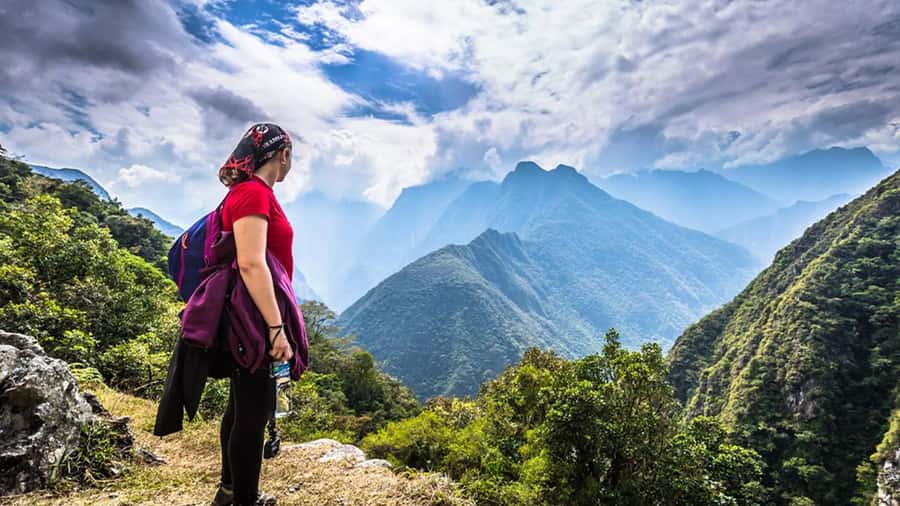
This is not the usual Machu Picchu “arrive, take photos, leave” day. It’s four days of moving through changing elevations—Cusco region passes, jungle valleys, canyon air, then the Machu Picchu sunrise moment—so the final sight hits harder.
You’re also in a rhythm of different activities. One day includes biking and an optional rafting push; another mixes a long walk on an ancient route with wild plants and birds; another adds zip line and a track walk; and the last day is all about Machu Picchu, guided and timed. If you like trips where your body does some of the work (in a good way), this format makes sense.
Price and value: what you get for about $420
At $420 per person for 4 days, you’re paying for a package that bundles the hard-to-replace parts: guide time, adventure logistics, most meals, lodging, and key transit links.
Here’s the value in plain terms. Your ticket to Machu Picchu is included, and you also get the train ride from Aguas Calientes to Ollantaytambo plus ground transport back toward Cusco. On top of that, you get meals (3 breakfasts/3 lunches/3 dinners), nightly accommodation in Inka Jungle hostels (with a hotel night in Aguas Calientes), biking equipment, a zip line, and a first aid kit.
What’s not included matters too. Day-one breakfast and Aguas Calientes lunch are on you, and hot spring entrance at Santa Teresa isn’t included. Also, optional items like Wayna Picchu and Machu Picchu bus tickets cost extra. If you know you’ll want those add-ons, budget more.
Day 1: Cusco to Abra Málaga, Huamanmarca, bike descent, and optional rafting
You start early. Pickup is at 06:30 from your Cusco hotel for a private transport ride through the Malaga pass, reaching San Luis after about 4 hours. Then the adventure begins with a 3 to 4 hour bicycle descent that takes you toward Santa María.
Along the way you’ll also see the archaeological center of Huamanmarca. It’s one of those “small stop that adds context” moments—especially helpful if you’re worried the trek will feel like pure exercise without meaning.
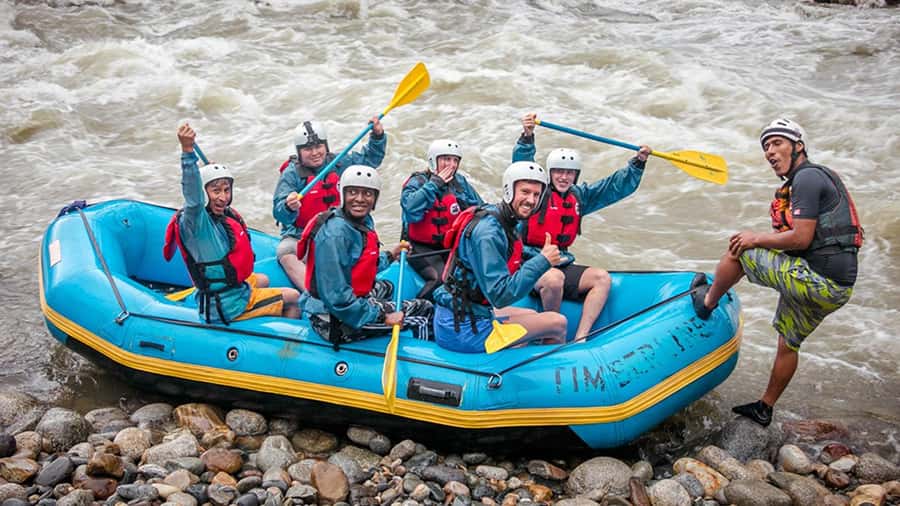
In the afternoon, there’s an optional rafting slot on the Urubamba River, typically with rapids described at level III to IV. The day is fun, but keep expectations realistic: rafting depends on river conditions, and in certain months high water can cancel it.
Night is in a hostel in Santa María. You’ll probably feel it by the end of the day, mostly from the early start and the long descent-bike time.
Day 2: Urubamba River walk on ancient paths, fruit and medicine, then Cocalmayo hot springs
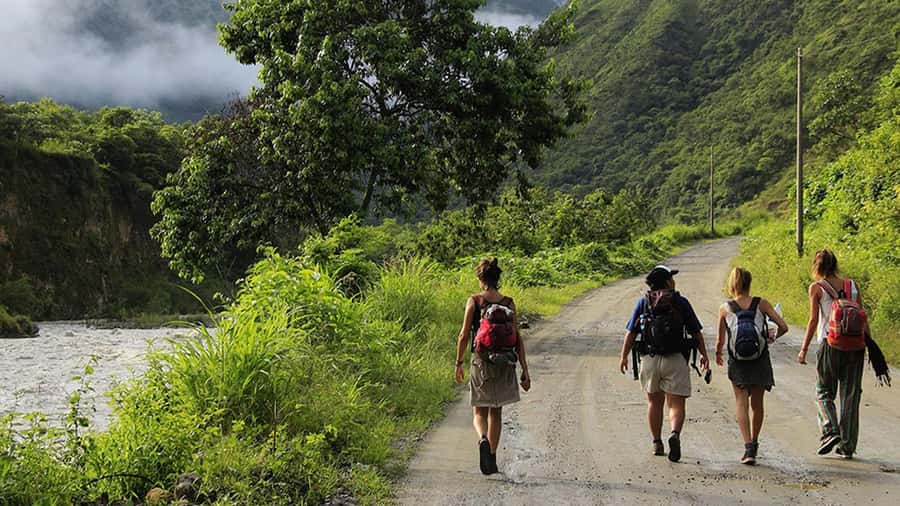
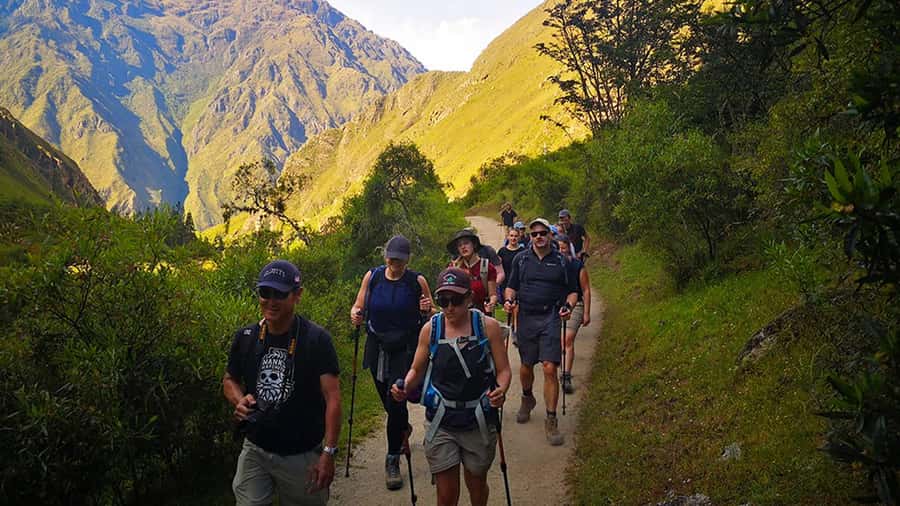
Day two is long on purpose: after breakfast, you walk along the Urubamba River for about 7 to 8 hours, with ascents and descents. This is where the trek earns its name. You’ll walk along part of one of the ancient Inca roads that’s described as perfectly preserved.
This is also the day for nature details. You’ll spot fruit and medicinal plants, plus wildlife and birds (including parrots). Even if you’re not a “bird person,” it’s a great way to notice the environment instead of just watching the trail line.
The route then includes a river crossing via Oroya, and you end at the Cocalmayo hot springs in Santa Teresa. That matters because it’s not just a break—you’re recharging after a full day of steady effort. Hot spring entrance is listed as not included, so you’ll want to decide and pay on site if you want the full soak experience.
This is also the day where a small planning mistake can feel big. Keep gear minimal for long walking days, and don’t pack anything you won’t actually use.
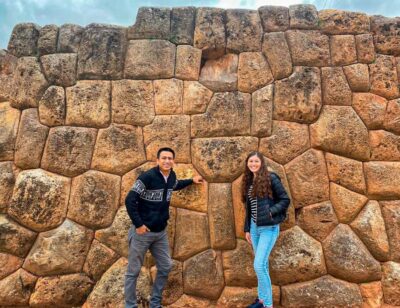
Day 3: Zip line over Cola de Mono, Hidroeléctrica canyon air, and the 3-hour track walk
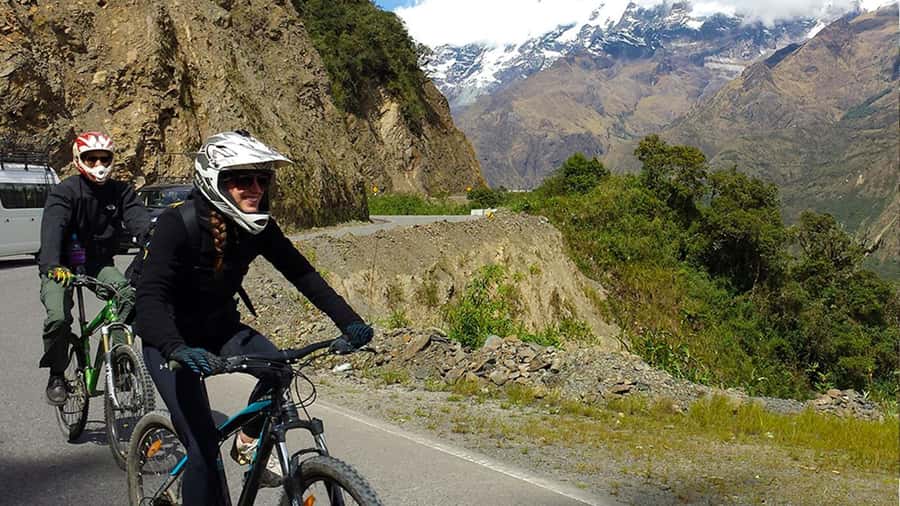
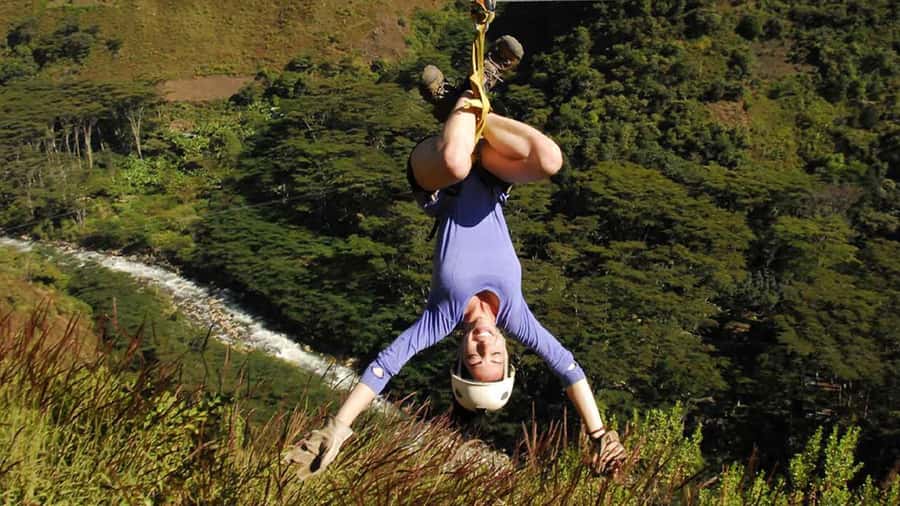
Day three gives you a mix of adrenaline and a steadier, focused walk. In the morning you can opt for a zip line at Cola de Mono. If you want one “easy win” activity that isn’t another hour of climbing, this is it.
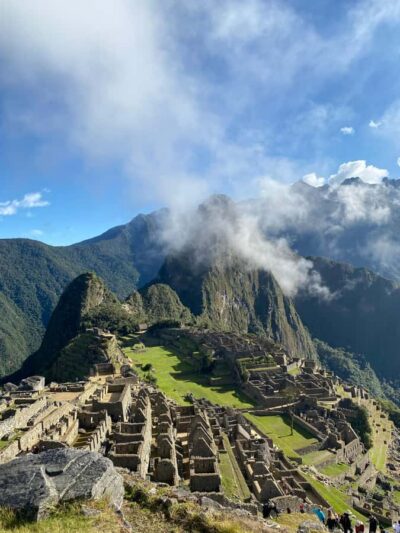
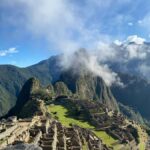
After breakfast, you start walking to Hidroeléctrica. The route is described as passing through a narrow canyon with very pleasant climate, and you’ll eventually see the mountain of Machu Picchu from the approach—one of those visual payoffs that changes the whole mood.
You stop for lunch at Hidroeléctrica, then continue along train tracks for about 3 hours to Aguas Calientes. This part can feel long, but it’s also one of the most “real” segments of the journey. You’re moving at trail pace with the train line beside you, and it sets up your arrival town in a grounded way.
You’ll sleep in Aguas Calientes that night, typically with a hotel-style stay.
Day 4: Sunrise entry to Machu Picchu, guided highlights, then train back to Cusco
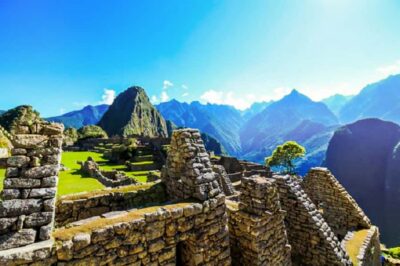
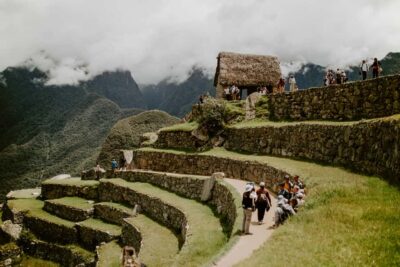
The morning is the big finale. After breakfast, you walk from Aguas Calientes up to Machu Picchu. The schedule is designed so you can be among the first groups inside for a sunrise moment, which is exactly when the ruins feel calm and less crowded.
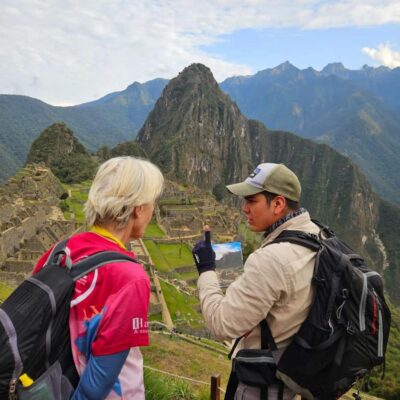
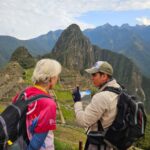
Then comes the guided tour of major Machu Picchu sites: Inti Watana, the Temple of the Condor, the sacred rock, and other important stops. This is where the “adventure trek” turns into “I finally understand what I’m looking at.”
Once the visit is done, you head back down to Aguas Calientes in time to board the tourist train from Machu Picchu station to Ollantaytambo. A tourist bus waits to take you toward Cusco, and you should also see included transport back to your Cusco hotel and onward toward the Cusco airport area.
If you’re hoping to squeeze in optional add-ons like Wayna Picchu, note that it’s not included and costs extra.
The guide and the small-group feel (and why it matters)
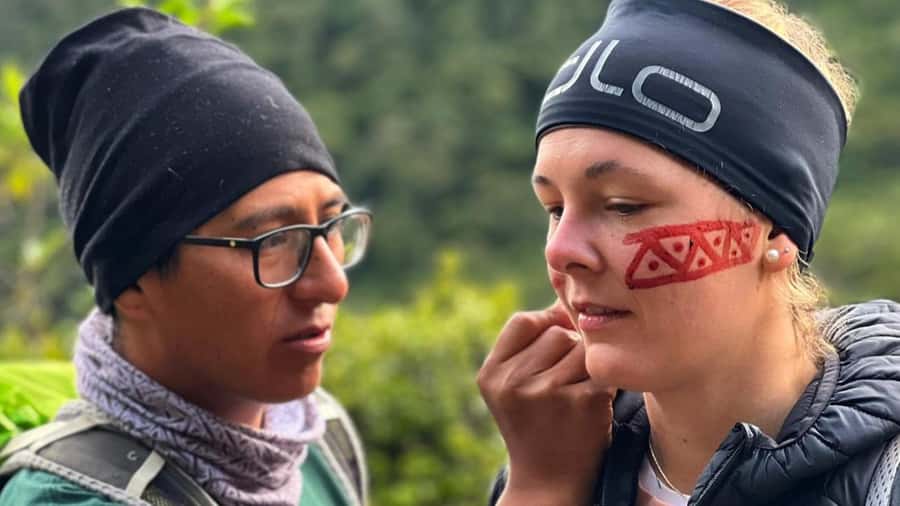
This trek runs with an official adventure-qualified guide, and the tour is offered in English and Spanish. Group size is capped at 15 participants, which is a real advantage on a trip with long walking days and multiple activity switches.
In past departures, the guide experience is often tied to how well the day moves. Names like Gustavo show up in guide praise, with people calling out strong communication and attention. Whether your guide is Gustavo or someone else, the best version of this tour will be the one where you actually hear explanations on the trail instead of just following footsteps.
Practical tip: during briefing, take it seriously. One common mistake is showing up with a backpack approach that doesn’t match the day’s walking format. If your gear feels heavy early, it only gets heavier later.
When weather changes the plan: rafting rules you should know
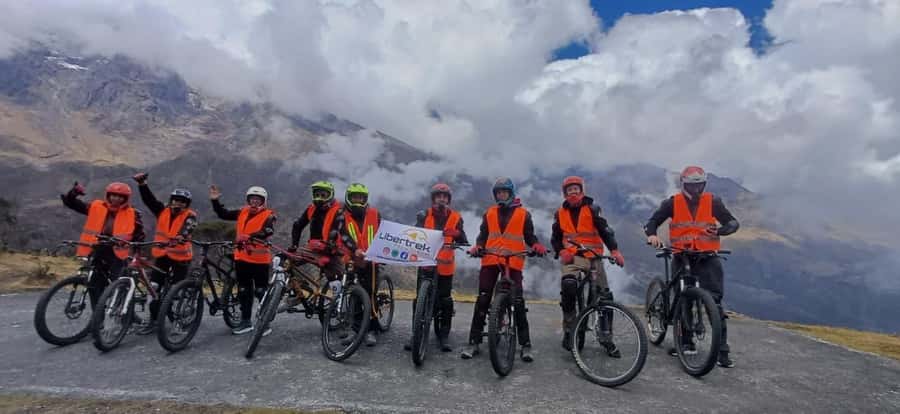
Rafting is included, but it’s not guaranteed. The material says rafting on the river is subject to weather conditions between January 1st and March 31st. If the river is high on your day, rafting won’t take place, and there’s no refund.
This isn’t a “rare technicality.” River conditions are real, and operators must prioritize safety. If your travel dates are in that window and rafting is a top reason you booked, keep a flexible mindset and be okay treating it as an optional bonus rather than a promise.
The rest of the trek still follows the planned rhythm: bike descent, river walk, hot springs, zip line, canyon walk, Machu Picchu day. So even if rafting disappears, you shouldn’t feel like the whole trip collapses.
What to bring (so you don’t suffer for no reason)
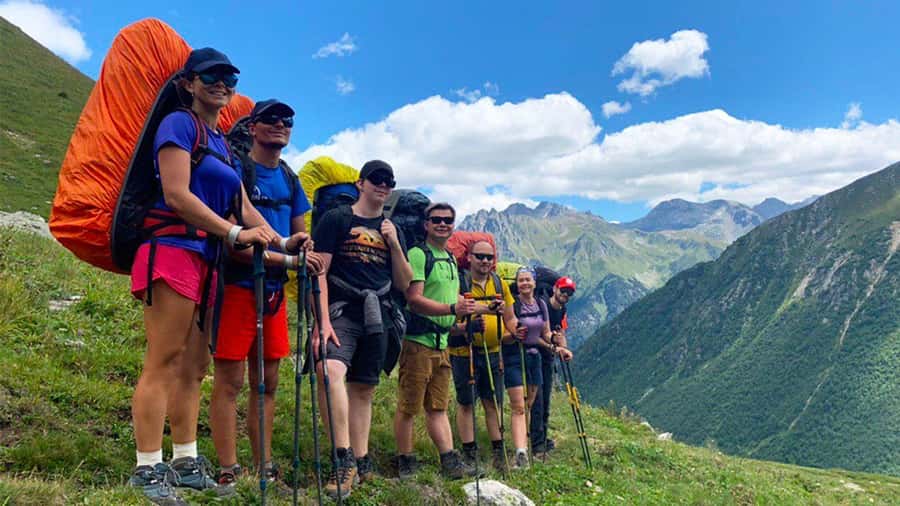
The packing list is straightforward, and it matches the physical reality of the itinerary.
Bring:
- Passport
- Hiking shoes
- Comfortable shoes
- Hiking pants and comfortable clothes
- Sunscreen, sunglasses, hat
- Insect repellent
- Swimwear and a towel (for hot springs)
- Camera
- Personal medication
- Cash
One small planning move I recommend: pack a lighter day option when you can. If you show up with a big load, you’ll carry it for hours. Even though a first aid kit is included, you’re still the one wearing the weight.
Cell signal can be spotty on parts of the route. Don’t rely on it. Save offline maps and keep your essentials together so you’re not digging through bags while the group is moving.
Who this trek is best for
This experience is ideal if you:
- Want a more active route to Machu Picchu than the standard one-day sightseeing style
- Enjoy mixed days (bike + walk + nature + hot springs + zip line)
- Can handle long walking segments and hills over multiple days
- Like small-group travel where your guide can actually manage the group
It’s also a good fit for travelers who want the story behind what they see. Walking ancient Inca road sections and getting guided context on Machu Picchu helps you connect the dots instead of just collecting stamps.
If you’re nursing a knee or expecting to avoid any long walks, be careful. The third and fourth days still involve significant walking (up to Machu Picchu and around the complex), and the itinerary is built around that effort.
Should you book the Inka Jungle trek to Machu Picchu?
I’d book it if you want Machu Picchu with legs on the ground and a reason to feel proud at sunrise. The included structure—meals, hostels, guided Machu Picchu, train back, plus activities like biking and zip line—adds up fast, especially compared to piecing everything together yourself.
Skip or rethink if your main requirement is guaranteed rafting, or if long walking days could be a problem. Also, plan your optional costs ahead (hot springs entrance, Wayna Picchu, and Machu Picchu bus tickets if you want them).
In short: this tour is best for people who take adventure seriously, but still want a guided, well-timed finish. If that’s you, the value feels solid.
FAQ
What time do you pick up from my Cusco hotel?
Pickup on day 1 is scheduled for 06:30.
Is rafting included, and is it guaranteed?
Rafting is included, but it is subject to weather conditions between January 1st and March 31st. If the river is high on the day of your activity, rafting will not take place and there is no refund.
Do I need to pay extra for the hot springs at Santa Teresa?
Hot spring entrance is not included, so you would need to pay separately if you want to enter.
Is the zip line included?
Yes. You have an option to do the zip line at Cola de Mono, and zip line is listed as included.
Is Machu Picchu entrance included?
Yes. Entrance to Machu Picchu is included.
Are bus tickets up and down to Machu Picchu included?
No. Bus tickets up and down to Machu Picchu are optional and cost USD 24.
Is Wayna Picchu included?
No. Wayna Picchu is optional and costs USD 65.
What meals are included during the trek?
Meals included are 3 breakfasts, 3 lunches, and 3 dinners. Breakfast on the first day and lunch in Aguas Calientes are not included.
How big is the group, and what languages are offered?
The group is limited to 15 participants. The tour guide operates in English and Spanish.
What should I bring with me?
You should bring a passport, comfortable and hiking shoes, sunglasses, hat, swimwear, towel, camera, sunscreen, insect repellent, cash, hiking pants, and any personal medication.
More Tour Reviews in Urubamba
Machu Picchu, More Ways In
Recent write-ups from around Urubamba, just off the trail
- 1 Day – Humantay Lake
★ 3.1 · 3 reviews - From Cusco: Salkantay trek 5 days/4 nights meals included
★ 4.0 · 3 reviews - Sun and Moon Tour
★ 4.5 · 3 reviews - From Cusco: Sacred Valley VIP Tour with Buffet Lunch
★ 4.7 · 3 reviews - From Cusco: Sacred Valley & Moray, Salt Mines with Lunch
★ 4.6 · 3 reviews
Machu Picchu Tours & Tickets, compared.
 ★ 4.7From Cusco: Full-Day Group Tour of Machu PicchuFrom $3211,767 reviews
 ★ 4.5Machu Picchu Day Trip from CuscoFrom $3361,644 reviews
 ★ 4.6Machu Picchu: Full-Day Tour from Cusco with Optional LunchFrom $283927 reviews
 ★ 4.84-Day Inca Trail to Machu Picchu with AccommodationFrom $470432 reviews
 ★ 4.6From Cusco: 2-Day Trip to the Sacred Valley and Machu PicchuFrom $370265 reviews
 ★ 4.9Machu Picchu 2-Day Inca Trail with Panoramic TrainFrom $582260 reviews
 ★ 4.2From Cusco: 2-Day Inca Trail to Machu PicchuFrom $290244 reviews
 ★ 4.9Machu Picchu: Inca Trail 2-Day Overnight Guided TourFrom $585203 reviews
Browse the lists this tour appears in