
REVIEW · SALKANTAY TREK
Salkantay Trek Challenge – 3 Days / 2 Nights
Machu Picchu in three days means no wasted time. I like this Salkantay challenge because it squeezes the classic Andes-to-city route into 2 nights while still landing you at Machu Picchu with a guided visit. You get guided hiking, camp support, and a chain of transports that keeps you focused on the trail.
I also like the safety net built into the plan: an experienced mountain guide, small groups (up to 12), and practical back-up like first aid supplies and oxygen. On the hiking side, guides such as Marco, Guido, and Cesar Quispe show up often, and the trip rhythm is tuned for people who can hike but aren’t trying to win a competition.
One drawback to plan for: the start is brutal and sleep is limited. Expect very early mornings, a tough pass day, and nights where you’ll feel the effort even if the camp setup is comfortable.
In This Review
- Key highlights you’ll actually care about
- A 3-day Salkantay sprint to Machu Picchu (and why it works)
- Day 1: Cusco pickup at dawn, Abra Salkantay, and the hut-camp night
- Day 2: Santa Teresa Valley hike, La Playa coffee experience, and the Hidroeléctrica river walk
- Day 3: Bus to Machu Picchu, a guided circuit tour, then train back to Ollantaytambo
- Price and value: what $680 covers (and what it doesn’t)
- Stop-by-stop reality check: what each place feels like on the ground
- Altitude, fitness, and the sleep situation you can’t skip
- The guide factor: why small-group support matters on a pass day
- What to pack (based on what’s missing) for a smoother Salkantay
- Machu Picchu circuits: Circuit 2 as default, and why it changes
- When to book and how to avoid the last-minute scramble
- Should you book this Salkantay Trek Challenge?
- FAQ
- What time does the trek start from Cusco?
- How long is the trek?
- What is included in the price?
- Are Machu Picchu tickets included?
- How do they handle your luggage?
- Is train or bus travel optional on the Machu Picchu side?
- What kind of accommodations are included?
- Do they provide food?
- What’s the cancellation and weather rule?
Key highlights you’ll actually care about
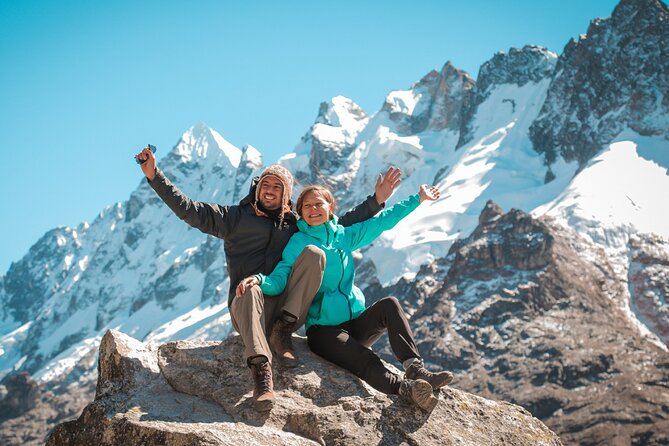
- Abra Salkantay day gets real: altitude + a steep ascent over the pass, then a long descent toward warmer jungle.
- Andean hut night plus hotel night: one supported night at Mountain Sky View, then a real hotel in Aguas Calientes.
- Coffee stop with hands-on local flavor: orchids, waterfalls, and an artisanal coffee making experience in La Playa.
- Machu Picchu with a guided 2-hour tour: you’ll learn the big structures on the circuit assigned for your booking window.
- Pack transfer handled up to 5 kg: your duffel bag rides with horses, so you can hike lighter.
Other Salkantay routes to compare
- Small Group 5 Days Salkantay and Machu Picchu by Llactapata Tour★ 5.0 · 88 reviews
- Machu Picchu: 5-Day Salkantay Trek with Panoramic Train★ 5.0 · 79 reviews
- Salkantay Trek 4 Days to Machu Picchu by Glamping Sky Lodge Dome★ 5.0 · 68 reviews
- Salkantay Trek to Machu Picchu in 4 days★ 4.5 · 50 reviews
A 3-day Salkantay sprint to Machu Picchu (and why it works)
This isn’t the slow, dreamy version of the Salkantay. It’s a challenge-style, time-compressed trek that still gives you that classic sense of traveling across zones: cold high Andes, then down into warmer rainforest country, then up again for cloud-mist Machu Picchu.
That compression is the point. With only three days, you trade extra hiking days for a smoother “got-it-done” structure—hike hard, eat well, sleep with support, and then reach the iconic ruins with a guided route.
The value is also practical. For $680 per person, you’re not just buying a walking day—you’re buying a bundle: entrance fees, guide time, camp/hotel nights, Machu Picchu access, train, transfers, plus the trekking gear basics.
Day 1: Cusco pickup at dawn, Abra Salkantay, and the hut-camp night
Day 1 starts in Cusco with pickup around 2:30 a.m. (the meeting time is listed as 3:00 a.m.). That early start is the only way to tackle the Salkantay Pass day while still having daylight for hiking and descending into lower elevations.
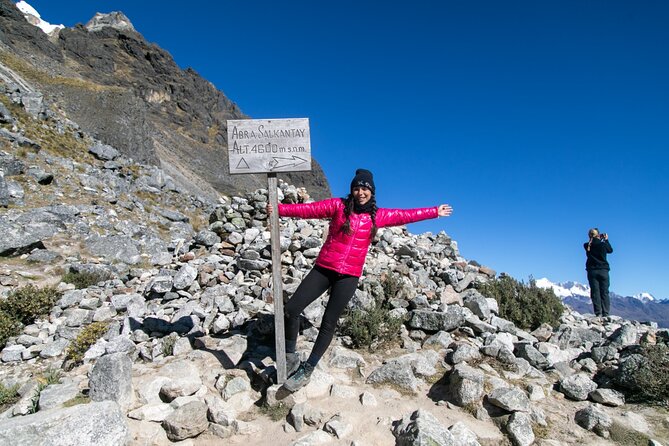
From Cusco you head toward Soraypampa (3,900 m / 12,795 ft). Then you work your way to Abra Salkantay (4,630 m / 15,190 ft) along the 7 Serpents Trail. This is where altitude is the main character. Even if you’re fit, the climb slows you down; you’ll likely feel your breathing before you feel your legs.
After lunch in Wayracmachay, you descend into the higher Amazon rainforest zone. That change in temperature is noticeable, and it’s part of what makes Salkantay so satisfying: you’re moving through multiple climates in a single day.
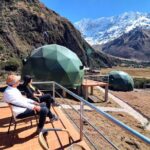
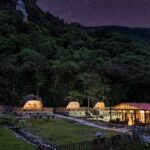
You finish at Mountain Sky View (Collpapampa, 2,950 m / 9,678 ft). This is your Andean hut-camp night, with dinner served in a camp setting under the stars. The practical benefit here is pacing: you’re not ending day 1 in a random campsite with no structure.
What to watch: the pass day can be the hardest day of the entire trip. Go steady. Don’t treat it like a normal gym workout.
Day 2: Santa Teresa Valley hike, La Playa coffee experience, and the Hidroeléctrica river walk
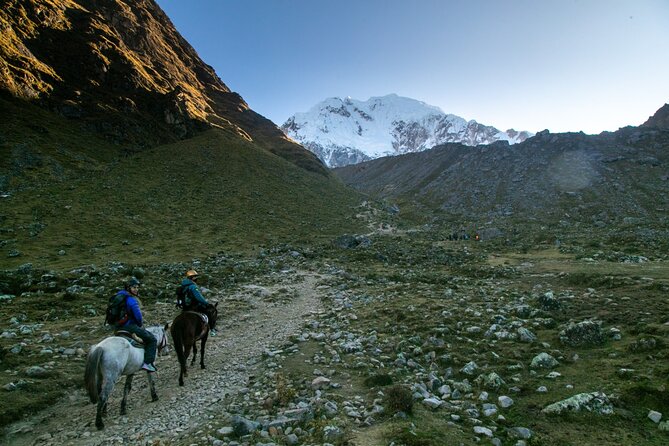
Day 2 begins with a homemade breakfast and then a hike through the Santa Teresa Valley. It’s shorter on paper (about an hour), but by this point your body knows you’re on a trek. I like this lighter start because it gives you enough energy to enjoy what comes next instead of just surviving it.
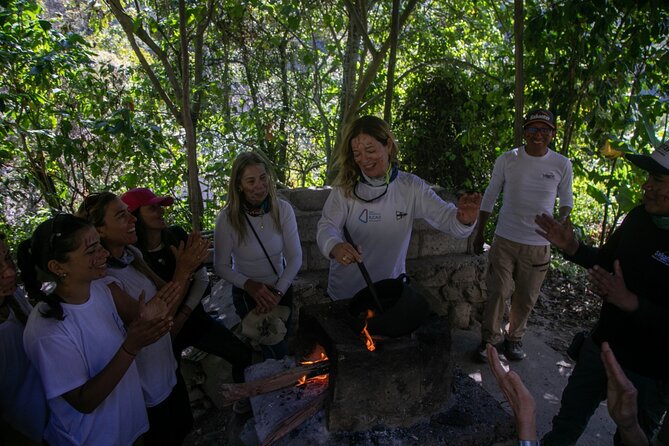
Next you reach the Lucmabamba Coffee Experience, where you walk through a route with waterfalls, orchids, and coffee plantations. The goal isn’t just scenery. You end up in the village of La Playa, with lunch made with local products, plus a demonstration of artisanal coffee making.
This is one of the trip stops that feels grounded and local. You’re not just ticking boxes—you’re getting a small window into how people earn a living and how coffee fits the landscape. If you want a bit more cultural context beyond the quick moments, this is the part of the day that gives you the clearest payoff.
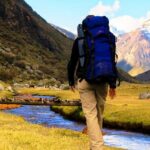
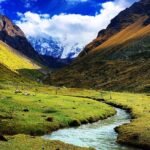
After lunch, you move toward Hidroeléctrica and then continue on foot along the Urubamba River. That stretch through tropical jungle feels like a reward after the high-altitude push of day 1. It also breaks up the day so you’re not only doing long transfers.
You end in Aguas Calientes and stay at a comfortable hotel. You’ll also share a group dinner and spend the night with Machu Picchu day looming. Expect the energy to build—this is the point where people start acting like they can’t wait and also can’t sleep much.
Day 3: Bus to Machu Picchu, a guided circuit tour, then train back to Ollantaytambo
Day 3 is Machu Picchu time. You start with a light breakfast and then take the bus up to the ruins. The drive climbs through misty cloud-forest scenery, and that moment of arriving fog-softened can feel like stepping into a different world.
At Machu Picchu, you get a two-hour guided tour. Your ticket is listed as Circuit 2 for 3-month bookings; if that’s not available, it switches to Circuit 3, and then Circuit 1. Translation: the exact paths can change by schedule, but you’re still getting guided coverage of the temples, terraces, and sacred sites.
After the tour, you head back toward Aguas Calientes for lunch. Then you board a panoramic train to Ollantaytambo. The train is in Tourist Class (listed as The Voyager or Expedition). Once you arrive, you’re taken back to Cusco by private transportation.
This back half matters more than people think. Getting the train and transfers arranged means you don’t waste your only post-trek day fighting schedules. It helps you leave Machu Picchu feeling like you did the trek, not like the trek did you.
A last few Cusco tours and experiences to fold into the trip
Price and value: what $680 covers (and what it doesn’t)
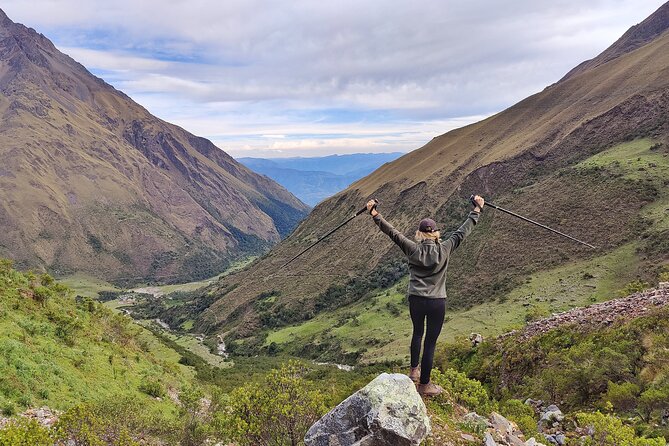
At $680 per person, this tour bundles a lot of the hard-to-manage parts into one package.
Included value highlights:
- Entrance fees to the Salkantay trek and Machu Picchu (with circuit management based on availability)
- 1 night at Mountain Sky View (Andean hut/camp setup) and 1 night in a hotel in Aguas Calientes
- Guided climbing with an experienced mountain guide
- Private transports and transfers throughout the route
- A one-way bus from Aguas Calientes to Machu Picchu
- Train from Aguas Calientes to Ollantaytambo (Tourist Class)
- Food support on the trail: 3 breakfasts, 2 lunches, 2 dinners
- Safety equipment: a first aid kit, oxygen supply, walkie talkies, and emergency satellite phones
- Gear basics: sleeping bag and trekking poles
- Packing support: a duffel bag transfer option up to 5 kg / 11 lb
- Rain gear support: backpack cover and a rain poncho
What’s not included:
- Optional add-ons like the Hidroeléctrica to Aguas Calientes transfer by train (paid directly if you choose it) and the return bus from Machu Picchu to Aguas Calientes
- Your personal hiking clothing and gear
- Lunch and dinner on the last day
- Travel insurance (recommended)
- Tips (optional)
My take on the value: this price makes sense if you want less logistics stress and more guided trail time. If you already have hiking gear, strong altitude experience, and you love arranging public transport, you might compare alternatives—but for most people, the included structure is the real luxury.
Stop-by-stop reality check: what each place feels like on the ground
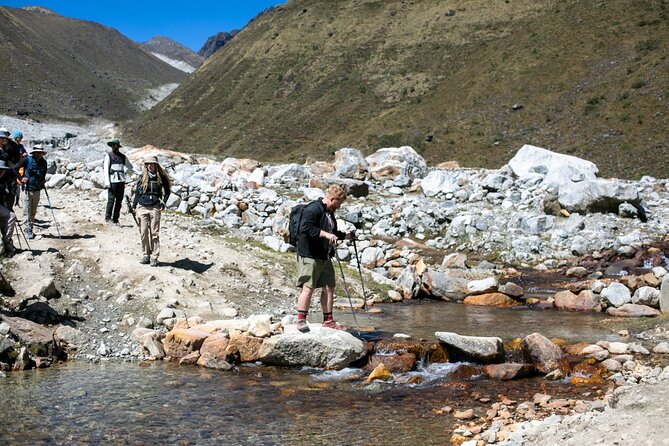
Here’s the feel you can expect from the route, beyond the names on the schedule.
Soraypampa is a high start point where you’re above tree line. It’s quiet, cold, and you’ll move slower than you expect. This is where you want to keep your effort controlled.
Abra Salkantay Pass is the main test. The trail rises along the 7 Serpents Trail, and the altitude can make your pace feel wrong even if your fitness is fine. I like that the day includes breaks and meals (like the lunch at Wayracmachay) instead of forcing you to guess when to refuel.
Wayracmachay gives you a lunch stop inside the high Andean world. It’s also your turning point—after this, you’re descending into a warmer zone.
Mountain Sky View (Collpapampa) is where the trek shifts from survival hiking into supported camp life. You get dinner and a camp setup, plus sleeping with a provided sleeping bag. It won’t feel like a spa, but it’s built to help you recover.
Santa Teresa Valley on day 2 feels like a reset. The hike segment is shorter and gives you the chance to notice the plants and water instead of constantly checking your breath.
Lucmabamba / La Playa is the cultural food and craft portion of the trip. If you care about coffee beyond ordering it, this stop adds meaning.
Hidroeléctrica and the Urubamba River walk offer a steady, scenic finish to day 2. You’ll feel the jungle environment, and that helps take the edge off after a big first day.
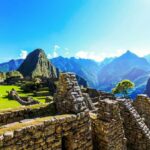
Machu Picchu is the payoff. A guided 2-hour tour helps you connect the structures instead of wandering and guessing. Your circuit may vary, but you’ll still cover the major temples, terraces, and sacred areas on your assigned route.
Altitude, fitness, and the sleep situation you can’t skip
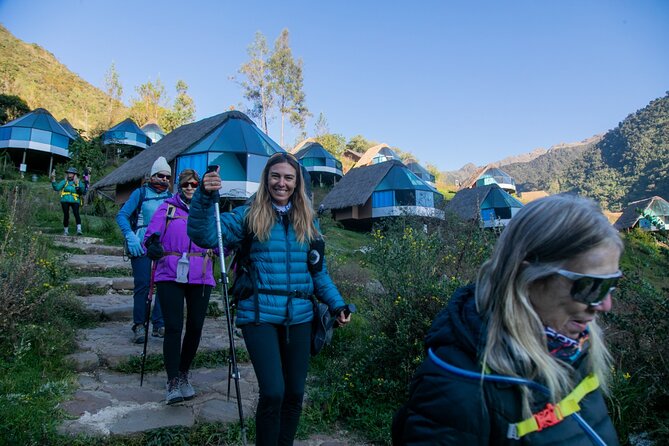
This trek asks for a strong physical fitness level. That’s not marketing fluff. Day 1 is at very high elevations, including 4,630 m at the pass.
I strongly recommend that you arrive in Cusco at least two days before the trek to adjust to altitude. If you don’t, you might push through, but you’ll likely feel it more.
About sleep: the plan includes a hut night and then a hotel night, and those are good setups. Still, one thing people keep noticing is that you don’t sleep much on a hard schedule like this—especially when day 3 is Machu Picchu and the alarm comes early.
The good news is you’re not carrying everything. Your duffel bag transfer is limited to 5 kg, carried by horses, while your hiking items stay lighter. That reduces strain when altitude already makes your legs work harder.
The guide factor: why small-group support matters on a pass day
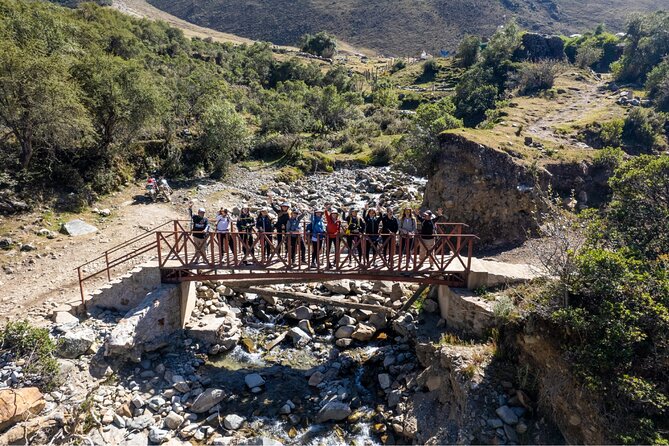
This trek is only up to 12 people, and it runs with an experienced mountain guide, plus cooks, horsemen, and porters. That staffing isn’t just for comfort. It changes how safe and how smooth the day feels.
Guides like Marco, Guido, and Cesar Quispe show up in real experiences with people describing extra support on the pass. When the trail steepens and your breathing gets strange, having someone who can pace the group and keep you moving consistently is the difference between powering through and feeling panicked.
Also, the safety tooling is reassuring: first aid supplies, oxygen supply, walkie talkies, and emergency satellite phones. You don’t need to think about these constantly. But knowing they exist reduces stress when conditions get tough.
What to pack (based on what’s missing) for a smoother Salkantay
The trip provides trekking poles and a sleeping bag, plus a rain poncho and backpack cover. That’s great, but your personal hiking gear still matters.
You should bring:
- Personal hiking clothing and gear (not included)
- A way to carry water on the trail (you’ll be given water/tea/snacks, but you still need your own strategy)
- Anything you use to handle altitude comfort (for example, layers for cold mornings)
Practical tip from the pass-day logic: bring snacks you like. The pass climb is long enough that you’ll appreciate steady fuel.
And yes, bring your patience. The best pace is the one that lets you keep moving without racing your lungs.
Machu Picchu circuits: Circuit 2 as default, and why it changes
Your Machu Picchu entry is managed by booking timing. You’re listed for Circuit 2 if you book within the 3-month window; if Circuit 2 isn’t available, you’ll be assigned Circuit 3, then Circuit 1 as alternatives.
What that means for you: you may walk slightly different paths, and that could affect how long you spend in specific areas. The good part is you still get a guided 2-hour tour focused on the key temples, terraces, and sacred spots within your circuit.
So don’t obsess over the exact stair plan before you go. Plan to show up ready to learn, and let the circuit assignment guide your route.
When to book and how to avoid the last-minute scramble
Machu Picchu spaces sell out fast. Book at least three months in advance to improve your chance of the circuit and timing you want.
You’ll also need your passport details (name, number, expiry, country) at booking. So have that ready. On travel day, make sure your passport is up to date and in hand.
Finally, if you have dietary needs, vegetarian or vegan options are available—just tell the operator at booking.
Should you book this Salkantay Trek Challenge?
Book it if:
- You want a guided, supported Salkantay experience that reaches Machu Picchu in just 3 days
- You value logistics taken care of: entrances, train, transfers, meals, and camp/hotel nights
- You’re fit enough for a steep pass day and you can handle early starts
Pass if:
- You need a relaxed schedule. This is intense, and you’ll feel it.
- You’re expecting a lot of slow, deep cultural pacing all the way through. The route is built to move, not to linger.
- Your altitude adjustment window in Cusco is too short. Two days before the trek is strongly recommended for a reason.
If you’re ready for a real challenge with real structure, this is one of the cleanest ways to do Salkantay fast and still get the Machu Picchu experience with guidance and support.
FAQ
What time does the trek start from Cusco?
Pickup in Cusco is listed for about 2:30 a.m., and the meeting start time is shown as 3:00 a.m.
How long is the trek?
It’s a 3-day program (about 3 days / 2 nights) that includes trekking and Machu Picchu.
What is included in the price?
The tour includes entrance fees (Salkantay trek and Machu Picchu), accommodations (1 night at Mountain Sky View and 1 night in a hotel), meals on the trek days, transfers, a one-way bus to Machu Picchu, the Tourist Class train from Aguas Calientes to Ollantaytambo, an experienced mountain guide, safety equipment, and provided trekking gear like a sleeping bag and trekking poles.
Are Machu Picchu tickets included?
Yes. You’re included for Machu Picchu entry on Circuit 2 for 3-month bookings; if unavailable, it may be Circuit 3 or Circuit 1.
How do they handle your luggage?
You get a duffel bag allowance up to 5 kg / 11 lb, carried by horses. You’ll still need your personal hiking items.
Is train or bus travel optional on the Machu Picchu side?
Yes. Hidroeléctrica to Aguas Calientes train transfer is optional, and the return bus from Machu Picchu to Aguas Calientes is optional. Those are paid directly on site to the operator.
What kind of accommodations are included?
You get one night at Mountain Sky View (Andean hut/camp setup) and one night in a hotel in Aguas Calientes.
Do they provide food?
Yes. Breakfast is included for all three mornings, and lunch and dinner are included on the trekking days (with the last-day lunch and dinner not included).
What’s the cancellation and weather rule?
The experience is non-refundable and cannot be changed. If canceled due to poor weather, you’ll be offered a different date or a full refund. If canceled because the minimum traveler requirement isn’t met, you’ll be offered a different date/experience or a full refund.
More Hiking & Trekking in Cusco


More Tour Reviews in Cusco
More Salkantay Departures
Recent write-ups from around Cusco, just off the trail
- Cuzco: Rainbow Mountain Excursion
★ 5.0 · 3 reviews - 1 day excursion to Qeswachaka bridge and the 4 lagoons
★ 3.6 · 3 reviews - Waqrapukara 1 day trekking + meals
★ 3.9 · 3 reviews - Valle Sur Cusco | half day
★ 4.3 · 3 reviews - Full-Day Condor Viewpoint & Inca Sites Tour
★ 5.0 · 3 reviews
Salkantay Trek, compared.
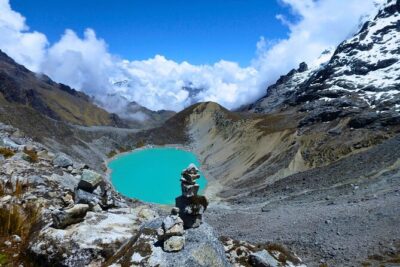 ★ 5.0Small Group 5 Days Salkantay and Machu Picchu by Llactapata TourFrom $59388 reviews
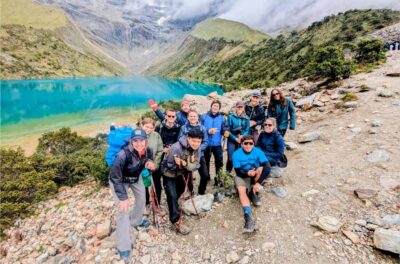 ★ 5.0Machu Picchu: 5-Day Salkantay Trek with Panoramic TrainFrom $65579 reviews
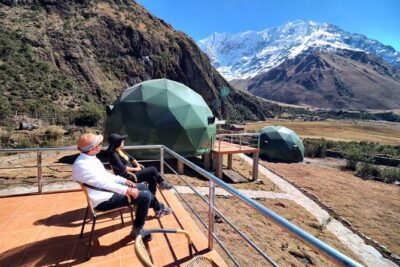 ★ 5.0Salkantay Trek 4 Days to Machu Picchu by Glamping Sky Lodge DomeFrom $76168 reviews
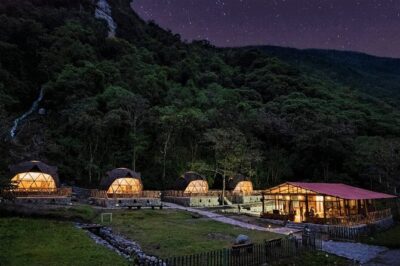 ★ 4.5Salkantay Trek to Machu Picchu in 4 daysFrom $59050 reviews
 ★ 5.0Salkantay Trek Standard 5D/4N48 reviews
 ★ 5.0Salkantay Trek To Machu Picchu 5 Days And 4 NightsFrom $69044 reviews
 ★ 5.05-Day: Salkantay Trek to Machupicchu and Humantay LakeFrom $36042 reviews
 ★ 5.0Salkantay 5-Day Trek To Machu PicchuFrom $79739 reviews
Browse the lists this tour appears in