
REVIEW · 4-DAY EXPERIENCES
Choquequirao Trek 4 days and 3 nights
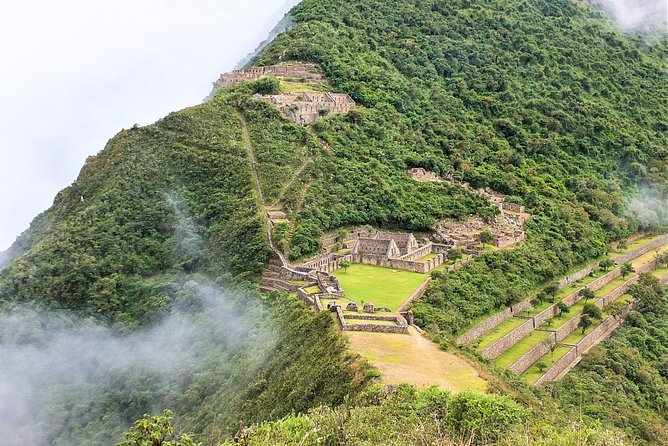
Choquequirao is what you wish every trek felt like. This 4-day, 3-night hike targets the lost Inca city of Choquequirao with limited group size, plus the practical help of transfers, an English-speaking guide team, and camp staff. I love the on-trail support (chef-run meals and a personal porter for your pack), and I also like that you start early enough to get real time at the site. The main drawback is simple: the days are long and the route is physically demanding even if the effort level is rated moderate.
What makes this trek feel “worth it” isn’t just the destination. It’s the way the schedule is built around steep hiking, changing elevations, and camp life that actually keeps you moving forward with less stress. If you’re the type who likes your adventure organized but still genuine—this is a strong fit.
In This Review
- Key Things That Matter on This Choquequirao Trek
- Choquequirao, Without the Usual Noise
- The Early-Morning Start: Why 4:30 am Can Be a Good Thing
- Day 1: Capuliyoc Down to Santa Rosa (First Canyon Views)
- Day 2: Marampata Toward Choquequirao, Another Downhill Day and Camp at Santa Rosa
- Day 3: Sunrise at Choquequirao, Then a Day of Downhill and Uphill Work
- Day 4: Capuliyoc Lunch, Saywite Exploration, and a Hotel Drop-Off
- Your Crew: Guides, Chef, and the Real Magic of Camp Meals
- What Your $698 Pays For (And Why It Feels Fair)
- Who This Trek Suits Best
- Should You Book This Choquequirao Trek?
- FAQ
- What time does the trek start in Cusco?
- How long is the Choquequirao trek?
- What’s included in the price?
- How much will my porter carry?
- Do I need my own sleeping bag or mattress?
- Is vegetarian food available?
- Where do you go each day?
- How many people are in the group?
- Do I need a passport?
Key Things That Matter on This Choquequirao Trek
- Small-group feel (capped at 16): easier to manage pace, spacing, and questions on trail.
- Round-trip hotel/airport transfers: no wrestling with buses before or after.
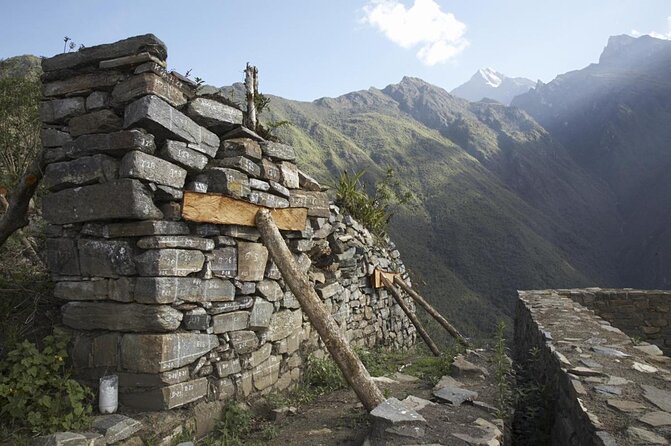
- Apurimac canyon views on the way down: you start seeing the bigger Peru very early.
- Chef-prepared meals for multiple days: more variety than you’d expect at altitude.
- Choquequirao exploration with quieter-feeling time: you’re there at sunrise and later at the end of the hike.
- Personal porter for up to 7 kg: you hike with less weight and still keep control of your essentials.
More on the long trail to Choquequirao
- Classic Choquequirao Trek – 5 Days / 4 Nights★ 5.0 · 52 reviews
Choquequirao, Without the Usual Noise
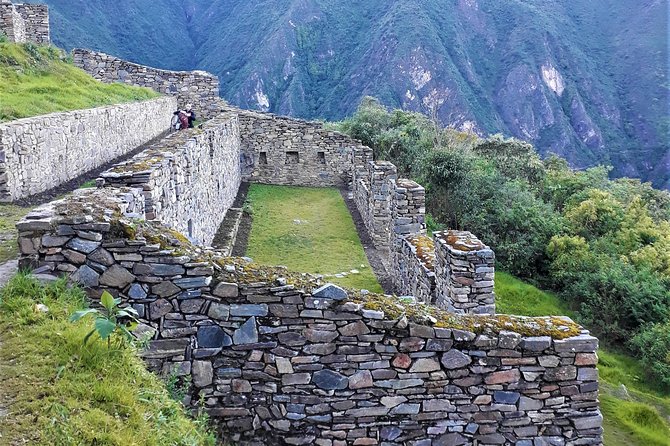
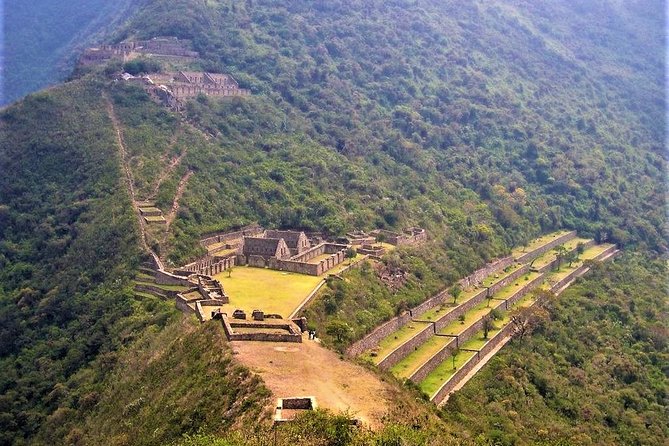
Machu Picchu gets the headlines. Choquequirao is quieter, more remote, and more “earned” because you have to hike to reach it. That means the whole experience can feel less like sightseeing and more like walking into another layer of the Inca world.
From the very first day, you’re not just going “downhill into a random valley.” The route sets you up for the Apurimac canyon views, which are famous for how deep they are. You’ll start the trek from high ground near Capuliyoc (2,911 m / 9,550 ft) and work down toward the cloud-forest edge and warmer vegetation zones—so your day feels like altitude weather in motion, not just one long slog.
And once you reach Choquequirao, you’re not limited to a quick walk-and-go. You get sunrise timing and then time to explore the Inca city-area before the hike turns back toward camp.
That said, “less crowded” doesn’t mean “easy.” This is a serious walk with real elevation shifts and long stretches where your legs do the talking.
The Early-Morning Start: Why 4:30 am Can Be a Good Thing
Your day begins before sunrise. Pickup is between 4:30 am and 5:00 am, with a drive that gets you to Capuliyoc around 8:30 am for breakfast and your first hike.
Yes, it’s early. But early starts on Choquequirao treks do three useful things:
- They give you daylight while you’re still fresh for the first downhill.
- They help the hike feel paced instead of rushed.
- They improve your odds of experiencing the site moments with calmer energy, especially around sunrise.
Also, this trek is structured with a pre-departure briefing the night before at 6:00 pm. That matters. A briefing helps you understand what to expect with hiking time, camp routine, and what you’ll carry versus what the team handles.
The biggest “consideration” is that you’ll need to be ready to move immediately after a drive. If you know you hate waking up early, plan for that reality and set your expectations accordingly.
Day 1: Capuliyoc Down to Santa Rosa (First Canyon Views)
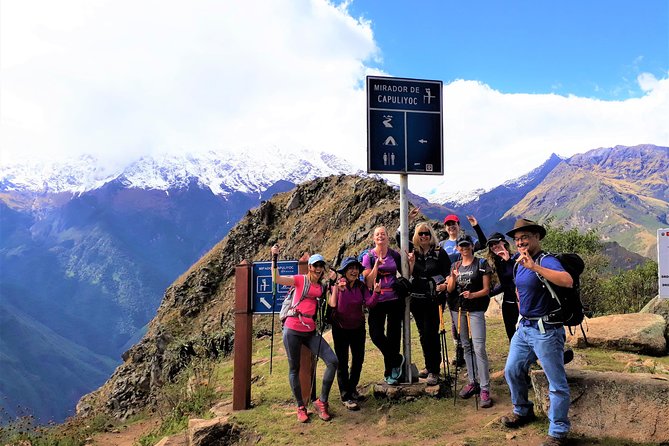
Day 1 starts at Capuliyoc (2,911 m / 9,550 ft) after breakfast. You’ll begin a downhill hike toward Chiquiska for lunch.
The route is built for big views early:
- You’ll trek about 4 hours downhill from Capuliyoc to Chiquiska (1,893 m / 6,210 ft).
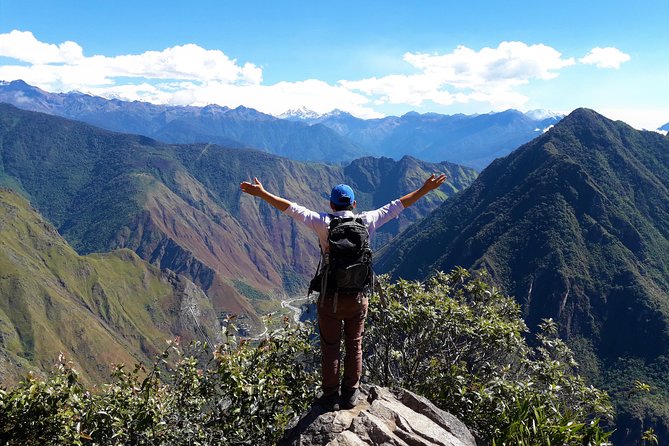
- Along the way, you’ll get your first strong look at the Apurimac canyon, with shifting terrain as you move from higher Andean zones toward more lush vegetation near the cloud-forest belt.
- After lunch, it continues for about 2 more hours downhill to Santa Rosa (1,478 m / 4,849 ft).
By the end of Day 1, you’ll camp at Santa Rosa. Distance is about 10.8 km / 6.7 miles, with around 6 hours of hiking time (the walking day is the key event).
Why this day is valuable: it’s where you “learn the trail.” Your body adapts to going downhill, your breathing settles, and you start seeing the canyon scale—without waiting until the end of the trip to feel the wow.
Tip for your planning: if you tend to cramp on longer downhill sections, consider trekking poles. The tour lists poles as optional (you can get guidance on what’s best for you).
Day 2: Marampata Toward Choquequirao, Another Downhill Day and Camp at Santa Rosa
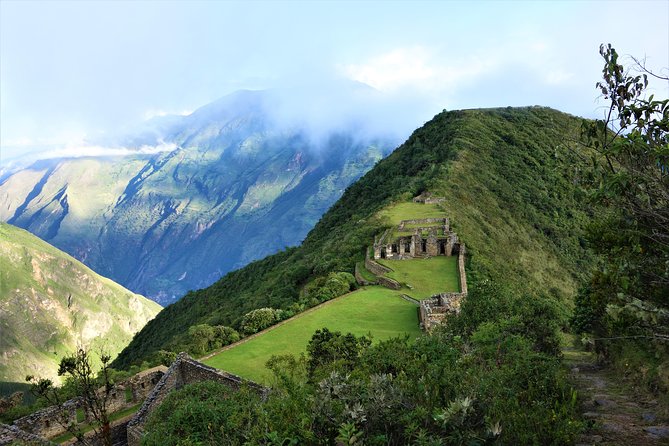
Day 2 is set up as a second major walking day. The official stop name includes Marampata–Choquequirao, and the walking pattern described keeps the downhill rhythm:
- Breakfast happens around Capuliyoc again.
- You trek downhill toward Chiquiska for lunch.
- Then you continue down to camp at Santa Rosa (1,478 m / 4,849 ft).
The distances and timing listed match the Day 1 structure (about 10.8 km / 6.7 miles, roughly 6 hours of hiking time, with the highest point around 2,911 m / 9,550 ft).
In plain terms, this is the day your legs understand the shape of the route: steady walking, changing vegetation, and the kind of gradual descent that makes the final approach feel logical rather than chaotic.
One practical reality: two long downhill days can be gentler on altitude stress while being rough on knees if you don’t pace well. Walk slowly on steep bits, and keep an eye on how your quads feel. If you’re carrying less weight because of the porter system, that helps a lot.
A last few Cusco tours and experiences to fold into the trip
Day 3: Sunrise at Choquequirao, Then a Day of Downhill and Uphill Work
Day 3 is the “site day.” You’ll wake up with sunrise at Choquequirao, then have breakfast and start your hiking cycle.
The day’s described route goes like this:
- After breakfast, you hike about 3 hours downhill to Santa Rosa for lunch (this lunch stop is listed at 2,230 m / 7,300 ft).
- Then you continue with 2 more hours downhill.
- After that comes 2 hours uphill until you reach camp at Chiquiska (1,800 m / 5,905 ft).
Total distance is listed as 8 km / 11.32 miles with about 8 hours of hiking. The highest elevation crossed is listed around 3,100 m / 9,300 ft, and you’ll camp at 1,450 m / 4,350 ft.
This is where Choquequirao turns from a destination into an experience. One of the most-loved parts of this trek is the sense that the site can feel close and personal, with time to look around without feeling like you’re being herded.
And the day is also described as a chance to enjoy nature around you—things like flowers, birds, and waterfalls in the broader area. Even if you’re focused on the Inca structures, this day gives your eyes a break from stone and gives your brain a chance to catch up.
For many people, the best strategy on Day 3 is mental pacing: you’ll do some uphill work, but you’re doing it after you’ve already seen Choquequirao. That payoff matters.
Day 4: Capuliyoc Lunch, Saywite Exploration, and a Hotel Drop-Off
The final day shifts from hike to closure and exploration.
You’ll wake up, have breakfast, and prepare for the last push: a 4-hour trek uphill to Capuliyoc, where you’ll have lunch and say goodbye to the team.
After that, private transportation takes you to Saywite, described as a mysterious rock archaeological site. You’ll have time to explore Saywite, then you’re dropped back at your hotel around 5:00 pm.
Distance is listed around 8 km / 11.32 miles with 8 hours total hiking time. Highest elevation crossed is listed as 2,850 m / 9,407 ft, and difficulty is still rated moderate.
Why this matters: it’s a satisfying wrap-up. You’re not just walking back “to leave.” You’re finishing with a last cultural stop (Saywite) that keeps the trek from ending as a purely physical event.
Your Crew: Guides, Chef, and the Real Magic of Camp Meals
Here’s what you should expect: you’ll travel with a full working team, not just a single guide. The tour includes:
- a professional English-speaking tour guide
- a chef who prepares meals
- a personal porter for your staff/personal items up to 7 kg
- cooking and camp support roles
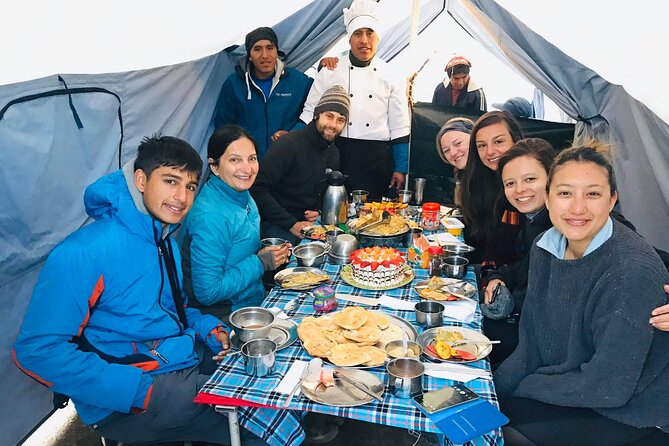
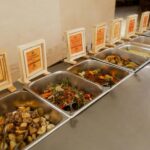
Meals aren’t an afterthought on this trek. The structure includes 4 breakfasts, 4 lunches, and 3 dinners. And the food is repeatedly described as varied and prepared in a way that surprises people at altitude.
Names that show up in past departures include guides like Elias, Sebastian, Abelardo, Eddie, and Pepe, with chefs such as Leandro, Balbino (nicknamed Chef Ratatouille), Julio Cesar, Lucio, and Valvino. There’s also consistent praise for camp team members like Boris (horseman/mule support) and other porter leaders (people often mention strong, friendly porter crews).
What I like about this kind of operation: you can focus on walking and enjoying the day. You’re not managing stove logistics or packing meals yourself. You hike, eat, sleep, and repeat.
Two practical notes:
- You can request a vegetarian option if you tell the operator when booking.
- Mattress, sleeping bag, and trekking poles are optional, meaning you’ll need to decide whether you want to bring your own or accept guidance for what to pack.
What Your $698 Pays For (And Why It Feels Fair)
At $698 per person, the price isn’t only for a route. You’re paying for a whole service layer that most hikers would struggle to replicate on their own:
- Hotel/airport transfers at the start and end
- a pre-departure briefing
- transportation throughout
- English-speaking guiding
- admission ticket(s) included
- a chef running multiple meals
- a personal porter carrying up to 7 kg of your gear
That last point is quietly important. Even when your hike is “moderate,” weight changes your day. If your personal items are handled by the team, you can keep your focus on rhythm, footing, and enjoying the canyon-to-cloud-forest transition.
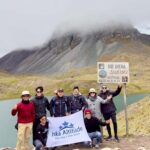
Also, the group size is kept small. You’re capped at 16 travelers, and the vibe you’re aiming for is more intimate than many mass-tour operations. In practice, that makes instructions easier to follow and helps your guide manage pace.
Who This Trek Suits Best
This trek fits people who want:
- a real hiking challenge without the stress of carrying everything
- a strong structure: transfers, meals, guides, and camp support handled for you
- time at Choquequirao that feels less rushed
You should be comfortable with early mornings and walking days that can stretch to about 6–8 hours. The tour is rated moderate and asks for moderate physical fitness.
It may not be ideal if you:
- have knee problems on downhill grades without trekking-pole support
- hate long days with little downtime between walking and camp routine
- expect Choquequirao to be a casual stroll
Should You Book This Choquequirao Trek?
I’d book this if you’re planning a Peru trip around a hike that feels “Inca, not Instagram,” and you want the destination plus the support that keeps you from spending your energy on logistics. The combination of small-group structure, chef-run meals, and porter help up to 7 kg makes the trek feel approachable without turning it into an easy walk.
You should think twice if you’re looking for a short sightseeing outing. This is a serious four-day effort, and the payoff is greatest if you enjoy the process: early departures, steep segments, camp life, and sunrise timing.
If you want a quieter Choquequirao experience with a team that’s repeatedly praised for organization and care, this is a solid option.
FAQ
What time does the trek start in Cusco?
Pickup happens between 4:30 am and 5:00 am, and the day’s drive typically gets you to Capuliyoc around 8:30 am.
How long is the Choquequirao trek?
It’s a 4-day, 3-night experience, with each day’s walking time varying but generally ranging from about 6 to 8 hours.
What’s included in the price?
The price includes round-trip transportation, a pre-departure briefing, an English-speaking guide team, a chef for meals, hotel pickup, admission ticket(s), and meals (4 breakfasts, 4 lunches, and 3 dinners).
How much will my porter carry?
You’ll have a personal porter for your staff/personal items up to 7 kg.
Do I need my own sleeping bag or mattress?
Mattress, sleeping bag, and trekking poles are optional. The operator says they can offer guidance, but these items are not included by default.
Is vegetarian food available?
Yes. A vegetarian option is available if you advise them at the time of booking, and you can also note any dietary requirements.
Where do you go each day?
Key stops include Capuliyoc, Chiquiska, Santa Rosa, Choquequirao Inca Citadel, and Saywite. You finish with transport back to your hotel around 5 pm.
How many people are in the group?
The tour has a maximum of 16 travelers.
Do I need a passport?
Yes. You’ll need a current valid passport on the day of travel, and you must provide passport details (name, number, expiry, and country) during booking. Children must travel with an adult.
More Hiking & Trekking in Cusco

More Tour Reviews in Cusco
The Long Way to Choquequirao
Recent write-ups from around Cusco, just off the trail
- Cuzco: Rainbow Mountain Excursion
★ 5.0 · 3 reviews - 1 day excursion to Qeswachaka bridge and the 4 lagoons
★ 3.6 · 3 reviews - Waqrapukara 1 day trekking + meals
★ 3.9 · 3 reviews - Valle Sur Cusco | half day
★ 4.3 · 3 reviews - Full-Day Condor Viewpoint & Inca Sites Tour
★ 5.0 · 3 reviews
4-Day Experiences, compared.
 ★ 4.84-Day Inca Trail to Machu Picchu with AccommodationFrom $470432 reviews
 ★ 5.04 Day Tour to the Manu National ParkFrom $38981 reviews
 ★ 5.0Cusco Sacred Valley and Machupicchu 4 DaysFrom $1,20080 reviews
 ★ 5.0Ancascocha Trek To Machu Picchu 4 Days And 3 NightsFrom $73077 reviews
 ★ 5.04 Day Inca Trail Trek to Machu Picchu Multi day tourFrom $93070 reviews
 ★ 5.0Manu National Park Tour 4days/3nightFrom $47069 reviews
 ★ 5.0Classic Inca Trail 4 Days to Machu PicchuFrom $82069 reviews
 ★ 5.04 Day Inca Trail To Machu Picchu – Private ServiceFrom $1,39568 reviews
Browse the lists this tour appears in