
REVIEW · 5-DAY EXPERIENCES
Classic Choquequirao Trek – 5 Days / 4 Nights
Choquequirao feels like a secret route into Peru. This classic 5-day trek turns a hard hike into a guided story, with licensed bilingual guiding and a small group moving together through the Apurímac canyon. I like that the experience is built around real logistics in the mountains, so you’re not juggling details when the trail gets steep.
I also love the way the trip keeps you moving comfortably: camp setup, cooks, and porters handle the heavy lifting, while you focus on the climb and the views. One thing to take seriously: this is not a casual walk. You’ll be hiking long days with big elevation changes, and you’ll want to arrive in Cusco early enough to adjust.
In This Review
- Key highlights worth knowing
- The Choquequirao payoff: more than a workout
- Cusco’s early-morning rhythm: Cachora and glacier-first views
- Capuliyoc: where your mule team takes over
- Chiquisca day: a steep descent, fruit crops, and Apurímac canyon drama
- The middle of the trek: Playa Rosalina down, then the zigzag uphill to Marampata
- The day at Choquequirao: terraces, plazas, and seeing more than the obvious
- Coming back: Rosalina Beach’s cold river reset and a family welcome at Chiquisca
- Final day: Capuliyoc farewell, Saywite’s carved stone figures, and Conoc hot springs
- Price and value at $735: what’s included (and why it matters)
- Fitness, altitude, and what to pack so you enjoy it
- Who this trek is for (and who should think twice)
- Should you book the Classic Choquequirao Trek?
- FAQ
- What’s the duration and itinerary length?
- How much does the trek cost?
- Where is the trek located?
- What time does the tour start?
- What’s included in the price?
- What are the main items you need to bring?
- Are there admissions included beyond Choquequirao?
- Is food included, and are there dietary options?
- How big are the groups?
- What’s the cancellation policy?
Key highlights worth knowing
- Dawn starts that set up the big canyon day: pickup around 4:00–4:30 a.m. so you get out before the heat.
- Porters and mule transport for your load: you can pack a duffel up to 5 kg/11 lb for porters to carry.
- Condor and canyon scenery: the Apurímac views are the main event, with bird-sighting odds depending on the day.
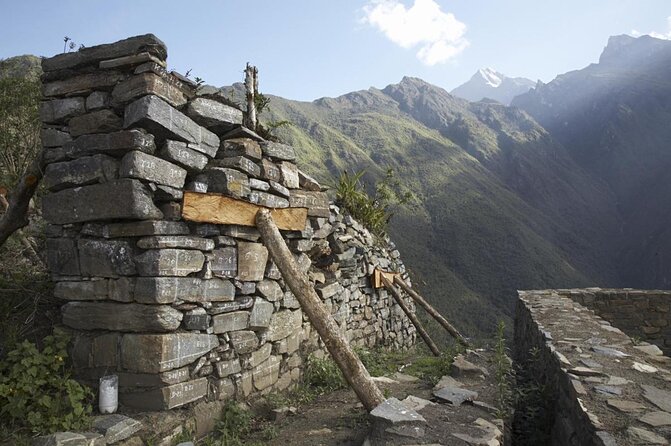
- A full, guide-led Choquequirao visit: plazas, temples, terraces, and those famous carved stone llamas.
- Cold river time at Rosalina Beach: a memorable break before the climb back toward camp.
- Saywite Monolith and hot springs on day 5: cultural stop plus a soak to end the trek.
More on the long trail to Choquequirao
- Classic Choquequirao Trek – 5 Days / 4 Nights★ 5.0 · 52 reviews
The Choquequirao payoff: more than a workout
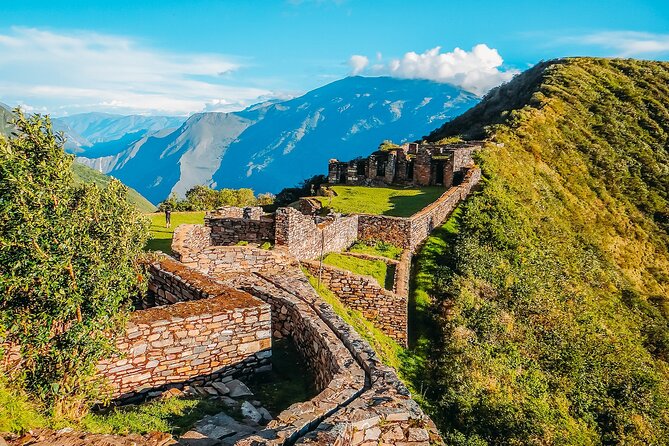
Choquequirao is the point of the whole trek, and it feels different from the headline Inca sites because it’s harder to reach. That difficulty is the magic. The site sits among mountains near the deepest canyon in South America, so it has that “how did they build here” power.
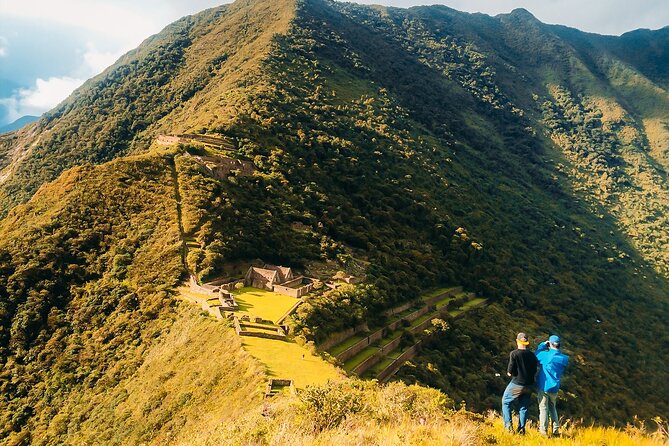
This tour gives you a whole day to explore with a licensed bilingual guide. Expect a guided walk through plazas, temples, and agricultural terraces that show how Inca engineers turned steep slopes into working farmland. Even better, you’re told to look for the carved stone white llamas on platforms, and you’ll learn how much of the site remains out of direct sight—only an estimated 40% is visible from where you stand.
What I like most is that this isn’t just a photo stop. The guide-led pace gives you time to understand how the complex is laid out and why the terraces matter. You’ll also get a picnic lunch so you’re not rushing back out before you’ve absorbed the place.
Cusco’s early-morning rhythm: Cachora and glacier-first views
Your day begins before the sun feels real. You’ll be picked up from your hotel in Cusco around 4:30 a.m. and transferred toward the trail start near Cachora. The early start is practical: it reduces time in midday sun and gives your legs a chance to warm up gradually.
On the way, you’ll enjoy views of the Salkantay and Humantay glaciers. That glacier sightline is more than scenery—it helps you understand the terrain you’re hiking through. Once you’ve seen those peaks from the valley floor, the canyon route feels less random and more like a plan.
There’s also an early visit at the Ruinas de Choquequirao stop before the hike properly takes hold. It’s a “get your bearings fast” moment: you see the scale of the region, then you move on to the villages and trails that lead toward the main citadel.
Capuliyoc: where your mule team takes over
After breakfast, you continue toward Capuliyoc to meet the cooking and muleteer team. This is where the trip starts feeling like a real expedition, not just a guided walk.
Here’s what matters for you: your luggage doesn’t ride on your back. The setup includes transportation of personal belongings, plus a duffle bag carried by porters (up to 5 kg/11 lb). So you can pack what you truly need day to day—layers, rain gear, a water plan—without turning the trek into a weightlifting contest.
This is also where the staff energy shows. In the groups described by past hikers, guides like Guido, Roman, Franz, George, Caesar, Carlos, Anthony, and Elvis are praised for motivating people through the tough sections and keeping the mood steady. You’ll feel that in the way briefings are handled and in how the team moves around small-group needs.
Chiquisca day: a steep descent, fruit crops, and Apurímac canyon drama
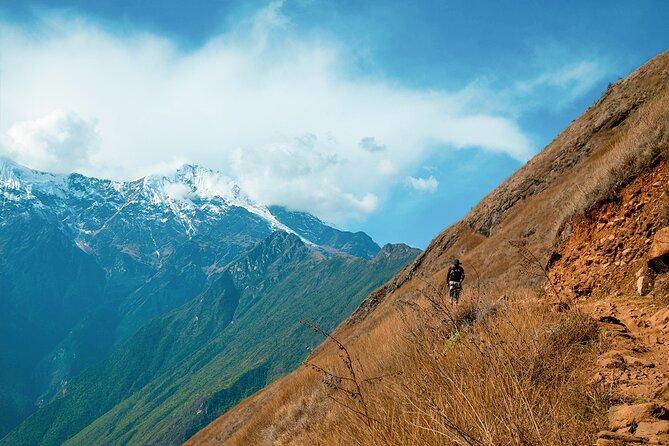
The hike begins with a long descent to Chiquisca. You’ll be walking for hours through a landscape shaped by farms and valleys—small villages surrounded by fruit crops, with dramatic canyon viewpoints opening up along the route.
This is also where you might spot condors. You’re not guaranteed wildlife, but the Apurímac valley is the kind of place where those big-winged birds can appear when thermals are right. Even if you don’t see them, the canyon panorama does the heavy lifting for you.
By the afternoon, you reach warm Chiquisca camp for dinner and your first night under the mountain sky. “Warm” matters here because the difference between sun-warmed valley walls and nighttime temperatures can be a shock when you’re still thinking about how steep your day was. You’ll appreciate having camp support waiting, plus the daily trail snacks and tea time built into the schedule.
One note: a descent is still work. Your knees feel it, and the ground can demand care. Go slow enough that you don’t bounce your way into soreness.
A last few Cusco tours and experiences to fold into the trip
The middle of the trek: Playa Rosalina down, then the zigzag uphill to Marampata
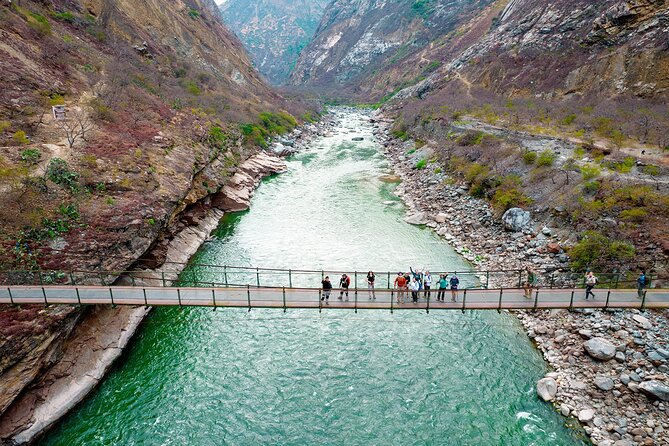
Day two turns the dial up. You start with a descent to Playa Rosalina, the lowest point in the valley, then cross a footbridge. This sets you up for what the trek does best: it repeatedly drops you into the canyon system, then asks you to climb out.
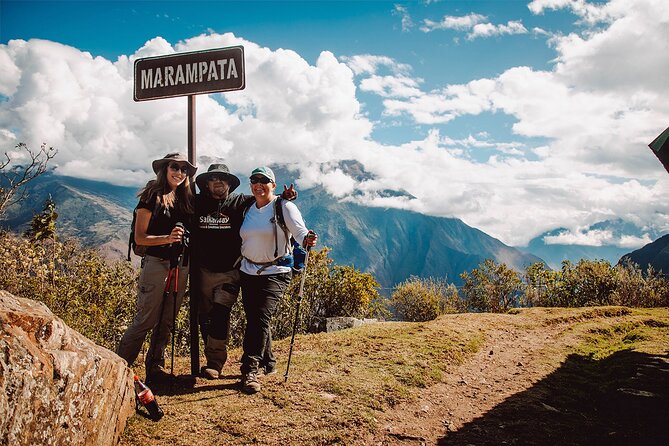
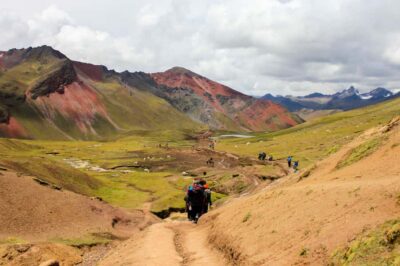
Then comes the hardest part of the day. Expect about two hours of challenging hiking before you reach Santa Rosa for lunch, and after that you’ll zigzag uphill for about three more hours to the Marampata camp. Zigzags are not just for show—they help you manage steep grades and keep you moving consistently.
Along the way, you’ll get views of canyons described as among the deepest in the region. Late afternoon light makes a noticeable difference here. When the sun shifts to orange tones, the canyon walls look layered, like you’re watching time carved into stone.
The best part of this day’s structure is that it doesn’t leave you guessing. You’ll have camp logistics, planned meal stops, and a clear rhythm that keeps you from burning energy too early. The drawback is obvious: you’ll feel it. If you’re new to big days at altitude, take the pace seriously.
The day at Choquequirao: terraces, plazas, and seeing more than the obvious
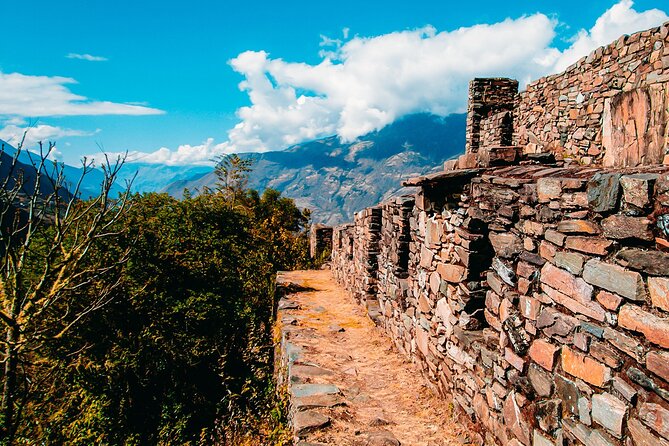
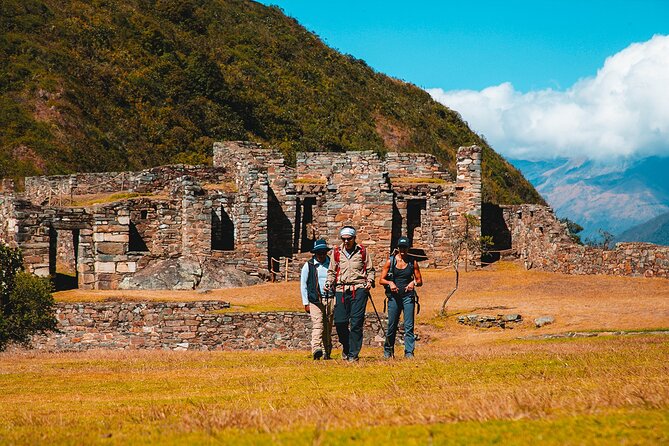
On day three, you settle in for Choquequirao itself. You’ll leave from your camp and then have a full day to explore the site with your guide. This is the longest “time on the target” portion of the trek, and it’s where the whole route earns its reputation.
Choquequirao sits at roughly 3,050 m (10,007 ft), and the terrain around it is rugged and steep. That’s why guides matter. You don’t just walk around and hope you recognize the layout; you learn how the complex is built and how Inca architecture worked with the mountain environment.
Expect an interpretation-rich visit:
- Plazas and temples that reflect Inca ceremonial design
- Agricultural terraces showing farming engineering on steep grades
- The chance to spot carved stone white llamas on platforms
Lunch is served as a picnic during the exploration, which helps you stay focused on the site instead of rushing back for food.
The phrase larger than Machu Picchu comes up in explanations for Choquequirao, and the real takeaway for you is this: it’s big, and it’s partly hidden. You’ll learn that only a portion is visible from certain viewpoints, so your guide will steer your attention to what you can actually see and why that matters.
Coming back: Rosalina Beach’s cold river reset and a family welcome at Chiquisca
The return route gives you a different kind of satisfaction. Day four starts again with a trail back toward the lower areas, and you get a last view of the canyon from Marampata.
Next, you walk about two hours to Santa Rosa through lush vegetation and have lunch there. Then the route shifts again with a descent toward Playa Rosalina. One of the best breaks on the whole trek is the chance to cool off in the cold waters of the Apurímac River at Rosalina Beach before the climb back up toward Chiquisca.
That river stop isn’t just a gimmick. It’s a practical recovery moment after long hours and warm days. You won’t feel fresh overnight, but you’ll feel less cooked.
Then you arrive back at Chiquisca for dinner and rest, with a local family welcome. This part can be surprisingly human compared to the bigger archaeological moments. You’ll learn about Andean customs and the community’s deep connection to Pachamama, which helps the trek feel like more than scenery.
Final day: Capuliyoc farewell, Saywite’s carved stone figures, and Conoc hot springs
Your last morning starts early again so you can beat the heat. You hike for about two hours, hearing the Apurímac River while you move through the final stretch back toward Capuliyoc.
At Capuliyoc, you’ll say goodbye to the hiking team. It’s a strange feeling after days together, but it’s also a reminder of what’s working in this format: the staff logistics, the camp routines, and the guide’s pacing all support your progress.
Then you head by private transport to Saywite Monolith, a sacred site valued by the Incas and carved with more than 200 figures. You’ll have about 1 hour 30 minutes there, which is enough time to understand what you’re looking at without rushing.
Finally, you stop at Baños Termales de Cconoc for hot springs before returning to Cusco. That soak is a smart endcap, especially if your legs are starting to tighten up after the trek’s last climb and descent.
You’ll arrive back in Cusco around 6:00 p.m. and be transferred to your accommodation.
Price and value at $735: what’s included (and why it matters)
At $735 per person, this trek isn’t cheap, but it’s also not paying only for walking. You’re paying for the whole operating system that makes a remote hike work smoothly.
Here’s what’s included that directly affects your experience:
- Entrance to the Choquequirao archaeological site
- Licensed bilingual guide
- Hotel pickup and drop-off
- All transportation and transfers
- All camping accommodation and equipment (tents and gear)
- Cook, dining tent, chairs, and porters to carry camping equipment
- Transportation of personal belongings (plus the porter-carried duffel limit)
- Water, tea time, and daily snacks
- Walkie-talkies and emergency satellite phones, plus first aid kit and oxygen supply
- A portable travel toilet
Meals are also included: breakfast (5), lunch (5), and dinner (4). That’s a big value because you’re not hunting for food on the trail, and it helps you keep consistent energy.
You also get included entry where it counts:
- Choquequirao site entrance
- Saywite Monolith entrance
- Hot springs at Baños Termales de Cconoc
Not included is the sleeping bag and trekking poles, plus personal hiking clothing and equipment. If you already own them, great. If not, budget for that. Missing gear can turn a comfort-based experience into an uncomfortable one fast.
Fitness, altitude, and what to pack so you enjoy it
This trek is challenging, and the company is direct about that. You should have a strong physical fitness level, and you’ll want to take altitude seriously.
The recommendation is to arrive in Cusco at least two days before the trek to adjust. That matters because the trail spends time at high elevations, and your body needs time to settle before you start long hiking days.
Your packing reality:
- Sleeping bag and trekking poles are not included
- You’ll receive camping equipment and extras like an inflatable mattress, bag cover, and rain poncho
- You’ll have small hygiene products like a small towel and soap
Because the treks include steep descents and big climbs, trekking poles can help protect your knees on the way down and stabilize you on the way up. If you’re on the fence and you tend to overdo it, poles are one of the best purchases you can make for this style of hike.
Food-wise, the schedule includes breakfast, lunches, dinners, tea time, and daily snacks. Past hikers have praised the quality of meals and support from the cook team, with mentions of chefs like Rosaleo and chefs preparing lunches that go beyond basic trail fare. Even so, stick to what your body handles well at altitude, and don’t assume your appetite will be normal every day.
Who this trek is for (and who should think twice)
This is a great match if you want:
- A serious, full-day hike with a clear plan and small-group attention
- A guided archaeological visit that teaches you what you’re seeing
- Camping support that removes most of the logistical stress
It’s also a good fit if you enjoy the rhythm of valley villages and canyon viewpoints, not just the final destination.
Think twice if:
- You’re easily knocked off your pace by long steep days
- You don’t have time to acclimatize in Cusco beforehand
- You’re not comfortable with remote conditions, even with emergency planning in place
The tour is built for people who can handle intensity. If you can, you’ll likely find the effort worth it.
Should you book the Classic Choquequirao Trek?
Book it if you want Choquequirao as the main event, with camping logistics handled, a whole day inside the citadel, and a route that walks you down into the Apurímac canyon system and back out. The inclusion of emergency tools (walkie-talkies, emergency satellite phones, first aid kit, oxygen supply) is also a meaningful safety layer in a remote setting.
Skip it if you’re searching for an easy hike or you can’t realistically commit to acclimatization and long hiking days. This trek rewards preparation, not luck.
FAQ
What’s the duration and itinerary length?
It runs for about 5 days (4 nights) and includes multiple hiking days plus a full day visiting Choquequirao, followed by Saywite and hot springs on the final day.
How much does the trek cost?
The price is $735.00 per person.
Where is the trek located?
It’s based in Cusco, Peru, and the route goes through the Apurímac canyon area to Choquequirao.
What time does the tour start?
Start time is listed as 4:00 a.m., and pickup from your Cusco hotel is described as around 4:30 a.m.
What’s included in the price?
Entrance to Choquequirao, a licensed bilingual guide, all transportation and transfers, camping accommodation and equipment, porters for camping equipment, cooking support, water and daily snacks, walkie-talkies and emergency satellite phones, first aid kit and oxygen supply, meals (breakfast 5, lunch 5, dinner 4), hotel pickup/drop-off, and a portable travel toilet.
What are the main items you need to bring?
You’ll need your own sleeping bag and trekking poles. You should also bring your personal hiking clothing and equipment.
Are there admissions included beyond Choquequirao?
Yes. The tour includes entrance for Saywite Monolith and the hot springs at Baños Termales de Cconoc. Choquequirao entrance is also included.
Is food included, and are there dietary options?
Meals are included throughout the trek (breakfast, lunch, and dinner). Vegetarian or vegan options are available if you request them at booking.
How big are the groups?
The trip is listed as small group with a maximum of 12 travelers. It’s also described as a small-group tour for up to 10 people.
What’s the cancellation policy?
It’s non-refundable and cannot be changed. If it’s canceled due to poor weather, you’ll be offered another date or a full refund. If it’s canceled because the minimum number of travelers isn’t met, you’ll be offered a different date/experience or a full refund.
More Hiking & Trekking in Cusco

More Tour Reviews in Cusco
The Long Way to Choquequirao
Recent write-ups from around Cusco, just off the trail
- Cuzco: Rainbow Mountain Excursion
★ 5.0 · 3 reviews - 1 day excursion to Qeswachaka bridge and the 4 lagoons
★ 3.6 · 3 reviews - Waqrapukara 1 day trekking + meals
★ 3.9 · 3 reviews - Valle Sur Cusco | half day
★ 4.3 · 3 reviews - Full-Day Condor Viewpoint & Inca Sites Tour
★ 5.0 · 3 reviews
5-Day Experiences, compared.
 ★ 5.0Small Group 5 Days Salkantay and Machu Picchu by Llactapata TourFrom $59388 reviews
 ★ 5.0Machu Picchu: 5-Day Salkantay Trek with Panoramic TrainFrom $65579 reviews
 ★ 5.0Ausangate Trek 5 DaysFrom $66074 reviews
 ★ 5.0Ultimate Lares Trek & Inca Trail 5 daysFrom $98047 reviews
 ★ 5.0Wonderful Cusco 5-Day Tour with Entrance to MachupicchuFrom $61046 reviews
 ★ 5.0Salkantay Trek To Machu Picchu 5 Days And 4 NightsFrom $69044 reviews
 ★ 5.05-Day: Salkantay Trek to Machupicchu and Humantay LakeFrom $36042 reviews
 ★ 5.0Salkantay 5-Day Trek To Machu PicchuFrom $79739 reviews
Browse the lists this tour appears in