
REVIEW · MACHU PICCHU TOURS & TICKETS
Machu Picchu: 5-Day Salkantay Trek with Panoramic Train
Machu Picchu feels close on this trek. This 5-day Salkantay route blends glamping and high-mountain days with a sunrise visit to Machu Picchu, plus a Vistadome or 360° train return. I especially like the Pachamanca feast plus coffee farm experience, and I like the way the guides (like Cesar Augusta and Jose) keep the group moving while staying on top of altitude and comfort. One consideration: the altitude is real on day one, so if you’re altitude-sensitive, plan for it early.
You also get a real safety net for a trek this demanding: a safety briefing ahead of time, plus support gear like a satellite phone and an oxygen tank. And because it runs as a small group (up to 16), it feels more human than big “assembly line” tours, even when schedules get tight.
In This Review
- Key things I’d bet you’ll care about most
- Day 0 into Day 1: Cusco pickup at 4:30 a.m. and why it matters
- Humantay Lake and Salkantay Glamping: Day 1’s turquoise start (and starry finish)
- Salkantay Pass at 4,630 m: Day 2’s big climb and the cloud forest transition
- Pachamanca and coffee farms, then Llactapata: Day 3’s cultural muscle and the first citadel glimpse
- Llactapata to Aguas Calientes via Hydroelectrica: Day 4’s “recover but still move”
- Machu Picchu at sunrise: buses, a guided tour, and mountain pass choices
- Vistadome or 360° train back to Cusco: the ride you’ll actually enjoy
- Food, camp comforts, and what’s truly included
- A note on cash and on-the-ground reality
- Guides and team support: why names keep showing up for a reason
- Price and value: what $655 covers and what you should budget for
- Who should do the Salkantay + Machu Picchu trek (and who should reconsider)
- Should you book this Machu Picchu 5-day Salkantay trek?
- FAQ
- How long is the trek, and when do pickups happen in Cusco?
- Is this a small group tour?
- What train do I return to Cusco on?
- What is included in the price?
- Do I need to bring a sleeping bag or any hiking gear?
- Are Huayna Picchu and Machu Picchu Mountain included?
- What should I bring for altitude and weather?
- Is the tour refundable?
- Who should not take this trek?
Key things I’d bet you’ll care about most
- Humantay Lake’s turquoise payoff early: you start with big views at about 4,200 m
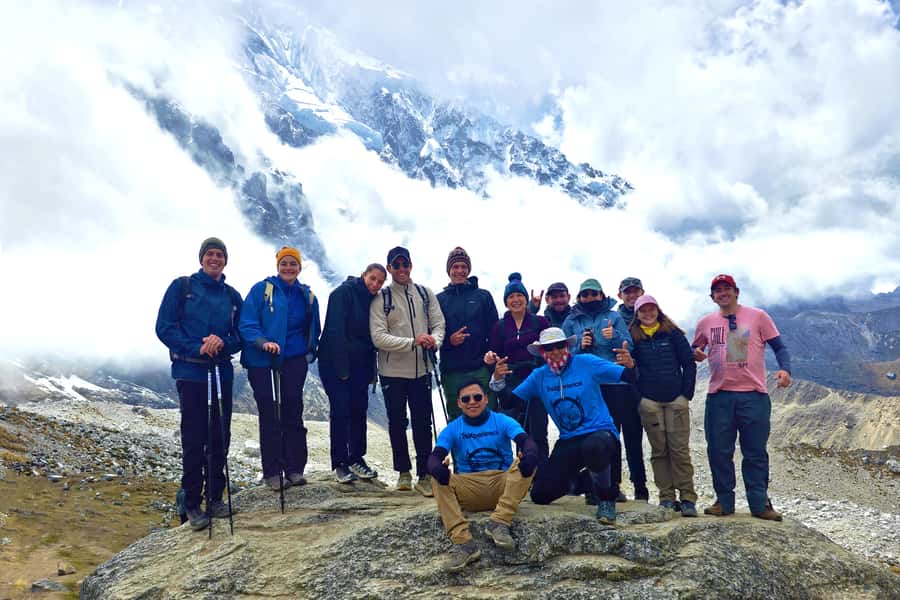
- Salkantay Pass is the true summit test: the trek’s highest point sits around 4,630 m
- Glamping on day one and camping near Machu Picchu: comforts are built in, not added later
- Pachamanca and coffee aren’t just add-ons: they’re hands-on stops that connect the dots
- Sunrise Machu Picchu with bus + guided tour: you get a strong start before going off on your own
- Vistadome or 360° train back to Cusco: scenic return that keeps the energy up
Other ways up to Machu Picchu, reviewed
- From Cusco: Full-Day Group Tour of Machu Picchu★ 4.7 · 1,767 reviews
- Machu Picchu Day Trip from Cusco★ 4.5 · 1,644 reviews
- Machu Picchu: Full-Day Tour from Cusco with Optional Lunch★ 4.6 · 927 reviews
- Cusco: 4-Day Inca Trail to Machu Picchu with Accommodation★ 4.8 · 432 reviews
Day 0 into Day 1: Cusco pickup at 4:30 a.m. and why it matters
This trek is built around an early start. You’ll get picked up around 4:30 a.m. from your hotel or Airbnb near the Cusco historic center, then ride to the trekking area. It’s early, yes, but it helps you start the hike before fatigue and crowds become the problem.
The other smart thing here is that your team doesn’t act like you’re dropped off. You get a safety briefing the day before, and you’re traveling with a professional guide plus chefs and support staff. For a high-altitude trek, that structure can be the difference between stress and smooth rhythm.
Humantay Lake and Salkantay Glamping: Day 1’s turquoise start (and starry finish)
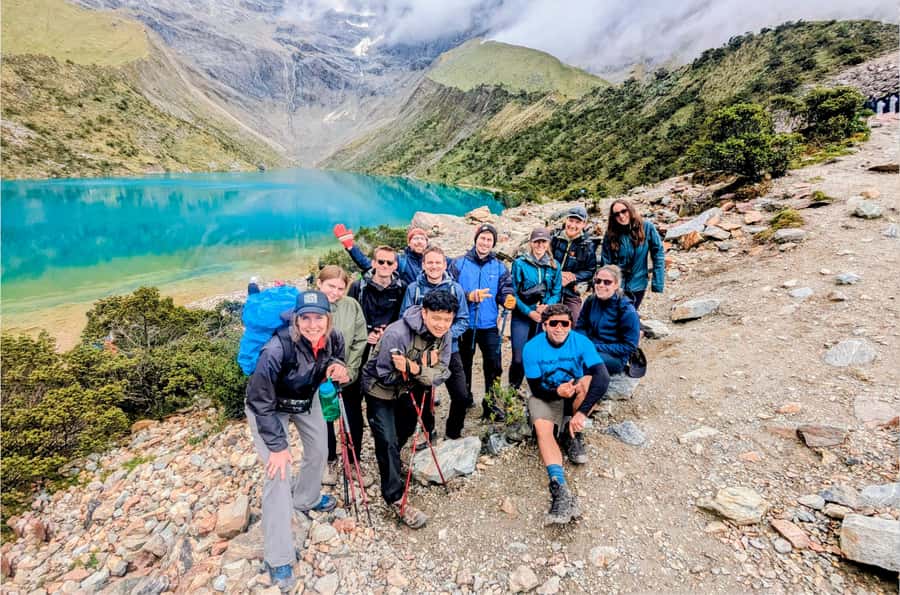
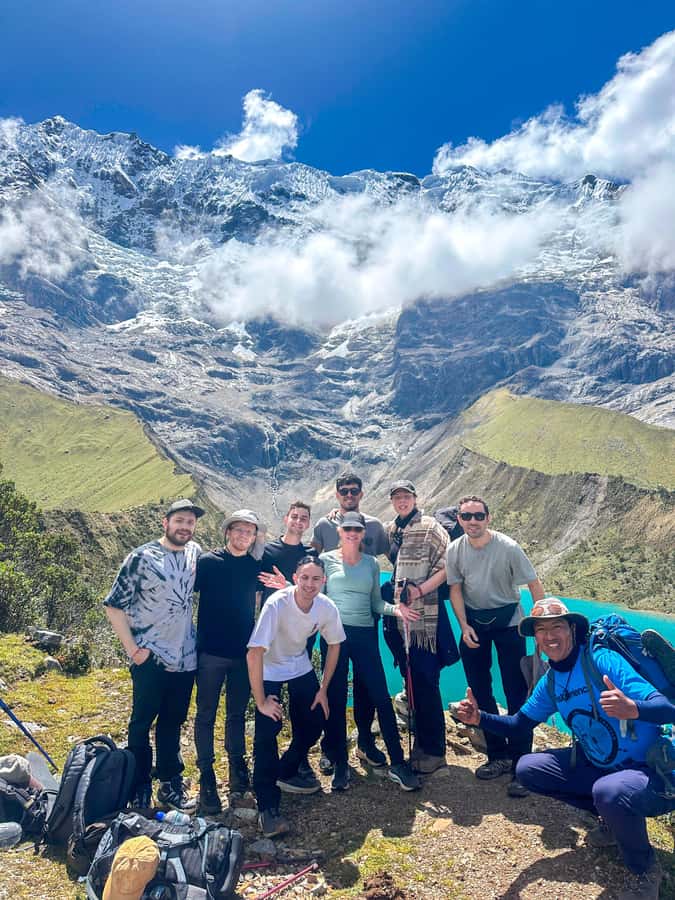
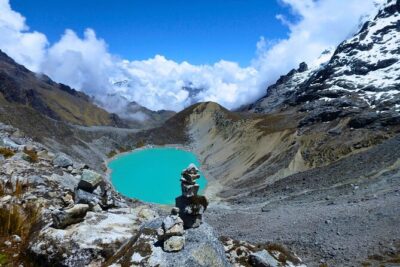
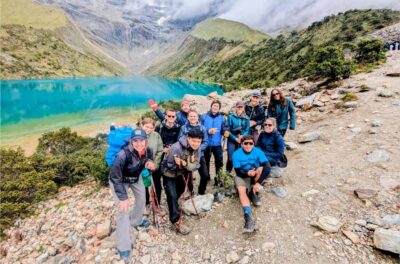
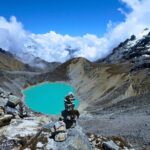
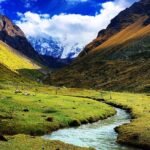
Day one is a scenic reset for your body and mind. After breakfast in Mollepata (about a 3-hour drive from Cusco), you begin the hike to Humantay Lake, around 4,200 m. The trail pushes you, but it’s also the first moment where Peru looks like the postcards—turquoise water, dramatic ridgelines, and that thin-air clarity.
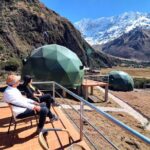
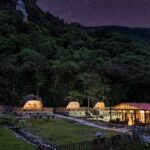
Then the day turns into descent and regrouping. You head down to Soraypampa for lunch, and from there you climb a gentler stretch to the Salkantay glamping campsite (around 4,150 m). At camp, dinner comes with warmth and timing that makes sense for trekkers, and you get the simple luxury of settling in with a night sky overhead.
A practical note: you’re high on day one, so pacing matters. Even if you feel fine in Cusco, the sudden altitude jump can hit later. If you’re prone to altitude symptoms, having a plan (and asking your doctor early about medication like acetazolamide) is worth taking seriously.
Salkantay Pass at 4,630 m: Day 2’s big climb and the cloud forest transition
Day two begins with coffee or coca tea, then you go for the main altitude test: Salkantay Pass at about 4,630 m. This is the highest point of the trek, so it’s the day where breathing and steady steps matter more than speed. You’ll stop and take in the mountain views, and there’s even a glacial lake nearby to break up the effort.
After the pass, the trek shifts into a long descent. You take time through Wayracmachay for lunch, then the scenery changes as the altitude drops and the environment softens into cloud forest conditions. In practical terms, it’s easier on your lungs than the pass, but it can feel longer because the trail keeps moving.
By evening you reach Collpapampa (around 2,770 m) and sleep in comfortable Andean huts. This night matters because you’re not just “passing through”—it’s the recovery layer before day three’s cultural day and your first serious Machu Picchu outlook.
Pachamanca and coffee farms, then Llactapata: Day 3’s cultural muscle and the first citadel glimpse
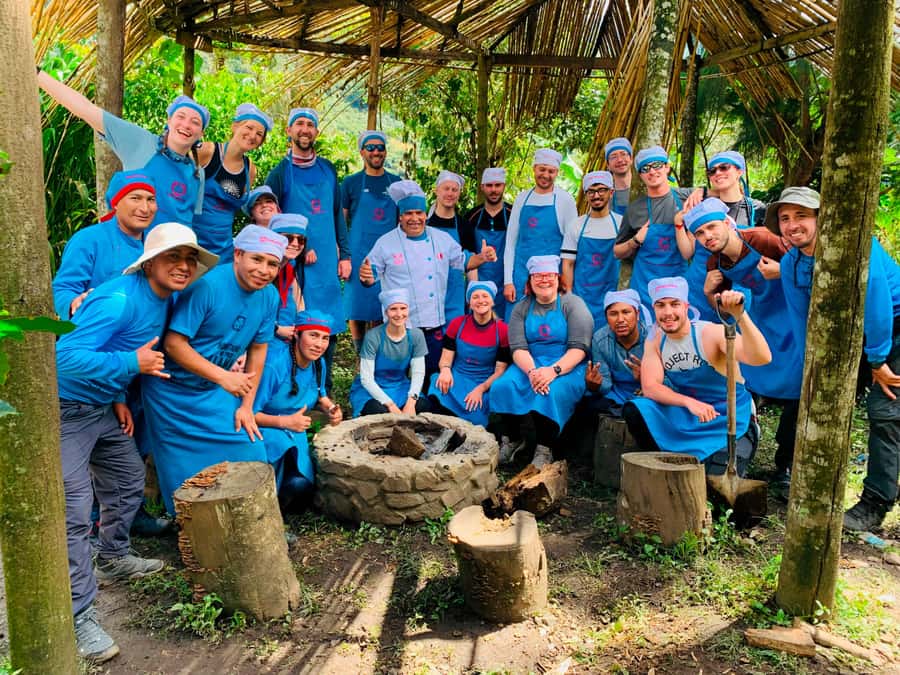
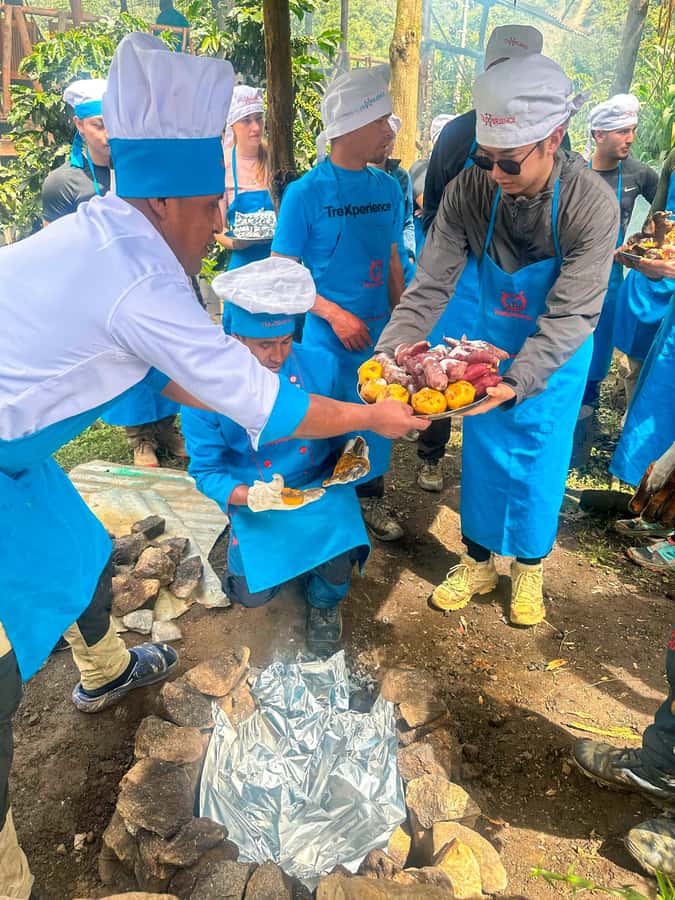
Day three is one of the best “why am I doing this” days. It starts with a stretch of scenic trekking that includes crossings over wooden bridges and passes through spots like waterfalls and plantations. You reach Lucmabamba (around 2,000 m), where you’ll enjoy a traditional Pachamanca—a local cooking style centered on community and flavor—followed by a coffee experience tied to local farms.
This part is more than food. It grounds the hike in people’s day-to-day life and shows how the region connects agriculture, preparation, and hospitality. One bonus from the way the tour is set up: you’re not hiking on an empty stomach or guessing where the meal is coming from. Meals and snacks are handled for you.
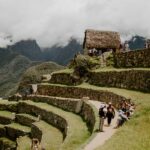
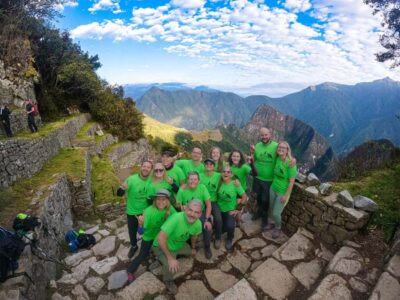
In the afternoon you switch gears and follow a segment of the Inca Trail for about three hours to Llactapata (around 2,750 m). Llactapata is an Inca site, and it’s also your first big view of Machu Picchu. The next sleep is camping with the citadel in sight, which changes the whole feeling of the hike. You’re not just walking away from the finish line—you’re approaching it with your eyes.
Other Salkantay routes to compare
Llactapata to Aguas Calientes via Hydroelectrica: Day 4’s “recover but still move”
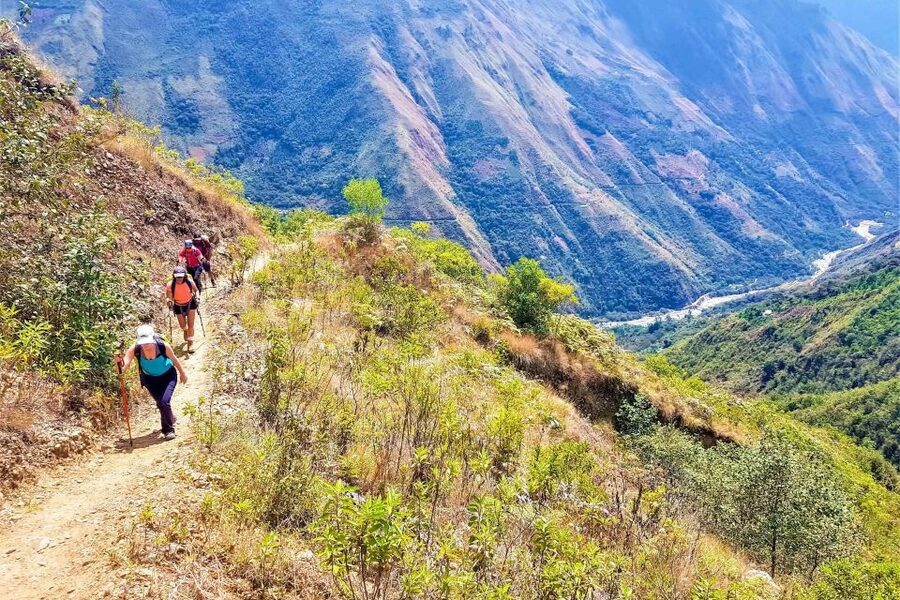
Day four starts with Machu Picchu visible right from camp. You’ll get coffee, then begin a two-hour descent toward Hydroelectrica. It’s a shift day: not the hardest altitude day, but still active, with the trail moving you along at a steady pace.
At Hydroelectrica, you’ll have brunch with your team, then hike about three hours following the railway and the Urubamba River to Aguas Calientes. Along the way, you stop at the Mandor Botanical Gardens, which are known for birds and orchids. This is a good place to slow down and reset your mind because it breaks up the long “following the path” feeling.
Once you arrive in Aguas Calientes, you check into a 3-star hotel. The evening is yours: you can explore, relax, and use hot springs if you want. Then you eat dinner at a local restaurant, which helps break the camping rhythm before the big sunrise day.
Machu Picchu at sunrise: buses, a guided tour, and mountain pass choices
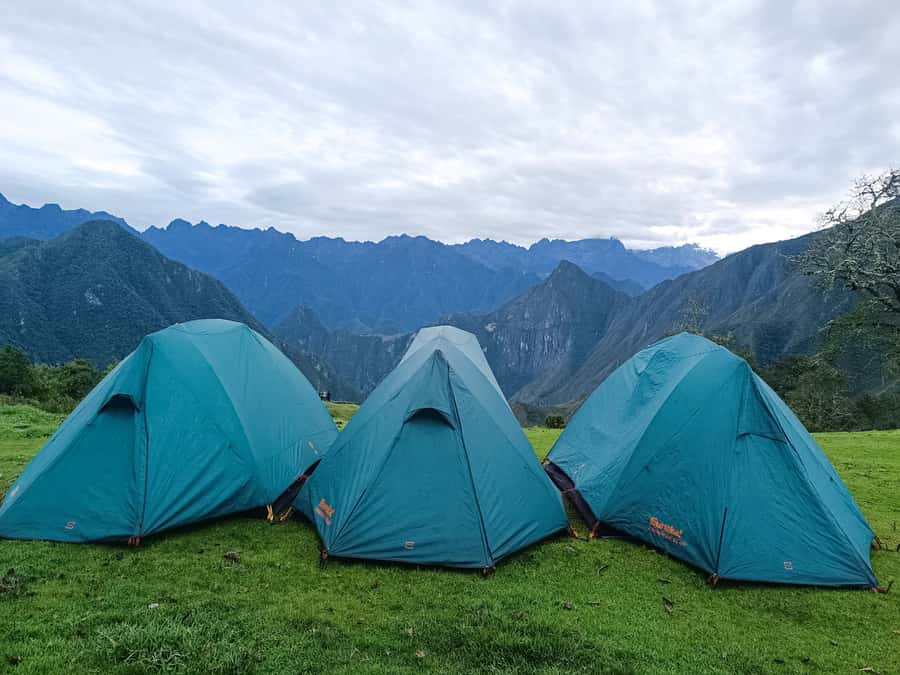
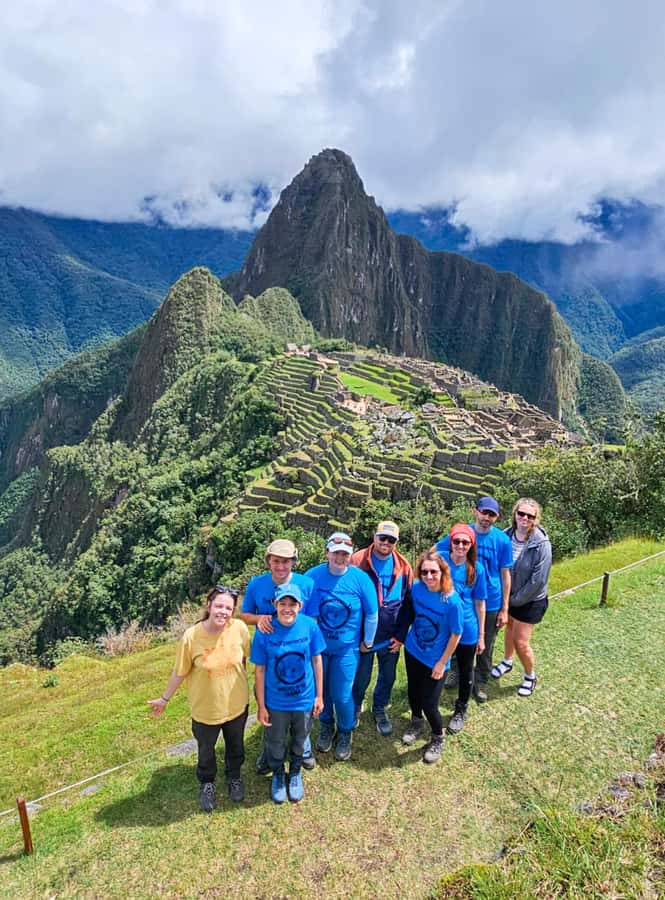
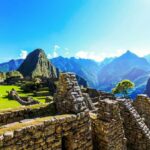
Day five is the payoff. After an early breakfast, you take one of the first buses up for sunrise over Machu Picchu. This is the moment where the route makes sense. From Salkantay, you’ve earned this view, and you also arrive when the light is best and the grounds feel less crowded.
You’ll get a guided tour of the citadel, typically 2–3 hours. Then you have time to explore on your own. If you already booked the entry, you can also hike Huayna Picchu or Machu Picchu Mountain. Just know this: those mountain passes are not included in the tour price, so they need to be arranged in advance.
If you want an honest planning tip: pack your time like a photographer. Bring your passport and plan your camera batteries early, because Machu Picchu makes you want to shoot more than you think you will.
Vistadome or 360° train back to Cusco: the ride you’ll actually enjoy
Instead of scrambling for connections, day five ends with a scenic return. After lunch back in Aguas Calientes, you board the Panoramic Vistadome train to Ollantaytambo. (Depending on the option you booked, you’ll be on the 360° train instead.) From there, a private van takes you back to Cusco, arriving around 7:30 p.m.
Why this matters: it keeps you from turning the trek into a logistics headache. And trains here aren’t just transportation—they’re part of the mood shift from “trail life” back to city life. Even if you’re tired, you’ll still get those Andean window views.
Food, camp comforts, and what’s truly included
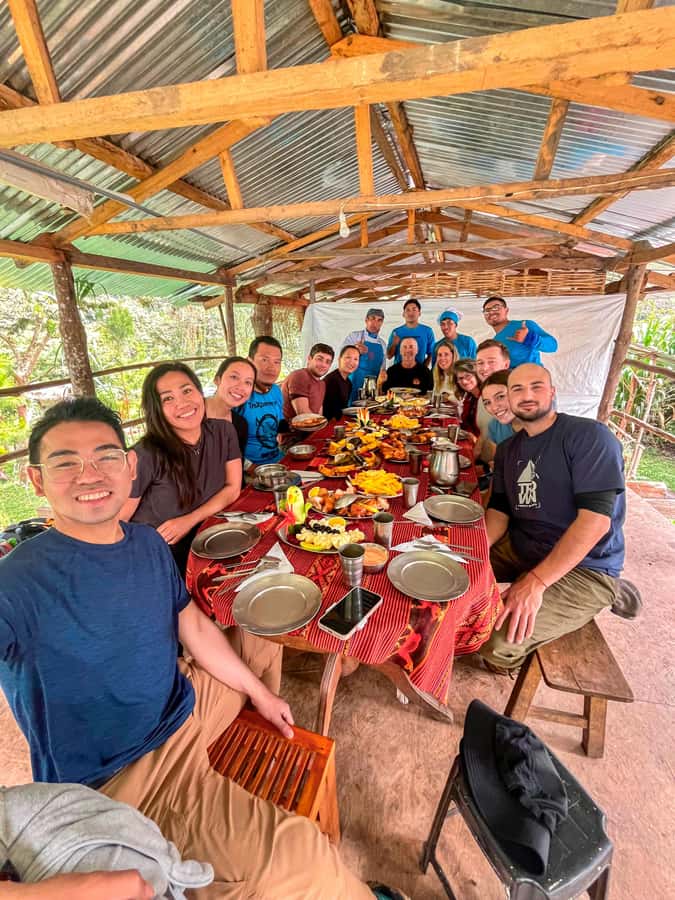
One reason this trek gets strong ratings is the way food and camp support are handled. You’ll have 4 breakfasts, 3 lunches, and 3 dinners, plus daily snacks and water. That doesn’t just reduce stress—it keeps your body fueled for long days at altitude.
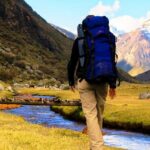
Camp setup is also thoughtfully planned. On the trek you’ll use a sleeping pad and pillow, and you’re provided rain poncho and hand towels. You’ll also receive a duffle bag limit of up to 7 kg / 11 lb, and muleteers carry your camping gear. That means you can travel with a smaller daypack and keep your load manageable, especially as the route turns from steep to muddy or slick.
A few add-on items can be rented if you don’t bring them: a sleeping bag, an inflatable mattress, and trekking poles. If you like being self-sufficient, poles and a proper sleeping bag rental can make the difference between “fine” and “comfortable.”
A note on cash and on-the-ground reality
Have cash ready in Peru. It came up as a practical tip because small purchases and last-minute needs can pop up, especially when you’re moving through multiple towns and schedules are tight. Also, make room for personal water habits and snacks if you have preferences.
Guides and team support: why names keep showing up for a reason
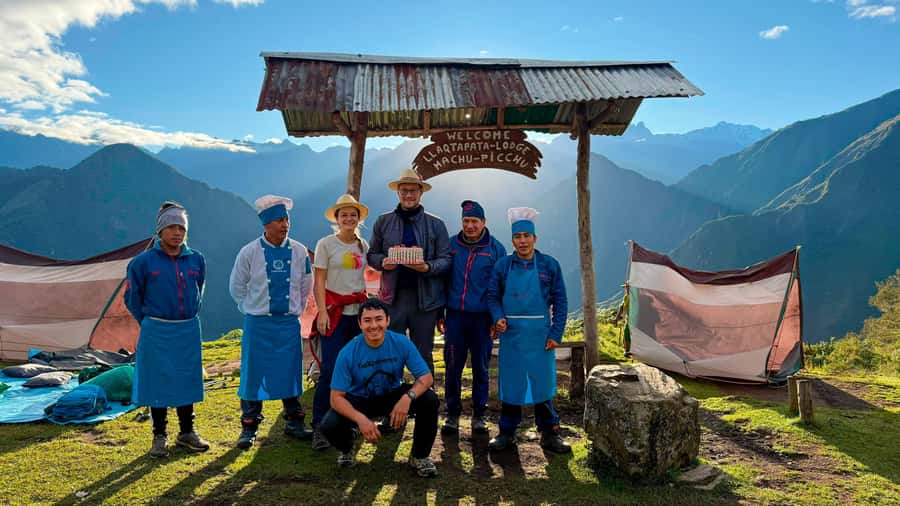
This is one of those trips where the guide can change your whole experience. Multiple guide names come up for their calm focus and encouragement, including Cesar Augusta, Jose, Roger, Alex, Renato, Miguel, Klever, Eddie, Gilbert, and Elias. What ties these stories together is consistency: they keep logistics on track, manage pace for different walkers, and help with altitude stress.
Food support also deserves real credit. Chefs like Ismael and Esmael show up in reviews for producing multiple dishes each meal and keeping everyone well fed. That matters because on Salkantay you’re not just hungry—you’re recovering, and good meals are part of that recovery.
On the safety side, it’s good to see practical gear built in: satellite phone, first-aid kit, and an oxygen tank. That doesn’t mean altitude is easy. It means help is available if conditions go sideways.
Price and value: what $655 covers and what you should budget for
At $655 per person, you’re paying for a fully guided, supported trek: permits/entries, meals, camp and hotel nights, and transport back to Cusco. In value terms, you’re not just buying hiking directions—you’re buying reduced decision fatigue.
Included items worth serious attention:
- Entrance tickets for Salkantay and Machu Picchu
- Round-trip bus to Machu Picchu
- A mix of camping and glamping plus a 3-star hotel in Aguas Calientes
- Trained chefs, daily snacks, and water
- Support gear like satellite phone and oxygen tank
- Pickup/drop-off in Cusco and train back (Vistadome or 360°)
What you should plan to pay separately:
- Sleeping bag (can be rented)
- Inflatable mattress (can be rented)
- Trekking poles (can be rented)
- Huayna Picchu and Machu Picchu Mountain passes (need booking in advance)
If you’re the kind of traveler who dislikes figuring out “where do we sleep” and “who carries the gear,” this price structure makes sense. If you already have gear, strong altitude experience, and zero interest in a guided Machu Picchu sunrise tour, you may find it less cost-efficient. But for most people, the reduced hassle is the point.
Who should do the Salkantay + Machu Picchu trek (and who should reconsider)
This trek is designed for people comfortable with multi-day hiking and altitude. It’s marked as not suitable for pregnant women, people with back problems, mobility impairments, wheelchair users, and people with heart problems.
In practice, it’s also not a “sit back and watch” experience. You need to bring motivation for long walks, and the first day can be tough if you’re sensitive to altitude.
If you’re a casual hiker who’s used to 20–25 km days, you’ll likely do fine with the pace and breaks. If you’re a complete beginner, you’ll want to be honest about what your body can handle before booking.
Should you book this Machu Picchu 5-day Salkantay trek?
Book it if you want a route where Machu Picchu is the finale, not the only reason you’re there. You’ll get turquoise Humantay Lake, a real summit test at Salkantay Pass, a cultural day with Pachamanca and coffee, and a sunrise Machu Picchu morning that feels earned.
Skip or reconsider if you’re altitude-sensitive, have the listed medical limitations, or you’re looking for a low-effort tour. Also plan ahead for mountain pass options if Huayna Picchu or Machu Picchu Mountain is on your checklist.
If your goal is value plus authentic time in Peru—with guided structure, strong food support, and scenic train comfort—this one fits the bill.
FAQ
How long is the trek, and when do pickups happen in Cusco?
The tour runs for 5 days. Hotel or Airbnb pickup in Cusco historic center is around 4:30 a.m.
Is this a small group tour?
Yes. It’s limited to 16 participants, and you’ll travel with a professional guide and a full support team.
What train do I return to Cusco on?
You return to Cusco by either the Panoramic Vistadome train or the 360° train (depending on the option you booked). After the train to Ollantaytambo, you take a private van back to Cusco.
What is included in the price?
The tour includes entrance tickets (Salkantay Trek and Machu Picchu), guided tour elements, round-trip bus to Machu Picchu, meals (4 breakfasts, 3 lunches, 3 dinners), daily snacks and water, camping/glamping nights, one 3-star hotel night in Aguas Calientes, and safety support materials.
Do I need to bring a sleeping bag or any hiking gear?
Sleeping bag, inflatable mattress, and trekking poles are not included, but they can be rented. The tour provides sleeping pad, pillow, rain poncho, and hand towels.
Are Huayna Picchu and Machu Picchu Mountain included?
No. Those passes need to be booked in advance, and they are not included in the tour.
What should I bring for altitude and weather?
Bring a passport, comfortable hiking shoes, sunglasses and hat, sunscreen, rain gear, warm layers, insect repellent, toiletries, cash, and any personal medication. A lightweight backpack (recommended no larger than 25L) is also important for Machu Picchu.
Is the tour refundable?
The activity is listed as non-refundable.
Who should not take this trek?
It is not suitable for pregnant women, people with back problems, people with mobility impairments, wheelchair users, or people with heart problems.
More Tour Reviews in Cusco
More Salkantay Departures
Machu Picchu, More Ways In
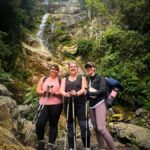
Recent write-ups from around Cusco, just off the trail
- Cuzco: Rainbow Mountain Excursion
★ 5.0 · 3 reviews - 1 day excursion to Qeswachaka bridge and the 4 lagoons
★ 3.6 · 3 reviews - Waqrapukara 1 day trekking + meals
★ 3.9 · 3 reviews - Valle Sur Cusco | half day
★ 4.3 · 3 reviews - Full-Day Condor Viewpoint & Inca Sites Tour
★ 5.0 · 3 reviews
Machu Picchu Tours & Tickets, compared.
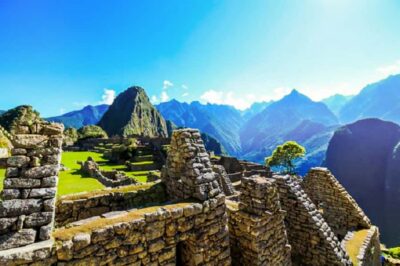 ★ 4.7From Cusco: Full-Day Group Tour of Machu PicchuFrom $3211,767 reviews
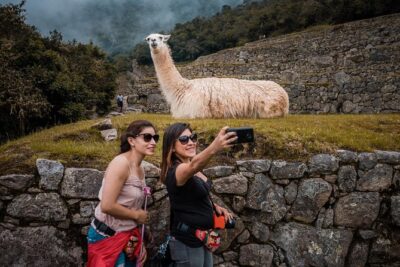 ★ 4.5Machu Picchu Day Trip from CuscoFrom $3361,644 reviews
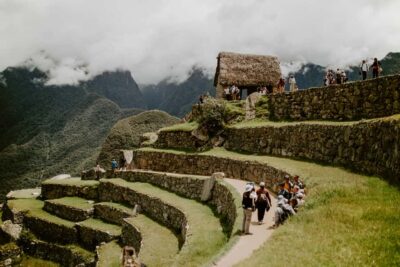 ★ 4.6Machu Picchu: Full-Day Tour from Cusco with Optional LunchFrom $283927 reviews
 ★ 4.84-Day Inca Trail to Machu Picchu with AccommodationFrom $470432 reviews
 ★ 4.6From Cusco: 2-Day Trip to the Sacred Valley and Machu PicchuFrom $370265 reviews
 ★ 4.9Machu Picchu 2-Day Inca Trail with Panoramic TrainFrom $582260 reviews
 ★ 4.2From Cusco: 2-Day Inca Trail to Machu PicchuFrom $290244 reviews
 ★ 4.9Machu Picchu: Inca Trail 2-Day Overnight Guided TourFrom $585203 reviews
Browse the lists this tour appears in