
REVIEW · MACHU PICCHU TOURS & TICKETS
Salkantay Trek 4 Days to Machu Picchu by Glamping Sky Lodge Dome
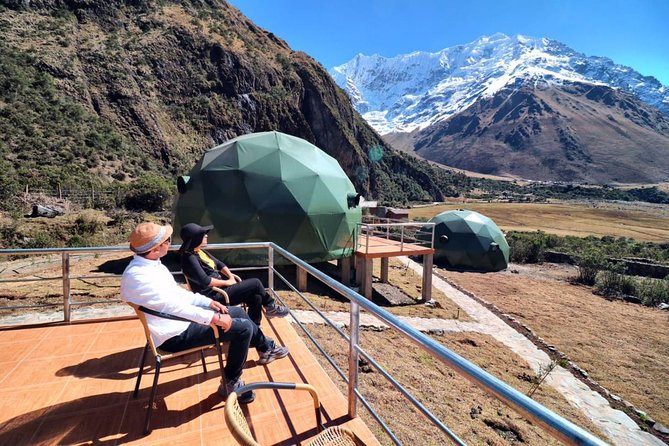
That first morning climb starts fast. This Salkantay-to-Machu Picchu trek blends serious altitude and jungle drama with real creature comforts via dome lodging. I especially love the Sky Lodge Dome setup (warmth and easier sleep than ground tents) and how guides like Fernando and Nildo tend to keep you safe and smiling with solid altitude coaching and practical trail talk. One drawback: you’ll feel the schedule hard, with an early 4:30 a.m. pickup and some long, high passes where conditions can turn cold and even snowy.
The route is classic Salkantay: big mountain viewpoints, cloud forest, then a descent into warmer, wetter jungle valleys before you hit Machu Picchu in the morning. You also get a structured plan—transport to the trailhead, porter support for a limited pack weight, meals all through the trek, and the train back from Aguas Calientes to Ollantaytambo.
At about $761.91 per person, it’s not cheap. But when you add dome lodging, guide team, most meals, Machu Picchu entry, and the return logistics, it starts to look more like a full package than a bare trek. If you’re trying to do this super-budget style, you’ll want to factor in the extra Salkantay/Humantay entrance fee that isn’t included.
In This Review
- Key things to know before you go
- From Cusco at 4:30 a.m. to Mollepata: the trek begins before you’re fully awake
- Day 1: Mollepata to Soraypampa—Cruzpata views and your cold-weather camp
- Day 2: the 4,650 m Salkantay pass and the cloud-forest drop into jungle country
- Day 3: upper jungle, rivers, waterfalls, and La Playa at walking pace
- Day 4: Machu Picchu morning—hike up or catch the first bus
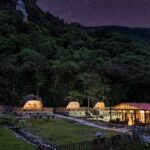
- Glamping dome stays and the food plan: comfort that actually supports the hike
- Price and logistics: what you’re really paying for at $761.91
- What to bring (and what matters most) for Salkantay comfort
- Should you book this 4-day Salkantay trek with dome glamping?
- FAQ
- What time do they pick me up in Cusco?
- How long is the trek from start to Machu Picchu?
- What kind of lodging do I get during the trek?
- Is vegetarian food included?
- How do I get to Machu Picchu on the final day?
- Is Machu Picchu entrance included?
- Are any key fees not included?
- What happens if I cancel?
Key things to know before you go
- Sky Lodge Dome nights: you’re sleeping off the ground, which matters when temperatures drop.
- A real early Machu Picchu strategy: you can hike up at dawn or catch the first bus for sunrise views.
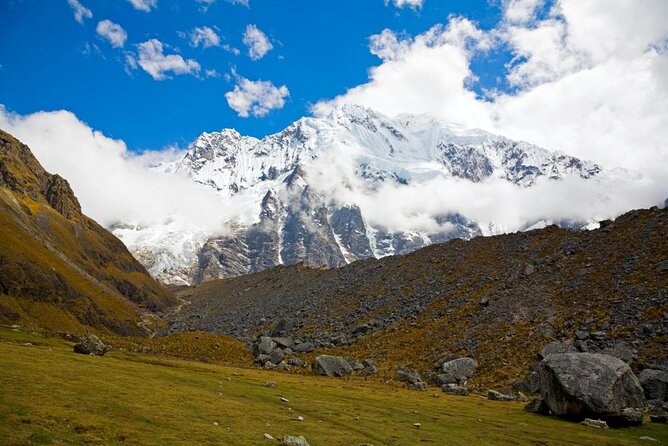
- High-pass day: the top point hits about 4,650 m, with the pass between Salkantay and Tucarhuay.
- Food is part of the plan: multiple breakfasts/lunches/dinners plus afternoon hot teas, including vegetarian with no extra charge.
- Smaller-group comfort: capped at 19 travelers, with an assistant guide when groups get larger.
- Porter help is limited but useful: your carry allowance is up to 7 kg, plus your own day gear.
Other ways up to Machu Picchu, reviewed
- From Cusco: Full-Day Group Tour of Machu Picchu★ 4.7 · 1,767 reviews
- Machu Picchu Day Trip from Cusco★ 4.5 · 1,644 reviews
- Machu Picchu: Full-Day Tour from Cusco with Optional Lunch★ 4.6 · 927 reviews
- Cusco: 4-Day Inca Trail to Machu Picchu with Accommodation★ 4.8 · 432 reviews
From Cusco at 4:30 a.m. to Mollepata: the trek begins before you’re fully awake
The day kicks off with pickup from your hotel at about 4:30 a.m. Then you drive roughly three hours to Mollepata to start the trek. Expect breakfast there, and then the team moves fast: the cook and horseman get camping gear sorted while you’re still in “coffee and layers” mode.
This opening matters more than it sounds. Salkantay is one of those treks where your schedule is the first challenge. If you sleep poorly or you don’t eat early, the altitude climbs feel sharper. The early start also helps you reach viewpoint stops in daylight, so you get the best of those snow-capped panoramas without racing the dark.
The first hiking block is a warm-up in name only: about three hours uphill to Cruzpata. This is where you start seeing the mountain scale that’s easy to underestimate from Cusco. Lunch at Cruzpata is planned with panoramic views of Humantay (4,120 m) and Salkantay (6,271 m). You’re not just eating here—you’re building mental stamina for the big day ahead.
Day 1: Mollepata to Soraypampa—Cruzpata views and your cold-weather camp
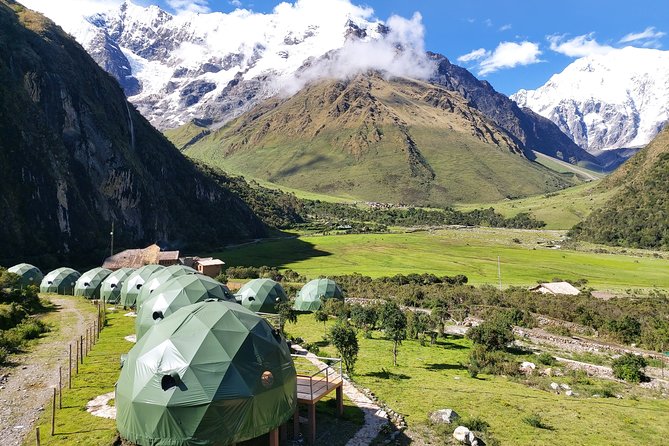
After lunch, you keep walking toward Soraypampa, your first camping stop at about 3,800 m. Soraypampa is described as the highest and coldest campsite of the trip, and you feel that right away once the sun goes down.
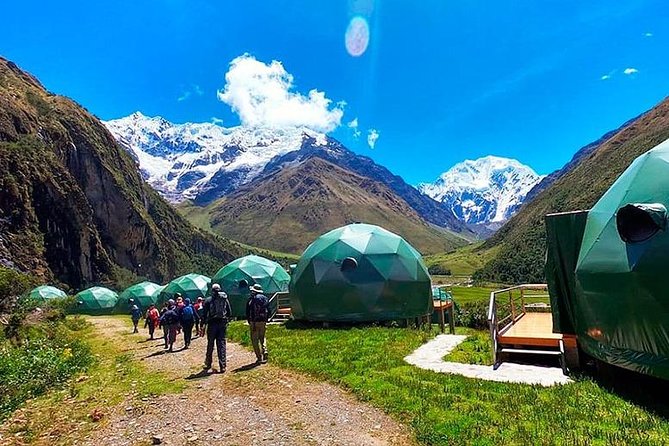
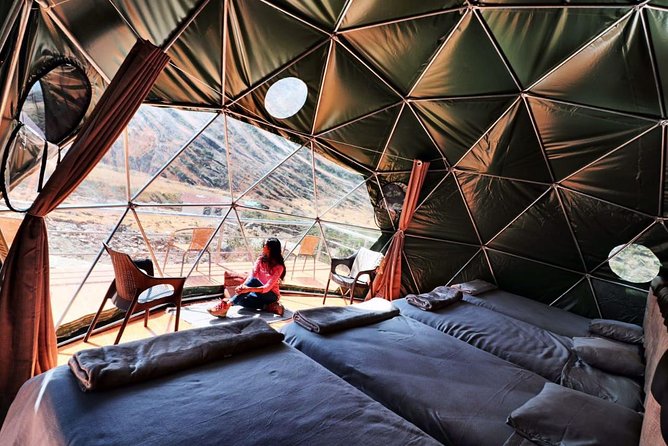
Camping is the difference between “I love this” and “I hate this.” Here, the dome lodging approach helps a lot. In the reviews, people liked having dome stays instead of sleeping on the ground in a tent. When the air turns icy, a warm, enclosed sleeping setup is not a luxury—it’s a recovery tool.
You’ll also appreciate where Soraypampa sits. It’s close to another major snow-capped mountain in the area, so even if you’re tired, the scenery keeps rewarding you. It’s a good first-day formula: a tough start, a major viewpoint, then a camp that sets you up for an even higher pass tomorrow.
Day 2: the 4,650 m Salkantay pass and the cloud-forest drop into jungle country
This is the long day. You start around 5:30 a.m. with walking, and the first stretch climbs uphill for about four hours to the highest point of the trek, roughly 4,650 m. The pass sits between two heavyweights: Salkantay on the right and Tucarhuay (Tucurhuay) on the left.
This is where conditions can get real. The plan notes there’s a possibility of snow at the pass. Even if you don’t get snow, temperatures at that altitude can feel punishing. The climb can also mess with breathing and appetite, so pacing is the whole game.
A short rest at the pass, then you head downhill. You’ll go through a dramatic transition: from high, open mountain zones into cloud forest, and then into the Huayracpunku lunch area. This is a key part of what makes Salkantay special—you’re not stuck with one type of scenery for four days.
After lunch, you hike toward Chaullay, then take local transportation for about one hour to your coffee campsite at Loreta La Playa. That “transport chunk” is a sanity saver. It breaks up the day and helps you arrive before you’re too cooked to appreciate the new surroundings.
Also pay attention to how guides handle altitude. In multiple accounts, guides like Fernando were praised for checking in on people’s comfort and encouraging you when you’re exhausted. Some guides even use practical altitude helpers like coca leaves. Not magic, but helpful for people who need that extra nudge.
Day 3: upper jungle, rivers, waterfalls, and La Playa at walking pace
Day 3 starts at 6:30 a.m., and it’s about a six-hour walk through the upper jungle. The route crosses the Lluskamayo River and several smaller brooks. That means you’ll likely be dealing with wet ground, cool air under tree cover, and a steady rhythm of stepping forward because the trail doesn’t always feel “linear.”
The day’s vibe is more tropical than earlier parts. The plan highlights valleys with views of waterfalls, plus tropical fruit and plant life. This is when you shift from “survive the pass” mode into “enjoy the place” mode, even if your legs still argue.
La Playa is your destination for the night. Reviews mention hot soups and warm meals during hard walking days, and that theme shows up again here: the trek isn’t just scenic; it’s fuel-managed. That matters because at this point, you’re not only hiking—you’re trying to arrive at Machu Picchu well enough to actually enjoy it.
Other Salkantay routes to compare
Day 4: Machu Picchu morning—hike up or catch the first bus
Day 4 starts very early. You wake up around 4:00 a.m., grab breakfast around 4:30 a.m., and then head toward Machu Picchu. The hike up takes about 1.5 hours.
There’s also an option that many people prefer for sunrise viewing: catch the first bus leaving at 5:30 a.m. (about 25 minutes) to reach Machu Picchu as the sun rises. This is one of those choices you should make based on your body and your goals. If you want the sunrise view with less exertion, the bus is the easier route. If you want the full walking build-up and don’t mind the climb, go for the early hike.
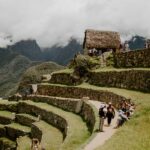
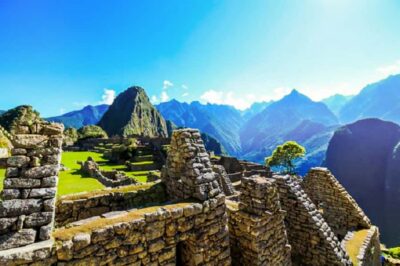
Once you’re inside, you get a walking tour of about two hours led by your guide. This is useful time. Machu Picchu is stunning on its own, but having someone explain key features helps you understand what you’re looking at—terraces, stonework logic, and the way the site fits into the Andes geography.
After the tour, you explore on your own. That free time is where you’ll slow down, take photos, and decide which spots you want to revisit. Go with the mindset that you’re not checking boxes. You’re soaking in a once-in-a-lifetime place.
Glamping dome stays and the food plan: comfort that actually supports the hike
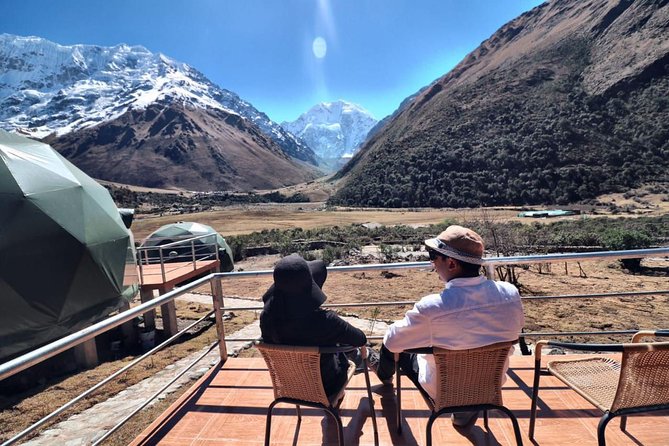
The biggest practical advantage of the dome setup is recovery. Cold nights at altitude are not just uncomfortable; they can mess with sleep, and poor sleep makes everything harder the next day. With domes, you’re not dealing with wind blowing through tent fabric or sleeping directly on cold ground.
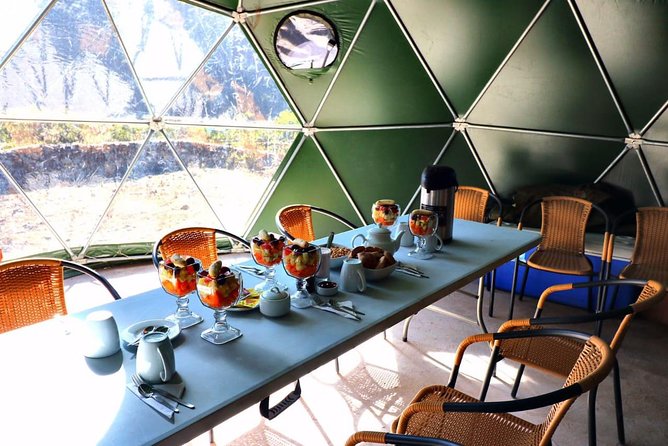
In reviews, people specifically liked the dome experience and mentioned things like hot water availability. The trek meals also play a major role in why this feels organized. You get three breakfasts, three lunches, three dinners, plus three afternoon hot teas. That’s a lot of planned warmth, especially when mornings start below-breath level.
Vegetarian is included with no extra cost, which is a big deal on treks where special diets sometimes become “we’ll try.” You’ll want to confirm any strict needs in advance, but the baseline vegetarian option is clearly covered.
Don’t ignore the included extras either: a duffel bag for your personal belongings, rain ponchos, a first-aid kit with emergency oxygen bottle, and a trek-ready kit that’s meant to keep you moving safely.
Price and logistics: what you’re really paying for at $761.91
At $761.91 per person, this trek isn’t priced like a minimalist backpacking outing. You’re paying for a lot of logistics that would be annoying (or expensive) to recreate yourself:
- Transport from Cusco to the trailhead by tourist bus
- Camping gear operation via cook, horseman, and the camping setup
- Guiding in English and Spanish, plus an assistant guide when the group size warrants it
- Dome lodging for the camping nights
- One night in a hotel in Aguas Calientes with private shower and bathroom
- Machu Picchu entrance
- Return transport: train from Aguas Calientes back to Ollantaytambo and then bus back to Cusco
The costs you should expect on top: breakfast on day 1 and lunch on day 4 are listed as not included. Also, there’s an entrance fee for Salkantay & Humantay (not included), listed as 20 soles / PEN 20 per person.
Is it good value? For most people, yes—especially if you care about comfort, meals, and not dealing with the logistics puzzle. If you already have your own gear, love independent hiking, and can arrange transport smoothly, you might pay less going DIY. But DIY doesn’t handle porter systems, meals at altitude, and the train back from Aguas Calientes for you.
What to bring (and what matters most) for Salkantay comfort
You don’t need special expedition gear, but you do need good basics. The packing list here is pretty practical: wind stopper layer, fleece sweater, optional light long-sleeve, and rain protection. You’ll also need solid socks and footwear that can handle wet sections in the jungle days.
Big items to think about:
- A sleeping bag rated to about -11°C / 12°F is listed in the recommended gear. Even with domes, you’ll still want to be ready for cold nights.
- A headlamp so you can move safely early mornings and in low light.
- Trekking poles (recommended) to save knees on the steep parts.
- Rain poncho or rain jacket. Even if it doesn’t rain, wet ground is common.
- Gloves and hat for cold pass conditions.
- Sunscreen and UV-protecting sunglasses. At altitude, the sun is not your friend.
One more practical tip: pack smart for the day. You’ll have your own day backpack, but your heavier items are meant to ride with the support team within the listed 7 kg personal carry limit.
Should you book this 4-day Salkantay trek with dome glamping?
Book it if you want a trek that feels adventurous but not chaotic. The domes and the meals are real advantages, and the plan does a good job matching pacing to altitude challenges. You also get Machu Picchu timed for early access, plus a guided orientation inside the site so you don’t miss the important details.
Skip it (or choose a different style) if you know early mornings and altitude days are your weak points. This trek has a high pass around 4,650 m and long walking days. If that sounds like a stress you’d rather avoid, you’ll likely want a different itinerary.
Finally, pay attention to guide quality. In the reviews tied to this trek experience, certain guides like Fernando, Nildo, Jose, and the supporting team stand out for patience, humor, and helping people acclimate. Your specific guide may differ, but the consistency of that “team makes it work” theme is a strong signal.
FAQ
What time do they pick me up in Cusco?
Pickup from your hotel is listed at about 4:30 a.m.
How long is the trek from start to Machu Picchu?
It’s a 4-day itinerary, with walking and transport built into each day.
What kind of lodging do I get during the trek?
You stay in Sky Lodge Dome accommodation on the trekking nights, and you also get one night in a hotel in Aguas Calientes with private shower and bathroom.
Is vegetarian food included?
Yes. Vegetarian meals are available with no extra cost.
How do I get to Machu Picchu on the final day?
You can either hike up (about 1.5 hours) or take the first bus leaving at 5:30 a.m. (around 25 minutes) to see Machu Picchu as the sun rises.
Is Machu Picchu entrance included?
Yes. The Machu Picchu entrance fee is included.
Are any key fees not included?
Breakfast on day 1 and lunch on day 4 aren’t included. Also, there’s an additional entrance fee for Salkantay and Humantay listed as 20 soles / PEN 20 per person.
What happens if I cancel?
This experience is non-refundable and cannot be changed for any reason.
More Tour Reviews in Cusco
More Salkantay Departures
Machu Picchu, More Ways In
Recent write-ups from around Cusco, just off the trail
- Cuzco: Rainbow Mountain Excursion
★ 5.0 · 3 reviews - 1 day excursion to Qeswachaka bridge and the 4 lagoons
★ 3.6 · 3 reviews - Waqrapukara 1 day trekking + meals
★ 3.9 · 3 reviews - Valle Sur Cusco | half day
★ 4.3 · 3 reviews - Full-Day Condor Viewpoint & Inca Sites Tour
★ 5.0 · 3 reviews
Machu Picchu Tours & Tickets, compared.
 ★ 4.7From Cusco: Full-Day Group Tour of Machu PicchuFrom $3211,767 reviews
 ★ 4.5Machu Picchu Day Trip from CuscoFrom $3361,644 reviews
 ★ 4.6Machu Picchu: Full-Day Tour from Cusco with Optional LunchFrom $283927 reviews
 ★ 4.84-Day Inca Trail to Machu Picchu with AccommodationFrom $470432 reviews
 ★ 4.6From Cusco: 2-Day Trip to the Sacred Valley and Machu PicchuFrom $370265 reviews
 ★ 4.9Machu Picchu 2-Day Inca Trail with Panoramic TrainFrom $582260 reviews
 ★ 4.2From Cusco: 2-Day Inca Trail to Machu PicchuFrom $290244 reviews
 ★ 4.9Machu Picchu: Inca Trail 2-Day Overnight Guided TourFrom $585203 reviews
Browse the lists this tour appears in