
REVIEW · MACHU PICCHU TOURS & TICKETS
Small Group 5 Days Salkantay and Machu Picchu by Llactapata Tour
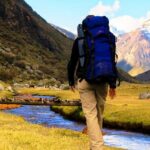
Five days can change how you see Peru. This small-group Salkantay to Machu Picchu trek mixes big-altitude days with the payoff of Llactapata views and an early visit to Machu Picchu. You also get real support in the form of horsemen and mules for up to 7kg of your personal gear.
I especially like the bilingual guide setup. In past groups, guides like Jainor and Rolando have handled Spanish and English with patience, and they’ve explained Inca history in a way that actually helps on the trail and at the ruins.
One thing to plan for: the practical stuff can be confusing, especially tipping expectations for cooks and porters. Also, some camp comfort basics (like toilets on day 3) may not feel fancy, even if the team handles the rest well.
In This Review
- Key highlights (why this trek is getting 4.9 stars)
- Start Day 1 With a 4:00am Cusco Departure and Real Altitude Timing
- Challacancha to Soraypampa: Humantay Views and a First Taste of the Andes
- Salkantay Pass Day 2: The Big Climb, Then a Swift Change of Environment
- Collpapampa to Lucmabamba: Forest Walks, Orchids, and Coffee That Actually Has a Story
- Llactapata on Day 4: Inca Trail Hiking With Machu Picchu Mountain in View
- Aguas Calientes: Your One-Night Base With a Private Room and Breakfast
- Machu Picchu at First Light on Day 5: Guided Ruins and a Smooth Train Exit
- Price and Value: What $593 Covers (and Why It Adds Up)
- Who This Trek Fits Best (and Who Might Want a Different Plan)
- Practical Tips So You’re Comfortable on Day 1 and Day 3
- Should You Book This Salkantay + Llactapata + Machu Picchu Trek?
- FAQ
- What is the tour duration?
- Where does the tour start in Cusco?
- What time does the tour start?
- What is the group size limit?
- Do I need a sleeping bag?
- What transport is included for getting to trailheads and back?
- Is Machu Picchu entrance and a guided tour included?
- What meals are included, and what’s not?
- Are meals available for vegetarians?
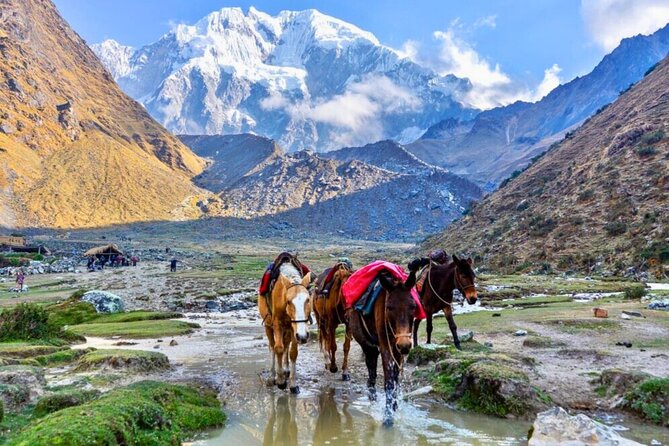
- Do horses or mules carry any of my gear?
Key highlights (why this trek is getting 4.9 stars)
- Max 9 travelers keeps the pace workable when altitude hits different people
- Horsemen/mules carry up to 7kg so you’re hiking, not hauling
- Professional bilingual guides (people have mentioned Jainor and Rolando by name)
- Meals are actively planned with tea/snacks daily and strong cooking feedback for chefs like Alejandro
- Llactapata before Machu Picchu gives you Inca ruins views without arriving straight from a bus
- First light Machu Picchu via the 5:30am start from Aguas Calientes
Other ways up to Machu Picchu, reviewed
- From Cusco: Full-Day Group Tour of Machu Picchu★ 4.7 · 1,767 reviews
- Machu Picchu Day Trip from Cusco★ 4.5 · 1,644 reviews
- Machu Picchu: Full-Day Tour from Cusco with Optional Lunch★ 4.6 · 927 reviews
- Cusco: 4-Day Inca Trail to Machu Picchu with Accommodation★ 4.8 · 432 reviews
Start Day 1 With a 4:00am Cusco Departure and Real Altitude Timing
Your day kicks off early. You meet at Plaza de Armas in Cusco, and the tour starts at 4:00am. That early departure matters because you’re not just getting to the trailhead—you’re building enough time for the day’s altitude pacing and meeting the trekking team at Challacancha.
The route heads toward Challacancha (3400m) and passes through Mollepata (3000m) where you get a short break to stretch and look out over the countryside. Then, at Challacancha, you meet your horsemen and the group, and the trek becomes official.
One practical advantage here: the itinerary is structured around acclimatization. You’re starting at elevation, yes, but you’re not throwing everyone into the steepest section immediately. Even if you’re feeling it in your lungs, the schedule gives you a chance to settle into the rhythm.
Challacancha to Soraypampa: Humantay Views and a First Taste of the Andes
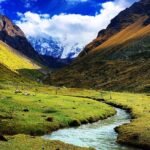
After the first valley walk, the big feeling is scale. As you hike through the area with Humantay (5217m) and Salkantay (6264m) towering nearby, you’ll understand why this region gets trekkers hooked. The air is crisp, and the views are the kind you can’t speed-run.
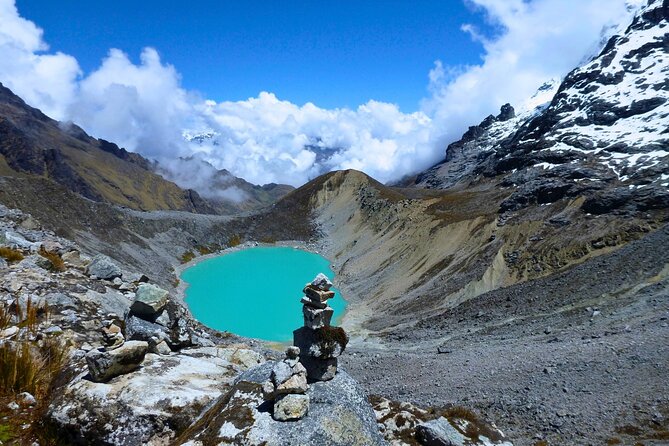
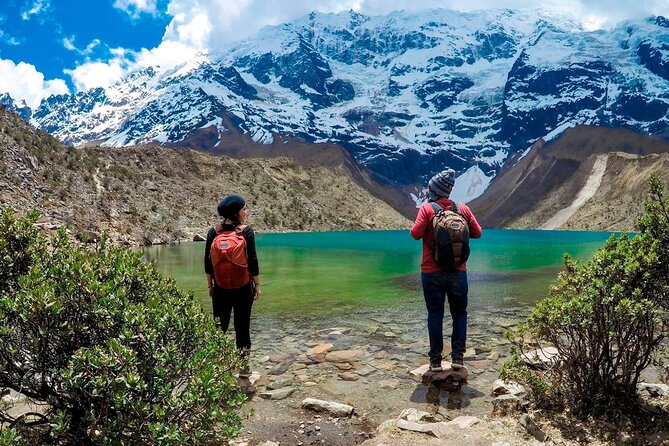
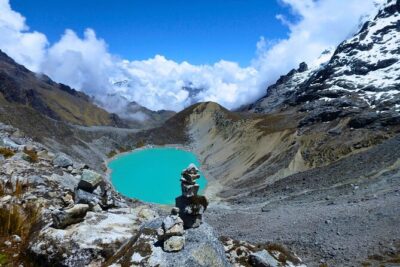
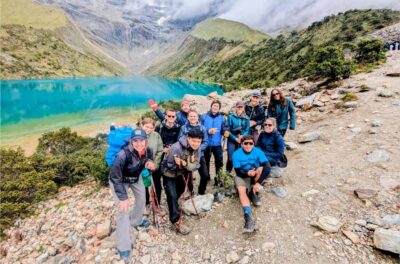
You reach Soraypampa (3700m) as your camping base. In the afternoon, there’s an optional hike to Humantay Lake. It’s a short add-on compared with the bigger days, but it’s a useful one: it gives you a visual payoff and helps you continue adjusting to the altitude before the real push.
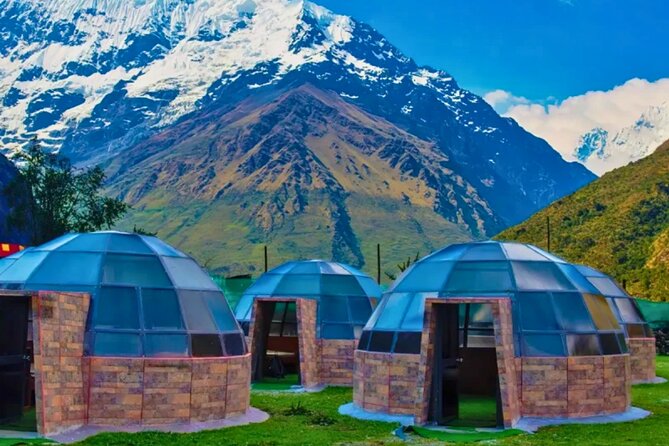
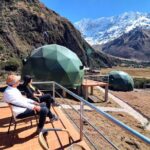
Camp nights on this route tend to be what you make of them. You’ll get sleeping accommodations in the camping context, plus meals and tea/snacks, which is a huge deal at altitude. And because the group is small (up to 9), it’s easier for your guide to slow down when someone needs it.
Salkantay Pass Day 2: The Big Climb, Then a Swift Change of Environment
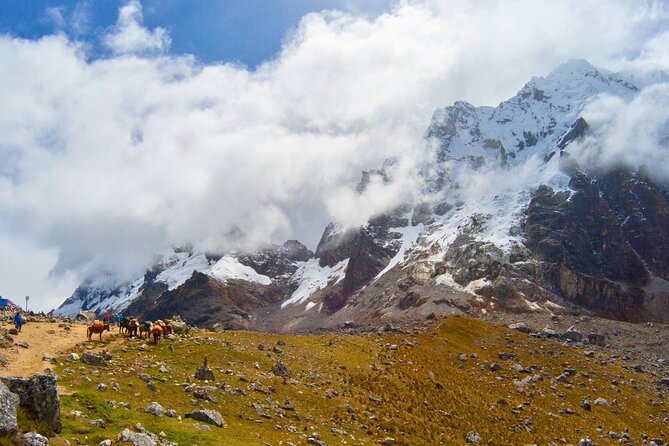
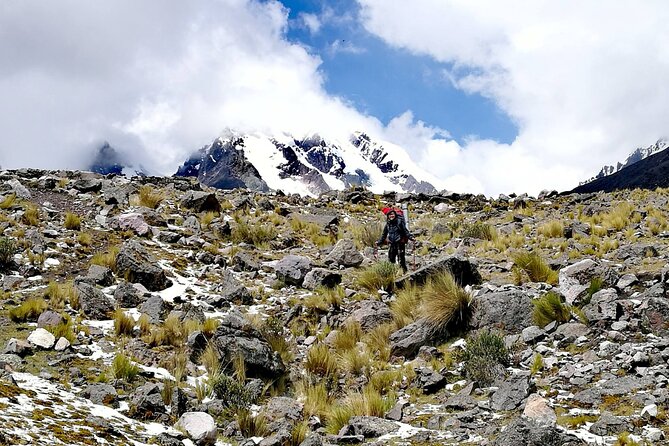
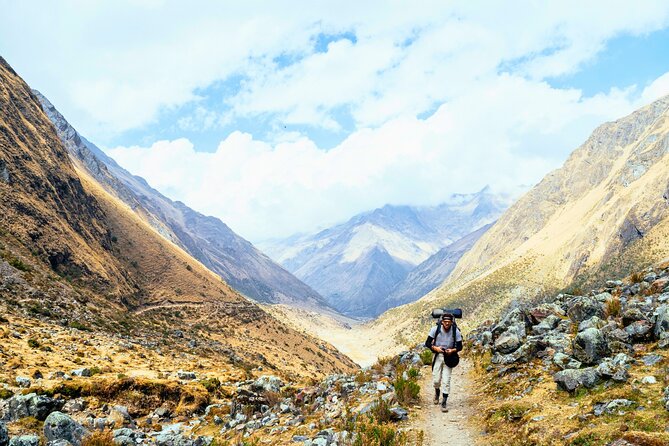
Day 2 is where the itinerary earns its reputation. You start from Soraypampa with a climb toward Salkantay Pass (4600m). This is the moment many people remember: the pass area brings sweeping views, and it’s physically demanding in a very honest way.
Once you get through the highest viewpoint, the day shifts. You descend and the environment changes as you drop in altitude—your surroundings become warmer and more humid. That matters because your body feels the change fast, and it also changes the vibe of the hike. It’s no longer just about altitude; it’s about moving through heat and humidity.
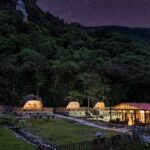
That leads you to Collpapampa (3000m), your campsite for the night, described as forested and mosquito-prone. Here’s the practical takeaway: bring what you need for bugs and expect “nature camp” conditions. You’re not going to a resort. You’re moving through Andean ecosystems.
Collpapampa to Lucmabamba: Forest Walks, Orchids, and Coffee That Actually Has a Story
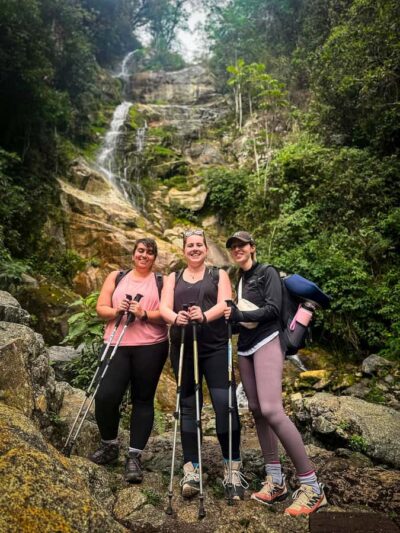
This day is different in the best way: you trade the big pass energy for plants, plantations, and rural life. You descend through dense forest and pass plant varieties like orchids and bromeliads. Even if you’re not a plant person, it’s a welcome break from the constant staring at altitude peaks.
Then the trail opens into agricultural areas. You’ll see coffee, cacao, and fruit plantations, and the day is built so you can learn how these crops fit into local life and the economy. This is a smart balance for a trekking tour: your eyes stop being only “mountains,” and you start noticing how people live here.
In the afternoon, you reach Wiñaypoco/Granadilla/Lucmabamba (down to around 2000–2650m depending on the specific point you’re setting up from). You set up your campsite and then experience a hands-on moment at a Lucmabamba Lodge area.
One standout included activity: you interact with a local rural family and learn coffee from tree to cup. You’ll see the process from cultivation to harvesting coffee cherries, then drying and roasting beans. And yes, this is the kind of explanation that helps when you later taste coffee back home—you know what part of the supply chain your cup supports.
Other Salkantay routes to compare
Llactapata on Day 4: Inca Trail Hiking With Machu Picchu Mountain in View
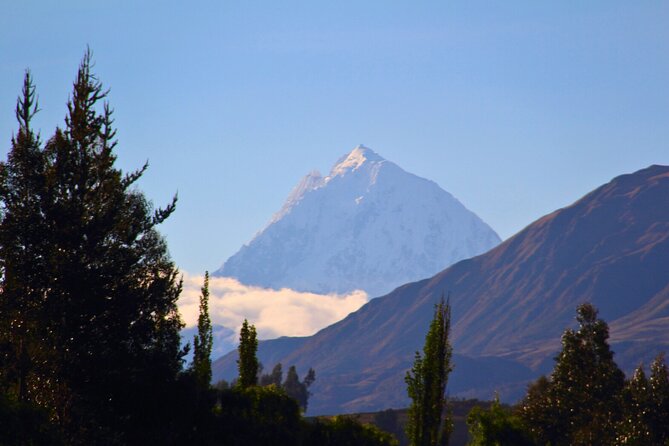
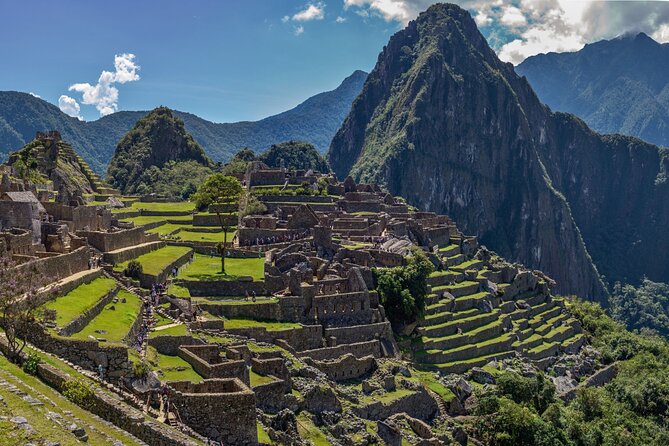
After breakfast at Lucmabamba, you hike up the historic Inca trail toward Llactapata (2650m). Llactapata is an archaeological site where you can see terraces and structures tied into the Inca trail network. This stop is valuable because it puts Machu Picchu in context: it’s not just one monument; it’s part of a larger system.
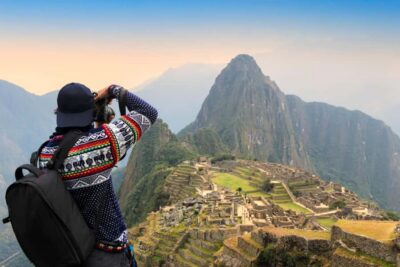
The hike to Llactapata is also about getting the first real panoramic perspective of the region. From there, you look toward Machu Picchu Mountain and the Vilcanota Canyon. If you’ve ever visited Machu Picchu and wondered how it sits so dramatically in the Andes, this viewpoint helps you understand it.
From Llactapata, you continue descending toward the Hydroelectric station (1950m). You rest there and then keep going to Machu Picchu town, also known as Aguas Calientes. This is where you switch gears from trek mode to town mode—sitting down, showering (if your hotel arrangement allows), and mentally preparing for the next day’s early entry.
Aguas Calientes: Your One-Night Base With a Private Room and Breakfast
You sleep in Aguas Calientes in a hotel with a private room and bathroom, and breakfast is included there. This matters because the next morning is early—early enough that you don’t want to be dealing with shared facilities or late-night stress.
The town itself is a hub for Machu Picchu logistics. Your main job tonight is to rest, eat what your stomach likes, and avoid doing anything heroic like changing your sleep schedule. A calm night here pays off with an easier early start.
Machu Picchu at First Light on Day 5: Guided Ruins and a Smooth Train Exit
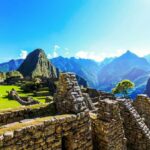
You leave the hotel around 5:30am, after breakfast, and take a tourist bus to Machu Picchu. The plan is to arrive around 6:00am so you get those first-light views as the citadel wakes up.
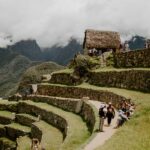
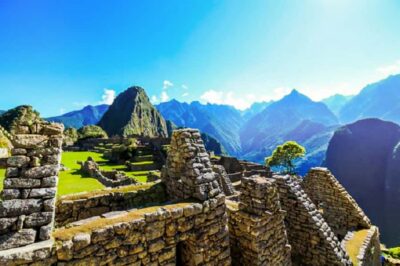
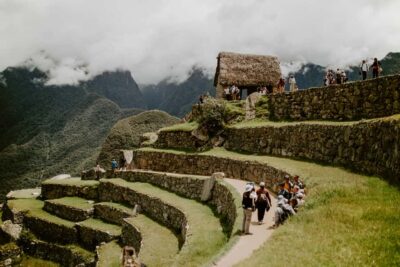
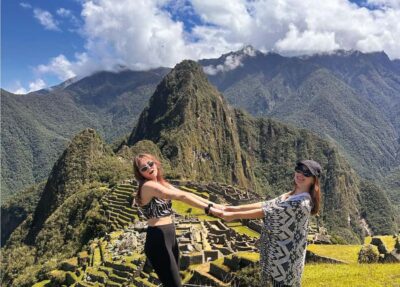
Then you get a guided tour through the UNESCO site with a bilingual guide. You’ll walk and learn about Inca civilization, architectural choices, and cultural heritage, with explanations tied to what you’re seeing. This is one of the biggest quality drivers for a first visit: the site is confusing if you’re only looking at rocks, but much easier when someone can point out why things are arranged the way they are.
After the guided portion, you return to Aguas Calientes. In the afternoon you take the train to Ollantaytambo, and then a vehicle brings you back to Cusco.
One small but important practical note: the bus from Machu Picchu to Aguas Calientes is not included (listed separately at $12). So if you want the easiest return after your visit, plan for that cost.
Price and Value: What $593 Covers (and Why It Adds Up)
At $593 per person, this trek isn’t “cheap,” but it also isn’t just a walking tour. You’re paying for a package that covers the heavy logistics of getting from Cusco to remote trail days, then connecting you to Machu Picchu with the right transport rhythm.
Here’s what you’re getting for the money:
- Professional bilingual guiding through both trekking days and Machu Picchu
- Entrance tickets to Salkantay and Machu Picchu
- A hotel in Aguas Calientes with private room and bathroom plus breakfast
- Camping support like a dining tent with table and chairs
- Meals planned during the trek (vegetarian options available), plus tea and snack time every day
- Horsemen/mules for up to 7kg of your personal equipment, plus an emergency horse option
- Medical readiness: first aid kit and oxygen bottle
What’s not included is also clear: day 1 breakfast, last-day lunch in Aguas Calientes, the return bus from Machu Picchu to Aguas Calientes, and a sleeping bag rental if you need one ($5 per day). Those are the add-ons that can nudge your final total.
In plain terms: the value is strongest if you want the route complexity handled for you—guides, tickets, camping meals, and the Machu Picchu connection—without juggling dozens of separate bookings.
Who This Trek Fits Best (and Who Might Want a Different Plan)
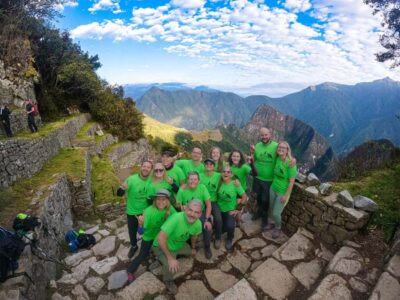
This is for people with strong physical fitness, because it includes high passes and long trekking days. It’s also well suited if you like a small-group vibe. Past groups have included people from age 21 to 67, and the guide teams are described as flexible about varying fitness levels—so the group size helps, not just the scenery.
You’ll probably enjoy this most if you want more than Machu Picchu photos. Llactapata, the coffee-culture lodge interaction, and the farm/forest day give you variety so you’re not only climbing and dropping for five straight days.
If you hate uncertainty or want total control down to the last detail, you might find the practical parts of trekking (toilets, tipping conversations, and basic camp conditions) less comforting than a fully private luxury plan.
Practical Tips So You’re Comfortable on Day 1 and Day 3
A few grounded tips based on what’s been flagged:
- Be clear about tipping expectations for cooks and porters before the trek starts. Ask your guide for a straight explanation, then write it down for your own sanity.
- Accept that facilities can be basic. One guide team member was praised overall, but day 3 toilets were specifically mentioned as needing improvement—so expect “functional,” not spa-level.
- If you don’t have a sleeping bag, factor in the $5 per day rental option mentioned in what’s not included.
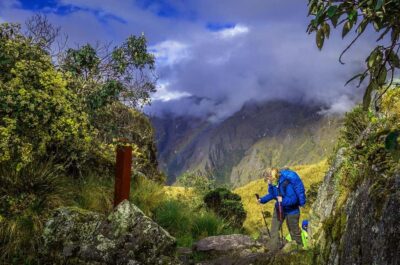
- The route mixes high altitude and humid forest. Plan for both: you’ll want insect protection for forest segments and warm layers for high elevations.
Should You Book This Salkantay + Llactapata + Machu Picchu Trek?
I’d book this if you want a well-run, small-group trek that gets you to Machu Picchu with built-in history and variety, not just a hike-to-ruins conveyor belt. The combination of Salkantay passes, Llactapata ruins views, and the Aguas Calientes hotel stop makes it feel like a complete story from start to finish.
I’d think twice if your priority is maximum comfort at every moment. This is trekking and camping. You’ll be cared for—meal support, horse carry for up to 7kg, medical readiness—but camp conditions are still camp conditions.
If you do book, put “guide request” on your checklist. People have specifically recommended guides like Jainor and Rolando, and chefs like Alejandro have been singled out for excellent cooking (including birthday surprises in at least one group). That’s not a guarantee, but it’s a strong hint about who tends to raise the experience.
FAQ
What is the tour duration?
The trek runs for about 5 days.
Where does the tour start in Cusco?
The start point is Plaza de Armas de Cusco, at Del Medio 123, Cusco 08000, Peru.
What time does the tour start?
Start time is 4:00 am.
What is the group size limit?
The tour has a maximum of 9 travelers.
Do I need a sleeping bag?
A sleeping bag is not included. It can be rented for $5 per day if needed.
What transport is included for getting to trailheads and back?
Private transportation is included from Cusco to Mollepata (Challacancha). After Machu Picchu, you take the tourist train from Machu Picchu to Ollantaytambo and then a vehicle to Cusco Historic Center.
Is Machu Picchu entrance and a guided tour included?
Yes. Entrance to Machu Picchu is included, and there is a guided tour at the Santuario Historico de Machu Picchu.
What meals are included, and what’s not?
The tour includes dinner (3), breakfast (3), and lunch (3). Not included are breakfast on the first day and lunch on the last day in Aguas Calientes, which are listed at $30 each.
Are meals available for vegetarians?
Yes. Vegetarian meal options are available.
Do horses or mules carry any of my gear?
Yes. Horseman and mules carry up to 7kg of customer personal equipment, and there is also an emergency horse option (Marcoccasa – Chaullay).
More Tour Reviews in Cusco
More Salkantay Departures
Machu Picchu, More Ways In
Recent write-ups from around Cusco, just off the trail
- Cuzco: Rainbow Mountain Excursion
★ 5.0 · 3 reviews - 1 day excursion to Qeswachaka bridge and the 4 lagoons
★ 3.6 · 3 reviews - Waqrapukara 1 day trekking + meals
★ 3.9 · 3 reviews - Valle Sur Cusco | half day
★ 4.3 · 3 reviews - Full-Day Condor Viewpoint & Inca Sites Tour
★ 5.0 · 3 reviews
Machu Picchu Tours & Tickets, compared.
 ★ 4.7From Cusco: Full-Day Group Tour of Machu PicchuFrom $3211,767 reviews
 ★ 4.5Machu Picchu Day Trip from CuscoFrom $3361,644 reviews
 ★ 4.6Machu Picchu: Full-Day Tour from Cusco with Optional LunchFrom $283927 reviews
 ★ 4.84-Day Inca Trail to Machu Picchu with AccommodationFrom $470432 reviews
 ★ 4.6From Cusco: 2-Day Trip to the Sacred Valley and Machu PicchuFrom $370265 reviews
 ★ 4.9Machu Picchu 2-Day Inca Trail with Panoramic TrainFrom $582260 reviews
 ★ 4.2From Cusco: 2-Day Inca Trail to Machu PicchuFrom $290244 reviews
 ★ 4.9Machu Picchu: Inca Trail 2-Day Overnight Guided TourFrom $585203 reviews
Browse the lists this tour appears in