
REVIEW · MACHU PICCHU TOURS & TICKETS
5-Day: Salkantay Trek to Machupicchu and Humantay Lake
5 days over the Andes, then Machu Picchu at sunrise. This route is interesting because it mixes big-mountain hiking (Salkantay Pass) with jungle trails, ending with a guided visit right after sunrise. I love the small-group pace (max 15 travelers), which makes the days feel more human than factory trekking. I also love the logistics support: full camping gear (minus your sleeping bag) plus horses and porters that carry your pack for the hardest early climbs.
One possible drawback: this is not a casual walk. You’ll deal with very early starts and real altitude, and if weather turns rough, the trek’s operating plan can change.
In This Review
- Key highlights you’ll feel fast
- What this 5-day Salkantay trek really is
- Day 1: Humantay Lake, plus that first altitude reality check
- Day 2: Salkantay Pass at 4,600m, then down into the high jungle
- Day 3: Santa Teresa jungle trek, hot springs option in Cocalmayo
- Day 4: Two ways to reach Aguas Calientes (zip line or Hydroeléctrica)
- Day 5: Machu Picchu sunrise, guided tour, then back to Cusco
- Price and what $360 covers (and what it doesn’t)
- Meals, camping gear, and the stuff that makes a trek survivable
- What kind of fitness you need (and what “moderate” means here)
- Who this trek is best for
- Should you book Mega Expeditions Salkantay to Machu Picchu?
- FAQ
- What is the duration of the Salkantay trek to Machu Picchu?
- Where does the tour start?
- What’s included in the price?
- Do I need my own sleeping bag?
- Is breakfast on the first day included?
- Are lunch and dinner on the last day included?
- Are the hot springs included?
- Is the zip line included?
- What time is Machu Picchu sunrise access?
- Can I add Huayna Picchu or an extra night in Machu Picchu town?
Key highlights you’ll feel fast
- Sunrise timing at Machu Picchu after a very early climb
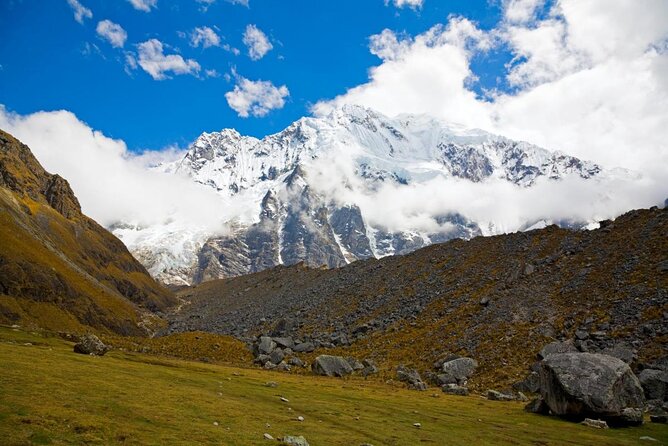
- Salkantay Pass views and the chance to experience the high point the Inkas crossed
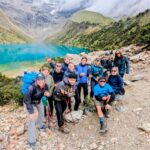
- Humantay Lake at 4,200m with a short, steep hike from camp
- Jungle transition down to warmer Santa Teresa and options like hot springs
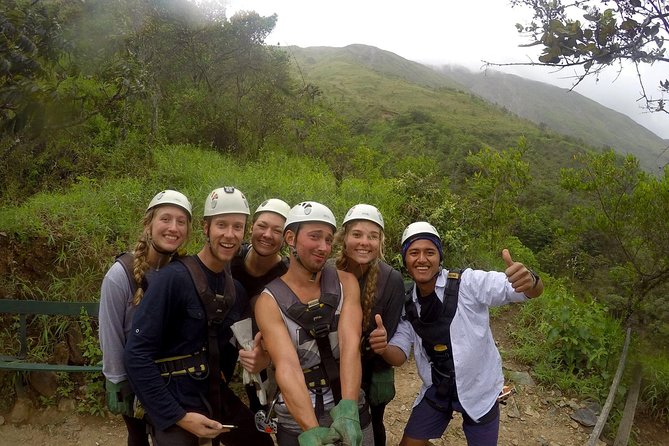
- A guide who keeps it moving (and a guide like Roger is known for being helpful and friendly)
Other ways up to Machu Picchu, reviewed
- From Cusco: Full-Day Group Tour of Machu Picchu★ 4.7 · 1,767 reviews
- Machu Picchu Day Trip from Cusco★ 4.5 · 1,644 reviews
- Machu Picchu: Full-Day Tour from Cusco with Optional Lunch★ 4.6 · 927 reviews
- Cusco: 4-Day Inca Trail to Machu Picchu with Accommodation★ 4.8 · 432 reviews
What this 5-day Salkantay trek really is
This is the classic Salkantay-to-Machu Picchu alternative that trades long Inca Trail crowds for rugged variety. You’re moving from high Andean passes (thin air, cold nights) to warmer jungle edges (humidity, different plant life), then straight into Machu Picchu sunrise hours.
At $360 per person, the value comes from bundling the stuff that costs money and effort on your own: Machu Picchu entry arranged in advance, private guiding on-site, camping gear, meals during the trek, and transportation throughout. The cost also makes sense for a smaller group model with professional bilingual guidance (Spanish–English).
The trip runs about five days, and it’s typically booked ahead (on average, around 44 days). That’s smart for two reasons: Machu Picchu timing matters, and high season changes availability quickly.
Day 1: Humantay Lake, plus that first altitude reality check
Your day starts extremely early. The plan is pickup around 4:30am to 5:30am–6:00am from your lodging in Cusco, followed by a roughly four-hour bus ride. You’ll stop in Mollepata at about 2,900m for a short break, then continue up to the last bus stop in Challacancha.
From there, the trekking begins toward Soraypampa (3,900m) along old Inka water irrigation channels. The goal is to set base rhythm: steady hiking, brief pauses, and time to get used to the altitude before the higher lake hike.
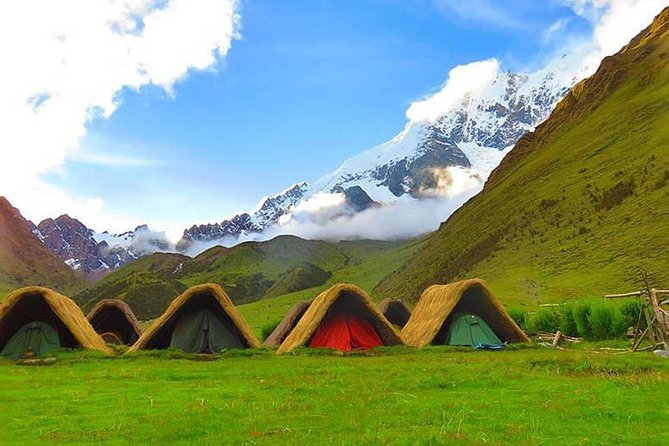
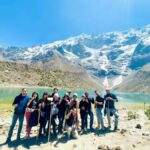
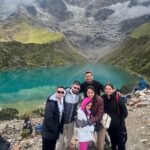
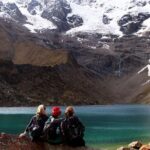
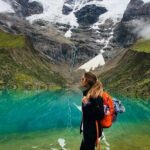
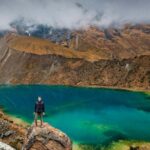
In Soraypampa (about four hours of walking), camp goes up and lunch happens with a view of Salkantay’s snow peak. Expect cold to start early—temps can swing roughly from 10°C in the day down to 2°C at night. After lunch, you’ll walk about 1 hour 30 minutes to Humantay Lake at roughly 4,200m.
Two practical notes about this day:
- Humantay Lake is short on paper, but the altitude makes it feel longer. You’ll want a slow pace and steady breathing.
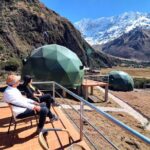
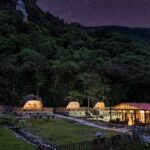
- The camp area is described as using a four-season tent plus extra straw roofing, which helps, but you should still plan for cold.
Day 2: Salkantay Pass at 4,600m, then down into the high jungle
Day 2 is the big “earned it” day. After breakfast around early morning, you’ll get tea to help with acclimatization before setting out for about three hours of hiking to Salkantay Pass (4,600m).
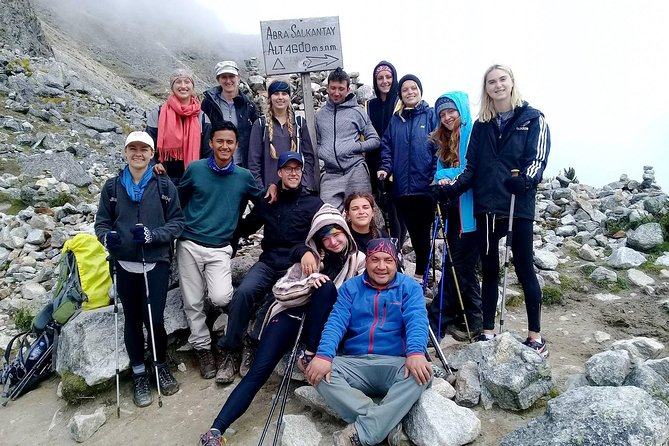
This is where you’ll feel the pass itself: powerful Andean mountains, thinner air, and a steady uphill you can’t rush. The plan includes a moment where you’ll do what the Inkas did—praying and asking the Apus (mountain gods) for permission to pass. It’s brief, but it gives the day meaning beyond the physical effort.
After the pass, you hike down toward Wayracpunku (HuayraPampa) for lunch. Then the trail continues into the high jungle, where the plants shift—large trees, bromeliads, and orchids show up near streams.
You’ll reach Chaullay (about 2,900m) for dinner and rest. This is a long day even if you don’t notice every hour equally, because the temperature and altitude change don’t reset your body. Treat this as your “recover and reset” night.
Day 3: Santa Teresa jungle trek, hot springs option in Cocalmayo
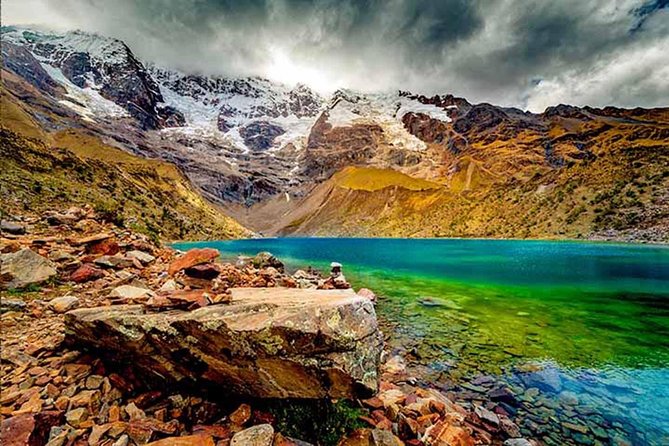
After breakfast around 6:30am, the trek heads toward Sahuyaco (La Playa) at about 2,000m through jungle trekking. This is the temperature shift day: the schedule lists about 25°C in the day and 14°C at night, which can be a big contrast from Day 2.
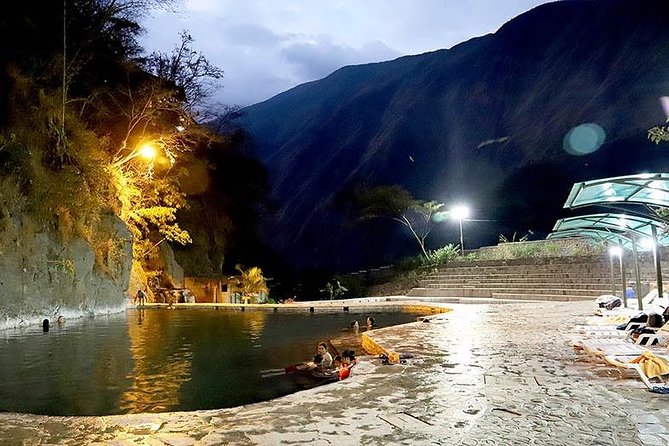
You’ll stop for lunch at Sahuyaco, then continue by transport to Santa Teresa (1,550m). Once you arrive, the plan is to set up camp and enjoy Cocalmayo hot springs as a relaxing reward.
Here’s the important part: the hot springs are optional and not included. You pay on the spot (listed as $6.00 USD). If you’re sore, this is worth considering. If you’re not, you can still enjoy the town vibe and save your energy for the next travel day.
Dinner is included, and the plan is straightforward: eat, rest, and prepare for the stretch toward Aguas Calientes.
Other Salkantay routes to compare
Day 4: Two ways to reach Aguas Calientes (zip line or Hydroeléctrica)
Day 4 mixes choices with a clear end goal: reaching Aguas Calientes by late afternoon.
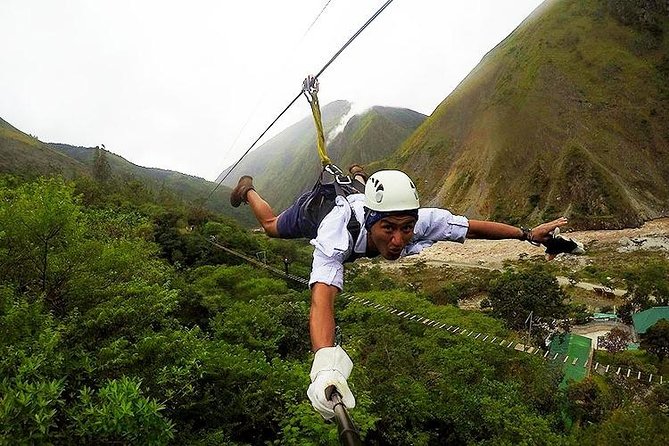
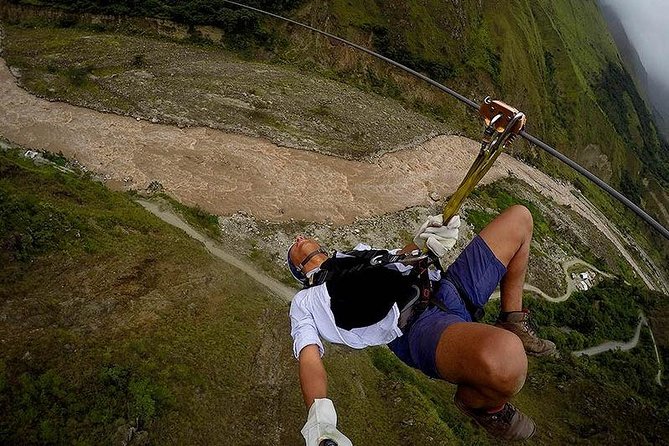
If you booked it, you’ll do a zip line activity first—about 2 hours 30 minutes total. The description says it has more than 6 cables, with the longest around 1 kilometer, and speeds up to about 70 km/h (45 mph). It also includes features like a climbing rock and a suspension bridge.
If you didn’t book zip line, you’ll trek about 2 hours from Santa Teresa to the hydroelectric area, which acts as the meeting point. Then the whole group joins up and walks along the railway track area that leads to Aguas Calientes—about 3 hours of hiking.
Along the way, the plan calls out waterfalls, ecological farms, and the chance to see wildlife. You’ll arrive in Aguas Calientes around 5:00pm and sleep in a hostel for the night.
That evening, you also get dinner at a local restaurant plus an informative session about Machu Picchu the next morning. I like this setup because Machu Picchu is not just a photo stop—it’s a timed system, and knowing the flow helps you move smarter once you’re there.
Day 5: Machu Picchu sunrise, guided tour, then back to Cusco
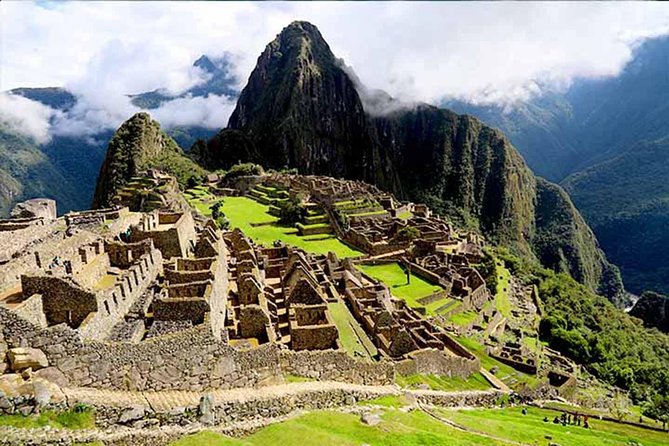
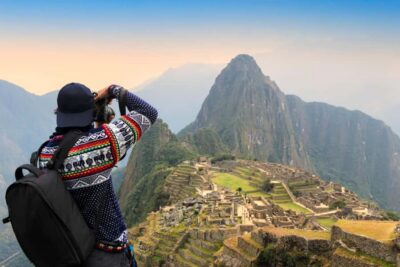
This is the day everyone plans for, and it starts absurdly early. Around 4:00am, you climb toward Machu Picchu following an ascending path through the high jungle. The timing is built for sunrise, and you should be seeing the citadel when the light changes—before the daytime crowds settle.
You pass the entrance control around 6:00am, then get a private guided tour for about 2 hours of the Inca citadel. After that, you get free time to explore on your own.
At 11:30am, you start heading back by walking down about 3.5 hours to the hydroelectric area. A bus waits until roughly 3:00pm, then takes you back to Cusco, arriving around 10:00pm.
Two optional add-ons the tour mentions:
- You can add one extra night in Machu Picchu town for $30 extra, then return the next day. This makes sense if you want to climb Huayna Picchu or Machu Picchu Mountain.
- You can add the train for a more comfortable return. The plan described is staying in Machu Picchu until 5:00pm max, then taking the train from Aguas Calientes to Ollantaytambo (about 1 hour 40 minutes). A car then drops you back in Cusco around 10:00pm at/near San Francisco Square.
Huayna Picchu itself is listed as an additional $30 USD. It depends on availability after booking.
Price and what $360 covers (and what it doesn’t)
Here’s the practical value math based on the included pieces.
What’s included:
- Pickup from your Cusco lodging between 5:30–6:00am
- A briefing with your guide 1 day before
- Machu Picchu entrance arranged with advance booking (listed as about 2 months in advance; if that timing doesn’t work, they say they’ll contact you about other options)
- Professional bilingual guide (Spanish–English)
- Full camping gear, except your sleeping bag (that part is your responsibility)
- 3 nights camping + 1 night hostel, with the hostel described as private for couples
- All fees and taxes
- Private transportation
- Horses/porters carrying your backpack up to 5kg for the first 3 days (which is huge for comfort)
- Meals: 4 breakfasts, 4 lunches, 4 dinners (with day-by-day exclusions noted below)
Not included:
- Breakfast on the first day
- Lunch and dinner on the last day
- Hot springs
- Zip line (if you choose that option)
Also note: the trip depends on good weather, and the operator states it requires it. If canceled due to poor weather, you’ll be offered a different date or a full refund. On the flip side, the experience is non-refundable and not changeable if you cancel—so only book if your dates are solid.
Meals, camping gear, and the stuff that makes a trek survivable
The included camping gear matters more than most people think, because it affects weight, warmth, and comfort. You’ll have “full camping gear” in the plan, but your sleeping bag is personal, so bring one that fits real cold nights. Day 1 and Day 2 can be chilly, and even if you’re warm when hiking, nighttime conditions don’t care about your optimism.
You also get meals throughout the trek: breakfast and lunch on multiple days, plus dinner each night. The schedule notes the first day’s breakfast is not included, and day 5’s last-day meals are limited. You’ll want to plan for that early morning start with some money or snacks you can access before pickup.
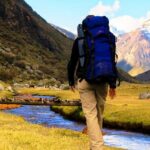
One more practical detail: your pack weight is controlled. With the tour carry system, your backpack is carried by horse/porters up to 5kg for the hardest first three days. That means you can focus on your body and not haul extra weight up to the pass.
What kind of fitness you need (and what “moderate” means here)
The tour says you need moderate physical fitness. In real terms, you’ll be hiking multiple hours per day, crossing a very high pass (up to 4,600m), then descending and trekking again on varied terrain.
You’ll also be adjusting to altitude and temperature changes:
- Cold and thin air early (Humantay Lake at ~4,200m and Salkantay Pass at ~4,600m)
- Warmer jungle trekking on Day 3 and into Day 4’s railway walk area
The best approach is pacing over speed. If you go too fast on the pass climb, you pay later. If you go steady, you’ll still feel tired, but you’ll feel in control.
Who this trek is best for
This fits adventurous travelers who want a real workout, but not a DIY suffering contest. You’ll enjoy it if you like:
- Guided days with clear structure
- Small-group attention (max 15)
- A mix of high Andean views and jungle change of scenery
- An experience that ends at Machu Picchu with timing built around sunrise
It’s also a good match for couples and friends who want private guided time on the citadel and a smooth return to Cusco without figuring out transport.
If you hate early mornings, cold nights, or altitude stress, this may feel like too much. But if you can handle a demanding hike, you’ll probably love the way the route earns Machu Picchu sunrise.
Should you book Mega Expeditions Salkantay to Machu Picchu?
If you’re choosing between doing it independently and booking a package, I’d lean toward booking if you value fewer unknowns. You’re paying for guide expertise, coordinated transport, camping setup, and Machu Picchu entry arrangements.
The strongest reasons to book:
- Sunrise Machu Picchu with a private guide for about 2 hours
- Salkantay Pass and Humantay Lake built into the itinerary
- Support that reduces load, including horse/porter carry up to 5kg early on
- A track record of top ratings (a 5/5 average across 42 reviews is a real signal)
The reasons to hesitate:
- Early starts and altitude are non-negotiable
- Weather can affect operations
- The first-day pickup and day-5 return timing are intense, so plan a calm rest day afterward in Cusco if you can
Bottom line: book this trek if you want an active, guided path to Machu Picchu with real variety between days. Skip it if your ideal Peru trip is mostly “easy views” and late mornings.
FAQ
What is the duration of the Salkantay trek to Machu Picchu?
It’s listed as 5 days (approx.).
Where does the tour start?
It starts in Cusco, with pickup from your hotel in Cusco between 5:30 and 6:00am.
What’s included in the price?
The tour includes professional bilingual guiding, Machu Picchu entrance, full camping gear except for your sleeping bag, private transportation, meals during the trek, and return by bus to Cusco on the last day.
Do I need my own sleeping bag?
Yes. Full camping gear is included except for the sleeping bag, which is personal.
Is breakfast on the first day included?
No. Breakfast the first day is not included.
Are lunch and dinner on the last day included?
No. Lunch and dinner the last day are not included.
Are the hot springs included?
No. Hot springs at Banos Termales de Cocalmayo are not included. The tour lists a cost of $6.00 USD at the spot.
Is the zip line included?
Zip line is an optional activity described on Day 4 and is not listed as included.
What time is Machu Picchu sunrise access?
You get ready around 4:00am to climb so you can see the sunrise, and you pass control entrance around 6:00am.
Can I add Huayna Picchu or an extra night in Machu Picchu town?
Huayna Picchu can be added for an additional $30 USD if availability allows. You can also pay $30 extra to spend one more night in Machu Picchu town and return the next day.
Back to Humantay Lake
More Salkantay Departures
Machu Picchu, More Ways In
Recent write-ups from around Cusco, just off the trail
- Cuzco: Rainbow Mountain Excursion
★ 5.0 · 3 reviews - 1 day excursion to Qeswachaka bridge and the 4 lagoons
★ 3.6 · 3 reviews - Waqrapukara 1 day trekking + meals
★ 3.9 · 3 reviews - Valle Sur Cusco | half day
★ 4.3 · 3 reviews - Full-Day Condor Viewpoint & Inca Sites Tour
★ 5.0 · 3 reviews
Machu Picchu Tours & Tickets, compared.
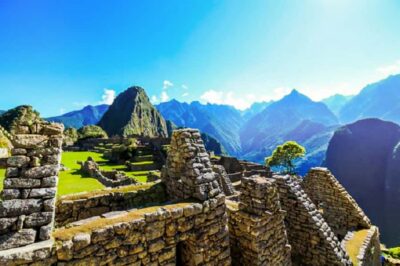 ★ 4.7From Cusco: Full-Day Group Tour of Machu PicchuFrom $3211,767 reviews
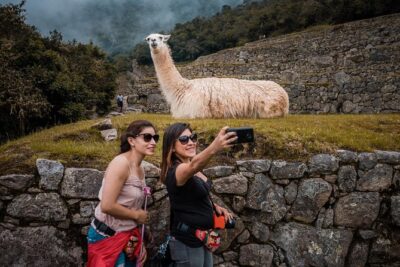 ★ 4.5Machu Picchu Day Trip from CuscoFrom $3361,644 reviews
 ★ 4.6Machu Picchu: Full-Day Tour from Cusco with Optional LunchFrom $283927 reviews
 ★ 4.84-Day Inca Trail to Machu Picchu with AccommodationFrom $470432 reviews
 ★ 4.6From Cusco: 2-Day Trip to the Sacred Valley and Machu PicchuFrom $370265 reviews
 ★ 4.9Machu Picchu 2-Day Inca Trail with Panoramic TrainFrom $582260 reviews
 ★ 4.2From Cusco: 2-Day Inca Trail to Machu PicchuFrom $290244 reviews
 ★ 4.9Machu Picchu: Inca Trail 2-Day Overnight Guided TourFrom $585203 reviews
Browse the lists this tour appears in