
REVIEW · MACHU PICCHU TOURS & TICKETS
Salkantay 5-Day Trek To Machu Picchu
Five days, one big mountain lesson.
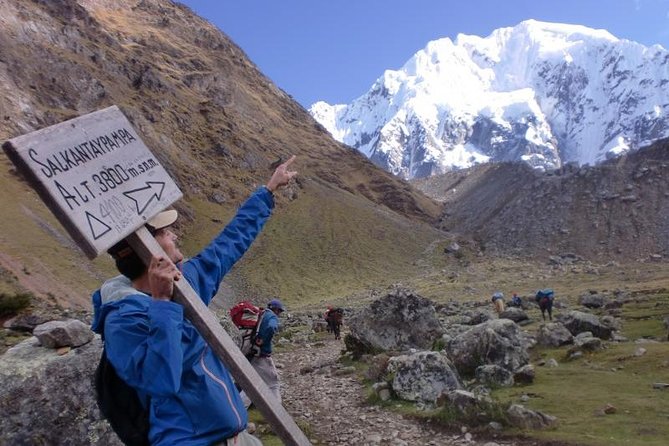
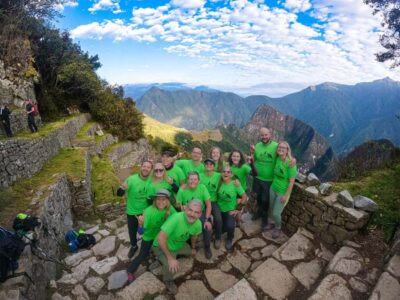
This is a rugged Salkantay trek that mixes snow peaks with warmer jungle valleys, then lands you at Machu Picchu with real context from a bilingual guide. I especially like how it runs in a small group (max 16, often much smaller), which makes it easier to move together and get help when altitude or weather gets spicy. My other favorite thing is the built-in support: camping gear basics, entrance tickets, and a team handling mules/horse carry so you can hike without lugging everything. The main drawback is that the trek is physically demanding, with a cold, high campsite and big altitude changes you should take seriously.
You’ll start early in Peru, but you’re not rushing for the sake of it. Day 1 builds confidence with walk breaks and viewpoints, then brings you to Laguna de Humantay and a high camp at 3,920m that’s cold enough to make sleep feel like the best plan. The food is also one of the smarter parts of the trip: full breakfast, lunch, dinner on trekking days, plus snacks, with a vegetarian option you can request in advance. Consider this: there’s no sleeping bag included, so pack smart before you go.
By Day 2, the route asks for stamina at the 4,650m high pass (and yes, snow can happen). If you’re not used to long uphill days, the optional horse rental for the steep push can take the edge off, but you’ll still need good hiking legs for the rest of the trail. Also, this trip is non-refundable, so only book when you’re confident you can commit.
In This Review
- Key Things to Know Before You Go
- Salkantay’s Mix of Snow Peaks and Jungle Valleys
- Cusco Morning Pickup, Mollepata Break, and Day 1 to Laguna de Humantay
- Day 2’s 4,650m High Pass: Views, Altitude, and Optional Horse Help
- Crossing Into the Warmer Zone: Santa Teresa Day With River Valleys and Waterfalls
- From Hydroelectric Station to Aguas Calientes: Your Setup Day for Machu Picchu
- Machu Picchu Early Bus, Guided Walk, and Peak Options
- Price and Logistics: What $797 Gets You (and What You’ll Handle)
- What Makes the Trip Actually Feel Good on the Trail
- Who Should Book This Trek (and Who Should Reconsider)
- Should You Book This Salkantay 5-Day Trek?
- FAQ
- How early does the trek start from Cusco?
- What altitude does the trek reach?
- Is a sleeping bag included?
- What kind of accommodation do you get during the trek?
- Are meals included, and can I choose vegetarian?
- Is there an option to ride a horse on Day 2?
- What optional activities can I add at extra cost?
Key Things to Know Before You Go
- Small group size (max 16, average much smaller) keeps the trek feeling personal and manageable.
- The 4,650m high pass is the day that defines the whole experience, with optional horse help.
- Camping support is real: tents plus basic sleeping pads, and mule/horse carry for cooking gear and a light personal allowance.
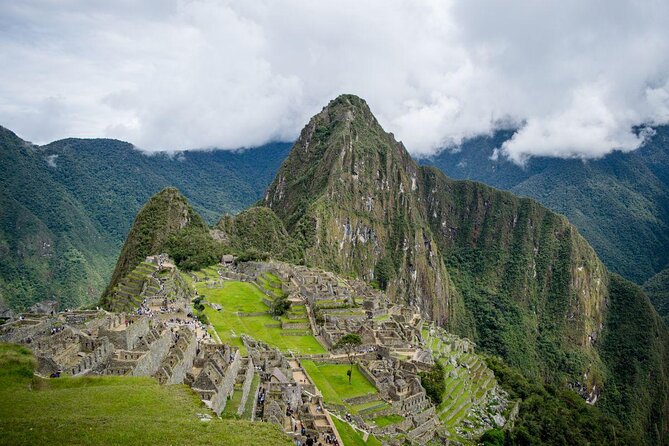
- Machu Picchu in early morning light: the schedule targets mist clearing and a calmer first look.
- Warmth after the hard days: Santa Teresa brings lower altitude and optional hot springs recovery time.
- Food is planned for you with multiple meal days and a vegetarian option available by request.
Other ways up to Machu Picchu, reviewed
- From Cusco: Full-Day Group Tour of Machu Picchu★ 4.7 · 1,767 reviews
- Machu Picchu Day Trip from Cusco★ 4.5 · 1,644 reviews
- Machu Picchu: Full-Day Tour from Cusco with Optional Lunch★ 4.6 · 927 reviews
- Cusco: 4-Day Inca Trail to Machu Picchu with Accommodation★ 4.8 · 432 reviews
Salkantay’s Mix of Snow Peaks and Jungle Valleys
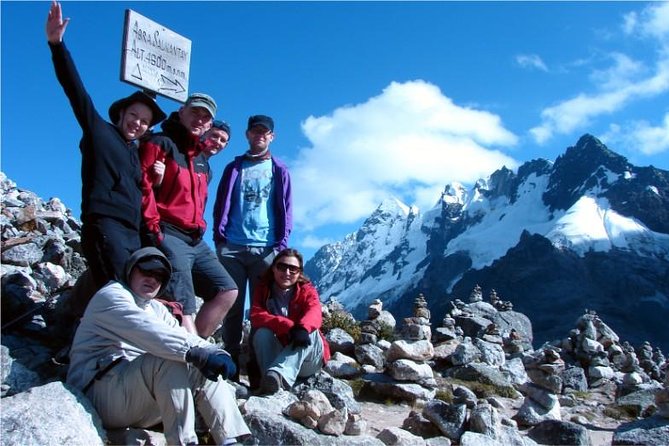
What I like about the Salkantay route is that it doesn’t stay in one mood. You start in high Andean terrain with dramatic snow-covered views, then work downhill toward a section locals describe as moving into the high jungle region. That means your body gets different challenges across the 5 days: thin air early on, colder nights at higher camps, then warmer hiking as you drop toward about 1,700m in Santa Teresa.
You’ll also pass through small rural communities and villages along the way (including places like Soraypampa and Santa Teresa). That matters, because Machu Picchu isn’t sitting in a bubble. You get a sense of how people live in the mountains—farming, guiding animals, and moving between altitude zones—long before you ever see the ruins.
The trek is not “pretty and easy.” It’s rugged by design. But the payoff is a route that feels like a journey with multiple worlds instead of one long straight line to a single photo spot.
Cusco Morning Pickup, Mollepata Break, and Day 1 to Laguna de Humantay
Your trip starts with hotel pickup in Cusco early—typically 5:00 to 6:00am—followed by a ride toward the trailhead. You’ll stop in Mollepata (about 2,900m) to stretch, grab a snack, and settle in. Then the group continues to Challacancha to do final equipment checks, which is useful because the days ahead involve cold altitude nights and long walking stretches.
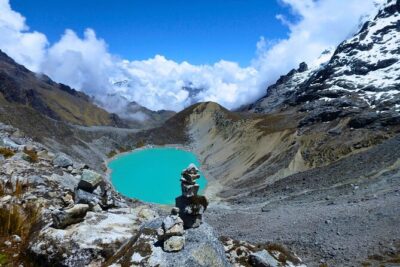
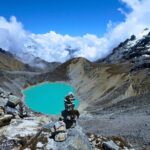
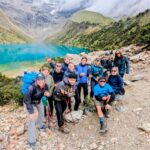
Day 1 is a strong intro: you hike up to Soraypampa (around 3,920m) for lunch with big mountain views, then head toward Laguna de Humantay. The round-trip to the lake is about 1.5 hours each way, which is a good length for first-day acclimation without frying your legs. You return to the campsite at Soraypampa for the night—the highest and coldest camp of the trek.
Here’s the practical takeaway: plan for cold. Even if you’re hiking hard and feel warm, temperatures at 3,920m can drop quickly once you stop moving. Bring warm layers you can actually use outdoors, and make sure you have rain protection ready. Day 1 sets the tone, and sleeping well the first night helps you handle Day 2.
Day 2’s 4,650m High Pass: Views, Altitude, and Optional Horse Help
Day 2 is the classic Salkantay test day. After breakfast around 6:00am, you set off for a long walk toward the highest pass on this route at about 4,650m. It sits between two major peaks (Salkantay at 6,267m and Humantay at 5,900m), and the views at the top are a big reason people choose this trek.
The hike to the pass takes roughly 4 hours, then you get a downhill segment for about 2 hours before lunch at Huayracpampa. After that, it’s another 3-hour trek toward your campsite at Challhuay or Colcapampa, near the start of the high jungle region around 2,900m. Total time on foot is listed around 9 to 10 hours for about 22km, so this is not a casual day.
Optional horse rental is available for the steep climb to the high pass—about 100 to 120 soles. It can be a good compromise if your cardio is okay but your legs struggle with sustained uphill at altitude. Still, you’ll hike the rest of the day, so it won’t turn the trek into an easy option.
One more note: the schedule allows for the possibility of snow at the pass. That’s not meant to scare you; it’s a reminder to wear footwear and layers that can handle cool air and wet conditions.
Crossing Into the Warmer Zone: Santa Teresa Day With River Valleys and Waterfalls
On Day 3, the trekking experience shifts again. After breakfast around 6:30am, you hike through upper jungle terrain, crossing the Santa Teresa River and moving along smaller brooks. This is where the route starts to feel more alive in a different way: tropical plants, waterfalls, and that sense of air changing as you descend.
You’ll walk through valleys with waterfall views, then stop for lunch at La Playa (around 2,200m). After lunch, you switch to a car transfer to Santa Teresa town (down to about 1,700m), where you camp for the night. Day 3 is listed around 15km and about 5.5 hours, which compared with Day 2 is a calmer day—still physical, but more doable.
After settling in, you have a popular recovery option: the hot springs in Santa Teresa (extra cost). The idea here is simple—after several hard walking days, soaking helps your legs feel normal again. You don’t need to do it, but if your knees or calves get cranky, it can be a smart use of your night downtime.
Other Salkantay routes to compare
From Hydroelectric Station to Aguas Calientes: Your Setup Day for Machu Picchu
Day 4 keeps a good rhythm: it transitions you from trekking to relaxing. Breakfast happens around 8:00am, then you hike from Santa Teresa (about 1,700m) to the hydroelectric station (around 1,880m) for a box lunch. From there, it’s another roughly 3-hour walk—slight uphill—to Aguas Calientes (about 2,010m).
This day is listed around 18km and about 6 hours, which can feel like a long stroll after three earlier trekking days. But the goal is to bring you to Aguas Calientes with enough energy to enjoy the next morning instead of sprinting through the night.
Accommodation is a 3-star hotel in Aguas Calientes for one night. That’s a real value piece: you get a bed, and you can focus on charging your gear, drying layers, and getting sleep without worrying about campsite conditions.
This is also the day when optional shortcuts appear if you really need them. There’s an optional bus transfer from Santa Teresa to the hydroelectric station (extra cost) and an optional train transfer from the hydroelectric station to Aguas Calientes (extra cost). If you’re physically close to your limit, these options can protect your Machu Picchu morning.
Machu Picchu Early Bus, Guided Walk, and Peak Options
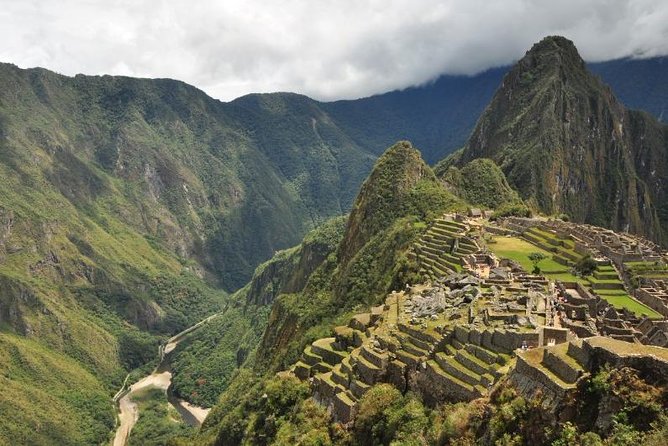
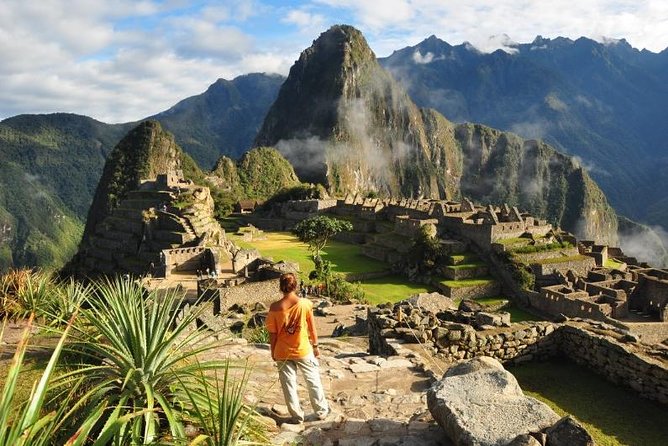
Your Machu Picchu day starts with an early bus—around 5:30am—so you can experience the site while the morning mist is still lifting. The ride is short (about 25 minutes), and the goal is to see the ruins in early light when conditions are often calmer.
You’ll get a guided walking tour of about 2 hours, then you have time to explore on your own. That balance works well: the guide helps you understand what you’re seeing, and the free time lets you slow down for photos and viewpoints that speak to you personally.
If you want a bigger challenge inside the park, there’s an optional climb up Huayna Picchu. You must book in advance and it’s extra cost. The same is true for optional Machu Picchu Mountain hiking (extra cost, also needs advance booking). These sell out early, so don’t treat them like a last-minute add-on.
After the visit, you bus back down to Aguas Calientes, then take the tourist train to Ollantaytambo. From there, there’s a bus back to Cusco, and you’re dropped off late in the day near Plaza San Francisco. The important practical detail: you’ll need to make your own way to your Cusco lodging from that drop-off.
Price and Logistics: What $797 Gets You (and What You’ll Handle)
At $797 per person, this trek isn’t cheap, but it stacks a lot into one organized package. You’re paying for more than walking time.
Here’s what helps justify the price based on what’s included:
- Transfers that are otherwise a pain: van from Cusco to the trail start, car transfer in the middle, and the full Machu Picchu transport loop (bus to the ruins, train back to Ollantaytambo, bus to Cusco).
- A professional bilingual guide on the trek and during the Machu Picchu tour. You’re not left guessing at the highest points or inside the archaeological site.
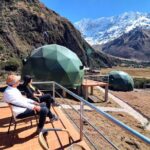
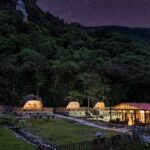
- Camping support with tent and basic sleeping pad (and 1 night in a 3-star hotel in Aguas Calientes).
- Meals: four breakfasts, four lunches, four dinners, plus three snacks. There’s also a vegetarian meal option if you request it at least two days in advance.
- Entrance fees and trekking logistics help (including horsemen and mules to carry cooking/camping equipment, plus a carry allowance for each trekker of 7 kilos total).
What you need to plan for separately:
- Sleeping bag is not included.
- Bottled water isn’t included, and the route note says you should bring extra cash for water and snacks if you buy along the trail.
- You’re responsible for your own transport portions in the middle of transfers where the guide isn’t present (the trek guide runs the hiking and Machu Picchu tour parts).
- Optional add-ons cost extra: Santa Teresa hot springs, bus/train shortcuts, and the extra peak hikes.
One small but useful safety detail: an emergency oxygen bottle is included. It’s not a substitute for good acclimation, but it’s reassuring to have on hand.
Finally, the pre-departure briefing is mandatory and happens the day before your trek in Cusco (with a specific check-in time window). You’ll also need to provide exact passport details at booking. Mistakes can cause entrance issues, so double-check everything before you depart.
What Makes the Trip Actually Feel Good on the Trail
This trek’s best feature isn’t just the scenery. It’s how the days are paced around realistic support.
You hike with a team handling cooking and camp setup. That means you can focus on your footing and breathing rather than hauling heavy gear. The mule/horse carry includes cooking and camping equipment, plus that 7 kilo personal carry allowance (including part of the sleeping items and a small share for personal items). If you’re the type who overpacks because you hate being cold, this structure helps you avoid carrying everything yourself.
The meal plan also matters more than people think. Trekking at altitude burns calories fast, and having consistent hot meals and snacks during the long days makes a huge difference in how you feel. Meals include typical Peruvian dishes for lunches/dinners, with vegetarian options at each meal if you request them early enough.
And the small group size helps your whole experience. When your group is smaller (average can be around 4), it’s easier for your pace to match the terrain and for the guide to notice who needs an extra breather.
Who Should Book This Trek (and Who Should Reconsider)
This is a demanding trek. The route includes major altitude changes, with temperature shifts as you move between high camps and lower areas. It’s a great fit if you have a moderate to strong hiking base and you’re ready for long days—especially Day 2.
It may not be a good match if:
- you know you struggle with long uphill walking,
- you’re sensitive to cold at night,
- or you’re planning to rely on last-minute fitness changes.
On the other hand, if you can handle big days and you want the full Machu Picchu experience with context, this is a strong route. The combination of high-pass views, rainforest valleys, and then a guided Machu Picchu morning gives you a complete story from start to finish.
Age minimum is 7 years, so families are sometimes part of the group—though the physical demands still mean the ability to hike is what matters most.
Should You Book This Salkantay 5-Day Trek?
If you want Machu Picchu but also want the road getting there, I think this trek is worth serious consideration. You’re not just buying a view; you’re getting the full rhythm of altitude, nature, and guided understanding at the ruins. The early Machu Picchu timing, the small-group setup, and the support with camping and food make it feel smoother than most self-planned Salkantay attempts.
But make the decision with your limits in mind. Day 2 is the hardest day, and the route climbs to 4,650m with a cold high campsite earlier in the trip. Also remember the trip is non-refundable, so only book when you’re comfortable committing.
If you’re organized (sleeping bag ready, layers packed, vegetarian request made on time, and peak hikes booked early if you want them), you’ll probably love how this trek blends wilderness trekking with a well-run finish at Machu Picchu.
FAQ
How early does the trek start from Cusco?
Pickup is typically between 5:00 and 6:00am, and your start time is listed as 5:00am.
What altitude does the trek reach?
The highest point on the trek is the pass at about 4,650m. You’ll also sleep at high altitude on Day 1 around 3,920m.
Is a sleeping bag included?
No. A sleeping bag is not included, and camping is described as having a basic sleeping pad and tent.
What kind of accommodation do you get during the trek?
You’ll have camping accommodations during the trek and 1 night in a 3-star hotel in Aguas Calientes. Single travelers share a tent/room with another traveler, and couples get their own tent/room.
Are meals included, and can I choose vegetarian?
Meals are included: breakfasts, lunches, dinners, plus snacks. A vegetarian meal option is available upon request, and you should request it at least two days in advance.
Is there an option to ride a horse on Day 2?
Yes. There is an optional horse rental to reach the high pass, listed at about 100 to 120 soles.
What optional activities can I add at extra cost?
You can add the hot springs in Santa Teresa (extra cost), optional bus/train shortcuts around the hydroelectric station, and optional peak hikes like Huayna Picchu or the Machu Picchu Mountain hike, which must be booked in advance for an extra cost.
More Tour Reviews in Cusco
More Salkantay Departures
Machu Picchu, More Ways In
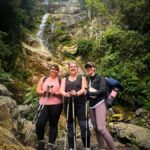
Recent write-ups from around Cusco, just off the trail
- Cuzco: Rainbow Mountain Excursion
★ 5.0 · 3 reviews - 1 day excursion to Qeswachaka bridge and the 4 lagoons
★ 3.6 · 3 reviews - Waqrapukara 1 day trekking + meals
★ 3.9 · 3 reviews - Valle Sur Cusco | half day
★ 4.3 · 3 reviews - Full-Day Condor Viewpoint & Inca Sites Tour
★ 5.0 · 3 reviews
Machu Picchu Tours & Tickets, compared.
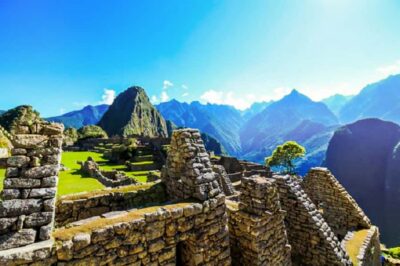 ★ 4.7From Cusco: Full-Day Group Tour of Machu PicchuFrom $3211,767 reviews
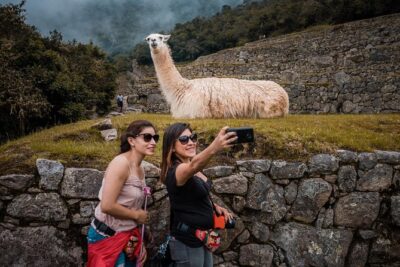 ★ 4.5Machu Picchu Day Trip from CuscoFrom $3361,644 reviews
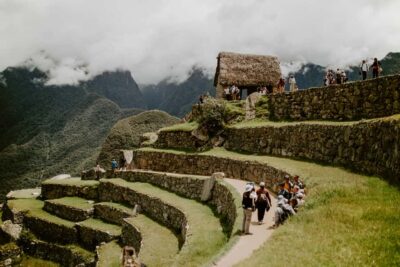 ★ 4.6Machu Picchu: Full-Day Tour from Cusco with Optional LunchFrom $283927 reviews
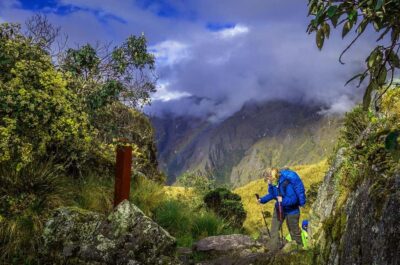 ★ 4.84-Day Inca Trail to Machu Picchu with AccommodationFrom $470432 reviews
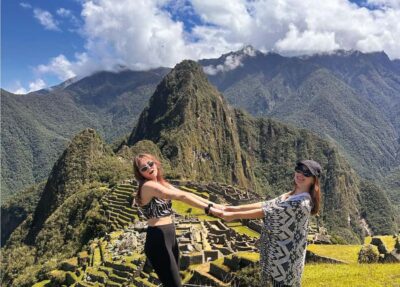 ★ 4.6From Cusco: 2-Day Trip to the Sacred Valley and Machu PicchuFrom $370265 reviews
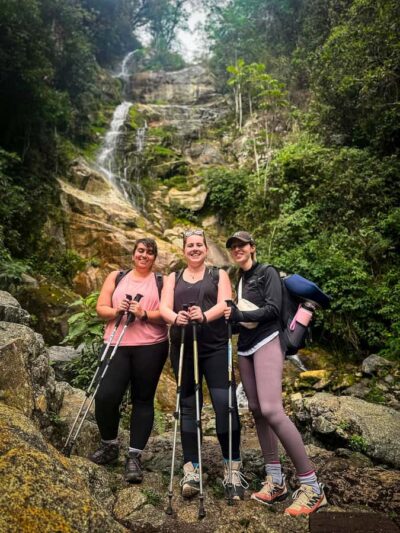 ★ 4.9Machu Picchu 2-Day Inca Trail with Panoramic TrainFrom $582260 reviews
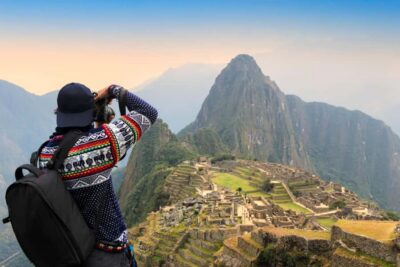 ★ 4.2From Cusco: 2-Day Inca Trail to Machu PicchuFrom $290244 reviews
 ★ 4.9Machu Picchu: Inca Trail 2-Day Overnight Guided TourFrom $585203 reviews
Browse the lists this tour appears in