
REVIEW · AUSANGATE & SEVEN LAGOONS TREKS
Ausangate Trek 5 Days
High Andes, real Peru, and no crowds.
That mix is why this Ausangate Trek (5 days) feels special: you get a small-group setup (max 10), plus all-in meals, and you’ll spend days in Andean places most tour buses skip. I also like that the plan is built around distinct moments—turquoise glacial lakes, hot springs, and a ceremony tied to Apu Ausangate—so the days don’t blur together. One consideration: you’re operating at serious altitude (passes up to 5,200m), so you’ll want to be realistic about fitness and cold nights.
What makes it workable is the logistics. You start early from Cusco (meeting time 5:00am), you have a cook and horse driver for the heavy stuff, and the pacing includes down-valley sections and rest time at camps. You’ll also get guided cultural context, not just scenery. The tradeoff is that this is an active hike with long days and steep climbs—so if you expect a casual walk, this won’t match your style.
You’ll love the views, and you’ll likely remember the people who made them possible: guides such as Chino or Guillermo, plus the camp team that handles tents and meals (including chefs like Benigno, with helpers such as Euden, and the horse handler often named Angel).
In This Review
- Key Things I’d Circle Before You Book
- From Cusco at 5:00am to the Trek Start You Actually Need
- Day 1: Upis Hot Springs After Your First Look at Apu Ausangate
- Day 2: Arapa Pass, Two Turquoise Lakes, and Apacheta’s Big View
- Day 3: Palomani Pass Ceremony at 5,200m and the Feeling of Being Close to the Mountain
- Day 4: Pacchanta Valley Lagoons, One More Soak, and a Chance to Cool Off
- Day 5: Family Traditions, Weaving, Local Food, Then Back to Cusco
- What You’re Really Paying For: Small-Group Service + Camp Comfort
- Altitude Reality: How to Prepare for Passes at 4,850m to 5,200m
- Price and Logistics: What’s Extra and Why It Matters
- Who This Trek Fits Best (And Who Should Rethink It)
- Should You Book the Ausangate 5-Day Trek?
- FAQ
- What time does the tour start in Cusco?
- How high does the trek go?
- What meals are included?
- Is a sleeping bag included?
- How many people are in the group?
- Are entrance fees included?
- What happens if weather is poor?
Key Things I’d Circle Before You Book
- Max 10 travelers means you’re not lost in a crowd at the passes or lakes
- All-inclusive meals keep you focused on hiking, not planning food
- High pass days include Arapa (4,850m), Apacheta (4,980m), and Palomani (5,200m)
- Two hot-spring breaks: Upis hot springs on Day 1 and Pacchanta hot springs on Day 4
- Culture shows up on the trail with an Apu Ausangate ceremony and a family food-and-weaving tradition on Day 5
- Horses carry equipment, so you’re hiking instead of hauling the camp setup
More Ausangate and high-lagoon hikes
- From Cusco: 7 Lakes Ausangate Trek with Breakfast and Lunch★ 4.8 · 360 reviews
- Excursion to Ausangate & 7 lakes with Coca Ceremony |Private|★ 5.0 · 80 reviews
- Ausangate Trek 5 Days★ 5.0 · 74 reviews
- Full-Day Tour to Ausangate 7 Lakes★ 5.0 · 56 reviews
From Cusco at 5:00am to the Trek Start You Actually Need
This trek starts with an early alarm: the meeting time in Cusco is 5:00am. You’ll take private transportation out of the city, with a stop at Tinke where you can grab last items and even have breakfast. That matters because your first real hiking time begins quickly after you reach the start point around Rondoca.
What I like here is the gentle “pre-trek buffer.” The day isn’t only about hiking from minute one. You’re moving, yes, but you also get a chance to settle in, organize what you’ll carry, and meet the trekking team before you’re fully committed on foot.
You’ll then transition into the trek itself, with the core crew in place: guide, cook, and horse driver. Expect camping life to be managed for you—this isn’t a self-supported hike. It’s still your job to hike smart, but the heavy logistics are handled.
Day 1: Upis Hot Springs After Your First Look at Apu Ausangate
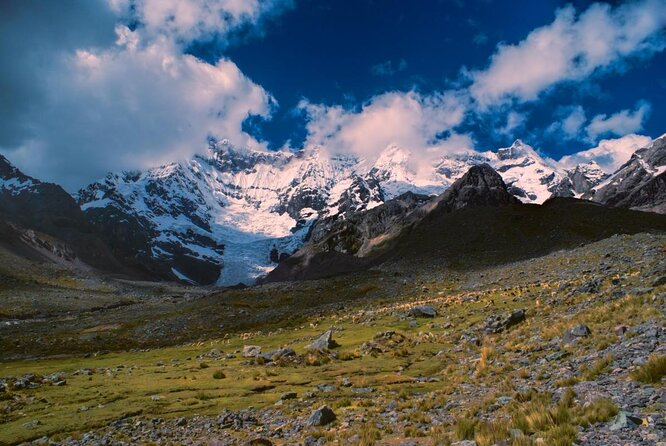
Day 1 is your on-ramp. You’ll hike around 2 hours to get moving, then continue to a lunch spot where you can appreciate Apu Ausangate from the trail. After lunch, you keep going toward your first campsite near Upis.
The numbers are manageable but not “easy.” You’ll cover about 8 km / 3 miles, with a climb from roughly 3,800m to 4,200m. Total hiking time is around 3–4 hours. This is exactly the kind of first day that helps you find your rhythm without burning everything on the first push.
The best part comes later. You’ll reach the village of Upis where you can soak in the hot springs. You’ll likely enjoy coca tea too—perfect for warm hands and a calmer body after altitude work. And because you only hike a few hours, you get real downtime to relax your muscles before dinner.
Small drawback: the camp elevation is around 4,200m, so even on a lighter day, cold can hit hard. Plan on being warm earlier than you think you need to be.
Day 2: Arapa Pass, Two Turquoise Lakes, and Apacheta’s Big View
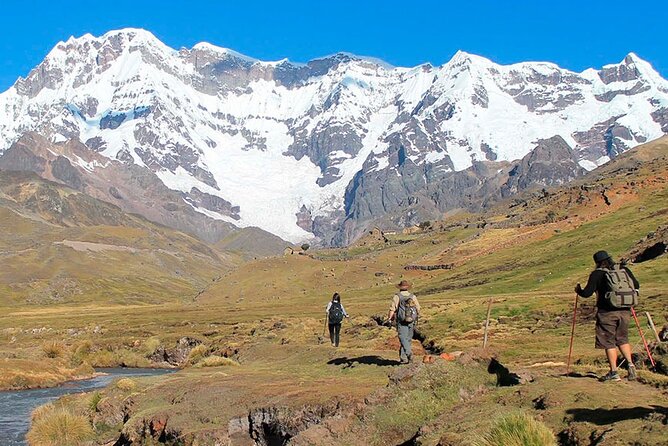
Day 2 is the classic “high pass + color lakes” day. After waking up with hot coca tea and breakfast, you start hiking and cross Arapa pass at 4,850m (about 15,908 feet). That altitude isn’t theoretical—you’ll feel it in your breathing and pace.
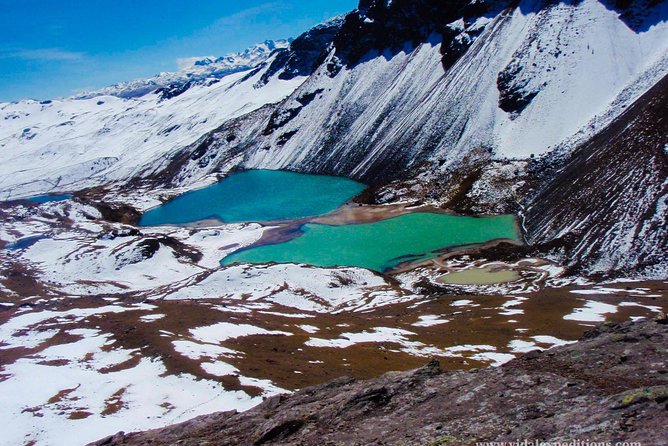
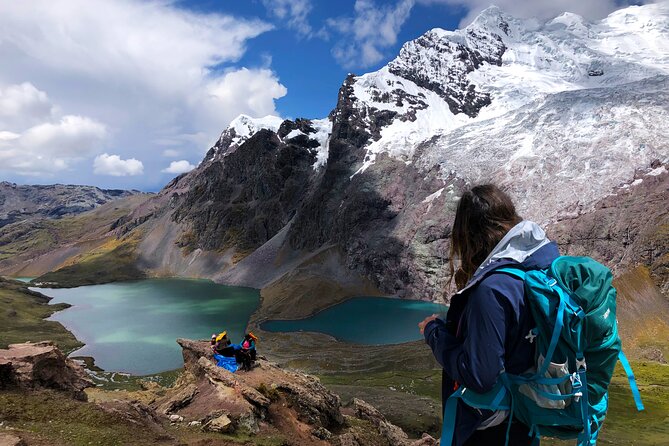
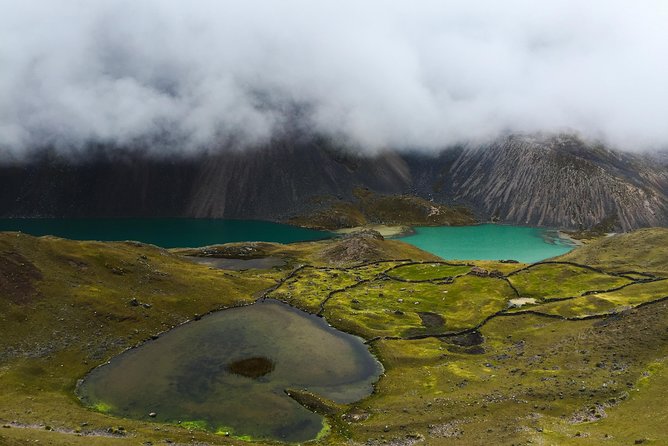
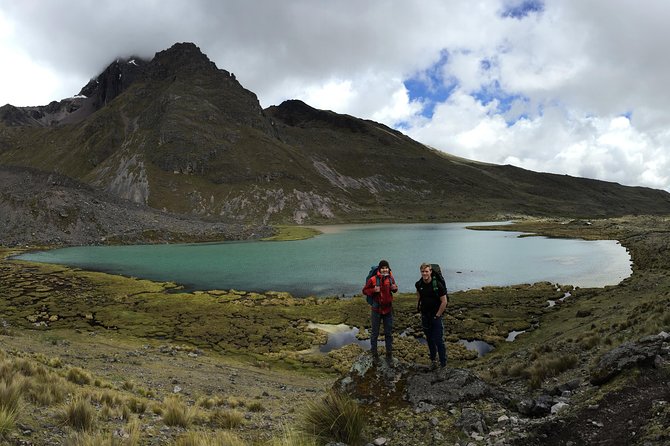
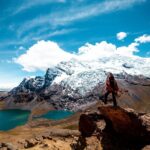
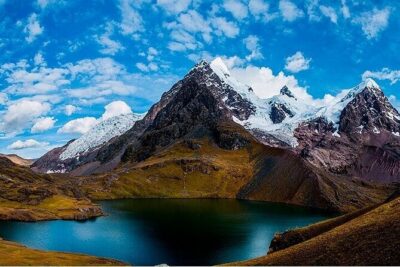
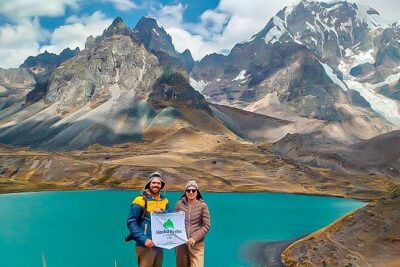
From the pass, you descend through the valley for about 2.5 hours, passing green lake Puqa Q’ocha, then arriving at the turquoise Lake Jatun Puqa Q’ocha. Lunch is taken at the lake’s border with stunning views of Ausangate Mountain, and you’ll have time to explore and take photos.
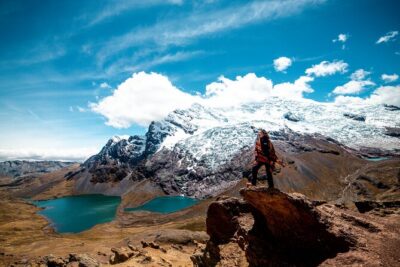
Then comes the second pass. You ascend Apacheta at 4,980m (16,338 feet) with another striking view of a turquoise lake below. The lake is fed by melting snow from Ausangate, so you’re literally looking at a landscape shaped by seasonal ice melt. After that, you descend to Ausangate Qocha and camp for the night.
This day is longer: about 8 hours total with roughly 7 hours of hiking. You’ll hike around 12 km, and elevations shift across the full range—up to 4,930m and down to 4,700m and back up again.
Where people can get into trouble is pacing. Don’t race the passes. Save your energy for the long day so you arrive at camp feeling like you can still enjoy it.
Day 3: Palomani Pass Ceremony at 5,200m and the Feeling of Being Close to the Mountain
Day 3 brings the highest pass on this route: Palomani pass at 5,200m (17,060 feet). After breakfast, it’s about 2 hours uphill to reach the top. This climb is steep enough that you’ll likely feel like your whole body is working, but it’s also long enough that a steady tempo matters more than speed.
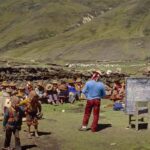
The special part here is the cultural moment. Your guide will hold a ceremony for Apu Ausangate. It’s not a quick photo stop. It’s the sort of pause that shifts the trek from sightseeing to something more respectful and personal. If you like learning the “why” behind local tradition, this is one of the best spots on the itinerary.
After the ceremony, you descend for about 1 hour to lunch in Uchuy Phinaya, then keep hiking in the afternoon for a couple hours to reach camp. Total hiking time is roughly 6–7 hours over about 13 km.
Expect elevation ranging roughly from 4,600m up to 5,200m, then down to about 4,300m. Camps sit around 4,500m. This is the day where altitude can feel most intense, because you crest that top pass.
If you’re sensitive to altitude, I’d treat this day as a “slow and steady” requirement, not a “push for fitness points” day. The goal is to arrive at the pass still able to participate in the ceremony and enjoy lunch, not collapse afterward.
A last few Cusco tours and experiences to fold into the trip
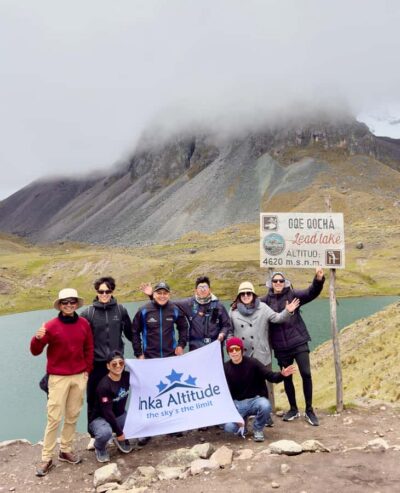
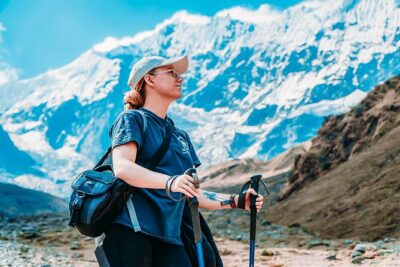
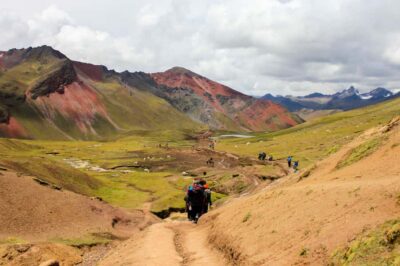
Day 4: Pacchanta Valley Lagoons, One More Soak, and a Chance to Cool Off
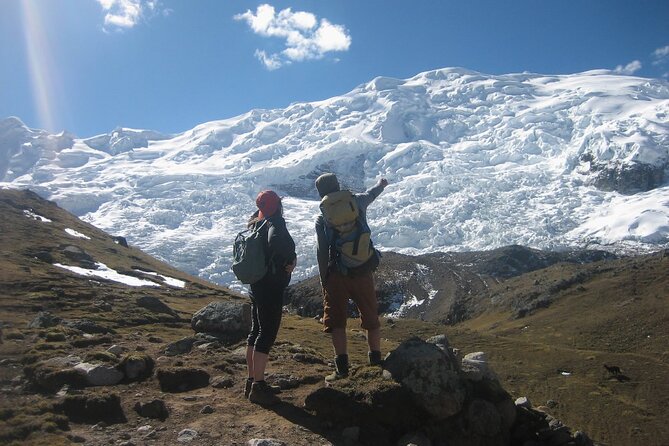
Day 4 is built for views and recovery. You cross only one pass today, which helps the energy level. The hike moves through deep blue lagoons and alpine glacial-colored lakes along the way, with Ausangate Mountain visible from a new angle—plus Pacchanta Valley views.
You’ll likely get the chance to jump into water if you’re brave enough, though nobody is forced to do it. Either way, this is the day where the scenery feels like it’s doing the talking.
Your goal is Pacchanta hot springs, where you’ll soak and enjoy the mountain above you. This hot-spring stop is a big reason many people look forward to Day 4, because it resets your legs and helps you feel human again at altitude.
The hike itself is moderate length but not short: about 6 hours of hiking over roughly 15 km. You’ll finish the day around 4,300m, descending as you go toward camp. That descent helps, but don’t assume it means easy—cold and thin air still add up.
Day 5: Family Traditions, Weaving, Local Food, Then Back to Cusco
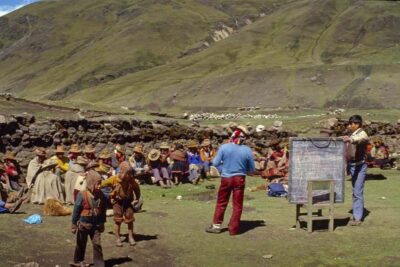
Day 5 starts after completing the around-Ausangate hiking loop. You’ll have breakfast, then take part in a ceremony with a local family. The focus is local food preparation plus learning about culture and weaving techniques.
This is one of the best ways to close the loop: you’ve spent days learning what the mountain means in local life, and then you shift to how people live that meaning through everyday craft and food traditions. It also keeps the last day from feeling like only transit.
After the family experience, you’ll take the bus back to Cusco, with the ride lasting around 3 hours. That’s long enough to decompress, but not so long that you feel like you’ve been abandoned in a seat.
Practical reality check: you’ll likely arrive with a mix of feelings—exhausted, cold, and tired in the best way. Many people remember the mountain, but they also remember the rhythm of camp meals and the small-group pace.
What You’re Really Paying For: Small-Group Service + Camp Comfort
At $660 per person for about 5 days, this trek can look expensive at first glance. But the value comes from what’s included and what that means for your day.
You’re getting:
- Camping equipment (so you’re not hunting gear last minute)
- Horses for equipment (which matters a lot when you’re hiking at altitude)
- Meals included: 5 lunches, 4 breakfasts, and 4 dinners
- A staffed camp setup with a cook and assistant cook, plus a horse driver to manage equipment and tents
That combination changes the trek feel. You can hike, not manage camp logistics. You can also eat real meals on schedule, which is huge when you’re burning calories in cold air.
From the trip team names you may encounter (examples include guides like Chino or Guillermo, chefs like Benigno, assistants such as Euden, and horse driver names like Angel), the pattern is clear: they operate like a working crew, not like people improvising.
Also, small-group size (max 10 travelers) tends to mean fewer crowds at the most photogenic stops. It doesn’t guarantee total emptiness, but it makes your experience feel more personal.
Altitude Reality: How to Prepare for Passes at 4,850m to 5,200m
This route climbs high: Arapa 4,850m, Apacheta 4,980m, and Palomani 5,200m. Even if you’re fit, altitude affects breathing and pace. The good news is the itinerary includes downhill and lake time, plus rest periods at camp and hot springs.
Still, you should plan like altitude matters:
- Wear layers you can adjust quickly as conditions swing.
- Keep your pace controlled on climbs; don’t sprint to impress anyone.
- Expect cold nights at around 4,200m and above, even if the daytime feels manageable.
One item not included is important for comfort: a sleeping bag. Camping gear is included, but you’ll need your own sleeping bag or arrange one separately. If you run cold, don’t treat this as optional.
Price and Logistics: What’s Extra and Why It Matters
Besides the tour price, there’s an entrance fee listed at 20 soles, and you’ll want to budget for it. Also, the sleeping bag is not included, so factor in either renting or bringing one.
There are no mystery costs built into the trek itself. Meals are covered, and the camp setup is covered. That’s what makes the money feel more “earned” than “spent”—you’re buying time with guides, transportation in the region, and a whole support system.
A nice detail: the tour is designed for people booking it in advance (on average it’s booked around 17 days ahead), which often means the operator can plan staffing and camp flow smoothly.
Who This Trek Fits Best (And Who Should Rethink It)
This trek fits you if:
- You want a small-group high-altitude trek rather than a big bus crowd.
- You like trips with a cultural layer, including ceremonies and local tradition time.
- You’re comfortable with multi-day hiking and cold-weather camping.
- You value hot springs as real recovery, not a bonus.
It might not fit you if:
- You want a light day every day. Day 2 and Day 3 are long.
- You’re unwilling or unable to handle thin air at 5,200m.
- You don’t have a warm sleeping bag and don’t want to source one.
Given the stated requirement of moderate physical fitness, I’d read that as: you don’t need to be an athlete, but you do need steady stamina and the ability to hike uphill for hours at altitude.
Should You Book the Ausangate 5-Day Trek?
If your idea of an ideal Peru trip includes mountain spirituality, turquoise lagoons, real hot springs, and a well-run camp, I think this is a strong pick. The small group size, the all-inclusive meals, and the pass-by-pass pacing make it feel like more than a checklist hike.
I’d book it if you’re ready for cold nights and altitude, and if you’re happy spending the day hiking between major “wow” moments. If you’re still deciding, use one simple filter: can you honestly handle 5 days of high-Andes hiking up to 5,200m? If yes, this is the kind of trek that leaves you with stories you’ll still tell later.
FAQ
What time does the tour start in Cusco?
You meet in Cusco with a 5:00am start time.
How high does the trek go?
The highest point listed is Palomani pass at 5,200 meters.
What meals are included?
Lunch is included 5 times, and breakfast and dinner are included 4 times each (breakfast 4, dinner 4).
Is a sleeping bag included?
No. Sleeping bag is not included.
How many people are in the group?
The trek has a maximum of 10 travelers.
Are entrance fees included?
No. There is an entrance fee of 20 soles listed as not included.
What happens if weather is poor?
The experience requires good weather. If it’s canceled due to poor weather, you’ll be offered a different date or a full refund.
More Hiking & Trekking in Cusco

More Tour Reviews in Cusco
More Ausangate High Country
Recent write-ups from around Cusco, just off the trail
- Cuzco: Rainbow Mountain Excursion
★ 5.0 · 3 reviews - 1 day excursion to Qeswachaka bridge and the 4 lagoons
★ 3.6 · 3 reviews - Waqrapukara 1 day trekking + meals
★ 3.9 · 3 reviews - Valle Sur Cusco | half day
★ 4.3 · 3 reviews - Full-Day Condor Viewpoint & Inca Sites Tour
★ 5.0 · 3 reviews
Ausangate & Seven Lagoons Treks, compared.
 ★ 5.0Excursion to Ausangate & 7 lakes with Coca Ceremony |Private|From $10880 reviews
 ★ 5.0Full-Day Tour to Ausangate 7 LakesFrom $6956 reviews
 ★ 4.5From Cusco: Ausangate 7 Lakes Tour with MealsFrom $3747 reviews
 ★ 5.0Ausangate and Rainbow Mountain Trek – 3 Days / 2 NightsFrom $53535 reviews
 ★ 5.06 day Rainbow Mountain x Ausangate Trek – FlashpackerConnectFrom $1,05030 reviews
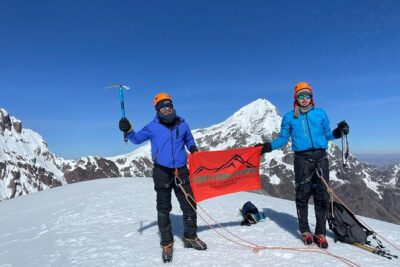 ★ 5.0Qampa Climbing 2 Days in AusangateFrom $38027 reviews
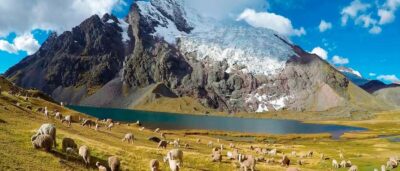 ★ 4.6Ausangate Tour 7 Lagoons full dayFrom $3617 reviews
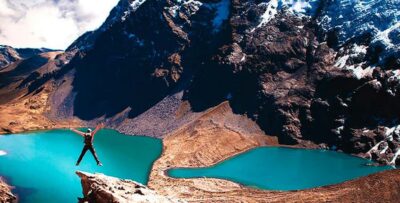 ★ 4.6Excursion 7 lagoons-Cusco| Full dayFrom $4013 reviews
Browse the lists this tour appears in