
REVIEW · RAINBOW MOUNTAIN (VINICUNCA)
Ausangate and Rainbow Mountain Trek – 3 Days / 2 Nights
Rainbow Mountain, minus the chaos. I love the crystal-lake hiking around Ausangate, and I love the early timing for Vinicunca that helps you enjoy the views without fighting crowds.
The trade-off is that this is a challenging high-altitude trek with a very early 5:00am start, so you’ll want good fitness and time to adjust in Cusco first.
In This Review
- Key Highlights You’ll Actually Feel on the Trail
- Where Ausangate and Rainbow Mountain Fit in Peru
- Price and Logistics: What Your $535 Covers (and Why It Matters)
- 5:00am Start, Altitude Rules, and How to Set Yourself Up
- Day 1: Nevado Ausangate from Upis to Arapa Pass and Hatun Pucacocha
- Day 2: Puca Pass, Glacial Lagoons, and the Warmisaya 360 View
- Day 3: Reaching Vinicunca Early, Then Sliding Back to Cusco
- Camping Comfort and Food: The Real Difference Between a Trek and a Grind
- The Team You Can Get: Guides and Support That Change Your Pace
- How Hard Is It, Really? Pace, Passes, and Altitude Reality
- Weather and the “Clear Views” Factor
- Who This Trek Suits Best (and Who Might Want a Different Plan)
- Should You Book Ausangate and Rainbow Mountain? My Take
- FAQ
- What time does the trek start?
- How long is the trek?
- Do I get hotel pickup and drop-off?
- Are transfers from Cusco included?
- What’s included for entry fees?
- Is camping equipment provided?
- How is luggage handled on the hike?
- Is oxygen or first aid included?
- What food is provided?
- Is this tour refundable or changeable?
Key Highlights You’ll Actually Feel on the Trail
- Hotel pickup and drop-off in Cusco make the first and last day far less stressful
- Small group size (max 12) keeps the pace and experience more personal
- Sleeping comfort at camp includes a sleeping tent plus an air mattress and sleeping bag
- Two pass days (Puca and Warmisaya, plus Arapa on Day 1) give you serious viewpoint payoff
- Oxygen supply and first-aid kit are part of the plan, not an afterthought
- Camp meals that run hot and real (plus extras like hot drinks and warm night comforts in past groups)
More Ausangate and high-lagoon hikes
- From Cusco: 7 Lakes Ausangate Trek with Breakfast and Lunch★ 4.8 · 360 reviews
- Excursion to Ausangate & 7 lakes with Coca Ceremony |Private|★ 5.0 · 80 reviews
- Ausangate Trek 5 Days★ 5.0 · 74 reviews
- Full-Day Tour to Ausangate 7 Lakes★ 5.0 · 56 reviews
Where Ausangate and Rainbow Mountain Fit in Peru
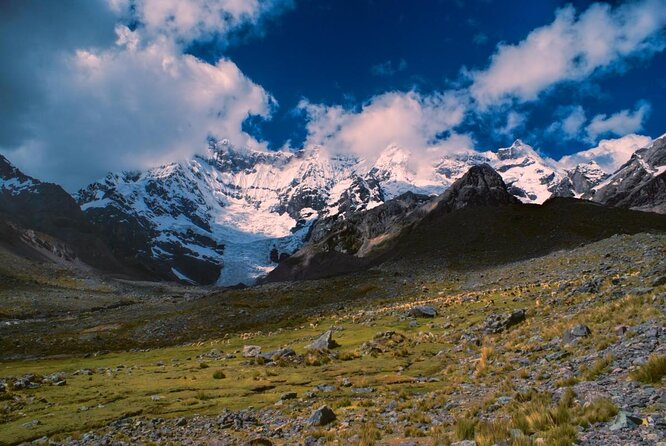
If you’re coming to Peru for big scenery and you want the Andes to feel wild, Ausangate is the more “real” mountain. It’s less about a single photo moment and more about the long walk between passes, lakes, and ridgelines.
Rainbow Mountain (Vinicunca) is the headline, but the best version of it is when you do it as part of a bigger story. This trek ties Vinicunca to the Ausangate region, so you get contrast: turquoise glacial waters one day, and the famous colored slopes the next.
Price and Logistics: What Your $535 Covers (and Why It Matters)
At $535 per person, the key value is that a lot of the costly friction is handled for you. Your price includes hotel pickup/drop-off, round-trip transfers from Cusco, an experienced mountain guide, entry fees, and camping equipment.
You also get meal support and a logistics layer that matters at altitude: luggage transport up to 7 kg, plus water and snacks, hiking poles, and a rain poncho. In other words, you’re not trying to solve the hard parts while your body is busy adjusting to thin air.
A practical note: horse assistance isn’t included (it’s optional). The trek is still designed around hiking, with the option to ease one part of the effort if you need it.
5:00am Start, Altitude Rules, and How to Set Yourself Up
You’ll start at 5:00am. That early wake-up is not just for convenience; it’s how you get better light, cooler temperatures, and—on Day 3—more peaceful time at Rainbow Mountain before the busiest wave arrives.
Cusco altitude is real. The recommendation is to arrive at least 2 days early so you can acclimatize before the trek. If you’ve only been in Cusco a few hours, you’re more likely to feel the altitude hit harder on Day 1.
Day 1: Nevado Ausangate from Upis to Arapa Pass and Hatun Pucacocha
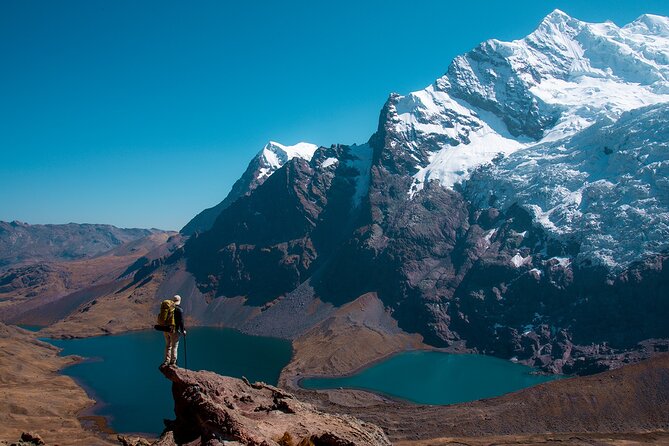
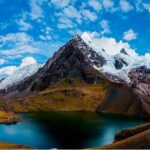
Day 1 begins with an early drive to the small town of Upis, where you start hiking for about 3 hours toward the lunch stop. This is a “settle in and start trusting your pace” day, with the big payoff of seeing Ausangate dominate the route—snow and rock up close, and that high-Andes sense of open sky.
After lunch, you’ll take a short rest, then head uphill again toward Arapa Pass. From there, the trail drops you down to camp at Hatun Pucacocha, right at the foot of Ausangate. This matters because the day doesn’t just end; it lands you where the mountain feels near enough to touch.
One of the standout perks here is camp warmth. In past groups, I’ve seen how guides manage cold with practical support—hot drinks at camp and a sleeping setup meant to keep you comfortable rather than just “technically warm.” If you’re worried about night temperatures, this trek is prepared for that reality.
Other Vinicunca departures, dawn and quiet
Day 2: Puca Pass, Glacial Lagoons, and the Warmisaya 360 View
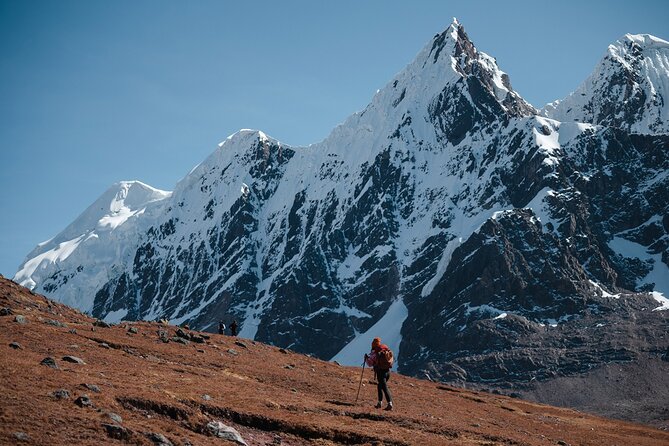
Day 2 starts with hot coca tea and breakfast, which is exactly what you want before another climb. Then you head toward Puca Pass, a viewpoint moment where the scenery starts opening up fast—enough that you can feel the altitude and still be rewarded with huge views.
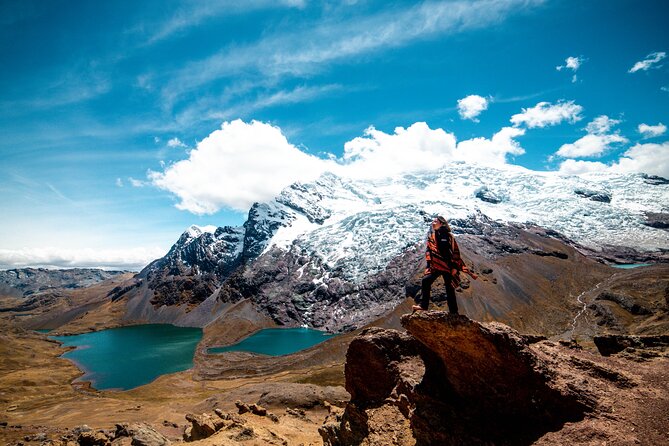
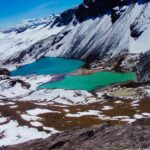
You’ll also pass by glacial lagoons, and this is where the photos tend to come easy. If you’re the type who likes landscapes in the strict sense—water, ice, and sky in one frame—this is the day for it.
Lunch is at Anantapata, then it’s on to Warmisaya Pass. The big promise here is the 360 view, including what many people consider their first clear look toward Rainbow Mountain from the ridges. The day finishes with a descent to camp in Surinecocha, plus dinner and rest.
From a comfort standpoint, this is also where the team behind the scenes becomes obvious. A good guide keeps pace steady, and a good cook makes sure you’re fueled enough to sleep. In multiple past groups, the chef role showed up strongly—people specifically praised meals served warm and well thought out in remote conditions.
Day 3: Reaching Vinicunca Early, Then Sliding Back to Cusco
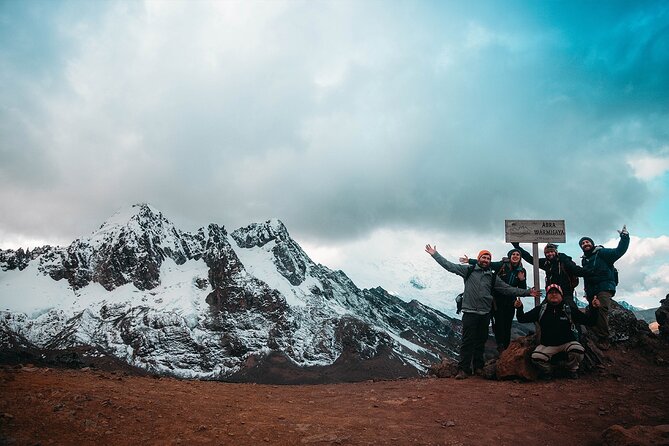
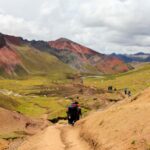
Day 3 is about timing and focus. You wake up early to reach Rainbow Mountain (Vinicunca) before other tourists arrive, which makes a difference in how it feels. Instead of arriving to a jam, you get time to take it in while it’s still quiet and the colors look sharp.
You’ll stop along the first section for early views, then continue to the mountain itself. You’ll have plenty of time there, including learning about why the place matters and taking in the surrounding peaks and ridges.
After that, you hike back down to your private transport, then enjoy lunch before returning to Cusco. The drop-off is at your accommodation, which is a nice touch—especially after a day where your legs are tired and your brain wants a shower.
Camping Comfort and Food: The Real Difference Between a Trek and a Grind
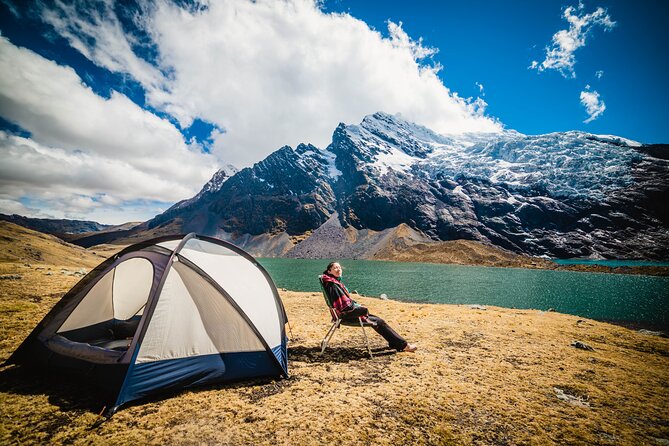
This trek uses proper camping gear: sleeping tent, air mattress, sleeping bag, plus a dining room setup with tables and chairs. That doesn’t sound glamorous, but at 4,800m+ style altitudes (you’ll be at high passes across the days), “sleeping like a human” is a huge part of enjoying the trek.
In past groups, people also mentioned extra cold-weather help like additional sleeping liners and even warm night water support. The exact extras can vary, but the overall pattern is clear: they plan for nights being cold and aim to keep you warm enough to recover.
Food is another big theme in the feedback. More than once, the trek team was praised for cooking meals that didn’t feel like survival rations. Names that stood out from past groups include Heber (camp chef), Juan Carlos, Jesús (horseman), and Marco/Nestor (guides), with the consistent message that the cooking team works hard every day and meals arrive hot and filling.
The Team You Can Get: Guides and Support That Change Your Pace
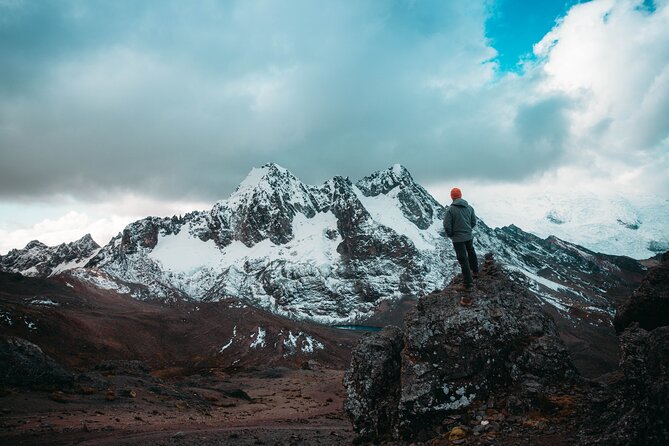
One reason this trek gets strong ratings is the human side: the guide’s role is not just navigation. It’s pace management, altitude monitoring, and keeping the group moving safely even when the trail steepens.
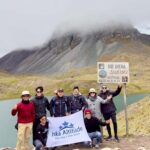
Past groups have included guides like Nestor, Marco, Fredy Apaza, Elisban, Franklin, Pabel, and Darwin. People praised them for being patient, supportive, and able to share Peru context on the trail—sometimes even tailoring the route a bit for faster hikers or adding extra viewpoint stops at sunset.
On the support side, you may work with a muleteer/horseman such as Avelino or Jesús, depending on your group. When the team is strong, you feel it in the small things: camps set up efficiently, dinner ready when you’re tired, and the sense that safety and comfort are taken seriously.
How Hard Is It, Really? Pace, Passes, and Altitude Reality
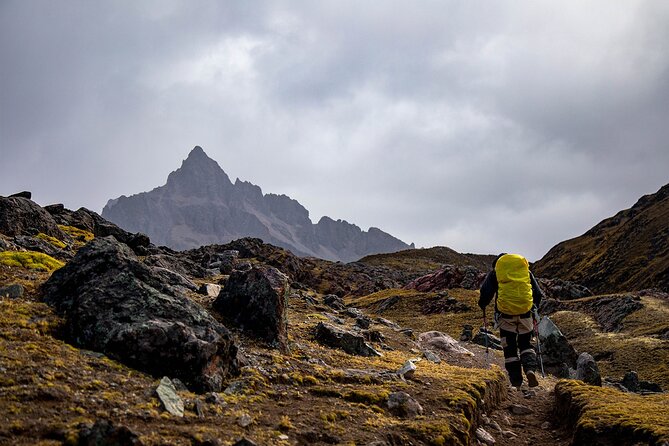
This is a challenging trek, and the important part is not just distance—it’s the altitude and the fact you’ll cross multiple passes across the 3 days. Day 1 includes a climb up to Arapa Pass and then a descent to camp. Day 2 adds Puca Pass and Warmisaya Pass.
Day 3 is shorter in hiking hours, but it’s also the day most people feel the altitude most sharply because you’re out early and moving around during the best viewing window. Your best strategy is steady effort, short breath breaks, and trusting the guide’s pacing.
Oxygen support is part of the plan, and in past groups someone needed oxygen on the first night due to altitude. The key thing you can take from that: if you feel off, speak up early. This isn’t a trek where you should try to be tough in silence.
Weather and the “Clear Views” Factor
This trip depends on good weather. If weather is poor and the experience is canceled, you’ll be offered a different date or a full refund. That’s the right kind of policy for a high-altitude route where conditions can change fast.
If skies are clear, you’ll get crisp views from passes and the glacial lagoons will look especially vivid. If clouds roll in, you still get a trek through a dramatic world of ice, rock, and wide valleys—just with fewer sharp photo moments at the top.
Who This Trek Suits Best (and Who Might Want a Different Plan)
This trek fits you best if:
- you’re comfortable hiking uphill at altitude and you want a structured 3-day plan
- you want camping logistics handled (equipment, tents, meals, and luggage transport)
- you like guides who add practical safety plus real-world Peru context
- you’re okay with cold nights and an early start
It may feel like too much if you’re brand new to high-altitude trekking and you can’t acclimatize well. Even though horse assistance is optional, the core experience is still a serious hike.
For kids: age 12 and up can participate, but they must be accompanied by a responsible adult.
Should You Book Ausangate and Rainbow Mountain? My Take
I’d book this trek if you want Rainbow Mountain, yes—but you also want the Andes to feel bigger than one single viewpoint. The combination of Ausangate’s crystal lakes, high passes, and camp comfort makes the experience feel complete.
Also, the value is strong for what you’re getting. You’re not just buying entrance fees and a guide; you’re paying for transfers, camping gear, meals, and the safety net of a team prepared for altitude issues.
If your number one priority is a very easy stroll, this probably isn’t your match. But if you’re after a high-altitude adventure that’s organized, warm where it counts, and genuinely memorable, this one deserves a spot on your Cusco plan.
FAQ
What time does the trek start?
The start time is 5:00am.
How long is the trek?
It’s listed as 3 days (about 2 nights).
Do I get hotel pickup and drop-off?
Yes. The tour includes hotel pickup and drop-off.
Are transfers from Cusco included?
Yes. There are round-trip transfers from Cusco included.
What’s included for entry fees?
Entry fees for Ausangate and Rainbow Mountain are included.
Is camping equipment provided?
Yes. Camping equipment is included, including sleeping tent, air mattress, sleeping bag, and a dining room setup.
How is luggage handled on the hike?
Luggage transport on the hike is included for up to 7 kg.
Is oxygen or first aid included?
Yes. There is a first aid kit and oxygen supply included.
What food is provided?
Lunch, breakfast, and dinner are included (3 lunches, 3 breakfasts, and 2 dinners).
Is this tour refundable or changeable?
It is non-refundable and cannot be changed for any reason. If canceled due to poor weather, you’ll be offered a different date or a full refund. If the minimum number of travelers isn’t met, you’ll be offered a different date/experience or a full refund.
More Tour Reviews in Cusco
Vinicunca, A Few More Dawns
More Ausangate High Country
Recent write-ups from around Cusco, just off the trail
- Cuzco: Rainbow Mountain Excursion
★ 5.0 · 3 reviews - 1 day excursion to Qeswachaka bridge and the 4 lagoons
★ 3.6 · 3 reviews - Waqrapukara 1 day trekking + meals
★ 3.9 · 3 reviews - Valle Sur Cusco | half day
★ 4.3 · 3 reviews - Full-Day Condor Viewpoint & Inca Sites Tour
★ 5.0 · 3 reviews
Rainbow Mountain (Vinicunca), compared.
 ★ 5.0Private Rainbow Mountain Full Day Tour from CuscoFrom $119129 reviews
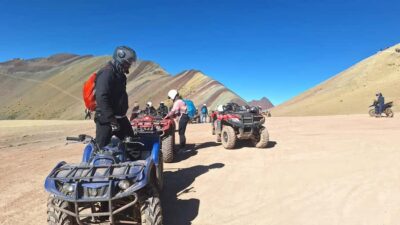 ★ 4.5From cusco: Rainbow Mountain ATV Tour with mealsFrom $65121 reviews
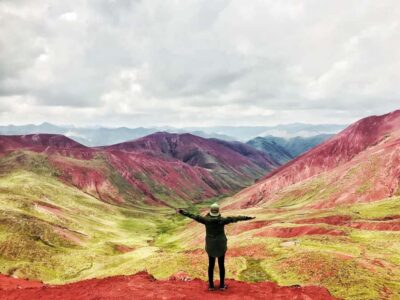 ★ 4.5Full-Day Rainbow Mountain & Red Valley Trekking TourFrom $145121 reviews
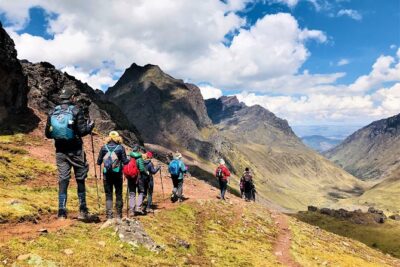 ★ 5.0Rainbow Mountain & Red Valley Premium Tour with picnicFrom $190102 reviews
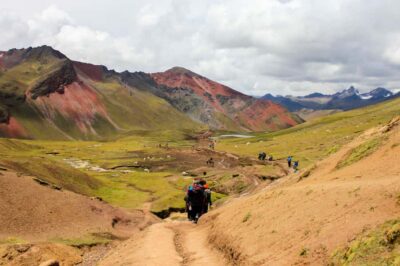 ★ 4.5From Cusco: Rainbow Mountain TrekFrom $6198 reviews
 ★ 4.5Full Day Rainbow Mountain & Red Valley View Point Tour from CuscoFrom $9875 reviews
 ★ 5.0Rainbow Mountain Full-Day Tour from Cusco + Small Group!From $11673 reviews
 ★ 5.0Rainbow Mountain TourFrom $9072 reviews
Browse the lists this tour appears in