
REVIEW · MACHU PICCHU TOURS & TICKETS
4 Day Inca Trail To Machu Picchu – Private Service
The Inca Trail feels personal on this private trek. You leave Cusco before dawn, get checked in at the restricted trail point, and then follow the Inca route through cloud forest and passes with your guide focused on your pace. The experience is built around private attention and a tight rhythm toward Machu Picchu.
I also love how much comfort you get for the effort. Camping gear, a cook, and most meals are included, plus you’re not stuck hauling heavy camp items—porters handle the logistics while you walk. There’s even an oxygen bottle in the support kit, which is reassuring at altitude.
The main drawback is simple: this is still a tough trek. You’ll hit high passes like Dead Woman’s Pass (Abra de Warrmihuañusca) and spend nights around 4–5°C, so you need realistic fitness and cold-weather expectations.
In This Review
- Key highlights to know before you go
- Why this private 4-day Inca Trail feels different from a big group
- Day 1: From Cusco’s early meeting to Piscacucho and Wayllabamba camp
- Day 2: Dead Woman’s Pass, Pacaymayu birds, and the Runkurakay climb
- Day 3: Phuyupatamarca, Intipata steps, and the Wiñay Wayna finish
- Day 4: Intipunku before sunrise and the final approach to Machu Picchu
- What’s included on this private Inca Trail (and where you still need to plan)
- Price and value: is $1,395 per person fair for a private trek?
- Who this Inca Trail should suit best (and who should reconsider)
- Should you book this private 4-day Inca Trail?
- FAQ
- What time do I need to meet in Cusco?
- How long and how far is the hiking each day?
- What camping and comfort items are included?
- Are meals included on the trek?
- Will I have drinking water during the trek?
- What documents do I need at the Inca Trail control point?
- Is Huayna Picchu included?
- How does Huayna Picchu affect your Machu Picchu schedule?
- Is the trip refundable if plans change?
- What fitness level and minimum age are required?
Key highlights to know before you go
- Private service, real pacing: Your guide works with your group instead of pushing a mass schedule.
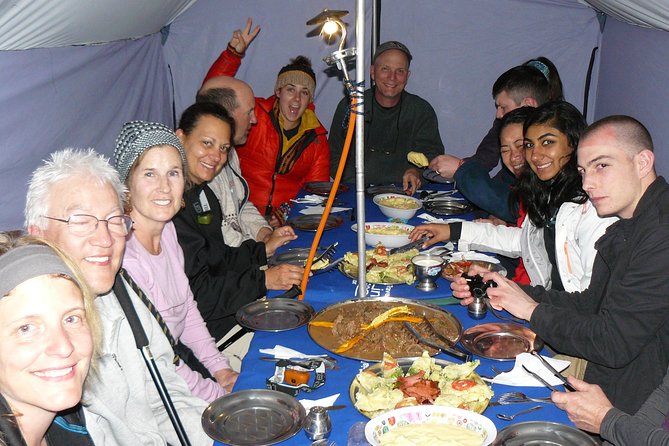
- On-trail chef + meals: Dining tents, tables, and cook support turn long days into manageable ones.
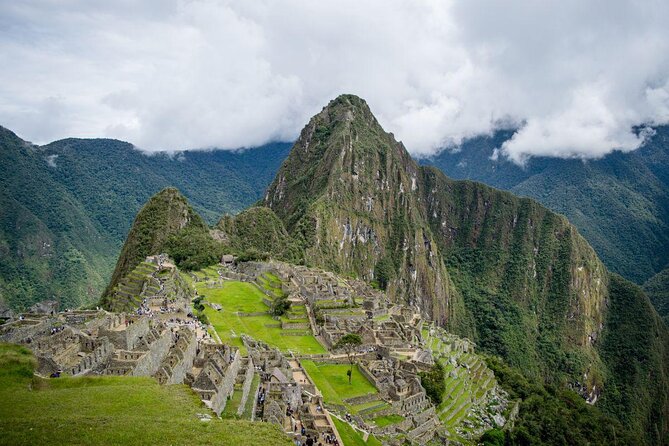
- Cloud forest stops with Inca sites: Huillca Raccay, Patallacta, Phuyupatamarca, Intipata, and Wiñay Wayna are woven into the walk.
- Sun Gate before sunrise on Day 4: Plan for an early morning so you don’t miss the first big view of Machu Picchu.
- Altitude and cold are part of the deal: Nights are around 4–5°C; passes are steep even when you’re well-supported.
Other ways up to Machu Picchu, reviewed
- From Cusco: Full-Day Group Tour of Machu Picchu★ 4.7 · 1,767 reviews
- Machu Picchu Day Trip from Cusco★ 4.5 · 1,644 reviews
- Machu Picchu: Full-Day Tour from Cusco with Optional Lunch★ 4.6 · 927 reviews
- Cusco: 4-Day Inca Trail to Machu Picchu with Accommodation★ 4.8 · 432 reviews
Why this private 4-day Inca Trail feels different from a big group
The Inca Trail is famous for a reason. You’re walking through cloud forest, climbing high passes, and seeing Inca stonework in a sequence that feels almost ritual. With a private service setup, the day-to-day experience depends less on crowd control and more on how your guide manages timing and effort for your group.
In my view, the biggest win is the human factor. Guides on this itinerary (names that show up in feedback include Victor, Nico, Rene, Guillermo, Aldo, and Hugo) are consistently praised for how they keep people on track while staying friendly. That matters because the trail isn’t just about distance. It’s about rhythm—when to rest, how to handle altitude, and how to keep your energy for the next climb.
Second, the support system makes the walk more enjoyable. You get the camping setup, the cook, and porters for camp equipment. That’s not a luxury add-on here—it’s what lets you focus on your own steps instead of logistics. Add in oxygen support and a first aid kit, and you can feel calmer as the trail rises.
Day 1: From Cusco’s early meeting to Piscacucho and Wayllabamba camp
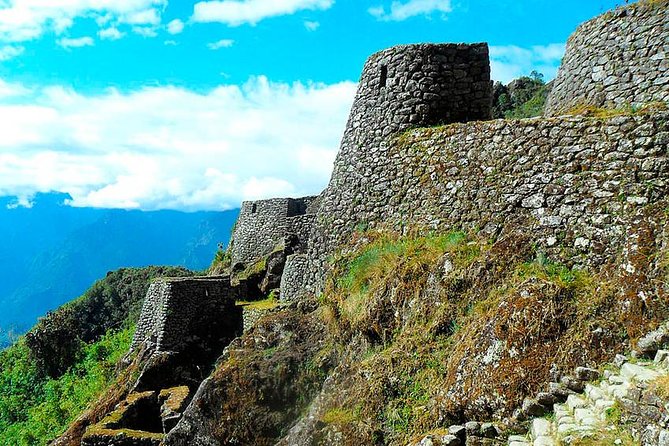
Day 1 starts early because the Inca Trail has limited access and a strict start flow. You meet before dawn in Cusco (the trip notes a 4:00 am start time, and the day-one meeting point reads 4:30 at the hotel). From there, you continue to Piscacucho for check-in. Plan for passport and ticket checks at the control point, and use the restroom before you move on—once you’re underway, there’s no “back in 10 minutes.”
After check-in, you begin at about 2,720m / 8,923 ft and cross the Vilcanota River on the right side. The first walking section gives you that classic transition: river valley energy, then a shift into cooler cloud forest.
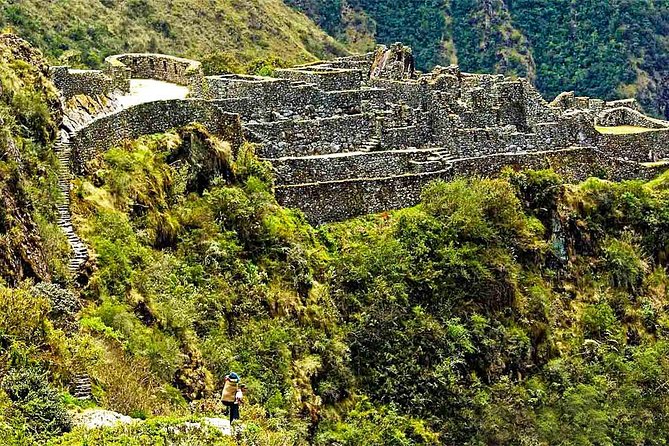
You’ll also get some real Inca-era context without it feeling like a museum lecture. On the way, you can spot an Inca fortress called Huillca Raccay and the site of Patallacta. The trail also frames the mountains in a way that helps you understand what the Incas were walking toward—Urubamba mountain range views and the snow-capped peak W’akay Willca (also referenced as Veronica) appear along the skyline.
By late day, you set up camp near the small village of Wayllabamba at 3,000m / 9,842 ft. Expect a night low around 5°C (depending on the month). Day 1 is listed at about 7 hours, and it’s long enough to wake up your legs without yet overwhelming you.
What I’d do with this day: treat it as your warm-up for the real climbs. Don’t sprint the morning. Save your breathing for the passes coming on Day 2.
Day 2: Dead Woman’s Pass, Pacaymayu birds, and the Runkurakay climb
Day 2 begins with breakfast made by the cooks, and you’re ready at 5:30 am. The early start helps because you need strong daylight for a big climb day. The trek route follows a pilgrimage-style logic that’s tied to the Inca view of mountains as protected “Apus.” Even if you’re not religious about it, the idea helps you interpret why the trail feels staged and intentional.
The headline event is the pass at Abra de Warrmihuañusca, known as Dead Woman’s Pass, at 4,200m / 13,779 ft. This is where most people feel altitude and effort at the same time. It’s not a “take it easy” section, even with a guide pacing you.
After reaching the pass, you rest, then head down to the lunch stop at Pacaymayu (around 3,550m / 11,646 ft). This is a great moment to slow down, hydrate, and take in the details. The route description calls out hummingbirds, plus native plants and trees associated with cloud forest conditions. One plant mentioned specifically is Polylepis, which only grows at higher elevations in that cloud-forest belt.
In the afternoon, you climb again. About 2 hours leads you to Runkurakay pass at almost 4,000m. By around 5 pm, you’re at camp. Night temperatures near this campsite are listed around 4°C.
Practical tip: if you have trekking poles or plan to rent or bring them, Day 2 is a good day to decide whether they’ll help you. The mix of steep up and steeper down is where poles can save your knees.
Day 3: Phuyupatamarca, Intipata steps, and the Wiñay Wayna finish
Day 3 starts with camp life and the kind of silence you only get at altitude. The walk is listed as 10 km (about 5 hours more or less), but what matters is how the steps are distributed. You’ll feel it as you transition from gentle climbing into big sections of cloud forest walking.
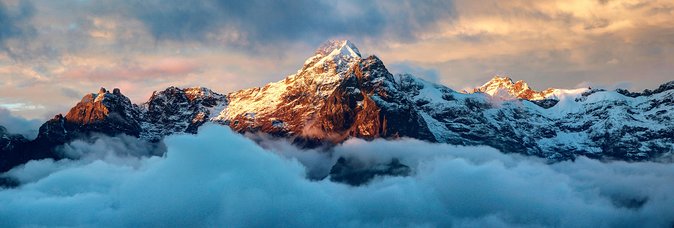
After breakfast, you rise gradually to Phuyupatamarca, meaning Town in the Clouds, at about 3,680 m. This area gets singled out because the views open up over mountains and canyons. You also pass by the third high-point zone associated with Phuyupatamarca, and the timing matters because you want clear visibility if weather is cooperating.
Then comes one of the trail’s signature stretches: about 3,000 steps through cloud forest to Intipata, an agricultural Inca site. It’s a lot of footwork. The upside is that the Inca farming terraces and the forest setting give the climbing a purpose you can feel, not just a workout you endure.
Later, you arrive at your third campsite, Wiñay Wayna, at 2,680m / 8,792 ft. The plan says you’ll reach camp by lunchtime after walking around 4–5 hours. Near the campsite, you visit the Inca site also called Wiñay Wayna (meaning Forever Young). That’s the kind of stop you’ll want time for. Not because you need to stay forever, but because the trail is so focused on movement that you’ll appreciate the pause.
Advice for this day: pace your steps so you finish with enough energy to enjoy Wiñay Wayna rather than just “survive” it. If you go too hard in the morning, Day 4’s sunrise run can feel brutal.
More Inca Trail departures we have walked through
Day 4: Intipunku before sunrise and the final approach to Machu Picchu
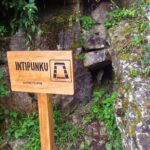
Day 4 has a different feel because you’re moving from trekking day to monument day. You wake early, eat breakfast, and head out fast. The goal is to reach Intipunku (Sun Gate) at about 2,730 m / 8,792 ft before sunrise.
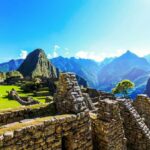
This is also the moment you get that first major look at Machu Picchu (listed at 2,400 m / 7,873 ft). You’ll feel it when the light hits the stone and the site appears out of the mountain mist. The route description frames this as a spiritual “glory among the Apus” moment—whether you take that literally or not, the timing is what makes it hit.
After the sunrise viewpoint, you proceed onward for your Machu Picchu time window (the final walking segment is listed as about 5 km, roughly 2 hours). Then logistics kick in: you take the bus down to Aguas Calientes, and later you’re involved in the train service back to Ollantaytambo with collection from Ollantaytambo train station on Day 4.
One important note if you’re eyeing extra Machu Picchu viewpoints: Huayna Picchu tickets aren’t included, and they must be booked well in advance. Two time sessions are listed: 7am–8am or 10am–11am. The information also warns that if you secure the 7am slot, you may probably have to miss the guided Machu Picchu tour.
If you’re the kind of traveler who hates trade-offs, I’d think hard about which experience you value more: Huayna Picchu time or a structured guided visit.
What’s included on this private Inca Trail (and where you still need to plan)
This package is built around comfort and convenience for a multi-day trek. Here’s what stands out most:
- Transportation: You’re taken by bus to kilometer 82, then you ride the train back to Ollantaytambo. Day 4 includes collection from Ollantaytambo, plus a bus down to Aguas Calientes.
- Camping + sleep basics: There’s a dining tent with tables and chairs, plus 4-man tents (per 2 people) and foam sleeping mattresses.
- Food support: Meals are listed as 3 breakfasts, 3 lunches, and 3 dinners, with the caveat that the first breakfast, plus lunch and dinner on the last day, are not included.
- Water: You’ll use your own water for the first morning, then you get drinking water provided after being boiled.
- Trek safety and altitude support: There’s a first aid kit and an oxygen bottle.
Porters are a big part of why this feels manageable. They carry the cooking and camping equipment so your load is mostly about your personal essentials. One detail is worth a quick sanity-check before you go: the data both lists and excludes a personal porter to carry 7 kg of your personal effects. Because that conflicts on paper, I’d confirm the final arrangement with the operator so you know exactly what you’re responsible to carry.
Also, walking sticks aren’t included. If you like them, bring your own or plan to rent locally.
Price and value: is $1,395 per person fair for a private trek?
At $1,395 per person, you’re paying for more than a route on a map. You’re buying a whole system: guide time, camp setup, cook support, porter labor, oxygen and first aid resources, and the big-picture transport that turns “trekking to Machu Picchu” into an organized trip.
For value, the question isn’t whether it’s “cheap.” It’s whether it removes the hard parts you’d otherwise manage yourself. In this case, you’re not dealing with camping equipment logistics, kitchen planning, or the transport choreography. That’s a real cost saver in time and stress—especially on a trail where schedules are fixed.
What could cost extra:
- Single supplement: listed at $60.
- Huayna Picchu: entrance/tickets not included.
- Some meals: first breakfast and last-day meals have exclusions.
- Walking sticks if you want them.
- Gratitudes (tips), which are not included.
- Travel insurance: strongly recommended, but not included.
If you’re traveling as a pair and want the guide to work around your group instead of a large herd, this private service can feel like money well spent.
Who this Inca Trail should suit best (and who should reconsider)
This is best for you if:
- You have moderate physical fitness and you’re comfortable with steep climbs and many steps.
- You want private guide attention and a more flexible-feeling day-to-day rhythm.
- You care about cultural context while walking, not just checking off ruins.
- You appreciate support: camp setup, a cook, and porter help.
You might reconsider if:
- Cold nights and early starts are a deal-breaker. The trip notes night lows around 4–5°C, and Day 4 has a before-sunrise push.
- You’re trying to squeeze in both Huayna Picchu and a guided Machu Picchu experience. The timing conflict is real if you choose the 7am Huayna Picchu session.
For families, note the minimum age is 10 years. That’s a guideline, but the altitude and long walking days are still serious for any child.
Should you book this private 4-day Inca Trail?
If your goal is the classic Inca route with less crowd pressure and more personal attention, I think you should strongly consider booking. The combination of private service, a real on-trail cook setup, and transport that handles the tricky “how do we get from here to Machu Picchu and back” parts is exactly what makes this trek feel doable.
Book it if you’re ready for effort. You’ll climb high passes, walk long days, and spend nights that are cold enough that comfort planning matters. If that sounds right to you, this itinerary is a solid way to reach Machu Picchu without turning your vacation into a camping project.
FAQ
What time do I need to meet in Cusco?
The start time is listed as 4:00 am, and the day-one meeting point in the itinerary notes 4:30 at the hotel before heading to Piscacucho.
How long and how far is the hiking each day?
Day 1 is listed at about 7 hours. Day 2 is a full climb/descent day with multiple passes. Day 3 lists 10 km (about 5 hours). Day 4 lists 5 km (about 2 hours).
What camping and comfort items are included?
You get a dining tent with tables and chairs, 4-man tents (per 2 people), and a foam sleeping mattress. Porters handle cooking and camping equipment.
Are meals included on the trek?
Meals are listed as 3 breakfasts, 3 lunches, and 3 dinners, but the package notes that the first breakfast, and lunch and dinner on the last day, are not included for the Inca Trail portion.
Will I have drinking water during the trek?
For the first morning you need to bring your own water. After that, drinking water is provided after being boiled.
What documents do I need at the Inca Trail control point?
The day-one notes say you must show your passport and tickets at the control point during check-in.
Is Huayna Picchu included?
No. Entrance to Huayna Picchu is not included, and tickets need to be booked well in advance. Two sessions are listed: 7am–8am or 10am–11am.
How does Huayna Picchu affect your Machu Picchu schedule?
If you get the 7am–8am Huayna Picchu slot, the information says you may probably have to miss the guided Machu Picchu tour.
Is the trip refundable if plans change?
No. The experience is listed as non-refundable and cannot be changed for any reason.
What fitness level and minimum age are required?
The trip asks for moderate physical fitness and lists a minimum age of 10 years.
More Tour Reviews in Cusco
Still Set on the Inca Trail?
Machu Picchu, More Ways In
Recent write-ups from around Cusco, just off the trail
- Cuzco: Rainbow Mountain Excursion
★ 5.0 · 3 reviews - 1 day excursion to Qeswachaka bridge and the 4 lagoons
★ 3.6 · 3 reviews - Waqrapukara 1 day trekking + meals
★ 3.9 · 3 reviews - Valle Sur Cusco | half day
★ 4.3 · 3 reviews - Full-Day Condor Viewpoint & Inca Sites Tour
★ 5.0 · 3 reviews
Machu Picchu Tours & Tickets, compared.
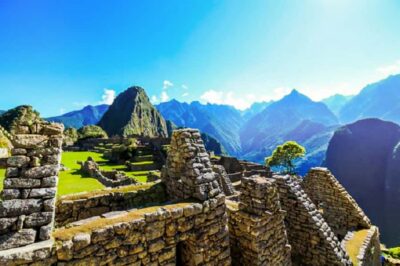 ★ 4.7From Cusco: Full-Day Group Tour of Machu PicchuFrom $3211,767 reviews
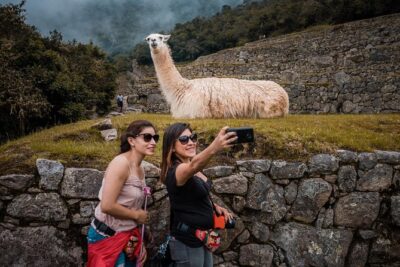 ★ 4.5Machu Picchu Day Trip from CuscoFrom $3361,644 reviews
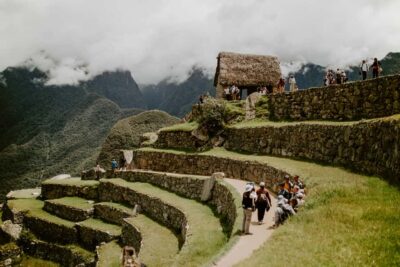 ★ 4.6Machu Picchu: Full-Day Tour from Cusco with Optional LunchFrom $283927 reviews
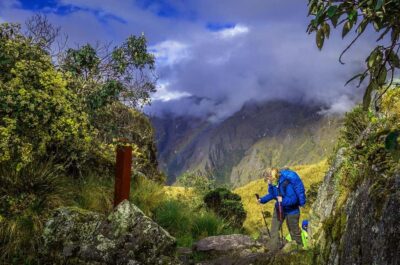 ★ 4.84-Day Inca Trail to Machu Picchu with AccommodationFrom $470432 reviews
 ★ 4.6From Cusco: 2-Day Trip to the Sacred Valley and Machu PicchuFrom $370265 reviews
 ★ 4.9Machu Picchu 2-Day Inca Trail with Panoramic TrainFrom $582260 reviews
 ★ 4.2From Cusco: 2-Day Inca Trail to Machu PicchuFrom $290244 reviews
 ★ 4.9Machu Picchu: Inca Trail 2-Day Overnight Guided TourFrom $585203 reviews
Browse the lists this tour appears in