
REVIEW · MACHU PICCHU TOURS & TICKETS
Classic Inca Trail 4 Days to Machu Picchu
One word: breathless. The Classic Inca Trail is a serious 4-day walk that moves from high Andean passes to the Machu Picchu approach through Inca sites and cloud-forest scenery.
I especially like two things: the plan includes a professional bilingual guide who explains what you’re seeing, and the trek leans into the classic rhythm of walking, exploring ruins, then resting in the next mountain camp. That mix makes the whole experience feel meaningful, not just like exercise with a few stops.
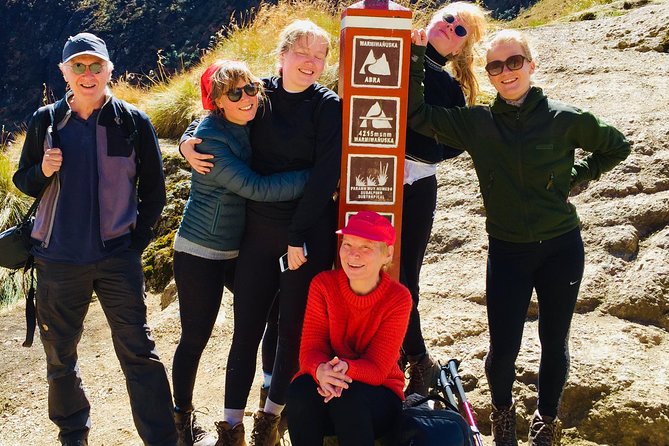
The main consideration is the altitude and stamina. You’ll be hiking over passes up to 4,216 m, and even if you’re moderately fit, you still need to pace yourself and expect a slower day than you might at sea level.
In This Review
- Key points worth knowing
- Classic Inca Trail: A Real Value Trek to Machu Picchu
- Before You Go: Cusco Altitude and Moderate-Fitness Reality
- Day 1 From Km 82 to Llactapata: Getting Oriented the Inca Way
- Day 2 The Inca Trail Challenge: Summit at 4,216 m and Camp at Pacaymayu
- Day 3 Puyupatamarca to Runkuracay: Cloud-Forest Feel and the View of Machu Picchu Mountain
- Day 4 Inti Punku to Machu Picchu: First View at Sun Gate, Then Guided Time
- What’s Included on the Trek: Tents, Porters, Meals, and the Stuff You Must Bring
- Group Size and Guide Support: Small Numbers, Better Attention
- Price and Logistics: Why $820 Can Make Sense for the Right Hiker
- Who This Trek Suits Best (And Who Might Want Another Option)
- Should You Book This Classic 4-Day Inca Trail?
- FAQ
- How long is the Classic Inca Trail to Machu Picchu?
- What’s included in the price besides the guide?
- What train and transport are included after Machu Picchu?
- What do I need to bring for sleeping?
- Is bottled water included?
- How big is the group?
- What’s the fitness level requirement?
- Does weather affect the trek?
Key points worth knowing
- Up to 8 people max keeps the group feel manageable and helps the guide keep an eye on everyone.
- Camping + porters + cook means you carry less than you would on a self-supported hike.
- Admissions are included for major stops like Llactapata and Machu Picchu.
- Day 2 is the toughest with the highest pass at 4,216 m.
- Sun Gate then Machu Picchu gives you the famous first view and then time for a guided deep look.
- Train back via Aguas Calientes to Ollantaytambo is built into the itinerary, saving you from stitching travel days together.
Other ways up to Machu Picchu, reviewed
- From Cusco: Full-Day Group Tour of Machu Picchu★ 4.7 · 1,767 reviews
- Machu Picchu Day Trip from Cusco★ 4.5 · 1,644 reviews
- Machu Picchu: Full-Day Tour from Cusco with Optional Lunch★ 4.6 · 927 reviews
- Cusco: 4-Day Inca Trail to Machu Picchu with Accommodation★ 4.8 · 432 reviews
Classic Inca Trail: A Real Value Trek to Machu Picchu
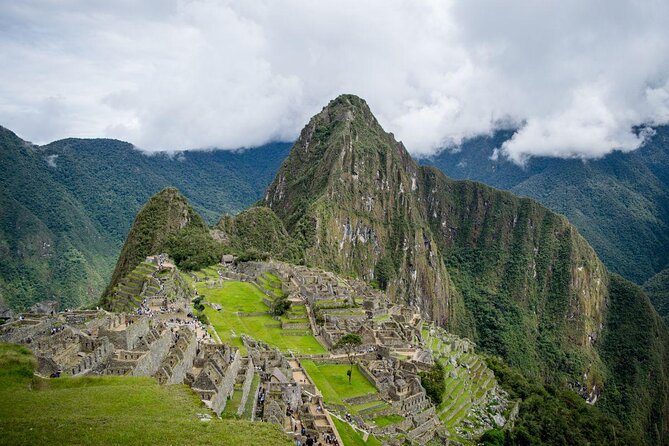
This 4-day trek is priced at $820 per person, and the value comes from what it bundles. You’re paying for the full guided experience: a bilingual guide on the trail and at Machu Picchu, campsite setup support, meals across the trek days, major site admissions, and the included train segment from Aguas Calientes to Ollantaytambo (plus the bus onward to Cusco).
If you’ve tried planning the logistics for Machu Picchu before, you know how quickly it gets messy. Here, the structure is already done for you: you start with hotel pickup in Cusco, move toward the trailhead, hike day by day with planned exploration stops, then finish with a guided Machu Picchu visit and a return route to Cusco.
The “classic” part isn’t just marketing. The trail connects key Inca locations in a way that makes the story of the region feel physical—walk, climb, descend, then suddenly you’re looking at another ruin that makes sense in context.
Before You Go: Cusco Altitude and Moderate-Fitness Reality
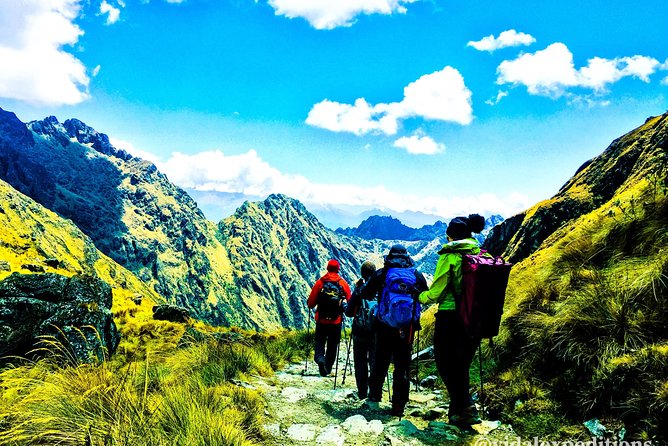
This hike asks for moderate physical fitness, but the altitude is the real boss. You’ll be spending nights around 3,600 m on the second night (Pacaymayu), and the passes include 3,960 m and 3,660 m on Day 3. The highest point is the Day 2 summit pass at 4,216 m.
Here’s how to handle it smartly:
- Take the first days in Cusco seriously. If you can, arrive a few days early to acclimatize.
- On steep sections, slow down. Your goal is steady movement, not speed.
- Expect breathing changes. Even fit hikers feel it at these elevations.
You also want to plan your gear around what’s provided and what isn’t. There’s camping accommodation in the form of a tent (for two people) and a basic sleeping pad. You’ll still want the full sleep system that works for you, because comfort at altitude matters more than you think.
Day 1 From Km 82 to Llactapata: Getting Oriented the Inca Way
Day 1 starts with hotel pickup in Cusco, then a drive to km 82. After the checkpoint, the hike begins toward your first major archaeological stop: Llactapata.
This is a great “warm-up” day in the best sense. You’re not just walking to walk. You’re moving through the same kind of terrain the Incas used for linking places, then stopping to actually look at what’s there. You’ll spend time exploring Llactapata and hearing the explanations before moving on to lunch and another Inca site in the same area, with views that help you understand why these locations mattered.
What I like about the Day 1 pacing is that it builds confidence. You get your rhythm—walk, stop, learn, eat, continue—without throwing you into the hardest pass immediately.
A possible drawback is that the day can feel long once you factor in pickup, driving, checkpoint time, and multiple site stops. If you hate anything “scheduled,” this style may feel structured.
Day 2 The Inca Trail Challenge: Summit at 4,216 m and Camp at Pacaymayu
Day 2 is the one people talk about for a reason. It’s the most challenging section, and it’s also where the trek turns into the real Inca Trail experience.
You’ll hike along the ancient route for about 5 hours to reach the highest pass at 4,216 m (13,828 ft). Once you hit the summit, plan on slowing down to rest and take in the surrounding views. After that, you’ll descend for a few hours to reach your lunch spot and then continue to the campsite.
Sleep comes at around 3,600 m at Pacaymayu on the second night. That altitude means your body may feel tired in a new way—less from muscle strain and more from the thinner air.
Practical advice:
- Save your energy for the pass. Pushing early tends to cost you later.
- Take short breaks. Long breaks make some people feel worse at altitude.
- Treat “rest” as part of the hike, not a reward after it.
This day is physically demanding, but it’s also the day that makes the trek feel earned.
More Inca Trail departures we have walked through
Day 3 Puyupatamarca to Runkuracay: Cloud-Forest Feel and the View of Machu Picchu Mountain
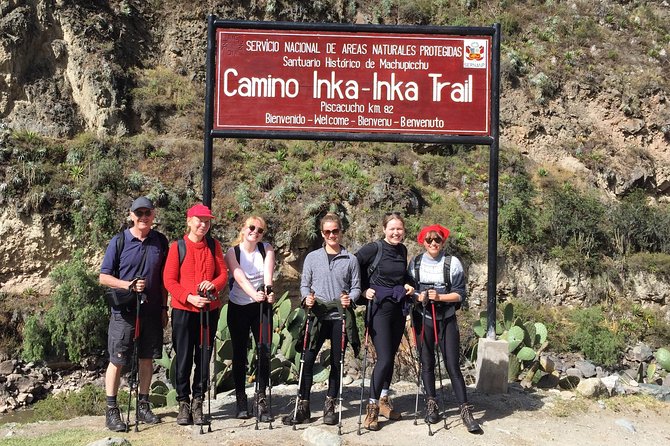
Day 3 is where the trek shifts from harsh effort into more variety. After breakfast, you head into what’s often the most beautiful section of the route, combining high mountain walking with cloud-forest vibes.
You’ll hike for several hours to the next pass at 3,960 m, then go down for lunch. In the morning, you’ll also explore an Inca site where your guide explains the history, so you’re not just moving through space—you’re learning while you walk.
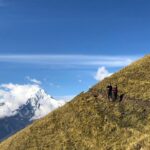
After lunch, you’ll climb gradually toward the last pass at 3,660 m. From here, you can see Machu Picchu mountain, which is a big “turning point” moment. Then the trail descends for a couple hours to the campsite.
In the afternoon, you visit additional Inca sites with impressive views. Dinner includes a guide-organized ceremony to say thanks to the team, and then you head to sleep before the final day’s Machu Picchu push.
Rounding out the ruins list on Day 3 is Runkuracay. You’ll take time to explore there and get the background from your guide, plus a chance to capture photos after the explanation.
The best part about Day 3 is that it sets up Day 4 emotionally. You’re not waiting for the finish—you’re watching Machu Picchu’s presence come into focus while still hiking.
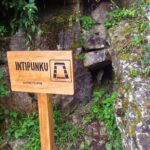
Day 4 Inti Punku to Machu Picchu: First View at Sun Gate, Then Guided Time
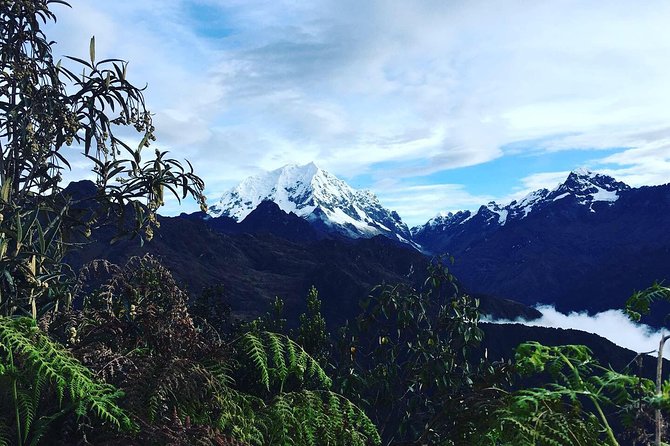
Day 4 is the classic sequence: Sun Gate (Inti Punku) first, then Machu Picchu.
You’ll do the next control check, then hike through dense high rain-forest toward Inti Punku. It’s a different feel than the earlier trail days: more moisture in the air, the ground can be slick, and the walking rhythm changes. After a few hours, you finally arrive for the first view of Machu Picchu.
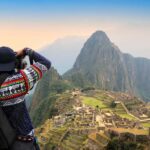
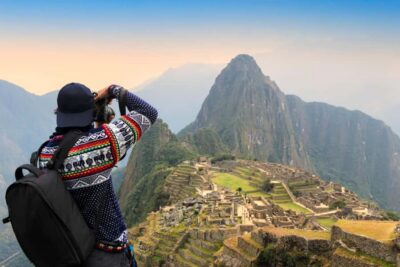
This part matters. That first view is why many people start planning this trek years in advance. You’ll have a snack, time to breathe, and time to enjoy the view before continuing downhill toward Machu Picchu.
Once you arrive, you’ll get a chance to capture photos from the classic spot, then use the restrooms or grab a coffee. After that, you head back into the site for a guided exploration of the Santuario Historico de Machu Picchu, with explanations and time to understand what you’re seeing.
The day ends with travel back to Cusco: you leave Machu Picchu, go down to Aguas Calientes for lunch, say goodbye to your guide, then take the train to Ollantaytambo (2 hours) and bus onward to Cusco.
If you’re wondering whether Day 4 feels rushed: it’s structured, but the flow gives you both the emotional first sight and the practical guided visit after.
What’s Included on the Trek: Tents, Porters, Meals, and the Stuff You Must Bring
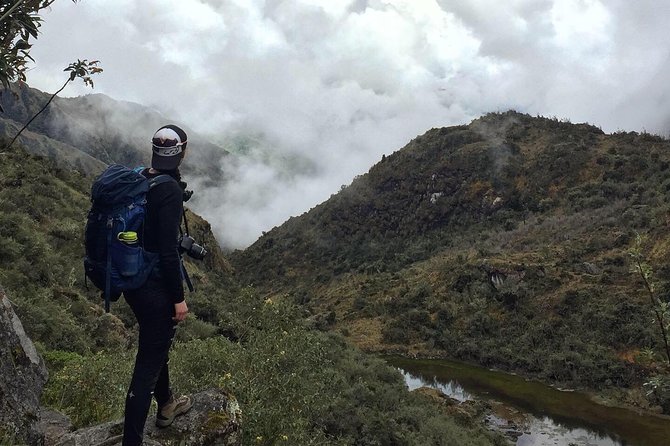
This trek is set up so you aren’t micromanaging camp life.
What’s included:
- Professional bilingual guide on the trek and during the Machu Picchu portion
- Camping accommodation: a tent for two people and a basic sleeping pad
- Porters and cook to carry shared camping equipment
- Meals: 3 breakfasts, 3 lunches, 3 dinners during the trek (with Day 1 breakfast and Day 4 lunch not included)
- Train from Aguas Calientes to Ollantaytambo
- Admission tickets included for the listed sites
What you should plan for yourself:
- Sleeping bag (not included)
- Bottled water (not included)
- An optional inflatable sleeping mattress for $15 USD if you want extra comfort
- Tips are optional
My practical take: the sleeping setup is “basic,” which is normal for trekking. If you sleep cold easily, bring the right sleeping bag warmth for high altitude. If you don’t, you’ll spend the nights trying to stay comfortable instead of recovering for the next day.
Group Size and Guide Support: Small Numbers, Better Attention
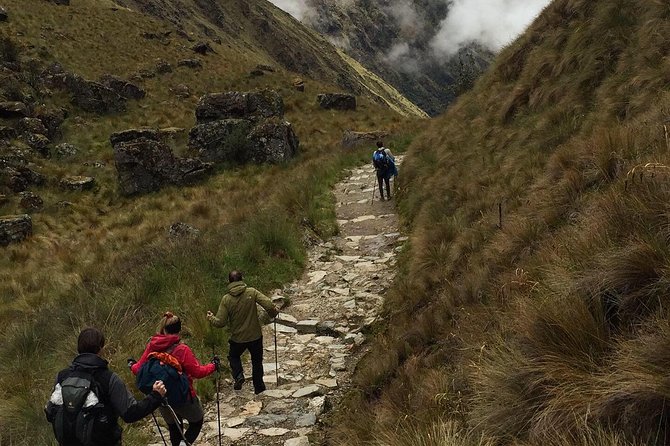
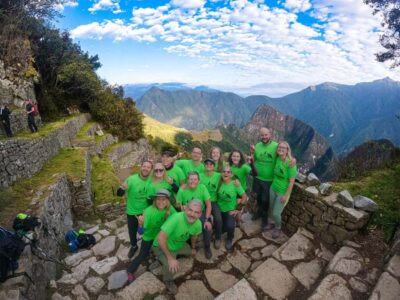
This tour caps at maximum 8 travelers, which changes the feel compared with large group treks. You move with people who won’t fill every viewpoint, and your guide can help keep an eye on pace—especially on the tough Day 2 section.
The key service is the guide. You’re not just following a trail. At multiple stops (Llactapata, Puyupatamarca, Runkuracay, Sun Gate and more), the guide provides the explanations that turn ruins into stories. That’s what makes the itinerary feel connected rather than like a series of checkboxes.
Also, the crew matters. You’ll have a cook and porters handling shared equipment, which keeps the trek focused on hiking and exploring. One of the biggest stress reducers on the Inca Trail is not worrying about camp chores every afternoon.
Price and Logistics: Why $820 Can Make Sense for the Right Hiker
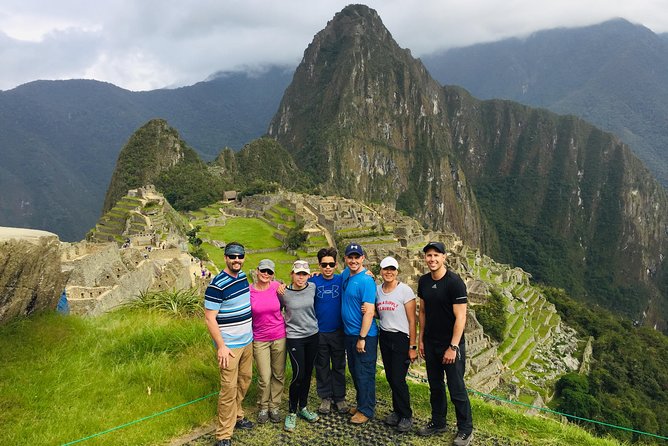
At $820 per person, you’re paying for guided trail time plus the “hidden” costs that many people forget: camp setup support, meals, admissions, and the return train segment.
It also helps that a lot of the planning is done for you—pickup from Cusco, trail transport to km 82, the multi-day route with site stops, and then the train and bus return. That’s real value if you want the experience without becoming your own logistics manager.
Two practical cautions:
- The experience is non-refundable and cannot be changed for any reason if you cancel.
- It depends on good weather. If canceled due to poor weather, you get a different date or a full refund.
So this is a good fit if your dates are firm and you’re ready for the altitude and physical demand.
Who This Trek Suits Best (And Who Might Want Another Option)
This trek is best for people who:
- Have moderate fitness and are willing to take the altitude seriously
- Want a guided experience with explanations at multiple archaeological stops
- Like a small-group vibe (max 8) rather than a big crowd on narrow trail sections
- Prefer that tents, porters, and camp meals are organized for them
You might want a different setup if:
- You’re expecting an easy hike. Day 2 has the toughest climb to the 4,216 m pass.
- You know cold sleep ruins your recovery. You’ll need a sleeping bag and a plan for chilly nights.
Should You Book This Classic 4-Day Inca Trail?
I think you should book if Machu Picchu is the goal, and you want to get there the way the trail is meant to feel: walking the classic route, stopping at Inca sites for context, sleeping in mountain camps, and finishing with a guided visit at Sun Gate and Machu Picchu.
Skip it if you’re not ready for altitude and hard hiking. This isn’t a gentle stroll. It’s a real trek with real high passes and a Day 2 that demands respect.
If you can acclimatize well in Cusco and you’re comfortable bringing the essentials (especially a sleeping bag), this is a strong value way to see the Inca Trail and Machu Picchu in one connected, guided arc.
FAQ
How long is the Classic Inca Trail to Machu Picchu?
It’s a 4-day trek with hiking and guided exploration, finishing with train travel back toward Cusco.
What’s included in the price besides the guide?
The package includes a professional bilingual guide, camping accommodation (tent for two people plus a basic sleeping pad), porters and cook for shared equipment, meals (3 breakfasts, 3 lunches, 3 dinners with Day 1 breakfast and Day 4 lunch not included), site admission tickets, and the train from Aguas Calientes to Ollantaytambo.
What train and transport are included after Machu Picchu?
After Machu Picchu and lunch in Aguas Calientes, you take the train to Ollantaytambo (2 hours), followed by a bus to Cusco.
What do I need to bring for sleeping?
A sleeping bag is not included. The trek provides a tent (for two) and a basic sleeping pad. You can also add an optional inflatable sleeping mattress for $15 USD.
Is bottled water included?
No. Bottled water is not included.
How big is the group?
The tour has a maximum of 8 travelers.
What’s the fitness level requirement?
It’s listed for travelers with moderate physical fitness level. The trek includes high passes, including the 4,216 m summit point on Day 2.
Does weather affect the trek?
Yes. The experience requires good weather. If it’s canceled due to poor weather, you’re offered a different date or a full refund.
More Tour Reviews in Cusco
Still Set on the Inca Trail?
Machu Picchu, More Ways In
Recent write-ups from around Cusco, just off the trail
- Cuzco: Rainbow Mountain Excursion
★ 5.0 · 3 reviews - 1 day excursion to Qeswachaka bridge and the 4 lagoons
★ 3.6 · 3 reviews - Waqrapukara 1 day trekking + meals
★ 3.9 · 3 reviews - Valle Sur Cusco | half day
★ 4.3 · 3 reviews - Full-Day Condor Viewpoint & Inca Sites Tour
★ 5.0 · 3 reviews
Machu Picchu Tours & Tickets, compared.
 ★ 4.7From Cusco: Full-Day Group Tour of Machu PicchuFrom $3211,767 reviews
 ★ 4.5Machu Picchu Day Trip from CuscoFrom $3361,644 reviews
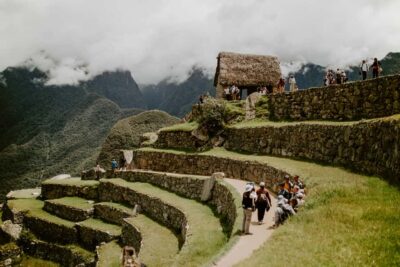 ★ 4.6Machu Picchu: Full-Day Tour from Cusco with Optional LunchFrom $283927 reviews
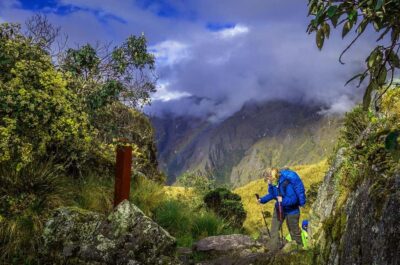 ★ 4.84-Day Inca Trail to Machu Picchu with AccommodationFrom $470432 reviews
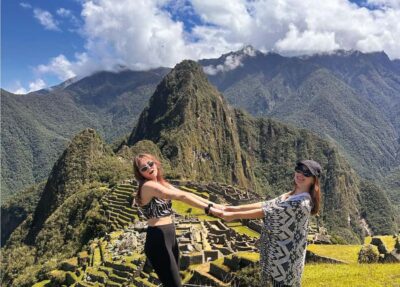 ★ 4.6From Cusco: 2-Day Trip to the Sacred Valley and Machu PicchuFrom $370265 reviews
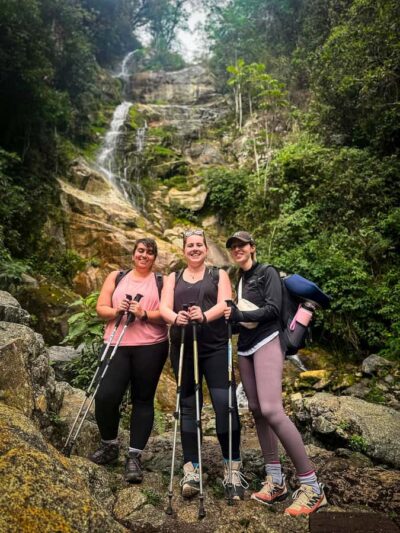 ★ 4.9Machu Picchu 2-Day Inca Trail with Panoramic TrainFrom $582260 reviews
 ★ 4.2From Cusco: 2-Day Inca Trail to Machu PicchuFrom $290244 reviews
 ★ 4.9Machu Picchu: Inca Trail 2-Day Overnight Guided TourFrom $585203 reviews
Browse the lists this tour appears in