
REVIEW · SACRED VALLEY TOURS
Super Sacred Valley
Seven stops in one day can feel like speed dating. This Sacred Valley tour packs the big names—Chinchero, Moray, Maras Salt Mines, Ollantaytambo, and Pisac—into a single, well-timed loop that’s great when you only have one day around Cusco.
I especially like two things: the chance to see the circular farming terraces of Moray in context, and the mix of archaeology plus people-time at places like the Pisac market, where crafts are actually part of the day. The one drawback to keep in mind is that the tour can include short, fixed stops for shopping/handicrafts; on a small bus (some groups report a tight 17-seat setup), that means less freedom and legroom than you might hope.
In This Review
- What This Tour Is Really Like
- Key Points Before You Go
- The Morning Start From Cusco: Why 7:00 am Works Here
- Chinchero: Inca Walls, a Colonial Church, and a Textile Moment
- Moray Circular Terraces: The Inca Farming Lab You Can Still Read
- Maras Salt Mines: 3,000+ Wells and a Surprisingly Distinct Feel
- Urubamba Buffet Lunch: A Real Break Before More Stones
- Ollantaytambo: The Last Living Inca City Comes Alive
- Pisac: Indigenous Market Browsing Plus Archaeological Stones
- Price and Value: Is $50 a Good Deal for This Route?
- Transport Comfort: Small Bus Reality
- Who This Tour Fits Best
- Should You Book Super Sacred Valley?
- FAQ
- What is the duration of the Super Sacred Valley tour?
- Which sites are included in the itinerary?
- What is included in the tour price?
- Are entrance tickets included?
- What languages are available for the guide?
- Can I get a refund if I cancel?
What This Tour Is Really Like
You’ll start around 7:00 am and return around 7:00 pm, which is a long day—but it’s also why this works. The route is designed to minimize backtracking, and you get round-trip transportation, a buffet lunch in Urubamba, and a professional guide speaking English/Spanish. You also have a safety backup on board with a first aid kit and an oxygen bottle for emergencies.
More of the Sacred Valley, village by village
- from Urubamba & Ollantaytambo:Sacred Valley Full-Day Private★ 4.9 · 31 reviews
- Super Sacred Valley★ 3.8 · 6 reviews
- Cusco: Sacred Valley and Salt Mines Ending in Ollantaytambo★ 4.6 · 5 reviews
- From Cusco: Sacred Valley VIP Tour with Buffet Lunch★ 4.7 · 3 reviews
Key Points Before You Go
- A tight route with major Sacred Valley hits: Chinchero, Moray, Maras, Urubamba, Ollantaytambo, and Pisac all in one day.
- Moray is more than a postcard: the guide ties the circular terraces to Inca-era agriculture.
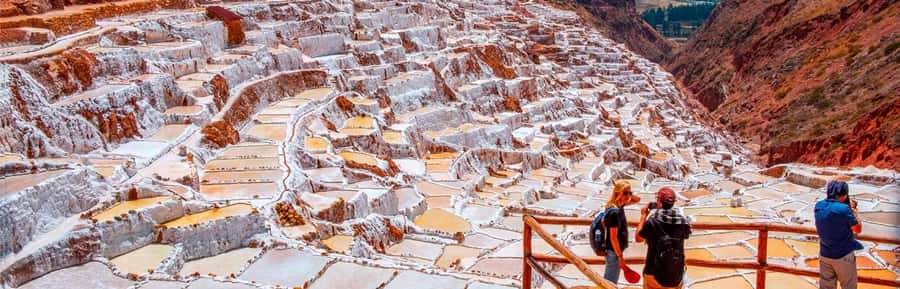
- Maras Salt Mines are all about the scale: you’ll see 3,000+ salt wells.
- Textiles and crafts show up early and often: Chinchero has an included small participation at a textile center, and Pisac is a market stop for buying.
- Ollantaytambo brings the drama: it’s billed as the Last Living Inca City, with stonework you can actually walk through.
- Guides can matter a lot on this kind of day: one guide example is Emil, who explains in depth and repeats key points in both English and Spanish when needed.
The Morning Start From Cusco: Why 7:00 am Works Here
Pickup is at your hotel around 7:00 am, which is early by Cusco standards. The good news is that Sacred Valley traffic and site timing can make or break your experience. Starting early helps you reach the first stops before the day gets crowded and before you’re exhausted before lunch.
This is also the moment to set your expectations. This tour is built for structure: transport between sites, guide-led explanations, and time windows at each location. If you like to wander slowly with no plan, you’ll feel the pressure. If you like a clear route with interpretive guidance, you’ll probably find the pace manageable—especially because the itinerary is logically ordered, not random.
One practical thing: tickets for the archaeological sites are not included (you’ll pay on top of the tour price). So your morning should include the small mental math of knowing you’ll need money for entry fees before you hit the sites.
Chinchero: Inca Walls, a Colonial Church, and a Textile Moment
Your first real cultural stop is Chinchero, where you’ll find both Inca wall constructions and a colonial church. That combination matters. You’re not just looking at stone—you’re seeing how later Spanish-era architecture was built over or alongside older sacred and community structures. It gives you a quick lesson in how Peru’s layers show up on the ground.
Chinchero also includes a small participation at a textile center. In other words, it’s not only a photo stop. You should treat this as a short introduction—enjoy it if you like craft processes and materials, and don’t expect a full workshop marathon. There’s a real chance you’ll end up learning a few useful basics about how textiles connect to identity, but the time is limited.
What to watch: this is where some travelers feel shopping pressure. One downside reported is that there were multiple craft-related stops, including demonstrations that felt brief. That doesn’t mean you’ll hate it, but it does mean you should mentally decide whether you’re there to buy or there just to look and learn. If you want less shopping time, you can still participate in the cultural parts without making purchases.
Moray Circular Terraces: The Inca Farming Lab You Can Still Read
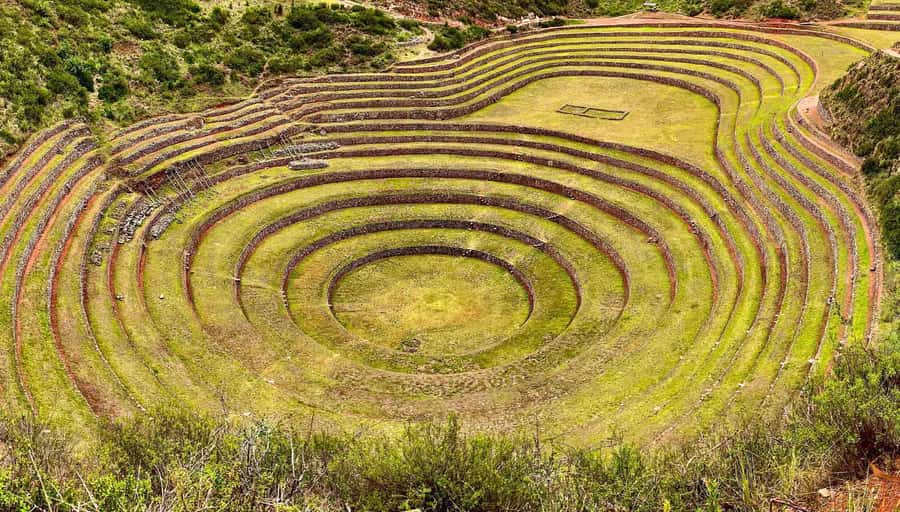
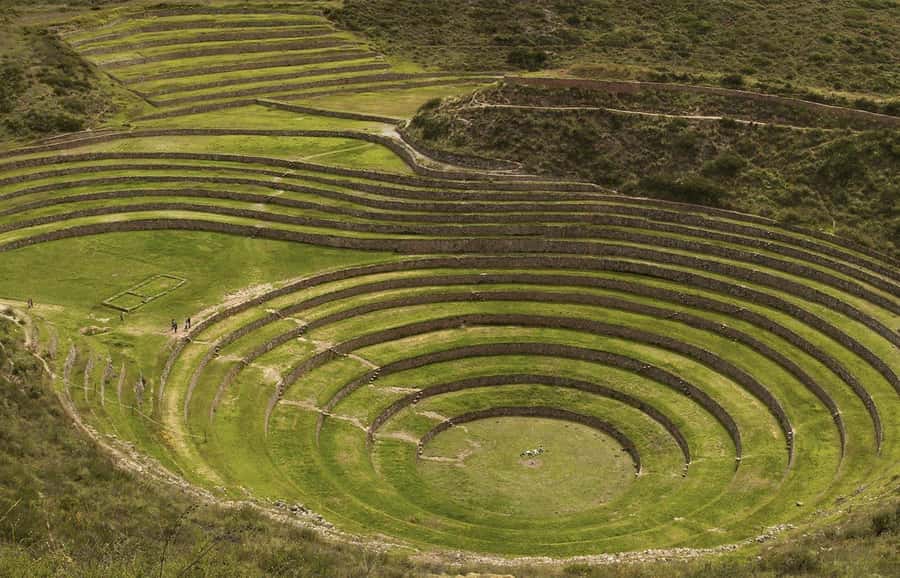
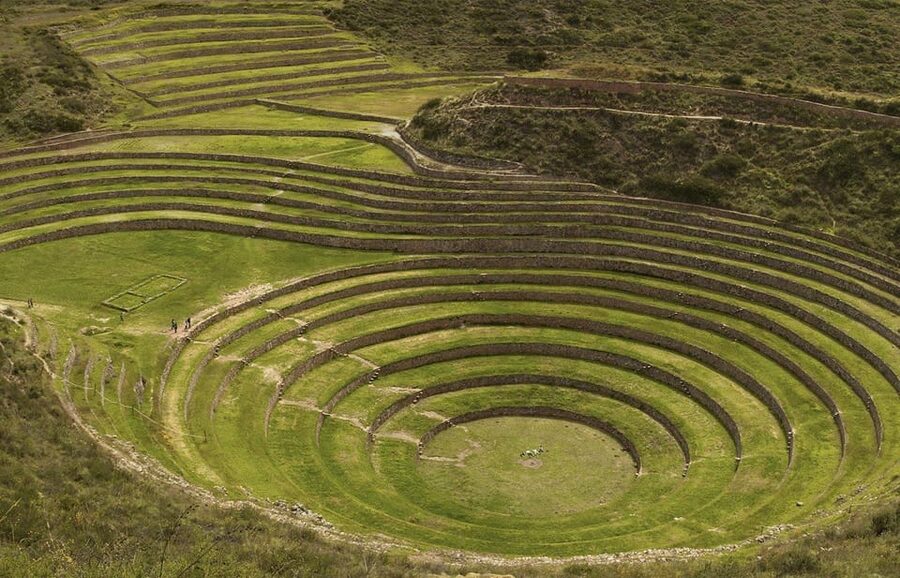
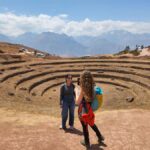
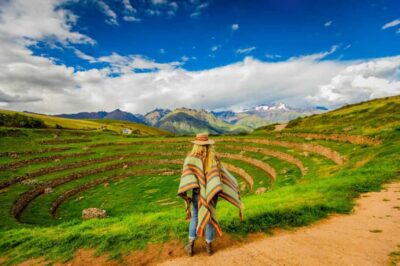
Then it’s on to Moray, famous for the circular terraces. The key word here is agricultural. Moray wasn’t just built to impress; it was tied to Inca-era farming experimentation. As you walk around (within the site areas), the terraces help you visualize how different sections could support different growing conditions.
I like Moray on this tour because the explanation typically connects the shape to purpose, not just aesthetics. When the guide frames it as a practical system—rather than a random set of circles—it clicks fast. You start to see how the Incas used engineering and geography together.
Time-wise, Moray is a strong middle-of-the-day anchor. It’s early enough that your energy is still decent, and it’s different enough from Chinchero so it feels like a real change of scene. It also sets you up for Maras, since both sites involve human work shaped by the environment.
Maras Salt Mines: 3,000+ Wells and a Surprisingly Distinct Feel
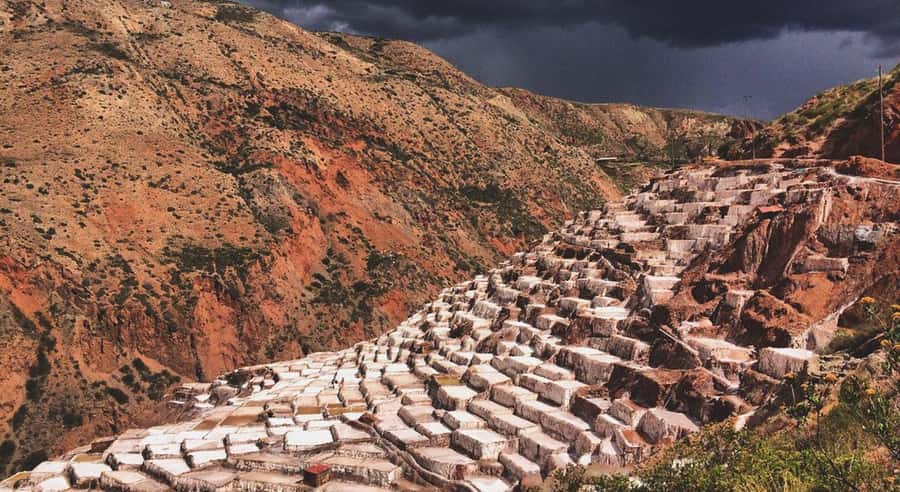
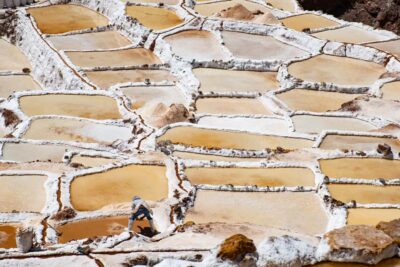
Next comes Maras Salt Mines, known for their picture-per-year views and the sheer number of salt wells—over 3,000. The big thing to notice at Maras is that you’re looking at an active resource system. Even though the mines are old, the setting is still about salt production, which makes it feel less like a dead monument and more like a living landscape of labor.
This is also one of the more visually memorable stops. The terraces of salt pans create repeating patterns, and your brain keeps wanting to count and re-count them. It’s one of those places where a good guide helps by pointing out what you’re actually seeing and how the site function works.
Cost note: the Maras Salt Mines ticket is PEN 10 and is not included in the base price. Budget for it. The cost is small, but it’s one of the few add-ons that doesn’t get lumped into the bigger PEN 70 ticket bundle for other sites.
Urubamba Buffet Lunch: A Real Break Before More Stones
After Maras, you reach Urubamba for a buffet lunch. This stop matters more than you might think on a full-day itinerary. Without a proper meal, the second half of the day can turn into slow suffering: rushed browsing at Pisac, less patience at Ollantaytambo, and tired listening that makes the guide’s explanations harder to absorb.
The lunch is also where quality can swing the whole day. One guide example in the feedback described the restaurant as excellent, which is a good sign for this operator’s choice. You’ll also likely get a chance to reset with other passengers, which is useful if you’re curious how people are feeling about the pace.
Practical mindset: treat lunch as your midpoint recharge, not a long sit-down feast. The day is still rolling, and digestion plus fatigue means you’ll want to keep yourself moving.
Ollantaytambo: The Last Living Inca City Comes Alive
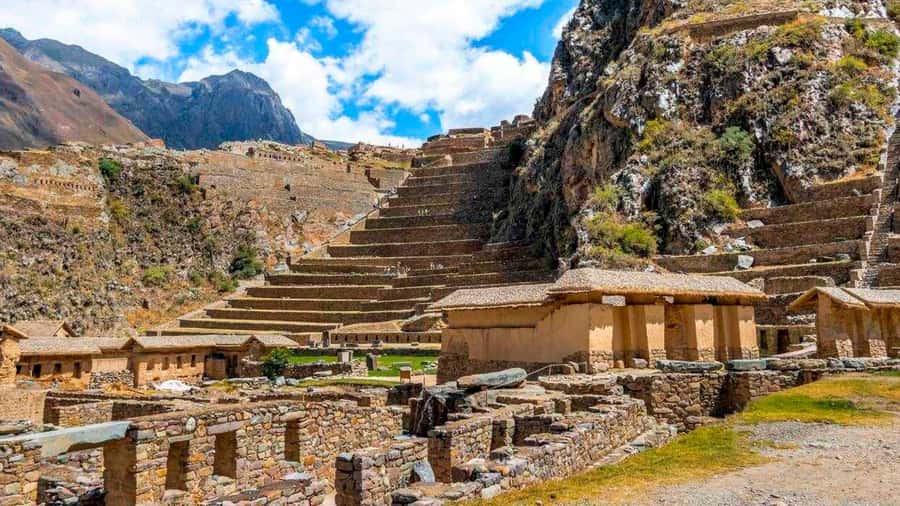
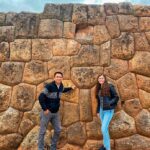
Then you hit Ollantaytambo, often described as the Last Living Inca City. What makes Ollantaytambo worth the time is the stonework and the sense of continuity. Even if you don’t know Inca history in advance, you can feel how the layout and construction create an experience you can move through—not just view from a distance.
This stop usually gives you the most classic “archaeology moment” of the day. The site is known for well-fitted stone blocks and steep, dramatic angles that make it easier to understand why the Incas built and held places like this.
Budget note again: Ollantaytambo is included under the larger PEN 70 tourist ticket that covers Chinchero, Moray, Ollantaytambo, and Pisac. If you forget that ticket bundle, you can accidentally end up paying twice or scrambling at the entrance—so keep it in your planning.
Pisac: Indigenous Market Browsing Plus Archaeological Stones
You finish in Pisac, located on the slopes of Intihuatana hill, described as the Place where the Sun is moored. That phrase is poetic, but the real value of Pisac in this itinerary is the combo: market + archaeological park.
First, there’s the indigenous market, which is where you can buy crafts. I like having a market stop later in the day because it lets you use what you’ve seen already. After Chinchero’s textiles and Moray’s agricultural design, you’re primed to notice craft work as something tied to daily life, not just souvenirs.
Then you visit the Archaeological Park of Pisac, with Inca sites and finely assembled, polished stone buildings. This part brings the tour full circle: after the salt mines and terraces, you’re back to stone architecture and the long-term planning side of the Inca world.
One caution: markets bring decision fatigue. If you know you’re not buying, set expectations early. You can still enjoy the colors, fabrics, and daily energy without getting pulled into shopping conversations.
Price and Value: Is $50 a Good Deal for This Route?
The tour price is $50 per person for a 1-day experience, and that baseline includes a lot of the hard-to-assemble pieces: hotel pickup, round-trip transportation, a buffet lunch, and a professional English/Spanish guide. It also includes safety items like a first aid kit and an oxygen bottle for emergencies.
The add-on costs are the tourist tickets. You’ll need:
- PEN 70 for Chinchero, Moray, Ollantaytambo, and Pisac
- PEN 10 for the Maras Salt Mines
So your total true cost is roughly the tour price plus about PEN 80 in site fees. You’ll pay whatever the PEN amount ends up being in your head once you’re there, but the structure is clear.
Value check: This is usually a strong deal if you want multiple major sites in one day and you’d rather not piece together transport and guides yourself. It’s less of a deal if you plan to spend most of your day shopping or if you strongly dislike guided time limits. One reported complaint was that the shopping stops took time that felt like it could have gone toward the sites themselves. If you hate that tradeoff, choose a different format or a tour with fewer scheduled craft stops.
Transport Comfort: Small Bus Reality
One detail that can make a big difference on a long day is the bus size and legroom. A report included a 17-seat bus and noted limited space for legs compared with other tours.
If you’re tall, have long legs, or just feel cramped easily, this is worth factoring into your decision. You can’t change the layout mid-tour, but you can plan around it: bring patience, wear comfortable clothing, and use the guide breaks to reset.
Who This Tour Fits Best
This itinerary is a good match for you if:
- you only have one day in the Sacred Valley area and want the headline sites
- you like guided context (agriculture at Moray, salt production at Maras, architecture at Ollantaytambo)
- you’re comfortable with a schedule that includes market time and craft stops
It might be a poor fit if:
- you dislike any shopping-oriented stops and want strictly archaeological time
- you need maximum comfort on buses for a full day
- you prefer slower pacing and independent wandering at each site
Should You Book Super Sacred Valley?
I’d book it if your goal is simple: see the key Sacred Valley highlights in one day with a guide who explains what you’re looking at. When this tour hits, it hits hard—the Moray terraces and Maras wells are the kind of stops that make the full-day effort feel justified, and the Pisac market adds real human texture to the archaeology.
I’d think twice if you know you’ll resent schedule-based craft demonstrations or if comfort on transport is your top priority. The tour can feel shop-adjacent in a way that may or may not work for your style.
If you decide to go, go with a plan: treat the craft stops as optional learning time, not a shopping mission, and focus your attention on the sites that actually shape how you understand the Inca world.
FAQ
What is the duration of the Super Sacred Valley tour?
It lasts 1 day, with pickup around 7:00 am and a return to Cusco at about 7:00 pm.
Which sites are included in the itinerary?
You’ll visit Chinchero, Moray, Maras Salt Mines, Ollantaytambo, and Pisac, with lunch in Urubamba.
What is included in the tour price?
The tour includes hotel pickup, round-trip transportation, buffet lunch, a professional English/Spanish-speaking guide, and a first aid kit and oxygen bottle for emergencies.
Are entrance tickets included?
No. You’ll pay tourist tickets on site: PEN 70 covers Chinchero, Moray, Ollantaytambo, and Pisac, and there is an additional PEN 10 ticket for the Maras Salt Mines.
What languages are available for the guide?
The guide works in English and Spanish.
Can I get a refund if I cancel?
Yes. You can cancel up to 24 hours in advance for a full refund.
More Tour Reviews in Urubamba
Deeper Into the Sacred Valley
Recent write-ups from around Urubamba, just off the trail
- 1 Day – Humantay Lake
★ 3.1 · 3 reviews - From Cusco: Salkantay trek 5 days/4 nights meals included
★ 4.0 · 3 reviews - Sun and Moon Tour
★ 4.5 · 3 reviews - From Cusco: Sacred Valley VIP Tour with Buffet Lunch
★ 4.7 · 3 reviews - From Cusco: Sacred Valley & Moray, Salt Mines with Lunch
★ 4.6 · 3 reviews
Sacred Valley Tours, compared.
 ★ 4.8From Cusco: Sacred Valley & Maras Salt Mines Tour with LunchFrom $282,227 reviews
 ★ 4.6Sacred Valley, Pisac, Ollantaytambo, Salt Mines MorayFrom $281,058 reviews
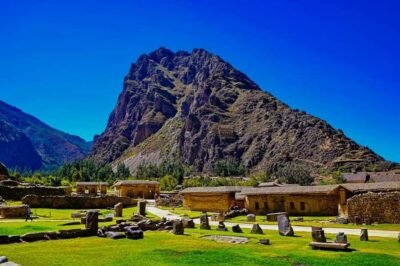 ★ 4.8Sacred Valley: Chinchero, Moray, Ollantaytambo & Pisac+LunchFrom $25501 reviews
 ★ 4.6Sacred Valley: Maras & Moray by Quad Bike from CuscoFrom $39418 reviews
 ★ 4.6From Cusco: 2-Day Trip to the Sacred Valley and Machu PicchuFrom $370265 reviews
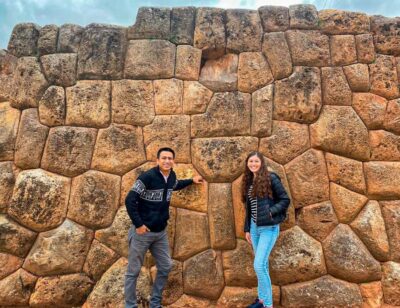 ★ 4.8Sacred Valley Pisaq,Ollantaytambo,Chinchero with LunchFrom $28183 reviews
 ★ 4.5Full-Day Excursion to Sacred Valley, Pisac and Ollantaytambo from CuscoFrom $47174 reviews
 ★ 5.0Food and Culture Full day Tour in the Sacred ValleyFrom $200144 reviews
Browse the lists this tour appears in