
REVIEW · SACRED VALLEY TOURS
From Cusco: Sacred Valley & Maras Salt Mines Tour with Lunch
Cusco’s Sacred Valley can feel big, but this day trip is built to move efficiently. You’ll see the Inca farming genius at Moray and the salt-making wonder of Maras, then finish with fortress views at Ollantaytambo and ruins at Pisac.
Two things I really like: the tour runs with an early morning start that helps you reach key spots before the crush, and the bilingual guide team (often names like Liliana or Jorge are mentioned) keeps the history clear in both English and Spanish. The one drawback is simple: it’s a packed day with lots of bus time and limited time at each stop, plus Ollantaytambo includes a climb of 200+ steps.
In This Review
- Key highlights worth planning for
- A 6:00 AM start that helps you dodge the crowds
- Chinchero weaving plus an Inca-era feel in a small town
- Practical tip
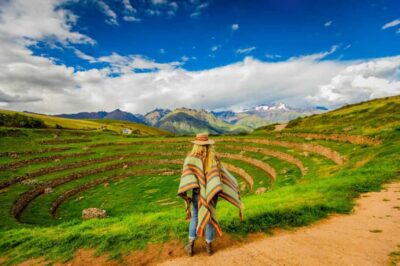
- Moray terraces: Inca agriculture that sounds like science
- Maras salt mines: 5,000+ ponds and a marketable miracle
- What to plan for
- Urubamba lunch buffet: where you catch your breath
- Ollantaytambo fortress: the payoff is worth the climb
- Optional drop-off if you’re catching a train
- Pisac: ruins plus a workshop stop that breaks up the day
- Price and what you’ll likely spend beyond $28
- Transportation time: the trade-off you should actually expect
- Who this Sacred Valley and Maras tour is best for
- Should you book this tour or choose something slower?
- FAQ
- Where does pickup happen?
- Where is the meeting point?
- How long is the tour?
- Is lunch included?
- What’s not included in the price?
- Do I need cash for tickets?
- Is there an optional drop-off in Ollantaytambo?
- How hard is Ollantaytambo?
Key highlights worth planning for
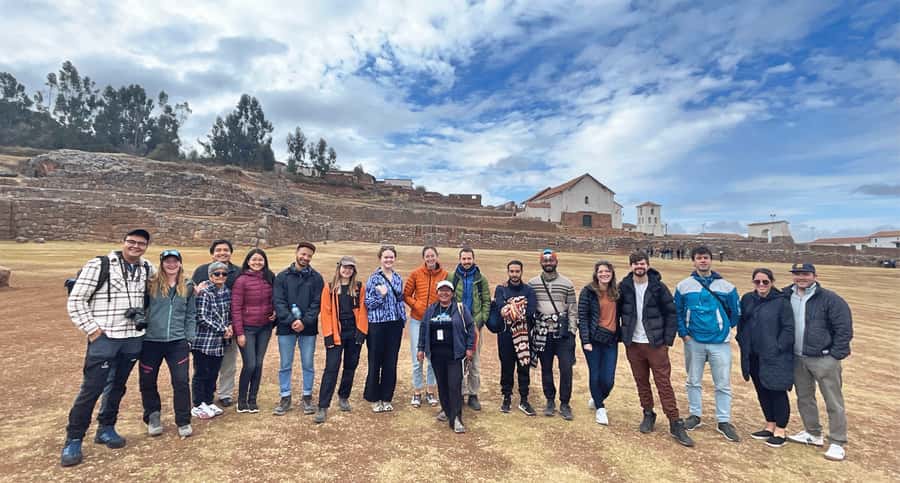
- Chinchero weaving: see traditional textiles tied to Inca methods, plus a quick look at the local archaeology and a historic church
- Moray terraces: guided views of circular agricultural terraces designed for experimentation on tough mountain land
- Maras salt mines: learn how salt ponds work and get a chance to shop for Maras salt
- Urubamba buffet lunch: a hearty midday reset in the Sacred Valley before more climbing and ruins
- Ollantaytambo stairs: the viewpoint payoff comes at the cost of more than 200 steps
- Optional Ollantaytambo drop-off: helpful if you plan to take a train later than 16:00
More of the Sacred Valley, village by village
- From Cusco: Sacred Valley ending in Ollantaytambo and Lunch★ 4.3 · 36 reviews
- From Cusco: Sacred Valley Group Tour with Buffet Lunch★ 5.0 · 9 reviews
- Cusco: Sacred Valley + Maras and Moray★ 4.5 · 4 reviews
A 6:00 AM start that helps you dodge the crowds
The day begins early, with pickup from central Cusco (or a nearby meeting point) sometime between 6:00 and 6:30 AM. That early push matters here. The Sacred Valley sites are popular, and starting at first light gives you more breathing room for photos and questions, especially at the big hitters like Ollantaytambo and Pisac.
The ride is in a van, and you’ll spend a good chunk of the day traveling between regions. This is not a “stroll and linger” outing. It’s more like a well-run sampler platter: a lot of territory covered, with the guide using the bus time to explain what you’re about to see. If you’re okay with a long day and want the highlights in one shot, this works well.
One more logistics point: if your pickup is outside the historic center, you’ll meet the driver at a nearby point and you should allow extra time (up to about 10 minutes) for the driver to find you. Build that buffer in, because the schedule is tight.
Chinchero weaving plus an Inca-era feel in a small town
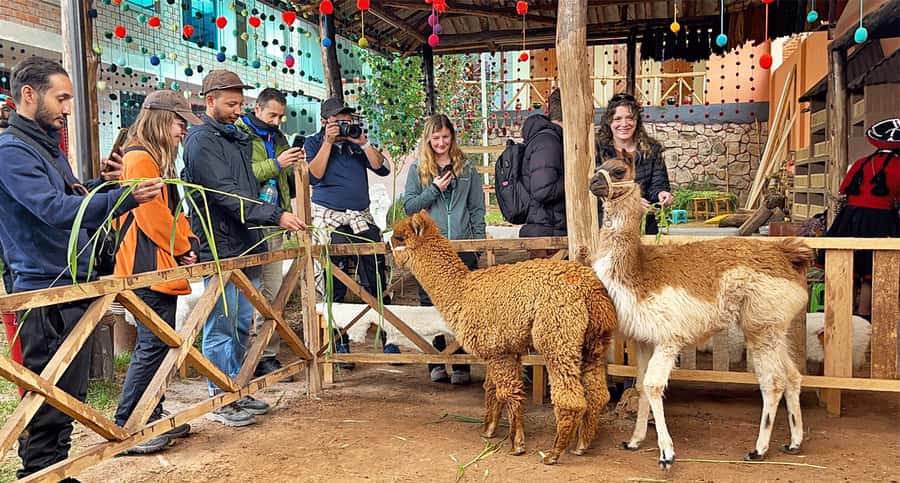
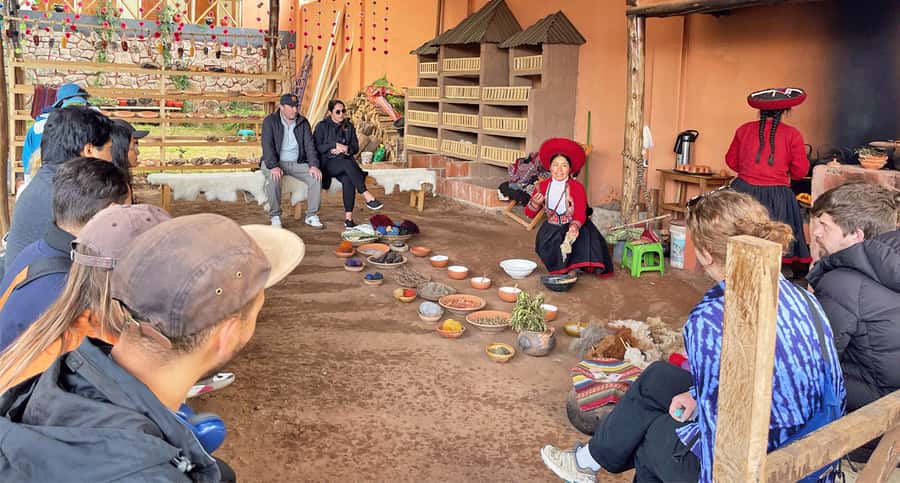
Your first stop is Chinchero, a smaller, more rural town tied to textile weaving traditions. Expect to spend about 35 minutes at a weaving workshop. This is where you learn what makes the textiles special beyond the look: techniques connected to long-established Inca-era weaving traditions. It’s not just a demo you watch from the side—it’s an explanation of how the patterns and materials connect to daily life.
After the workshop, you’ll visit the area’s archaeological site and also see an older church. That mix is the point. Peru’s history here isn’t neatly separated into “Inca” versus “Spanish.” You see them layered in the same place, and it helps you understand why Cusco feels like a living museum instead of a set piece.
Practical tip
Wear shoes you trust on uneven ground. The stops are short, but the surfaces can be a little rough around the historical areas.
Moray terraces: Inca agriculture that sounds like science
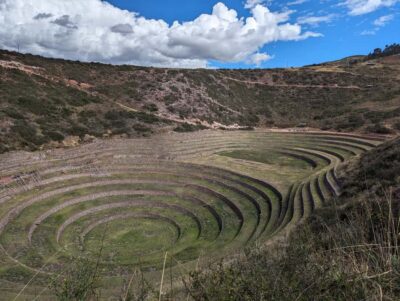
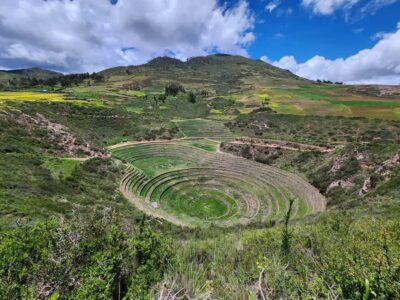
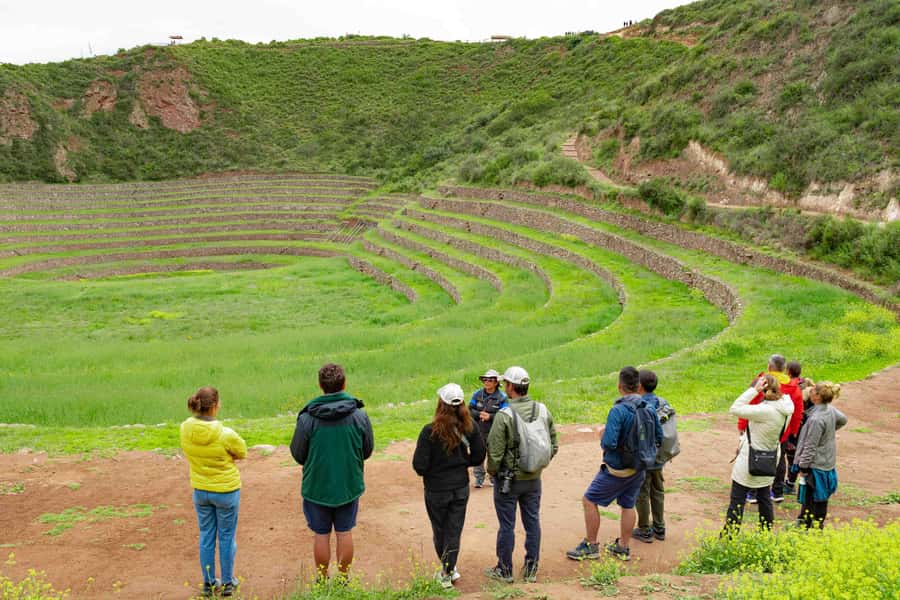
Next comes Moray, with a guided tour of about 30 minutes. What you’re looking at are agricultural terraces carved into the hills. The terraces weren’t built for beauty—they were built to grow crops in a place that’s not easy for farming.
The guide explains the idea behind it: terraces along the slopes helped the Incas coax an abundance of crops from less-than-ideal terrain. Then Moray takes it further with the way the terrace rings are arranged, which many guides frame as part of an experimental approach. Even in a short visit, you’ll come away with a stronger sense of how Inca engineering served food security.
This is a great stop if you like history you can picture. You’re standing in the place the technique was meant for, not just reading about it.
More Maras salt pans and Moray terraces
Maras salt mines: 5,000+ ponds and a marketable miracle
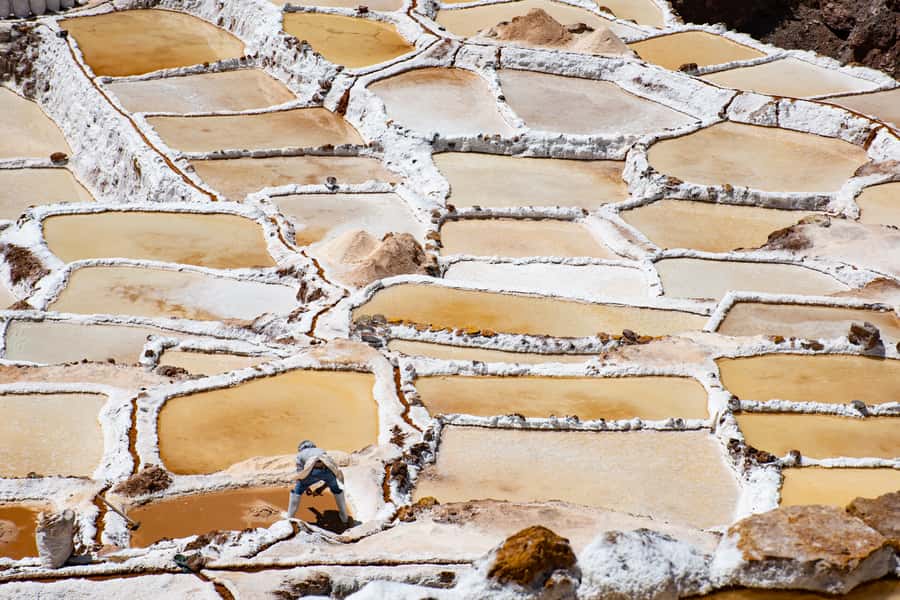
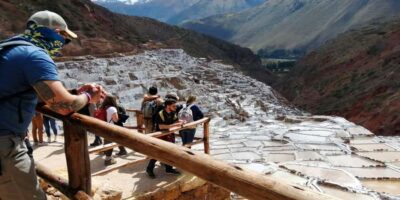
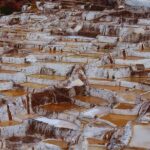
From Moray, you head to Maras Salt Mines. The guided portion is about 30 minutes, and there’s also shopping time after learning how the salt is extracted. One of the standout details here is the scale: there are over 5,000 salt ponds.
The guide talks through how the ponds work and why salt mattered. Salt helped preserve foods for long periods, which is a huge deal when you’re feeding communities across seasons and distances. You’ll also see how the mines function as a working landscape, not just a viewpoint.
There’s a shopping block specifically at Maras, about 30 minutes. If you buy salt here, you’re buying from the area that has been doing it for generations.
What to plan for
The entrance fee for the salt mines is not included, and you’ll need cash in local currency for tickets. If you hate carrying cash, decide now how much you’ll bring and keep it separate from your “nice” money.
Urubamba lunch buffet: where you catch your breath
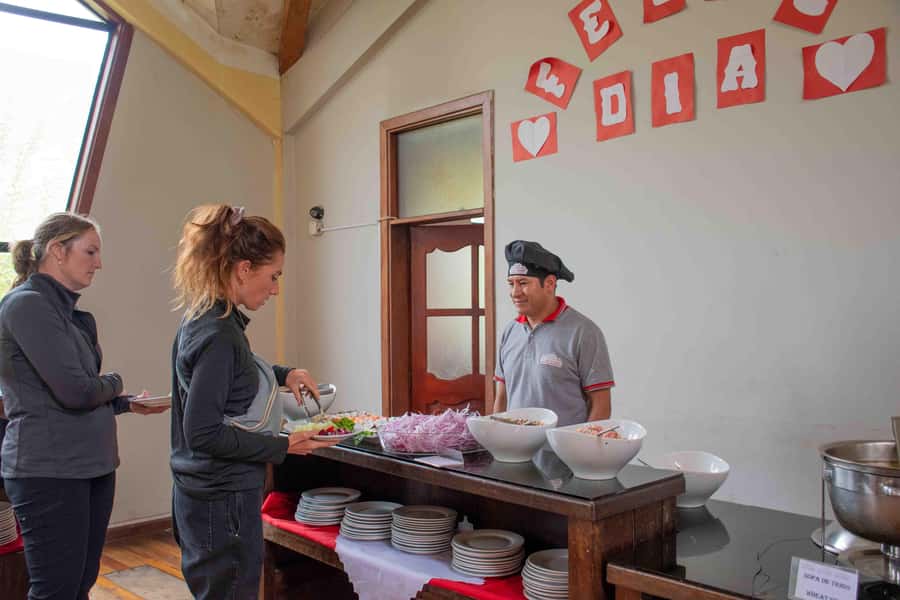
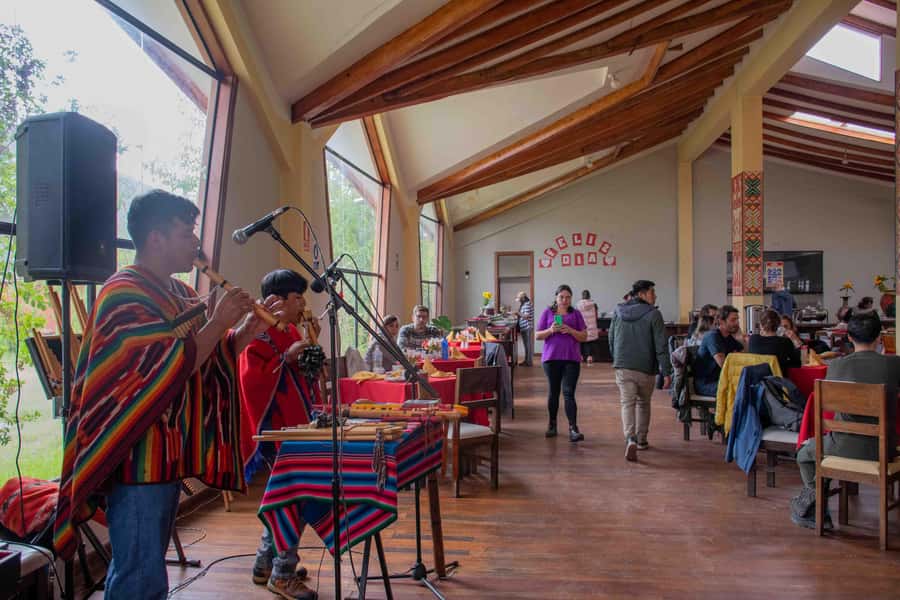
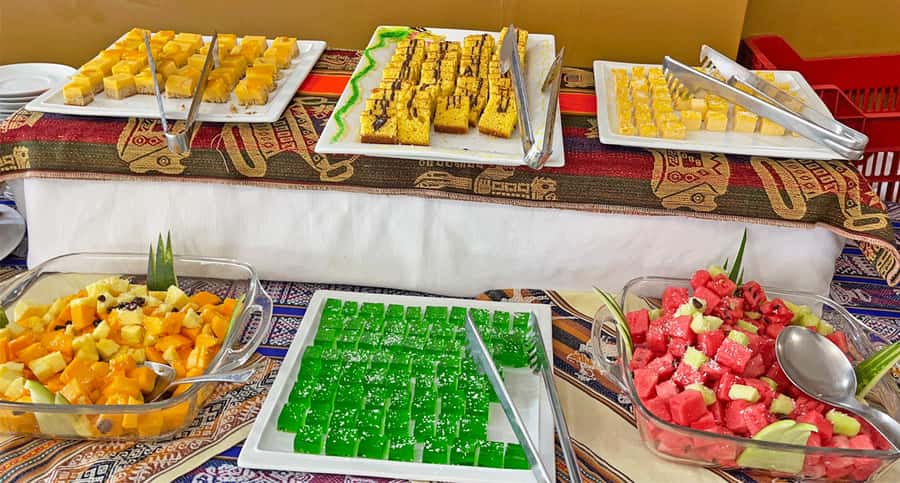
By the time you reach Urubamba, you’ve put in the morning’s walking and high-altitude sightseeing. This is when the tour hands you a buffet lunch in the Sacred Valley capital area, with about 45 minutes to eat.
The buffet format matters because it gives you flexibility. You can grab something fast if you’re hungry-but-not-starving, or take a second plate if you’ve burned energy walking around terraces and ruins. Based on the consistent praise for the meal quality and variety, lunch is one of the reasons this trip feels like more than a rushed checklist.
Drinks aren’t included, so plan to buy water separately. Since you’ll be outdoors most of the day, staying hydrated is part of the job.
Ollantaytambo fortress: the payoff is worth the climb
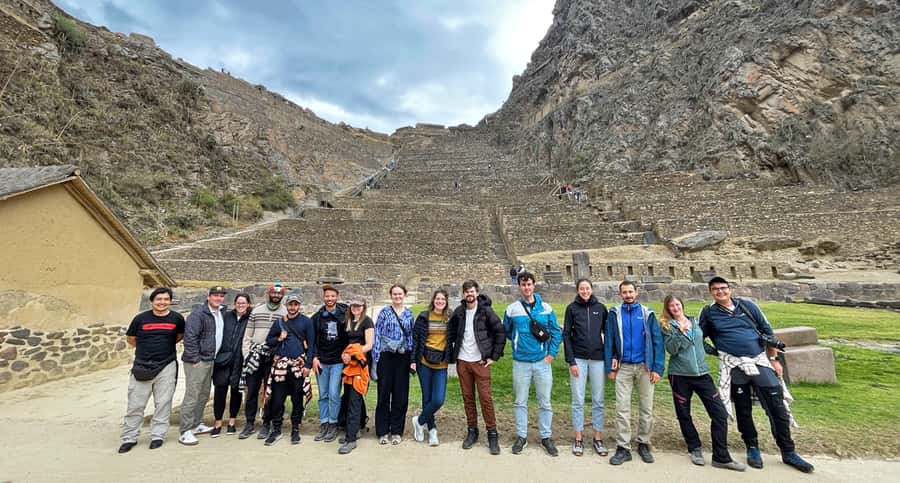
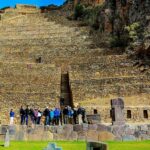
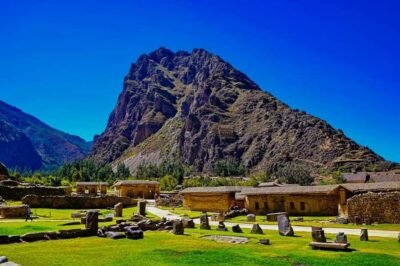
After lunch, you’ll visit Ollantaytambo, a historic town known for its terraced fortress. The guided stop is about 45 minutes, and you’ll climb over 200 steps to reach the top viewpoints.
This is the moment where the day can feel hard. The steps are real, and your legs will know it. If you’re traveling after a couple of days in Cusco, you’ll probably be fine, but if you’re brand new to altitude, go steady. Take short breaks. Let the guide move the group at a pace you can handle.
The reward is the views over Ollantaytambo and the scale of the terraced fortifications. You start to connect the dots between Inca architecture and Inca control: how places like this helped organize defense, agriculture, and movement.
Optional drop-off if you’re catching a train
You can request an optional drop-off in Ollantaytambo for plans of your own. If you’re taking a train, it’s recommended to take one later than 16:00.
If you choose not to do the drop-off, the tour continues onward as planned.
Pisac: ruins plus a workshop stop that breaks up the day
Then it’s Pisac, with two guided components and also a workshop element. You’ll spend roughly 30 minutes on the workshop portion, then about 30 minutes at the archaeological site with guidance.
Pisac is a good contrast to Ollantaytambo. Ollantaytambo feels like a fortress you climb into; Pisac gives you a broader sense of how Incas used the terrain. Even with limited time, the guided explanations help you read what you’re seeing: terraces, structures, and the way settlements were positioned.
As with the other stops, time is limited. This is not a “camp out at the ruins” experience. But if your goal is to fit the top Sacred Valley sites into a one-day window, Pisac delivers.
Price and what you’ll likely spend beyond $28
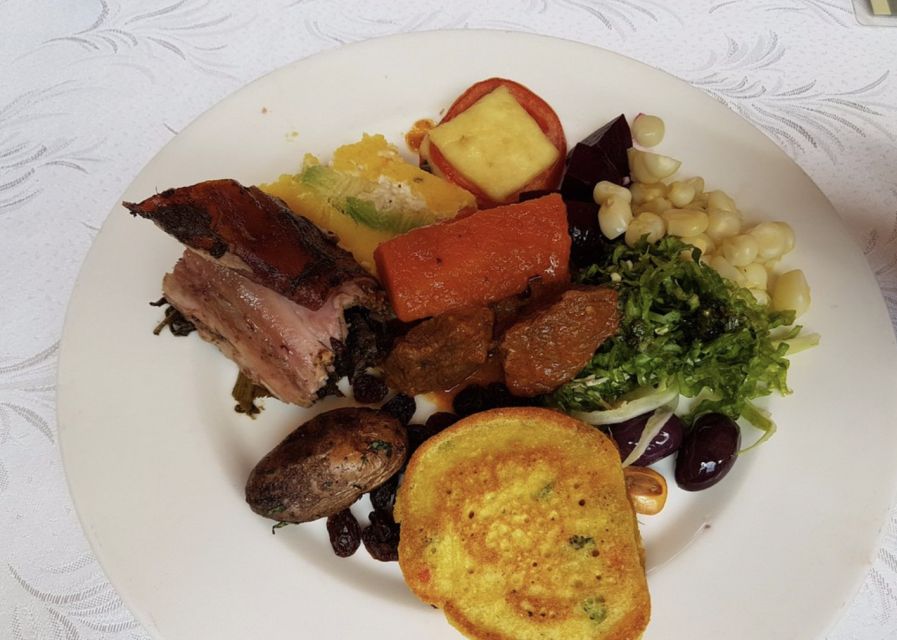
At around $28 per person, the headline price is easy to like. You’re getting pickup from central Cusco, transportation, a bilingual guide, and a buffet lunch in Urubamba.
But the “small print” in practical terms is real:
- A partial tourist ticket is listed at 70 Nuevos Soles
- Salt mine entrance is 20 Nuevos Soles
- Drinks are not included
Also note: tickets for entrances are available only if you pay in cash in local currency. So if you plan to rely on card payments, don’t. Bring the cash you’ll need, and keep it accessible.
If you plan to visit multiple Inca sites during your trip, it can also make sense to think about the full tourist ticket (valid for 10 days and covers many sites). This one-day tour hits big locations, so ticket planning can save you money if you’re doing more than just one excursion.
Transportation time: the trade-off you should actually expect
You’ll cover a lot of ground in one day, and a good part of the tour is spent on the bus. That can sound negative, but for many people it’s a plus: you don’t have to figure out schedules, you just show up, and the guide keeps the day organized.
This is also why the early start and guide pacing matter. Groups can move quickly from stop to stop, and starting early helps avoid the worst crowd moments. Many guides use the drive time to share extra context, so you feel like you’re learning even when you’re not walking.
Still, this is tiring. If you prefer slower travel, consider splitting the Sacred Valley into two days instead of packing it into one.
Who this Sacred Valley and Maras tour is best for
This tour is a strong match if you:
- Want the Sacred Valley highlights in 1 day
- Like guided history explained in both English and Spanish
- Appreciate a structured day with pickup and a included lunch
- Don’t mind stairs and short visits at each site
It’s not suitable for people with mobility impairments or wheelchair users. It also isn’t suited for hearing-impaired guests or those with respiratory issues, based on the listed constraints for the experience.
If you’re unsure about stamina, think about Ollantaytambo’s steps first. That’s the hardest physical moment on the route.
Should you book this tour or choose something slower?
If you have limited time in Cusco and want a focused introduction to the Sacred Valley, I’d book this. For the price, the value is strong because you get transport, bilingual guiding, major sites, and lunch in one day—without having to plan logistics.
I’d skip or choose a gentler alternative if:
- You hate long bus days
- You want long, quiet time at each ruin
- You’re not comfortable with the 200+ steps at Ollantaytambo
- You need accessibility features that this tour doesn’t offer
For many first-timers, this kind of day trip is the best way to decide what you want to revisit later. You’ll leave with a mental map of where Inca engineering shines most—farming terraces, salt extraction, and fortress towns—and that makes future independent exploring much easier.
FAQ
Where does pickup happen?
Pickup is from the historical city center of Cusco (or a nearby meeting point). Pickup is typically between 6:00 AM and 6:30 AM.
Where is the meeting point?
You meet in front of the Inka Altitude office. Your guide will call your name when they arrive.
How long is the tour?
It runs for 1 day, with a full return to Cusco arriving around 6:00 PM to 7:00 PM.
Is lunch included?
Yes. You get a buffet lunch in Urubamba.
What’s not included in the price?
A partial tourist ticket (70 Nuevos Soles), salt mine entrance (20 Nuevos Soles), and drinks are not included.
Do I need cash for tickets?
Yes. Entrance tickets are available only if you pay in cash in local currency.
Is there an optional drop-off in Ollantaytambo?
Yes. An optional drop-off is available in Ollantaytambo, and if you’re taking a train it’s recommended to go later than 16:00.
How hard is Ollantaytambo?
You need to climb over 200 steps to reach the top of the ancient terraced fortress. There is no elevator.
More Tour Reviews in Ollantaytambo
More Salt Pans and Terraces
Deeper Into the Sacred Valley
Recent write-ups from around Ollantaytambo, just off the trail
- From Cusco: Ollantaytambo Fortress Half-Day Private Tour
★ 5.0 · 3 reviews - Cusco: Sacred Valley + Maras and Moray
★ 4.5 · 4 reviews - From Ollantaytambo:Private tour to Maras and Moray half day
★ 4.6 · 7 reviews - From Cusco: Sacred Valley Group Tour with Buffet Lunch
★ 5.0 · 9 reviews - From Cusco: Chinchero, Moray, Maras, Ollantaytambo and Pisaq
★ 4.6 · 11 reviews
Sacred Valley Tours, compared.
 ★ 4.6Sacred Valley, Pisac, Ollantaytambo, Salt Mines MorayFrom $281,058 reviews
 ★ 4.8Sacred Valley: Chinchero, Moray, Ollantaytambo & Pisac+LunchFrom $25501 reviews
 ★ 4.6Sacred Valley: Maras & Moray by Quad Bike from CuscoFrom $39418 reviews
 ★ 4.6From Cusco: 2-Day Trip to the Sacred Valley and Machu PicchuFrom $370265 reviews
 ★ 4.8Sacred Valley Pisaq,Ollantaytambo,Chinchero with LunchFrom $28183 reviews
 ★ 4.5Full-Day Excursion to Sacred Valley, Pisac and Ollantaytambo from CuscoFrom $47174 reviews
 ★ 5.0Food and Culture Full day Tour in the Sacred ValleyFrom $200144 reviews
 ★ 5.0Private Tour to Sacred Valley and Machu Picchu from CuscoFrom $600133 reviews
Browse the lists this tour appears in