
REVIEW · MARAS & MORAY SALT MINES
From Ollantaytambo:Private tour to Maras and Moray half day
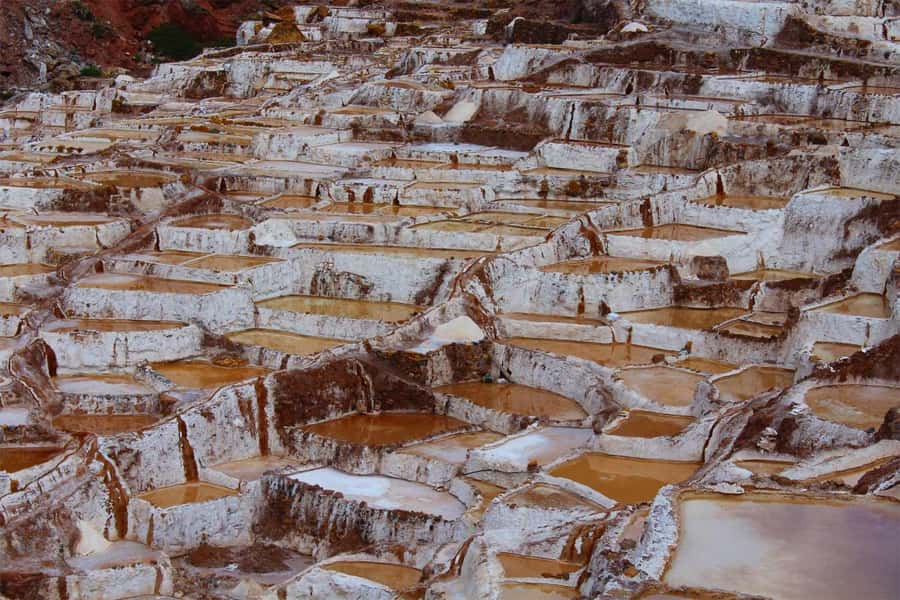
Moray and Maras feel like two sides of the Sacred Valley coin. You’ll start in Ollantaytambo, then see Moray’s agricultural terraces and the hillside Salineras de Maras salt mines, both tied to Inca ingenuity and clever use of land.
I especially liked how the route mixes big visual payoff with clear explanations, so you’re not just taking pictures—you understand what you’re looking at. And with a private, bilingual guide (English/Spanish), you get real back-and-forth, including help with photos; in one tour, Roberto even paused to keep everyone engaged when the salt mines got rainy. The main drawback to plan for: entrance fees are extra, and the salt mines can be wet, so bring shoes you trust.
In This Review
- Key highlights worth getting excited about
- From Ollantaytambo: how the timing and pickup really feel
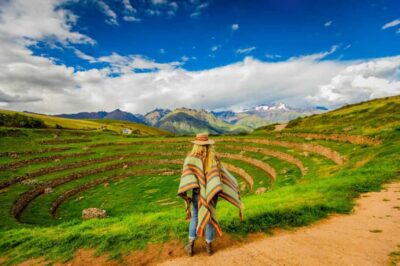
- Moray terraces: seeing the Inca’s “experiment” on the ground
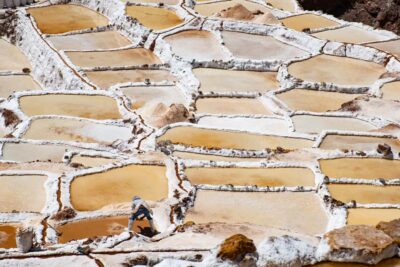
- Salineras de Maras salt mines: a working hillside you can photograph
- Getting the most from the bilingual guide (Roberto and Yesica examples)
- Price and value: what $76 really covers (and what to budget for)
- What to bring for Moray and Maras (no overpacking required)
- How to handle weather and footing without stress
- Who this tour suits best (and who should skip it)
- Should you book this Moray and Maras private tour from Ollantaytambo?
- FAQ
- What time is pickup from Ollantaytambo?
- How long is the tour?
- Is this a private tour?
- What languages does the guide speak?
- Are entrance fees included?
- Are meals included?
- What should I bring?
- Can I drink coca tea before the tour?
- Is the tour suitable for wheelchair users or vertigo?
Key highlights worth getting excited about
- Moray’s Inca agricultural laboratory feel: terraces made for experimental farming, with context that makes the site click
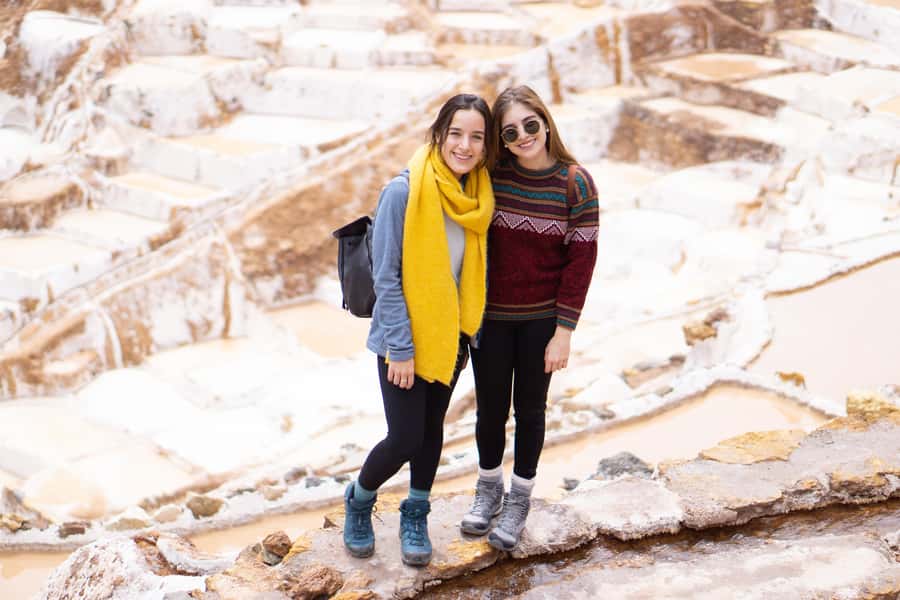
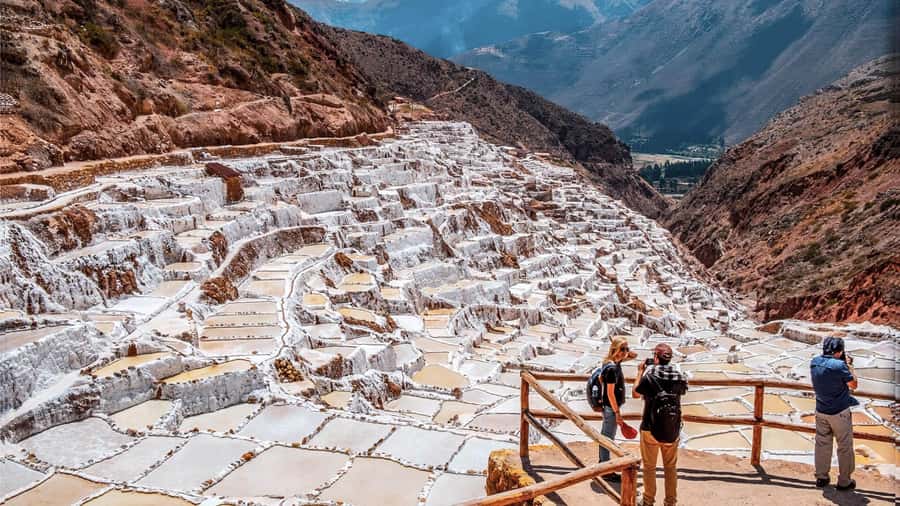
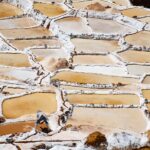
- Salineras de Maras photo opportunities: long rows of salt pans that photograph dramatically from multiple angles
- Bilingual guide who actually works the details: help with English or Spanish, plus picture stops along the way
- A private group format: faster pace through viewpoints and more time for questions
- Rain doesn’t stop the good moments: one guide kept the tour fun even when the salt mines were wet
More Maras salt pans and Moray terraces
- From Cusco: Sacred Valley & Maras Salt Mines Tour with Lunch★ 4.8 · 2,227 reviews
- From Cusco: Chinchero, Moray, Maras, Ollantaytambo and Pisaq★ 4.6 · 11 reviews
- From Ollantaytambo: Moray, Maras, and Chinchero Guided Tour★ 4.5 · 11 reviews
- From Ollantaytambo:Private tour to Maras and Moray half day★ 4.6 · 7 reviews
From Ollantaytambo: how the timing and pickup really feel
This is a half-day plan that’s built for convenience. You’re picked up from your hotel in Ollantaytambo at 8:00 a.m., and the tour brings you back to town around 2:00 p.m. That gives you daylight for photos and reduces the stress of arranging separate transport for two separate sites.
The pickup process is straightforward: the guide will write or call you about 15 minutes before pickup, and you’ll want to be ready to leave from the hotel lobby after about 10 minutes. If you’re the type who hates standing around, this timing helps a lot.
Because it’s a private group, you’re not stuck waiting for other schedules or juggling crowd control. You can also ask questions without feeling like you’re interrupting a big tour bus rhythm. That matters at places like Moray, where the value is in understanding the purpose of the terraces—not just seeing them from the edge.
Moray terraces: seeing the Inca’s “experiment” on the ground
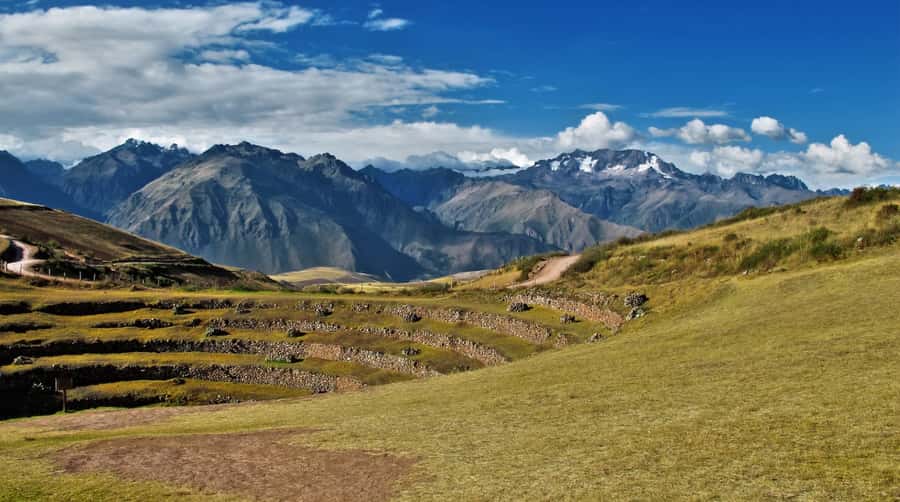
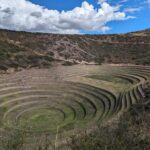
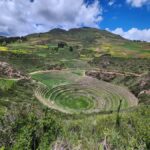
Moray is the first stop, and it’s different from most ruins. Instead of a temple or palace vibe, you’re stepping into an agricultural setting: an Inca agricultural laboratory where the terraces were used for experimental purposes.
What I like about Moray is that it trains your eyes. From the terraces, you can start reading the space like a working system—designed, organized, and meant to test farming approaches. The tour guide’s job here is crucial, because the terraces make more sense once you connect them to how Inca-era agriculture was managed.
You’ll also get a real sense of why this matters in the Sacred Valley beyond aesthetics. The tour highlights agricultural techniques during the Inca period, and it’s a good reminder that the region wasn’t only about stone monuments. It was also about feeding people efficiently, using land that wasn’t automatically easy to farm.
Practical note: Moray is all about walking viewpoints and getting your angles right. Comfortable shoes matter more than you think. If your footwear is slippery or worn out, you’ll notice it faster here than at typical flat attractions.
Salineras de Maras salt mines: a working hillside you can photograph
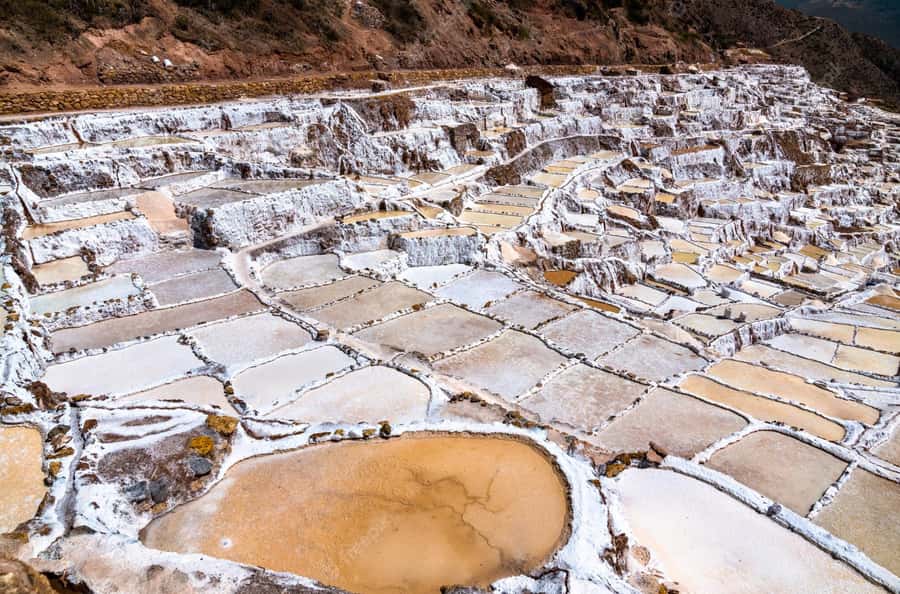
After Moray, you head to Salineras de Maras, the famous salt mines on the hillside. This place has been exploited since the Inca period, and the core story is simple: the salt comes from a spring of mineral-rich water, and the Incas took advantage of it.
The salt pans are the star. They form long, repeating rows, and that pattern is exactly why you’ll see so many strong photos from here. The trick is to slow down long enough to find your perspective: shoot from higher ground when you can, and then step to another angle for the “grid” effect.
One of the more useful insights from guides is how to approach the timing and footing when weather changes. In a rainy scenario at the salt mines, Roberto kept the experience going and took people to the best photo spots anyway. That’s a sign of a good guide: the site can be the same, but your comfort and your photos can vary a lot depending on guidance.
What to watch for: even if rain is brief, the ground near viewpoints can be slick, and the salt pans don’t stop being slippery just because you’re excited. Bring sun protection too—this is an outdoor area, and the sun can still cut through.
Getting the most from the bilingual guide (Roberto and Yesica examples)
The guide is the difference-maker on this tour. You’re not just visiting two famous names—you’re learning the agricultural logic behind them. With English/Spanish interpretation, you can actually ask follow-ups instead of letting the day become a blur of quick stops.
In one standout experience, the guide helped with Spanish practice and even took extra time to help people get good photos along the way. That’s a small detail, but it really changes the tour feel. You’re not stuck asking someone else to take your picture with shaky hands.
Another tour featured Roberto, described as patient and fun, with a strong command of Inca history and site context. When it rained at the salt mines, he kept the group entertained and still directed everyone to top spots for photos. If you’re worried about weather killing the vibe, that kind of guide skill is a relief.
Yesica also came up in reviews as a guide who made the trip work well. The theme is consistent: you get more from Moray and Maras when someone explains what you’re seeing in plain language and helps you capture it without rushing.
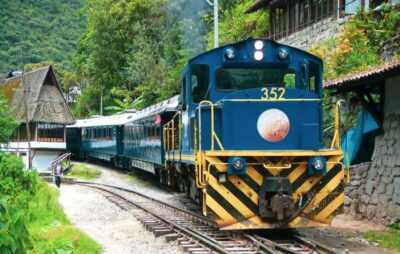
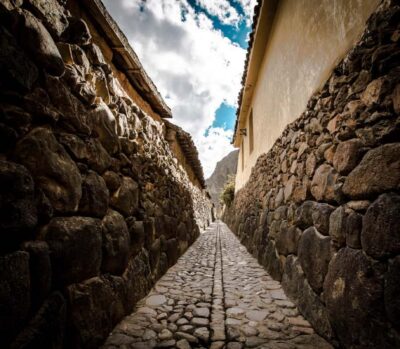
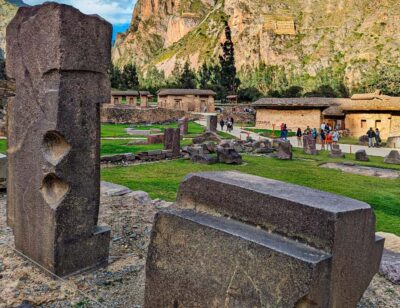
More Pisac and Ollantaytambo ruins
Price and value: what $76 really covers (and what to budget for)
At $76 per person, this tour can be good value if you care about two things: not having to organize transport yourself, and getting a guide to make the sites meaningful.
Here’s what’s included:
- Pick-up from your hotel in Ollantaytambo
- Round-trip transportation
- A bilingual guide (English/Spanish)
What’s not included:
- Entrance to Maras: 10.00 soles
- Entrance to Moray: Boleto Turístico
- Meals
So your real total cost depends on entrances and what you snack on during the day. Since meals aren’t included, you’ll want to plan for water and a simple backup bite, especially if you tend to get hungry during scenic walking.
To me, the value hinges on this: Moray and Maras aren’t just “look at it” stops. They’re better when a guide explains Inca-era agricultural management and why experimental terraces mattered. If you’re the type who enjoys context, this price makes more sense. If you’re mostly interested in photos and would rather wander independently, you might compare that cost against your appetite for guided explanations.
Also, the overall rating is strong (4.6 out of 5 across 7 reviews), and the common thread is guide quality—exactly what you want to pay for on a tour like this.
What to bring for Moray and Maras (no overpacking required)
This is a sun-and-walking day. The good news: you don’t need fancy gear. The key items are comfort and protection.
Bring:
- Passport or ID card
- Comfortable shoes
- Sunglasses
- Sun hat
- Sunscreen
- Comfortable clothes
If you’re thinking about altitude, take the tour’s own advice seriously. Drinking coca tea before the tour can help prevent altitude sickness. It’s not a magic shield, but it’s a common local approach and it’s specifically recommended here.
Also, keep in mind what’s not allowed: pets, alcohol and drugs, and explosive substances. Not because you’d do that, but because it’s helpful to know you won’t be dealing with unexpected rules at check-in.
How to handle weather and footing without stress
Outdoor sites in the Sacred Valley can change fast. Even a brief rain at the salt mines is enough to make you want sturdier shoes and a guide who knows where to stand.
That’s why I recommend two mindset changes:
- Pack for comfort, not perfection. Shoes matter more than you think.
- Trust the guide’s photo planning. A strong guide will steer you toward good angles even when conditions shift.
If rain is in the forecast, don’t automatically cancel your plans. The experience can still be fun and photo-worthy; Roberto’s rainy salt-mine day is a good example of that.
Who this tour suits best (and who should skip it)
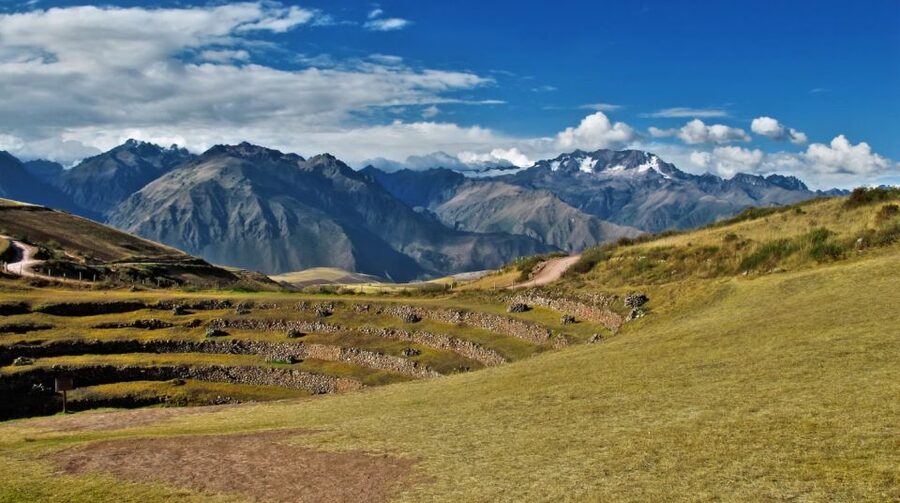
This one is ideal if you want a focused Sacred Valley taste without committing to a full day of driving and multiple long stops. You’ll get Moray’s experimental terraces plus Salineras de Maras in a single half-day format.
It’s also a strong match for people who value a private group and want time to ask questions in English or Spanish. If you like learning alongside sightseeing, the agricultural explanations are a big part of the payoff.
It’s not suitable for:
- Pregnant women
- Wheelchair users
- People with vertigo
That last one is especially important. Even if the views are amazing, the sites involve movement and viewpoints. If you’re prone to dizziness, you may have a rough time.
Should you book this Moray and Maras private tour from Ollantaytambo?
Book it if you want two iconic Sacred Valley stops with a guide who explains the agricultural meaning behind the terraces and the spring-fed logic behind the salt mines. The fact that guides like Roberto can keep things fun even during rain—and still get you to great photo spots—signals that this isn’t a rush-through checklist.
Skip it (or reconsider) if you can’t handle extra walking, uneven ground, or viewpoints, since this isn’t designed around accessibility needs. And if you’re on a strict budget, remember entrances aren’t included, and you’ll need to factor those plus meals.
My final take: for a half-day plan starting in Ollantaytambo, this tour hits a sweet spot. You get the visuals of Moray and Maras, plus context you can actually use to understand why the Incas built and managed these spaces the way they did.
FAQ
What time is pickup from Ollantaytambo?
Pickup starts at 8:00 a.m. The guide will write or call you about 15 minutes before pickup.
How long is the tour?
The duration is listed as 2 hours, with an itinerary that starts at 8:00 a.m. and returns to Ollantaytambo around 2:00 p.m.
Is this a private tour?
Yes. It’s a private group.
What languages does the guide speak?
The guide provides bilingual service in English and Spanish.
Are entrance fees included?
No. Entrance to Maras costs 10.00 soles, and entrance to Moray uses the Boleto Turístico. Both can be purchased on-site.
Are meals included?
No meals are included (breakfast or lunch).
What should I bring?
Bring your passport or ID card, comfortable shoes, sunglasses, a sun hat, sunscreen, and comfortable clothes.
Can I drink coca tea before the tour?
The tour notes that drinking coca tea before the tour may help prevent altitude sickness.
Is the tour suitable for wheelchair users or vertigo?
No. It’s not suitable for wheelchair users and not suitable for people with vertigo.
More Tour Reviews in Ollantaytambo
More Pisac and Ollantaytambo
More Salt Pans and Terraces
Recent write-ups from around Ollantaytambo, just off the trail
- From Cusco: Ollantaytambo Fortress Half-Day Private Tour
★ 5.0 · 3 reviews - Cusco: Sacred Valley + Maras and Moray
★ 4.5 · 4 reviews - From Ollantaytambo:Private tour to Maras and Moray half day
★ 4.6 · 7 reviews - From Cusco: Sacred Valley Group Tour with Buffet Lunch
★ 5.0 · 9 reviews - From Cusco: Chinchero, Moray, Maras, Ollantaytambo and Pisaq
★ 4.6 · 11 reviews
Maras & Moray Salt Mines, compared.
 ★ 4.8From Cusco: Sacred Valley & Maras Salt Mines Tour with LunchFrom $282,227 reviews
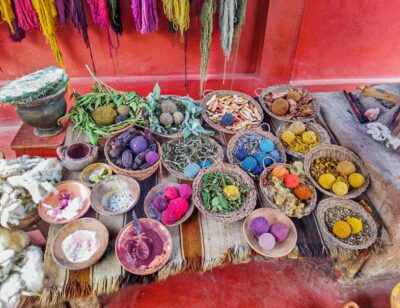 ★ 4.8From Cusco: Moray, Maras Salt Mines & Chinchero Weavers TourFrom $151,925 reviews
 ★ 4.6Sacred Valley, Pisac, Ollantaytambo, Salt Mines MorayFrom $281,058 reviews
 ★ 4.8Chinchero,Moray & Salt Mines drop-off in OllantaytamboFrom $27793 reviews
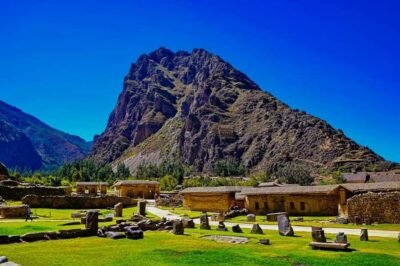 ★ 4.8Sacred Valley: Chinchero, Moray, Ollantaytambo & Pisac+LunchFrom $25501 reviews
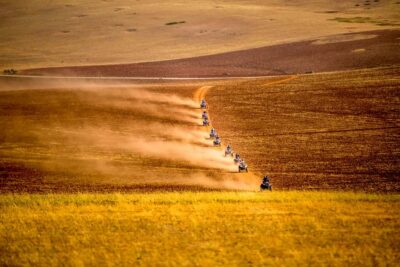 ★ 4.6Sacred Valley: Maras & Moray by Quad Bike from CuscoFrom $39418 reviews
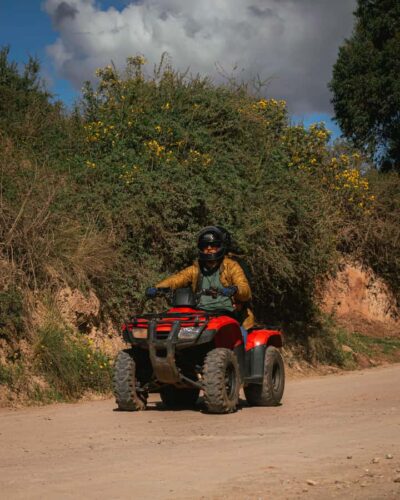 ★ 4.7From Cusco: Quad bike tour Moray and Salt MinesFrom $27314 reviews
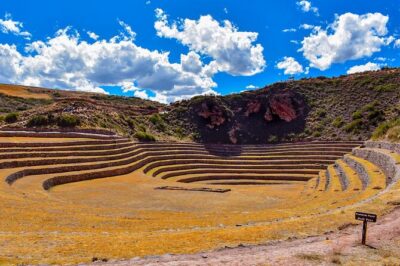 ★ 5.0From Cusco: Moray, Maras Salt Mines & Chinchero Weavers Half-DayFrom $15126 reviews
Browse the lists this tour appears in