
REVIEW · MARAS & MORAY SALT MINES
From Ollantaytambo:Moray, Salt Mines, Chinchero end in Cusco
Seeing Moray’s terraces and Maras’s salt ponds in one loop feels like a smart shortcut through the Sacred Valley. I love the combo of Inca agricultural engineering at Moray and the living salt-production landscape of Maras, because it shows how people adapted to tough mountain terrain. A solid guide can make the stops click fast, and names like Ricardo and Julio pop up as examples of guides who explain history and local culture clearly.
I also really like that the tour connects your route from Ollantaytambo to Cusco without extra planning headaches, then adds a Chinchero textile stop where you can watch traditional weaving techniques in a real working community. One thing to plan for: entrance tickets aren’t all included, so you’ll want cash for the partial tourist ticket (70 Nuevos Soles) and the salt mine entrance (20 Nuevos Soles), plus drinks aren’t covered.
In This Review
- Key things to know before you go
- Why this Ollantaytambo-to-Cusco day makes sense
- Moray’s circular terraces: an Inca farming experiment you can read
- Maras salt mines: the 4,000+ salt ponds story in real scale
- Chinchero textiles: watching tradition still happen
- The pace and comfort: what “private” really buys you
- Price and value: what you pay for, what you still cover
- What to bring (and how to not suffer in the sun)
- Should you book this tour?
- FAQ
- FAQ
- Where does the tour pick me up?
- What is the ending point in Cusco?
- How long is the tour?
- Is lunch included?
- What entrance fees should I budget for?
- What languages is the guide?
- What should I bring?
- Is the tour private?
- Can I add the Ollantaytambo Inca site?
Key things to know before you go
- Ollantaytambo to Cusco in one day: pickup and end point are set so you’re not stitching together buses and taxis.
- Moray’s circular terraces: an on-the-ground lesson in how the Incas experimented with crops by microclimates.
- Maras Salt Mines (over 4,000 ponds): a working salt site you see up close, not just a viewpoint.
- Chinchero textiles: learn what goes into traditional Andean weaving and why it still matters.
- Private group pacing: stops tend to feel un-rushed, with time for photos.
- Budget for tickets and drinks: the tour handles transport and guide time, but you pay some site fees on arrival.
More Maras salt pans and Moray terraces
- From Cusco: Sacred Valley & Maras Salt Mines Tour with Lunch★ 4.8 · 2,227 reviews
- From Cusco: Chinchero, Moray, Maras, Ollantaytambo and Pisaq★ 4.6 · 11 reviews
- From Ollantaytambo: Moray, Maras, and Chinchero Guided Tour★ 4.5 · 11 reviews
- From Ollantaytambo:Private tour to Maras and Moray half day★ 4.6 · 7 reviews
Why this Ollantaytambo-to-Cusco day makes sense
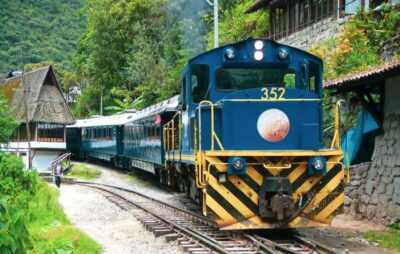
Most Sacred Valley tours start in Cusco. This one starts in Ollantaytambo and ends in Cusco, so you’re using your travel day for actual sights instead of logistics. If you’re already based in Ollantaytambo (or arriving there by train), this is a practical way to extend your trip without backtracking.
The route is built around three themes: engineered farming (Moray), traditional resource use (Maras salt ponds), and textile knowledge (Chinchero). I like how these aren’t just photo stops. Each place connects to daily life—food, salt, clothing—and that’s what makes the day feel cohesive instead of random.
You’re also in a private group with a bilingual guide (Spanish and English). That matters because these sites don’t always come with enough on-the-spot explanation, and good conversation helps you understand what you’re seeing and why it’s arranged the way it is.
Moray’s circular terraces: an Inca farming experiment you can read
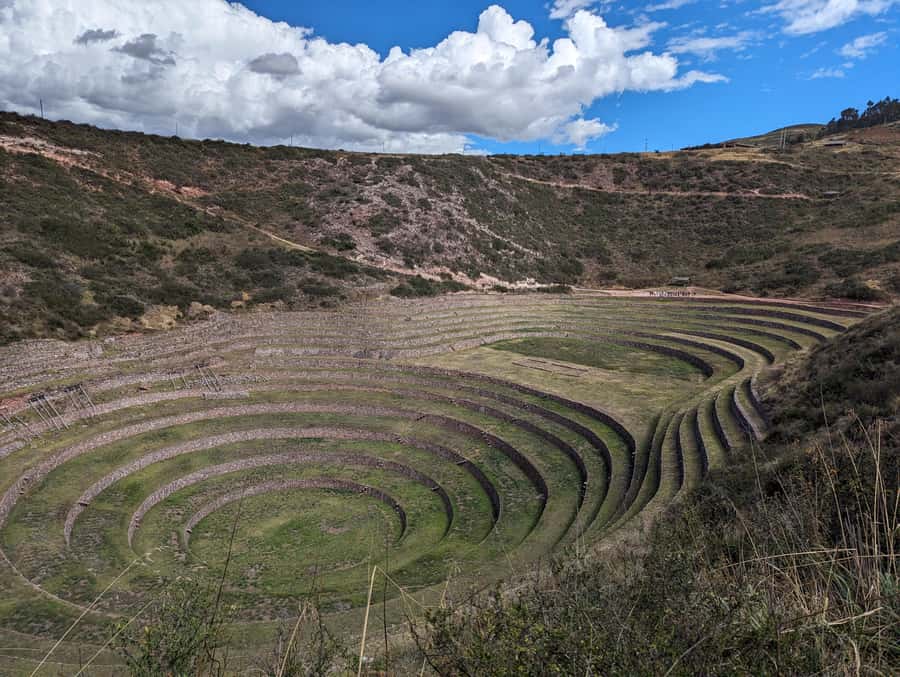
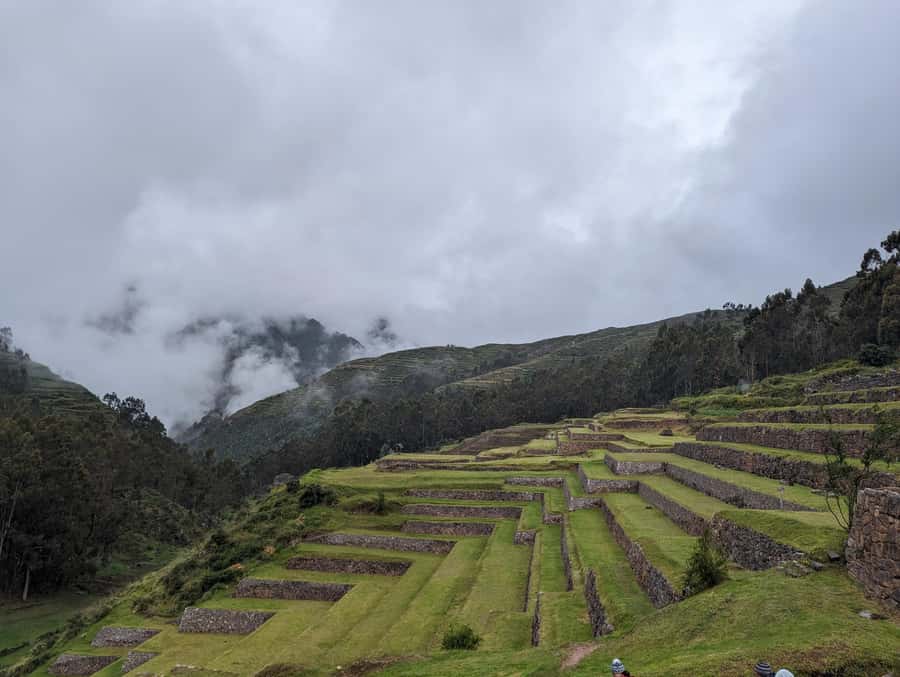
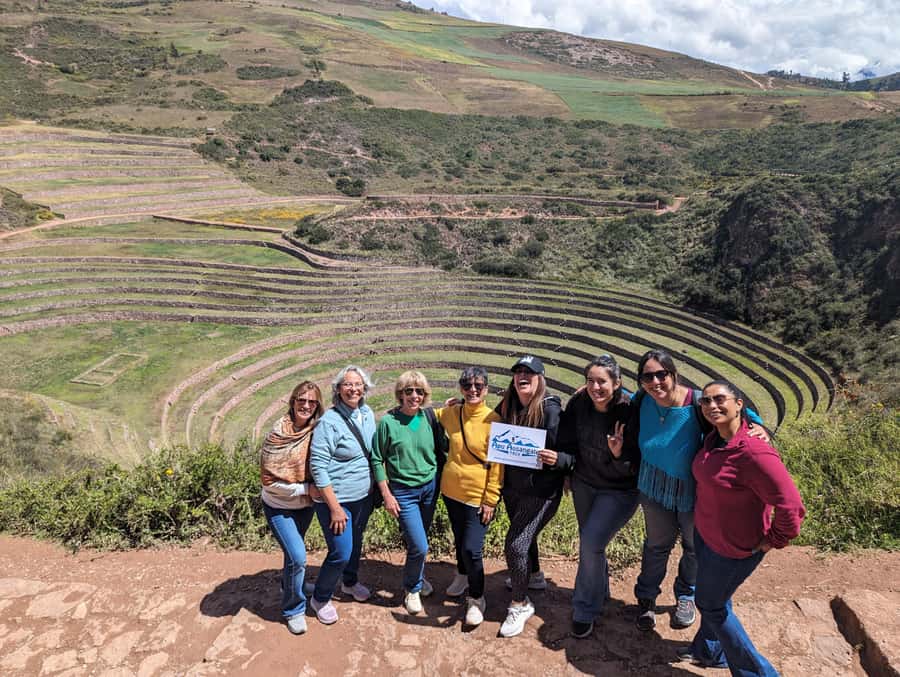
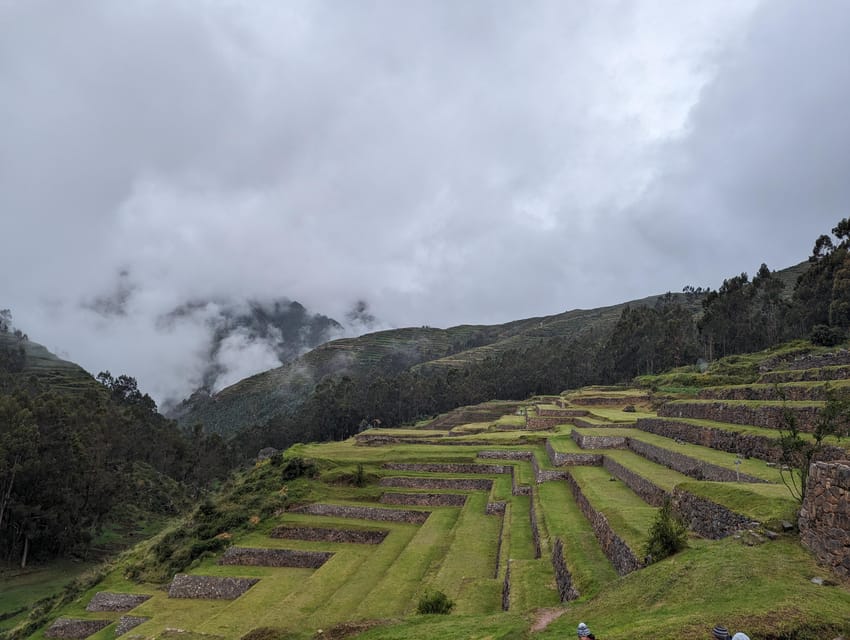
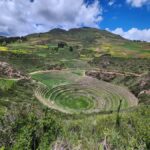
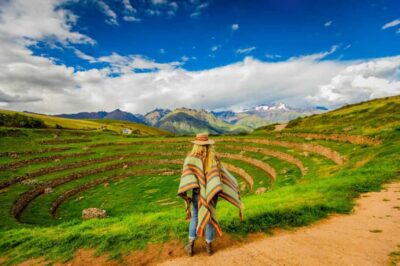
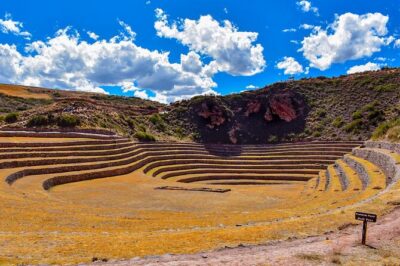
Moray is famous for its circular, tiered terraces that climb the hillside. The big idea is simple: the Incas built terraces to help agriculture succeed on mountain ground that wouldn’t be easy for planting. Even though you’re surrounded by dramatic slopes, the place was designed to create different growing conditions in a compact area.
On this day trip, you’ll stop for photos and get a guided visit (about an hour at the site). You’ll see how the terraces are laid out like a system. With a good guide, you’ll understand that the circles aren’t random. They’re a practical way to test how temperature and moisture change as you move through the terraces—basically turning the landscape into a living agricultural laboratory.
A helpful detail: Moray is near Maras, so the tour uses the geography well. Instead of bouncing around Peru’s road network, you stay in the same corridor from one concept to the next: crop planning first, then salt preservation after.
A small practical consideration: Moray involves uneven terrain on the way in and around the terraces, so wear shoes with solid grip. And in bright weather, bring sun protection. The day starts with plenty of outdoor time.
Maras salt mines: the 4,000+ salt ponds story in real scale
From Moray, the day shifts to Maras (also called Maras Salt Mines). This is where the Sacred Valley’s “adaptation” theme turns into something you can see working.
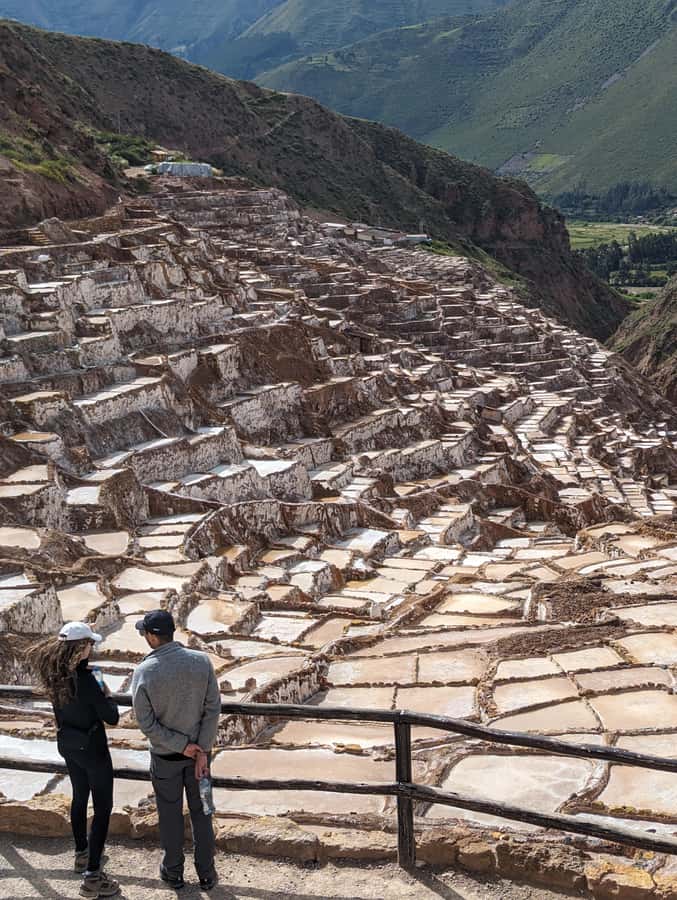
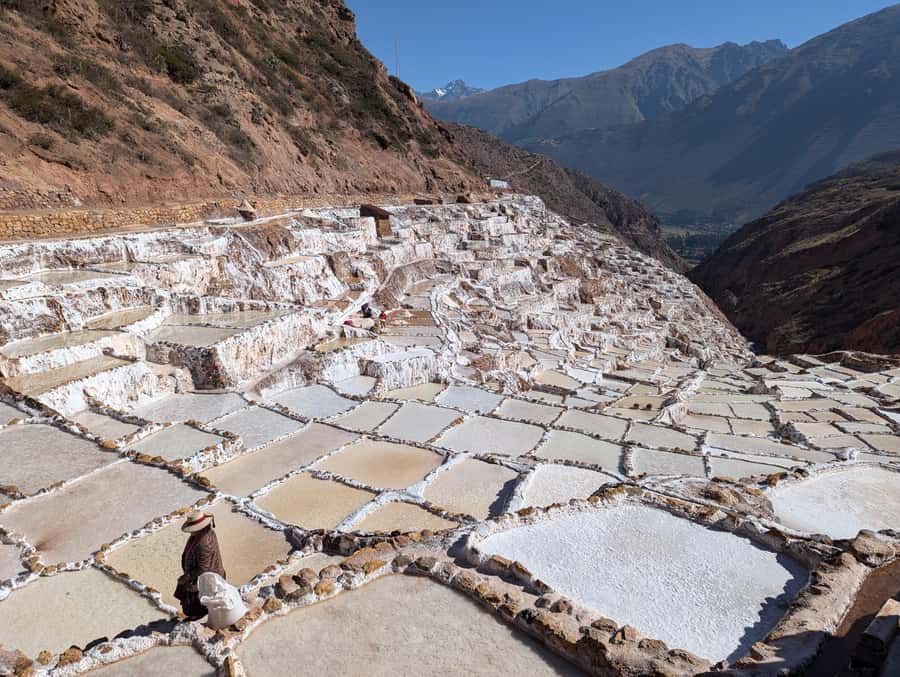
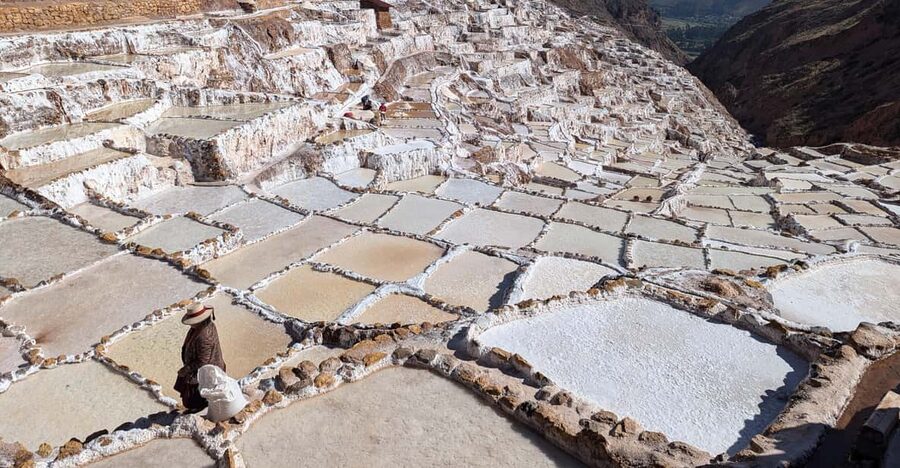
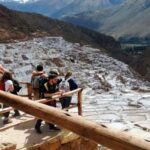
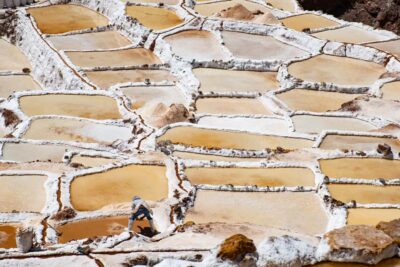
The salt ponds here are numerous—over 4,000—and they were used for a long time by ancestors to preserve food for extended periods. That preservation angle is key. You’re not only looking at a scenic grid of ponds; you’re looking at a system that supported survival and storage when refrigeration wasn’t a thing.
In the itinerary, you get a photo stop plus a guided visit at Maras (about an hour). There’s also a separate entrance fee you’ll pay on site (20 Nuevos Soles), so plan cash. Many people are surprised that the salt mine part costs extra, but once you see the setting, it makes more sense—this place is active and carefully managed.
After learning at Maras, you’ll head into town for lunch (around an hour). I like this setup because it breaks the day. You’ve just taken in a lot of information about Inca agriculture and then traditional salt use. Lunch gives you a reset before you move to Chinchero.
Drawback to watch: if you’re sensitive to sun or wind, Maras can feel intense. Sunglasses and a sun hat aren’t just comfort items—they keep you functioning while you’re outside for photo time.
Chinchero textiles: watching tradition still happen
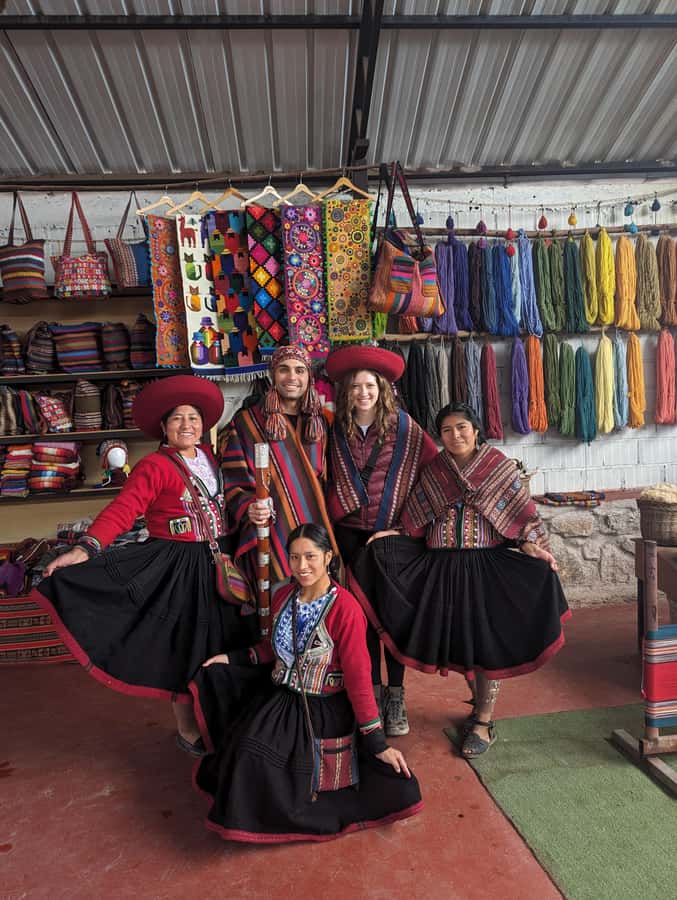
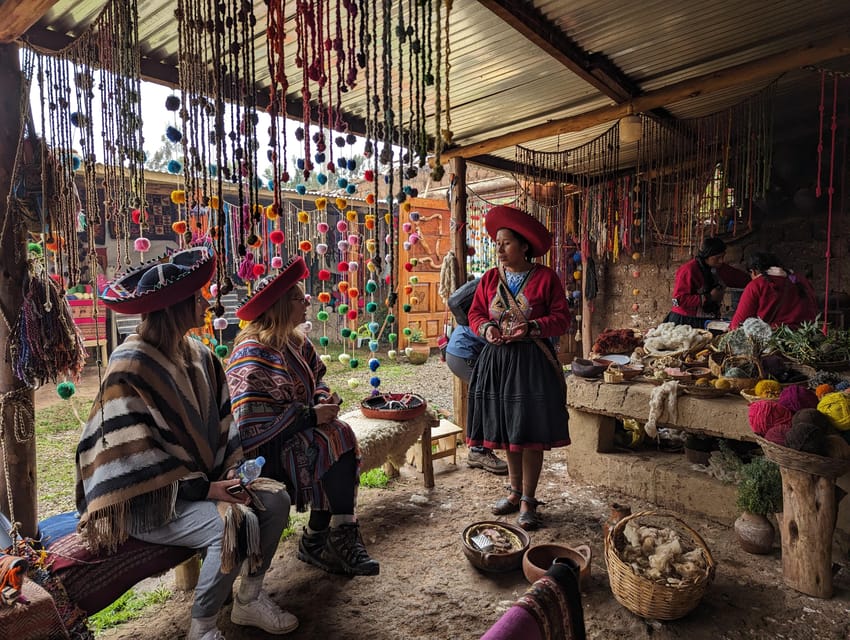
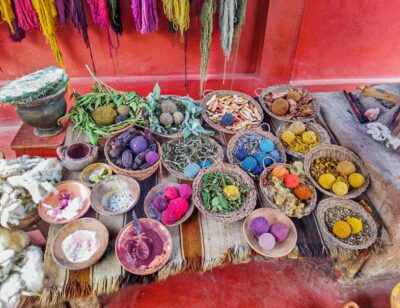
Chinchero is a small district known for weaving and Andean textiles. The best part of this stop is that you’re not only shopping—you’re learning. You’ll explore the district briefly, walk around, then visit a textile weaving center where traditional techniques are showcased.
The guiding idea here is “living culture.” In plain terms: you’re seeing how weaving fits into real community life, not just how it looks on a finished product. With a bilingual guide, you’ll get context for what you’re seeing—how Andean textiles connect to materials, technique, and identity.
The itinerary gives you roughly an hour of guided time, plus additional time for browsing (40 minutes). Some of the woven items can be tempting, but you’ll have time to decide calmly. If you do buy something, this is the kind of place where a purchase feels more intentional because you saw the process behind it.
One extra angle: several guides highlighted through the tour experience tend to bring conversation beyond the basics. People mention learning about medicinal plants around Moray, and in some cases the guide may add small cultural touches like a cocoa leaf ceremony. Just know these extras aren’t guaranteed in the written plan, but it’s a sign that strong guides may add meaningful context when time allows.
More Pisac and Ollantaytambo ruins
The pace and comfort: what “private” really buys you
This is a one-day tour, and those hours matter. What I like is that the schedule avoids the worst kind of “rush, snap, leave.” You’re not speed-walking through everything. Instead, you get guided visits (each around an hour) plus photo stops and short transition drives.
You’ll do:
- A van transfer from Ollantaytambo (about 1 hour) to Maras
- Short drives between sites (roughly 20–40 minutes)
- An extended guided stretch in each main location
- Then the longer final drive into Cusco (about 1 hour) to finish around the main square or your accommodation
The group being private also changes the vibe. In smaller groups, it’s easier to stop when someone wants one more photo or to adjust pacing when a guide sees you’re still absorbing the material. Some people also appreciate this if they get motion sick—being in a private vehicle often feels gentler than sharing space on a bus.
Practical tip: wear layers. Sacred Valley weather can shift fast. Even if it’s warm when you start, you might feel cooler on hillside stops and during driving.
Price and value: what you pay for, what you still cover
At $109 per person, you’re paying for the big essentials: pickup from Ollantaytambo, a bilingual guide, transportation between all stops, and lunch in Maras. For a route like this, that can be good value because you’re effectively bundling multiple site visits with one organized day.
What’s not included is important:
- Partial tourist ticket for Ollantaytambo, Moray, and Chinchero: 70 Nuevos Soles (you can purchase at the first site)
- Salt mine entrance: 20 Nuevos Soles
- Drinks
So if you’re budgeting, add at least those entrance costs. The tour will still save you time versus trying to coordinate multiple destinations on your own. You’re also paying for interpretation: the difference between seeing terraces and understanding why they’re arranged as they are is often the difference between a “nice view” and a “this makes sense now” moment.
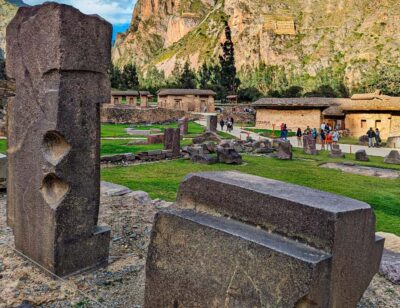
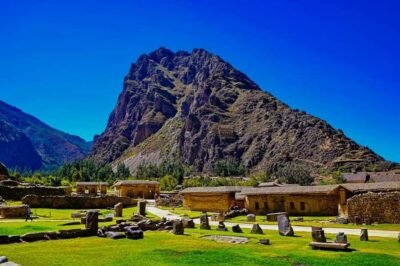
One more note: the itinerary description includes an option to add the Ollantaytambo Inca site if you request it in advance. If you care about that temple complex, tell the operator before your day—because it can affect what tickets you’ll need to buy.
What to bring (and how to not suffer in the sun)
This is an outdoor day. Pack for brightness and altitude-adjacent discomfort:
- Sunglasses
- Sun hat
- Camera
- Sunscreen (biodegradable is specifically suggested)
- Cash for entrance tickets
- A reusable water bottle if you prefer to avoid relying on drinks being available
Also, the tour doesn’t allow alcohol and drugs. So plan on sticking to water or whatever non-alcoholic options you find with lunch.
And for safety planning: it’s noted as not suitable for people over 95 years old. If you’re in that age range (or traveling with someone older), double-check with the provider about physical demands and pace.
Should you book this tour?
I’d book it if you want an easy, structured way to connect Ollantaytambo to Cusco while still hitting the Sacred Valley’s most meaningful stops. It’s especially worth it if:
- You don’t want to arrange transport between Maras, Moray, and Chinchero on your own
- You want a guide to explain what you’re seeing (these sites aren’t self-explanatory)
- You like the idea of finishing in Cusco without scrambling for your next leg
I wouldn’t rush into it if you hate paying extra entrance fees once you arrive or you prefer long, unstructured wandering. Also, if you’re only chasing one highlight and nothing else interests you, a shorter, single-site outing might feel more efficient.
But for most people—especially those with limited time between Ollantaytambo and Cusco—this route is a smart use of a day: Moray for agricultural logic, Maras for salt at scale, Chinchero for textiles you can actually learn from, then you land in Cusco ready to continue.
FAQ
FAQ
Where does the tour pick me up?
The tour picks you up from your hotel or train station in Ollantaytambo.
What is the ending point in Cusco?
The tour finishes in Cusco at the main square or at your accommodation.
How long is the tour?
The duration is 1 day.
Is lunch included?
Yes. Lunch is included in Maras.
What entrance fees should I budget for?
You’ll pay a partial tourist ticket for Ollantaytambo, Moray, and Chinchero (70 Nuevos Soles), and a separate entrance ticket for the salt mine (20 Nuevos Soles). Drinks are not included.
What languages is the guide?
The guide is bilingual in Spanish and English.
What should I bring?
Bring sunglasses, a sun hat, a camera, sunscreen (biodegradable sunscreen is suggested), and cash.
Is the tour private?
Yes, it’s a private group.
Can I add the Ollantaytambo Inca site?
It’s possible to add the Ollantaytambo Inca site—inform the operator once you book so they can send confirmation.
More Tour Reviews in Ollantaytambo
More Pisac and Ollantaytambo
More Salt Pans and Terraces
Recent write-ups from around Ollantaytambo, just off the trail
- From Cusco: Ollantaytambo Fortress Half-Day Private Tour
★ 5.0 · 3 reviews - Cusco: Sacred Valley + Maras and Moray
★ 4.5 · 4 reviews - From Ollantaytambo:Private tour to Maras and Moray half day
★ 4.6 · 7 reviews - From Cusco: Sacred Valley Group Tour with Buffet Lunch
★ 5.0 · 9 reviews - From Cusco: Chinchero, Moray, Maras, Ollantaytambo and Pisaq
★ 4.6 · 11 reviews
Maras & Moray Salt Mines, compared.
 ★ 4.8From Cusco: Sacred Valley & Maras Salt Mines Tour with LunchFrom $282,227 reviews
 ★ 4.8From Cusco: Moray, Maras Salt Mines & Chinchero Weavers TourFrom $151,925 reviews
 ★ 4.6Sacred Valley, Pisac, Ollantaytambo, Salt Mines MorayFrom $281,058 reviews
 ★ 4.8Chinchero,Moray & Salt Mines drop-off in OllantaytamboFrom $27793 reviews
 ★ 4.8Sacred Valley: Chinchero, Moray, Ollantaytambo & Pisac+LunchFrom $25501 reviews
 ★ 4.6Sacred Valley: Maras & Moray by Quad Bike from CuscoFrom $39418 reviews
 ★ 4.7From Cusco: Quad bike tour Moray and Salt MinesFrom $27314 reviews
 ★ 5.0From Cusco: Moray, Maras Salt Mines & Chinchero Weavers Half-DayFrom $15126 reviews
Browse the lists this tour appears in