
REVIEW · MARAS & MORAY SALT MINES
From Cusco: Chinchero, Moray, Maras, Ollantaytambo and Pisaq
A Sacred Valley day can feel fast. This tour earns its keep by stacking the big-name Inca sites around Cusco with a bilingual guide who explains the logic behind each place, from Inca farming to administrative centers. I especially like the chance to pair the big archaeological stops with human-scale details like the Chinchero weaving cooperative and the salt harvesting still happening at Maras. The main drawback is the schedule is tight, so you should expect short stays and not the slow, lingering pace you’d get on a longer tour.
You start early with hotel pick-up and a van ride that moves efficiently between stops, then you end back in town around Plaza Regocijo in the late afternoon. If you’re trying to see a lot without planning every ticket and road yourself, this format is practical. Just remember you’ll be dealing with changing altitudes and plenty of sun, so your shoes and water matter more than you think.
In This Review
- Key moments that make this tour worth your time
- A Full-Day Van Circuit Through the Sacred Valley
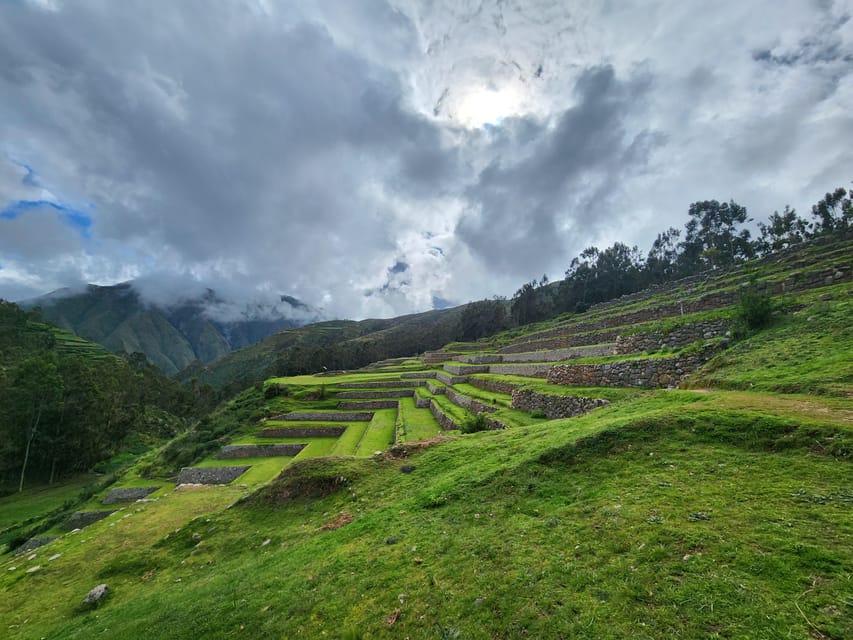
- Chinchero: Weaving, a Colonial Church, and Nearby Inca Remains
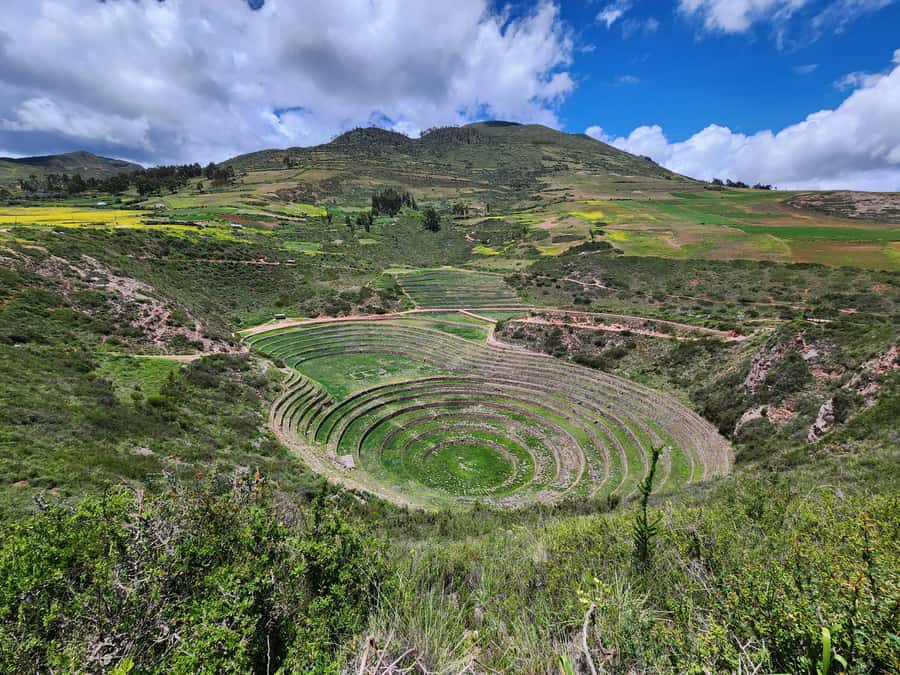
- Moray’s Circular Terraces: Why the Inca Built in Circles
- Maras Salt Mines: Thousands of Pools and Inca-Era Continuity
- Urubamba Lunch Break: A Buffet That Keeps the Day Moving
- Ollantaytambo: Terraces, Temples, and a Town the Inca Designed to Last
- Pisac: Terraces, Tombs, and a Mountain-Backed Ruin Complex
- Price and Tickets: What $35 Really Buys
- Guide Quality and Group Pace: Great Explanations, Short Stops
- What to Bring (So the Day Doesn’t Beat You First)
- Who This Tour Fits Best
- Should You Book This Sacred Valley Day Tour?
- FAQ
- FAQ
- How long is the tour?
- What’s included in the price?
- What extra tickets are not included?
- Where does the tour drop off at the end?
- What languages does the guide speak?
- Is lunch included?
- What should I bring?
- Are drones allowed?
- Can I cancel for a refund?
Key moments that make this tour worth your time
- Bilingual guidance (Spanish/English) focused on how the Inca used each site, not just what it looks like
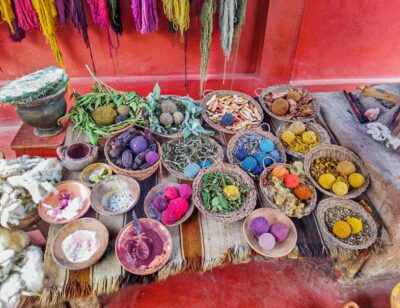
- Chinchero weaving cooperative, where traditional textile work is part of the visit
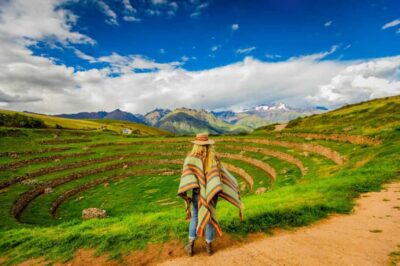
- Moray’s circular terraces, explained as an experiment in farming across altitude
- Maras salt mines, with thousands of small pools tied to long Inca-era use
- Ollantaytambo’s ruins plus living town layout, including terraces, temples, and ceremonial spaces
- Pisac’s terraces and tomb areas with a dramatic mountain backdrop
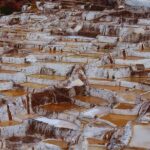
More Maras salt pans and Moray terraces
- From Cusco: Sacred Valley & Maras Salt Mines Tour with Lunch★ 4.8 · 2,227 reviews
- From Cusco: Chinchero, Moray, Maras, Ollantaytambo and Pisaq★ 4.6 · 11 reviews
- From Ollantaytambo: Moray, Maras, and Chinchero Guided Tour★ 4.5 · 11 reviews
- From Ollantaytambo:Private tour to Maras and Moray half day★ 4.6 · 7 reviews
A Full-Day Van Circuit Through the Sacred Valley
This is a classic “see the best of the Sacred Valley in one day” setup: van transport, a professional guide, and a sequence of stops that makes geographic sense. Starting from Cusco, you’ll spend most of the day in motion, but the payoff is that you get a full sweep of the region’s Inca footprint—farming experiments, salt extraction, an administrative/ritual town, and large ruin complexes.
I like that the tour is built around explanation, not just check-the-box photos. A good guide helps you connect the dots: why certain terraces were shaped the way they were, what an agricultural site meant in the Inca system, and why places like Ollantaytambo mattered beyond their walls and stones. And yes, you’ll still get plenty of photo moments—just don’t confuse “photo time” with “deep time.”
Chinchero: Weaving, a Colonial Church, and Nearby Inca Remains
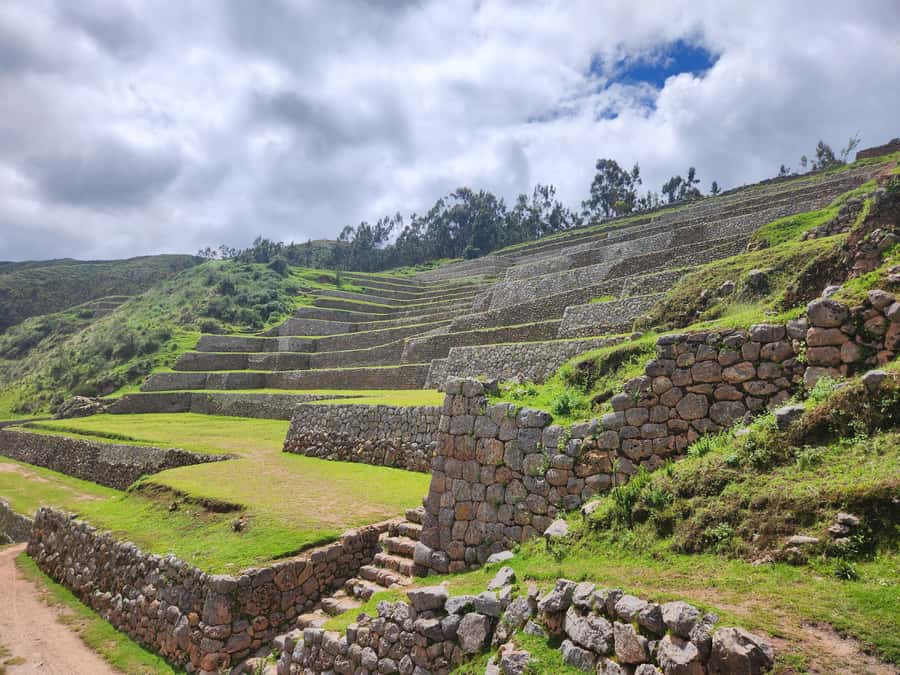
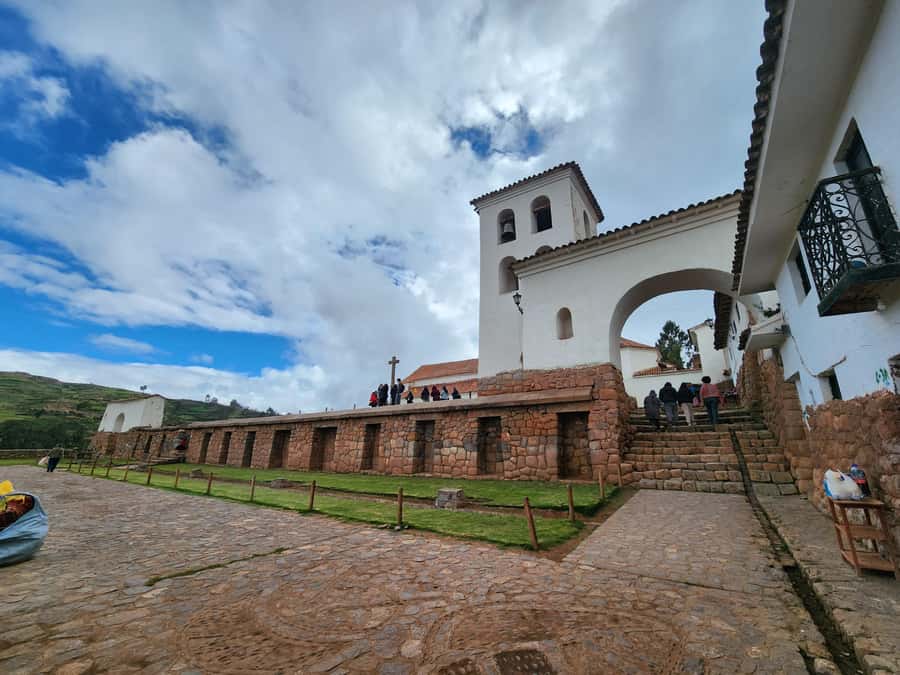
Chinchero is usually the first stop for a reason. It’s a place where you can feel the continuity between everyday Andean life and the layers of history that followed the Inca era. You’ll have a photo stop and then time for a guided visit that typically includes both the town’s colonial church and the nearby Inca ruins.
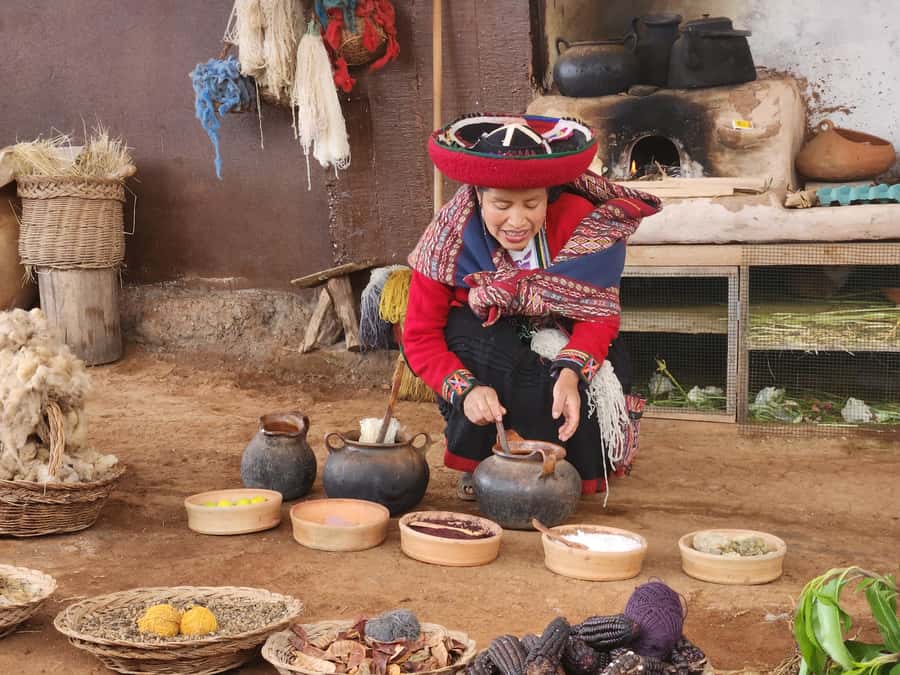
The best part here is practical and hands-on: the weaving cooperative stop. Even if you’re not buying anything, it’s one of the few moments that slows the day down just enough to make you pay attention. You’ll see how traditional techniques connect to local materials and identity, and your guide can help you understand why weaving was (and still is) a serious craft in the Andes.
One consideration: this is also the kind of stop where time can get split between seeing and shopping. If you want archaeology-only, keep your expectations realistic. The weaving segment is part of the experience here, for better or worse depending on your preferences.
Moray’s Circular Terraces: Why the Inca Built in Circles
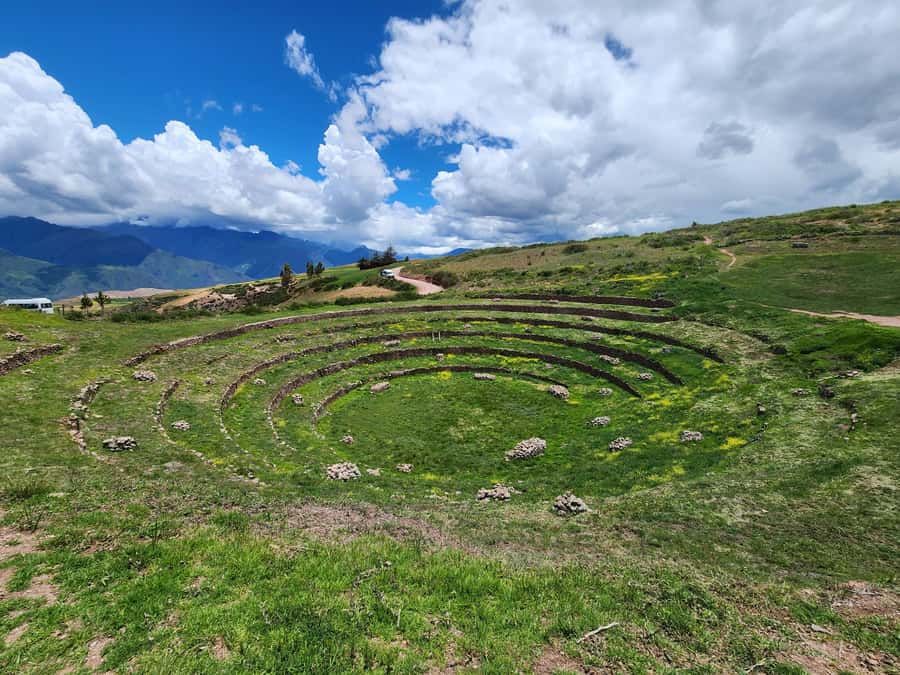
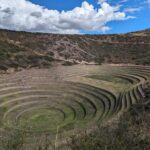
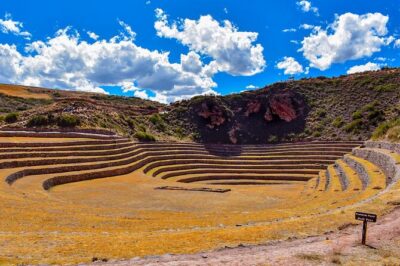
Moray is where the Sacred Valley tour gets brainy. Instead of temples or tombs, you’re looking at an agricultural experiment—circular terraces that descend in levels. The idea, as your guide explains, is that the Incas may have used these terraces to test crops across different temperatures and altitudes, effectively turning one location into multiple growing environments.
This stop is short by design—expect about half an hour for your guided time and photos. That means you should arrive ready to focus. Look for the geometry first, then let your guide connect it to farming logic. If you rush past the terraces without context, you’ll miss what makes Moray special.
The upside is that even a shorter visit can still change how you see the Sacred Valley. After Moray, the terraces at other sites start to feel less random and more like a system.
Maras Salt Mines: Thousands of Pools and Inca-Era Continuity
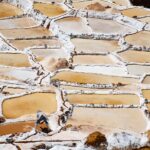
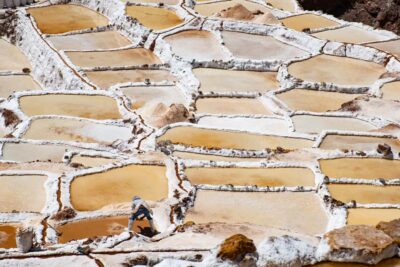
Maras salt mines are one of those places that looks instantly strange—in the best way. You’ll reach the area, take photos, and have guided time as you learn how the salt flats work. The key detail is that the mines consist of thousands of small pools, harvested from natural brine, and they’ve been used since Inca times.
This is a “see it in person” stop. From a distance, the grid of pools feels like an engineered pattern dropped into the mountains. Up close, you can understand why locals have treated salt as a valuable resource for generations. Your guide’s explanation helps here, because the site isn’t just a scenic overlook—it’s an active production landscape shaped by geography.
Like Chinchero, Maras can include a brief stop connected to the salt harvest (and sometimes related shopping). If you’re trying to maximize archaeology time, that’s the trade-off. Still, the salt pools themselves are memorable, and they’re one of the most visually distinctive parts of the day.
More Pisac and Ollantaytambo ruins
Urubamba Lunch Break: A Buffet That Keeps the Day Moving
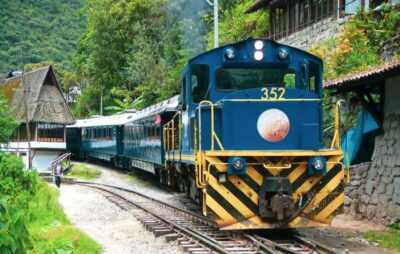
Between Maras and Ollantaytambo, the tour typically stops for lunch in Urubamba. The lunch is included and served as a buffet, and it’s the kind of meal that makes this packed schedule survivable.
I’d treat lunch here as both fuel and reset. You’re going to spend the afternoon walking ruins, taking stairs, and dealing with sun and altitude. A buffet also means you’re not stuck with one dish that might not agree with you. If you want to avoid getting tired too early, eat steadily—then pace yourself during the next stops.
Ollantaytambo: Terraces, Temples, and a Town the Inca Designed to Last
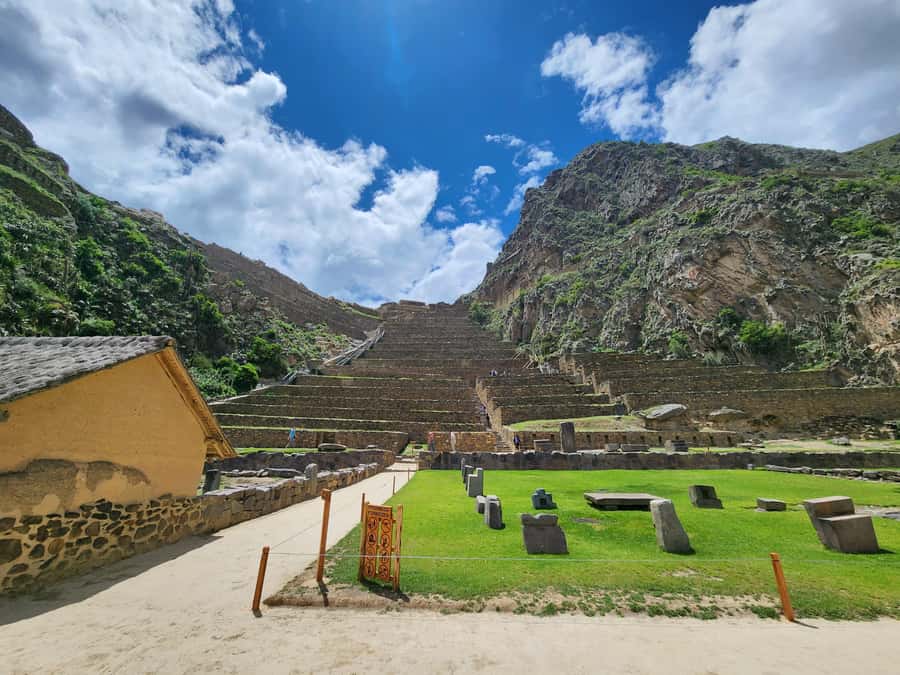
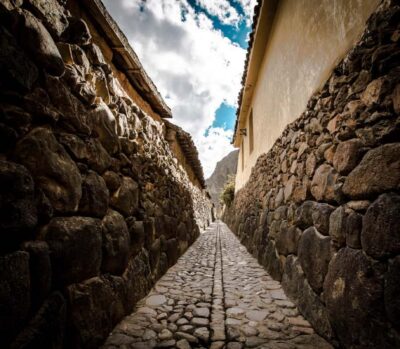
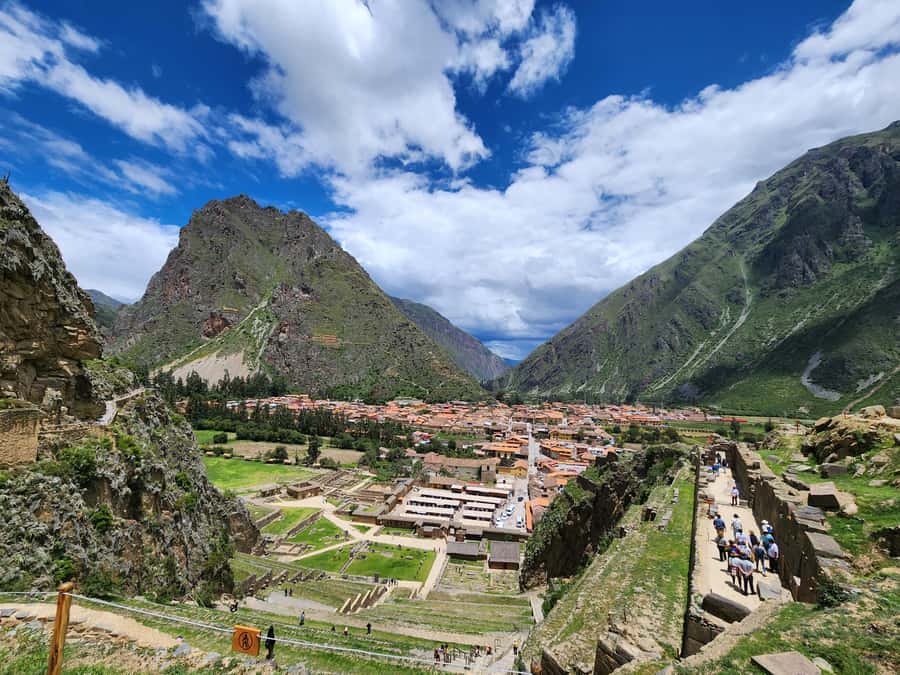
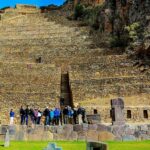
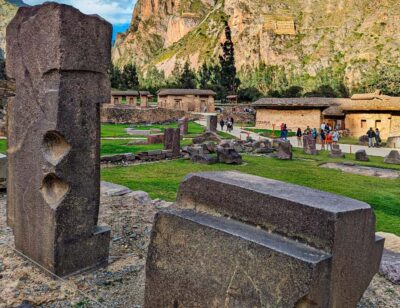
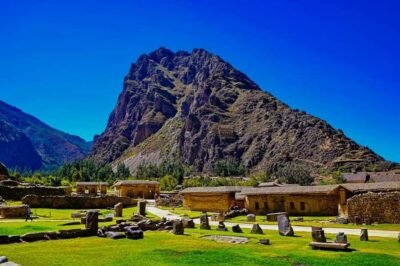
Ollantaytambo is often the highlight because it’s not just ruins on a hill. It’s a well-preserved Inca town with serious archaeological structures. Your visit includes terraces, temples, and the ceremonial core, and your guide explains why the place functioned as an important administrative and religious center during the Inca Empire.
What makes it feel real is the town layout. Even with a guided pace, you get a sense of how the Incas built for both daily life and state-level power. The terraces aren’t decorative. They’re functional, and they help you understand how people moved and lived in a dramatic landscape.
Time-wise, it’s longer than some stops (roughly forty minutes for the guided visit plus photos). That extra attention helps. If you want one place where you can actually absorb stonework details while still keeping up with the schedule, Ollantaytambo is the best bet.
Pisac: Terraces, Tombs, and a Mountain-Backed Ruin Complex
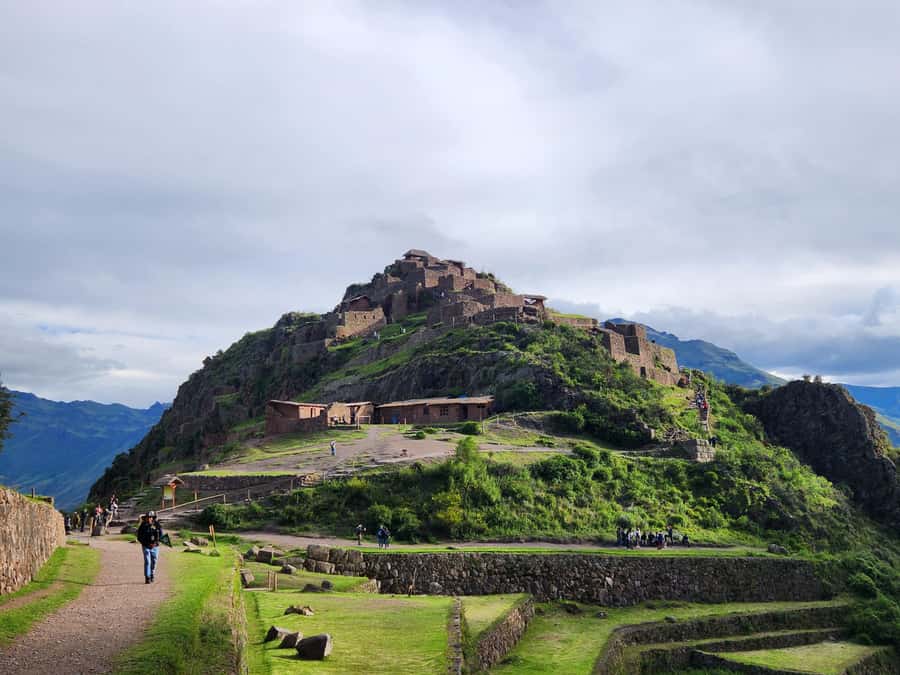
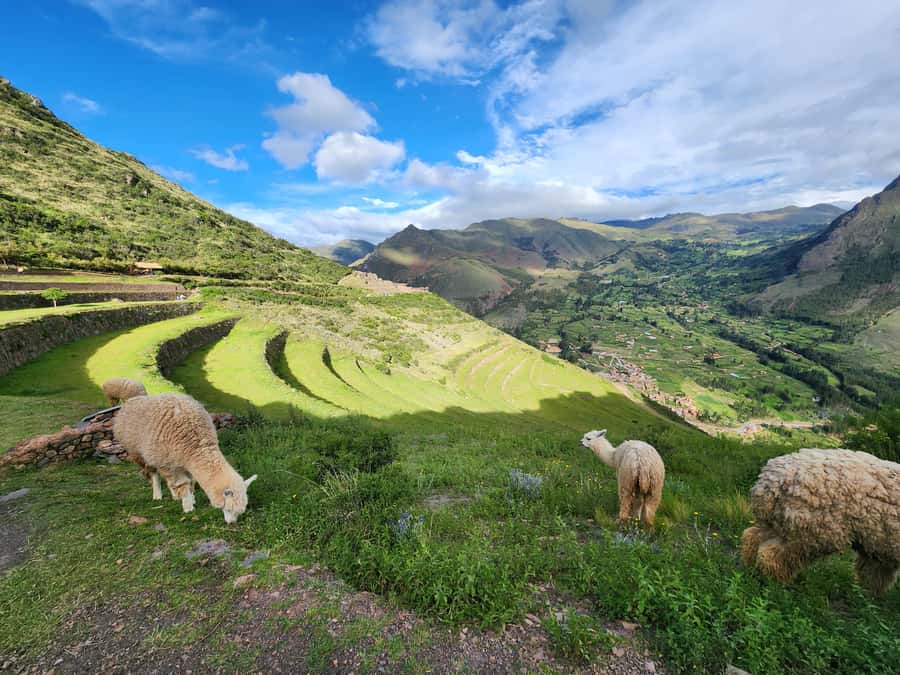
Pisac is a big finish, and it tends to be emotionally satisfying because the ruins stretch out across the hillside. The site is known for extensive Inca structures, including terraces, tomb areas, and religious spaces—set against a dramatic mountain backdrop.
You’ll have a guided visit here after Ollantaytambo, with time for photos and wandering. It’s typically about thirty minutes for the guided portion, which means you’ll get a taste rather than full coverage. If you like to read the shapes of ruins—terrace edges, ceremonial zones, tomb layouts—Pisac can feel like a payoff for the earlier stops. Moray teaches farming logic. Maras teaches resource value. Ollantaytambo teaches civic and ceremonial power. Then Pisac wraps it into a broader view.
One timing consideration: the day is structured tightly, and Pisac can feel rushed, especially if you’re arriving near closing hours. I’d still recommend it, but if you’re the type who wants to take your time at one major site, you might wish the schedule gave Pisac more breathing room.
Price and Tickets: What $35 Really Buys
On paper, the tour price is about $35 per person, and it includes hotel pick-up, van transport, a professional guide (Spanish and English), and lunch buffet. That’s the core value: you’re paying for logistics and interpretation, not just access to sites.
Two important costs are not included. You’ll pay a touristic ticket (listed as 70 soles) and you’ll need an entrance ticket to Maras (listed as 20 soles). Those add-ons matter because they change your total budget, even though the tour itself is otherwise straightforward.
In practice, this means:
- You’re still likely to spend more than the base $35 once you factor in entrances.
- The included lunch and guide can offset some of that cost by reducing your own planning time and spending on separate tours.
If your priority is maximum sites for one day, the value is strong. If you’re already paying for other guided tours or you hate paying additional entry fees on arrival, total cost can feel less friendly.
Guide Quality and Group Pace: Great Explanations, Short Stops
This tour lives or dies by its guide. The best guides treat each stop like a mini story: how people used terraces, what salt production meant, why certain towns became administrative centers. In past experiences tied to this operator, guides such as Carlos and Henry have been specifically praised for clear explanations and detailed historical context.
One pacing reality: this is a multi-stop day. Even when the guide is excellent, your actual time on-site can be limited. Some people love that efficiency because it ensures you hit every major location. Others find it too fast to truly absorb stone details or wander freely.
There can also be language switching, especially if your group includes mixed Spanish and English needs. Your guide may work across both languages during the day, which can influence pacing and timing. It doesn’t usually ruin the experience, but it’s good to expect a lively, fast-moving atmosphere.
Shopping stops are part of the flow—like the weaving cooperative and other short stops connected to local products. If you prefer to spend every minute on ruins, choose your priorities early. You can still enjoy the cooperative segment, but don’t count on long free time.
What to Bring (So the Day Doesn’t Beat You First)
This route involves walking, uneven ground, and strong sun. I’d pack for heat first, altitude second, then comfort.
You’ll want:
- Comfortable shoes with grip
- Water bottle and a plan to sip often
- Hat and sunscreen for long outdoor segments
- Camera for terraces and panoramic ruin views
- A bit of local currency for personal expenses and tips
Also, note that drones are not allowed. If you travel with one, leave it at home.
Who This Tour Fits Best
This is a great match if you:
- Want to see Chinchero, Moray, Maras, Ollantaytambo, and Pisac in one day
- Like guided explanations that connect archaeology to how the Inca lived and managed resources
- Have limited time in Cusco and don’t want to plan separate transport for each stop
- Prefer a structured day over a self-drive puzzle
It’s not ideal if you:
- Want slow, detailed time at only one or two sites
- Hate any shopping or cooperative stops, even if they’re short
- Are sensitive to altitude and think a full day of moving between elevations will be hard
Should You Book This Sacred Valley Day Tour?
Book it if you want the practical version of the Sacred Valley: a guided, high-value sweep with lunch and bilingual interpretation, plus major sites like Ollantaytambo and Pisac. The base price can feel fair for what’s included, and the guide-driven storytelling is the main reason it works.
Think twice if you’re a ruins purist who needs long solo wandering time at each site. The schedule is tight, and the day can feel rushed near the end. If you can accept that trade-off and focus on photos plus key concepts, you’ll get a lot out of this one day in the Sacred Valley.
FAQ
FAQ
How long is the tour?
It lasts 1 day, starting with hotel pick-up in Cusco and finishing in the late afternoon or early evening.
What’s included in the price?
The tour includes hotel pick-up, transport by van, a professional guide who speaks Spanish and English, and a lunch buffet.
What extra tickets are not included?
You’ll need to purchase a touristic ticket (70.00 soles) and an entrance ticket for Maras (20.00 soles).
Where does the tour drop off at the end?
It finishes at Plaza Regocijo.
What languages does the guide speak?
The guide provides live commentary in Spanish and English.
Is lunch included?
Yes. Lunch is a buffet served in Urubamba.
What should I bring?
Bring comfortable walking shoes, a hat, sunscreen, a camera, and water.
Are drones allowed?
No, drones are not allowed.
Can I cancel for a refund?
Yes. You can cancel up to 24 hours in advance for a full refund.
More Tour Reviews in Ollantaytambo

More Pisac and Ollantaytambo
More Salt Pans and Terraces
Recent write-ups from around Ollantaytambo, just off the trail
- From Cusco: Ollantaytambo Fortress Half-Day Private Tour
★ 5.0 · 3 reviews - Cusco: Sacred Valley + Maras and Moray
★ 4.5 · 4 reviews - From Ollantaytambo:Private tour to Maras and Moray half day
★ 4.6 · 7 reviews - From Cusco: Sacred Valley Group Tour with Buffet Lunch
★ 5.0 · 9 reviews - From Cusco: Chinchero, Moray, Maras, Ollantaytambo and Pisaq
★ 4.6 · 11 reviews
Maras & Moray Salt Mines, compared.
 ★ 4.8From Cusco: Sacred Valley & Maras Salt Mines Tour with LunchFrom $282,227 reviews
 ★ 4.8From Cusco: Moray, Maras Salt Mines & Chinchero Weavers TourFrom $151,925 reviews
 ★ 4.6Sacred Valley, Pisac, Ollantaytambo, Salt Mines MorayFrom $281,058 reviews
 ★ 4.8Chinchero,Moray & Salt Mines drop-off in OllantaytamboFrom $27793 reviews
 ★ 4.8Sacred Valley: Chinchero, Moray, Ollantaytambo & Pisac+LunchFrom $25501 reviews
 ★ 4.6Sacred Valley: Maras & Moray by Quad Bike from CuscoFrom $39418 reviews
 ★ 4.7From Cusco: Quad bike tour Moray and Salt MinesFrom $27314 reviews
 ★ 5.0From Cusco: Moray, Maras Salt Mines & Chinchero Weavers Half-DayFrom $15126 reviews
Browse the lists this tour appears in