
REVIEW · MARAS & MORAY SALT MINES
Cusco:Chinchero,Moray & Salt Mines drop-off in Ollantaytambo
Sacred Valley, packed into one smart day. I like the way this route strings together textile culture in Chinchero, the strange farming “experiment” of Moray, and the salt ponds of Maras, then finishes with Ollantaytambo for your next step toward Machu Picchu. The day feels organized and not chaotic, even though you’re moving through multiple stops.
One possible drawback: you’ll need extra cash for site entries like the partial tourist ticket and the salt mine ticket, plus drinks aren’t included.
In This Review
- Key highlights worth planning around
- A Cusco-to-Ollantaytambo Sacred Valley Day You Can Actually Fit
- Price and what’s really included (and what isn’t)
- The long-van day pattern: how the schedule feels on the ground
- Chinchero: textiles, Inca-era craft, and the shop you’ll actually use
- Moray agricultural terraces: the weird, smart idea of growing crops by altitude
- Maras salt mines: 5,000-plus ponds and centuries of preservation logic
- Urubamba buffet lunch: the meal break that keeps the afternoon smooth
- Ollantaytambo: the 200+ steps to the fortress viewpoint
- The timing sweet spot for your Machu Picchu train
- Small-group feel: why the day doesn’t drag
- What to bring (so you don’t regret it later)
- Who should book this Sacred Valley tour (and who might not)
- Should you book this Cusco to Ollantaytambo Sacred Valley tour?
- FAQ
- Where does the tour start?
- How long is the tour?
- Is the guide bilingual?
- What’s included in the price?
- Do I need to buy tickets for the sites?
- Is lunch included?
- Does the tour include drinks?
- Where do you get dropped off at the end?
- What time does the tour end, especially for train planning?
- What should I bring and avoid?
Key highlights worth planning around
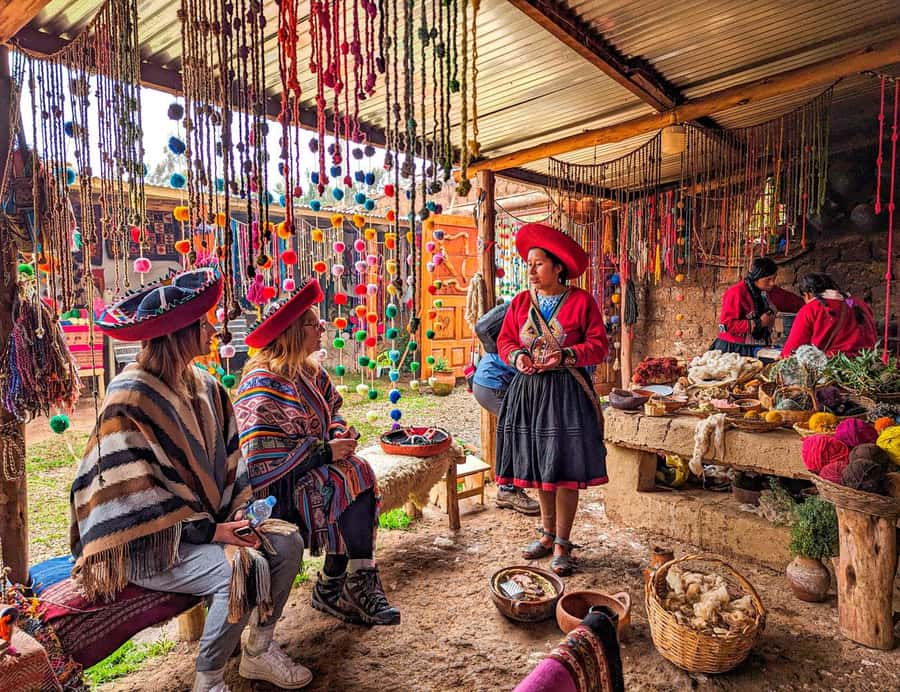
- Chinchero weaving stop: a guided look at traditional textile-making and the chance to shop in the same place where the craft happens.
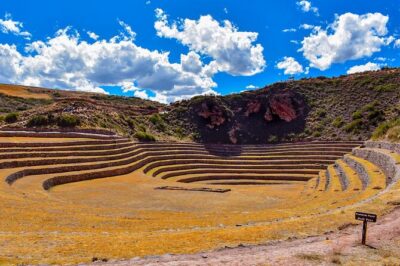
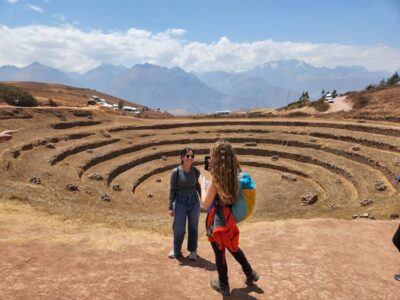
- Moray terraces: see why the Incas built tiered stone rings on the hillsides to grow crops in tricky conditions.
- Maras salt mines: walk among the salt ponds, built for centuries of food preservation.
- Buffet lunch in Urubamba: a proper sit-down meal that keeps the afternoon moving.
- Ollantaytambo drop-off: the tour ends in Ollantaytambo (train station or main square), which is convenient if you’re continuing by train.
More Maras salt pans and Moray terraces
- Cusco: Sacred Valley, Pisac, Ollantaytambo, Salt Mines Moray★ 4.6 · 1,058 reviews
- Cusco:Chinchero,Moray & Salt Mines drop-off in Ollantaytambo★ 4.8 · 793 reviews
- Sacred Valley: Chinchero, Moray, Ollantaytambo & Pisac+Lunch★ 4.8 · 501 reviews
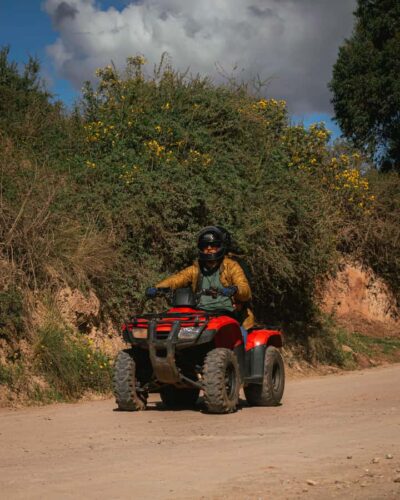
- Sacred Valley: Maras & Moray by Quad Bike from Cusco★ 4.6 · 418 reviews
A Cusco-to-Ollantaytambo Sacred Valley Day You Can Actually Fit
This is a long day in a good way. You start with pickup from your Cusco hotel, then spend the day working your way through three big Sacred Valley stops: Chinchero, Moray + Maras, and Ollantaytambo. The key is the format: one bilingual guide, one comfortable van, and a route that keeps you from bouncing around town on your own.
I especially like the built-in balance: a mix of guided time and just enough “stand back and look” moments. You’re not stuck listening the whole time. You get time for photos and short walks, and you’re also dropped at the right place for the next leg of your trip.
The route also makes sense if you’re trying to save energy and logistics. If you’re headed toward Machu Picchu, you’ll likely be spending the following day (or later) traveling from Ollantaytambo toward Aguas Calientes. Ending here means you’re not re-doing the same transfer twice.
Price and what’s really included (and what isn’t)
The headline price is $27 per person for 8–9 hours. For the Sacred Valley trio you’re getting, the value is strong, mainly because most of the “hard part” is handled for you: hotel pickup in Cusco, transportation between sites, a bilingual guide, and a buffet lunch.
Here’s what you should treat as “included”:
- Pickup from your Cusco hotel
- Bilingual guide (Spanish and English)
- Transportation by van between stops
- Buffet lunch in Urubamba
- Drop-off in Ollantaytambo (train station or main square)
And here’s what you should budget separately:
- A partial tourist ticket for Chinchero + Moray + Ollantaytambo (purchased at the first site for 70 PEN)
- Salt mine entrance for Maras (about 20 PEN on site)
- Drinks
- Return transportation back to Cusco (this tour is designed as a one-way Sacred Valley day)
This extra-ticket detail matters more than it sounds. You’ll want a bit of cash ready so you don’t slow the group down. Also plan on water during the day since bottled drinks aren’t part of the price.
The long-van day pattern: how the schedule feels on the ground
You’ll ride in stages, mostly under an hour at a time:
- Van transfer to Chinchero (about 1 hour)
- Short drives between Moray and Maras
- Then down to Urubamba for lunch
- Finally on to Ollantaytambo
In practice, the walking is light to moderate: think short guided walks and a few photo stops, plus one bigger effort at Ollantaytambo (more on that below). Most groups find it manageable, but you should still bring a water bottle, sun protection, and comfortable shoes.
Group size can vary, and the pace stays steady. In private or small-group service, you usually get more time at each place and the tour can end closer to your train time or even return you nearer your lodging—useful if your schedule is tight.
Chinchero: textiles, Inca-era craft, and the shop you’ll actually use
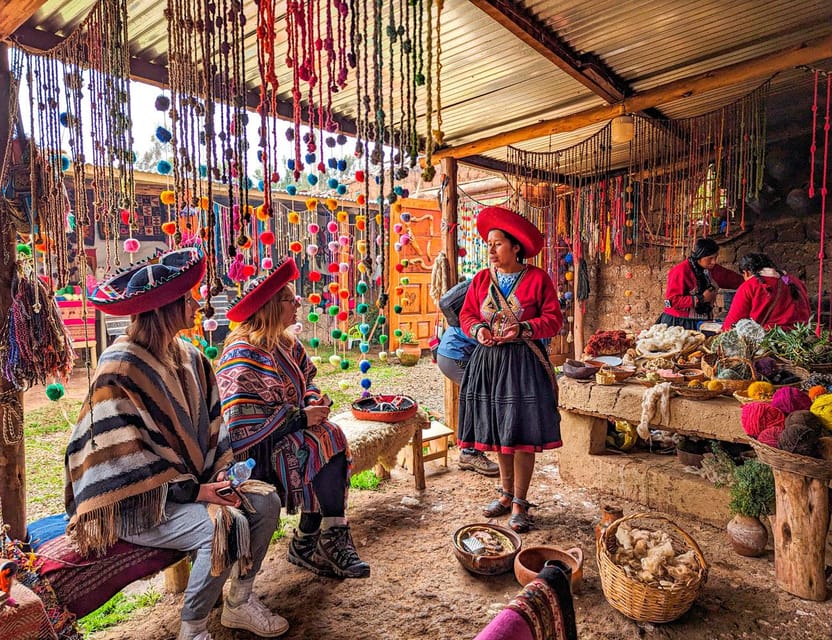
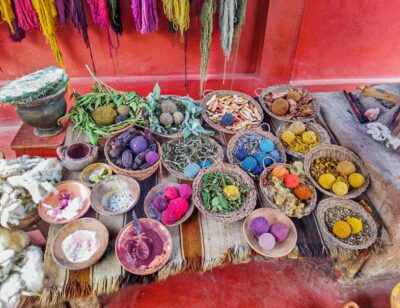
Chinchero is the “culture and craft” anchor of the day. The van drops you into a smaller, rustic town where weaving is a long-standing tradition, not a one-time performance for tourists. You’ll get a photo stop, then a guided visit focused on how Andean textiles are made with traditional techniques.
What I like here is that the textile story connects directly to daily life: clothing, identity, and local knowledge. It’s not only about what looks pretty on a scarf. The guide frames it so you understand what you’re seeing—fiber, pattern, and meaning.
You’ll also have time to shop. That’s part of the experience, but you can keep it simple: if you want a warm alpaca layer for the altitude swings around Cusco, this is often a good place to browse. If you don’t want to shop, you can still use the time to slow down, look at the methods, and take photos without feeling rushed.
One thing to plan for: this is often the most “hands-on” stop in terms of how your guide talks and demonstrates. Guides have names like Julio and Felipe in different groups, and people consistently mention the way guides switch between Spanish and English and keep explanations lively and clear. When it works, it’s the stop that makes the rest of the ruins feel more human.
More Pisac and Ollantaytambo ruins

Moray agricultural terraces: the weird, smart idea of growing crops by altitude
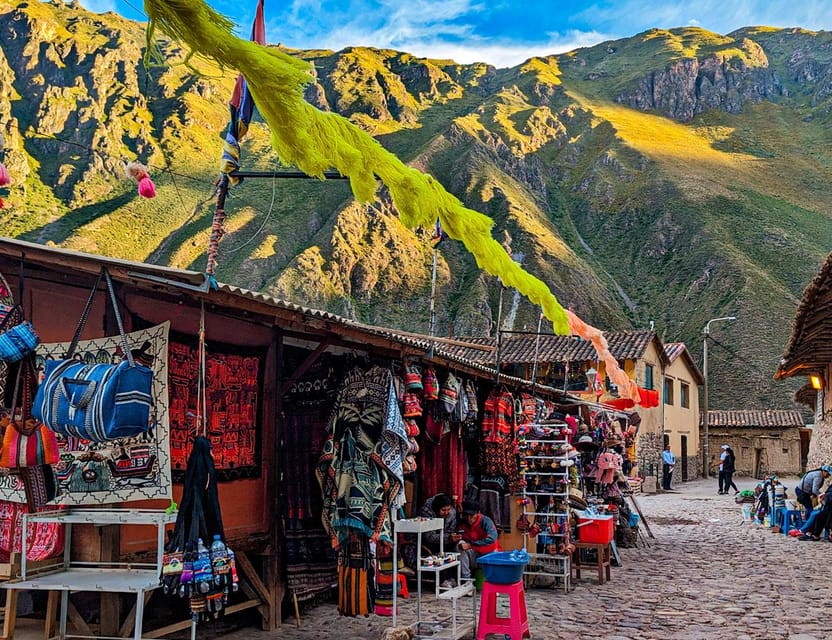
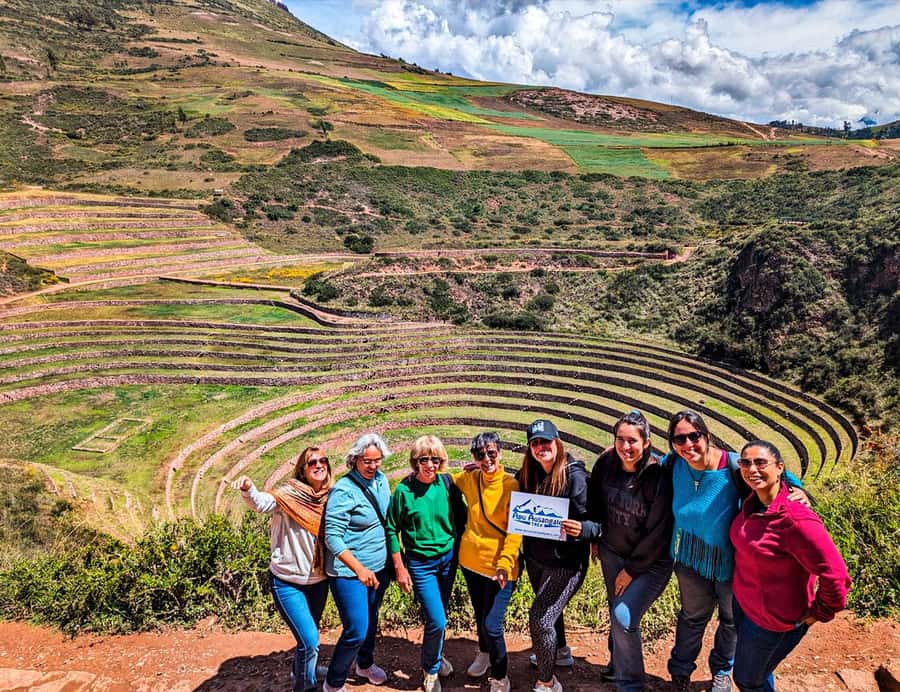
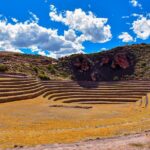
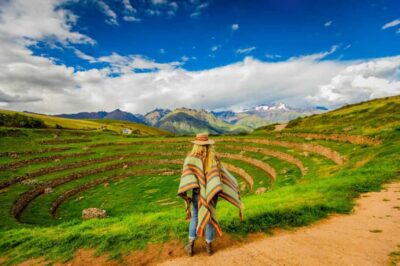
Then you head to Moray, a site that looks like someone stacked rings of stone into the hillsides. The terraces are built to solve a problem: mountain terrain isn’t always friendly for farming. The Incas used the terrain and temperature differences across levels to support growing different crops.
The guided part matters here. Moray can look like a cool set of ruins until someone helps you read it like a farm system. In this tour, you’ll get that “what you’re looking at” context while walking through the terraces area and taking a few strategic photos.
A practical note: Moray is outdoors, and the walk is short but sun exposure is real. Go in with sunglasses and sunscreen. If you’re sensitive to altitude or sun, take your time on the walk and drink water before you feel thirsty.
This stop also sets up the salt mines nicely. After Moray, the Salt Mines feel less random. You start to see a theme: Andean people engineered food and agriculture with the land they had.
Maras salt mines: 5,000-plus ponds and centuries of preservation logic
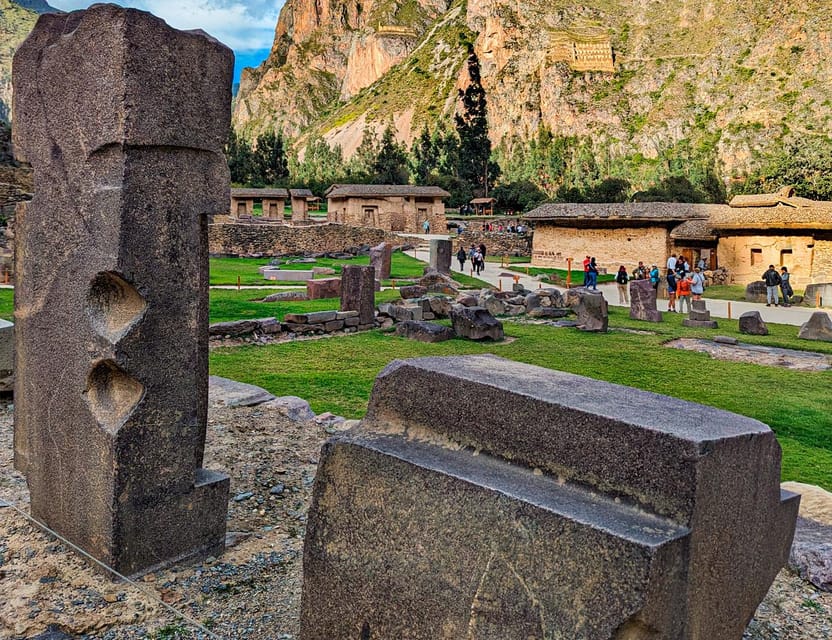
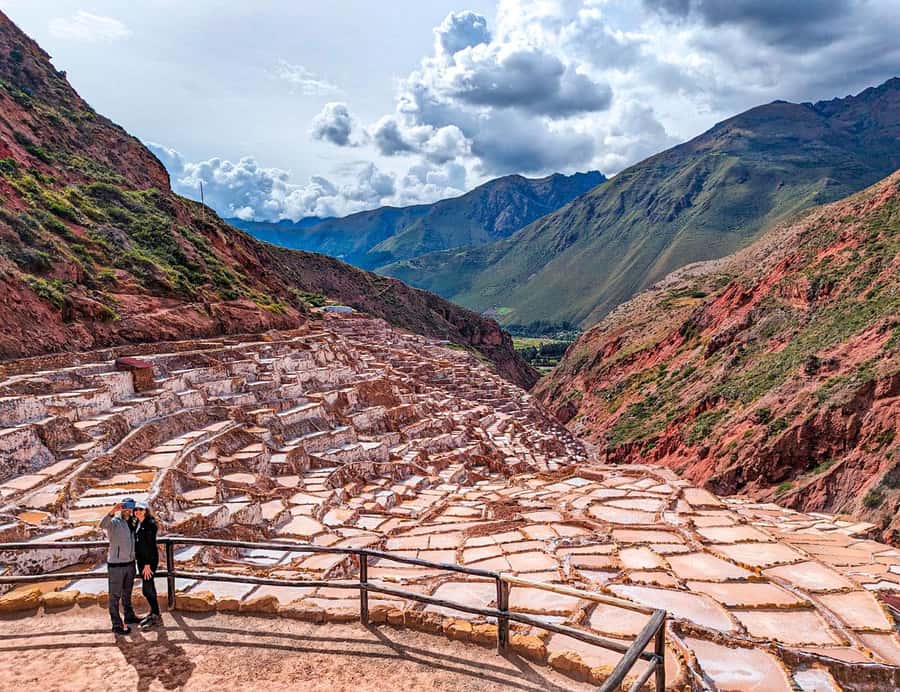
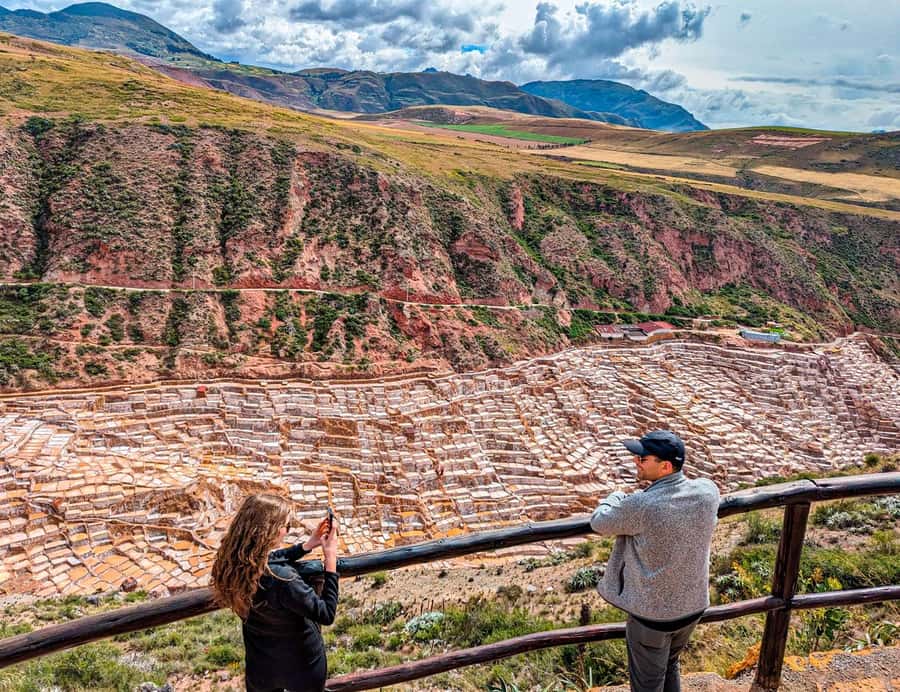
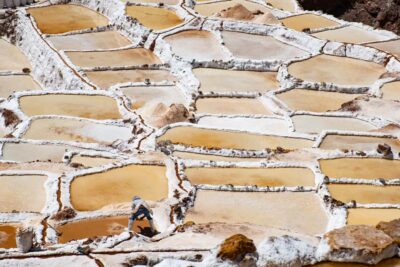
Maras is one of those places where your first reaction is usually visual disbelief. The salt ponds are many, and you’re walking around where the same basic production system has been used for a long time.
The guide explains the purpose: salt helped preserve food across long periods. So yes, it’s a landscape of tiny pools, but it’s also a lesson in practical storage and food security.
You’ll have:
- A guided visit
- A walk through the salt mine area
- Time for photos
- A chance to shop afterward in Maras
The salt mine entrance is extra (plan 20 PEN on site). Also remember you can’t bring drones—so if you were hoping for drone footage, skip that idea and focus on ground-level photos instead.
If you want the most value from the walk, keep your eyes moving. Look for how the ponds are arranged and how the terraces feel like an engineered patchwork on the hillside. That’s where the site becomes more than just scenery.
Urubamba buffet lunch: the meal break that keeps the afternoon smooth
Urubamba is where you refuel. You’ll get a buffet lunch with time to eat properly (about 45 minutes). This is a big deal on a day like this, because you’re stacking Chinchero → Moray → Maras → Ollantaytambo. Without a real lunch break, the afternoon climb can feel harder than it needs to.
From what people describe in real life, the buffet works for different diets, with options available and a calm enough setting to recover before the next stretch. Even if you eat simply, the lunch makes a difference in energy and patience.
Also: drinks aren’t included, so if you want something specific, plan to buy it there. Most people find it easiest to just drink water and keep it simple.
Ollantaytambo: the 200+ steps to the fortress viewpoint
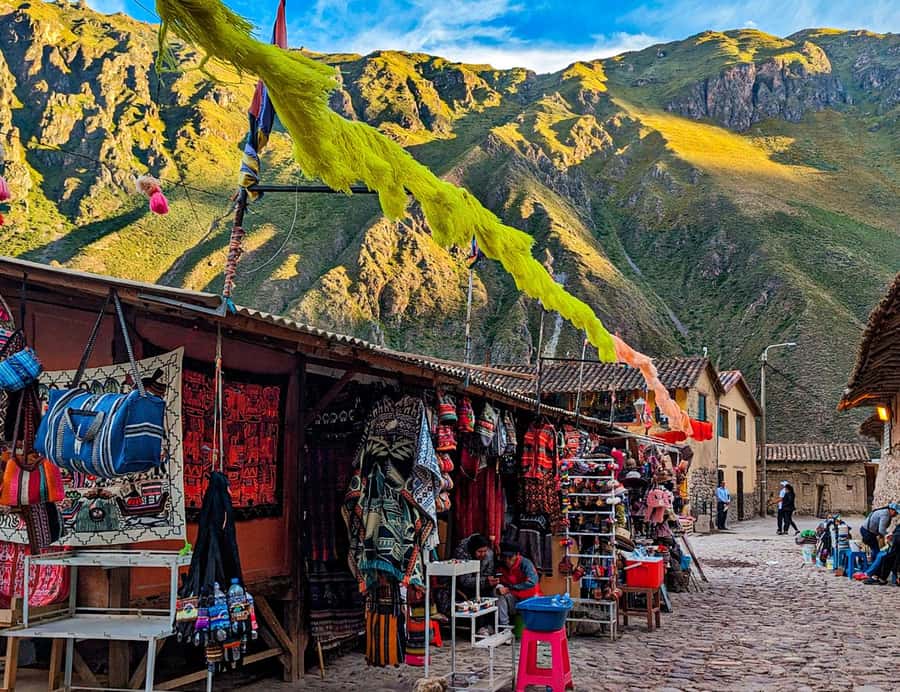
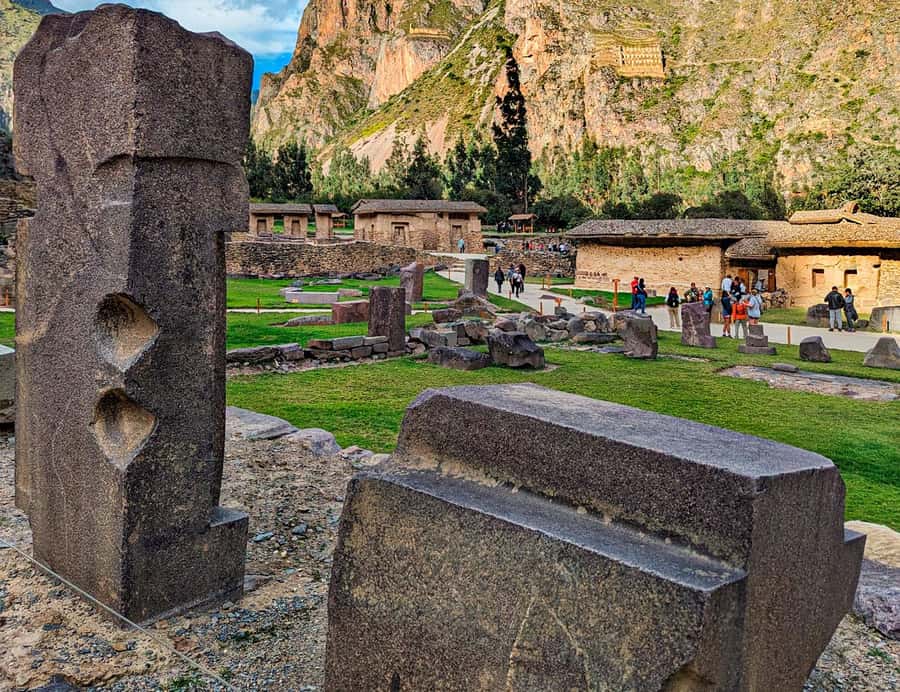
Ollantaytambo is the grand finale. After lunch and another drive, the tour brings you into town with a photo stop and then a guided visit.
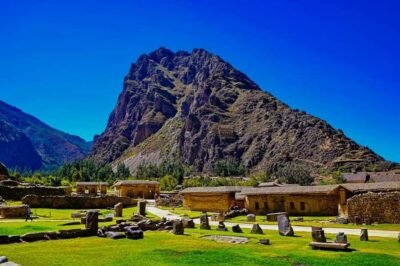
Here’s the physical part: you’ll climb over 200 steps to reach the top of an ancient terraced fortress that overlooks the town. This is a defensive location from Incan times, and the climb pays off because the viewpoint makes the layout easier to understand.
A few practical tips that matter:
- Go slow on the steps. You don’t need to race; it’s better to control your breathing.
- Bring water and use it before you feel winded.
- Take breaks if you need them. Your guide can usually help manage pace so you don’t feel stuck behind the group.
This is also where the tour’s “why it’s worth it” clicks for many people. You’re not just ticking off ruins. You’re ending in a town that still feels like it has a spine. The stones, terraces, and the way the town sits below create a clear sense of why this place mattered.
The timing sweet spot for your Machu Picchu train
The day typically ends around 15:30 in the Ollantaytambo main square or the train station. The practical advice is straightforward: if you’re catching a train, plan for departures after 16:00 to avoid getting stuck in a timing crunch.
Why this matters: you’ll finish with your guide and then you need time to get to the station area, handle your tickets, and find your platform without rushing. Even if the transport is efficient, a tight train schedule can turn a great day into a stressful one.
If you book a private service, you usually get more flexibility. The guide can tailor the time so the tour ends according to your train time (or even your hotel timing, depending on the arrangement).
Small-group feel: why the day doesn’t drag
Even though the day is packed, the pace tends to feel “moving” rather than “crowded.” People often point out that the tour is well organized, with enough guidance to make sense of each stop.
A big reason it works is the guide’s control of energy. In different groups, I’ve seen bilingual guides like Julio, Nora, Felipe, Ricardo, Manuel, and Diego praised for staying on schedule while also answering questions clearly in both Spanish and English. When your guide does that, you spend your time understanding what you’re seeing instead of guessing.
You also get multiple short breaks: photo stops and short walks keep it from feeling like one long slog. The day can feel fast because you’re not stuck in one place too long.
What to bring (so you don’t regret it later)
This is one of those days where packing smart beats packing fancy. Bring:
- Sunglasses
- Sun hat
- Camera
- Sunscreen
- Water
- Cash
Also keep in mind the no-drone rule and the no-alcohol-and-drugs rule. It’s a straightforward set of boundaries, but it helps everything stay smooth.
If you’re sensitive to sun or altitude, wear layers. Even in the Sacred Valley, conditions can shift.
Who should book this Sacred Valley tour (and who might not)
You’ll probably love this tour if:
- You want the Sacred Valley overview without juggling multiple tickets, taxis, or separate guides.
- You’re doing Machu Picchu and need a one-way transfer style day that ends in Ollantaytambo.
- You like a mix of culture (textiles), engineered agriculture (Moray), and food history (salt mines).
- You prefer a guided explanation that makes ruins and landscapes easier to read.
You might choose a different plan if:
- You want long, slow wandering time at fewer sites. This is efficient by design.
- You dislike climbs. Ollantaytambo includes a major step climb (over 200 steps).
- You’re hoping for drinks or a more “all-inclusive” experience. You’ll pay for tickets and drinks separately.
Should you book this Cusco to Ollantaytambo Sacred Valley tour?
Yes, if your goal is a practical, high-value day that connects the Sacred Valley’s human side with Incan engineering—and then drops you in Ollantaytambo for your next move. The price-to-scope ratio is strong: hotel pickup, transportation, bilingual guiding, and a buffet lunch for one set cost, with only a couple site-ticket add-ons.
Book it especially if you’re thinking about Machu Picchu and want to end around 15:30 in Ollantaytambo. Just plan your train timing after 16:00 and bring cash for the extra tickets.
If you’re comfortable with outdoor walks and one real climb, you’ll get a lot out of this day—more than just photos. You’ll leave with a clearer sense of how people in this region built food systems, worked fibers, and defended towns.
FAQ
Where does the tour start?
It starts with pickup from your hotel in Cusco.
How long is the tour?
The duration is about 8–9 hours.
Is the guide bilingual?
Yes. The guide is listed as Spanish and English.
What’s included in the price?
Pickup from your Cusco hotel, a bilingual guide, transportation, a buffet lunch in Urubamba, and drop-off in Ollantaytambo (train station or main square).
Do I need to buy tickets for the sites?
Yes. A partial tourist ticket for Chinchero, Moray, and Ollantaytambo can be purchased at the first site for 70 PEN, and there is an additional entrance ticket for the salt mine (about 20 PEN) purchased on site.
Is lunch included?
Yes. You get a buffet lunch in Urubamba.
Does the tour include drinks?
No. Drinks are not included.
Where do you get dropped off at the end?
You’re dropped off in Ollantaytambo, either at the train station or the main square.
What time does the tour end, especially for train planning?
The tour ends around 15:30. If you’re taking a train, it’s recommended to book after 16:00.
What should I bring and avoid?
Bring sunglasses, a sun hat, camera, sunscreen, water, and cash. Drones are not allowed, and alcohol and drugs are also not allowed.
More Tour Reviews in Cusco


More Pisac and Ollantaytambo

More Salt Pans and Terraces
Recent write-ups from around Cusco, just off the trail
- Cuzco: Rainbow Mountain Excursion
★ 5.0 · 3 reviews - 1 day excursion to Qeswachaka bridge and the 4 lagoons
★ 3.6 · 3 reviews - Waqrapukara 1 day trekking + meals
★ 3.9 · 3 reviews - Valle Sur Cusco | half day
★ 4.3 · 3 reviews - Full-Day Condor Viewpoint & Inca Sites Tour
★ 5.0 · 3 reviews
Maras & Moray Salt Mines, compared.
 ★ 4.8From Cusco: Sacred Valley & Maras Salt Mines Tour with LunchFrom $282,227 reviews
 ★ 4.8From Cusco: Moray, Maras Salt Mines & Chinchero Weavers TourFrom $151,925 reviews
 ★ 4.6Sacred Valley, Pisac, Ollantaytambo, Salt Mines MorayFrom $281,058 reviews
 ★ 4.8Sacred Valley: Chinchero, Moray, Ollantaytambo & Pisac+LunchFrom $25501 reviews
 ★ 4.6Sacred Valley: Maras & Moray by Quad Bike from CuscoFrom $39418 reviews
 ★ 4.7From Cusco: Quad bike tour Moray and Salt MinesFrom $27314 reviews
 ★ 5.0From Cusco: Moray, Maras Salt Mines & Chinchero Weavers Half-DayFrom $15126 reviews
 ★ 4.5From Cusco: Chinchero, Moray, Maras and OllantaytamboFrom $4583 reviews
Browse the lists this tour appears in