
REVIEW · MARAS & MORAY SALT MINES
From Ollantaytambo: Moray, Maras, and Chinchero Guided Tour
Three Inca stops, one smooth day.
This guided loop through the Sacred Valley feels focused: you go from Moray’s terrace “lab” to the still-working salt pools of Maras, then finish with Chinchero’s textile craft. You also get round-trip transportation that saves time and stress when you’re based in Ollantaytambo.
What I like most is how the guide connects each place to a real purpose, not just ruins on a map. I’m especially into the working salt pools at Maras and the hands-on textile storytelling in Chinchero, where wool and cotton become yarn and then color through natural pigments.
One caution: tour communication can be hit-or-miss. On this kind of day trip, I’d plan for the possibility of a delayed WhatsApp message or an initial meetup mix-up, and I’d build in a little patience.
In This Review
- Key things to know before you go
- One-day Sacred Valley loop from Ollantaytambo
- Moray’s circular terraces: a working Inca agriculture lab
- Maras salt mines (Salineras): 2,000 pools still in use
- Chinchero textile interpretation: from sheep to yarn to natural dyes
- Cusco Tourist Ticket and site entrances: don’t let tickets steal your momentum
- Timing, transport, and what a full day really feels like
- When your guide is great, the sites click: Juan Carlos, Yasmina, Yesica
- A communication reality check (worth preparing for)
- What to pack for Moray, Maras, and Chinchero in one day
- Should you book this tour from Ollantaytambo?
- FAQ
- How long is the Moray, Maras, and Chinchero guided tour?
- What does the tour include?
- Are entrance fees included?
- Which sites will I visit?
- What languages is the guide offered in?
- What should I bring for the day?
- Is the tour wheelchair accessible?
- Can I cancel for a refund?
Key things to know before you go
- Moray’s terraces explained clearly: you’ll learn how circular platforms created different microclimates and how irrigation supported crops
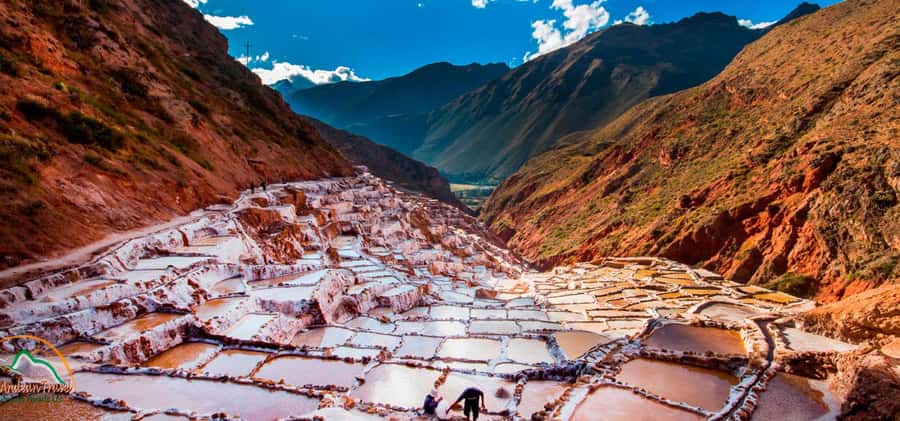
- Maras is still active: see about 2,000 salt pools and how local families extract salt using traditional methods
- Chinchero textiles are the main event: watch how wool/cotton becomes yarn and how dyes use natural pigments
- Skip the mental math: guided transport ties three far-flung sites into one manageable day from Ollantaytambo
- Timing can help you avoid crowds: routes may allow earlier access before big bus groups arrive
- Tickets aren’t included: you’ll need the Cusco Tourist Ticket and extra entry for Salineras in many cases
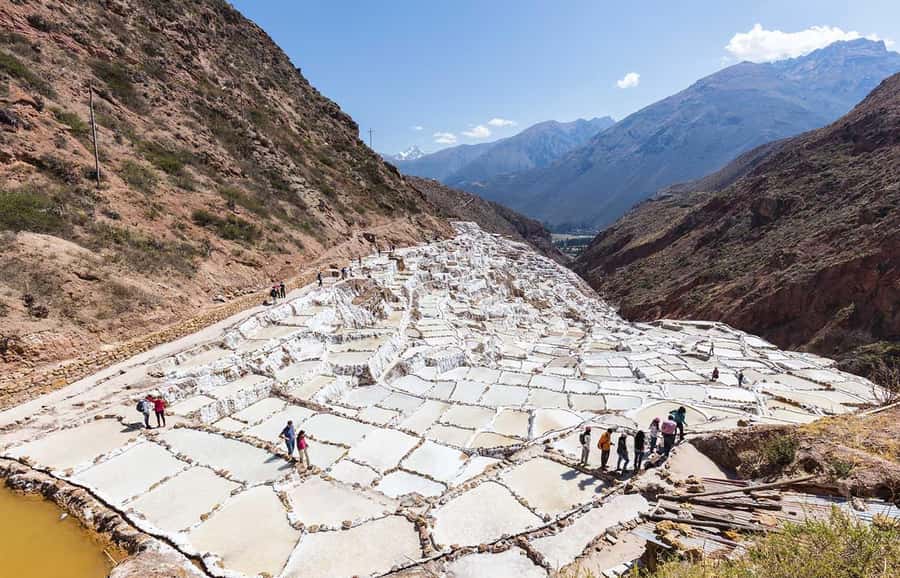
More Maras salt pans and Moray terraces
- From Cusco: Sacred Valley & Maras Salt Mines Tour with Lunch★ 4.8 · 2,227 reviews
- From Cusco: Chinchero, Moray, Maras, Ollantaytambo and Pisaq★ 4.6 · 11 reviews
- From Ollantaytambo: Moray, Maras, and Chinchero Guided Tour★ 4.5 · 11 reviews
- From Ollantaytambo:Private tour to Maras and Moray half day★ 4.6 · 7 reviews
One-day Sacred Valley loop from Ollantaytambo
If you’re staying in Ollantaytambo, this day trip is a smart way to hit three headline Sacred Valley stops without negotiating buses, shared vans, or schedules. The whole idea is simple: you get picked up at a meeting point in Ollantaytambo, travel to Moray and Maras, then end in Chinchero for textiles before returning to town.
At $80 per person with a professional guide and tourist transport included, the value comes from efficiency. You’re not just paying for views. You’re paying for someone to translate the sites—Inca agriculture at Moray, salt production at Maras, and fiber arts at Chinchero—so the day makes sense even if you’re not steeped in Andean history.
There’s one practical trade-off. Entry tickets are not included (Cusco Tourist Ticket and often Salineras). So part of your “cost” is planning: buy the right ticket(s) ahead of time and arrive ready with cash and patience for ticket counters.
Moray’s circular terraces: a working Inca agriculture lab
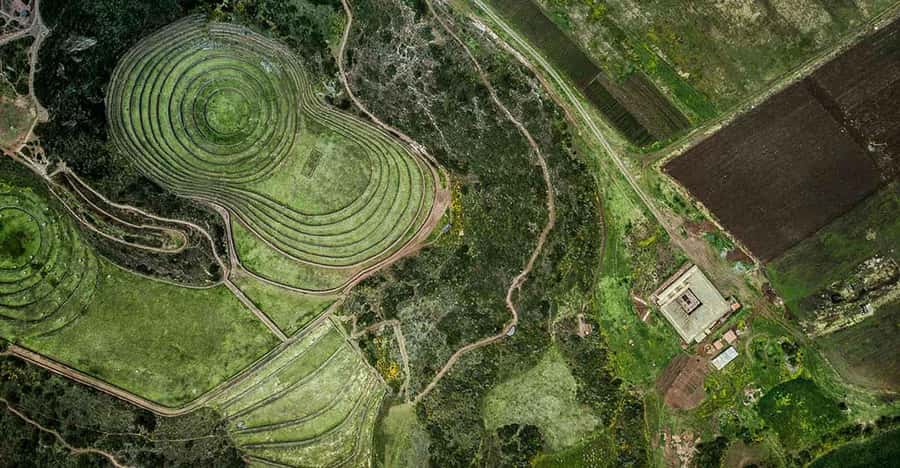
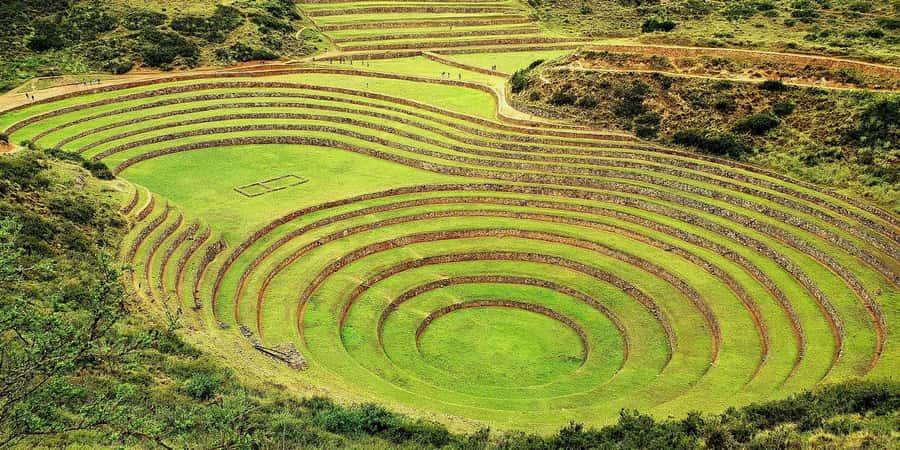
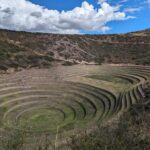
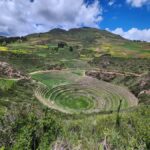
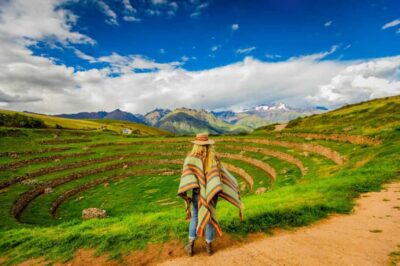
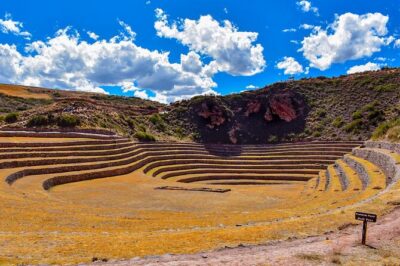
Moray is the kind of place where first impressions are great and then, with the guide’s explanation, it gets better. You arrive to circular terraces that look almost architectural—like an amphitheater made for plants. But the point was agricultural testing. The terraces helped the Incas create different growing conditions in the same general area.
Here’s what makes this stop worth your time:
- Microclimates on purpose: the terraces create variations in temperature and exposure as you move from level to level
- Irrigation matters: you’ll see how the site’s water system supported cultivation across the terraces
- It’s visual, not abstract: once you understand the logic, the terraces stop looking random and start looking engineered
You’ll want comfortable shoes, because even though you’re not hiking a long distance, walking around uneven surfaces and along terraces takes steady footing. This is also a good place for your camera, but watch your step first—terraces reward looking, not rushing.
A small drawback to keep in mind: Moray is a site where details matter. If you show up late or you’re exhausted, you may miss the explanation that turns the terraces from pretty to meaningful. Aim to be alert here.
Maras salt mines (Salineras): 2,000 pools still in use
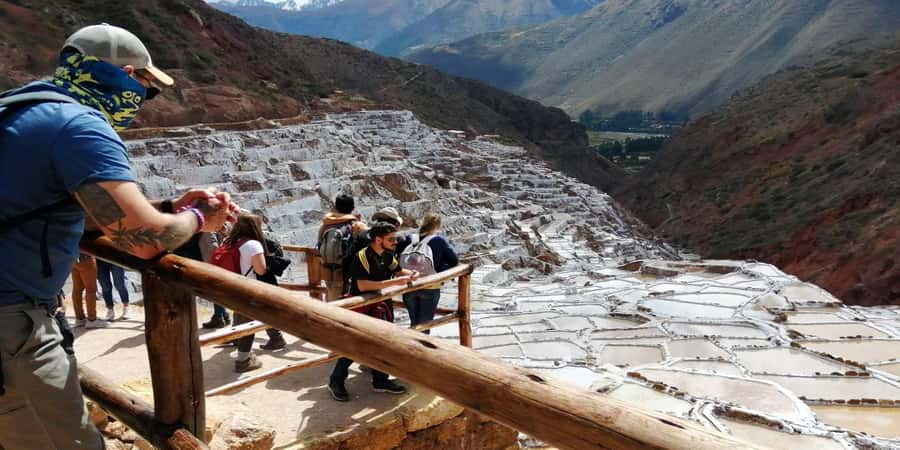
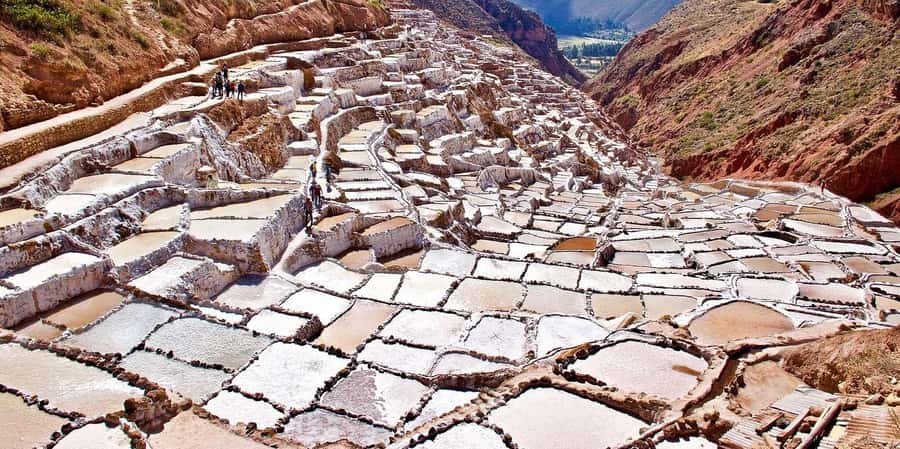
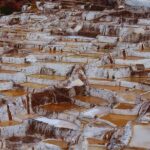
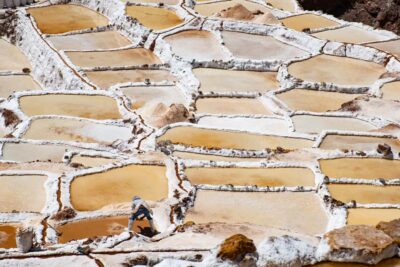
Then you head to Maras. This is the emotional pivot point of the day trip, because the salt pools aren’t just ruins—they’re a working production landscape. You’ll see roughly 2,000 salt pools, divided into small plots that local families use to extract salt.
What you’ll learn (and what you should look for) is the link between geography and process. Salt is produced through repeated evaporation, and these pools are arranged so water can flow and concentrate into salt. Even if you don’t get a hands-on demonstration, the layout gives you the story: a system built for work, not display.
Practical notes:
- Expect sun. This stop can feel bright and exposed, so sunscreen and a sun hat are worth their weight in gold
- Bring your water and take breaks when you need them
- Take photos with a little patience; the pools create repeating patterns, which are fun to frame but easy to overshoot if you rush
Tickets are another practical consideration. Entrance to Salineras is not included (listed at 20 soles), so you should plan for that cost even if the rest of the tour feels like a fixed-price package. I’d treat Salineras as its own line item in your budget.
Also, if you’re hoping for the photo moment without crowds: the routing on these tours can sometimes help. One guide’s route included time before large tour buses arrived, which made a difference for photos and walking comfort.
Chinchero textile interpretation: from sheep to yarn to natural dyes
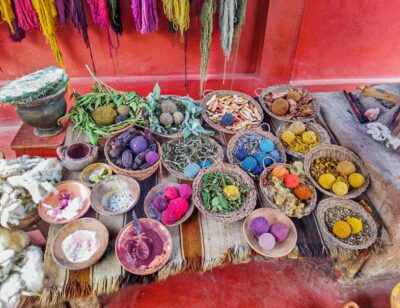
Chinchero is where the day trip shifts from “science and production” to craft. The main experience here is a visit to a textile interpretation center where you’ll learn how traditional methods turn wool and cotton into yarn. Then comes the part I always find most interesting: dyeing.
Chinchero’s textile story includes natural pigments, and that’s the detail that separates this stop from a basic souvenir stop. When you understand the dye process, the colors you see in textiles stop looking like decoration and start looking like chemistry and tradition working together.
What to watch for:
- Listen to how the fiber is processed step-by-step (you’ll get the sequence, even if you don’t catch every detail)
- Pay attention to the natural pigment explanation—this is the education piece that makes the visit feel worth it
- If you’re buying later, you’ll recognize what’s more craft-based versus what’s just mass-produced
Time-wise, this is also a nice place to slow down. It’s not about squeezing in as many views as possible. It’s about learning a skill and seeing it translated into products you can understand.
You may also want to keep a small amount of energy for the shop area, if the center has one. One practical tip that came up repeatedly: plan for hunger. Lunch often lands around 13:30 for many schedules, so having a snack helps if you’re the type who feels snack-urgent.
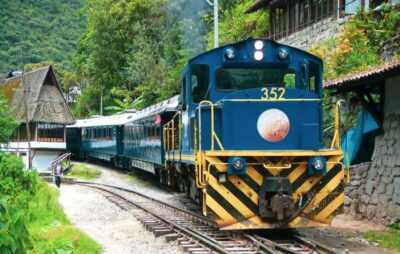
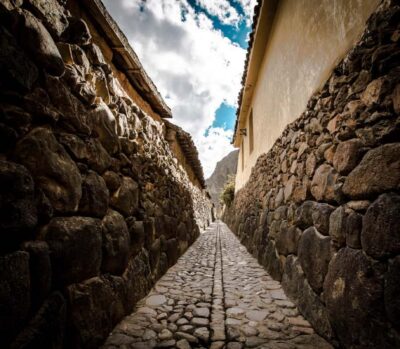
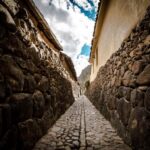
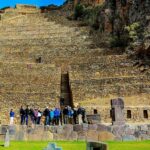
More Pisac and Ollantaytambo ruins
Cusco Tourist Ticket and site entrances: don’t let tickets steal your momentum
This tour includes Moray and includes transport plus a guide, but it doesn’t automatically include site tickets. The key items listed are:
- Cusco Tourist Ticket: nationals 40 soles, foreigners 70 soles
- Salineras entrance: 20 soles
In real life, this can make or break the day. If you arrive without the correct ticket, you’ll lose time while someone runs around finding options. If you arrive with the right ticket, the tour feels smooth.
One thing I’d do: use your ticket strategically. On a similar Sacred Valley day, a traveler used the Cusco Tourist Ticket for two locations on the route. You can’t assume every stop is covered, so ask your guide which entrances accept your ticket. This keeps you from paying twice accidentally.
If you’re budgeting tightly, remember the tour price is only the beginning. Your total day cost includes ticket entries. If you’re flexible, that extra planning time is usually small compared with the value of not getting stuck.
Timing, transport, and what a full day really feels like
The duration is 1 day, and the shape of your day is typical: pickup in Ollantaytambo, drive between sites, guided stops, then return. The advantage is obvious—you don’t need to figure out transportation between Moray, Maras, and Chinchero.
In practice, the day is a mix of walking and waiting. Walking is light to moderate, but you’ll cover ground at each stop: terraces at Moray, paths around pools at Maras, and moving around in the interpretation center area in Chinchero.
The schedule can also influence your crowd experience. In one instance, the route allowed earlier access before large tour buses arrived. That meant less friction for photos and more calm for listening. It’s not guaranteed, but it’s a strong reason to show up on time at the meeting point.
One more detail: languages. The guide is offered in Spanish and English, which is helpful if you’re comfortable with either. If you want to ask questions, a strong guide will slow down at key moments and explain what you’re looking at.
Not for everyone: this experience is not suitable for wheelchair users, so if mobility is a concern, you’ll want a different plan.
When your guide is great, the sites click: Juan Carlos, Yasmina, Yesica
On this type of day trip, the difference between a good day and a painful one often comes down to the guide. And with this specific tour, guide quality shows up clearly in feedback.
- Juan Carlos earned praise for clear English, strong knowledge, and taking plenty of pictures for the group. That matters because it helps you feel like the experience is moving with you, not just past you.
- Yasmina came up in a story where communication failures almost ruined the day, yet the guide’s performance saved the overall experience. In other words: the explanation can be the saving grace even when logistics wobble.
- Yesica was also described as excellent, which supports the pattern: when the guide is on point, the three very different stops feel connected.
This is why I treat “professional guide” as more than a checkbox. Your guide is the translator for Moray’s terraces, the interpreter of Maras’s still-working salt economy, and the storyteller for Chinchero’s textile methods.
A communication reality check (worth preparing for)
One warning from real experiences with this provider style of service: sometimes pickup details and updates aren’t delivered smoothly. In one case, a traveler waited at the meeting spot for about 1.5 hours after no one showed up, then eventually got the tour on a later day with a partial mismatch in what was expected. In another case, messages didn’t get responses until close to departure.
What you can do:
- Be early for the meeting point
- Keep an eye on WhatsApp or any contact method the operator uses
- If you don’t hear anything, don’t just wait in silence—proactively follow up
If you’re the kind of traveler who hates uncertainty, this is the part to manage. Still, even in messy situations, the on-the-ground guidance can make the sites land well.
What to pack for Moray, Maras, and Chinchero in one day
You’ll get the best day with the basics covered. The tour suggests:
- Comfortable shoes
- Sun hat
- Camera
- Sunscreen
- Water
I’d add one small practical habit: bring a snack. One traveler noted lunch around 13:30 and suggested snacks for when hunger hits. If your energy is tied to food timing, pack something small and easy.
And if you’re sensitive to sun, assume Maras is bright. Plan your photo stops with short breaks so you don’t spend the afternoon overheated.
Should you book this tour from Ollantaytambo?
I’d book it if you want a guided, efficient one-day hit of three Sacred Valley anchors and you like learning the why behind what you see. The tour makes sense for:
- first-time Sacred Valley visitors based in Ollantaytambo
- travelers who want guidance at multiple stops, not just driving between them
- people interested in how agriculture, salt production, and textiles connect to Andean life
I’d pause before booking if you’re very sensitive to communication issues or if you need absolute certainty about meeting timing. Also, if mobility is limited, this one isn’t listed as wheelchair-friendly.
One last decision helper: treat this as a “guided experiences” purchase, not a “set-and-forget package.” Confirm which ticket(s) you need for each stop, and show up early. If you do that, this day trip can feel like three meaningful lessons in a single loop.
FAQ
How long is the Moray, Maras, and Chinchero guided tour?
It’s listed as a 1-day experience.
What does the tour include?
Included items are pickup at the meeting point in Ollantaytambo, tourist transportation, and a professional guide.
Are entrance fees included?
No. The Cusco Tourist Ticket is not included (nationals 40 soles, foreigners 70 soles). Entrance to Salineras is also not included (20 soles).
Which sites will I visit?
You’ll visit Moray, the salt mines of Maras (Salineras), and Chinchero, including a textile interpretation center.
What languages is the guide offered in?
The live guide is available in English and Spanish.
What should I bring for the day?
Bring comfortable shoes, a sun hat, camera, sunscreen, and water.
Is the tour wheelchair accessible?
It’s not suitable for wheelchair users.
Can I cancel for a refund?
Yes. Free cancellation is available up to 24 hours in advance for a full refund.
More Tour Reviews in Ollantaytambo


More Pisac and Ollantaytambo
More Salt Pans and Terraces
Recent write-ups from around Ollantaytambo, just off the trail
- From Cusco: Ollantaytambo Fortress Half-Day Private Tour
★ 5.0 · 3 reviews - Cusco: Sacred Valley + Maras and Moray
★ 4.5 · 4 reviews - From Ollantaytambo:Private tour to Maras and Moray half day
★ 4.6 · 7 reviews - From Cusco: Sacred Valley Group Tour with Buffet Lunch
★ 5.0 · 9 reviews - From Cusco: Chinchero, Moray, Maras, Ollantaytambo and Pisaq
★ 4.6 · 11 reviews
Maras & Moray Salt Mines, compared.
 ★ 4.8From Cusco: Sacred Valley & Maras Salt Mines Tour with LunchFrom $282,227 reviews
 ★ 4.8From Cusco: Moray, Maras Salt Mines & Chinchero Weavers TourFrom $151,925 reviews
 ★ 4.6Sacred Valley, Pisac, Ollantaytambo, Salt Mines MorayFrom $281,058 reviews
 ★ 4.8Chinchero,Moray & Salt Mines drop-off in OllantaytamboFrom $27793 reviews
 ★ 4.8Sacred Valley: Chinchero, Moray, Ollantaytambo & Pisac+LunchFrom $25501 reviews
 ★ 4.6Sacred Valley: Maras & Moray by Quad Bike from CuscoFrom $39418 reviews
 ★ 4.7From Cusco: Quad bike tour Moray and Salt MinesFrom $27314 reviews
 ★ 5.0From Cusco: Moray, Maras Salt Mines & Chinchero Weavers Half-DayFrom $15126 reviews
Browse the lists this tour appears in