
REVIEW · PISAC & OLLANTAYTAMBO
From Cusco: Ollantaytambo Fortress Half-Day Private Tour
Cusco to Ollantaytambo hits fast, in the best way. I love seeing Inca stonework up close, and I also like how the town is still lived in, not staged. One thing to consider: the fortress visit involves climbing 150 steps, so plan for real footwork, not just a stroll.
You’ll spend your half day in the Sacred Valley, moving at a calm pace with a bilingual guide (English/Spanish). Ollantaytambo is a place with layered roles—religious, military, and agricultural—and the ruins reflect that everywhere you look. If you’re hoping for zero walking, this may feel like more than you bargained for.
Logistics are straightforward: pickup and drop-off from hotels in the Cusco Historic Center, plus a professional guide. You’ll still want to sort one key item ahead of time: the Cusco Tourist Ticket (BTC) is required for the fortress visit.
In This Review
- Key points you’ll feel on the ground
- Ollantaytambo Fortress: what makes it more than a viewpoint
- Cusco pickup and getting into the Sacred Valley rhythm
- The climb you’ll remember: 150 steps to the fortress summit
- Temple of the Sun and the Terrace of the Ten Niches
- Temple of the Sun: mass, precision, and purpose
- Terrace of the Ten Niches: design you can read with your eyes
- Fortress as military, religious, and agricultural center
- Cobblestone streets and quiet ruins, then straight into the town
- What makes the town plan special
- Price and value: is $126 per person worth it?
- What to bring and what to expect physically
- Who this private tour suits best
- Should you book this Ollantaytambo half-day private tour?
- FAQ
- Do I need the Cusco Tourist Ticket (BTC) to visit Ollantaytambo Fortress?
- How long is the Ollantaytambo Fortress half-day private tour?
- Is the tour private or shared?
- What’s included in the price?
- What is not included?
- Where does pickup happen in Cusco?
- Is the tour suitable for wheelchair users?
- What should I bring and what’s not allowed?
Key points you’ll feel on the ground
- 150-step climb up from the lower fortress area to the summit viewpoint and main structures
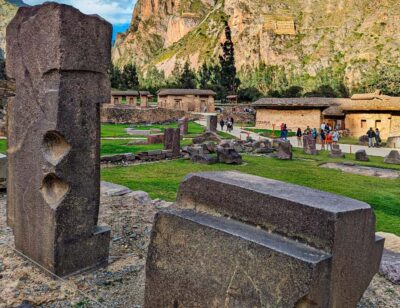
- Temple of the Sun with six massive pink granite monoliths weighing more than 50 tons total
- Terrace of the Ten Niches, where you can read Inca design through repeating stone forms
- Manco Inca vs. Hernando Pizarro story link tied to this strategic fortress site
- Ollantaytambo town planning: narrow streets and shared-door house groups around a central patio
- Urubamba River orientation: the town opens toward the river, making the walk feel natural and lived-in
More Pisac and Ollantaytambo ruins
- From Ollantaytambo:Moray, Salt Mines, Chinchero end in Cusco★ 5.0 · 42 reviews
- From Cusco: Sacred Valley ending in Ollantaytambo and Lunch★ 4.3 · 36 reviews
- From Cusco: Chinchero, Moray, Maras, Ollantaytambo and Pisaq★ 4.6 · 11 reviews
- From Ollantaytambo: Moray, Maras, and Chinchero Guided Tour★ 4.5 · 11 reviews
Ollantaytambo Fortress: what makes it more than a viewpoint
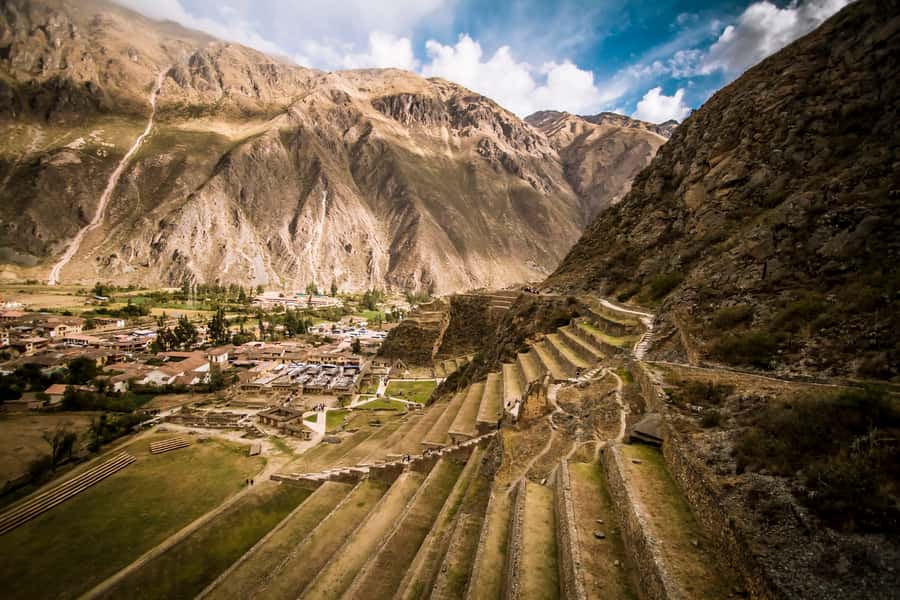
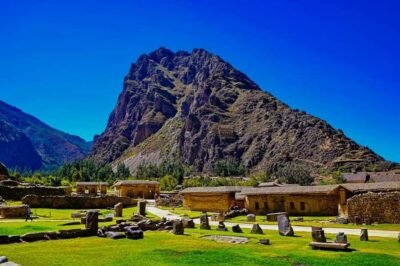
Ollantaytambo has a way of feeling practical, not just impressive. The Inca built here as if they expected people to keep working, worshiping, and defending the place for generations. So when you stand on the platforms and terraces, it’s not abstract. You can sense the function in the stone.
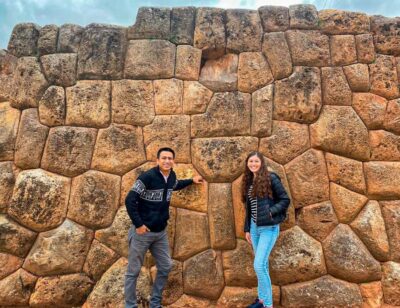
I really liked two things about this stop. First, the stone engineering is close enough to inspect. You’re not looking at tiny details from far away—you’re standing right next to the worked masonry and terraces. Second, the town right after the ruins still runs on old patterns, so the visit doesn’t end when the fortress walk ends.
A small caution: you’re mixing ruins plus town walking into one half day. The fortress steps are the big commitment, but you’ll also want comfortable shoes for the cobbled and uneven areas.
Cusco pickup and getting into the Sacred Valley rhythm
Your tour starts with pickup and drop-off from hotels in the Cusco Historic Center. That matters because it removes a chunk of stress. No searching for a meeting point in a maze of streets before you’ve had your first coffee.
From there, you’re heading into the Sacred Valley area toward Ollantaytambo, about 80 km from Cusco. It’s also roughly 40 km from Machu Picchu, so the region has that same overall vibe—mountains, valleys, and long views—without needing to spend the whole trip on the famous site.
The half-day timing is a real plus. You get a meaningful dose of Inca history without turning the day into a logistics marathon. If you’ve got Machu Picchu coming later, this kind of paced “warm-up” day can help you understand the geography and the building style you’ll see again.
The climb you’ll remember: 150 steps to the fortress summit
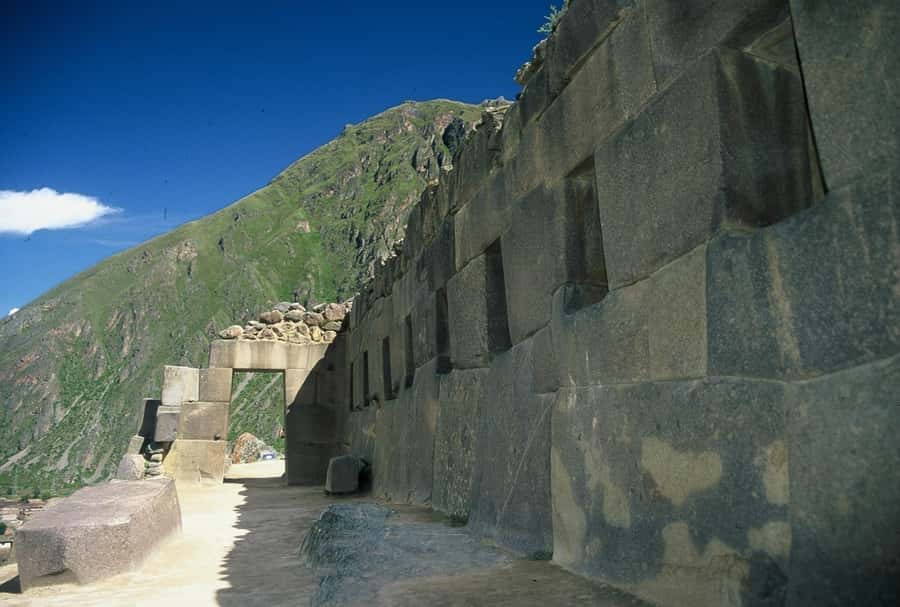
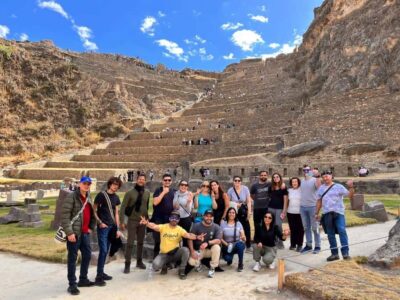
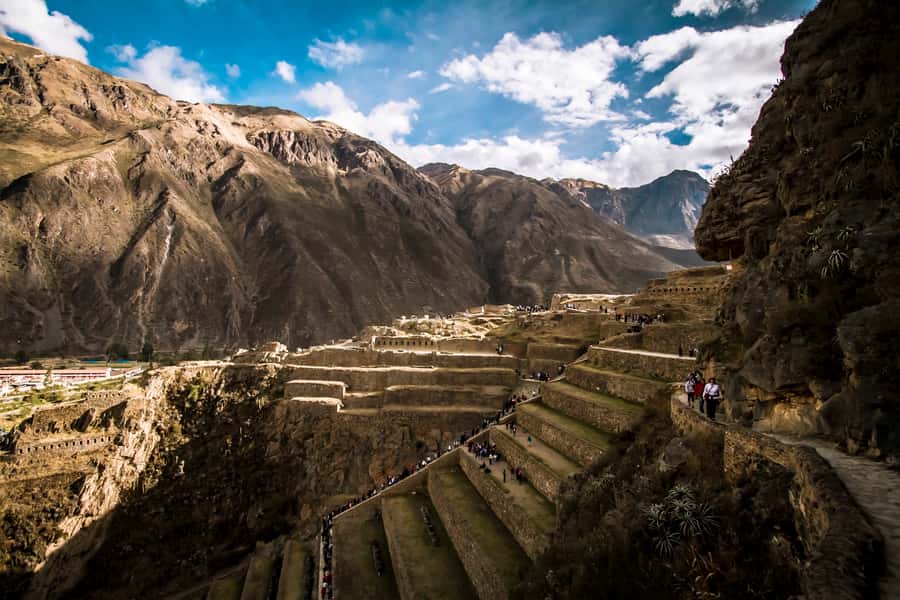
The core of the tour is a guided visit to the Ollantaytambo fortress complex. You’ll climb 150 steps that separate the lower part of the fortress from the summit area. It’s not just a climb for the sake of exercise—you’re going up to the heart of the site.
Along the way, you’ll notice the cobbled, winding feel of the fortress spaces. The paths and street-like passages help you imagine how the Inca moved through the complex. It’s easier to understand the layout when you’re walking it, not reading it in a guidebook.
Two structures become your anchors near the top:
- The Temple of the Sun, formed by six huge monoliths of pink granite with a total weight of more than 50 tons
- The Terrace of the Ten Niches, with repeating stone forms that show how the Incas built rhythm into their architecture
Even if you don’t memorize every feature, I found these two highlights give you a clean mental picture of what you’re looking at.
Temple of the Sun and the Terrace of the Ten Niches
Let’s talk about what you’re actually seeing, and why it matters.
Temple of the Sun: mass, precision, and purpose
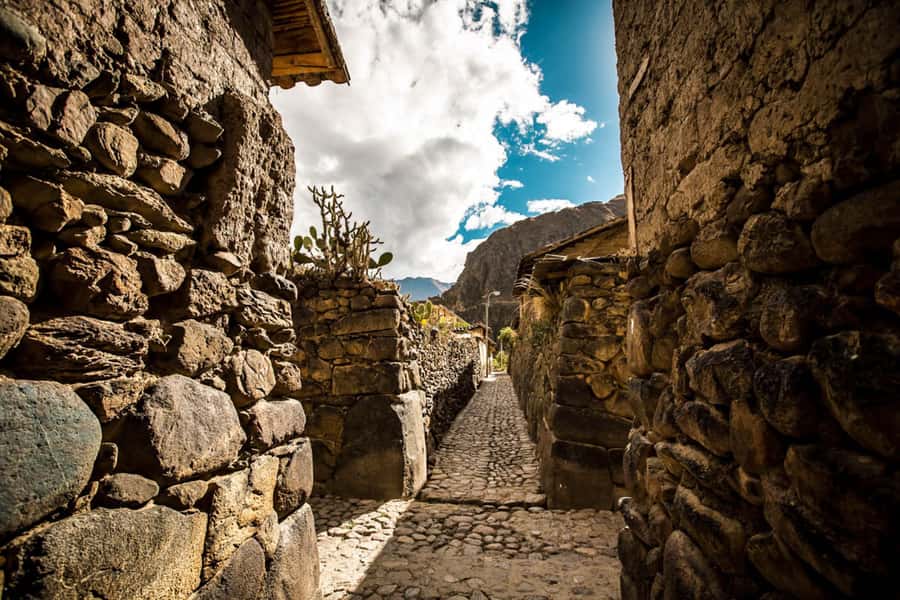
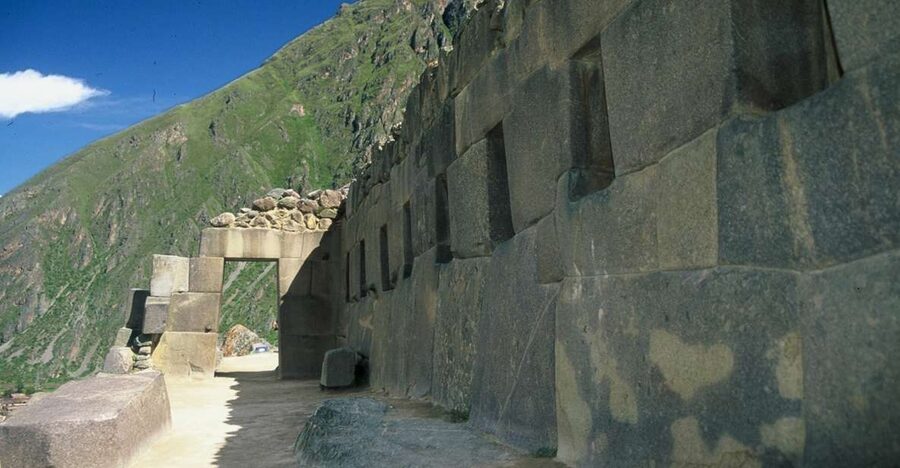
The Temple of the Sun is one of those places where scale changes your perspective. Those six pink granite monoliths aren’t just decorative. They’re central, heavy, and unmistakably deliberate. When a guide points out the sheer weight and the idea of multiple monoliths forming a single sacred focus, you start to understand the Incas as builders with organization and long-term planning.
The pink granite detail is also a visual clue. It helps you locate the main sacred space quickly as you move through the fortress area.
Terrace of the Ten Niches: design you can read with your eyes
The Terrace of the Ten Niches works like a design lesson. Niches are repetition, but they also serve as structure and visual framing. You’ll likely notice how the architecture creates edges—lines you can follow with your body as you walk along the terrace area.
If you enjoy architecture, this is the type of site where you can spend extra minutes just looking at how the stonework holds its shape and how the design guides your movement.
Fortress as military, religious, and agricultural center
A lot of Inca sites feel mostly sacred. Ollantaytambo has more layers, and your tour treats those layers as part of the story.
This archaeological complex functioned as:
- Religious center
- Military center
- Agricultural center
You’ll see that balance through the stone-worked platforms and the imposing buildings over four meters high. Those platforms and structures aren’t accidental. They suggest a place designed to support daily activity as well as ceremony and defense.
Here’s the historical tie-in you should keep in mind while you look around: Ollantaytambo is linked with Manco Inca facing Spanish troops of Hernando Pizarro, and it was said to be a victorious stand. That detail adds weight to the stone walls. You’re not only seeing the Inca world; you’re seeing where conflict shaped what survived.
And then there’s agriculture. The agricultural terraces are part of the appeal on their own. Terracing shows engineering that works with the terrain, turning slopes into usable land. Even if you’re not gardening-minded, the terraces help you understand that the Incas were building systems, not just monuments.
Cobblestone streets and quiet ruins, then straight into the town
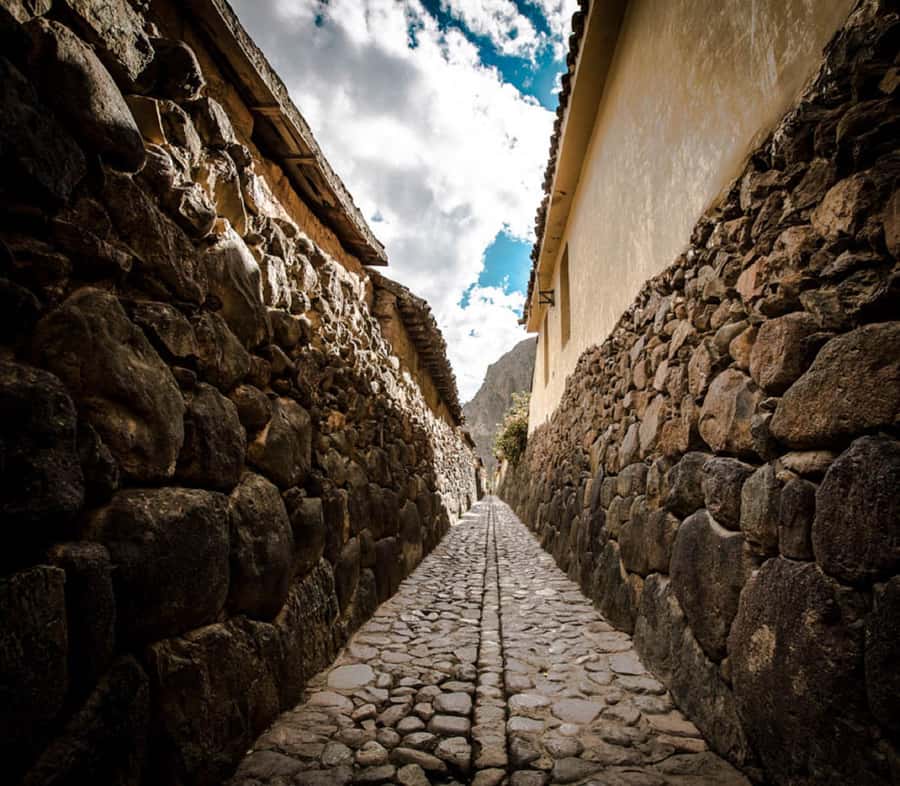
After the fortress area, your half day doesn’t just end at a ticket window. You’ll visit Ollantaytambo town, described as a typical example of Inca urban planning—with residents who still live using traditions inherited from their ancestors.
A key idea here is continuity. The visit connects the archaeological complex to daily life. The town is made up of narrow streets that open toward the Urubamba River, so you’re walking in a setting that still follows the old logic of how space should flow.
What makes the town plan special
You’ll hear a clear description of how blocks work: each block or court has a group of houses that share the same door to a central patio. That shared-door pattern is a practical way of organizing community space. It’s also a reminder that Inca design wasn’t only about big temples; it was also about how families functioned together.
You’ll also notice how the streets are rectilinear and narrow. And the best part is the claim that these streets have been inhabited uninterruptedly since Inca times. You don’t have to take that as a marketing line; you can see that the town layout feels too consistent to be random.
Even if you keep your expectations realistic, the town walk adds humanity to the ruins. It turns the day from sightseeing into something closer to witnessing.
Price and value: is $126 per person worth it?
The price is $126 per person for this 5-hour private tour. That sounds specific, and that’s good—you can plan around it.
What you’re paying for, in practical terms:
- Private guide time (bilingual English/Spanish)
- Pickup and drop-off from hotels in the Cusco Historic Center
- A guided route that covers both fortress highlights and the town planning walk
The tour does not include the Cusco Tourist Ticket (BTC), and personal expenses are on you. So your total cost depends a bit on that separate ticket purchase.
Where the value really shows is in the private format. Ollantaytambo is not a “speed-run” site. You want someone to explain what you’re seeing—especially details like the Temple of the Sun monoliths, the Terrace of the Ten Niches, and the fortress’s mixed military/religious/agricultural roles. A guided, structured route helps you avoid the common problem of staring at stones and feeling like you’re missing the plot.
If you’re traveling with a small group or you want flexibility in how long you spend at specific viewpoints, a private half-day like this tends to feel like a smart use of time.
What to bring and what to expect physically
This tour is straightforward, but it’s not a sit-and-watch day.
Bring:
- Comfortable shoes
- Sunscreen
- Comfortable clothes
You’ll also want to be ready for uneven surfaces and the stairs. The 150 steps are the headline, but cobblestone and fortress paths can add up, especially if you’re already acclimating after arriving in Cusco.
Not allowed:
- Pets
- Unaccompanied minors
Also, it’s not suitable for wheelchair users. If mobility is a concern, ask your provider about alternatives before you book.
Who this private tour suits best
This is a great fit if you:
- Want a focused half-day in the Sacred Valley without committing to a full day
- Like Inca architecture and want to understand it through structures with specific functions
- Prefer a guided visit (especially for the details of the monoliths, niches, and terrace engineering)
- Enjoy history tied to conflict and strategy, not just temples and views
It may be less ideal if you:
- Need a fully accessible route with no stairs
- Want minimal walking and minimal climbing
- Are arriving expecting a mostly flat town stroll (the fortress portion is the workout)
Should you book this Ollantaytambo half-day private tour?
If you’re choosing between a quick stop and something more meaningful, I’d lean toward booking this. You get the fortress highlights plus the town walk, and the structure of the half day keeps you from burning energy without payoff.
Book it if you want to connect the stones to the living place—fortress to streets, terraces to agriculture logic. Skip it only if the 150 steps would be a problem for you, or if you’re hoping for wheelchair-friendly access.
With the BTC ticket sorted in advance and the right shoes on your feet, this is the kind of tour that leaves you thinking about Inca planning as a working system, not just a set of ruins.
FAQ
Do I need the Cusco Tourist Ticket (BTC) to visit Ollantaytambo Fortress?
Yes. The tour notes that to visit Ollantaytambo fortress, you need to acquire your Cusco Tourist Ticket (BTC).
How long is the Ollantaytambo Fortress half-day private tour?
The duration is 5 hours.
Is the tour private or shared?
It’s a private group tour.
What’s included in the price?
Included are pickup and drop-off from Cusco Historic Center hotels and a professional bilingual tour guide (English and Spanish).
What is not included?
The Cusco Tourist Ticket (BTC) and personal expenses are not included.
Where does pickup happen in Cusco?
Pickup is included from hotels located in the Cusco Historic Center. The activity notes that it does not include pickup from private residences like Airbnb, and you should contact the provider days prior to coordinate a meeting point.
Is the tour suitable for wheelchair users?
No, it is listed as not suitable for wheelchair users.
What should I bring and what’s not allowed?
Bring comfortable shoes, sunscreen, and comfortable clothes. Pets and unaccompanied minors are not allowed.
More Tour Reviews in Ollantaytambo


More Pisac and Ollantaytambo
Recent write-ups from around Ollantaytambo, just off the trail
- From Cusco: Ollantaytambo Fortress Half-Day Private Tour
★ 5.0 · 3 reviews - Cusco: Sacred Valley + Maras and Moray
★ 4.5 · 4 reviews - From Ollantaytambo:Private tour to Maras and Moray half day
★ 4.6 · 7 reviews - From Cusco: Sacred Valley Group Tour with Buffet Lunch
★ 5.0 · 9 reviews - From Cusco: Chinchero, Moray, Maras, Ollantaytambo and Pisaq
★ 4.6 · 11 reviews
Pisac & Ollantaytambo, compared.
 ★ 4.8From Cusco: Moray, Maras Salt Mines & Chinchero Weavers TourFrom $151,925 reviews
 ★ 4.6Sacred Valley, Pisac, Ollantaytambo, Salt Mines MorayFrom $281,058 reviews
 ★ 4.8Chinchero,Moray & Salt Mines drop-off in OllantaytamboFrom $27793 reviews
 ★ 4.8Sacred Valley: Chinchero, Moray, Ollantaytambo & Pisac+LunchFrom $25501 reviews
 ★ 4.5Pisac Indian Market and Ollantaytambo Fortress with LunchFrom $84395 reviews
 ★ 4.8Sacred Valley Pisaq,Ollantaytambo,Chinchero with LunchFrom $28183 reviews
 ★ 4.5Full-Day Excursion to Sacred Valley, Pisac and Ollantaytambo from CuscoFrom $47174 reviews
 ★ 5.0From Cusco: Moray, Maras Salt Mines & Chinchero Weavers Half-DayFrom $15126 reviews
Browse the lists this tour appears in