
REVIEW · SACRED VALLEY TOURS
Cusco: Sacred Valley and Salt Mines Ending in Ollantaytambo
Cusco can feel chaotic. This day trip turns that into a smart route through the Sacred Valley and finishes in Ollantaytambo. You get a guided sweep across several famous stops without the stress of figuring out transport on your own.
I especially like how the tour includes Chinchero with its colonial church and living textile market, so you’re not just looking at ruins. I also like the mix of “thinking” stops and “seeing” stops, with Moray and the Salt Mines giving you different kinds of understanding.
The one caution: it’s a fast day. If you hate moving from place to place, you may feel the schedule is a bit rushed.
In This Review
- Key Things You’ll Notice on This Sacred Valley Day
- A 12-Hour Sacred Valley Sweep That Starts Easy (and Ends Convenient)
- Chinchero: Textiles, a Colonial Church, and Market Life at High Altitude
- Moray’s Circular Terraces: Experimental Farming You Can Actually Grasp
- Maras Salt Mines: 4,000+ Wells and the Logic of a Working Landscape
- Urubamba Buffet Lunch: Fuel Up Before Ollantaytambo
- Ollantaytambo: The Living Inca Fortress and the Day’s Grand Finale
- Price and Logistics: Why $40 Can Make Sense Here
- What to Bring (So You Don’t Hate This Day)
- Who This Tour Is Best For
- Should You Book This Cusco-to-Ollantaytambo Tour?
- FAQ
- How long is the tour?
- Where does the tour start and end?
- What sites are included in the tour?
- Is lunch included?
- Are entrance fees included?
- What languages are the guides?
- What should I bring with me?
- What time does the tour end?
- Can I cancel for a refund, and do I have to pay right away?
Key Things You’ll Notice on This Sacred Valley Day
- Hotel pickup and transport make the first big hurdle in Cusco disappear.
- Chinchero’s textiles and market add human scale, not just stone.
- Moray’s circular terraces are a lesson in how the Incas experimented with farming.
- Maras Salt Mines let you see an industry that still works in a landscape of 4,000+ wells.
- Urubamba lunch stop gives you a break before the final Inca stronghold in Ollantaytambo.
- Drop-off near the train station helps if you’re continuing to Machu Picchu by rail.
More of the Sacred Valley, village by village
- from Urubamba & Ollantaytambo:Sacred Valley Full-Day Private★ 4.9 · 31 reviews
- Super Sacred Valley★ 3.8 · 6 reviews
- Cusco: Sacred Valley and Salt Mines Ending in Ollantaytambo★ 4.6 · 5 reviews
- From Cusco: Sacred Valley VIP Tour with Buffet Lunch★ 4.7 · 3 reviews
A 12-Hour Sacred Valley Sweep That Starts Easy (and Ends Convenient)
This is built as a full-day tour out of Cusco that runs about 12 hours, with transport doing the heavy lifting. You start with a hotel pickup in Cusco, then head into the Sacred Valley. You’re moving through several distinct areas—villages, agriculture, salt production, and an Inca fortress—so the day feels varied.
The most practical part is the ending. You get dropped off near the Ollantaytambo train station around 3:30 PM, which is exactly what you want if you’re catching a train later. No hunting for rides at the end of a long day.
The main trade-off is pace. You’ll get time to look, learn, and take photos, but you’re not lingering for hours at each stop. If your travel style is slow and deep, plan to balance this day with at least one calmer Cusco day later.
Chinchero: Textiles, a Colonial Church, and Market Life at High Altitude
Chinchero is often a good “first stop” because it sets the tone. You’re in a real town environment, not an isolated archaeological site. The altitude is part of the experience too: Chinchero sits around 3,772 meters above sea level, so it can feel brisk, even if you’re not exerting yourself much.
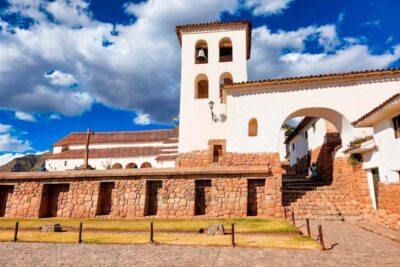
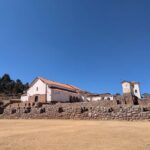
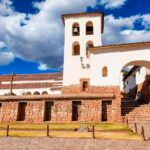
In Chinchero, you’ll explore the town’s archaeological and cultural highlights, including a 17th-century colonial church. What makes it more than just a pretty building is what’s inside: the church has canvases from the Cusco School. That detail matters because it links Spanish-era art to the local artistic world that grew in Cusco.
Then you get the market side of the stop. There’s a typical market where you can still barter, which is a big difference from tourist-only shopping. The textiles are a major focus: you’ll see traditional textiles made by Andean women. This isn’t just a photo opportunity. If you’re the type who likes understanding what you’re buying—materials, techniques, and why certain patterns look the way they do—this is the part of the day that can feel the most human.
One practical note: bring some cash and be ready to browse with patience. Market stops move fast on tours, and you’ll enjoy it more if you don’t treat it like a race.
Moray’s Circular Terraces: Experimental Farming You Can Actually Grasp
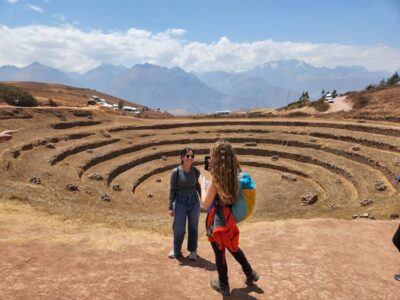
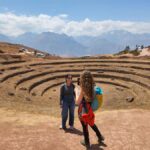
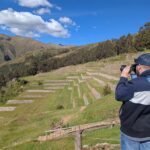
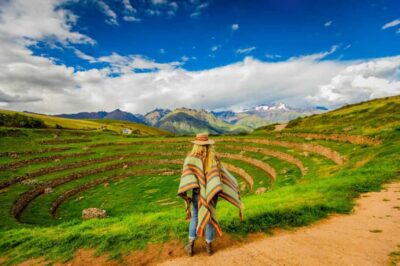
Next comes Moray, and this is where the tour shifts from “what people built” to “how people worked the land.” Moray is described as an experimental agricultural center, and the standout feature is the circular agricultural terraces.
Why this matters: agriculture in the Andes wasn’t one-size-fits-all. Differences in exposure, temperature, and moisture could change what would grow. Moray’s unusual shape gives you a visual explanation for experimentation—almost like an outdoor lab. You’re not just looking at walls. You’re looking at a farming idea that had a purpose.
The main drawback here is also typical of day tours: you’ll want time to study the terraces, but you may not get long stretches to do it slowly. If you like to photograph patterns and line up angles, go a bit earlier in the stop window to avoid feeling rushed.
Also, entrance fees to Moray are not included, so expect to pay separately on the day. It’s a small add-on, but it’s better to know before you arrive.
Maras Salt Mines: 4,000+ Wells and the Logic of a Working Landscape
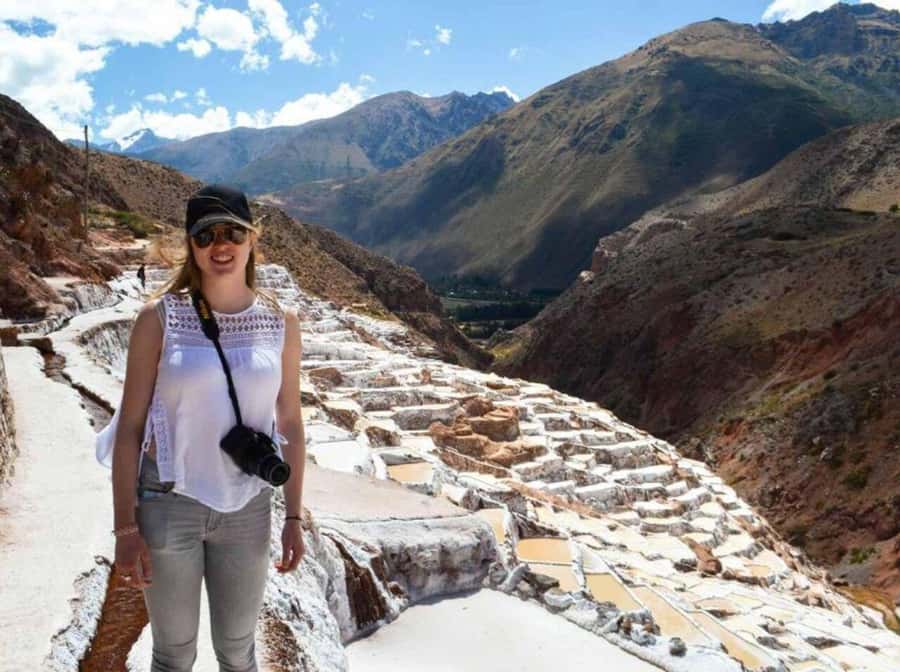
Then you’re off to Maras Salt Mines. This is one of those stops that makes your brain switch gears. It’s not a ruined city. It’s a functioning salt landscape.
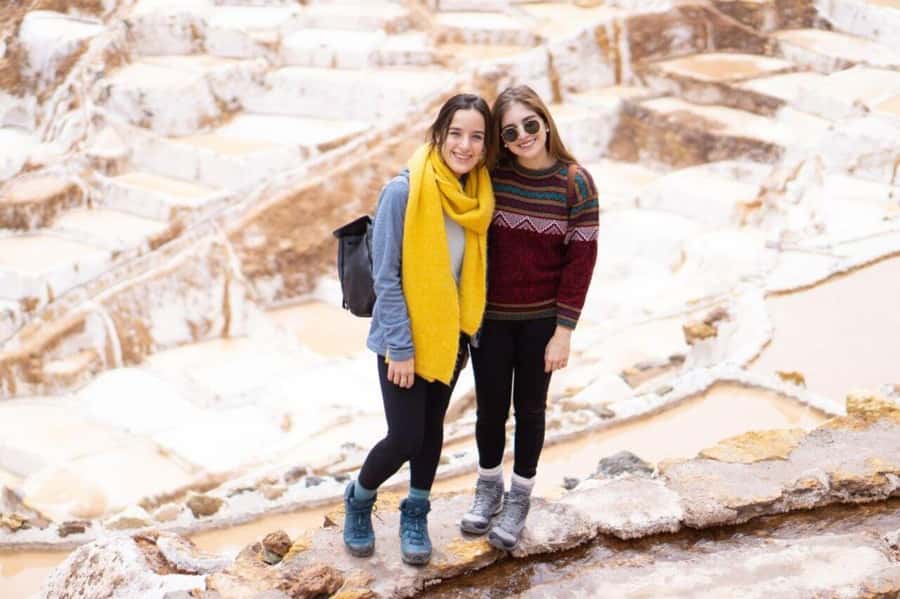
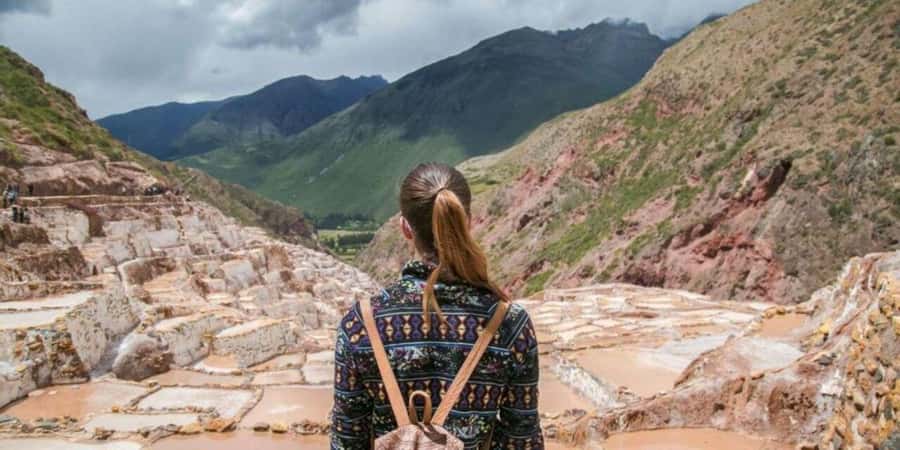
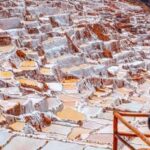
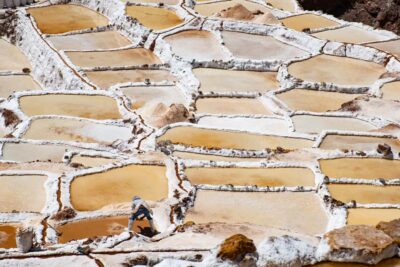
The scale is the point: the mines contain more than 4,000 wells. From a distance, you see a geometric pattern clinging to the hillside. Up close, it’s easier to understand how the wells are laid out and why the salt works as a repeated process rather than one dramatic quarry.
The tour frames it as salt production—some of the best salt in the world is extracted here—and that’s exactly the right way to look at it. Don’t just treat it as scenery. Treat it like a system. If you pay attention to the layout, you’ll come away thinking about water flow, evaporation, and logistics, not only Instagram angles.
As with Moray, entrance fees for Maras are not included, so plan for that extra cost.
Tip for the mines: you’ll want comfortable shoes. Even if you’re not doing anything extreme, the ground can be uneven and you’ll be walking longer than you expect from the “quick photo stop” vibe.
More Maras salt pans and Moray terraces
Urubamba Buffet Lunch: Fuel Up Before Ollantaytambo
Lunch is in Urubamba, with a buffet lunch at a typical local restaurant. The information you have suggests lunch is part of the day, but it’s also listed as not included in the basic package. The safest approach is to expect you’ll need money for lunch on-site or confirm at pickup whether it’s included in what you paid.
This stop is valuable even if you don’t love buffet lines. It breaks the day into two halves: Sacred Valley viewpoints and Inca agriculture/production on one side, then Ollantaytambo’s fortress at the end.
I like treating lunch here as a reset. Eat something simple, drink water, and don’t overdo it if you’re sensitive to altitude changes and travel fatigue. You still want energy for the final stop, where walking and looking are the main activities.
Ollantaytambo: The Living Inca Fortress and the Day’s Grand Finale
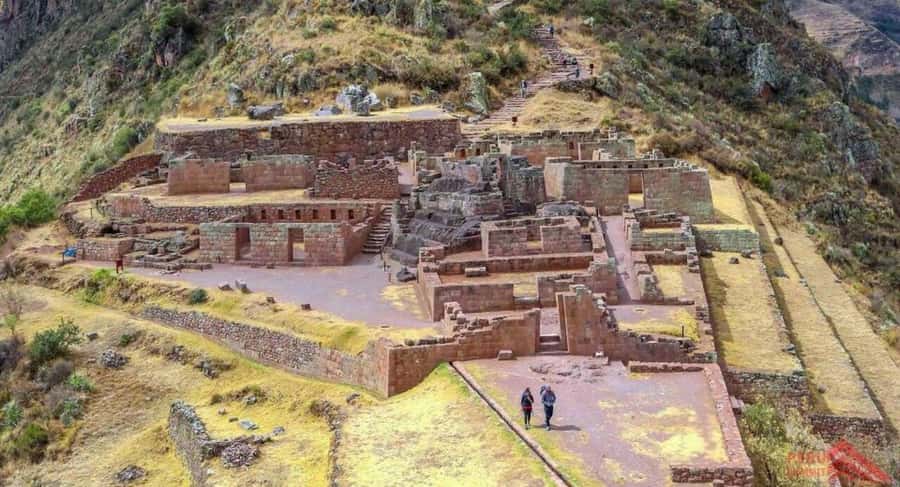
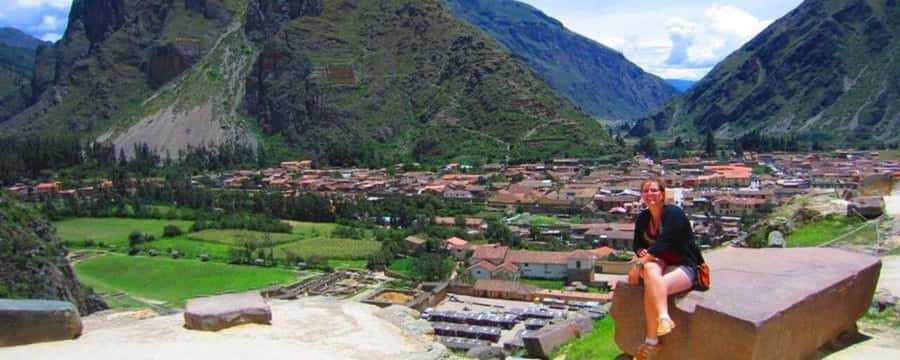
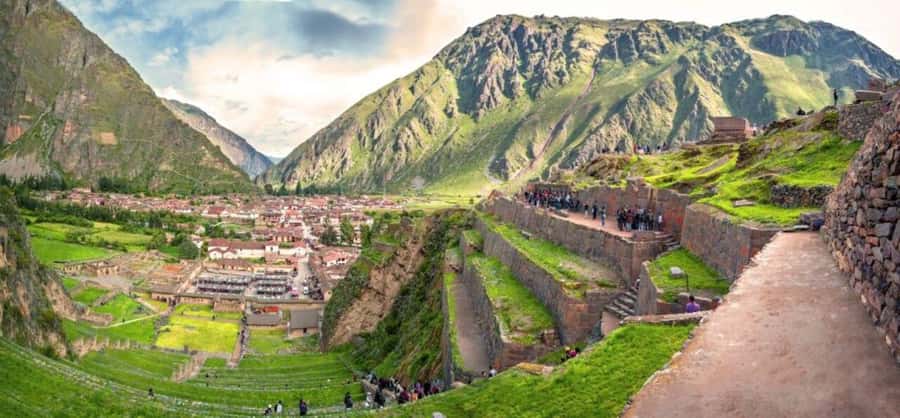
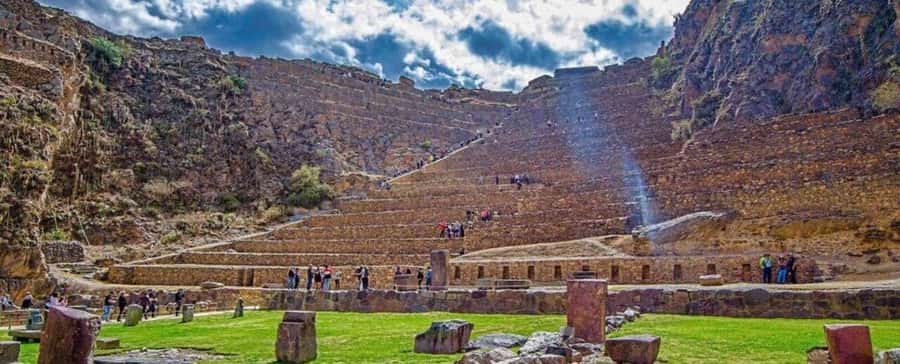
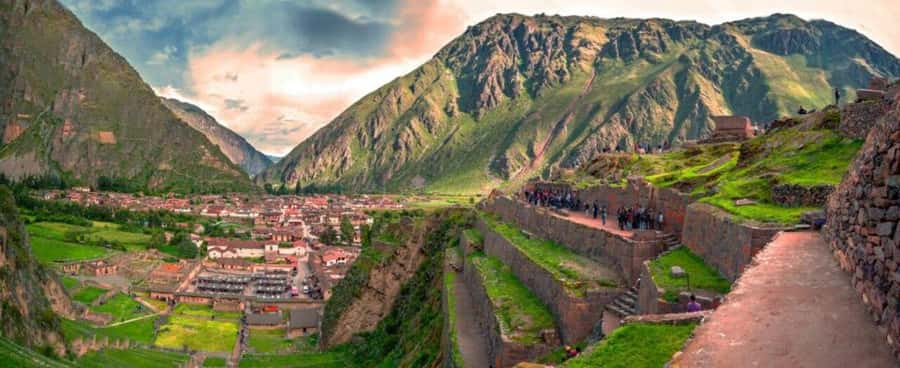
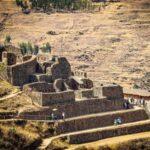
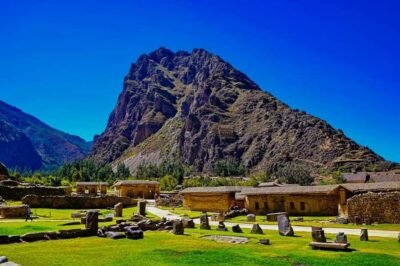
You finish in Ollantaytambo, often described as a living Inca city. The big highlight for this stop is the military fortress, built to protect the Sacred Valley from potential invaders.
This is where all the earlier pieces connect. You’ve seen agriculture and local production. Now you see why control and defense mattered in a valley full of resources. The fortress vibe is different from a palace. It’s practical. It’s strategic. It makes you think about movement—who could pass, who needed to be blocked, and why the geography mattered.
And because the tour ends around 3:30 PM near the train station, you don’t have to scramble. If your next step is a train ride onward, you’ll appreciate that timing. It’s the kind of small planning detail that keeps travel days from turning stressful.
Price and Logistics: Why $40 Can Make Sense Here
At about $40 per person for a day that includes hotel pickup, tourist transport, a guided tour, and stops at major Sacred Valley sites, the value can be pretty good—especially if you’d otherwise pay for separate transport and hire a guide locally.
Here’s what you’re not getting automatically:
- Entrance fees for Moray and Maras (paid separately)
- Lunch in Urubamba may be an extra depending on what’s covered in your booking
- You’ll still want to budget for any snacks or drinks you buy along the way
For me, the “value” comes from reducing mental load. You get a route that makes sense: Chinchero first for cultural context, Moray for agricultural logic, Maras for production scale, then Urubamba for a break, then Ollantaytambo as the payoff.
Also, the guide is live and in English or Spanish. That language support matters in Peru. Even a short explanation can turn a pile of stones into something you can actually picture in your head.
What to Bring (So You Don’t Hate This Day)
This kind of route runs on your feet and on the sun. Pack like you’re spending most of your day outdoors.
Bring:
- Comfortable shoes
- Hat
- Sunscreen
- Water
- Camera (if you like photos)
A simple strategy: wear a hat and sunscreen early, even before you feel hot. The Sacred Valley sun can be sneaky, and you’re higher than sea level for much of the day.
Who This Tour Is Best For
This is a strong fit if you want:
- A guided Sacred Valley day with multiple major stops
- A clear end point in Ollantaytambo
- To learn the story behind agriculture, production, and Inca defense structures
It’s also a good option if you’re short on time. In one day, you cover Chinchero, Moray, Maras, Urubamba, and Ollantaytambo without the chore of organizing everything yourself.
If you’re the kind of traveler who likes to linger in one place for hours, you might prefer splitting your plans into a half-day or two separate day trips. For most people, though, the structure is efficient and satisfying.
Should You Book This Cusco-to-Ollantaytambo Tour?
If you want an efficient, guided taste of the Sacred Valley with an easy finish near the train station, I’d book it. The best parts are the cultural stop in Chinchero and the sense of understanding you get from Moray and Maras—you’re not just passing by viewpoints.
If you hate rushed schedules, treat this as a “see the highlights” day, not a slow-study day. In that case, plan some unstructured time elsewhere in Cusco so your trip doesn’t feel like a checklist.
FAQ
How long is the tour?
It lasts about 12 hours.
Where does the tour start and end?
It starts with hotel pickup in Cusco and ends in Ollantaytambo, with drop-off near the train station at around 3:30 PM.
What sites are included in the tour?
You’ll visit Chinchero, Moray, the Maras Salt Mines, and Ollantaytambo, along with a stop in Urubamba for lunch.
Is lunch included?
A buffet lunch in Urubamba is part of the experience, but it’s listed separately as not included. Plan to pay for it unless your booking says otherwise.
Are entrance fees included?
Entrance fees for Moray and Maras are not included and must be paid separately.
What languages are the guides?
The live tour guide is available in English and Spanish.
What should I bring with me?
Bring comfortable shoes, a hat, sunscreen, water, and a camera if you want photos.
What time does the tour end?
The tour ends at about 3:30 PM with transport dropping you off near the Ollantaytambo train station.
Can I cancel for a refund, and do I have to pay right away?
Yes, you can cancel up to 24 hours in advance for a full refund. You can also reserve now and pay later (you don’t pay anything today when booking).
More Pisac and Ollantaytambo
More Salt Pans and Terraces
Deeper Into the Sacred Valley
Recent write-ups from around Urubamba, just off the trail
- 1 Day – Humantay Lake
★ 3.1 · 3 reviews - From Cusco: Salkantay trek 5 days/4 nights meals included
★ 4.0 · 3 reviews - Sun and Moon Tour
★ 4.5 · 3 reviews - From Cusco: Sacred Valley VIP Tour with Buffet Lunch
★ 4.7 · 3 reviews - From Cusco: Sacred Valley & Moray, Salt Mines with Lunch
★ 4.6 · 3 reviews
Sacred Valley Tours, compared.
 ★ 4.8From Cusco: Sacred Valley & Maras Salt Mines Tour with LunchFrom $282,227 reviews
 ★ 4.6Sacred Valley, Pisac, Ollantaytambo, Salt Mines MorayFrom $281,058 reviews
 ★ 4.8Sacred Valley: Chinchero, Moray, Ollantaytambo & Pisac+LunchFrom $25501 reviews
 ★ 4.6Sacred Valley: Maras & Moray by Quad Bike from CuscoFrom $39418 reviews
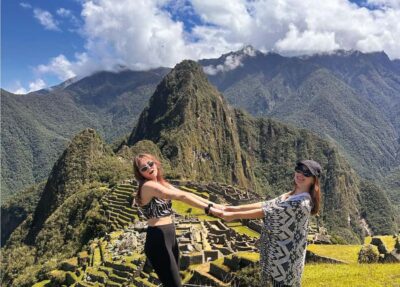 ★ 4.6From Cusco: 2-Day Trip to the Sacred Valley and Machu PicchuFrom $370265 reviews
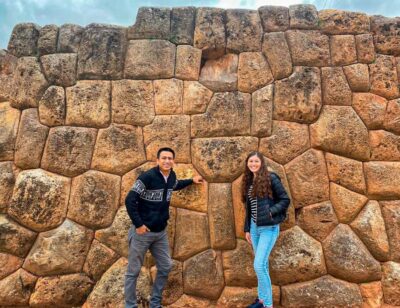 ★ 4.8Sacred Valley Pisaq,Ollantaytambo,Chinchero with LunchFrom $28183 reviews
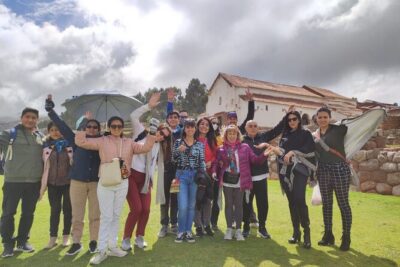 ★ 4.5Full-Day Excursion to Sacred Valley, Pisac and Ollantaytambo from CuscoFrom $47174 reviews
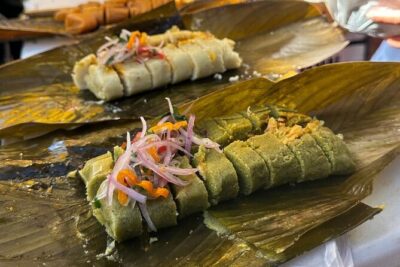 ★ 5.0Food and Culture Full day Tour in the Sacred ValleyFrom $200144 reviews
Browse the lists this tour appears in