
REVIEW · SACRED VALLEY TOURS
Sacred Valley Textile Workshop – Dyeing & Weaving in Cusco
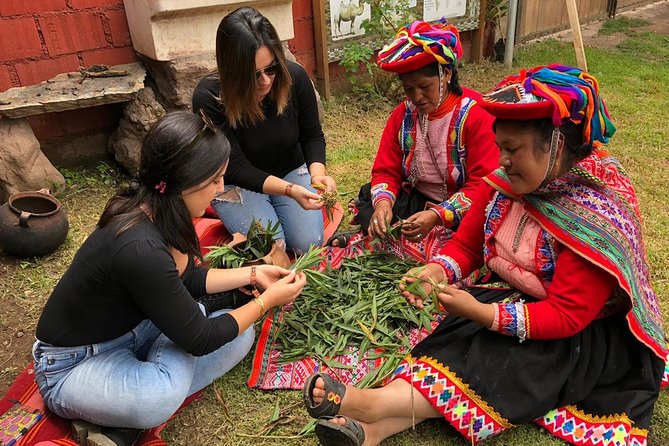
Backstrap weaving in Cusco feels personal. I love that this workshop is guided by Ruth Pimentel, Peru’s UNESCO-recognized Indigenous master weaver, and you actually make your own textile from natural dyes to finished cloth.
Two things I like a lot: the natural dyeing starts with selecting seasonal botanicals and working with ancestral methods, and you get real time on the loom—backstrap weaving is taught step-by-step, not shown from a distance. Lunch plus coffee or tea is included, so the day stays relaxed instead of turning into a scavenger hunt.
One consideration: it’s a full-day format. You’ll spend a big chunk traveling from Cusco, and the weaving work is genuinely physical and slow. Think sitting on the floor for hours, not a quick souvenir class.
In This Review
- Key highlights worth caring about
- Meeting Ruth Pimentel in Cusco’s textile world
- Price and what you’re really paying for ($420)
- The day’s flow: from yarn prep to your loom work
- Your first step: selecting botanicals for dye
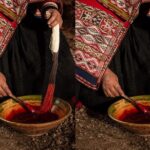
- Dyeing baby-alpaca yarn using ancestral techniques
- The loom is yours: backstrap weaving basics
- Why the foraging walk matters more than it sounds
- Lunch, coffee or tea, and community conversation
- Translators and the human touch (Nayda and others)
- What you actually take home: your textile plus dyed yarn
- Who this Cusco workshop is best for
- Quick practical notes for planning your day
- Should you book? My straight answer
- FAQ
- What time does the workshop start in Cusco?
- How long does this textile workshop last?
- Where does the workshop happen?
- Is hotel pickup included?
- What’s included with the workshop day?
- Is it a private experience?
- Can most people participate, even if they’ve never woven before?
- What if the weather is bad?
- What is the cancellation window?
Key highlights worth caring about
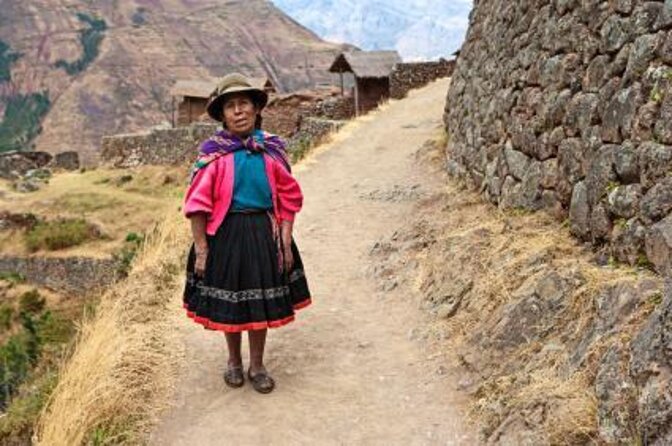
- Ruth Pimentel leads the day and personally welcomes you at the atelier to explain the traditions behind the craft
- Alpaca yarn, hand-dyed on site using seasonal botanicals and organic dye techniques
- Backstrap loom instruction with patient coaching so you can actually produce something meaningful
- Foraging for dye ingredients includes a walk to collect materials used in the dye bath
- Lunch and coffee or tea included, plus on-site time to finish your piece and package it to take home
More of the Sacred Valley, village by village
- Sacred Valley: Chinchero, Moray, Ollantaytambo & Pisac+Lunch★ 4.8 · 501 reviews
- Sacred Valley: Maras & Moray by Quad Bike from Cusco★ 4.6 · 418 reviews
- From Cusco: 2-Day Trip to the Sacred Valley and Machu Picchu★ 4.6 · 265 reviews
- Full-Day Excursion to Sacred Valley, Pisac and Ollantaytambo from Cusco★ 4.5 · 174 reviews
Meeting Ruth Pimentel in Cusco’s textile world
The day starts with hotel pickup by private transport, usually aimed to get you out at 8:30am. You’re heading away from central Cusco for a quieter, craft-focused setting where Ruth Pimentel can actually teach in her own rhythm. This matters. It keeps the workshop from feeling like a bus tour with a craft stop.
Ruth is described as Peru’s only UNESCO-awarded Indigenous master weaver, and the workshop is built around that level of care. You get a warm introduction to Ruth’s lineage and the Andean textile traditions her work preserves. That context isn’t just a lecture. It sets the tone for why your hands-on work matters to the people making these textiles every day.
You’ll also meet other master weavers from Parobamba (Patabamba), who guide the technical parts with instruction tailored to beginners. In practical terms, this is the difference between watching a performance and learning a process you can repeat at home in your own way.
Price and what you’re really paying for ($420)
At $420 per person for about 8 hours, it’s not a budget activity. But the value isn’t only that you learn weaving. You’re paying for a full chain of craft work—dyeing, spinning basics, and weaving—handled with real artisanship and time-intensive instruction.
Here’s what makes it feel worth the money:
- Hotel pickup and private transport means you’re not spending your morning figuring out logistics.
- Food is included (lunch plus coffee or tea), so you’re not constantly breaking the day.
- Materials and hands-on steps are part of the experience: you select botanicals for dyeing, dye baby-alpaca yarn, and weave your own piece rather than just assembling a kit.
- You leave with your work packaged on site, presented with elegant packaging and a signed provenance card.
If you’re the kind of person who likes cultural experiences that create a tangible result, this format makes sense. If you want a quick, low-effort activity that requires no patience, you may find the workshop’s slow pace frustrating (in a good-learning way, but still slow).
The day’s flow: from yarn prep to your loom work
The workshop is structured like an Andean textile day, not like a demo. You start at the atelier, get introduced to the craft and the community, then move into hands-on production.
Your first step: selecting botanicals for dye
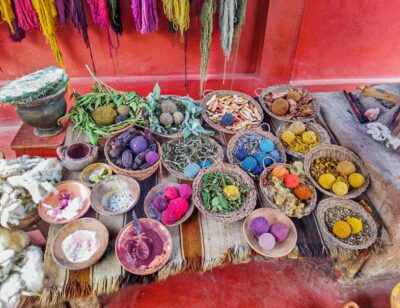
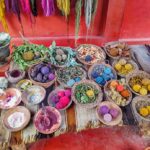
A key part is picking seasonal botanicals for your dye bath. In plain terms, this is where the magic starts: color isn’t pulled from a plastic bottle. You’re learning how plants and natural ingredients become dye, and why different materials produce different results.
This step also forces attention. You slow down. You look at what you’re working with. That’s part of the payoff, and it shows up in why people remember the day long after they’ve forgotten which day they booked Cusco walking tours.
More Andean weaving and textile studios
Dyeing baby-alpaca yarn using ancestral techniques
Then comes the hands-on dyeing with premium baby-alpaca yarn. You’re taught how to prepare and dye yarn using ancestral methods. The teaching style is practical and patient, with artisans guiding you through the process rather than rushing you through it.
Natural dyeing takes time and care, and you’ll feel the craft discipline in your own hands. You’re also learning that the dye process is not separate from the weaving process—it feeds into it.
The loom is yours: backstrap weaving basics
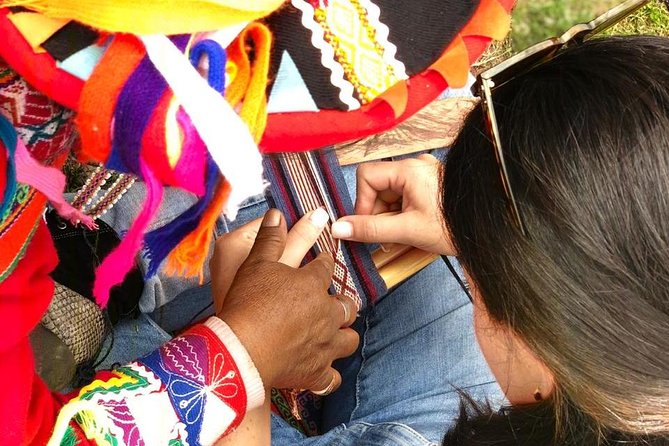
The backstrap loom work is the heart of the day. You’ll learn the meditative, technique-forward approach used by Andean women for generations. Practically, that means you’re not just picking up a weaving lesson. You’re learning tension, rhythm, and how to correct what you’ve done as you go.
One repeated theme in the experience is that weaving takes effort. It’s challenging, but the instruction is supportive. You’ll likely start with a lot of questions and end the day feeling proud that you actually produced something with your own hands.
Why the foraging walk matters more than it sounds
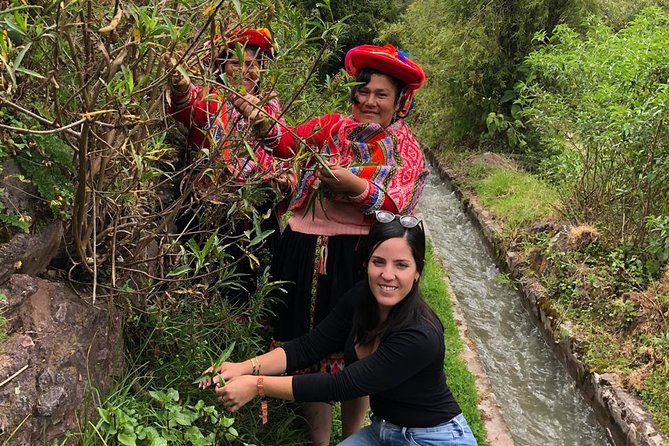
At some point you’ll go for a walk to collect leaves or dye materials used for the dye process. This isn’t a random scenic stroll. It’s part of how natural dye traditions work in the Andes: you identify plant material, understand how it’s used, and connect the source to the color outcome.
If you like real-world craft practice, this walk is one of the most memorable parts. It turns dyeing from an abstract idea into something physical. You’re not just learning a step. You’re learning where the step comes from and why it’s repeatable within the community’s traditions.
Also, the walk helps stretch the day. You’ve been sitting and learning; then you move. The change keeps the workshop from feeling like one long class.
Lunch, coffee or tea, and community conversation
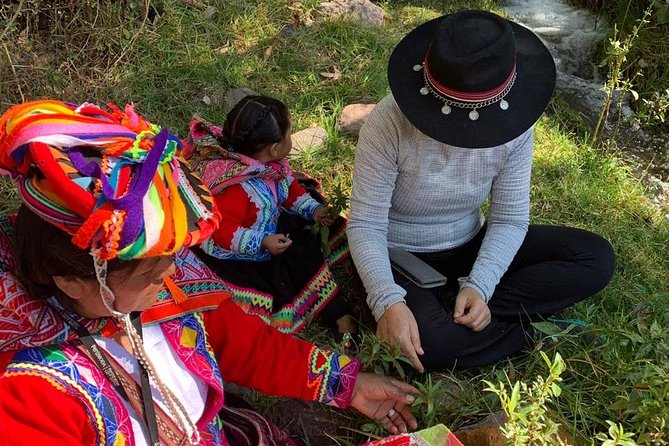
Lunch is included, and it’s not a sad sandwich. It’s described as a wholesome, homecooked meal. In some accounts, there are also snack moments during the dye and weaving cycle, so you’re usually fed at the right times rather than waiting until late afternoon.
One of the underrated benefits of a workshop like this is the conversation that happens between steps. During meals you’re with the weaving community and the guide/translator, so cultural exchange doesn’t feel forced. You might learn basic Quechua terms, or just hear how textiles function in daily life—not only as art, but as identity and inheritance.
And yes, coffee or tea is included. On a high-altitude day, a warm drink goes a long way.
Translators and the human touch (Nayda and others)
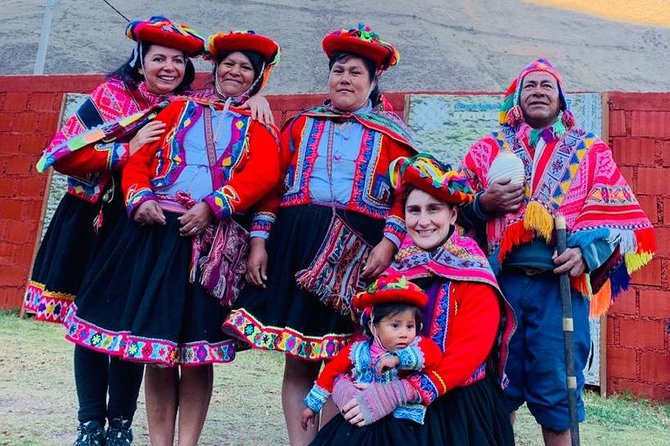
A big part of the experience is how instruction is delivered. Several people specifically mention guides/translation support such as Nayda and a driver (for example, Pedro) who handles the transport smoothly.
Nayda shows up in multiple accounts as patient, kind, and able to answer detailed questions. That matters if you’re the type who wants to understand not just what you’re doing, but why you’re doing it. Even if you don’t speak Spanish, you can still participate comfortably because the explanation is structured for your group.
There’s also mention of women master weavers and educators like Delia and Ruth at the forefront, with other team members supporting instruction. This gives the day a family-workshop feel rather than a stagey, performance-only vibe.
What you actually take home: your textile plus dyed yarn
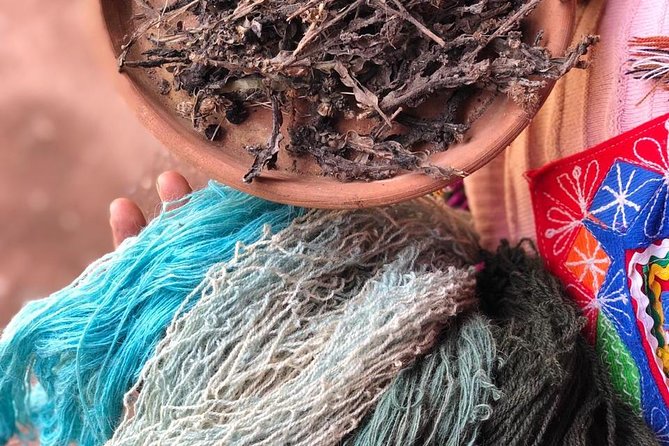
Your creation is finished on site and presented in elegant packaging with a signed provenance card. That’s important, because it’s a real artifact from a real process, not a mass-produced souvenir.
Depending on how your day flows and what you choose during the workshop, you may end up making items such as a bookmark or a bracelet, and you may also take home yarn you dyed yourself. Some accounts mention specific items like headbands, too. The point is that you should plan to leave with more than one token of the day.
You can also expect a strong sense of respect for the artisanship. Once you’ve worked a loom for real, it’s hard to look at Andean textiles casually ever again.
Who this Cusco workshop is best for
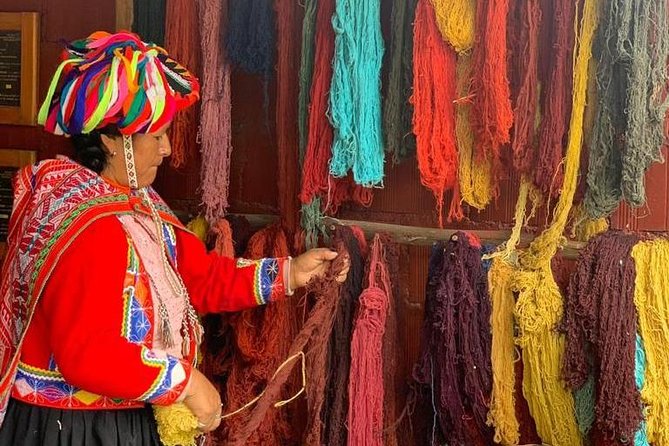
This is a great fit if you:
- Like crafts where you do the work, not just watch it
- Want a focused cultural day in the Sacred Valley area, away from big crowds
- Appreciate natural dye traditions and the plant-to-color connection
- Are curious about Quechua culture through textile techniques
It may feel less ideal if you:
- Want a short activity that’s easy and fast
- Are uncomfortable sitting on the floor for a long time
- Dislike technical patience. Weaving takes practice, even with help
The day can also be a good fit for altitude acclimation, since you’re getting moving time and staying active at a calm pace rather than sprinting around town.
Quick practical notes for planning your day
- Start time is 8:30am, and expect the day to feel long once you factor in travel.
- Wear patience. The workshop is hands-on and paced for learning.
- Plan for weaving to be the hardest part. You’ll probably make progress, but it won’t feel instant.
- Bring your curiosity. Ask questions about plants, dye ingredients, and technique. That’s when the day becomes more than a class.
Should you book? My straight answer
Yes—if you want an authentic, skill-based day in Cusco that ends with something you made yourself, this workshop is a strong choice. Ruth Pimentel’s presence, the natural dye process, and the actual backstrap loom instruction are the big reasons. It’s also priced like a serious experience, not a casual half-hour stop.
If your ideal day is fast, low-effort, and heavily sightseeing, you might prefer something else. But if you’re willing to spend time learning a tradition the Andes have carried forward for generations, book it. You’ll walk away with color you made, a textile you built, and a much better sense of why Andean weaving is more than decoration.
FAQ
What time does the workshop start in Cusco?
The experience starts at 8:30am.
How long does this textile workshop last?
It lasts about 8 hours.
Where does the workshop happen?
It begins at a private atelier near Cusco and includes instruction from master weavers connected to the Patabamba/Parobamba textile community.
Is hotel pickup included?
Yes. Hotel pickup by private transport is offered for an easier start.
What’s included with the workshop day?
You’ll have hands-on dyeing and weaving instruction, plus lunch and coffee or tea. You also take home what you create, finished on site with elegant packaging and a signed provenance card.
Is it a private experience?
Yes. It’s described as private, with only your group participating.
Can most people participate, even if they’ve never woven before?
Yes. The experience states that most travelers can participate, and instruction is provided by master weavers.
What if the weather is bad?
The experience requires good weather. If it’s canceled due to poor weather, you’ll be offered a different date or a full refund.
What is the cancellation window?
You can cancel up to 24 hours in advance for a full refund. If you cancel less than 24 hours before the start time, the amount paid is not refunded.
More Tour Reviews in Cusco


More Andean Weaving
Deeper Into the Sacred Valley

Recent write-ups from around Cusco, just off the trail
- Cuzco: Rainbow Mountain Excursion
★ 5.0 · 3 reviews - 1 day excursion to Qeswachaka bridge and the 4 lagoons
★ 3.6 · 3 reviews - Waqrapukara 1 day trekking + meals
★ 3.9 · 3 reviews - Valle Sur Cusco | half day
★ 4.3 · 3 reviews - Full-Day Condor Viewpoint & Inca Sites Tour
★ 5.0 · 3 reviews
Sacred Valley Tours, compared.
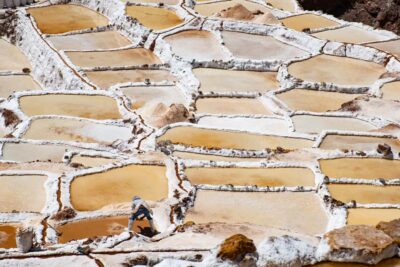 ★ 4.8From Cusco: Sacred Valley & Maras Salt Mines Tour with LunchFrom $282,227 reviews
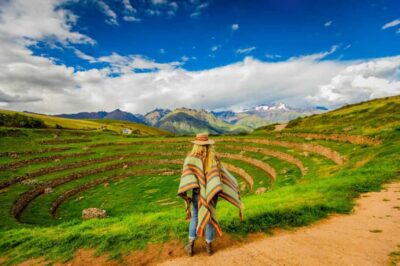 ★ 4.6Sacred Valley, Pisac, Ollantaytambo, Salt Mines MorayFrom $281,058 reviews
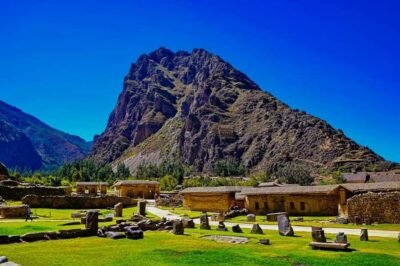 ★ 4.8Sacred Valley: Chinchero, Moray, Ollantaytambo & Pisac+LunchFrom $25501 reviews
 ★ 4.6Sacred Valley: Maras & Moray by Quad Bike from CuscoFrom $39418 reviews
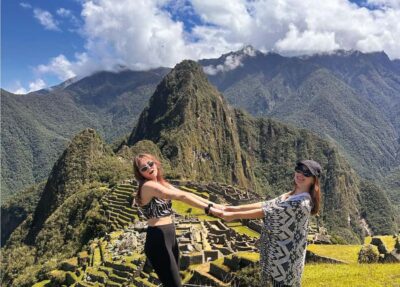 ★ 4.6From Cusco: 2-Day Trip to the Sacred Valley and Machu PicchuFrom $370265 reviews
 ★ 4.8Sacred Valley Pisaq,Ollantaytambo,Chinchero with LunchFrom $28183 reviews
 ★ 4.5Full-Day Excursion to Sacred Valley, Pisac and Ollantaytambo from CuscoFrom $47174 reviews
 ★ 5.0Food and Culture Full day Tour in the Sacred ValleyFrom $200144 reviews
Browse the lists this tour appears in