
REVIEW · ANDEAN WEAVING WORKSHOPS
Cusco: Alpaca and Llama Farm Tour w/ Transfer & Weaving Demo
Furry friends meet fiber facts. I love how close you get to alpacas and llamas, and I also like the weaving demo that connects animals to everyday Andean life. The whole thing is an easy break from Cusco that still feels meaningful, with stories that trace back to ancient Inca times.
One thing to plan for: the visit can include a shop stop, and a couple of past guests felt it ran a bit fast near the end. If you’re on a strict budget, go in knowing souvenirs are not included and prices may be higher than you expect.
In This Review
- Key highlights you won’t want to miss
- Cusco-to-farm logistics: a quick ride that helps you settle in
- Manos de la Comunidad: what the farm visit feels like
- Alpacas, llamas, and their wild cousins: what you’ll actually see
- The guides: why names keep showing up in strong reviews
- Weaving demo: turning wool into usable, beautiful cloth
- Vicuñas, huanacos, and the conservation tone
- Price and value: why $34 can make sense in Cusco
- Who should book this alpaca and llama farm tour
- Should you book? My straight answer
- FAQ
- How long is the Cusco alpaca and llama farm tour?
- Where does pickup happen?
- What language is the guide?
- What’s included in the price?
- Is anything not included?
- Can I cancel or pay later?
Key highlights you won’t want to miss
- Up-close camelid time: see alpaca and llama varieties, then meet vicuñas and huanacos too
- Weaving and dyeing skills shown live: watch hands-on textile techniques, not just photos
- Excellent guides: names like Marileth, Marlith, Olga, Holger, and Marley show up often in feedback
- A calm, short outing from Cusco: you’ll be back at your hotel after about 150 minutes
- Conservation angle and extra animals: some tours include a small museum moment with rescued condors and more
More Andean weaving and textile studios
- From Cusco: Moray, Maras Salt Mines & Chinchero Weavers Tour★ 4.8 · 1,925 reviews
- From Cusco: Moray, Maras Salt Mines & Chinchero Weavers Half-Day★ 5.0 · 126 reviews
- The Textile Workshop Experience in Cusco Region★ 5.0 · 118 reviews
- Sacred Valley Textile Workshop – Dyeing & Weaving in Cusco★ 5.0 · 92 reviews
Cusco-to-farm logistics: a quick ride that helps you settle in
This tour is built for a low-effort afternoon. You get hotel pickup in Cusco and drive to the farm area in about 20 minutes from the historic center, then you’ll head back after the visit. Total time is listed as 150 minutes, and the guided farm portion is 80 minutes, so it’s long enough to learn, but short enough to avoid burning your whole day.
If you’re still adjusting to the altitude, this kind of outing is a smart move. It’s outdoors, but not a hike. And the pacing tends to be relaxed enough that you can focus on animals, photos, and the weaving lesson instead of overexerting yourself.
Also pay attention to language. The guide works in English and Spanish, so you can ask questions without guessing. And you’ll have water included, which sounds small until you’re walking around in the Cusco sun.
Manos de la Comunidad: what the farm visit feels like
Once you arrive at Manos de la Comunidad, the tone is part education, part animal time. The guide starts with the big picture: ancient South American camelids, how domestication worked, and how the Incas developed their own relationships with these animals. It’s not just facts on a poster. You’re standing in the middle of the story, with the animals right there.
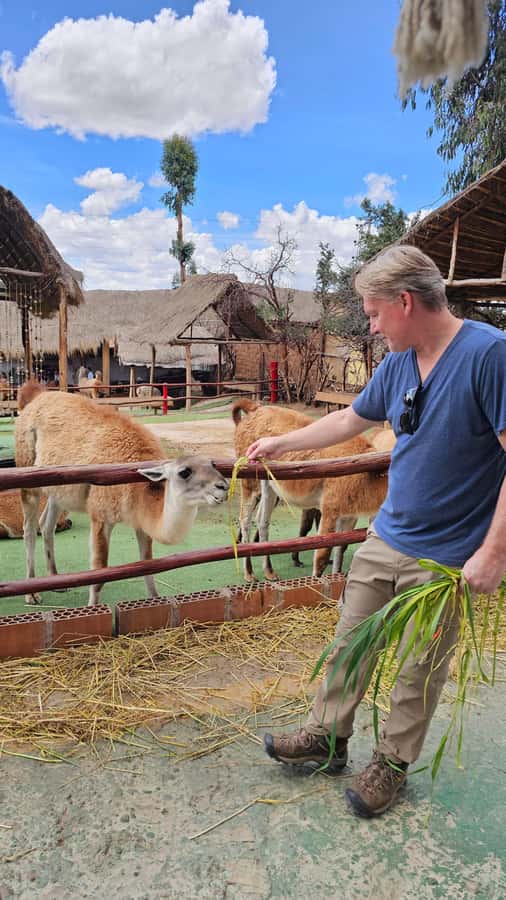
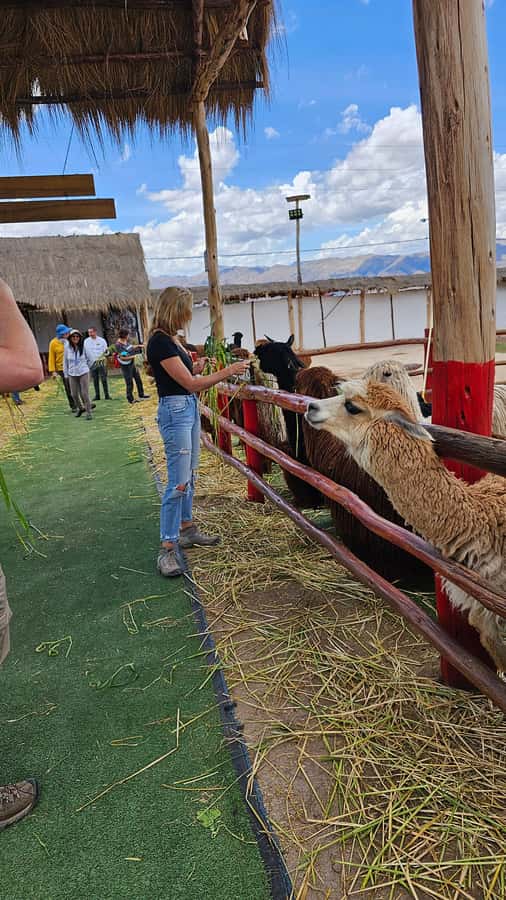
The standout here is how the tour teaches you to look. You’re not only seeing alpacas and llamas—you’re learning why they matter, how their wool supports local livelihoods, and why people still protect certain lineages and traits. Then you get the practical part: up-close observation, photo time, and interactions like petting and hand feeding, when the guide allows it.
One reason this tour earns such high marks is that many guides clearly adjust to the group. People describe guides as patient with questions and careful with timing, so you’re not rushed from one pen to the next.
Alpacas, llamas, and their wild cousins: what you’ll actually see
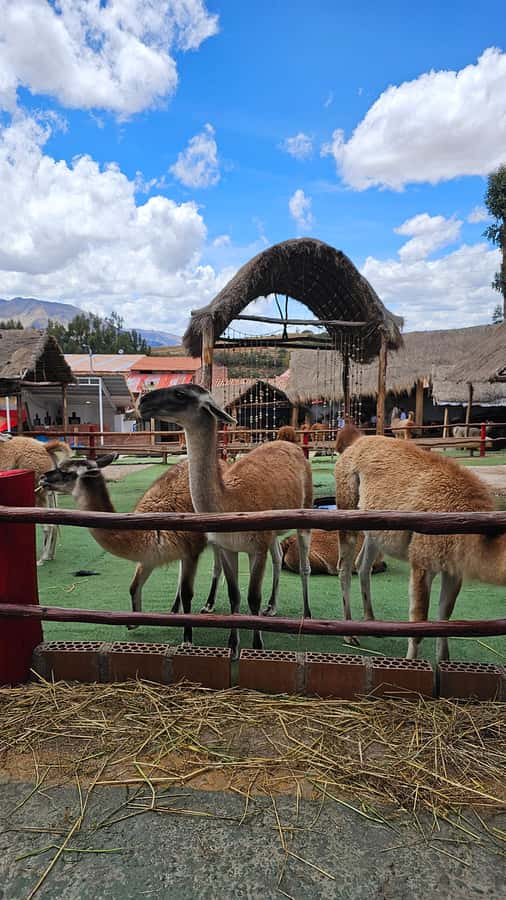
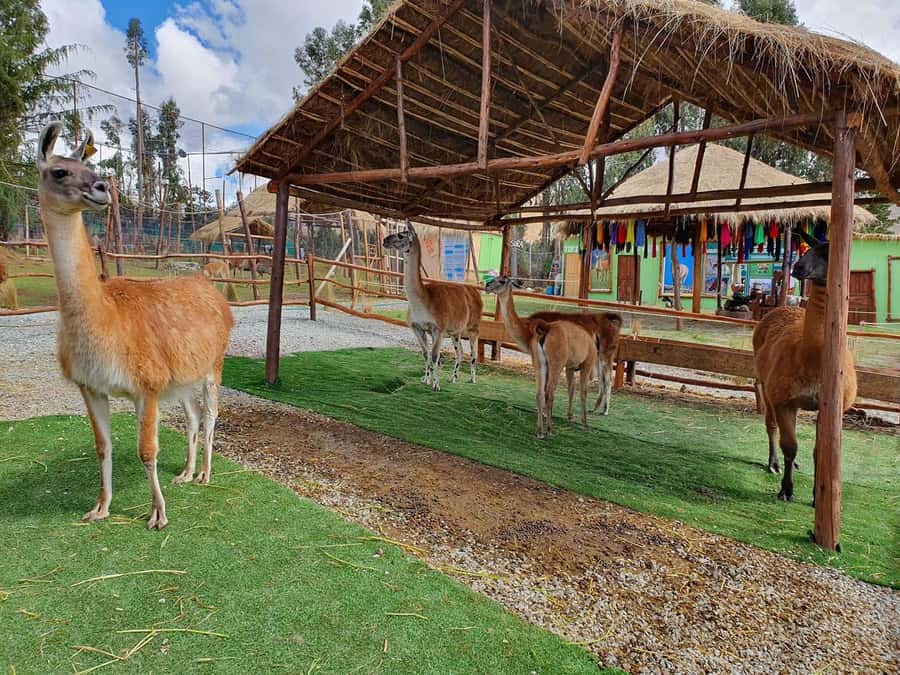
This is a camelid tour with range. You’ll see the two main domesticated groups introduced at the start—alpacas and llamas—and you’ll also learn about their ancestors and relatives, including huanacos and vicuñas.
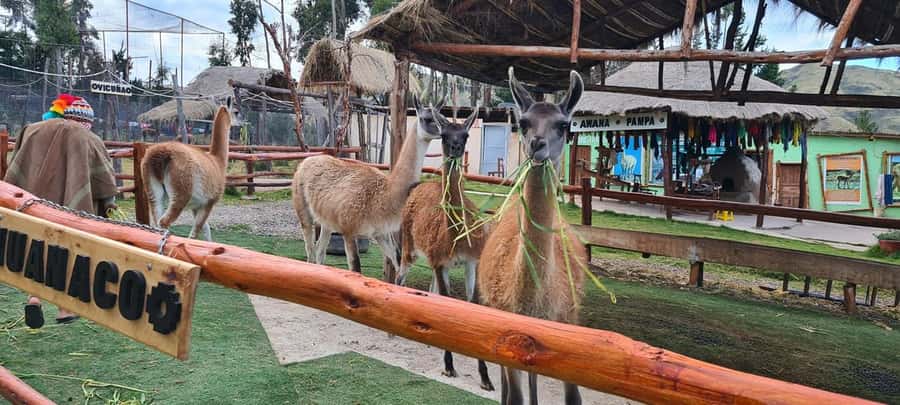
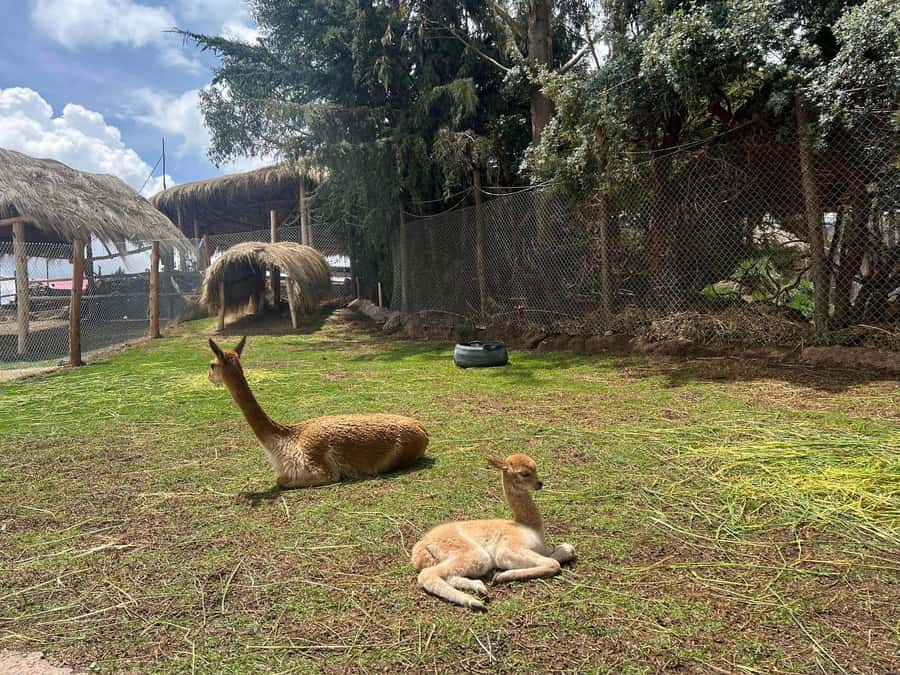
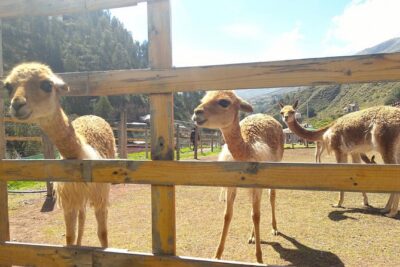
Here’s why that mix matters. Alpacas and llamas are easy to spot on arrival, but the lesson becomes much more interesting when the guide connects them to wild species. Seeing vicuñas (often called the gold of the Andes) and huanacos helps you understand that you’re not just meeting cute animals. You’re learning about adaptation, breeding, and why some animals are more protected than others.
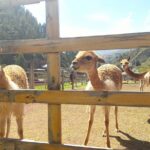
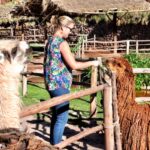
In feedback from past guests, the interaction level is a big part of the appeal. People specifically mention being able to feed and pet the animals by hand, and that the animals looked healthy at the time of their visit. You’ll also want to watch how the guide handles behavior cues—when to approach, when to step back, and how to keep things calm for both you and the animals.
Photo lovers should take a moment to plan for angles. You can get close, but you’ll still want to move slowly and let the guide guide you to the spots where the animals naturally come toward the fence or gate. The best photos are usually the ones you take while you’re standing still and the animal decides to engage.
The guides: why names keep showing up in strong reviews
In a tour like this, the guide can turn a simple animal visit into a real learning experience. What I like most is that the best guides don’t talk at you—they answer, they point out details, and they keep you moving at a human pace.
Several guide names show up repeatedly in feedback: Marileth, Marlith, Olga, Holger, Olger, and Marley. You’ll also hear that these guides help with photos and take time to explain what you’re looking at, especially when it comes to wool and weaving. Some guides also connect the farm lessons back to Cusco and Inca culture, so it doesn’t feel like you’re doing random animal tourism.
Here are a couple good questions to ask on the spot:
- How can you tell real alpaca textiles from imitations?
- What’s the difference in wool and quality between alpaca types?
- Which part of the weaving process matters most for the final fabric?
One guest notes that the weaving and dyeing explanations included pointers on spotting real baby alpaca fabric versus fakes. That’s practical, especially if you’re shopping later and want to avoid overpaying for something that won’t match what you thought you were buying.
More alpaca farms and animal sanctuaries
Weaving demo: turning wool into usable, beautiful cloth
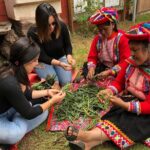
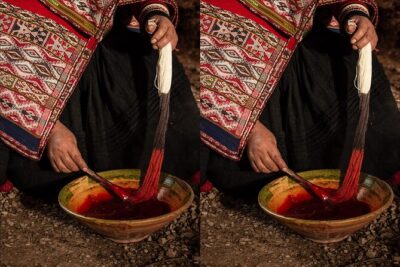
The weaving part is where the tour earns its worth beyond the animal pens. You’ll watch a weaving demonstration tied to traditional skills used to produce textiles, and you’ll learn how fiber becomes fabric through repeated, careful handwork.
What makes this section useful is the way it connects back to the animals. Once you’ve met the alpacas up close, it’s easier to understand why wool quality matters. The weaving demo isn’t just a show—it’s the explanation of how local people create textiles as a livelihood, not a hobby.
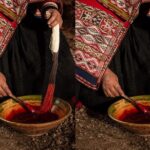
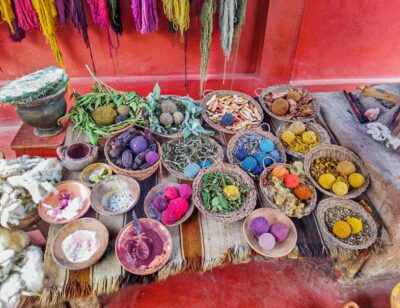
In feedback, people also mention dyeing as part of what they saw, along with explanations about textiles and authentic fabrics. Some guests even describe seeing older, traditional fabrics used as examples. If that’s part of your visit, take it seriously: seeing a finished textile (or a historical example) helps you understand what the weaving skills are trying to produce.
Timing note: a couple of guests felt the overall tour could feel a bit rushed near the end. If you care most about weaving—say you want longer time at the demonstration—show up with a clear mindset: ask for extra time if the guide seems open to it, and don’t plan to do heavy shopping immediately afterward.
Vicuñas, huanacos, and the conservation tone
This tour isn’t only about domesticated alpacas and llamas. You’ll also meet vicuñas and huanacos, which adds a conservation and biodiversity layer. Vicuñas are famous for high-quality fiber, and learning about them alongside domesticated animals helps you understand why their protection and management matter.
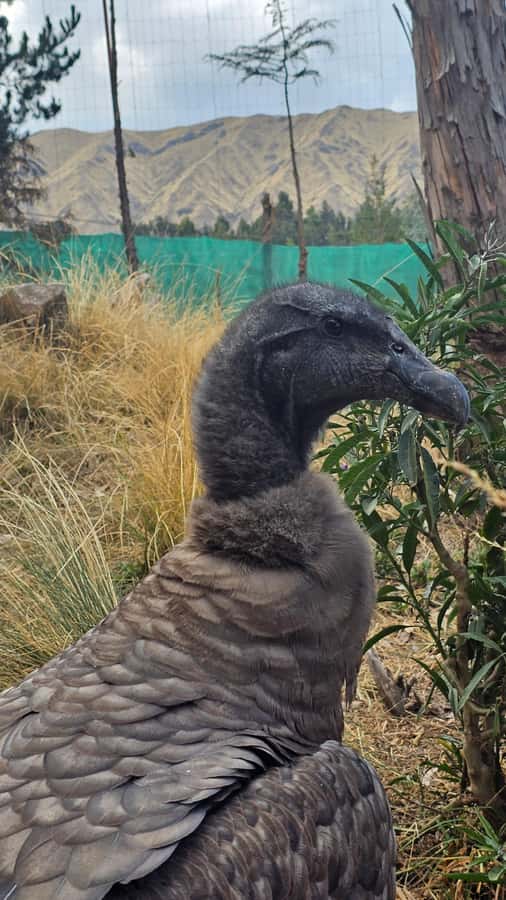
Some tours also include extra animals and a small museum moment. Past guests mention rescued condors as a bonus, plus other animals like deer and guinea pigs. If those stops appear on your day, treat them like a bonus lesson. They’re the reminder that this isn’t only about owning cute wool animals—it’s also about care, rescue, and protecting wildlife where possible.
And even if the conservation side isn’t the main reason you booked, it changes how you look at the pens. You’ll likely leave thinking about animal welfare and responsible farming, not just cuddly moments.
Price and value: why $34 can make sense in Cusco
At $34 per person for roughly 150 minutes, this tour lands in the “good value for your time” category—mainly because it includes the stuff that often costs extra when you book separate pieces.
You’re getting:
- hotel pickup and drop-off
- a live guide (English and Spanish)
- the farm visit
- a weaving demonstration
- water
You’re also getting included timing that matches the length of a comfortable half-day. For many people, the real value is the mix: animal viewing plus textile education, delivered without you needing to arrange transport or figure out logistics.
Two practical cautions keep this balanced:
- Souvenirs are not included, and one past guest flagged that the shop prices can be high compared to what you might find elsewhere in Cusco. If you like to buy, set a spending limit first.
- A couple guests felt the pacing wasn’t as long as they expected. If you’re the type who needs lots of slow time, arrive with realistic expectations and focus on the demo and animal interactions where you’ll get the most value.
Who should book this alpaca and llama farm tour
This is a strong fit if you want a gentle Cusco day that teaches you something. I’d recommend it for:
- first-time Cusco visitors who want an easy outing to help with altitude comfort
- animal lovers who want hands-on interactions like feeding and petting
- people interested in Peruvian textiles and want a real-time weaving explanation
- families and mixed-age groups who don’t want a long drive or a strenuous activity
You might skip it if your main goal is major Inca sites, because this is a craft-and-camelid experience, not a monumental-history day. Also, if you dislike shop stops or you’re very sensitive to retail pressure, be ready to politely browse and leave when you’re done.
Should you book? My straight answer
Yes—if you’re looking for a short, guided Cusco outing that pairs camelid encounters with a real weaving lesson. It’s priced fairly for what’s included, it’s timed well for a comfortable half-day, and the guide quality seems consistently strong based on the names people mention like Marileth, Marlith, Olga, Holger, and Marley.
Book it especially if you want your Cusco time to include more than viewpoints. This tour helps you understand how Andean animals connect to everyday culture—wool, weaving, and the practical skills behind the textiles you’ll see all over town.
FAQ
How long is the Cusco alpaca and llama farm tour?
The duration is listed as 150 minutes total.
Where does pickup happen?
Hotel pickup starts from Cusco, and you’ll also be dropped back at your hotel after the tour.
What language is the guide?
The live tour guide is available in English and Spanish.
What’s included in the price?
Included are hotel pickup and drop-off, a guide, the farm visit, a weaving demonstration, and water.
Is anything not included?
Souvenirs are not included.
Can I cancel or pay later?
Free cancellation is available up to 24 hours in advance for a full refund. You can also reserve now and pay later.
More Tour Reviews in Cusco

More Alpacas and Sanctuaries
More Andean Weaving
Recent write-ups from around Cusco, just off the trail
- Cuzco: Rainbow Mountain Excursion
★ 5.0 · 3 reviews - 1 day excursion to Qeswachaka bridge and the 4 lagoons
★ 3.6 · 3 reviews - Waqrapukara 1 day trekking + meals
★ 3.9 · 3 reviews - Valle Sur Cusco | half day
★ 4.3 · 3 reviews - Full-Day Condor Viewpoint & Inca Sites Tour
★ 5.0 · 3 reviews
Andean Weaving Workshops, compared.
 ★ 4.8From Cusco: Moray, Maras Salt Mines & Chinchero Weavers TourFrom $151,925 reviews
 ★ 5.0From Cusco: Moray, Maras Salt Mines & Chinchero Weavers Half-DayFrom $15126 reviews
 ★ 5.0The Textile Workshop Experience in Cusco RegionFrom $79118 reviews
 ★ 5.0Sacred Valley Textile Workshop – Dyeing & Weaving in CuscoFrom $42092 reviews
 ★ 4.4Moray, Maras Salt Mines, and Chinchero Weavers TourFrom $1415 reviews
 ★ 5.0From Cusco: Chinchero Weavers, Moray, Maras Salt Mines TourFrom $133 reviews
Browse the lists this tour appears in