
REVIEW · ALPACA FARMS & ANIMAL SANCTUARIES
Cochahuasi Animal Sanctuary® Admission Ticket
Rescued Andean animals, close up and personal. This Cochahuasi Animal Sanctuary ticket gives you a guided visit to see rescued wildlife up close, with clear explanations of what the center can do for each animal and why.
I love that the visit is led by a local guide, not just a self-walk with a signboard. I also like the time frame: you’re typically in and out in about 45 minutes to 1.5 hours, so it’s easy to slot into a Cusco day without stress.
One thing to consider: this is a sanctuary, so you will see animals in enclosures. A small number of comments raise concerns about enclosure size and upkeep, so come with realistic expectations about what a rescue facility looks like.
In This Review
- Key Things to Know Before You Go
- Cochahuasi Admission in Cusco: A Short Visit With Big Purpose
- What You’ll Do on the Ticket: One Guided Stop, Your Own Pace
- The Conservation Story You’ll Hear From the Guide
- Meet the Andean Wildlife Up Close (and Ask Real Questions)
- Pumas and the Dentures Detail
- The Reality Check: Enclosures, Space, and Expectations
- Price and Value: $10 Here vs. 20 Soles On Site
- Logistics From Cusco: Getting There and Not Getting Stuck
- What to Expect During the Walk (Stop-by-Stop Feel)
- Who Should Book Cochahuasi (and Who Might Hesitate)
- Practical Tips for a Comfortable Visit
- Should You Book Cochahuasi Animal Sanctuary Admission?
- FAQ
- How much does the Cochahuasi Animal Sanctuary admission ticket cost?
- How long is the visit?
- Do I get a guide with the ticket?
- What animals will I see?
- Is food and drinks included?
- What is the group size limit?
- Is the visit okay for kids?
- What if I need to cancel?
- Do I need moderate physical fitness?
Key Things to Know Before You Go
- Skip waiting in line by booking your admission ticket in advance
- Small groups (max 15) keep the guide’s attention focused
- You learn what happens after rescue, including whether animals can be released or must stay
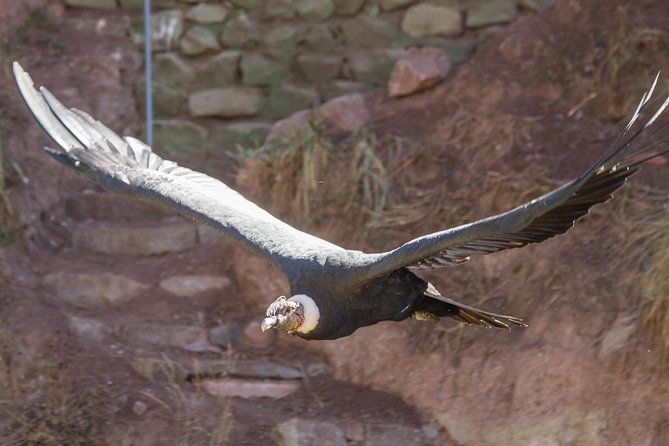
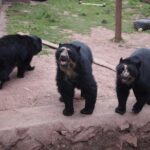
- You’ll see iconic Andean species such as condors, pumas, bears, monkeys, llamas, and alpacas
- Transportation matters because the sanctuary can feel remote once you’re done
- Donations are welcome if you want to add extra support beyond the ticket
More alpaca farms and animal sanctuaries
- Cusco: Alpaca and Llama Farm Tour w/ Transfer & Weaving Demo★ 4.9 · 151 reviews
- City Tour in Cusco & visit Museum South American Camelid Private.★ 5.0 · 147 reviews
- City Tour in Cusco & visit Museum South American Camelid★ 4.5 · 80 reviews
- From Cusco: Private Pisac Ruins and Alpaca Farm Day Trip★ 5.0 · 9 reviews
Cochahuasi Admission in Cusco: A Short Visit With Big Purpose
If you care about animals and want a visit that feels purposeful (not like a shopping stop in disguise), Cochahuasi Animal Sanctuary is an easy yes. For $10 per person, you’re buying more than entry. You’re buying a guided introduction to Andean wildlife rescues and the hard limits of rehabilitation.
The center’s model is simple: animals come in after abuse, trafficking, abandonment, or other dangerous situations. Then the staff work on recovery. Some animals can later be released back to the wild once they’re able. Others can’t, either because of health needs or because of human imprinting that changes their ability to survive outside.
That mix—hope plus realism—is the point. You’ll leave with a clearer picture of why sanctuaries exist, and why they’re not a quick fix.
What You’ll Do on the Ticket: One Guided Stop, Your Own Pace
Your admission centers on a single main stop: Cochahuasi Animal Sanctuary itself. Expect a guided introduction by a local expert, and then time to explore the grounds at your own pace within the visit window.
The duration is usually 45 minutes to 1 hour 30 minutes. That short window matters. It keeps the visit focused, and it makes it practical if you’re already dealing with Cusco logistics like altitude timing, walking, and figuring out transport around town.
Also, you’re not dealing with a giant crowd. The group limit is 15 travelers, which tends to make the explanations easier to follow and helps you move around without feeling rushed.
The Conservation Story You’ll Hear From the Guide
This is where the ticket earns its value. You’re not just looking at animals—you’re learning the rescue math that sanctuaries live with every day.
Here are a few themes the guide explains during the walk:
- how animals arrive (abuse, trafficking, abandonment, or dangerous human contact)
- what “recovery” can mean in real life
- why some animals can eventually go back to nature, while others need long-term care
- how human imprinting can block release even when an animal seems healthy
One detail that really sticks with me: many rescued animals can’t return to the wild because they’re injured, or because they’ve become too used to people. That’s not a failure of the program. It’s the honest biology of survival.
Meet the Andean Wildlife Up Close (and Ask Real Questions)
Cochahuasi is built around rescued Andean species. Based on what you can see and what guides commonly point out, you may encounter animals such as:
- condors
- pumas
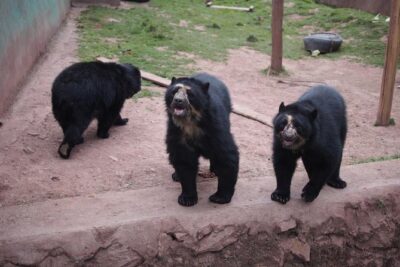
- bears
- monkeys
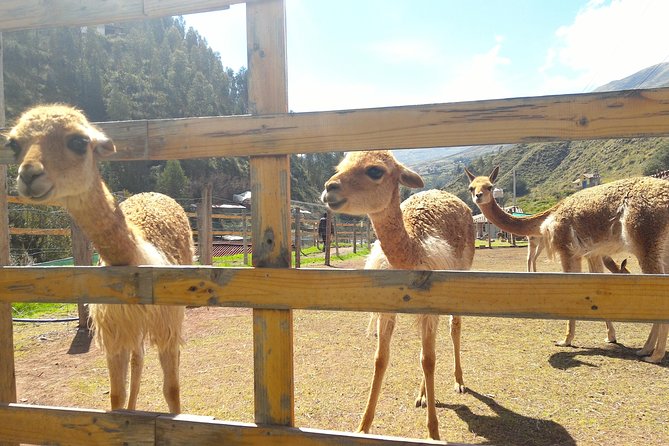
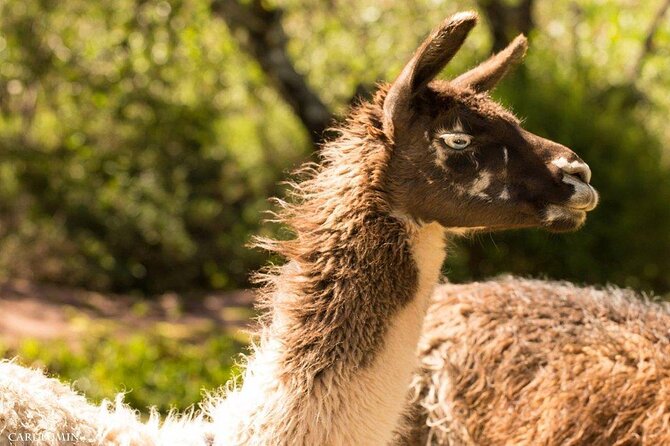
- llamas and alpacas
You’ll likely get close enough for meaningful observation. And since this is a guided ticket, you can ask why certain animals are housed the way they are, what their current status means, and what care looks like day to day.
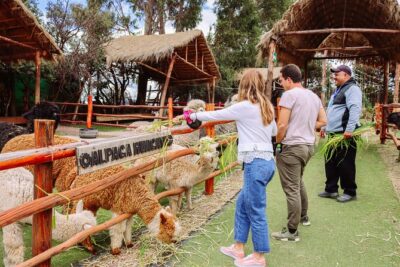
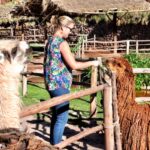
One review mentioned a highlight: seeing condors so close up, and spending time with caretakers while learning about the animals’ backgrounds. Another review noted a big moment with alpacas—the chance to feed or pet them as part of the visit. If animal interaction is on your wish list, this is one reason Cochahuasi can be better than a standard zoo-style pass.
A last few Cusco tours and experiences to fold into the trip
Pumas and the Dentures Detail
One of the most memorable stories in the feedback is about pumas that had teeth and claws removed in the past. The sanctuary later made dentures so the animals could eat meat again.
It’s an intense example, but it explains why sanctuaries are essential. They don’t just provide a safe place to wait. They solve physical problems that humans caused in the first place.
The Reality Check: Enclosures, Space, and Expectations
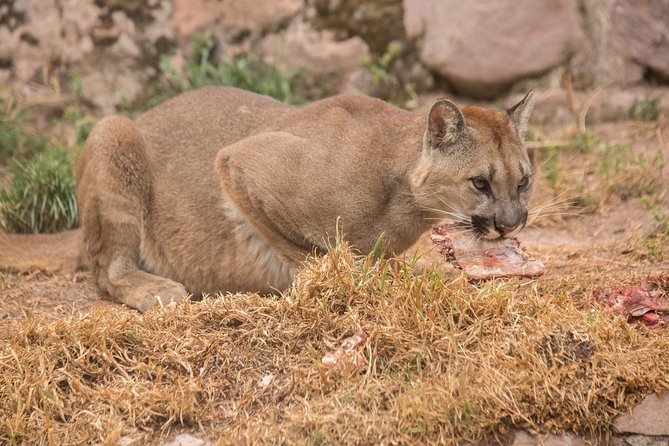
Here’s the balanced part you need before you go: a sanctuary can’t be a fantasy wildlife preserve. Many animals arrive injured, stressed, or altered by human contact. That often means housing them in enclosures, sometimes in areas that visitors experience as smaller than they imagined.
A couple of comments directly criticize aspects like enclosure size, cleanliness, and the overall feel of the facilities. Another comment counters that the sanctuary takes in animals saved from abuse, trafficking, abandonment, or poor treatment, and offers safe care suited to each animal’s needs.
So what should you do with this information? Go with eyes open. If you expect animals to roam freely like wild neighbors across a mountain trail, you’ll probably feel disappointed. If you understand that sanctuaries are hospitals plus homes—where the goal is safety and long-term welfare—you’ll likely find the visit deeply meaningful.
Price and Value: $10 Here vs. 20 Soles On Site
The admission ticket is listed at $10.00 per person, and that’s a good deal for a guided experience that typically takes up to 90 minutes.
One visitor noted that if you pay at the sanctuary gate, the price can be 20 soles per person, which can feel higher than the $10 online price depending on the exchange rate at the time. Even if you end up paying the higher onsite amount, this isn’t a typical tourist add-on. You’re supporting rescue work, and you’re getting guided context for what you’re seeing.
To get the best value:
- book ahead so you don’t waste time waiting
- schedule it at a moment when you won’t feel rushed
- if you want to do more than ticket-only support, consider an extra donation (a review specifically said the center appreciates it)
Logistics From Cusco: Getting There and Not Getting Stuck
Cochahuasi sits about 30 minutes from Cusco, but “30 minutes” can be misleading if you’re not used to remote edges of town. One review flagged this clearly: once you’re there, you may find the ride back less straightforward unless you plan ahead.
My practical advice:
- Arrange a round-trip plan. If you use an Uber or cab, ask about waiting time or confirm where the driver will meet you after the visit.
- If you’re hiring a taxi, having the driver wait can prevent that end-of-visit scramble.
- If you’re traveling with limited time, protect your schedule. The sanctuary visit is short, but transport delays can eat up your day fast in Cusco.
If you’re unsure, aim to treat Cochahuasi as a mini half-day. Even though the animal walk is brief, travel and meeting points usually take more time than you expect.
What to Expect During the Walk (Stop-by-Stop Feel)
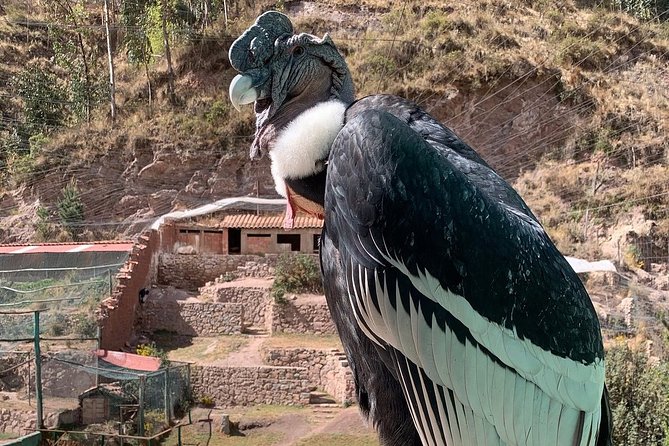
There’s only one main stop, but the experience still has a flow.
At the start, you’ll connect with the guide and begin the sanctuary route. This is where you get the rescue context and the basics of which animals can (or can’t) be released. The guide’s explanations help you interpret what you’re seeing, including why some enclosures exist and what those living spaces are meant to accomplish.
Then you’ll have time to move around at your own pace. That’s important in animal settings because you’ll naturally spend more time with certain species. You might also want to linger longer over details if the guide points out specific facts like the medical history, the recovery process, or the day-to-day care routine.
Who Should Book Cochahuasi (and Who Might Hesitate)
You’ll enjoy this most if:
- you love wildlife and want a close, guided look at Andean species
- you like conservation stories with clear context, not vague feel-good posters
- you can handle the reality that sanctuary visits are about safety and recovery, not freedom
You might hesitate if:
- you hate the idea of seeing animals in enclosures, even when you understand why it’s necessary
- you expect facilities to feel like a modern, polished visitor attraction
- you’re sensitive to strong rescue stories. Some of the background is heavy, because the animals’ pasts were.
Practical Tips for a Comfortable Visit
You don’t need extreme fitness for this one, but the activity does mention a moderate physical fitness level. In plain terms, plan for walking inside the sanctuary and standing while the guide explains things.
A few small moves that help:
- wear comfortable shoes for a short but active walk
- bring water if you tend to get thirsty, since food and drinks are not included
- if you’re sensitive to smells or enclosures, keep your expectations realistic and focus on the rescue work and animal welfare information you’re learning
Group size is capped at 15, so you’ll still be around other visitors, but it’s not the kind of crowd where you can’t ask questions.
Should You Book Cochahuasi Animal Sanctuary Admission?
For most animal lovers who are visiting Cusco, I’d book it. The ticket price is low for what you get: a guided introduction to rescue and rehabilitation, a chance to see multiple Andean species, and a visit that’s short enough to fit into a packed itinerary.
I’d think twice only if you need a wildlife experience that feels fully wild and free-roaming. Cochahuasi is about rescued animals living safely, sometimes permanently, sometimes temporarily, while the staff do what they can with medical recovery and behavior challenges.
If you’re deciding today, here’s the simplest way to choose:
- book if you want guided conservation context and real animal rescue stories
- skip if enclosure settings will bother you so much that you can’t focus on the care and recovery purpose
FAQ
How much does the Cochahuasi Animal Sanctuary admission ticket cost?
The price is $10.00 per person.
How long is the visit?
Plan for about 45 minutes to 1 hour 30 minutes, approximately.
Do I get a guide with the ticket?
Yes. A local guide is included with your admission ticket.
What animals will I see?
You may see Andean species such as condors, pumas, bears, monkeys, llamas, and alpacas.
Is food and drinks included?
No. Food and drinks are not included.
What is the group size limit?
There is a maximum of 15 travelers.
Is the visit okay for kids?
Children must be accompanied by an adult.
What if I need to cancel?
You can cancel for a full refund if you cancel up to 24 hours in advance of the start time.
Do I need moderate physical fitness?
Yes. The activity recommends a moderate physical fitness level.
More Tickets in Cusco

More Tour Reviews in Cusco



More Alpacas and Sanctuaries


Recent write-ups from around Cusco, just off the trail
- Cuzco: Rainbow Mountain Excursion
★ 5.0 · 3 reviews - 1 day excursion to Qeswachaka bridge and the 4 lagoons
★ 3.6 · 3 reviews - Waqrapukara 1 day trekking + meals
★ 3.9 · 3 reviews - Valle Sur Cusco | half day
★ 4.3 · 3 reviews - Full-Day Condor Viewpoint & Inca Sites Tour
★ 5.0 · 3 reviews
Alpaca Farms & Animal Sanctuaries, compared.
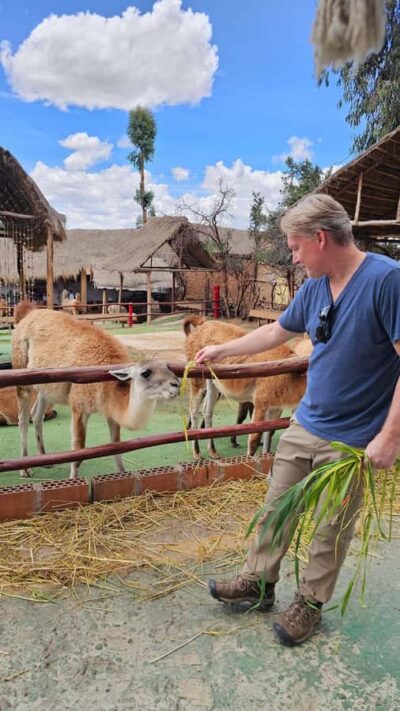 ★ 4.9Alpaca and Llama Farm Tour w/ Transfer & Weaving DemoFrom $34151 reviews
 ★ 5.0City Tour in Cusco & visit Museum South American Camelid Private.From $49147 reviews
 ★ 4.5City Tour in Cusco & visit Museum South American CamelidFrom $1180 reviews
 ★ 5.0From Cusco: Private Pisac Ruins and Alpaca Farm Day TripFrom $889 reviews
 ★ 5.0Cusco Santuario de Animales Rescatados en CuscoFrom $346 reviews
Browse the lists this tour appears in