
REVIEW · ALPACA FARMS & ANIMAL SANCTUARIES
Cusco Santuario de Animales Rescatados en Cusco
Cochahuasi Animal Sanctuary turns Cusco into a gentler day. I love the small, personal guide setup and the way the tour connects each animal to a real rescue story. I also like the focus on education, not just photos, so you leave with a clearer sense of why this place exists.
One possible drawback: because it depends on animals being out and moving normally, the experience can be affected by weather and the day’s conditions. It’s also not a long outing, so if you want a full half-day of hiking, this won’t be that.
In This Review
- Key points before you go
- Cochahuasi Animal Sanctuary: the kind of Cusco tour that feels personal
- Price and time: good value for a short, meaningful visit
- Pickup, mobile ticket, and how the day runs
- Walking the sanctuary: what to expect at your first stop
- The guide matters: Albert’s patient animal stories
- Why the mission is the real highlight (and it shows)
- Native animals you might see, and what each encounter teaches
- The close-up moments: feeding, petting a toucan, and condors in the sky
- The store that supports the sanctuary (and local communities)
- Logistics that help you plan: small group, English guide, flexible return
- Who should book this sanctuary tour from Cusco
- Who might want to skip it
- Should you book Cochahuasi Animal Sanctuary in Cusco?
- FAQ
- How long is the Cochahuasi Animal Sanctuary tour?
- What does the tour cost, and is admission included?
- Do you offer hotel pickup and drop-off?
- Is the tour in English?
- How many people are in a group?
- What animals can you see at the sanctuary?
- What happens if weather is poor?
- Where does the tour start and end?
Key points before you go
- Small group feel (max 10) makes it easier to ask questions and actually hear the explanations
- Private, paced tour with a guide means you can slow down when a bird or monkey draws your attention
- Native animals from the sierra and jungle show up throughout the visit, not all in one quick photo stop
- Feeding and close animal encounters can be part of the day, including special moments like petting a toucan
- Your purchase helps long-term care: 50% of sales from alpaca products goes to the animals, 50% to peasant communities near the sanctuary
More alpaca farms and animal sanctuaries
- Cusco: Alpaca and Llama Farm Tour w/ Transfer & Weaving Demo★ 4.9 · 151 reviews
- City Tour in Cusco & visit Museum South American Camelid Private.★ 5.0 · 147 reviews
- City Tour in Cusco & visit Museum South American Camelid★ 4.5 · 80 reviews
- From Cusco: Private Pisac Ruins and Alpaca Farm Day Trip★ 5.0 · 9 reviews
Cochahuasi Animal Sanctuary: the kind of Cusco tour that feels personal
Cochahuasi is the sort of place that makes you look at animals differently. This isn’t a circus vibe. It’s a rescue-and-rehabilitation sanctuary where the goal is care first, education second, and long-term support always.
You’re in Cusco, but the animals you see cover a wide range of native habitats—from the Andes to the jungle zones. That mix matters. Instead of one single “theme” yard full of the same animals, you get a more complete picture of how diverse life is in Peru and how many different species need help when humans cause harm.
Price and time: good value for a short, meaningful visit
At $34 per person, this is priced like a solid activity rather than a splurge. The big reason it feels like value: you’re not just paying for entry. The tour includes the admission ticket and comes with pickup and drop-off from your area around Cusco.
Time-wise, expect about 2 to 3 hours. That’s ideal if you’re trying to balance the big Cusco hits—Sacsayhuaman, the center, markets—with something that doesn’t eat your whole day. You also get free time afterward, so the sanctuary visit doesn’t have to become a rushed checklist.
Pickup, mobile ticket, and how the day runs
The setup is straightforward. You’ll meet around Selina Cusco Saphi (Saphy 601, Cusco), and the operator can also pick you up from your hostel or a nearby location you can reach on WhatsApp contact. You’ll receive a mobile ticket, which keeps things simple when you’re hopping around town.
The tour language is English, so you’ll have no problem following the mission and animal stories. The group size is kept small—up to 10 travelers—which helps the guide keep the attention on you, not on the clock.
After the visit, the return is flexible. You’ll typically end back at the meeting point, but there’s also the option to be taken back to your accommodation or to the main square of Cusco depending on how the day is organized.
Walking the sanctuary: what to expect at your first stop
Your main stop is the Cochahuasi Animal Sanctuary itself. The experience starts with the short drive out of Cusco and then shifts into walking and learning. You’ll tour the animals in their areas, including spaces designed so they’re not just displayed—they’re cared for.
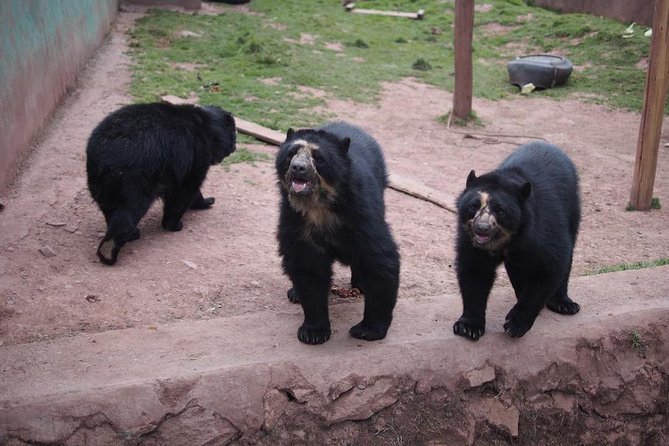
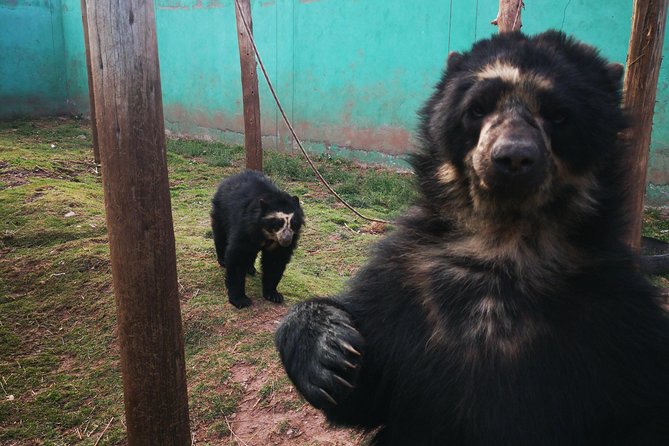
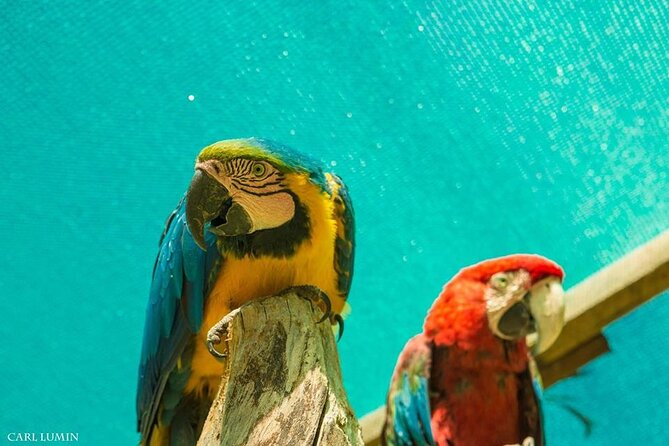
The sanctuary highlights native species from both sierra and jungle regions. Depending on the day, you may see animals in their housing areas, including:
- monkeys
- macaws
- turtles
- deer
- deer cats (a small cat species associated with the Andes region)
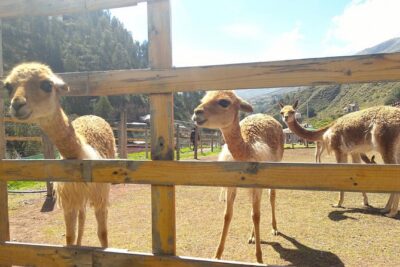
- alpacas
- bears
- wild cats
- foxes
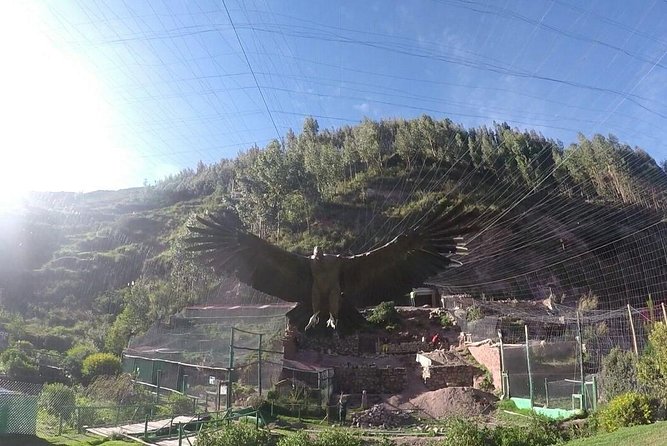
- condors
This isn’t a “look quickly and leave” situation. A guide is with you for the whole experience and explains what you’re seeing and how rescue care works.
The guide matters: Albert’s patient animal stories
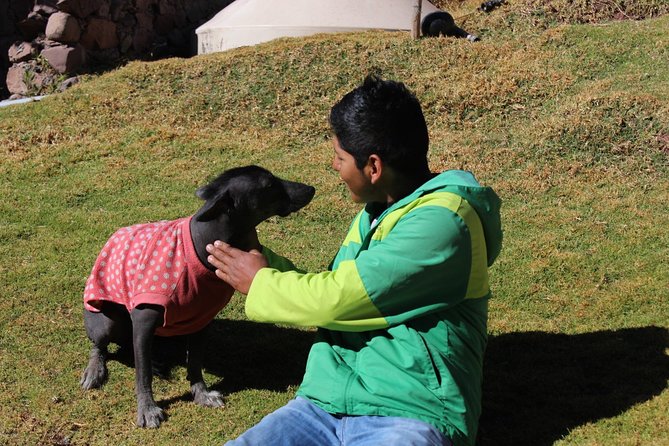
One of the most praised parts of this tour is the guide style—calm, patient, and focused on facts. In particular, Albert gets called out for giving an in-depth tour with real care and patience, sharing each animal’s background and what it went through before the sanctuary.
That storytelling is not fluff. When you understand why a rescued animal ended up here, the whole visit changes. A cage or enclosure stops being just a barrier and starts being a holding-and-recovery space. You see the difference between a place that traps animals and a place that tries to rebuild safety.
A personal guide also helps with pacing. If you want to linger at the aviary or go back for one more look at a bird, you can. Small group dynamics make it easier to keep the tone relaxed instead of herding everyone through.
Why the mission is the real highlight (and it shows)
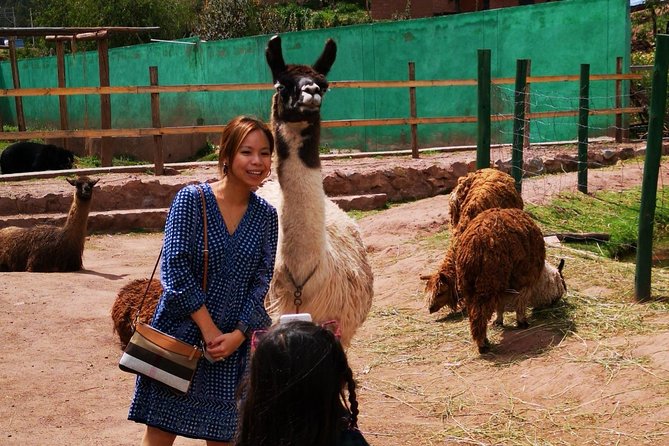
The sanctuary’s mission is educational and rescue-focused. You’ll learn that many animals arrived as victims of serious human harm, and the sanctuary exists to provide healthy food, attention, and care so animals can feel safe and loved.
You’ll also hear how the sanctuary educates schools and the public. The idea is simple: if people learn to respect animals early, fewer animals end up needing rescue later. This matters because the emotional part of the visit can fade fast unless it’s tied to a practical message.
A detail I really appreciate: the sanctuary doesn’t rely heavily on government support. That means donations and purchases actually become part of the survival system for the animals’ daily care.
Native animals you might see, and what each encounter teaches
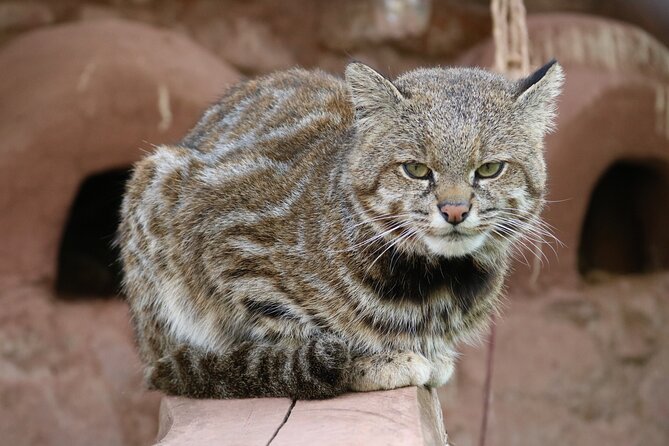
Seeing animals like macaws, condors, and turtles in one visit is a reminder that Peru’s wildlife isn’t only about mountains and llamas. The Andean world includes birds of prey and smaller mammals that many people never get to learn about in an ordinary city day.
Here’s the useful part for your brain: the tour helps you connect each species to its needs. Instead of you thinking, I’m just looking at animals, you start thinking, This animal needs safety, appropriate food, and time. That shift makes your visit more meaningful even if you don’t know species names beforehand.
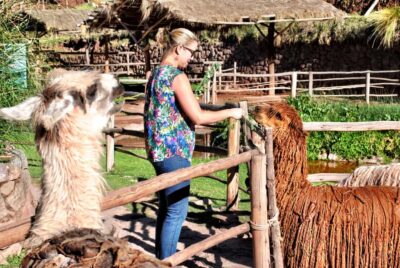
And yes, you’ll likely get some moments that go beyond passive viewing. More than one person mentions feeding activities—like feeding birds and alpacas—and even a playful chance to pet a toucan when the staff can bring it out. Those moments aren’t the point by themselves, but they help you understand the sanctuary’s relationship with the animals as a calm, managed one.
The close-up moments: feeding, petting a toucan, and condors in the sky
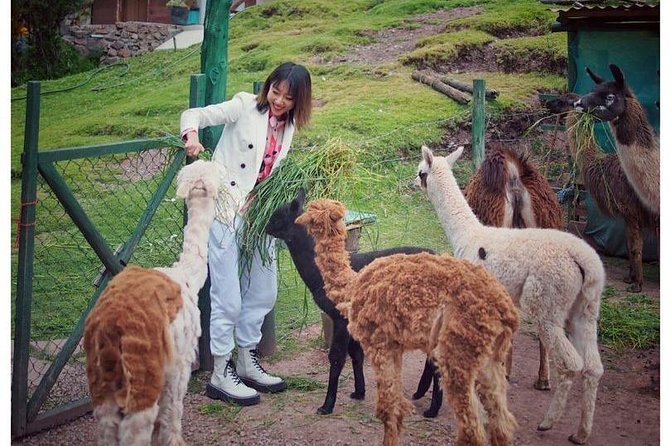
If you like hands-on experiences, this is one of the better Cusco animal tours. People describe feeding birds, alpacas, and other animals as a fun part of the day. One highlight specifically mentioned is petting a toucan, with staff able to bring it out again so a visitor could get the chance.
Another memory that sticks for many: a condor flying over during the visit. That kind of sight is pure Peru. Even if you’ve seen birds in city parks, a condor sighting changes the scale of what you’re thinking about.
Practical note: because this is a sanctuary and nature is involved, you can’t treat these moments like guaranteed show times. Think of them as bonuses when conditions allow.
The store that supports the sanctuary (and local communities)
After the tour, there’s time to visit a shop with products made from alpaca. This is one of those rare cases where shopping can feel like it has a clear purpose.
The breakdown is:
- 50% of sales goes to support the animals
- 50% goes to peasant communities around the sanctuary
That two-part funding model matters, especially when the sanctuary doesn’t receive support from the government. If you want to contribute without making a donation every time, this is a practical route—and it’s tied to local production rather than imported souvenirs.
Logistics that help you plan: small group, English guide, flexible return
This tour fits well into a Cusco schedule because it’s not overly long and because the group size stays small. The tour runs in English, and it’s also marked as suitable for most travelers, which makes it a good pick if you’re not trying to do a strenuous day.
The flexible return is useful if you’re trying to line up dinner near the main square or if you just want to get back to your lodging without extra taxi hassle. When plans are tight in Cusco, those details matter more than you’d think.
One more planning angle: the tour is often booked about 17 days in advance on average. If you’re traveling in a busy season, grab your spot early so you’re not stuck hunting for last-minute availability.
Who should book this sanctuary tour from Cusco
This is a great choice if you want:
- a short, meaningful activity
- an animal-focused day that includes education and real rescue context
- a smaller group experience with an English guide
- the chance of feeding or close contact moments when staff can make them happen
It’s also ideal if you’re traveling with someone who likes animals but doesn’t want a long, complicated outing. And if you’re the kind of traveler who hates rushed factory-tour vibes, the pacing and small group limit should feel right.
Who might want to skip it
Skip it if you’re looking for:
- a full half-day outdoor adventure
- a guided hike with big viewpoints
- a totally predictable, timed feeding show
Also, if you’re very sensitive to the realities of animal rescue—meaning you don’t want to hear how some animals were harmed before coming here—this tour may hit harder than you expect. The mission is part of what makes the visit powerful.
Should you book Cochahuasi Animal Sanctuary in Cusco?
Yes, if you want a Cusco day that’s gentle on your schedule and strong on purpose. The value is solid for $34, especially because the admission ticket is included and pickup is offered. The small group limit and the focus on education make it more than a quick photo stop.
The strongest reason to book is the way the sanctuary connects what you see to why it matters. If you leave with better respect for animals—and a clearer idea of how rescues get funded—then the time and money feel like they did something.
If weather is iffy during your dates, keep your plans flexible. This experience requires good weather, and if it can’t run, you’ll be offered another date or a refund.
FAQ
How long is the Cochahuasi Animal Sanctuary tour?
The tour is about 2 to 3 hours.
What does the tour cost, and is admission included?
It costs $34.00 per person, and admission ticket is included.
Do you offer hotel pickup and drop-off?
Yes. Pickup is offered from your hostel or a nearby location, and drop-off is available afterward.
Is the tour in English?
Yes, it’s offered in English.
How many people are in a group?
The maximum group size is 10 travelers.
What animals can you see at the sanctuary?
You may see monkeys, macaws, turtles, deer, deer cats, alpacas, bears, wild cats, foxes, and condors, among others.
What happens if weather is poor?
If the tour is canceled due to poor weather, you’ll be offered a different date or a full refund.
Where does the tour start and end?
The tour starts at the meeting point at Selina Cusco Saphi (Saphy 601). It ends back at the meeting point, with flexible return options to your accommodation or the main square depending on the arrangement.
More Tour Reviews in Cusco


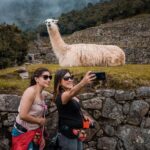

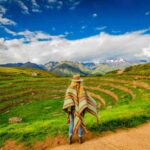
More Alpacas and Sanctuaries
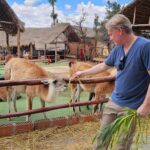

Recent write-ups from around Cusco, just off the trail
- Cuzco: Rainbow Mountain Excursion
★ 5.0 · 3 reviews - 1 day excursion to Qeswachaka bridge and the 4 lagoons
★ 3.6 · 3 reviews - Waqrapukara 1 day trekking + meals
★ 3.9 · 3 reviews - Valle Sur Cusco | half day
★ 4.3 · 3 reviews - Full-Day Condor Viewpoint & Inca Sites Tour
★ 5.0 · 3 reviews
Alpaca Farms & Animal Sanctuaries, compared.
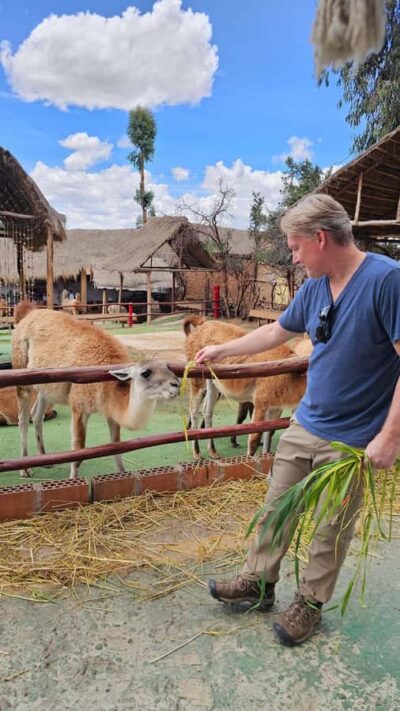 ★ 4.9Alpaca and Llama Farm Tour w/ Transfer & Weaving DemoFrom $34151 reviews
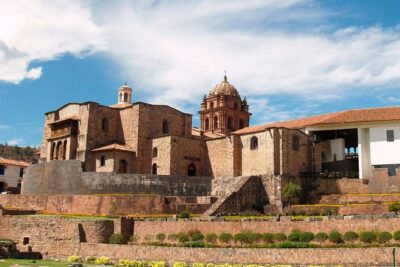 ★ 5.0City Tour in Cusco & visit Museum South American Camelid Private.From $49147 reviews
 ★ 4.5City Tour in Cusco & visit Museum South American CamelidFrom $1180 reviews
 ★ 4.5Cochahuasi Animal Sanctuary® Admission TicketFrom $1074 reviews
 ★ 5.0From Cusco: Private Pisac Ruins and Alpaca Farm Day TripFrom $889 reviews
Browse the lists this tour appears in