
REVIEW · MARAS & MORAY SALT MINES
From Cusco: Chinchero Weavers, Moray, Maras Salt Mines Tour
A day in Moray and Maras feels like science class. You’ll start with the Inca agricultural laboratory at Moray, then move on to the salt mines at Maras with thousands of working ponds, and finish in Chinchero where the tour focuses on the textile process. What I like most is that you’re not just taking photos—you’re learning what you’re seeing, and a bilingual guide (for example, Irina has led Spanish and English explanations) helps the places click.
I also like the pacing. One of the best takeaways from recent visitors is that a smart, energetic guide keeps things moving so you have time to enjoy what matters and avoid a lot of crowd pressure. One drawback to plan for: Moray and the salt mines have separate paid entrances, and lunch isn’t included.
In This Review
- Key takeaways for a Cusco day: Moray, Maras, Chinchero
- Moray’s circular terraces: the Inca “agricultural laboratory”
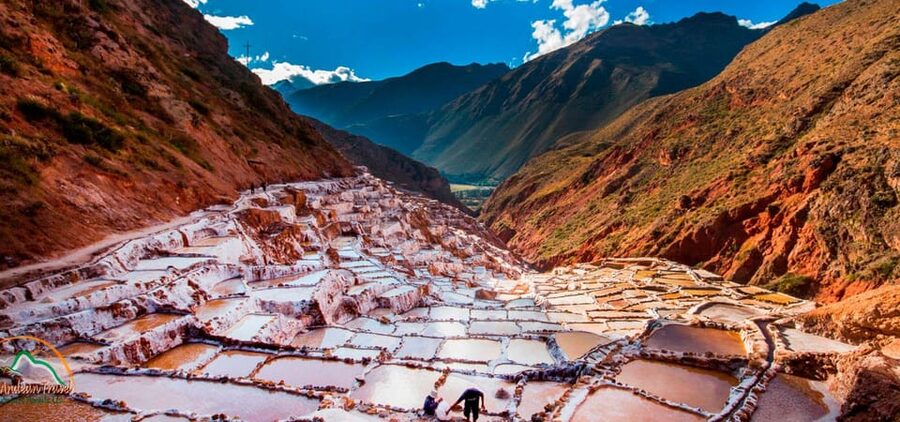
- Maras salt mines: more than 3,500 ponds
- Chinchero: the textile process and what it means after Moray
- The 6-hour plan from Cusco: when to expect it
- What’s included (and what you’ll pay separately)
- Your best “bring” list: water, sunscreen, cash, camera
- Getting the most from your bilingual guide
- Who should book this Cusco loop?
- Should you book this tour?
- FAQ
- What time does the tour start and when do we return?
- What’s included in the price?
- What costs are not included?
- What languages is the guide available in?
- What should I bring with me?
- Can I cancel for a refund?
Key takeaways for a Cusco day: Moray, Maras, Chinchero
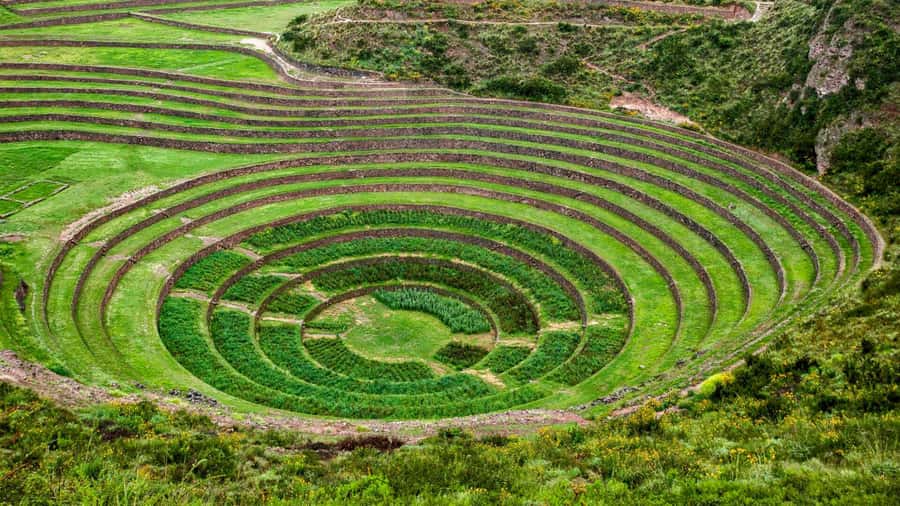
- Moray’s circular terraces: different growing conditions in one compact site, explained in plain terms by your guide
- Maras salt ponds: more than 3,500 ponds in a working salt-mining scene
- Chinchero textile focus: you’ll learn about the textile process after the agricultural stops
- Bilingual guidance: Spanish and English support, with energetic interpretation (Irina is one example)
- A well-run 6-hour loop: built to give you time to enjoy sights without feeling rushed
More Maras salt pans and Moray terraces
- Cusco: Sacred Valley, Pisac, Ollantaytambo, Salt Mines Moray★ 4.6 · 1,058 reviews
- Cusco:Chinchero,Moray & Salt Mines drop-off in Ollantaytambo★ 4.8 · 793 reviews
- Sacred Valley: Chinchero, Moray, Ollantaytambo & Pisac+Lunch★ 4.8 · 501 reviews
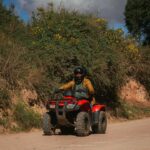
- Sacred Valley: Maras & Moray by Quad Bike from Cusco★ 4.6 · 418 reviews
Moray’s circular terraces: the Inca “agricultural laboratory”
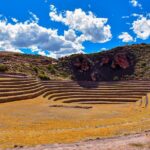
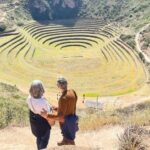
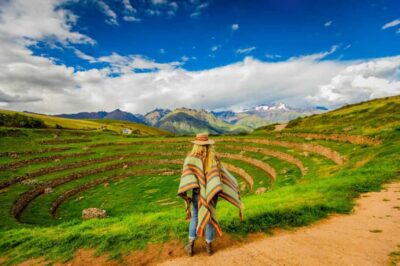
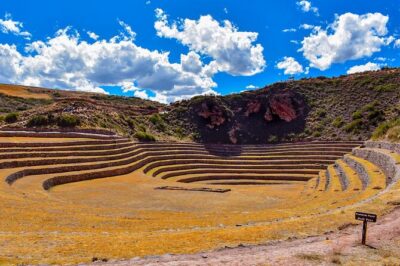
Moray is where the tour earns its keep. The site is known as an agricultural laboratory for the Incas, and the headline feature is the set of circular terraces. The cool part is not just the shape—it’s the idea that each terrace creates a different climate or growing environment. Standing there, you get a sense of how the Incas experimented with conditions to understand what could thrive where.
This stop also sets the tone for the whole day. Once you understand Moray’s logic—temperature and exposure changing across terraces—the next stops make more sense. Your guide can connect the dots with context you can actually use on the ground: what you’re looking at, why it was designed that way, and how the terraces functioned as a kind of outdoor research space.
Timing matters too. You’re usually starting early in the morning from central Cusco, which helps you see Moray with less stress. Even if weather shifts, Moray’s terraces stay a strong focal point because the geometry tells the story.
Maras salt mines: more than 3,500 ponds
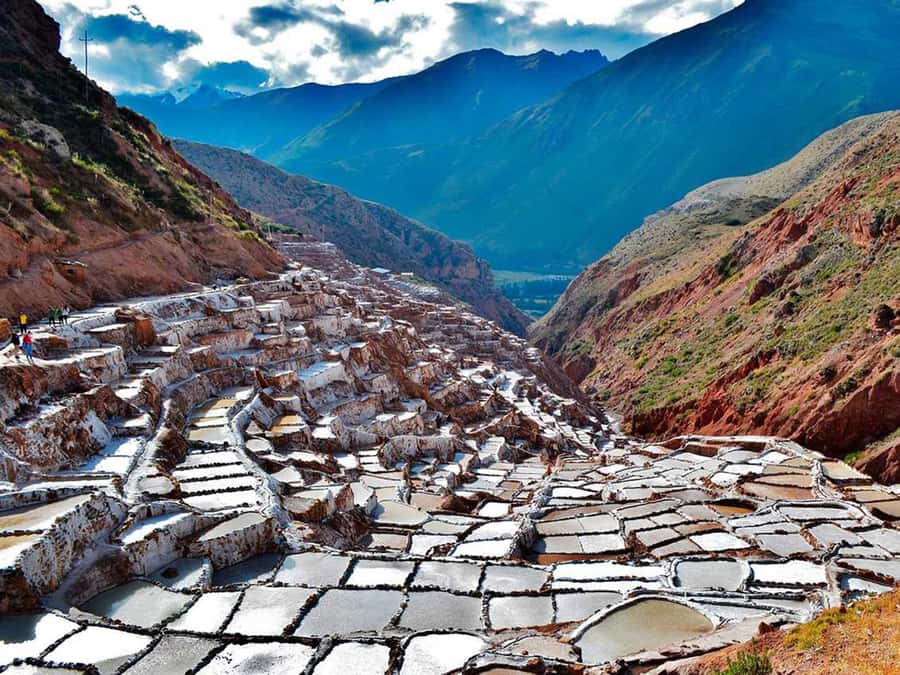
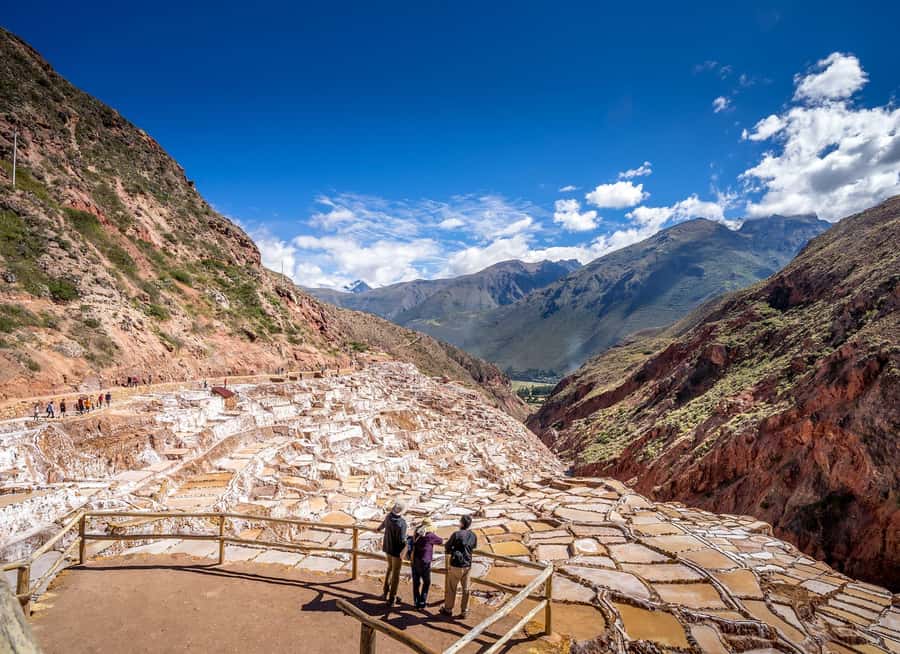
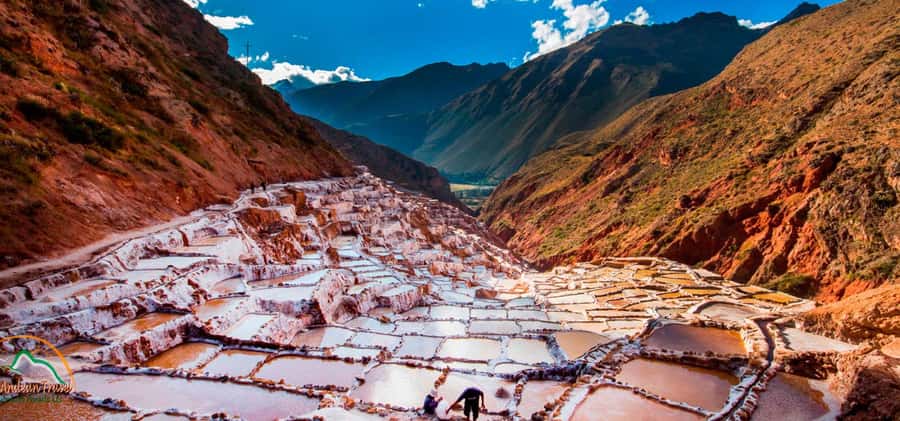
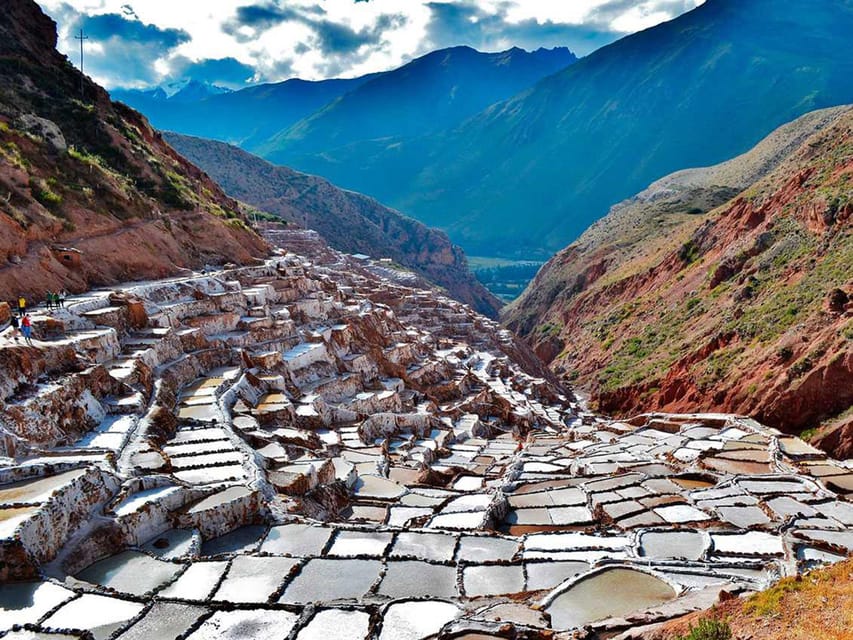
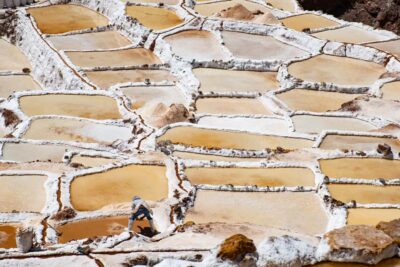
After Moray, you head to the salt mines of Maras. This is the part many people remember first because the scale is immediate: you can see more than 3,500 salt ponds. They’re arranged across the slope, and the scene reads like a grid from above—small basins working together.
The tour information also highlights medicinal properties linked to the salt ponds. Even if you don’t need the science, this detail gives you a reason to look closely rather than treating the salt mines as just another viewpoint. Your guide can frame what you’re seeing as a long-running local practice, not a one-time spectacle.
Practical note: the entrance to the salt mines is not included in the $13 tour price. You’ll want cash ready, since the listed entrance price is S/15 (about $5). If you’re the type who likes to keep things smooth, plan to cover this before you reach the site so you don’t slow the group down.
Chinchero: the textile process and what it means after Moray
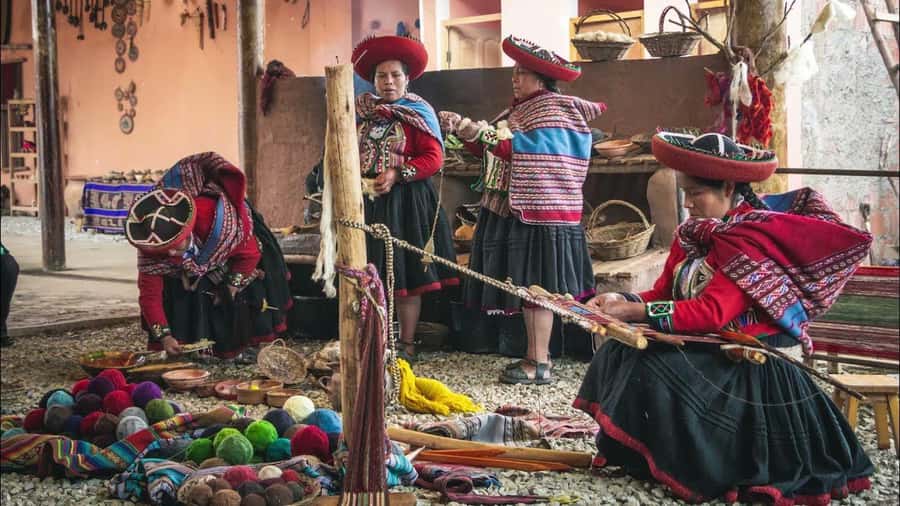
The last stop is Chinchero, and the tour’s name makes a promise here: Chinchero Weavers. The highlights focus on the textile process, which is a smart contrast to the morning’s agricultural and salt-mining themes.
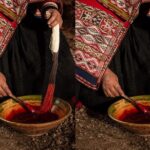
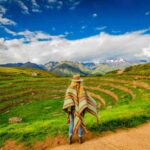
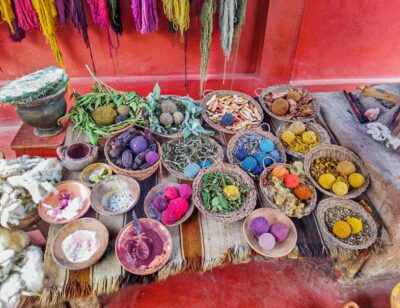
Here’s why that matters for your experience. After spending hours on terraces and salt production, you’re primed to pay attention to how Andean life is organized around materials. Textiles in the region aren’t just craft—they’re tied to how communities work with fibers, dyes, patterns, and practical skills passed through generations. The tour’s structure helps you connect the dots: food and growing conditions in Moray, resources and production in Maras, and then a cultural craft expression in Chinchero.
One more detail from the tour description: you’ll visit the town of Chinchero to observe salt ponds. If you’re wondering how that fits, treat it as an extra layer rather than a repeat. The main lesson is variety: the day moves from an experimental site (Moray) to industrial-scale salt collection (Maras) and then to local craft and production context (Chinchero).
The 6-hour plan from Cusco: when to expect it
This tour runs about 6 hours. It begins at 8:00 a.m. with pickup from your hotel in the historic center of Cusco. The return is approximately 15:00 p.m., back to the historic center.
That timing is useful if you want a big, full day without losing your whole evening. It’s also a good fit if you’re balancing other Cusco-area plans, like a second tour later in the week. Because the route is compact—Moray, then Maras, then Chinchero—the day feels connected rather than scattered.
How it feels in real life depends on the group and the pace of your guide. Based on strong past feedback, I’d expect an energetic guide to keep things organized so you have time to enjoy the sights and not spend the day stuck in long crowd bottlenecks. Still, this is a working travel day: you’ll be in and out of vehicles and moving between sites, so don’t schedule anything right after pickup unless you like to live dangerously.
More Pisac and Ollantaytambo ruins

What’s included (and what you’ll pay separately)
Let’s talk value, because $13 sounds low for a full guided day from Cusco—and that’s where the fine print matters.
Included:
- hotel pick-up service within the historic center
- round trip transportation
- a professional bilingual guide (Spanish/English)
Not included:
- partial tourist entrance to Moray (S/. 70, or about $20)
- entrance to the salt mines of Maras (S/. 15, or about $5)
- lunch
So what are you really paying for? The $13 covers the guide and getting you around efficiently. Once you add the two entrances, your full on-the-ground cost climbs, and lunch becomes your personal choice. For many visitors, that’s still a good deal because you’re paying for guided interpretation at multiple sites in one day, rather than doing everything solo and figuring out timing.
My practical advice: bring cash and expect to budget for entrances plus a meal. If you’re a planner, you can keep lunch simple—grab something quick before or after, but keep your energy for Moray and Maras.
Your best “bring” list: water, sunscreen, cash, camera
This tour is straightforward, but it asks for a few basics.
Bring:
- camera
- sunscreen
- water
- cash
Cash matters because two key entrances aren’t included. You’ll also be happier if you don’t rely on last-minute payment at the gate.
Don’t bring:
- alcohol and drugs
Also, this isn’t a “sit and watch” day. Sunscreen and water aren’t optional comfort items. And if you love photos, the stop order helps. Moray gives you the structured, terrace view first; Maras gives you the repetitive pond pattern at scale; Chinchero gives you a closer cultural craft focus where images can tell a different story than wide landscapes.
Getting the most from your bilingual guide
The guide is a big part of why this tour works. The tour description promises a professional bilingual guide in Spanish and English. And the strongest reviews point to guides who explain with energy and clarity. One specific example: Irina reportedly gave Spanish and English narration smoothly, and the group visited everything as planned.
Here’s how you can use this to your advantage. Ask questions when the guide offers context—especially at Moray, where the terraces are easy to admire but harder to understand unless someone explains the logic. At Maras, ask what parts matter most: how the ponds are seen as more than a photo spot, and why the salt is discussed with medicinal properties.
If you want to avoid time-wasting, stay close when you’re at viewpoints. With a guided day, your best photos usually happen when you’re positioned with the group rather than wandering off for the perfect angle.
Who should book this Cusco loop?
This tour is a strong match if you want a guided day that connects three themes:
- Inca agriculture and experiment at Moray
- salt mining scale and production at Maras
- Andean textile craft focus at Chinchero
It’s also a good option if you prefer a clear plan and minimal decision-making once you’re in Cusco. You’ll get hotel pickup (within the historic center), transport, and interpretation.
It may not be the best fit if you have mobility limits or medical considerations, since it’s explicitly noted as not suitable for wheelchair users and people with pre-existing medical conditions.
Should you book this tour?
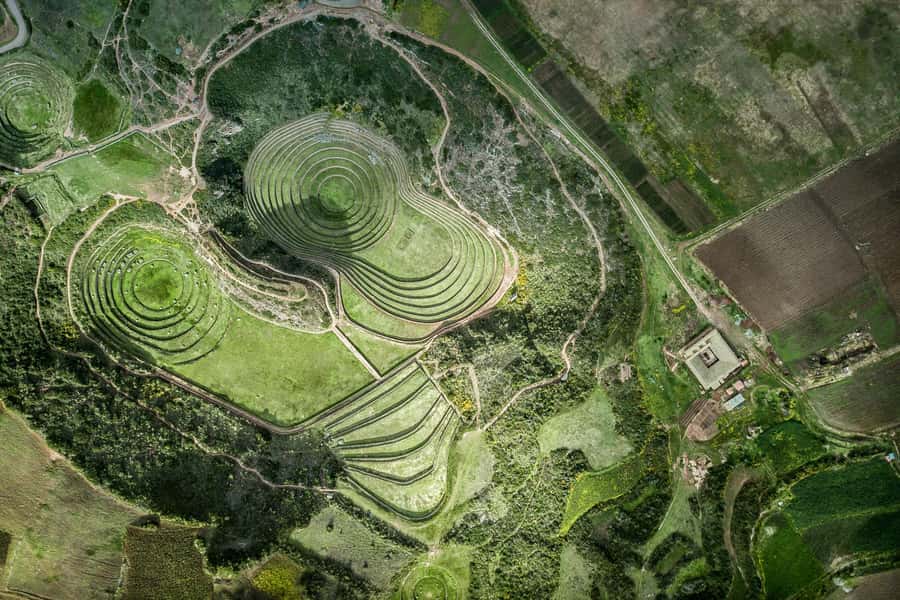
I’d book it if you want a single day that feels “taught,” not just toured. Moray and Maras are the headline attractions, but the value comes from understanding what you’re seeing: terraces as a system, salt ponds as a production landscape, and Chinchero as a cultural craft thread tying the day together.
Book it sooner than later if you’re working with limited time, because it starts with an early morning pickup from the historic center and returns around mid-afternoon. And since lunch isn’t included and entrances are extra, make sure you budget cash and food basics.
If your goal is to see Cusco region highlights with a guide who speaks Spanish and English and keeps the day organized, this one fits well. If you want a slower, deeply unhurried visit with no extra costs, you might prefer a custom pace or individual tickets.
FAQ
What time does the tour start and when do we return?
Pickup starts at 8:00 a.m. from your hotel in the historic center of Cusco. The return is approximately at 15:00 p.m.
What’s included in the price?
The tour includes hotel pickup (within the historic center), round trip transportation, and a professional bilingual guide.
What costs are not included?
You’ll need to pay separate entrances for Moray (S/. 70 or about $20) and the salt mines of Maras (S/. 15 or about $5). Lunch is also not included.
What languages is the guide available in?
The guide is available in Spanish and English.
What should I bring with me?
Bring a camera, sunscreen, water, and cash.
Can I cancel for a refund?
Yes. You can cancel up to 24 hours in advance for a full refund.
More Andean Weaving


More Pisac and Ollantaytambo

More Salt Pans and Terraces

Recent write-ups from around Cusco, just off the trail
- Cuzco: Rainbow Mountain Excursion
★ 5.0 · 3 reviews - 1 day excursion to Qeswachaka bridge and the 4 lagoons
★ 3.6 · 3 reviews - Waqrapukara 1 day trekking + meals
★ 3.9 · 3 reviews - Valle Sur Cusco | half day
★ 4.3 · 3 reviews - Full-Day Condor Viewpoint & Inca Sites Tour
★ 5.0 · 3 reviews
Maras & Moray Salt Mines, compared.
 ★ 4.8From Cusco: Sacred Valley & Maras Salt Mines Tour with LunchFrom $282,227 reviews
 ★ 4.8From Cusco: Moray, Maras Salt Mines & Chinchero Weavers TourFrom $151,925 reviews
 ★ 4.6Sacred Valley, Pisac, Ollantaytambo, Salt Mines MorayFrom $281,058 reviews
 ★ 4.8Chinchero,Moray & Salt Mines drop-off in OllantaytamboFrom $27793 reviews
 ★ 4.8Sacred Valley: Chinchero, Moray, Ollantaytambo & Pisac+LunchFrom $25501 reviews
 ★ 4.6Sacred Valley: Maras & Moray by Quad Bike from CuscoFrom $39418 reviews
 ★ 4.7From Cusco: Quad bike tour Moray and Salt MinesFrom $27314 reviews
 ★ 5.0From Cusco: Moray, Maras Salt Mines & Chinchero Weavers Half-DayFrom $15126 reviews
Browse the lists this tour appears in