
REVIEW · MARAS & MORAY SALT MINES
Cusco: Moray, Maras Salt Mines, and Chinchero Weavers Tour
Terraces and salt in one 6-hour loop. This half-day Cusco Region outing links Chinchero’s weaving traditions with the mind-bending Inca terraces of Moray. You’ll also get big Sacred Valley mountain views from several pull-offs, plus the famous Salineras salt mines with hundreds of working pools.
What I like most is how the day stays focused on hands-on culture and land use. I’m especially drawn to the way Moray’s irrigation system turns into a real story you can picture, not just a bunch of ruins. The one thing to keep in mind is that the day includes a workshop and shopping stop in Chinchero, so if you’re shopping-averse or picky about materials, go in with questions and a clear idea of what you want to buy.
In This Review
- Key highlights you’ll actually feel
- A 6-hour Sacred Valley route: Cusco to Chinchero, Moray, and Maras
- Chinchero weavers and natural dyes: what to expect (and how to shop smart)
- Moray archaeological complex: Inca terraces and irrigation logic
- Maras village and thin-stoned colonial architecture
- Salineras salt mines: walking among about 3,000 working pools
- Guide quality, pace, and group size in the Andes
- What you pay for: value, entrance fees, and smart budgeting
- Tips to make the most of high altitude and photography
- Should you book this Cusco Moray and Maras tour?
- FAQ
- How long is the Cusco: Moray, Maras Salt Mines, and Chinchero Weavers Tour?
- Where does the tour pick up and where does it end?
- Is the price fully inclusive of entrance fees?
- What language options do you get for the guided tour?
- How big is the group?
- What’s included in the tour?
- What should I bring for the trip?
- Is free cancellation available?
Key highlights you’ll actually feel
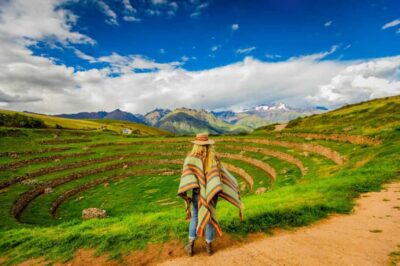
- Moray terraces at altitude: You’ll see the famous stepped design and irrigation logic around 11,318 feet.
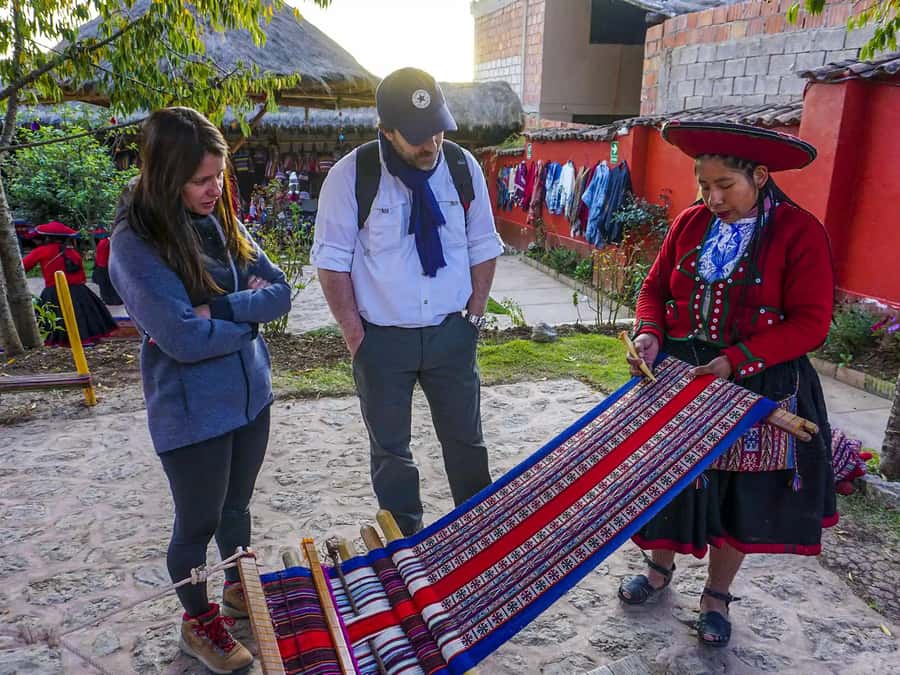
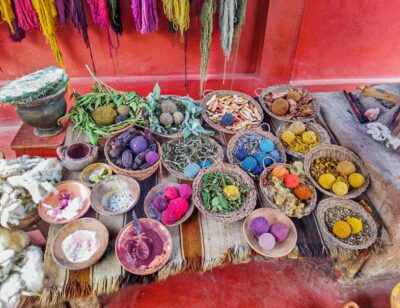
- Chinchero weaving workshop: Local artisans show how they use natural plants to make colors for Andean art.
- Maras village architecture: Thin-stoned colonial-style buildings give you a different texture than the Inca sites.
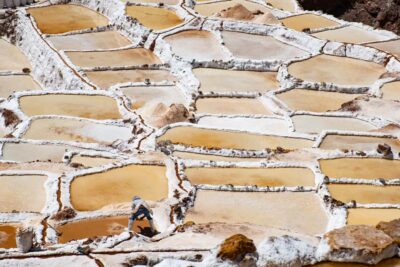
- Salineras salt mines: Walk among roughly 3,000 small pools still producing salt.
- Small group pace: Limited to 12 participants, which helps for photos and questions.
- Bilingual guide support: English and Spanish explanations help you stay on track even if you’re not fluent in Quechua.
More Maras salt pans and Moray terraces
- Cusco: Sacred Valley, Pisac, Ollantaytambo, Salt Mines Moray★ 4.6 · 1,058 reviews
- Cusco:Chinchero,Moray & Salt Mines drop-off in Ollantaytambo★ 4.8 · 793 reviews
- Sacred Valley: Chinchero, Moray, Ollantaytambo & Pisac+Lunch★ 4.8 · 501 reviews
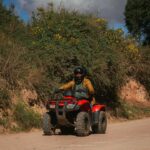
- Sacred Valley: Maras & Moray by Quad Bike from Cusco★ 4.6 · 418 reviews
A 6-hour Sacred Valley route: Cusco to Chinchero, Moray, and Maras
This tour is built like a tight mini-circuit of the Sacred Valley. You start in Cusco with hotel pickup, then you drive out to Chinchero first, before heading higher into Moray, and finally down to Maras and the Salineras salt mines. At the end, you’re dropped at Plaza Regocijo, so you can plan dinner without rushing.
The timing is short enough to be manageable, but long enough to feel like a full day. You’ll spend around 40 minutes at Moray, about 40 minutes at the salt mines, and roughly 30 minutes in Chinchero for photos, a walk, and a workshop visit. The rest is travel time, with coach rides between stops.
Altitude matters here. Chinchero sits around 3,762 meters, and Moray is at about 11,318 feet (3,450 meters). If Cusco is already a bit of a head game for you, pace yourself during walking sections. Bring water and slow your breaths; it helps more than forcing your way through.
Chinchero weavers and natural dyes: what to expect (and how to shop smart)
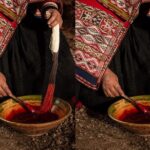
Chinchero is your first culture stop, and it’s the one that gives the day its living quality. You’ll get a break/photo stop and then a visit to a weaving workshop, where artisans keep the Quechua tradition alive. The big educational hook is the natural plant dyes—how colors come out of plants rather than synthetic chemicals.
This is exactly the kind of stop that can go two ways. If you lean in during the explanations, you’ll leave understanding how colors are produced and why the finished patterns look the way they do. If you treat it like a quick souvenir pit stop, you might feel like you spent time looking at shelves instead of learning the process.
A practical way to make this work for you: ask what the colors come from and what the fiber content is. Be clear about what you want to buy (or not buy). One low star experience you should take seriously is the warning that shop stops can vary, and you may be sold items that don’t match your expectations. You don’t have to be rude—just be direct and check details before paying.
Moray archaeological complex: Inca terraces and irrigation logic
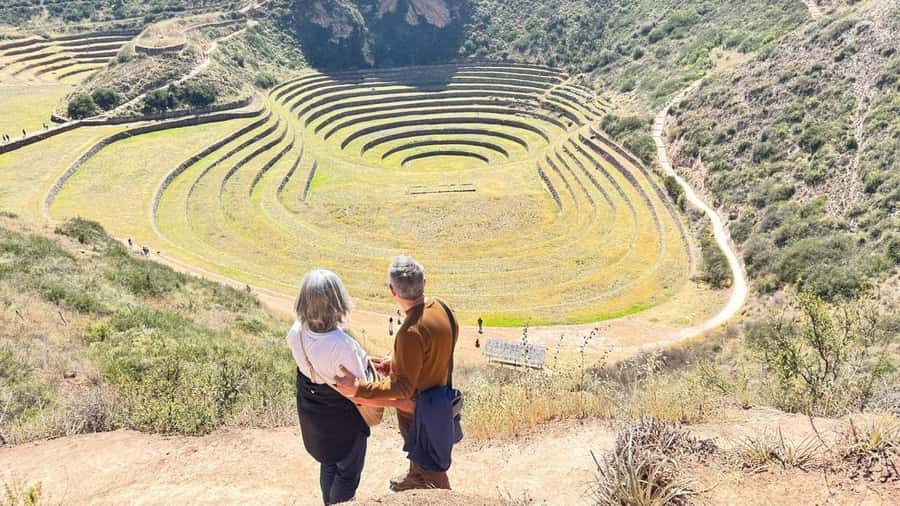
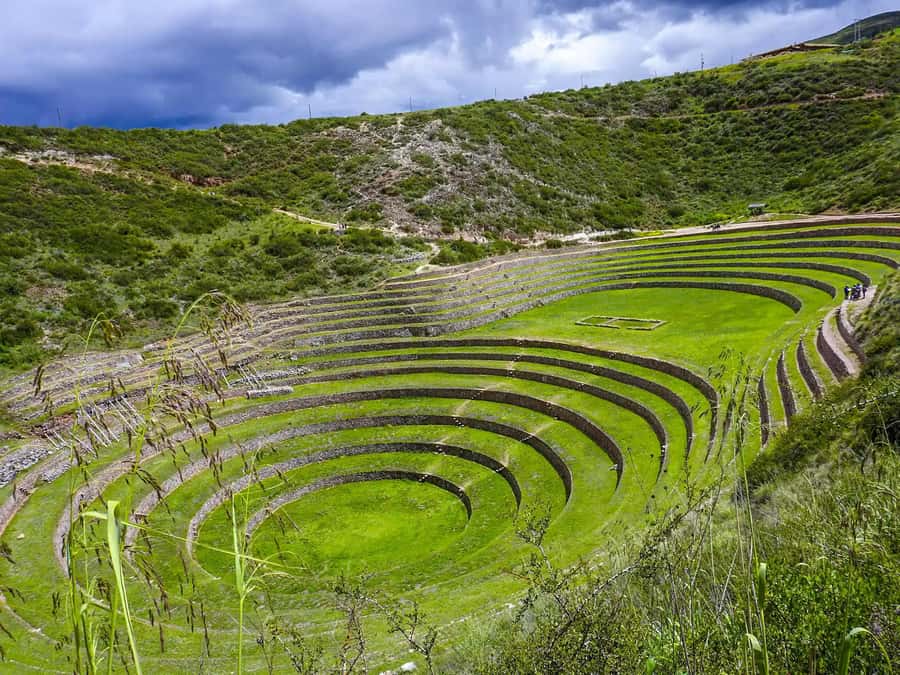
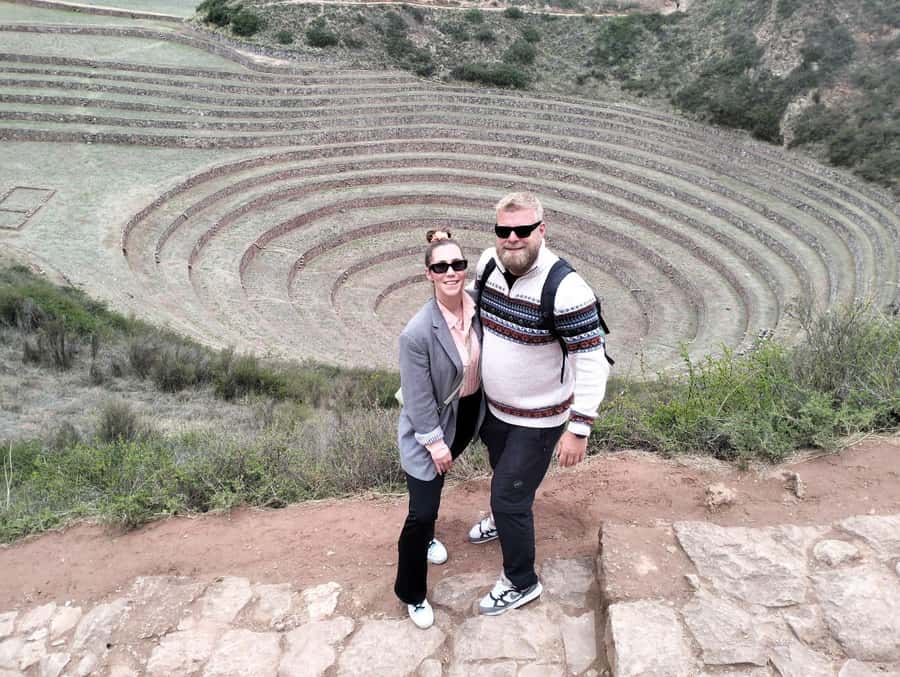
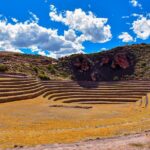
Moray is why this tour earns its keep. Even if you’ve seen Inca terraces before, Moray has a special feeling: the stepped bowls look engineered to teach you something. The big point you’ll hear is about agriculture and water management—terraces weren’t only for beauty. They were tools.
You’ll have around 40 minutes here, including a guided tour and time for sightseeing/walks. Expect photo stops plus a chance to walk along areas that let you understand the irrigation system rather than only looking from one angle. At 11,318 feet, the air is cooler, skies often brighter, and the view directions can make photos look dramatic fast.
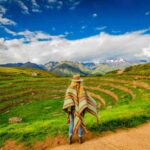
Here’s what I find valuable from Moray: it reframes the Sacred Valley. Yes, you’re surrounded by mountains, but the real story is how people worked with the land’s conditions—especially water and temperature differences across terraces. When your guide connects the terraces to how crops could be grown, the site becomes an outdoor diagram you can actually read.
Also, keep your feet under you. Thin, uneven stone paths and short walking sections are common at archaeological sites. Comfortable shoes make the whole experience feel easier, and you’ll waste less energy than you would on sandals or worn-out sneakers.
Maras village and thin-stoned colonial architecture
Between Moray and the salt mines, you’ll pass through Maras Village. This is one of those “small but meaningful” stops that most half-day tours squeeze out—this one gives you time to actually look.
You’ll see preserved colonial architecture and thin-stoned buildings. That’s useful because it reminds you the area isn’t frozen in one era. Inca engineering is on full display at Moray, but the built environment in Maras shows later history and different construction techniques.
This segment isn’t just a photo break. Use it as a reset for your body. After altitude and terrace walking, stepping into a village environment can feel calmer. Slow down, look at doors, stonework, and how buildings sit against the terrain. Even if you’re tired, these details help your brain switch gears from “ruins” to “living place.”
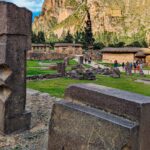
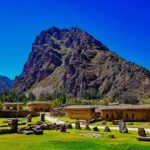
More Pisac and Ollantaytambo ruins

Salineras salt mines: walking among about 3,000 working pools
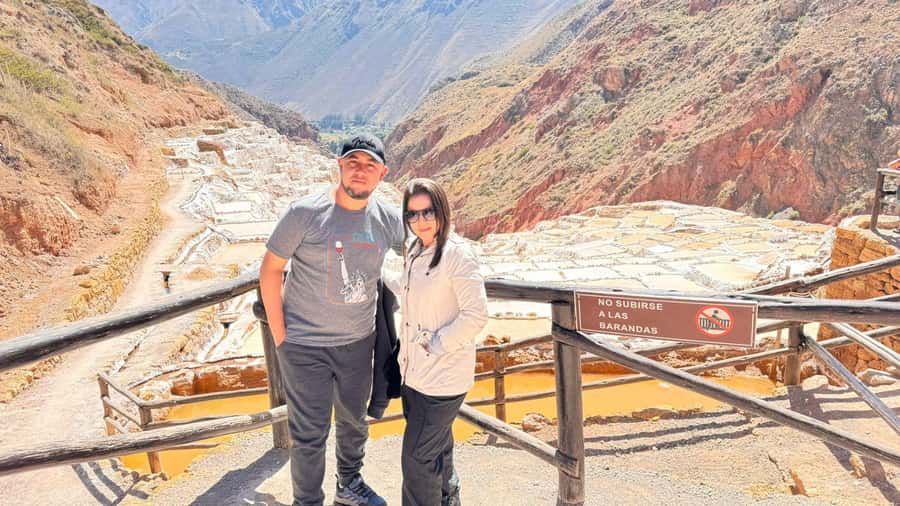
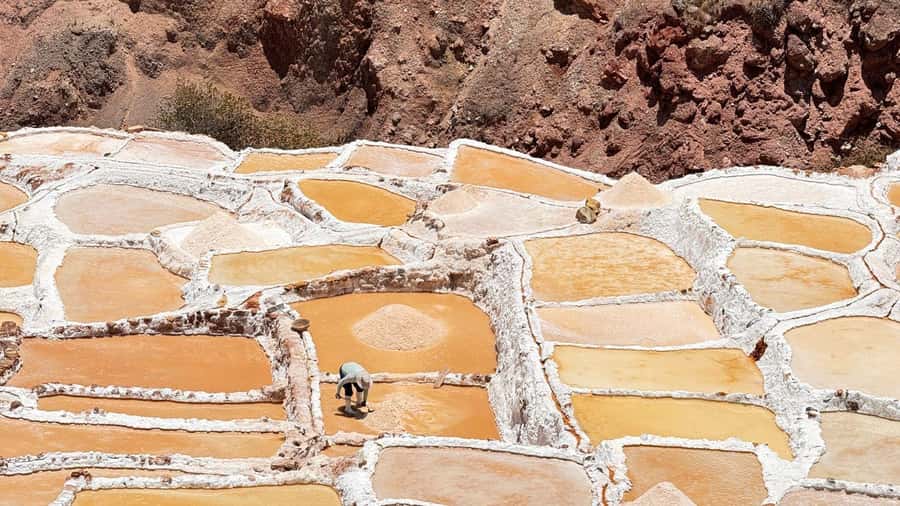
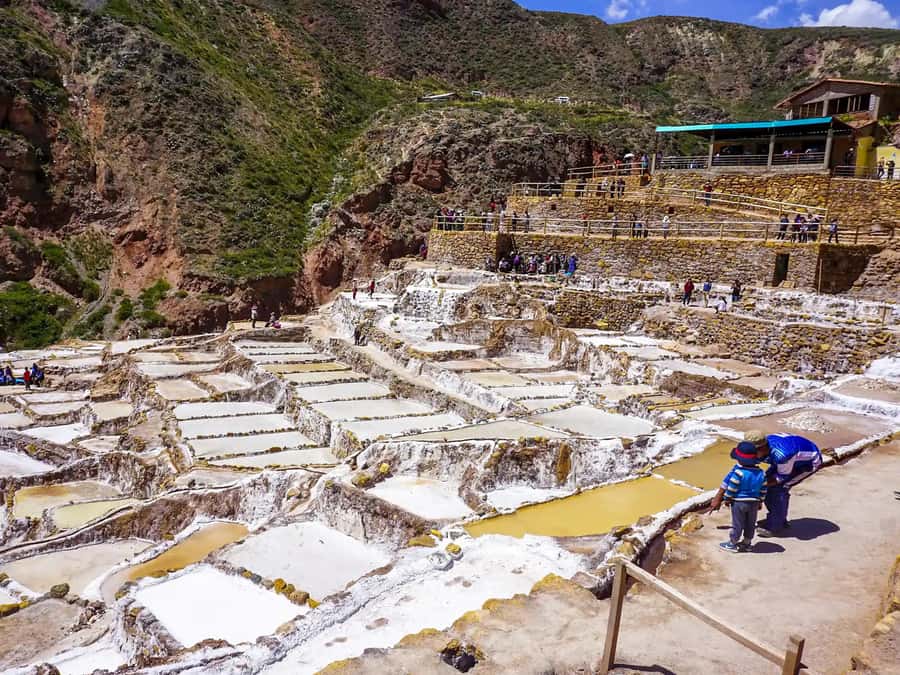
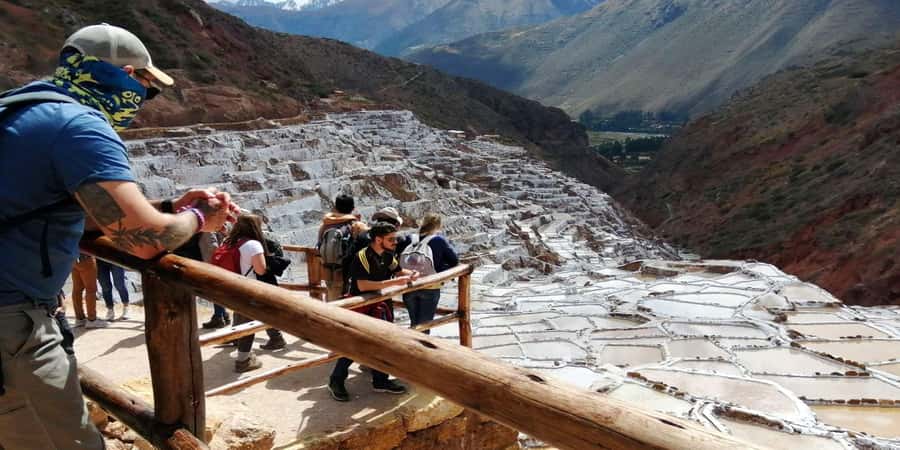
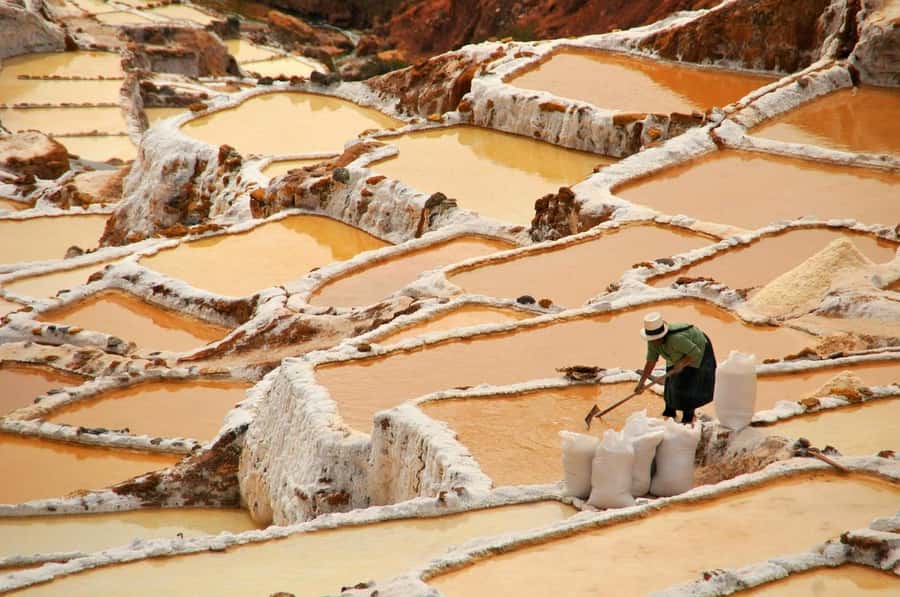
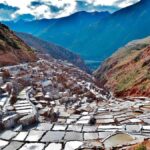
The star payoff is Salineras, also called the Maras Salt Mines. You’ll see a historic site that dates back to pre-Inca times and continues producing salt today. What makes it arresting is scale plus repetition: the mines are made up of roughly 3,000 small pools.
You’ll have about 40 minutes for visit, guided tour, sightseeing, and walking. Photo opportunities are plentiful, but also expect uneven ground and steps depending on where you walk. Go slowly and keep your eyes up for water channels and the way pools are arranged.
Value-wise, the salt mines are more than a visual. Salt production ties together economics, geography, and continuity. One guide detail I appreciate is when they connect the mines to distribution in the region, because it changes your perspective from sightseeing to understanding how a natural resource shaped local life.
Bring cash if you want to buy small items on the way out. You’re in a working production zone, and you might spot opportunities tied to salt crafts or local sales. Just don’t feel pressured—this is your time.
Guide quality, pace, and group size in the Andes
With small groups limited to 12 participants, the day tends to feel smoother. You’ll have more room to ask questions, and the guide can correct misunderstandings before they pile up. That matters on a trip like this, where altitude and walking can steal focus.
The best review notes I’d highlight is about Víctor, who was described as having extensive knowledge and great empathy. That kind of guide quality makes the educational moments land. When someone can explain irrigation and agriculture clearly, it stops feeling like a lecture and becomes part of the scenery.
There’s also a balance to strike. One experience described the guide as very talkative and frequently switching between Spanish and English, which can be tiring if you’re trying to track everything at once. If you know bilingual switching can annoy you, consider this your heads-up: the tour is explanation-heavy, not just “see it and move on.”
Still, for many people, that constant commentary is exactly what makes a short trip feel worth it. If you like history plus practical explanation—how people used water, how dyes work, why salt matters—you’ll probably love this structure.
What you pay for: value, entrance fees, and smart budgeting
The tour price is listed at $14 per person, and that’s low for a half-day circuit with hotel pickup and a bilingual guide. The catch is entrances: archaeological sites cost 19 dollars (or 70 soles), and the salt mines cost 6 dollars (or 20 soles). Entrance fees aren’t included, and there’s no hotel drop-off.
So your real budget is the base price plus entrances. Even then, the overall value can still be strong because transportation is included and you cover multiple stops in one day: Chinchero, Moray, and Salineras. You’re not renting a vehicle or stitching together three separate half-days.
One more practical cost saver: bring enough cash to cover entrance fees. The tour data also mentions cash as something to bring, which is a hint to plan ahead instead of scrambling in the line.
If you hate “fees on top,” compare it to your alternatives. Taking buses or taxis yourself could be cheaper in some cases, but you’d lose a guided layer that helps you understand what you’re looking at.
Tips to make the most of high altitude and photography
Do this tour with comfort in mind. You’ll be outdoors a lot, you’ll walk in short segments, and the sun at altitude can be sneaky. Here’s what to bring from the provided guidance—and why it matters:
- Comfortable shoes: You’ll walk around Moray and the salt mines, where uneven stone and compacted ground are common.
- Sun hat + sunscreen: High sun plus cool air can fool you into thinking you don’t need protection.
- Camera: The terraces and pools beg for photos from multiple angles.
- Passport: The tour notes it, so have it with you.
- Cash: Useful for entrance fees and any small purchases.
One more thing: plan for short waits and changing light. Moray and the salt mines can look different depending on the time of day and sky conditions. If you want better photos, take a few minutes to step aside from the busiest spots before snapping away. You’ll get cleaner angles with less crowd pressure.
Finally, pace your breathing. Altitude is real here. If you feel lightheaded, stop, sip water, and take a slower route during the walking portions. You’re not trying to win a race.
Should you book this Cusco Moray and Maras tour?
I’d book this if you want a compact Sacred Valley day with real explanation, not just scenic stops. It’s especially worth it for the combination of Moray terraces (agriculture and irrigation) and Salineras salt mines (3,000 pools with ongoing salt production). The Chinchero weaving workshop adds a human side you can connect to what you see.
I might skip it or adjust expectations if you dislike shop-heavy stops or you’re extremely strict about where the workshop items come from. The day includes a workshop and shopping time, and one negative experience you should be alert to is mismatched expectations about textiles. You can still enjoy the cultural parts—just go in asking questions and not buying on autopilot.
If you want a half-day that teaches you what you’re looking at, this is a strong fit for your Cusco time. If you want total independence and zero shopping pressure, you may prefer a more self-guided plan.
FAQ
How long is the Cusco: Moray, Maras Salt Mines, and Chinchero Weavers Tour?
The tour duration is 6 hours.
Where does the tour pick up and where does it end?
It includes pickup from your hotel in Cusco, and it finishes at Plaza Regocijo (hotel drop-off is not included).
Is the price fully inclusive of entrance fees?
No. Entrance to the archaeological sites costs $19 (or 70 soles), and entrance to the salt mines costs $6 (or 20 soles). These fees are not included.
What language options do you get for the guided tour?
The live tour guide provides explanations in English and Spanish.
How big is the group?
It’s a small group limited to 12 participants.
What’s included in the tour?
Included are pickup from your hotel, a bilingual tour guide, and transportation. A private tour is available if you select that option.
What should I bring for the trip?
Bring your passport, comfortable shoes, a sun hat, a camera, sunscreen, and cash.
Is free cancellation available?
Yes. You can cancel up to 24 hours in advance for a full refund.
If you tell me your travel dates and whether you prefer minimal shopping or max learning, I can help you decide if this pace matches your style.
More Andean Weaving


More Pisac and Ollantaytambo

More Salt Pans and Terraces

Recent write-ups from around Cusco, just off the trail
- Cuzco: Rainbow Mountain Excursion
★ 5.0 · 3 reviews - 1 day excursion to Qeswachaka bridge and the 4 lagoons
★ 3.6 · 3 reviews - Waqrapukara 1 day trekking + meals
★ 3.9 · 3 reviews - Valle Sur Cusco | half day
★ 4.3 · 3 reviews - Full-Day Condor Viewpoint & Inca Sites Tour
★ 5.0 · 3 reviews
Maras & Moray Salt Mines, compared.
 ★ 4.8From Cusco: Sacred Valley & Maras Salt Mines Tour with LunchFrom $282,227 reviews
 ★ 4.8From Cusco: Moray, Maras Salt Mines & Chinchero Weavers TourFrom $151,925 reviews
 ★ 4.6Sacred Valley, Pisac, Ollantaytambo, Salt Mines MorayFrom $281,058 reviews
 ★ 4.8Chinchero,Moray & Salt Mines drop-off in OllantaytamboFrom $27793 reviews
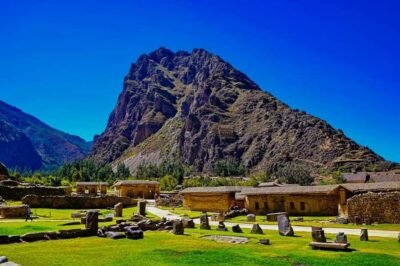 ★ 4.8Sacred Valley: Chinchero, Moray, Ollantaytambo & Pisac+LunchFrom $25501 reviews
 ★ 4.6Sacred Valley: Maras & Moray by Quad Bike from CuscoFrom $39418 reviews
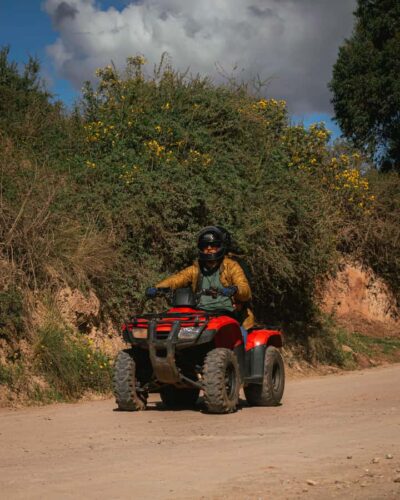 ★ 4.7From Cusco: Quad bike tour Moray and Salt MinesFrom $27314 reviews
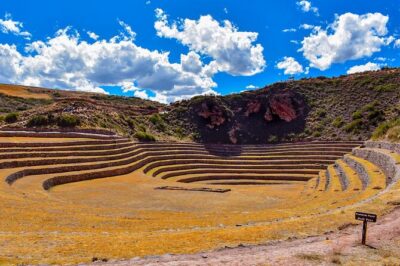 ★ 5.0From Cusco: Moray, Maras Salt Mines & Chinchero Weavers Half-DayFrom $15126 reviews
Browse the lists this tour appears in