
REVIEW · CUSCO CITY & SACSAYHUAMAN
Cusco City Sightseeing, San Pedro Market, Cathedral and Qorikancha Temple
Cusco in one afternoon can work. This small-group tour strings together key sights you’d otherwise spread across multiple days, from the panoramic views in the center to the old Inca heart of town. I like that it’s paced for real sightseeing (not a sprint), and I especially like the fact that you get a guide who can connect what you see to the story behind it.
I also like the hotel pickup/drop-off from select areas, so you spend less time herding yourself through Cusco’s streets and more time looking up at the stonework. The main drawback to plan for: it’s a shared, time-boxed afternoon, so if your group’s language mix leans Spanish or if traffic runs long, the stops can feel a bit tight.
In This Review
- Key highlights that make this tour worth your time
- Cusco’s best “first afternoon” route: San Cristóbal to Plaza de Armas
- San Cristóbal Plaza: the quick viewpoint that makes Cusco feel real
- San Blas artisans’ quarter and carved church woodwork
- Hatun Rumiyoc Street: the Twelve-Angled Stone stop that’s short but memorable
- Qorikancha (Temple of the Sun): where Inca splendor meets colonial reuse
- San Pedro Market: shopping for flavor, not souvenirs
- Quick market tip
- Inca Roca Palace and the Archbishop’s Palace: political power in stone and faith
- Cusco Cathedral at Plaza de Armas: colonial art inside a living church
- Group size, language, and pacing: what “small group” means in real life
- The guide can make or break it: what you should look for
- Practical value: what you’re really paying for at $59
- Who this tour suits best (and who should consider another option)
- FAQ
- FAQ
- What’s the duration of the Cusco City Sightseeing tour?
- What time does the tour start?
- How much does it cost per person?
- Is it a small group?
- What language will the guide speak?
- Which entrances are included in the price?
- Is hotel pickup included?
- Can I cancel for free?
- Should you book this Cusco city tour?
Key highlights that make this tour worth your time
- San Cristóbal viewpoints without the scramble: easy way to start with big-picture Cusco views.
- San Pedro Market with local shopping energy: you’ll see everyday foods and products, not just a photo stop.
- Qorikancha’s Inca core under colonial layers: the Santo Domingo church sits on older foundations.
- Hatun Rumiyoc’s Twelve-Angled Stone: a quick but famous Cusco landmark with a real “wait, that’s it?” payoff.
- Plaza de Armas Cathedral time: colonial art and woodwork inside the mother church of the archdiocese.
- Max 15 people: small enough to keep the day relaxed.
More Cusco city and Sacsayhuaman walks
- City Tour Cusco Qoricancha Sacsayhuaman y Tambomachay★ 4.7 · 617 reviews
- Cusco: Sightseeing Tour of the City on an Open-Top Bus★ 4.0 · 481 reviews
- Open Bus Cusco City Tour★ 4.5 · 219 reviews
- Cusco: City Tour | Half-Day Tour to 4 Archaeological Sites★ 4.6 · 206 reviews
Cusco’s best “first afternoon” route: San Cristóbal to Plaza de Armas
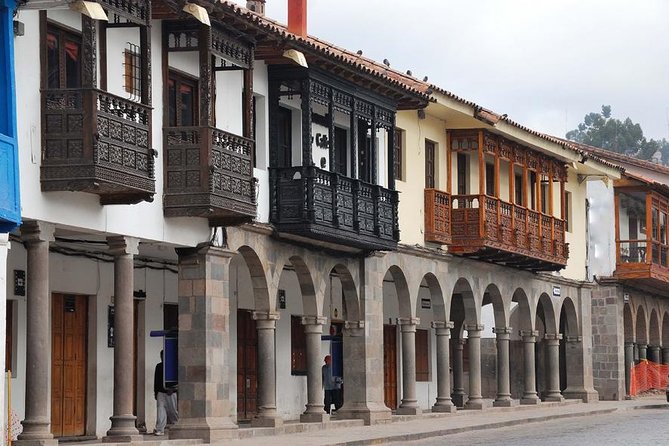
If you’re trying to get your bearings fast in Cusco, this kind of loop works. You’re not wandering randomly across the center. Instead, you’re guided through a logical arc: viewpoint → market → Inca-temple area → artisan streets → Plaza de Armas.
The tour runs about 3 hours 30 minutes, starts at 2:00 pm, and is sold for $59 per person. For that price, you’re paying for three things that are hard to DIY all at once: a clear route, bilingual live guiding (Spanish + English), and entrance tickets for the Cathedral and Qorikancha.
Because Cusco is compact but steep, route efficiency matters. You’ll be hopping between “wow” stops while minimizing the time lost deciding where to go next.
San Cristóbal Plaza: the quick viewpoint that makes Cusco feel real
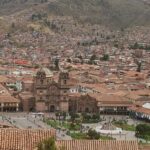
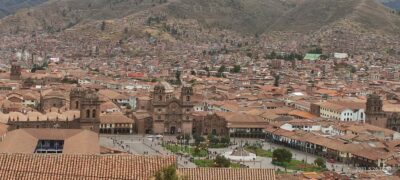
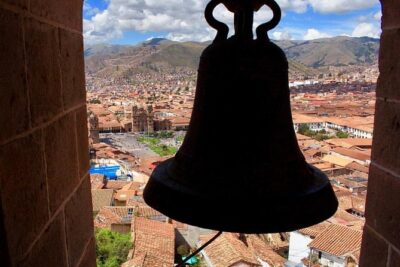
You kick things off at San Cristóbal Plaza, where Cusco opens up in front of you. This is the kind of first stop that pays off later, because once you see the layout, the rest of the old city starts to make sense.
Even if you’ve seen Cusco from photos, the perspective changes your expectations. Roads, rooftops, and the sense of elevation become something you can “read” while walking. And if altitude is already flirting with you, the viewpoint gives you a gentle start before you dive into heavier sightseeing.
San Blas artisans’ quarter and carved church woodwork
After the initial panoramic moment, you’ll head into the San Blas area. This is where Cusco feels more like a living neighborhood and less like a checklist.
You’ll visit the church in the artisans’ quarter and take in some impressive carved woodwork. That detail matters. In Cusco, a lot of the drama is in the textures—wood panels, colonial religious art, and the way old and new architecture overlap. A quick pause here lets you notice those features instead of rushing through them.
One small practical note: San Blas streets can be uneven. If you’re coming straight from travel, good walking shoes are your best “luxury upgrade.”
Hatun Rumiyoc Street: the Twelve-Angled Stone stop that’s short but memorable
Next you’ll pass by Hatun Rumiyoc Street, where the famous landmark sits: the Twelve-Angled Stone.
This is one of those Cusco sights that can feel underwhelming for about two seconds—until you’re standing close enough to really see the precision. It’s a reminder that Inca engineering wasn’t built to be hidden. It was built to last, and it’s right there in the middle of daily city life.
If you’re the type who likes “specific, not general,” this stop will likely click with you. It’s tangible. It’s not abstract.
More San Pedro Market and food walks
Qorikancha (Temple of the Sun): where Inca splendor meets colonial reuse
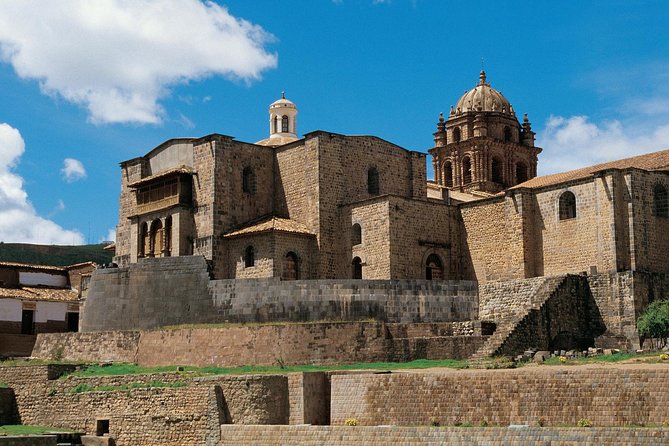
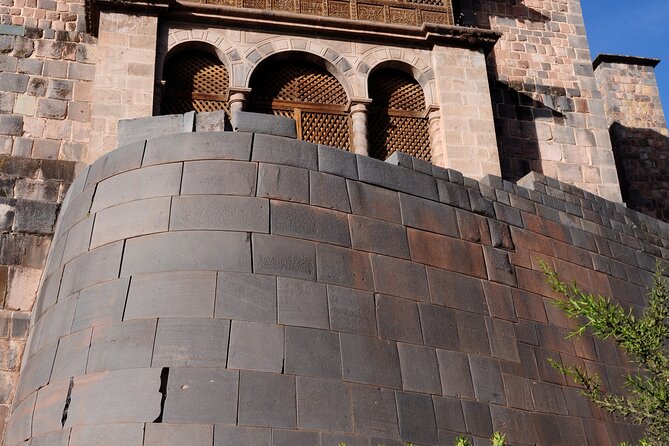
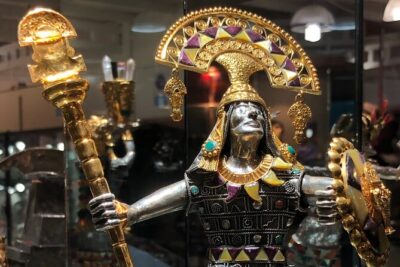
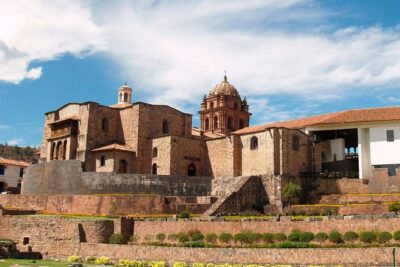
Qorikancha is the big Inca anchor of the route. You’ll learn that the site was originally tied to Inti (the Sun) and that after the Spanish conquest period, much of it was destroyed. The surviving stonework and foundations are especially important because they’re part of what you’ll see today.
What’s really helpful here is how the site explains layers of Cusco history. The Santo Domingo church and convent occupy space built on top of older Inca structures. So you’re not just seeing ruins—you’re seeing continuity and transformation in the same footprint.
Your entrance is included, so you don’t have to figure out ticketing on the fly. Time is also roughly one hour, which is enough for a guided orientation and a meaningful look around—without turning the visit into a marathon.
San Pedro Market: shopping for flavor, not souvenirs
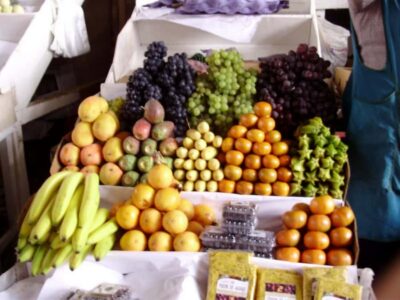
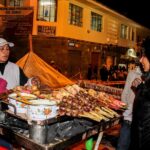
Then comes Mercado Central de San Pedro, where Cusco’s daily rhythm takes over. This stop is often the most fun because it’s not staged. You’re surrounded by stalls, food smells, produce, and the ordinary logistics of life in Cusco.
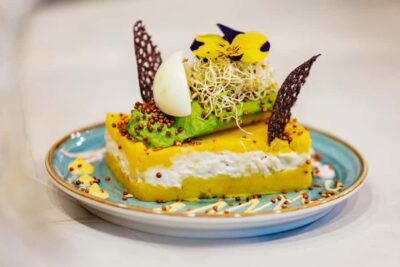
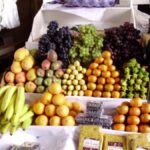
You’ll likely see things like potatoes, corn varieties (including Inca corn), regional breads, cheeses, and other groceries, plus some small handicrafts. The guide’s job here is to translate what you’re looking at—so you can understand what’s common, what’s seasonal, and what people actually buy.
I like this market stop because it’s a “sensory education.” It’s also a break from churches and stones. If your legs are feeling the altitude or the cobblestones, you get a more casual walk through the aisle chaos.
Quick market tip
Bathrooms in Cusco can cost a few soles in many places. If nature calls, don’t count on free options—carry a bit of cash just in case.
Inca Roca Palace and the Archbishop’s Palace: political power in stone and faith
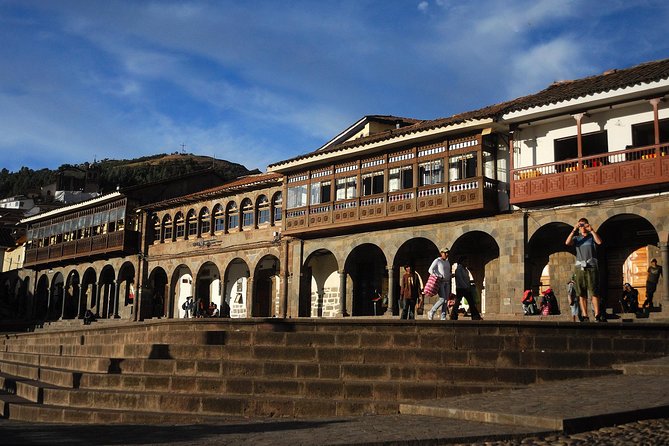
As you continue through the historic core, you’ll pass the Inca Roca Palace, which today is known as the Archbishop’s Palace.
This is one of those Cusco details that helps you connect architecture to control. In many colonial cities, power gets built into the biggest, most central structures. Cusco is no exception. The setting is a reminder that religious authority and political influence share walls, not just history books.
You also stop to admire the architecture around Inca Roca and then move onward through Hatun Rumiyoc toward the main square. It’s a steady progression: landmark → meaning → walkable next stop.
Cusco Cathedral at Plaza de Armas: colonial art inside a living church
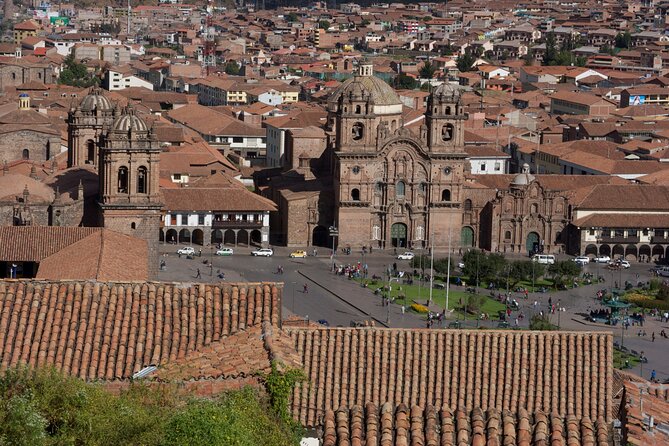
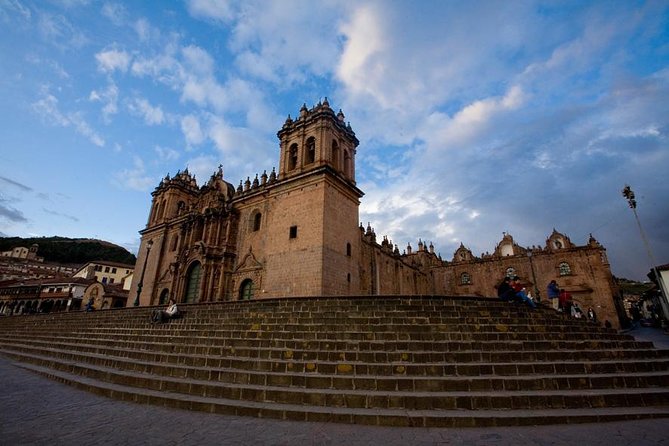
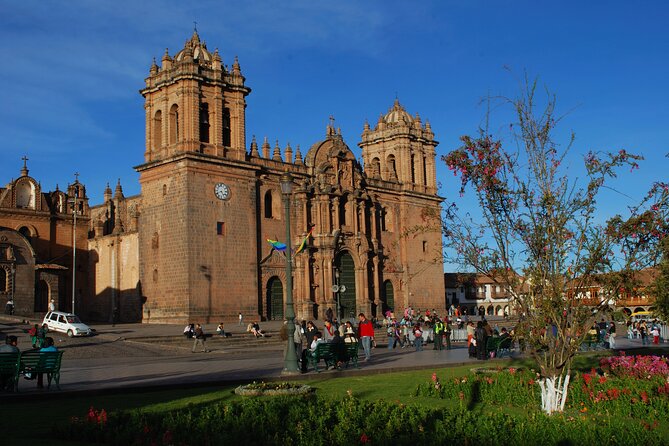
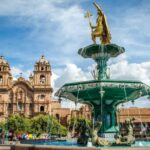
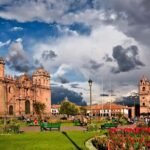
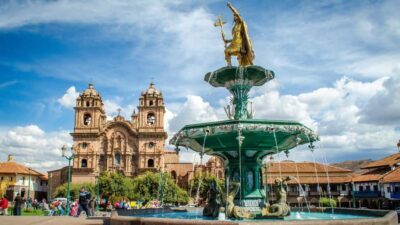
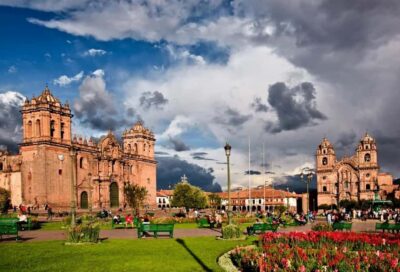
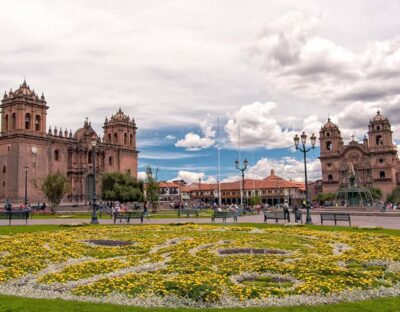
You finish at Plaza de Armas, where you’ll visit the Cusco Cathedral. The Cathedral Basilica of the Assumption of the Virgin is the mother church of the Roman Catholic archdiocese of Cusco, and the building dates roughly from 1560 to 1654.
Your visit includes admission, and you’ll have about an hour. That’s enough time to notice woodwork and colonial paintings without feeling trapped inside for hours.
Plaza de Armas is also a smart ending from a practical standpoint. Once you step out, you’re right back in the center of restaurants, cafés, and easy walking access for your evening plans.
Group size, language, and pacing: what “small group” means in real life
The tour caps at 15 travelers, which is a big reason people feel relaxed on it. With a smaller group, the guide can answer questions without repeating themselves like a broken record.
Still, it’s a shared experience. If you end up in a mixed-language group, you might notice more Spanish on some parts and shorter English translation at other moments. The good news: the tour is designed for a bilingual live guide, so you should still get the meaning at each stop.
Pacing is usually a highlight. But you should know this tour is built to cover multiple sites in a tight window. If your priority is spending long, quiet time in one place (instead of seeing everything), this format can feel fast. It’s not wrong—just a different travel style.
The guide can make or break it: what you should look for
This is one of those tours where your guide’s skill is visible quickly. Several guides linked to this experience have been praised for connecting history to what you’re seeing, keeping the group moving at a comfortable speed, and answering questions with actual details.
Names that have come up include Henry, Jose Marie, Robin, Marcelo, Manuel, Gabriel, and Marco. Even if you don’t get the same guide, use these examples as a checklist: a great guide will tell you why the site matters, not just what it is. You should also feel that the route is planned around comfort, not just convenience.
If you want a calmer day due to altitude, your guide’s pacing matters even more. Cusco altitude can hit fast—even if you feel fine at noon. Aim for a conservative schedule your first day. Hydrate, take it slow, and consider talking to a pharmacy for altitude support if that’s your comfort level.
Practical value: what you’re really paying for at $59
At $59 per person, you’re not just buying entrances. You’re paying for:
- Entrance tickets to Qorikancha and the Cathedral (so you don’t spend your time figuring out lines or pricing).
- Live bilingual guiding, which changes the quality of stops like Qorikancha and the Cathedral.
- A route that stitches Cusco together without you playing guess-the-side-street.
- Hotel pickup and drop-off from select hotels, saving you time and legwork.
Also, some stops have free admission, like parts of the market experience and other exterior/heritage viewpoints. That keeps the overall cost sensible if you’re on a tighter budget.
If you’re traveling solo, this format is also a good way to avoid wasting time alone trying to string tickets and directions together.
Who this tour suits best (and who should consider another option)
This tour fits best if you:
- Want a first-day orientation to central Cusco.
- Like seeing Inca and colonial history in one afternoon.
- Prefer a route plan with guiding and explanations over self-guided wandering.
- Appreciate small-group pacing.
It may feel less ideal if you:
- Want long, slow museum-style time in just one or two places.
- Are very sensitive to delays and traffic (Cusco street driving isn’t always smooth).
- Need the tour to be fully English-first at all times in a mixed group.
FAQ
FAQ
What’s the duration of the Cusco City Sightseeing tour?
It runs for about 3 hours 30 minutes.
What time does the tour start?
The start time is 2:00 pm.
How much does it cost per person?
The price is $59.00 per person.
Is it a small group?
Yes. The maximum group size is 15 travelers.
What language will the guide speak?
You’ll have a live bilingual service in Spanish and English.
Which entrances are included in the price?
Entrance tickets to Cusco Cathedral and Qorikancha are included. San Pedro Market admission is free.
Is hotel pickup included?
Yes, hotel pickup and drop-off are included from select hotels, with a note that some hotels are in areas where vehicle access is not allowed.
Can I cancel for free?
Yes. You can cancel for a full refund up to 24 hours before the experience’s start time.
Should you book this Cusco city tour?
I’d book it if you want a practical, history-connected Cusco afternoon with minimal planning. It’s a smart way to hit the big names—San Pedro Market, Qorikancha, Hatun Rumiyoc, and the Cathedral—without turning your day into map-checking and ticket-line stress.
If you’re arriving and already feeling altitude caution, you’ll likely appreciate the structured, small-group pace. Just be honest with yourself about your style: if you hate time-boxed sightseeing, plan on adding a slower follow-up visit to the one place you liked most. For most people, this tour is the fast path to understanding why Cusco looks the way it does.
More Tour Reviews in Cusco
More Cusco Food and Markets

More of Cusco on Foot
Recent write-ups from around Cusco, just off the trail
- Cuzco: Rainbow Mountain Excursion
★ 5.0 · 3 reviews - 1 day excursion to Qeswachaka bridge and the 4 lagoons
★ 3.6 · 3 reviews - Waqrapukara 1 day trekking + meals
★ 3.9 · 3 reviews - Valle Sur Cusco | half day
★ 4.3 · 3 reviews - Full-Day Condor Viewpoint & Inca Sites Tour
★ 5.0 · 3 reviews
Cusco City & Sacsayhuaman, compared.
 ★ 4.6Half-Day City Tour with Sacsayhuaman and Q’encoFrom $131,129 reviews
 ★ 4.7City Tour Cusco Qoricancha Sacsayhuaman y TambomachayFrom $13617 reviews
 ★ 4.0Sightseeing Tour of the City on an Open-Top BusFrom $12481 reviews
 ★ 4.5Open Bus Cusco City TourFrom $14219 reviews
 ★ 4.6City Tour | Half-Day Tour to 4 Archaeological SitesFrom $29206 reviews
 ★ 5.0City Tour in Cusco & visit Museum South American Camelid Private.From $49147 reviews
 ★ 4.2Half-Day City TourFrom $17129 reviews
 ★ 4.5Cusco City Sightseeing and Sacsayhuaman Archeological Park TourFrom $79101 reviews
Browse the lists this tour appears in