
REVIEW · PERUVIAN COOKING CLASSES
Cusco: Peruvian Cooking Class, Cocktails & Local Market Tour
San Pedro Market in Cusco is the perfect warm-up. I love how this experience connects what you buy to what you cook, starting right at San Pedro Market and ending in a kitchen class run by Chef Jesus. I also like that the menu is very practical: you make ceviche, causa limeña, and quinoa tamal, plus two pisco cocktails and a sweet finish. One thing to consider: it is a full, hands-on 4 hours, and the group is small, so you’ll want to show up ready to stand, walk, and work up an appetite.
The flow is simple. You’ll meet at Door Number 1 at the market, taste along the way, then do a short walk to the historic-center studio to cook and eat together. The vibe is friendly and structured, with clear step-by-step guidance so you can actually pull off the dishes without guessing.
In This Review
- Key Things I’d Watch For
- San Pedro Market to the Historic-Center Studio: How the Timing Works
- Inside San Pedro Market: What You’ll Actually See and Taste
- The Cooking Studio Rhythm: Cocktails First, Then Three Peruvian Classics
- Chef Jesus (and Other Named Instructors): Why the Teaching Style Gets Praise
- Pisco Cocktails and Non-Alcoholic Recipes That Still Feel Like Peruvian Drinks
- Ceviche, Causa Limeña, and Quinoa Tamal: What You’re Learning by Making Them
- Cebiche (ceviche)
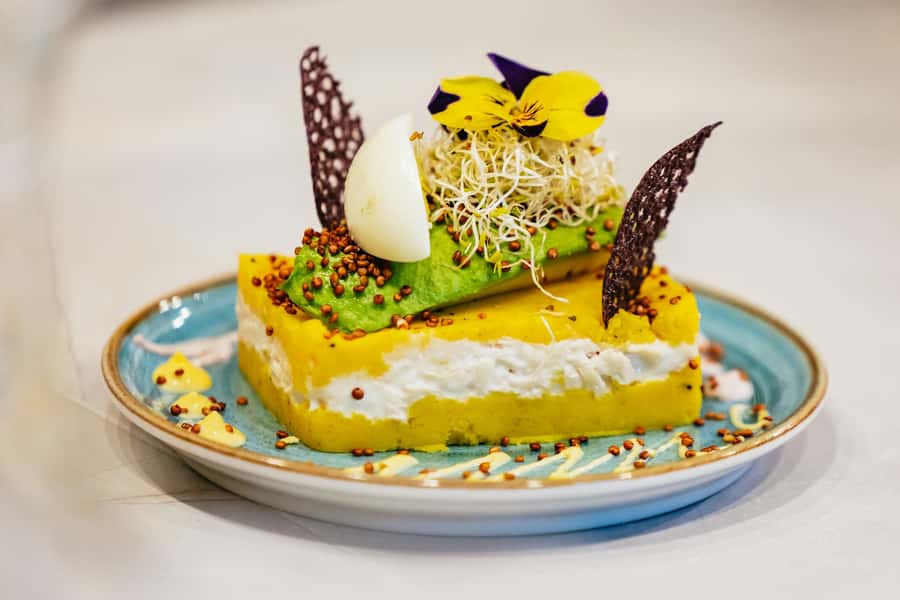
- Causa limeña
- Quinoa tamal
- The Sweet Finish: Picarones with Honey (Including Options)
- Dietary Options Without Drama: Vegetarian, Vegan, Gluten-Free
- How Much Food, How Active Is It, and What Pace to Expect
- Price and Value in Cusco: Why $67 Often Works Out
- Who Should Book This Cooking Class (and Who Might Skip It)
- Should You Book This Cusco Cooking Class?
- FAQ
- Where do I meet for the tour?
- How long is the experience?
- Is the tour in English?
- How many people are in the group?
- What dishes will I make and eat?
- Are pisco cocktails included?
- Is dessert included?
- Do they offer vegetarian, vegan, or gluten-free options?
- What should I wear or bring?
- Is it okay for kids?
- Is free cancellation available?
Key Things I’d Watch For
- Market-to-kitchen ingredient logic: you see what you’re using, then cook with it
- Chef-led, step-by-step cooking: you’re not stuck figuring things out alone
- Cocktails plus cooking: two pisco drinks (and non-alcoholic options) set the mood
- Small group size (up to 10): easier questions, less waiting around
- Real dietary accommodation: vegetarian, vegan, and gluten-free options are available
- Sweet ending with picarones: dessert is built into the schedule, not an afterthought
More San Pedro Market and food walks
- Pisac Indian Market and Ollantaytambo Fortress with Lunch★ 4.5 · 395 reviews
- Cooking class and market tour with a local chef★ 5.0 · 186 reviews
- Cusco City Sightseeing, San Pedro Market, Cathedral and Qorikancha Temple★ 4.5 · 139 reviews
- The 10 Tastings of Cusco With Locals: Private Food Tour★ 4.5 · 71 reviews
San Pedro Market to the Historic-Center Studio: How the Timing Works
This is a 4-hour experience built around a single idea: food makes more sense when you meet the ingredients first. You start at the market at Door Number 1, then after the market walk you head to the cooking studio located in Cusco’s historic center.
Why it matters for you: Cusco is at altitude, and a cooking class can feel rushed. Starting with a market tour gives you time to slow down, look closely, and snack lightly before you get hands-on. The class then turns into a proper meal experience, with sitting at the table at the end to eat what you made.
The one “watch it” moment is footwear. Expect comfortable shoes and time on your feet, both in the market and while moving between stops.
Inside San Pedro Market: What You’ll Actually See and Taste
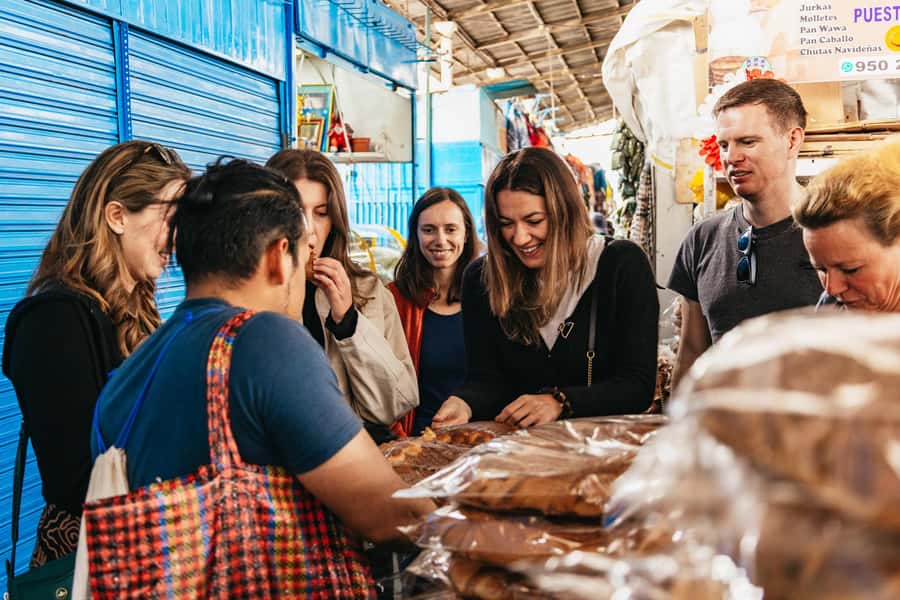
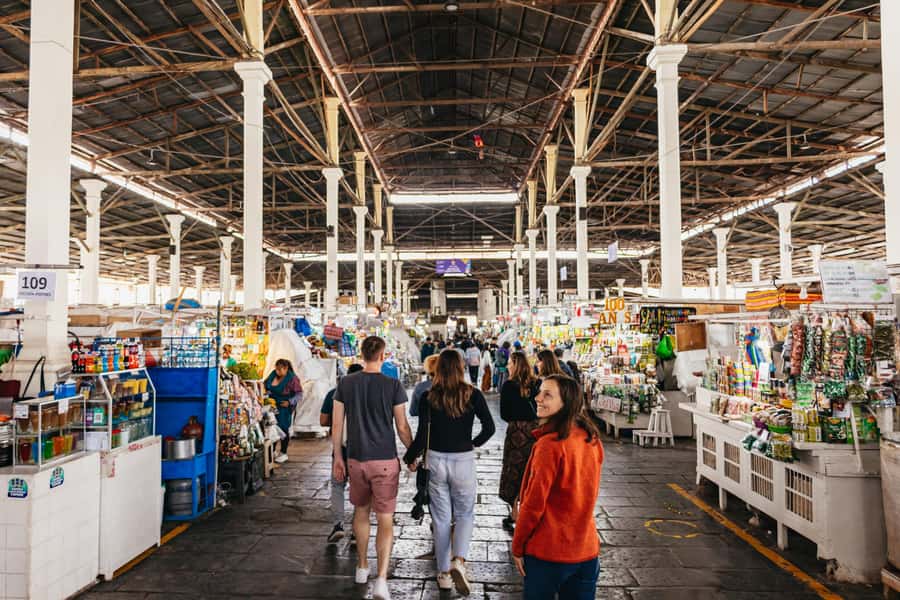
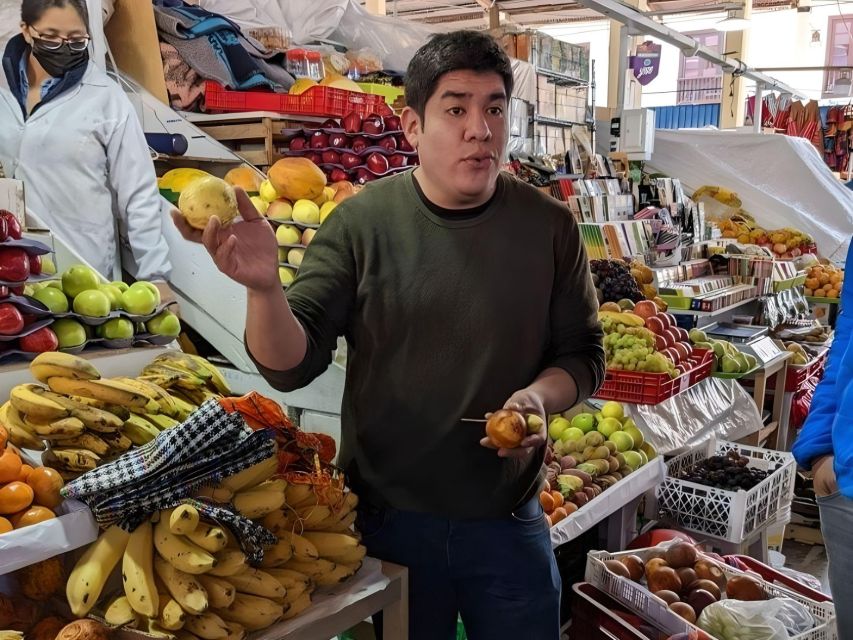
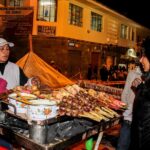
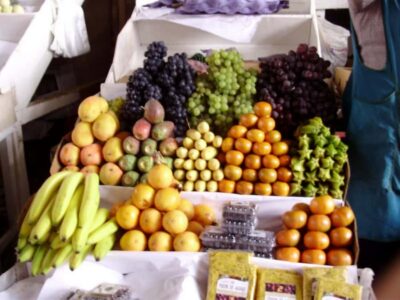
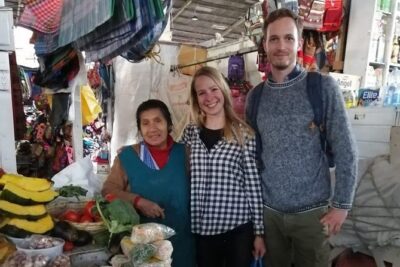
San Pedro Market is one of Cusco’s oldest market areas, and this tour uses it as more than a photo stop. You’ll walk through sections where you can spot and learn about foods that show up in classic Peruvian cooking.
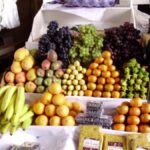
From the market, you’re looking at things like exotic fruits, local cheeses, bread, chocolate and cacao, quinoa, and potatoes. You’ll also get samples along the way, which helps you understand flavors before they hit the cutting board.
Here’s why I think this part is valuable: Peruvian cuisine is heavily driven by ingredients you can’t fully appreciate just by ordering in a restaurant. Seeing quinoa and potatoes at a market makes it easier to understand why dishes like quinoa tamal are so beloved.
Also, one practical note from real-world situations: if San Pedro Market is closed for cleaning, the market segment can shift to a local food market so you still get the ingredient focus. It’s the same concept—just a different setting—so don’t worry about the lesson being lost.
The Cooking Studio Rhythm: Cocktails First, Then Three Peruvian Classics
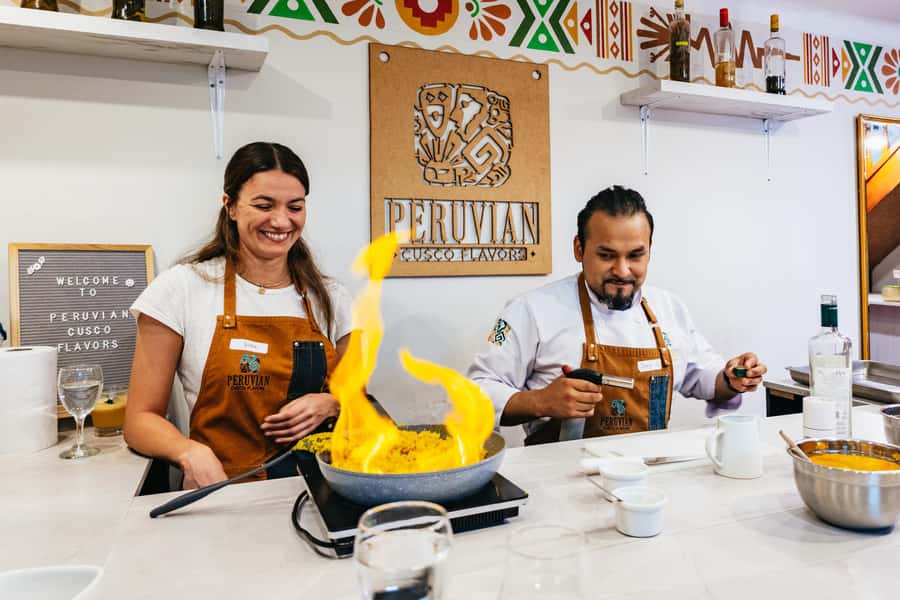
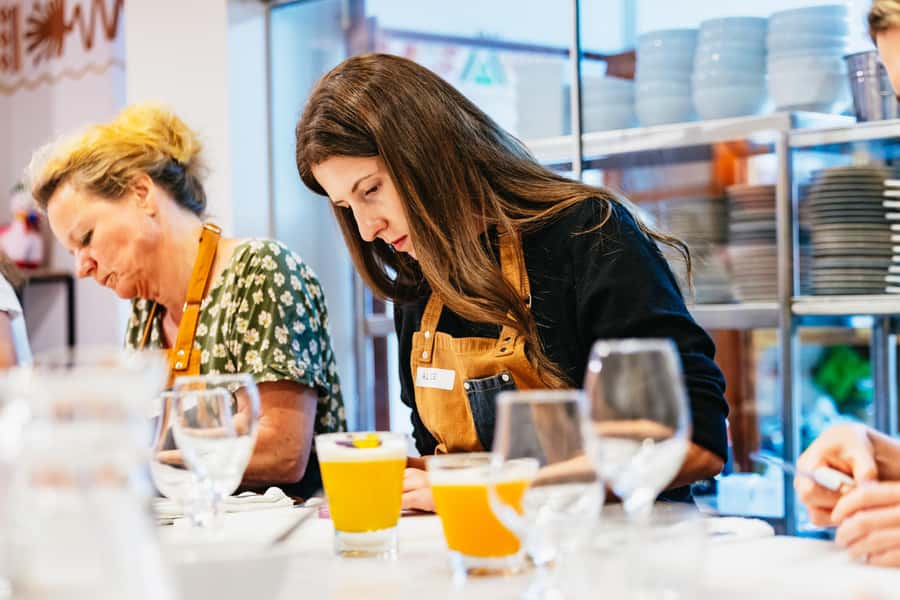
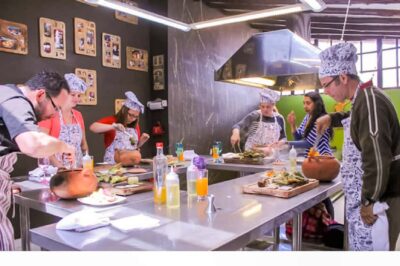
Once you arrive at the studio, you get set up in the kitchen and tie your apron. The class is very structured, with the chef explaining each step as you go, so you’re not just watching someone else cook.
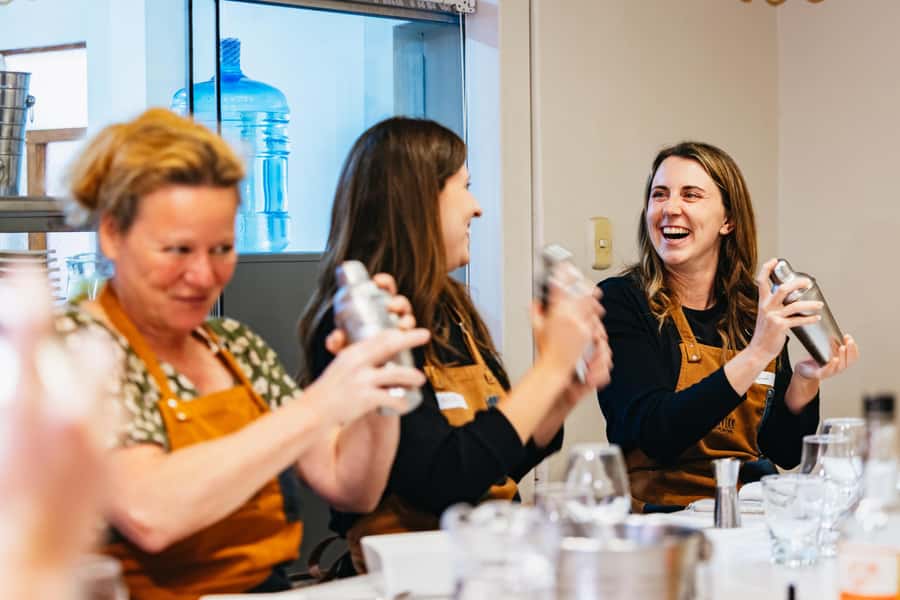
The schedule is cocktail-forward at the start. You’ll begin by crafting a Peruvian cocktail, guided by the chef’s instructions. After that, the main work centers on three dishes:
- Cebiche (ceviche)
- Causa limeña
- Quinoa tamal
A useful expectation to set: at least part of the class can feel like assembling rather than doing every single stage from scratch. That’s not a bad thing. It often means you spend more time learning the key techniques and less time waiting around for long processes—especially in a 4-hour format.
Another thing I appreciate here is the cooking context. The chef teaching style includes the background behind the dishes, including how ingredients and influences fit together in Peruvian cooking. That turns the meal into something you can actually explain later.
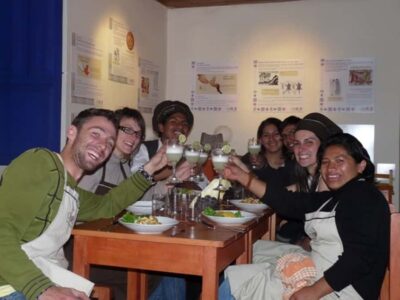
And yes, you’ll be able to eat your creations at the end—so you’re not just making food to leave behind.
Chef Jesus (and Other Named Instructors): Why the Teaching Style Gets Praise
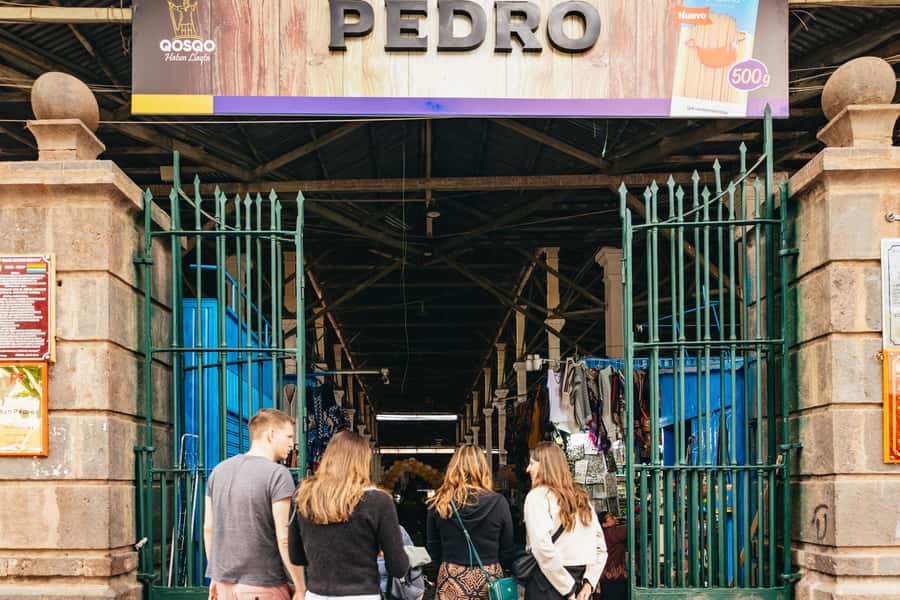
The experience is presented as being led by Chef Jesus, and in real bookings you may hear other chef names showing up—like Jorge or Eric—as the instructor for your group. What stays consistent is the teaching approach: clear steps, friendly guidance, and real engagement with questions.
This is the kind of class where you benefit if you ask small questions. Why this ingredient? How do I know when this is ready? How do these flavors connect? The best groups leave with recipes they can repeat, not just memories.
Why this matters: cooking classes can turn into stress if the instruction is vague. Here, people repeatedly highlight how the chef supports the group, including guidance on what to do next, not just what something is called.
More hands-on Peruvian cooking classes
Pisco Cocktails and Non-Alcoholic Recipes That Still Feel Like Peruvian Drinks
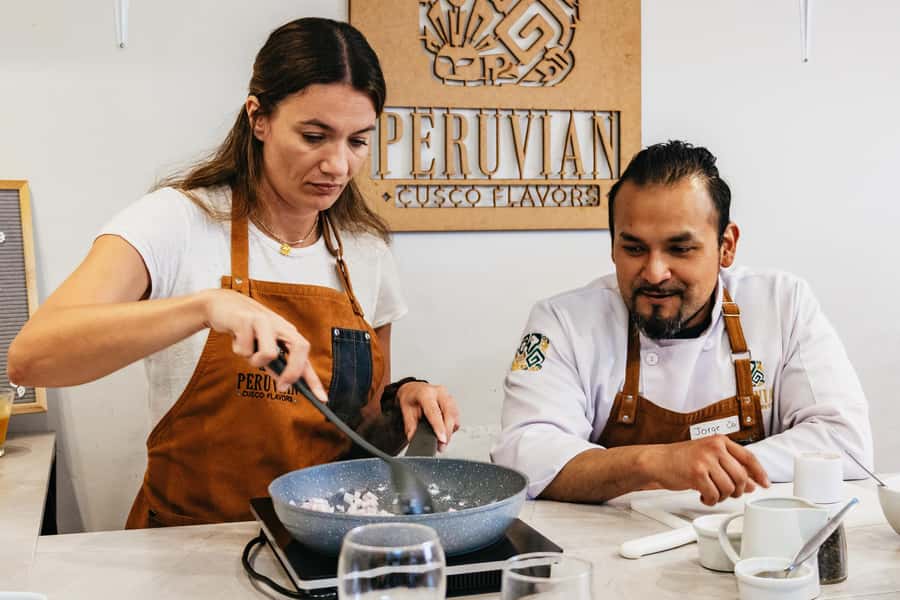
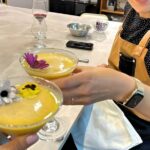
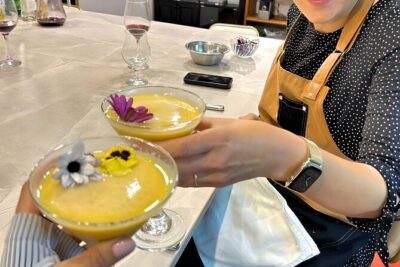
Two cocktails are included. Expect pisco-based drinks as part of the tasting and making.
If you want to skip alcohol, the good news is that non-alcoholic recipes are available for those pisco cocktails. You still get the same Peruvian drink experience without needing to decide between enjoying the class or holding back.
Why you’ll like this structure: doing cocktails early keeps the group relaxed while you learn. It also gives you a shared moment before the more focused cooking steps begin. And since the class includes tasting, you’re not just mixing for the sake of mixing—you’re learning what the drink is supposed to taste like.
Ceviche, Causa Limeña, and Quinoa Tamal: What You’re Learning by Making Them
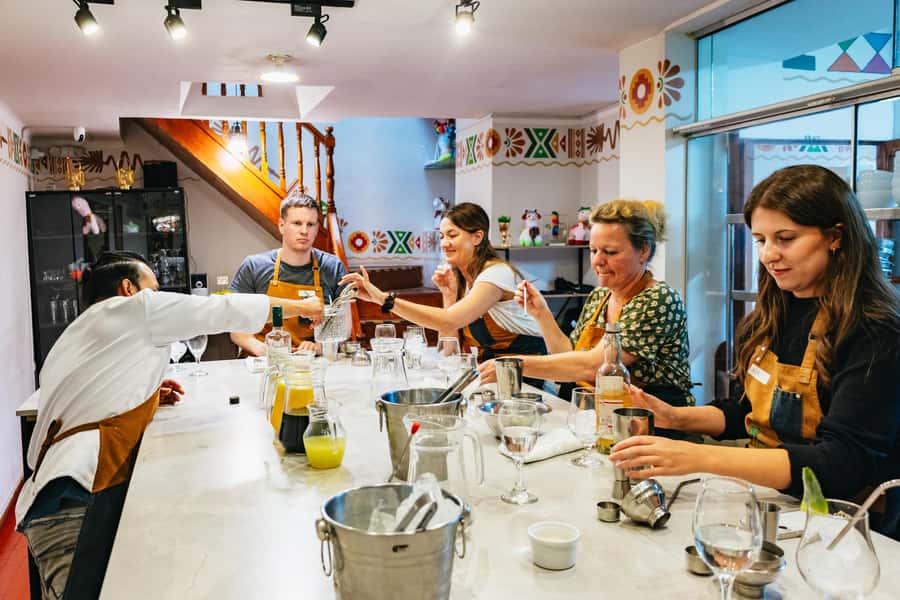
The menu is a smart trio. These dishes let you experience different parts of Peruvian flavor and technique without needing a separate cooking class for each.
Cebiche (ceviche)
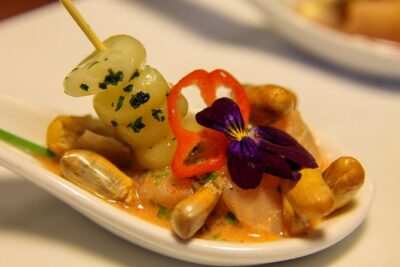
You’ll learn how the ceviche concept comes together, guided through steps by the chef. This dish is a great choice for a class because it highlights balance—acid, freshness, and seasoning—rather than requiring long, complicated processes.
Causa limeña
Causa limeña often feels like a dish you either love or hate until you understand what’s happening. Making it yourself helps you see the texture and flavor build, which makes it much easier to recreate later.
Quinoa tamal
Quinoa is one of those ingredients that can feel familiar from a distance but surprising up close. Quinoa tamal teaches you how quinoa shows up in a comforting, classic format—more than a health-food accessory.
And here’s the practical bonus: the class doesn’t just teach you the dish. It sets you up to shop smarter and cook with confidence later because you’ve handled some of the core ingredients at the market first.
The Sweet Finish: Picarones with Honey (Including Options)
After you’ve cooked and eaten, you end with dessert: picarones with honey. It’s included as a tasting, so you get that final sweet note without turning the meal into a sugar-only marathon.
The class also offers sugar-free and gluten-free options for picarones. That’s especially helpful because desserts often become the hardest part for dietary restrictions in many experiences.
If you’re someone who tends to skip dessert when you’re full, I’d still plan for this one. The portion is designed to land well after the rest of the meal.
Dietary Options Without Drama: Vegetarian, Vegan, Gluten-Free
One of the most praised parts of this class is how it handles dietary needs. Vegetarian options are available, vegan menu options exist, and gluten-free menus are also offered.
In practice, this is about making sure you’re not sitting with a plate that looks like a consolation prize. People describe clear accommodations, including for vegan and gluten-free participants, and even non-alcoholic drink adaptations.
Important for you: the class is in English. If you have specific restrictions or allergies, make sure the reservation notes are correct so the chef can plan the right versions from the start.
How Much Food, How Active Is It, and What Pace to Expect
This is not a quick sampler. It’s a 4-hour afternoon that includes:
- a market walk and ingredient sampling
- cooking and making multiple dishes
- crafting and tasting cocktails
- sitting down to enjoy what you made
- dessert tasting
Several people highlight that you should go with an empty stomach. That advice is practical here because you’re going to eat what you cook, and the menu is more than just one appetizer.
The class is also limited to 10 participants. Small group size matters because it keeps the pace moving and makes it easier to get help when you’re chopping, mixing, or assembling.
If you’re coming to Cusco right before a strenuous trek (like the Inca Trail), this can be a good “acclimatize with food” plan. It’s active enough to feel like a real activity, but it’s still seated and guided.
Price and Value in Cusco: Why $67 Often Works Out
At $67 per person for a 4-hour class, you’re paying for more than a recipe sheet. You’re getting a guided market experience, a chef-led cooking session, ingredients, two cocktails, three dishes, dessert, and water.
The value angle I’d focus on: you’re not just learning cooking technique. You’re learning how to source ingredients and understand what Peru flavors taste like when they’re fresh and local. That combination is what makes the price feel reasonable for many people, because you leave with both a meal experience and tools to recreate it later.
If you’re wondering whether it’s worth it for your trip style, think about what you want in Cusco:
- If you like hands-on cultural food experiences, this is a strong fit.
- If you only want a light snack and a quick show, you might feel it’s too much.
Who Should Book This Cooking Class (and Who Might Skip It)
This class is a good match if you want:
- a small-group Cusco food activity (up to 10 people)
- a chef who teaches step-by-step and shares dish context
- classic Peruvian cooking plus pisco cocktails
- dietary accommodations (vegetarian, vegan, gluten-free)
- a market stop that explains ingredients instead of rushing past them
It’s not suitable for children under 10.
If you hate standing and walking in markets, or you’re looking for something more sightseeing-only, you might prefer a lighter food tour. But if you like to participate, this is built to let you do the work—and eat the results.
Should You Book This Cusco Cooking Class?
I’d book it if you want a single afternoon that connects Cusco ingredients to real Peruvian dishes, with a chef guiding you closely. The strongest reasons to choose it are the market start at San Pedro, the chef-led teaching (with strong praise for the instructor’s friendliness and clarity), and the fact that you end with a full meal plus dessert.
Skip it if you’re not into hands-on cooking, you want a very quiet experience, or you’re only interested in one specific dish. Also, be ready for a true 4-hour block where you’ll eat and participate.
If you’re choosing just one food experience in Cusco, this one is hard to beat for value and hands-on learning.
FAQ
Where do I meet for the tour?
You meet at Door Number 1 at San Pedro Market.
How long is the experience?
It lasts 4 hours.
Is the tour in English?
Yes, there is a live tour guide in English.
How many people are in the group?
It’s a small group limited to 10 participants.
What dishes will I make and eat?
You’ll prepare three dishes: cebiche (ceviche), causa limeña, and quinoa tamal, then enjoy your creations at the table.
Are pisco cocktails included?
Yes. Two pisco cocktails are included, and non-alcoholic versions are available.
Is dessert included?
Yes. There’s a picarones with honey tasting to finish the experience.
Do they offer vegetarian, vegan, or gluten-free options?
Yes. Vegetarian options are available, vegan menus are available, and gluten-free menus are available.
What should I wear or bring?
Wear comfortable shoes and comfortable clothes.
Is it okay for kids?
It’s not suitable for children under 10.
Is free cancellation available?
Yes. You can cancel up to 24 hours in advance for a full refund.
More Tour Reviews in Cusco



More Cooking Classes in Cusco
More Cusco Food and Markets


Recent write-ups from around Cusco, just off the trail
- Cuzco: Rainbow Mountain Excursion
★ 5.0 · 3 reviews - 1 day excursion to Qeswachaka bridge and the 4 lagoons
★ 3.6 · 3 reviews - Waqrapukara 1 day trekking + meals
★ 3.9 · 3 reviews - Valle Sur Cusco | half day
★ 4.3 · 3 reviews - Full-Day Condor Viewpoint & Inca Sites Tour
★ 5.0 · 3 reviews
Peruvian Cooking Classes, compared.
 ★ 5.0Cooking class and market tour with a local chefFrom $57186 reviews
 ★ 5.0Private Andean Cooking Class, PachamancaFrom $15054 reviews
 ★ 5.0Vegan Peruvian Cooking Class Cocktails and Local Market in CuscoFrom $6946 reviews
 ★ 5.0Cusco Cooking Class by ChocoMuseo in CuscoFrom $5429 reviews
 ★ 4.9Peruvian Cooking Class & Market TourFrom $6519 reviews
 ★ 4.73-Hour Peruvian Cooking ClassFrom $4916 reviews
Browse the lists this tour appears in