
REVIEW · PERUVIAN COOKING CLASSES
Cusco: 3-Hour Peruvian Cooking Class
Food teaches fast. This class teaches faster. You’ll start with a walk through local ingredients at the Peruvian Central Market, then jump straight into cooking under an instructor’s watch. I especially like that you don’t just read about Peruvian cuisine or watch it happen—you actually handle it, from chopping to plating. And I also like the hands-on pisco sour lesson that lands right where it should: at the table with what you made. One drawback to keep in mind: because you’re moving through a full schedule in just 3 hours, some parts can come out cooler if they were prepared earlier.
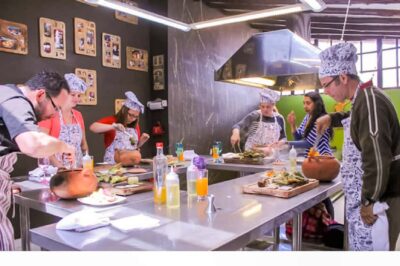
The class is based at ChocoMuseo, right by Plaza Regocijo, in a small group limited to 10. You’ll cook a menu that includes ceviche plus either Lomo Saltado or Ají de Gallina, and finish with chocolate fondue and local seasonal fruit. It’s a friendly, structured evening that feels social without getting chaotic—handy if you want something practical to do in Cusco that doesn’t depend on weather or a long plan.
In This Review
- Key things I’d put on your radar
- The Market Stop That Changes How You Cook Peruvian Food
- Inside ChocoMuseo: The Setup for a Smooth, Hands-On Class
- How the 3 Hours Actually Feel (No Waiting, But Still Organized)
- The Menu: Ceviche, Your Choice of Main, Pisco Sour, and Chocolate Fondue
- Starter: Ceviche
- Main choice: Lomo Saltado or Ají de Gallina
- Drink lesson: Pisco Sour
- Dessert finish: Chocolate fondue with local seasonal fruit
- Pisco Sour Like a Local (And How to Think About the Flavor)
- What You Eat at the End (And Why This Format Feels Like Value)
- Choosing Your Dish: Quick Advice Before the Class Begins
- Tips to Get More Out of Your Cooking Lesson in Cusco
- Who Should Book This Class (And Who Might Skip It)
- Quick Notes on Language and Group Size
- Should You Book This Cusco Cooking Class?
- FAQ
- Where does the cooking class start?
- How long is the class?
- How much does it cost?
- How big is the group?
- What dishes will you cook?
- How is the main dish chosen?
- Can the pisco sour be replaced?
- Is wine included?
- (Optional) Final take
Key things I’d put on your radar
- Market-first start so you learn what ingredients look like before you cook them
- Pick-your-main decision: your group chooses between Lomo Saltado and Ají de Gallina
- Pisco sour practice with guidance (and a juice swap if you ask)
- Chocolate fondue finish with local seasonal fruits
- Small-group format capped at 10 for quicker help and less waiting
More hands-on Peruvian cooking classes
- Cusco: Peruvian Cooking Class, Cocktails & Local Market Tour★ 4.9 · 512 reviews
- Cooking class and market tour with a local chef★ 5.0 · 186 reviews
- Vegan Peruvian Cooking Class Cocktails and Local Market in Cusco★ 5.0 · 46 reviews
- Cusco Cooking Class by ChocoMuseo in Cusco★ 5.0 · 29 reviews
The Market Stop That Changes How You Cook Peruvian Food
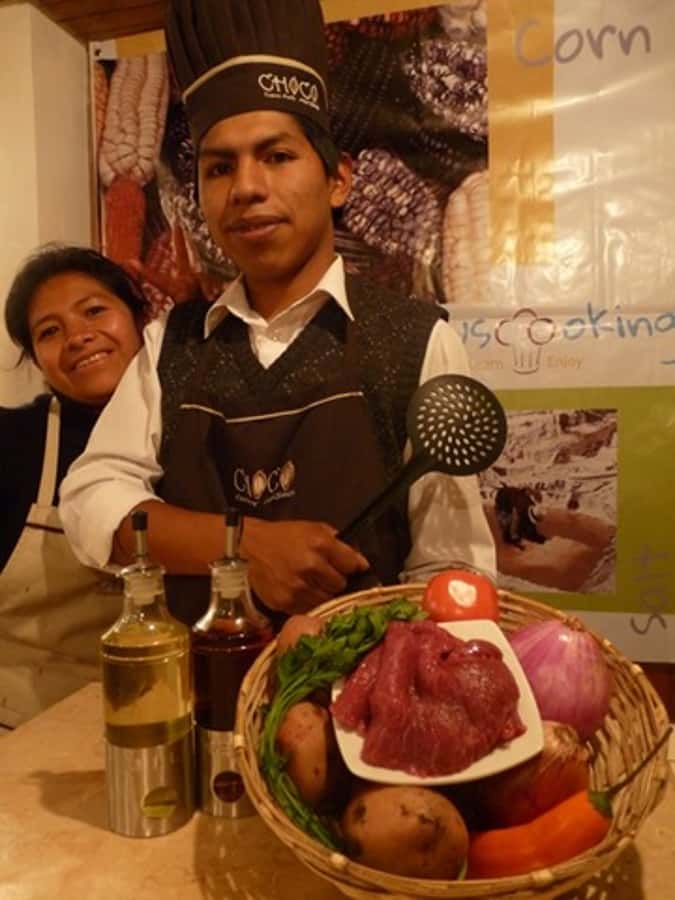
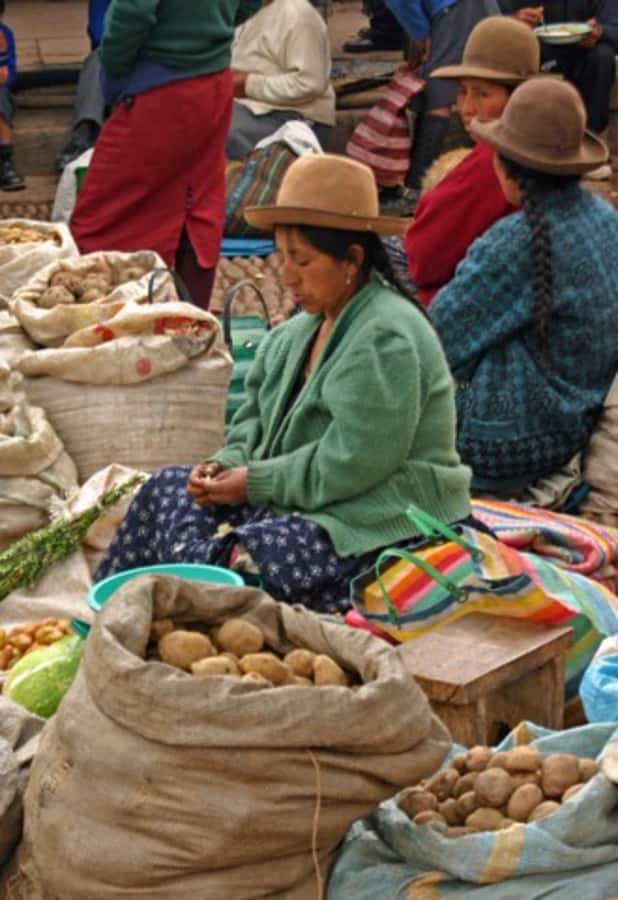
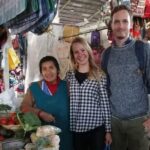
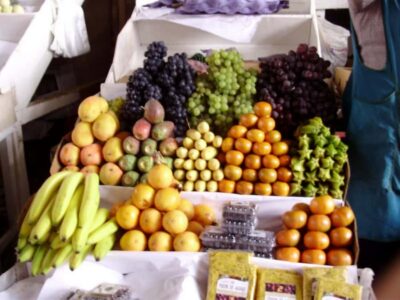
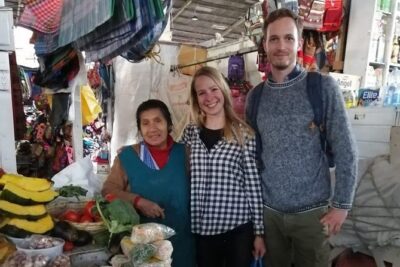
The best part of this 3-hour format is that it begins with shopping, not recipes. At the Peruvian Central Market, you get to see a range of produce and other ingredients that show up in classic Peruvian dishes. It’s not just scenic. When you know what something looks like in the raw state, cooking makes more sense later.
You’ll also get instructor context as you walk—why certain ingredients are used, and what to look for when you’re buying something similar back home. That matters because Peruvian cooking depends on flavor balance: acidity, spices, and how ingredients work together in the pan.
Another practical benefit: you’re tasting your way into the lesson. One of the standout themes in recent classes is learning about ingredients, history, and food habits in Cusco while you’re still in “discovery mode,” not kitchen mode. It makes the whole thing feel more like cultural learning than just a cooking demo.
Inside ChocoMuseo: The Setup for a Smooth, Hands-On Class
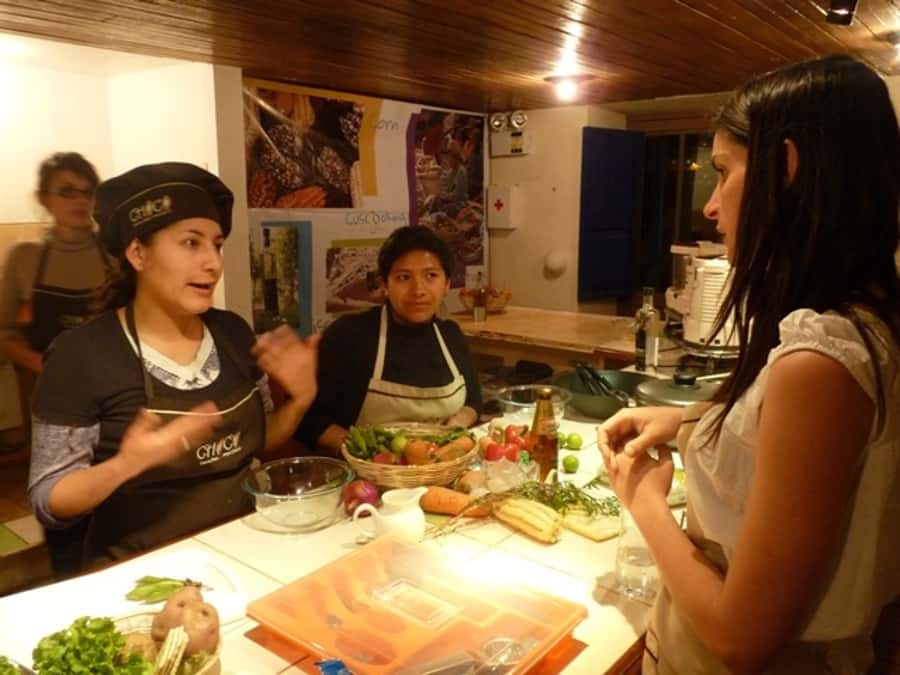
The cooking class takes place at ChocoMuseo, on the corner of Plaza Regocijo. Look for green and orange flags hanging from the balconies. If you’re arriving by foot, the plaza area is easy to spot, but I’d still plan to arrive a little early so you can check you’re in the right entrance.
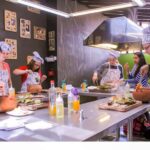
What you can expect once you’re inside: a small-group vibe. The group is capped at 10 participants, so you’re not stuck waiting behind a crowd. That leads to a bigger payoff for the time you spend—less standing around, more doing.
Also, you’re not responsible for the mess or setup. Cooking supplies are included, plus water. That sounds small, but it changes the whole experience. It lets you focus on technique and taste rather than logistics.
How the 3 Hours Actually Feel (No Waiting, But Still Organized)
This is a timed course, so it moves. The structure is straightforward:
1) Market visit
2) Cooking at the kitchen
3) Eating what you cooked
The “under expert tuition” part is real: you’re guided step by step, and that helps whether you’re a confident cook or someone who usually buys ingredients and calls it dinner.
In a couple of real-world cases, people noted that the instructor walked them through choosing ingredients, preparing dishes, and even impiattamento (plating). That kind of coaching is what turns recipes into something you can repeat.
One consideration: when meals are built across multiple components in a short window, temperature can be a factor. There’s at least one reported example where parts of the main meal (rice and potatoes) came out cold because they were prepared earlier. That doesn’t mean it always happens, but it’s worth knowing you’re in a fast-paced class, not a slow restaurant service.
The Menu: Ceviche, Your Choice of Main, Pisco Sour, and Chocolate Fondue
You’ll cook a Peruvian-style menu built for variety—fresh, savory, drink, and dessert. Here’s what’s included in the lesson menu.
A last few Cusco tours and experiences to fold into the trip
Starter: Ceviche
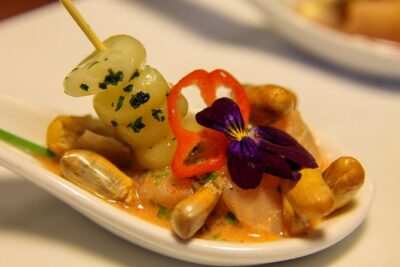
You’ll start with ceviche. This is your “fresh and sharp” introduction—usually the kind of dish where timing and balance matter. Learning it early is smart because it trains your palate for acidity and seasoning before things get richer.
Main choice: Lomo Saltado or Ají de Gallina
For the second course, your group gets a choice: Lomo Saltado or Ají de Gallina. The first participant who booked selects which dish you’ll make, so if you have a strong preference, you’ll want to signal it ahead of time.
- Lomo Saltado is the sautéed beef option people often describe as amazing and savory.
- Ají de Gallina is chicken in a yellow pepper sauce, which brings that warm spice and creamy texture many people associate with Peruvian comfort food.
If you’re not eating meat, you can request vegetarian options, and the class notes that substitutions are possible.
Drink lesson: Pisco Sour
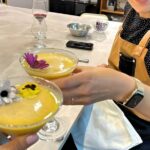
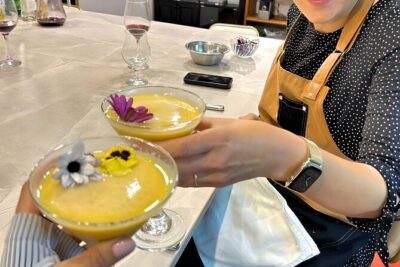
You’ll learn how to prepare the famous pisco sour. This is a fun piece of the experience because it’s both a recipe and a cultural artifact. You’re not just sipping—you’re building the drink with guidance.
If you ask, the pisco sour might be swapped with a fresh fruit juice. That’s a thoughtful option if you want the “lesson feel” without alcohol.
Dessert finish: Chocolate fondue with local seasonal fruit
To close, you’ll have chocolate fondue with local seasonal fruits. It’s a satisfying end point after savory courses, and it also reinforces a key idea in Peruvian dining: fruit and chocolate don’t live in separate worlds. You get to taste how local produce shows up at the end, not just in salads.
Pisco Sour Like a Local (And How to Think About the Flavor)
The pisco sour component is one of the most practical parts of this class because it’s something you can actually reproduce later. The drink is taught as a process, and the goal is for you to leave with enough confidence to try again.
A couple of clear takeaways you should aim for while you’re making it:
- Pay attention to balance—how the drink tastes when it’s mixed, not after you’ve poured it.
- Notice the role of citrus and any added sweetness. Even if you’re not chasing exact measurements, understanding the shape of the flavor helps.
- If you prefer non-alcohol options, remember the class may substitute with fresh fruit juice when requested.
In one class experience, people specifically mentioned a pisco sour variation described as chicha pisco sour turning out delicious. Even if your class version differs slightly, the underlying lesson is similar: you’re learning technique and flavor logic, not memorizing a single trick.
What You Eat at the End (And Why This Format Feels Like Value)
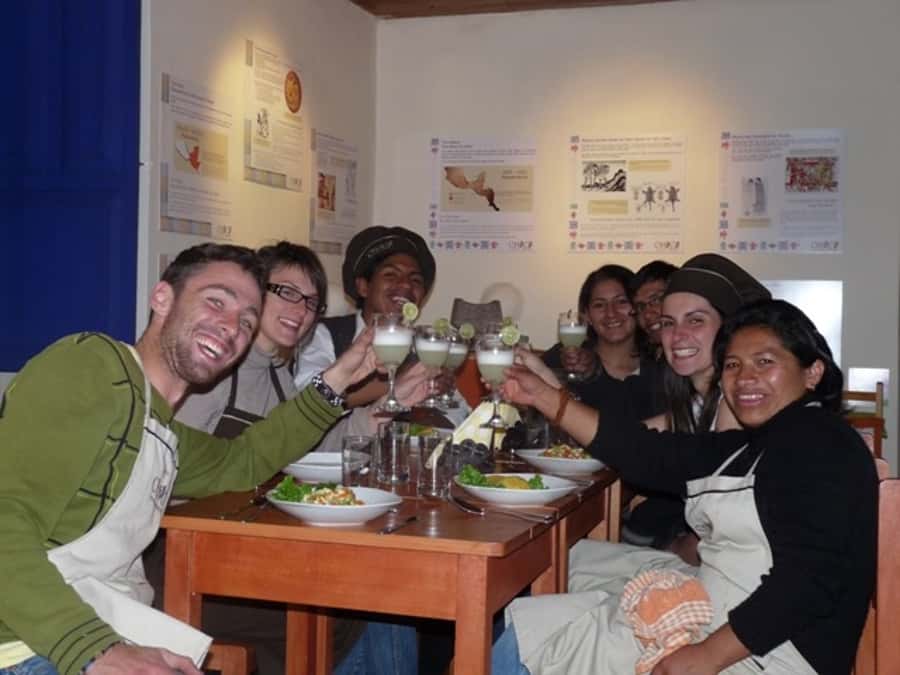
You’ll sit down and enjoy what you cooked in a relaxed, friendly setting. The course list is described as a four-course cooking menu (including dessert), and the included dinner is listed as a three-course meal with a pisco sour. In practice, what matters is that you cook and then eat a full meal with the drink, plus dessert as part of the overall menu experience.
Price is $49 per person for a 3-hour class that includes:
- market guided tour
- ingredients for preparing the menu items
- instructed cooking class
- dinner with meal and a pisco sour
- water and cooking supplies
When you compare that to the cost of simply eating out plus paying for a guided market experience, it’s strong value—because you’re getting both shopping context and cooking labor guidance. You’re not just paying for food. You’re paying for learning how to make it.
Small-group format also helps your wallet. In a big group, you often spend half your time waiting for the instructor to notice you. Here, the cap at 10 improves the help-per-minute.
Choosing Your Dish: Quick Advice Before the Class Begins
Because the main dish is determined by the first participant who booked, you’ll want to think early. You can inform the organizer of your favorite option between Lomo Saltado and Ají de Gallina, but the class notes that the first booking rules.
If you’re traveling with a group, this is the one moment where coordination can save you disappointment. If you really care, confirm early with the provider when you book.
Also, plan for personal preferences beyond meat: the class notes that vegetarian options and a pisco sour swap to fruit juice might be possible on request. If you have dietary constraints, it’s better to mention them when you book rather than trying to improvise at the door.
Tips to Get More Out of Your Cooking Lesson in Cusco
I like this kind of activity because it’s structured, but you still control how much you take away. Here are practical ways to maximize your learning.
- Ask about ingredient choices. If the instructor explains why they’re using something, write it down mentally. That’s what turns the dish into transferable skills.
- Watch your timing. With a short class, the dishes depend on sequence. Even if you’re not fully in charge, understanding timing makes you better later when you cook at home.
- Use the plating help. If the instructor shows you how they want food presented, take note. People often underestimate how much “presentation” is actually technique.
- Go in hungry. You’ll be working and tasting along the way, then eating at the end. If you snack heavily before, you may not enjoy the meal as much.
- Consider the temperature variable. Since there’s at least one reported case of cooler sides, you can ask how they manage timing, or simply plan to focus on flavor over perfection.
Who Should Book This Class (And Who Might Skip It)
This cooking class is a great match if you want:
- a hands-on way to learn Peruvian food in a short window
- a market visit that gives real ingredient context
- a meal outcome at the end, not just tasting bites
- a small-group experience with step-by-step help
It’s also a good option if you like cooking but don’t want to guess what to do with unfamiliar ingredients. The instructor-led approach solves that problem fast.
You might skip it if you prefer a slower, long-form meal with fewer moving parts. The schedule is tight. And if you’re picky about hot temperature consistency, you should know that rushed sequencing can happen in classes.
Quick Notes on Language and Group Size
Instruction is available in Spanish and English, so you should be comfortable either way. The class is limited to a maximum of 10 participants, which keeps things interactive.
In previous sessions, instructors like Miguel have been highlighted for step-by-step guidance and cultural food facts, and Yil has also been mentioned for a fun market-and-cooking pace. You’ll likely get a similar blend of technique and cultural context.
Should You Book This Cusco Cooking Class?
If you want a practical, memorable “use it later” activity in Cusco, I’d book it. For the price, you’re getting the full package: market learning, hands-on cooking tuition, a signature drink lesson, and dessert with local seasonal fruit. It’s also hard to beat the value of learning a dish you can recreate, not just eat once.
On the other hand, if you’re expecting a relaxed, restaurant-length dining experience with no scheduling pressure, it might feel a bit fast. And if you’re very sensitive to food temperature, go in with realistic expectations for a timed class.
If your trip has room for a 3-hour evening and you like the idea of shopping for ingredients first, this is one of the most direct ways to understand Peruvian flavors.
FAQ
Where does the cooking class start?
It takes place inside ChocoMuseo, on the corner of Plaza Regocijo. Look for the green and orange flags hanging from the balconies.
How long is the class?
The duration is 3 hours.
How much does it cost?
The price is $49 per person.
How big is the group?
It’s a small group limited to 10 participants.
What dishes will you cook?
You’ll cook ceviche as a starter, then either Lomo Saltado or Ají de Gallina as the main dish. You’ll also learn to prepare a pisco sour and finish with chocolate fondue with local seasonal fruits.
How is the main dish chosen?
You are asked to inform the provider of your favorite option (Lomo Saltado or Ají de Gallina), but the first participant to book makes the selection.
Can the pisco sour be replaced?
Yes. The pisco sour might be swapped with a fresh fruit juice on request, and the meat can be replaced with vegetarian options if requested.
Is wine included?
No. Wine is available for purchase, but it is not included.
(Optional) Final take
If you want one activity that mixes market culture with real cooking results, this class is a strong pick. Just go with the mindset of learning and eating, not perfection on temperature and timing.
More Workshops in Cusco

More Tour Reviews in Cusco

More Cooking Classes in Cusco
Recent write-ups from around Cusco, just off the trail
- Cuzco: Rainbow Mountain Excursion
★ 5.0 · 3 reviews - 1 day excursion to Qeswachaka bridge and the 4 lagoons
★ 3.6 · 3 reviews - Waqrapukara 1 day trekking + meals
★ 3.9 · 3 reviews - Valle Sur Cusco | half day
★ 4.3 · 3 reviews - Full-Day Condor Viewpoint & Inca Sites Tour
★ 5.0 · 3 reviews
Peruvian Cooking Classes, compared.
 ★ 4.9Peruvian Cooking Class, Cocktails & Local Market TourFrom $67512 reviews
 ★ 5.0Cooking class and market tour with a local chefFrom $57186 reviews
 ★ 5.0Private Andean Cooking Class, PachamancaFrom $15054 reviews
 ★ 5.0Vegan Peruvian Cooking Class Cocktails and Local Market in CuscoFrom $6946 reviews
 ★ 5.0Cusco Cooking Class by ChocoMuseo in CuscoFrom $5429 reviews
 ★ 4.9Peruvian Cooking Class & Market TourFrom $6519 reviews
Browse the lists this tour appears in