
REVIEW · PERUVIAN COOKING CLASSES
Cooking class and market tour with a local chef
Cusco food clicks when you cook it. This 4-hour class pairs a market walk with a chef-led workshop, so you learn what you’re eating and then make it yourself.
I love that it’s led by Chef Ronal, born in Cusco and tuned into local food culture. I also love the hands-on format: you prep real ingredients, you taste as you go, and the final plates are the kind you actually want to recreate later.
One thing to consider: it’s not suitable if you have altitude sickness, and cooking at elevation is real work even when you’re just chopping, mixing, and tasting.
In This Review
- Key highlights you’ll feel fast
- Arriving at the kitchen: a simple meet-up with zero fuss
- San Pedro Market: turning produce into lunch logic
- The cooking workshop pace: hands-on, beginner-friendly, not chaotic
- Starter plates: Rocoto relleno and Causa rellena
- Rocoto relleno (traditional stuffed chili, baked)
- Causa rellena (layered potato cake with yellow chili sauce)
- Main dish choice: Lomo saltado or Ceviche
- Lomo saltado (beef, onions, soy sauce, and native potatoes)
- Ceviche (trout, lime, mango, avocado, and sweet potato)
- A note on ingredient reality
- The pisco moment: cocktails and mocktails with real flavor work
- Pisco sour (classic style)
- Passion fruit sour
- Non-alcohol Peruvian fruit and honey drink
- Dietary restrictions: how flexible does it really feel?
- Altitude comfort: what’s included and what to plan for
- Price and value: $57 for a market + meal + instruction
- Who should book this cooking class in Cusco
- Should you book it?
- FAQ
- How long is the cooking class and market tour?
- Where is the meeting point?
- What do we cook and what drinks are included?
- Can the chef adapt to dietary restrictions or vegetarian needs?
- Do I choose my main dish and drink?
- Is transportation included?
- What languages does the instructor speak?
- What is the cancellation policy?
Key highlights you’ll feel fast
- Chef Ronal guides both the market and the cooking, with local context that makes ingredients make sense
- San Pedro Market tasting stops (fruits and cheese) before you start cooking
- You choose your main and your cocktail ahead of time, while the starter is the same for everyone
- Proper Peruvian classics on the menu, including Rocoto relleno and Ceviche or Lomo saltado
- Diet-friendly flexibility, including vegetarian options and adaptations for restrictions
- Recipes after the class, so you can cook Cusco at home without guessing
More San Pedro Market and food walks
- Pisac Indian Market and Ollantaytambo Fortress with Lunch★ 4.5 · 395 reviews
- Cooking class and market tour with a local chef★ 5.0 · 186 reviews
- Cusco City Sightseeing, San Pedro Market, Cathedral and Qorikancha Temple★ 4.5 · 139 reviews
- The 10 Tastings of Cusco With Locals: Private Food Tour★ 4.5 · 71 reviews
Arriving at the kitchen: a simple meet-up with zero fuss
You’ll meet at Calle San Juan de Dios 264, right in the flow of Cusco’s central streets. The workshop sits in front of the Aranwa boutique Hotel; look for the glass-and-wood door across the track with no ads on it. It’s the kind of meeting point that’s hard to miss once you’re standing there.
Once you’re in, the setup feels practical. The class includes kitchen aprons, tools, and what you need to cook and plate without hauling anything yourself. You’ll also have water during the session, which matters more in Cusco than people expect.
San Pedro Market: turning produce into lunch logic
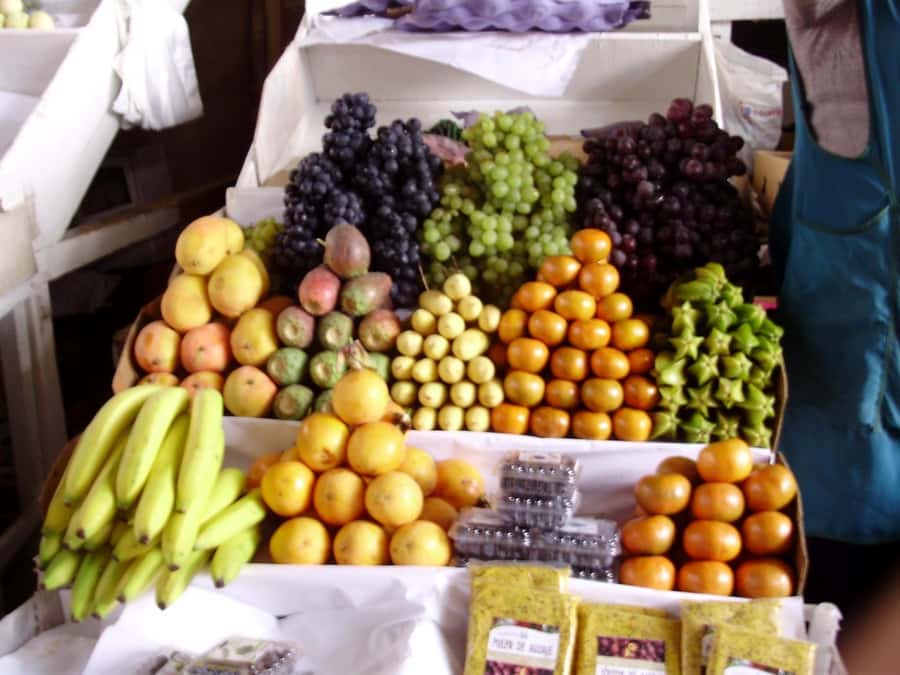
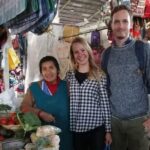
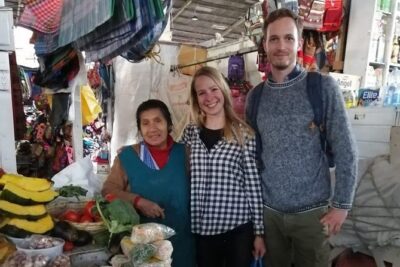
Before you cook, you start at the market where Cusco’s ingredients feel less like “food photos” and more like options you can actually pick. The walk includes tasting local fruits and cheese (the kind you might never buy on your own), plus time to learn how vendors talk about quality, ripeness, and typical uses.
This is a big reason the class works. Instead of showing up, eating, and leaving, you learn what you’re buying and why it tastes the way it does. You’ll also get a sense of how market shopping shapes Peruvian home cooking—fast decisions, fresh produce, and a lot of flavor built from simple ingredients.
One practical tip: go a little hungry. Even with fruit tastings, you’ll still want appetite for the cooking part that follows.
The cooking workshop pace: hands-on, beginner-friendly, not chaotic
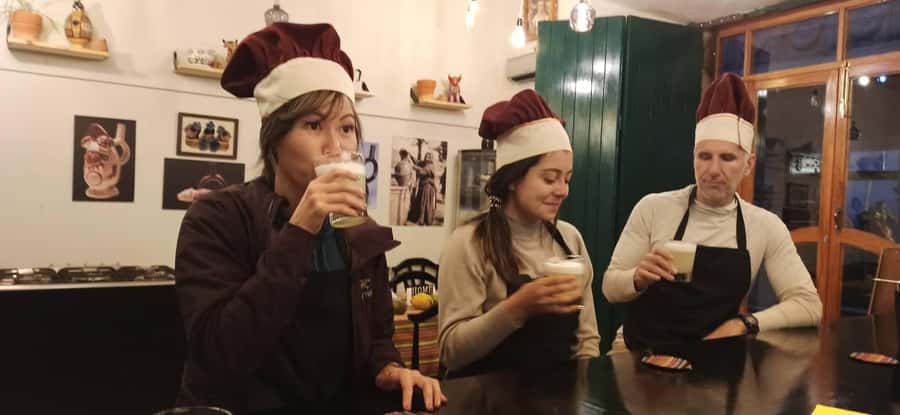
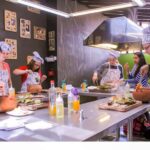
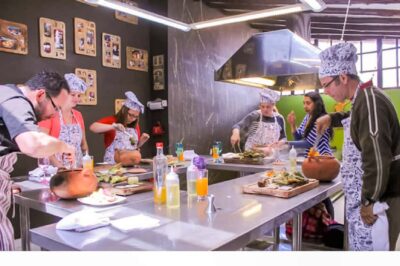
The workshop portion is built around clear instruction and real prep. Everyone has a role, and you’ll get guidance on techniques like chopping, mixing, and timing so your food doesn’t turn into a sad plate of almost-right.
I like that this class doesn’t pretend you’re a pro already. You’re given the tools, the workspace is kept clean, and you’re supported while you cook. That matters if you’re traveling solo or if you’re not the type to feel confident with a knife yet.
Also, the small-group vibe helps. Some sessions can be just a few people, which means more attention from the chef and fewer moments where you’re waiting for help.
Starter plates: Rocoto relleno and Causa rellena
The starter is the same for everyone, and it’s a smart move. You get a shared baseline of flavors and techniques, then you branch off for your main dish choice.
More hands-on Peruvian cooking classes
Rocoto relleno (traditional stuffed chili, baked)
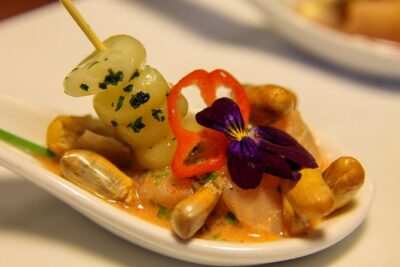
You’ll make rocoto relleno, Cusco’s famed stuffed chili. Expect a filling built from meat plus aromatics like onions and peas, plus a mix of ingredients that gives the dish its sweet-savory edge. The rocoto chilies are covered and baked in the oven with local cheese, which is where things start smelling like you’re in someone’s best kitchen, not a tourist demo.
If you’re curious about Peruvian chili heat, this is a great way to understand it. You learn that “spicy” here isn’t just fire—it’s flavor structure.
Causa rellena (layered potato cake with yellow chili sauce)
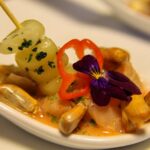
Next comes causa rellena, a potato-based dish with yellow chili sauce. You’ll assemble it with avocado and elements that can include fish tartare, mayonnaise, and spices depending on the dietary plan for your group. The result is cool, creamy, and bright—an excellent balance to the baked chili.
Together, rocoto relleno and causa rellena give you two very different approaches: one baked and deep, one layered and fresh-tasting. That’s not random. It’s a chef teaching you range.
Main dish choice: Lomo saltado or Ceviche
Before class, you choose your favorite cocktail and your main dish. During cooking, that means you can lean into what you actually want for lunch, instead of being locked into one option.
Lomo saltado (beef, onions, soy sauce, and native potatoes)
If you pick lomo saltado, you’ll work with beef tenderloin, onions, tomato, and sauces like soy sauce and oyster sauce. It’s finished with vinegar and served with native potato fries and rice. The flavors hit hard in the best way: savory, tangy, and comforting.
This one is especially satisfying if you want a classic “Peruvian comfort food with a kick” dish.
Ceviche (trout, lime, mango, avocado, and sweet potato)
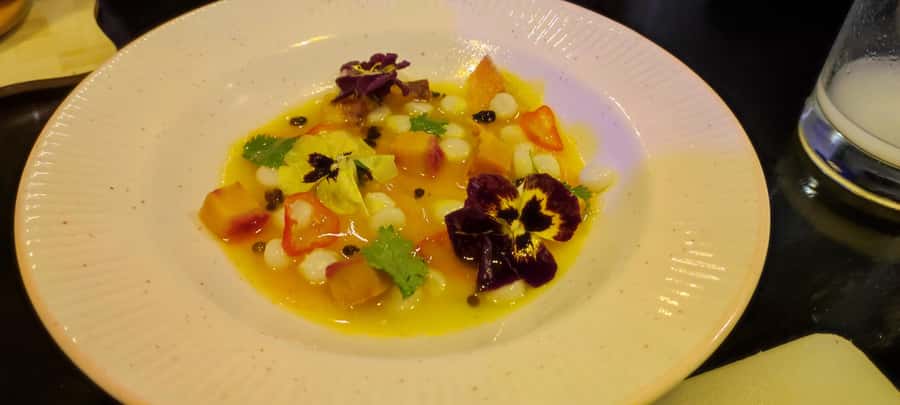
If you pick ceviche, you’ll make a fresh, lime-driven dish with trout, mango, avocado, onions, celery, ginger, and corn, plus sweet potato. It’s bright and fragrant, and the ingredients feel like they belong together because they do—sweet, sour, crunchy, creamy.
Ceviche also helps you understand the logic of Peruvian coastal flavors, even though you’re cooking in the Andes. The key lesson is acidity + balance.
A note on ingredient reality
This class is Peruvian and local, so you might see meat from animals that belong to the diet of the local population. If you have specific concerns about what’s used, mention it ahead of time so the chef can guide your version.
The pisco moment: cocktails and mocktails with real flavor work
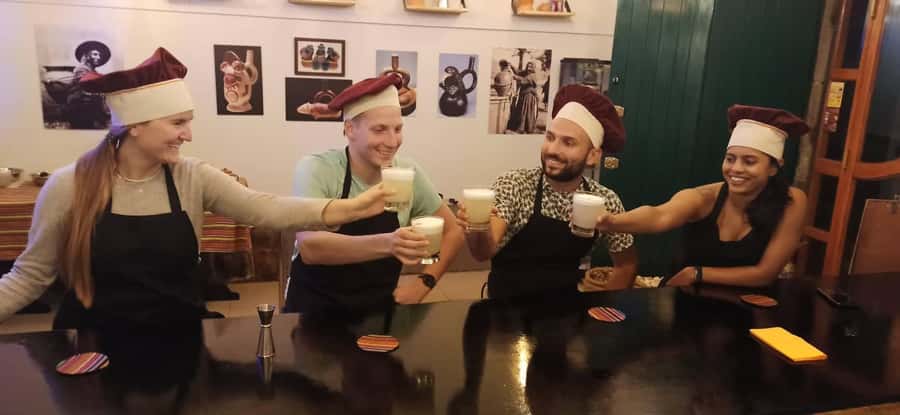
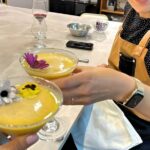
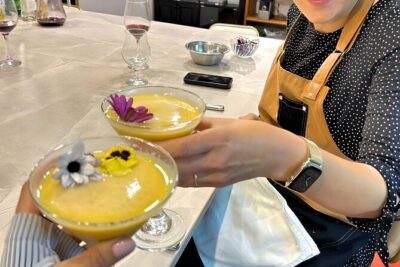
You’ll prep a cocktail based on pisco and choose from options. The included drink menu includes the classic pisco sour and a passion fruit sour version, plus a non-alcohol drink made with Peruvian fruits and honey.
Pisco sour (classic style)
You’ll make a pisco sour with lime, syrup, and egg whites. This is the famous Peruvian base for a reason: the combination is creamy and sharp, with a clean citrus finish.
Passion fruit sour
This version swaps in fresh passion fruit juice for that bright tropical punch. It’s familiar enough to be inviting but different enough to feel like Cusco in a glass.
Non-alcohol Peruvian fruit and honey drink
If you don’t want alcohol, you still get a crafted drink, not just juice. The non-alcohol option uses Peruvian fruits and honey, so it tastes like it was planned, not improvised.
I also like that you’re not stuck with just one drink you didn’t ask for. The tasting-and-cooking combo makes the drink feel tied to the meal, not separate.
Dietary restrictions: how flexible does it really feel?
This tour is set up to adapt. Vegetarian options exist, and the chef can adjust for dietary restrictions and preferences. In practice, that means you get to make the dish while still protecting what you need to avoid.
If you’re vegetarian, you should expect the class to handle the swap rather than just telling you to eat around the dish. People also mention that the chef takes allergies seriously, which is a big deal when you’re working with sauces and layered ingredients.
The safest move is to tell them your needs clearly before you start, especially if your restriction is allergy-level rather than a personal preference. Choosing your main and drink in advance helps too, because the chef can plan the best version for you.
Altitude comfort: what’s included and what to plan for
Cusco altitude changes how you feel, even if your schedule is packed with fun. This class includes water, and if needed they offer natural medicine for altitude sickness and digestive teas.
That said, the activity is listed as not suitable for people with altitude sickness. If you’re already struggling, don’t force it. Ask your hotel or doctor for guidance and save this for when you can enjoy it fully.
If you’re generally fine at altitude, the tea and support are still a nice safety net. Think of it as extra care for digestion and comfort, not a magic shield.
Price and value: $57 for a market + meal + instruction
At $57 per person for 4 hours, you’re paying for more than a cooking class. You’re getting:
- market time with tastings (fruits and cheese)
- a chef-led workshop with all utensils and kitchen setup
- a full starter plus your chosen main
- water and a cocktail or mocktail
That’s strong value in Cusco because it replaces the guesswork of where to eat with a guided food education plus a lunch you made yourself. You’re also leaving with a better sense of what ingredients cost and how they’re used, which makes your later restaurant meals smarter.
Is it the cheapest thing on the menu? No. But it’s the kind of price that makes sense if you want a real experience and an actual lunch, not a 60-minute demo.
Who should book this cooking class in Cusco
I’d book this if you want a food-focused Cusco experience that goes beyond eating. It’s a great fit for:
- couples who want a shared activity that ends with a meal
- solo travelers who like meeting people in small groups
- beginners who want clear steps and a confident chef
- anyone who loves Peruvian classics like rocoto relleno, causa, ceviche, or lomo saltado
You might skip it if you fall into the listed limits: kids under the minimum age, anyone with altitude sickness, or anyone who can’t meet the weight constraints. If any of those apply, it’s better to choose a lighter activity.
Should you book it?
Yes—if you want hands-on Peruvian cooking with a real market connection. The pairing of San Pedro Market tastings with Chef Ronal’s guided prep makes this more than a meal. It teaches you how the flavors come together, and you get to leave with that in your own hands.
If you’re still deciding, choose based on one question: do you want to cook lunch today, with ingredients you understand, rather than just watch food happen? If that sounds like you, this is a great call.
FAQ
How long is the cooking class and market tour?
It lasts 4 hours.
Where is the meeting point?
You meet at 264 Calle San Juan de Dios Street (in front of the Aranwa boutique Hotel), across the track from the glass-and-wood door with no ads.
What do we cook and what drinks are included?
You’ll make the starter dishes (rocoto relleno and causa rellena), cook one main dish from your choice, and prepare a cocktail based on pisco (options include classic pisco sour and passion fruit sour) or an alcohol-free Peruvian fruit and honey drink.
Can the chef adapt to dietary restrictions or vegetarian needs?
Yes. The class can adapt to dietary restrictions and offers vegetarian options.
Do I choose my main dish and drink?
Yes. You choose your favorite cocktail and your main dish ahead of the class, while the starter is the same for everyone.
Is transportation included?
No. Transportation is not included.
What languages does the instructor speak?
The instructor teaches in English and Spanish.
What is the cancellation policy?
You can cancel up to 24 hours in advance for a full refund.
More Tour Reviews in Cusco



More Cooking Classes in Cusco
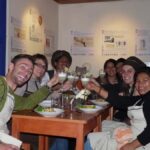
More Cusco Food and Markets


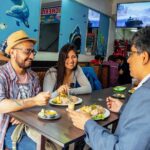
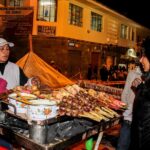
Recent write-ups from around Cusco, just off the trail
- Cuzco: Rainbow Mountain Excursion
★ 5.0 · 3 reviews - 1 day excursion to Qeswachaka bridge and the 4 lagoons
★ 3.6 · 3 reviews - Waqrapukara 1 day trekking + meals
★ 3.9 · 3 reviews - Valle Sur Cusco | half day
★ 4.3 · 3 reviews - Full-Day Condor Viewpoint & Inca Sites Tour
★ 5.0 · 3 reviews
Peruvian Cooking Classes, compared.
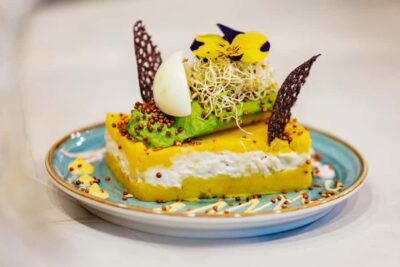 ★ 4.9Peruvian Cooking Class, Cocktails & Local Market TourFrom $67512 reviews
 ★ 5.0Private Andean Cooking Class, PachamancaFrom $15054 reviews
 ★ 5.0Vegan Peruvian Cooking Class Cocktails and Local Market in CuscoFrom $6946 reviews
 ★ 5.0Cusco Cooking Class by ChocoMuseo in CuscoFrom $5429 reviews
 ★ 4.9Peruvian Cooking Class & Market TourFrom $6519 reviews
 ★ 4.73-Hour Peruvian Cooking ClassFrom $4916 reviews
Browse the lists this tour appears in