
REVIEW · PERUVIAN COOKING CLASSES
Cusco: Peruvian Cooking Class & Market Tour
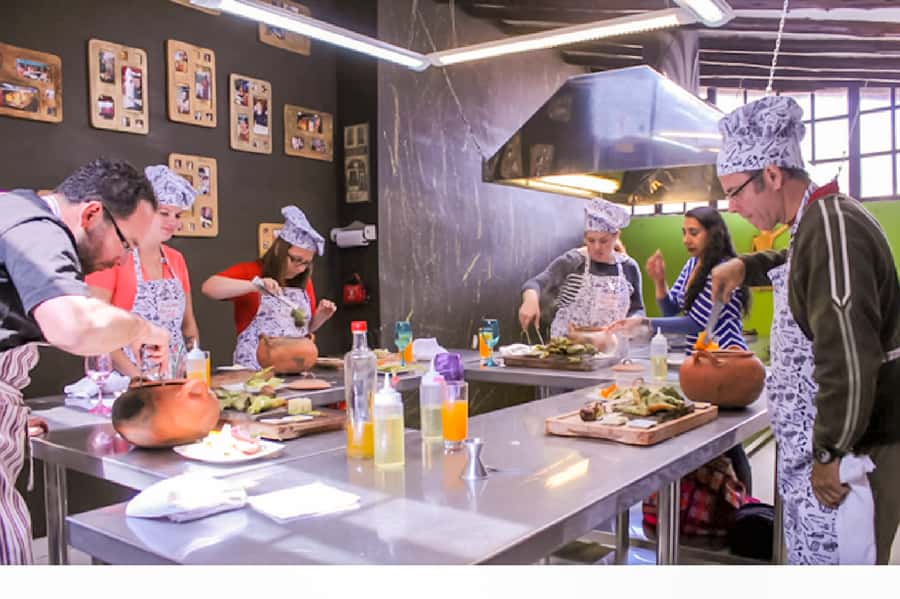
Cusco can be a food education in itself, but this class gives you the how and why. You’ll start in the San Pedro Market, then move to a real chef-led lesson where Cusqueña dishes come together step by step.
I especially like that you get a guided market walk first, so the ingredients you see aren’t random names later. I also love the energy of the cooking session with Chef Ronald, described as the best—plus the food stays fresh and the class feels relaxed.
The one thing to keep in mind: the experience is hands-on, so if you want a purely observational tour, you’ll probably feel a bit too involved once the chopping and mixing starts.
In This Review
- Key highlights you’ll care about
- How the San Pedro market walk turns into flavor you can taste
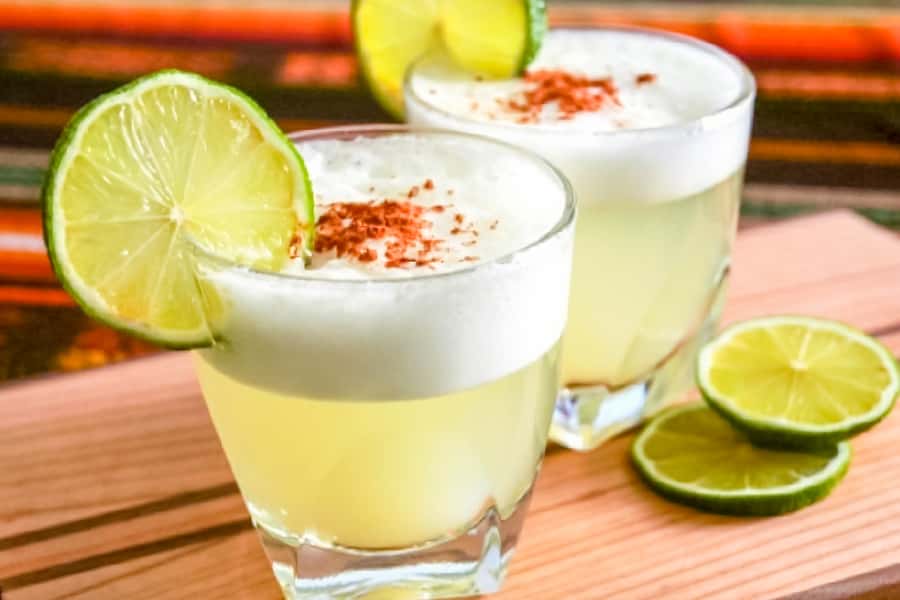
- The Pisco Sour lesson: grapes, qualities, and what to expect
- Chef-led cooking in Cusco: choosing from the classic menu
- Ceviche and Chilcano soup
- Lomo Saltado or Ají de Gallina
- Lunch is part of the lesson, not an afterthought
- Price and value: what $65 covers in Cusco
- Who this cooking class fits best (and who should skip it)
- Small details that help you enjoy the class more
- Should you book the Cusco Peruvian Cooking Class & Market Tour?
- FAQ
- How long is the Cusco Peruvian Cooking Class & Market Tour?
- Where do I meet the group?
- What dishes can I cook during the class?
- Is lunch included?
- Are drinks included?
- What languages is the class offered in?
- What should I bring?
- Is it wheelchair accessible, and are pets allowed?
- What is the cancellation policy?
Key highlights you’ll care about
- San Pedro Market walk focused on real ingredients you’ll use later
- Pisco Sour explained and tasted, including pisco grape qualities
- Chef Ronald energy: clear instruction, good info, and a calm pace
- Pick your dishes from classic Cusco favorites (ceviche, Chilcano, Lomo Saltado, Ají de Gallina)
- Lunch is what you make, not just a plate someone else prepared
- Bilingual instruction in English and Spanish
More San Pedro Market and food walks
- Pisac Indian Market and Ollantaytambo Fortress with Lunch★ 4.5 · 395 reviews
- Cooking class and market tour with a local chef★ 5.0 · 186 reviews
- Cusco City Sightseeing, San Pedro Market, Cathedral and Qorikancha Temple★ 4.5 · 139 reviews
- The 10 Tastings of Cusco With Locals: Private Food Tour★ 4.5 · 71 reviews
How the San Pedro market walk turns into flavor you can taste
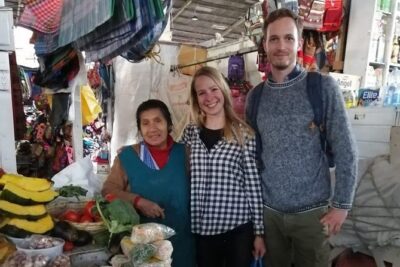
The tour starts in Cusco with a simple meeting point: wait at the water fountain in the main square area. From there, you head into the San Pedro Market for about 45 minutes (the experience notes roughly an hour of walking). This part matters more than people expect, because it gives you context for Peruvian cooking beyond recipes.
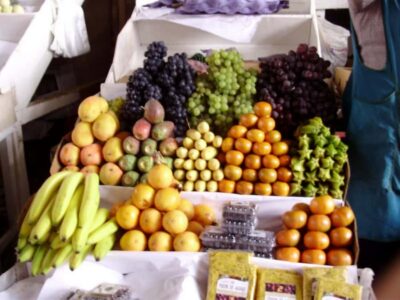
In the market, you’re not just strolling. You’re learning what ingredients show up again and again in traditional Cusqueña cuisine—especially the fruit and flavor components that connect to the dishes you’ll cook later. That means when the chef mentions something you saw at the stalls, it clicks faster. You stop thinking, Why am I doing this? and start thinking, Oh, that’s what it’s for.
Practical tip: wear comfortable clothes you don’t mind getting a little market-dust on. Even if nothing gets messy, market walking in Cusco can feel active. Also bring a camera, because you’ll want to remember the ingredients and the colors.
A possible drawback here is pacing. The market time is long enough to be meaningful, but it isn’t a free-for-all. If you like to wander slowly, you’ll need to accept that this is a learning-focused route.
The Pisco Sour lesson: grapes, qualities, and what to expect
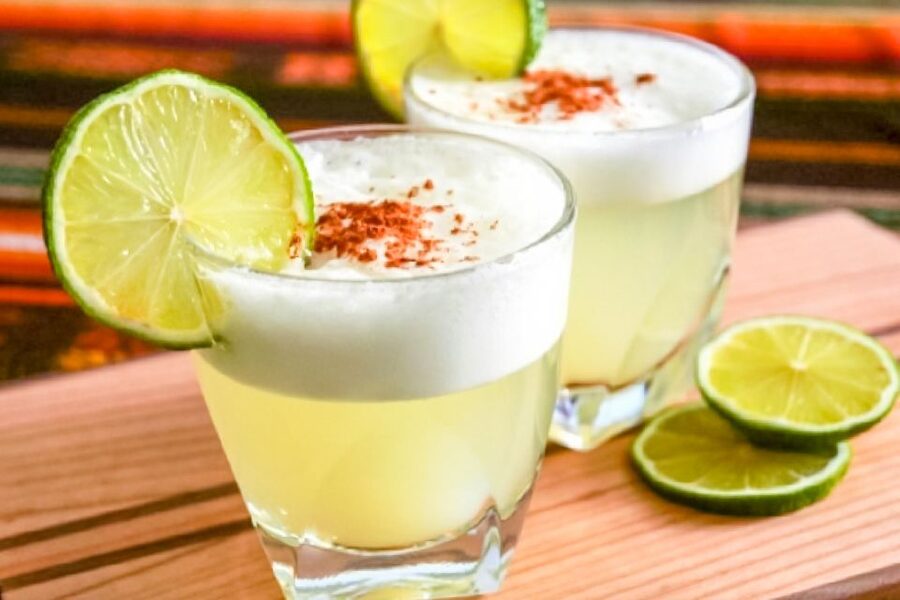
After the market, you return to the restaurant for the drink portion. This is where you learn how Peru’s most famous drink works—the Pisco Sour—and you get a structured tasting.
You’ll receive a complete explanation and tasting of pisco grapes, including their different qualities. That’s a big deal because pisco isn’t one generic thing. Even without going deep into wine-science, this gives you a framework to understand why a drink can taste noticeably different depending on what’s used.
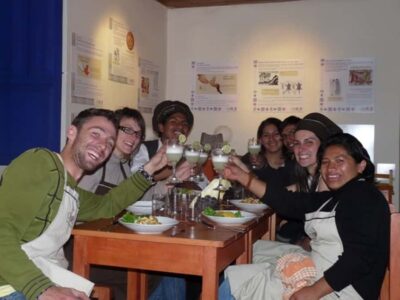
Then there’s a toast, and you’ll get to try your pisco. Expect this to be part learning, part fun, and part palate reset before you start cooking. The fact that the pisco is tied to a short educational moment is what makes this more than a quick sip. You come away knowing what you tasted, not just that it was good.
One note: alcoholic drinks beyond what’s part of the experience aren’t included. So if you’re hoping for extra cocktails, plan on purchasing them separately.
Chef-led cooking in Cusco: choosing from the classic menu
Now the main event: the cooking class led by an expert chef. The experience is bilingual (English and Spanish), and the instruction is described as well prepared, with lots of interesting information. Chef Ronald specifically comes up in high praise, and that lines up with what you want from a hands-on class: clear steps, practical guidance, and a calm way of keeping a group moving.
Here’s what you can make. You choose dishes that include:
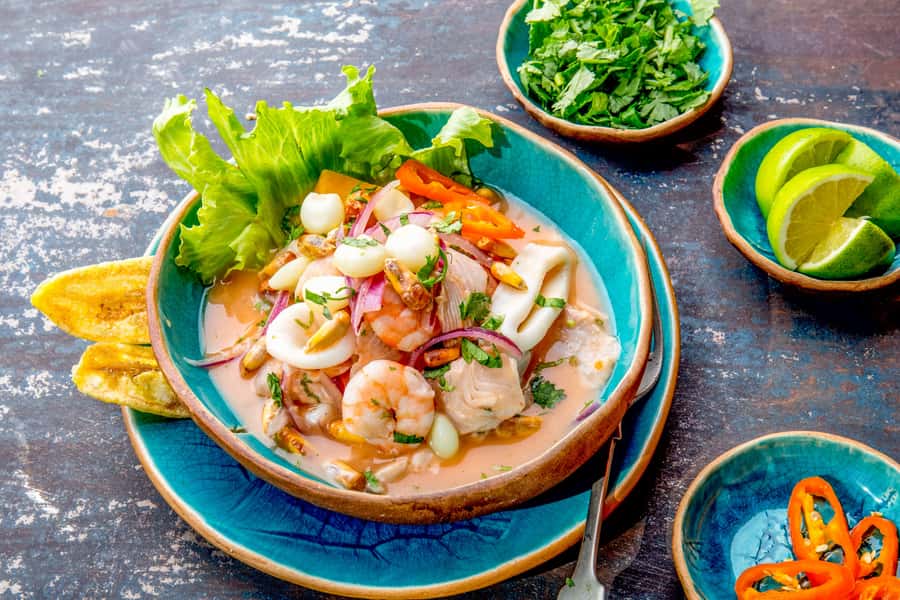
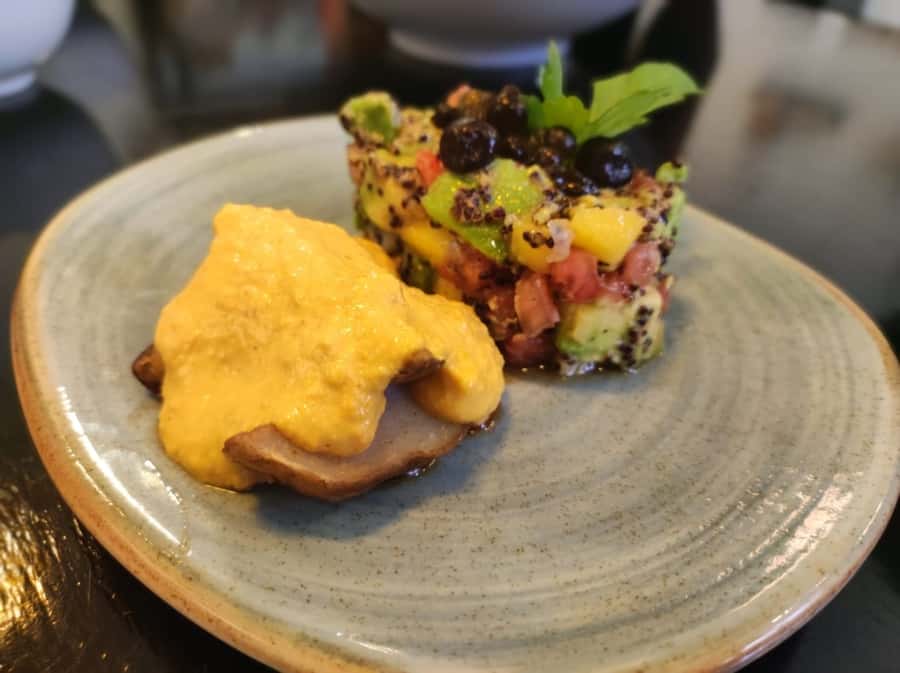
- An appetizer of Ceviche and Chilcano soup
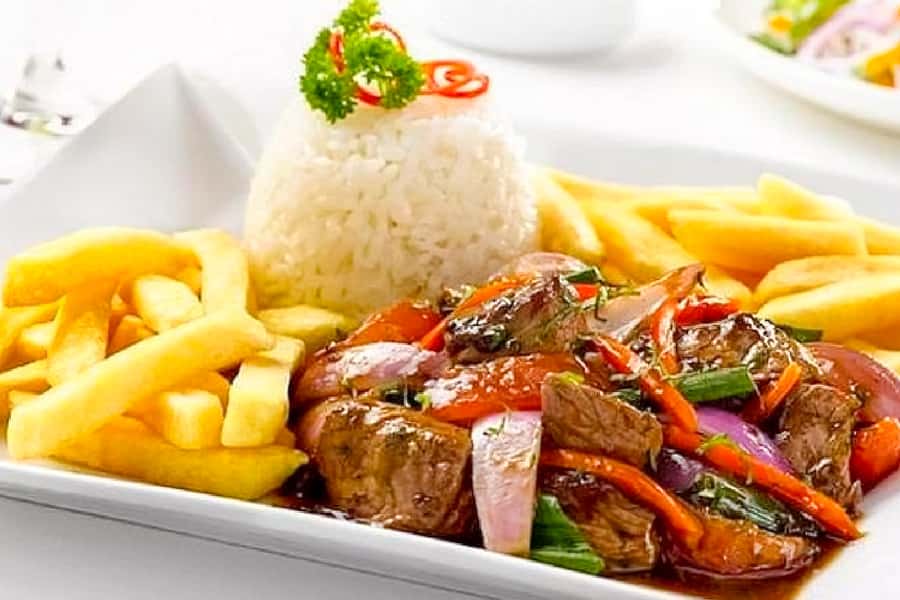
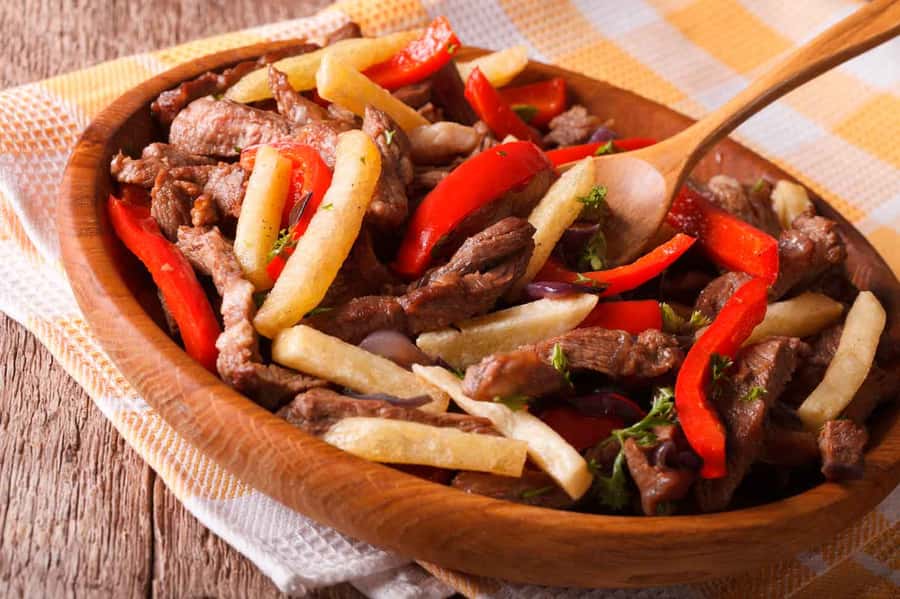
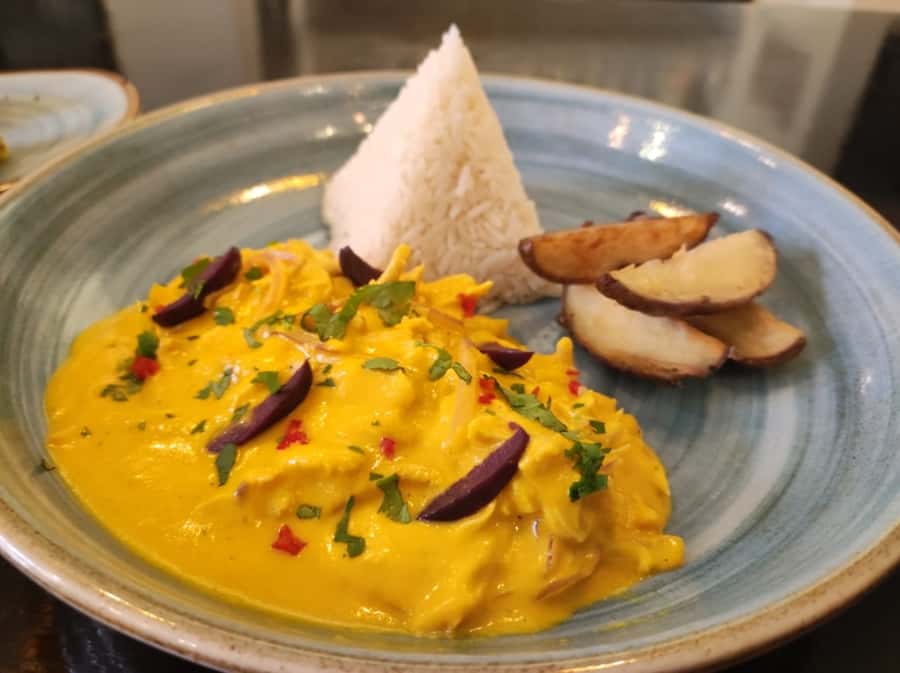
- A main course of Lomo Saltado or Ají de Gallina
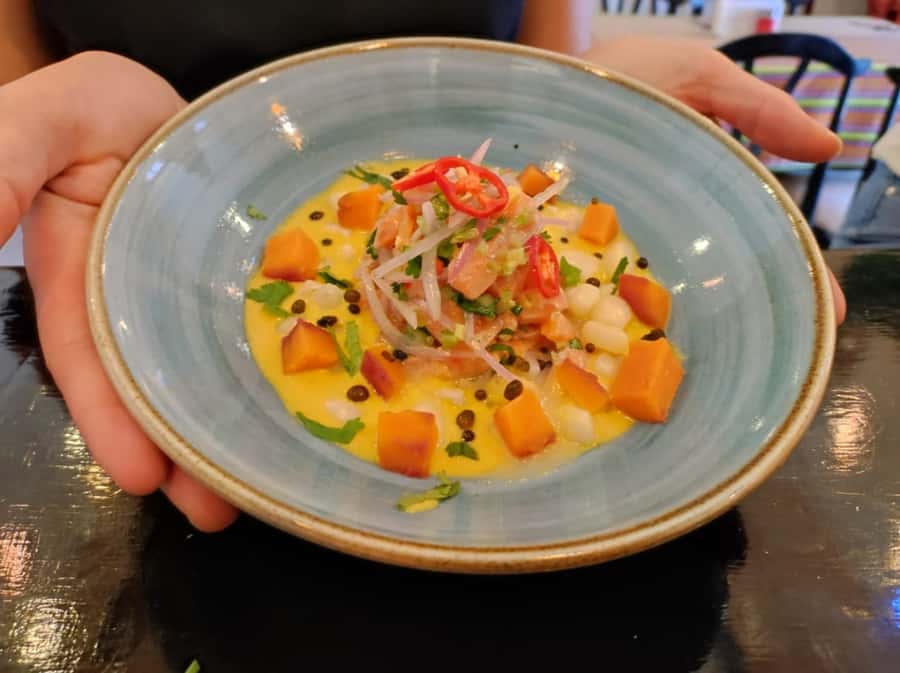
This menu is a smart mix. You get to work with bright, bold flavors (ceviche’s citrusy energy), plus something comforting and savory (Chilcano). For mains, you can go for Lomo Saltado’s satisfying stir-fry vibe, or Ají de Gallina’s creamy, spice-forward personality.
Ceviche and Chilcano soup
If you choose the ceviche option, you’ll be working with flavors that Peruvian cooking does extremely well: acidity, freshness, and balance. Even if you’ve eaten ceviche before, cooking it helps you understand how the ingredients interact. You’ll likely become more aware of texture and timing—things you can’t fully appreciate while just watching.
Chilcano soup is a great counterpart because it’s more warming and hearty. It’s the kind of dish that helps you understand why Peruvian flavors aren’t only about sharp, fresh tastes. There’s comfort here too.
More hands-on Peruvian cooking classes
Lomo Saltado or Ají de Gallina
Lomo Saltado is often popular for a reason: it’s flavorful, familiar in the sense that it’s stir-fried, and it hits hard on seasoning and satisfaction. If you pick it, you’ll get a good sense of how Peruvian kitchens build depth quickly.
Ají de Gallina is different. It leans into ají spice (Peru’s signature heat-and-flavor) and a creamy base. Cooking it is where you learn that spice doesn’t only mean “hot”—it can also mean aroma, color, and a full-bodied taste.
Practical reality: since you’re cooking, the group experience can feel active. Expect to work at stations, listen to instructions, and follow along. This is not a sit-and-watch demo.
Lunch is part of the lesson, not an afterthought
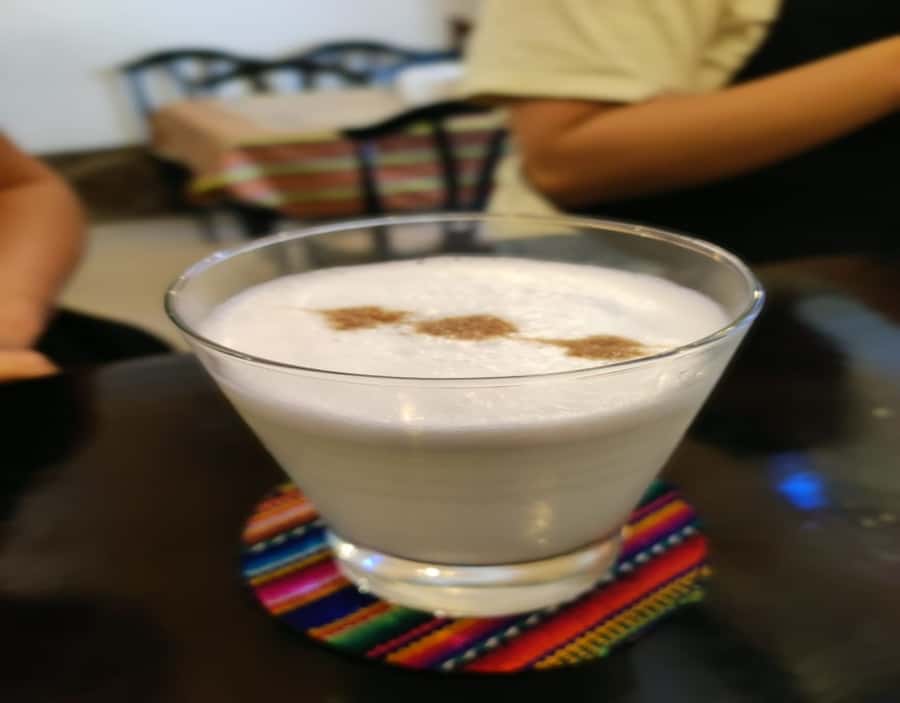
After you cook, you enjoy what you made. That’s a key reason this is worth doing: the class doesn’t end when the last ingredient hits the pan. You sit down and eat, so the flavors you practiced land in your stomach while they’re still fresh in your memory.
You’ll also try the pisco you learned about. The whole experience is built around food flow: ingredients first, tasting second, cooking third, then a meal that feels earned.
In the reviews, people emphasize that the afternoon is pleasant and relaxed and that the food is fresh and delicious. That matches what you want from a class in a city with altitude and walking energy. You don’t need a workout; you need good timing and comfortable guidance.
If you’re sensitive to strong flavors, it’s worth paying attention to the spice factor in ají-based dishes. The class is instructional, but the menu includes dishes that are naturally bold.
Price and value: what $65 covers in Cusco
At $65 per person, this isn’t a bargain-price cooking class—but it also isn’t trying to be one. The value is in what’s included:
- A bilingual cooking class
- Cooking equipment
- Lunch (what you prepare)
- About 45 minutes in the San Pedro Market
- Pisco Sour education and tasting (as part of the drink segment)
When you compare it to doing the same day on your own, you’d normally pay separately for entry fees or a guide for the market, then a separate cooking lesson, then food, then a drink experience. Here, those pieces are connected so you learn and eat in one flow.
If you’re only interested in the market, you might find you prefer a market-focused guide. If you’re only interested in lunch, you might want a normal restaurant meal. But if you want the combination—ingredients + technique + a real meal you made—this pricing starts to make sense fast.
Who this cooking class fits best (and who should skip it)
This is a strong fit if you:
- Want a hands-on introduction to traditional Peruvian cuisine (with Cusco context)
- Like learning while doing, not just reading menus
- Enjoy interactive food experiences with a chef who explains what matters
- Want an afternoon plan that feels cultural without being overly intense
You might skip it if:
- You prefer purely guided sightseeing with minimal cooking involvement
- You’re hoping for a long, free-form market wander (this is structured)
- You don’t eat seafood or don’t want ceviche included as an option (the menu includes it, though you choose what you cook)
Also, if you’re traveling with limited time, the overall duration is only about 3–4 hours, which is a manageable block in Cusco.
Small details that help you enjoy the class more
A few practical things will make your experience smoother:
- Bring a camera and capture your dish setup and the market ingredients.
- Wear comfortable clothes since you’ll be moving through the market and working at a cooking station.
- Note the rules: no smoking and no pets.
- If you need assistance, the experience is wheelchair accessible, which is a big plus for inclusive planning.
And if you’re the type who loves learning the “why,” you’ll probably enjoy the pisco grape quality part. It’s the kind of detail that makes the flavor make more sense later, even back in your hotel.
Should you book the Cusco Peruvian Cooking Class & Market Tour?
If you want a Cusco experience that’s hands-on, tasty, and still not exhausting, I’d book this. The best reasons are practical: you get a real market ingredient primer, a chef-led class with meaningful explanation, and lunch that comes from your own work. Plus, the vibe sounds like it stays relaxed, with strong praise for Chef Ronald.
Book it if you’re excited to cook one of the classic menus (ceviche + soup, then Lomo Saltado or Ají de Gallina) and you like the idea of a pisco education, not just a drink.
Don’t book it if cooking hands are a hard no for you, or if you want a long, independent market roam. In that case, a standard food tour might match your style better.
FAQ
How long is the Cusco Peruvian Cooking Class & Market Tour?
The experience lasts between 3 and 4 hours (the listing notes 4 hours and says to check starting times).
Where do I meet the group?
Start by waiting at the water fountain in the square. The tour ends back at the meeting point.
What dishes can I cook during the class?
You can choose dishes that include an appetizer of Ceviche and Chilcano soup, and a main course of Lomo Saltado or Ají de Gallina.
Is lunch included?
Yes. Lunch is included, and you’ll enjoy the dishes you create.
Are drinks included?
Alcoholic drinks are not included (they’re available to purchase). The experience includes Pisco Sour preparation/education and tasting as part of the tour.
What languages is the class offered in?
The cooking class is offered in English and Spanish.
What should I bring?
Bring a camera and wear comfortable clothes.
Is it wheelchair accessible, and are pets allowed?
Yes, it is wheelchair accessible. Pets are not allowed, and smoking is not allowed.
What is the cancellation policy?
Free cancellation is available up to 24 hours in advance for a full refund.
More Tour Reviews in Cusco
More Cooking Classes in Cusco
More Cusco Food and Markets

Recent write-ups from around Cusco, just off the trail
- Cuzco: Rainbow Mountain Excursion
★ 5.0 · 3 reviews - 1 day excursion to Qeswachaka bridge and the 4 lagoons
★ 3.6 · 3 reviews - Waqrapukara 1 day trekking + meals
★ 3.9 · 3 reviews - Valle Sur Cusco | half day
★ 4.3 · 3 reviews - Full-Day Condor Viewpoint & Inca Sites Tour
★ 5.0 · 3 reviews
Peruvian Cooking Classes, compared.
 ★ 4.9Peruvian Cooking Class, Cocktails & Local Market TourFrom $67512 reviews
 ★ 5.0Cooking class and market tour with a local chefFrom $57186 reviews
 ★ 5.0Private Andean Cooking Class, PachamancaFrom $15054 reviews
 ★ 5.0Vegan Peruvian Cooking Class Cocktails and Local Market in CuscoFrom $6946 reviews
 ★ 5.0Cusco Cooking Class by ChocoMuseo in CuscoFrom $5429 reviews
 ★ 4.73-Hour Peruvian Cooking ClassFrom $4916 reviews
Browse the lists this tour appears in