
REVIEW · PERUVIAN COOKING CLASSES
Vegan Peruvian Cooking Class Cocktails and Local Market in Cusco
Ceviche in a vegan bowl beats most cookery classes. You start at Mercado Central de San Pedro and finish in a cozy studio learning classic Cusco flavors.
What makes it fun is the pairing: shopping like a local, then cooking like a chef, while tasting Peru in stages. Two hands-on pisco cocktail moments help break up the work so you don’t just stand over a cutting board.
The two big wins for me are simple. First, you learn to make 100% plant-based versions of beloved Peruvian dishes like ceviche and causa limeña. Second, you get real kitchen reps, not just watching someone else cook.
One thing to plan for is the meeting point. The start is at San Pedro Market at Thupaq Amaru 477, and there’s a bit of door confusion reported, so arrive a few minutes early and use the marked entrance.
In This Review
- Key highlights to know before you go
- San Pedro Market at San Pedro Market: where your shopping becomes your lesson
- Moving to the studio: hands-on cooking without the tourist fog
- The vegan Peruvian dishes you’ll actually learn to make
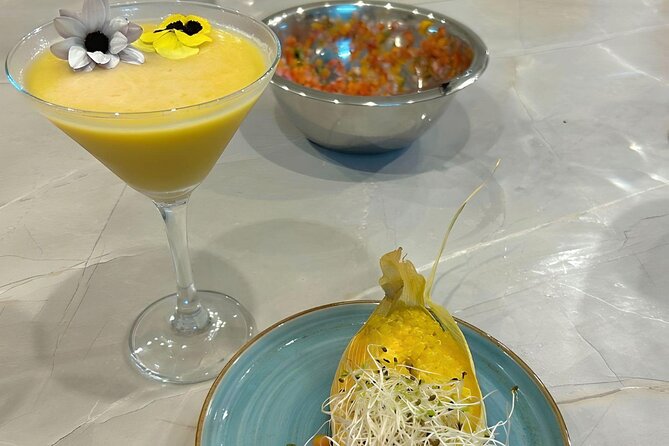
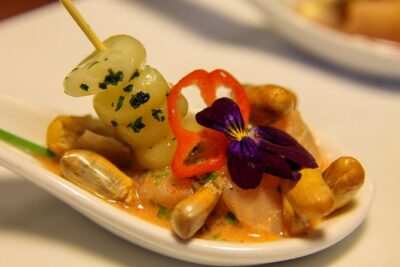
- Vegan ceviche: the acid, the herbs, the feel
- Causa limeña: comfort food with a plant-based twist
- Quinoa tamal: earthy, filling, and very Peruvian
- Cocktails included: two pisco drinks, plus the skill behind mixing
- If you’re under 18 (or prefer no alcohol)
- Why learning cocktails helps your cooking
- Chef-led instruction: what you’re likely to get (and what to ask at the start)
- Price and value: is $69 a fair deal in Cusco?
- Practical tips before you go: making the first 15 minutes painless
- Plan your arrival at the meeting point
- Public transport is nearby
- Bring your appetite, and pace the drinking
- Service animals are allowed
- Who should book this vegan Cusco cooking class
- Should you book it? My straight answer
- FAQ
- How long is the vegan Peruvian cooking class with cocktails in Cusco?
- Where does the tour start?
- How much does it cost?
- What dishes and cocktails are included?
- Is the class fully vegan?
- Are alcohol drinks included for minors?
- What’s the cancellation policy?
Key highlights to know before you go
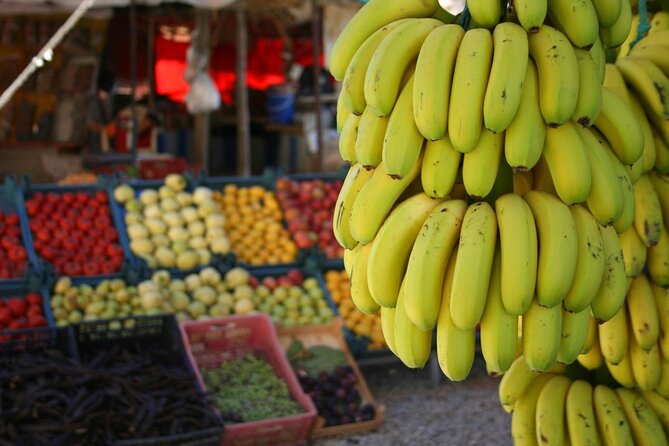
- San Pedro Market start: see ingredients and get ingredient ideas before you cook
- 100% vegan menu: ceviche, causa limeña, and quinoa tamal in plant-based form
- Two pisco cocktails included: learn to mix and make them during the class
- Hands-on studio time: you cook with ingredients bought at the market
- Small group size: up to 10 people, which keeps attention on you
- Recipes sent at the end: so you can recreate everything at home
More San Pedro Market and food walks
- Pisac Indian Market and Ollantaytambo Fortress with Lunch★ 4.5 · 395 reviews
- Cooking class and market tour with a local chef★ 5.0 · 186 reviews
- Cusco City Sightseeing, San Pedro Market, Cathedral and Qorikancha Temple★ 4.5 · 139 reviews
- The 10 Tastings of Cusco With Locals: Private Food Tour★ 4.5 · 71 reviews
San Pedro Market at San Pedro Market: where your shopping becomes your lesson
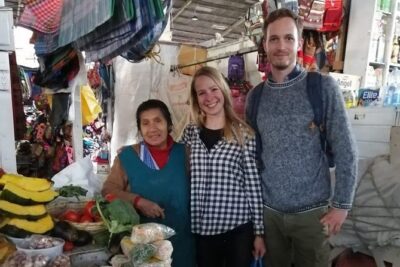
Cusco food starts in the market. That’s the idea here: you begin at Mercado Central de San Pedro and get oriented to the ingredients before the apron goes on.
You’ll walk through the stalls with your guide and start matching what you see to what you’ll cook later. This matters because Peruvian cooking is about balance: acidity, herbs, grains, and texture. When you’ve picked (or at least studied) the ingredients yourself, the dishes make more sense. It’s also easier to replicate later, since you know what to look for and what substitutions to consider.
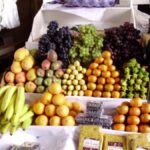
In the market portion, you’ll get introduced to a wide variety of items, including Peru’s famous superfoods. In practical terms, that’s less “health talk” and more “here’s what this ingredient does in the dish.” You may also spot tropical fruit favorites like passion fruit varieties, plus traditional bread you can sample along the way.
Moving to the studio: hands-on cooking without the tourist fog
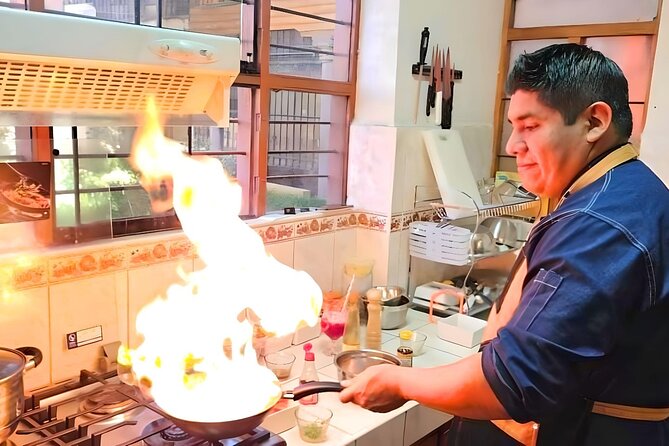
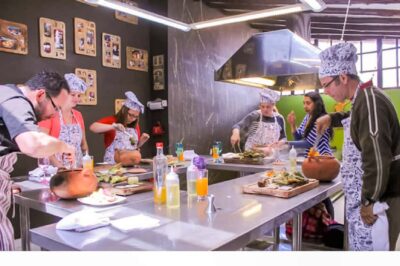
After the market, you head to a cooking studio in the center of Cusco. The class is designed so you’re actively working, not just taking notes. Equipment, ingredients, and recipes are included, which is a big deal in a place where it’s easy to spend money and still leave unsure what you actually learned.
This format is also smart for time. The tour runs about 4 hours, so you’re not stuck in “half shopping, half waiting.” You’re shopping, then cooking, then tasting, and then leaving with recipes.
One more plus: the group is capped at 10 travelers. A smaller group tends to mean fewer bottlenecks in the kitchen, more chance to ask questions, and faster correction when something needs adjusting. It’s also easier for non-Spanish speakers, since you’re not juggling a huge crowd while trying to understand what to do next.
The vegan Peruvian dishes you’ll actually learn to make
This class focuses on three dishes that show up often in Peruvian menus, just in plant-based form. You’ll learn how to prepare them step-by-step, guided by the chef leading your group.
Vegan ceviche: the acid, the herbs, the feel
Ceviche is often thought of as fish plus acid plus herbs. In this class, you’ll learn vegan ceviche that still hits the same key notes: brightness, freshness, and punchy flavor. The practical takeaway isn’t only the recipe. It’s understanding the logic behind the ceviche taste: how acidity balances aromatics, and how you build flavor rather than just dumping ingredients in a bowl.
You’ll also learn techniques and timing—things you can easily miss if you only watch at home. Once you’ve made it, you’ll understand why ceviche is best when it’s fresh and why prep and seasoning matter.
More hands-on Peruvian cooking classes
Causa limeña: comfort food with a plant-based twist
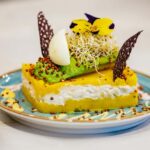
Causa limeña is one of those dishes that feels like it should be complicated, but really it’s about texture and layering. Here, you’ll make it with vegan ingredients (including vegan mayonnaise, based on past class examples). The big value is learning how to get that smooth, creamy texture and balance it against citrusy and savory elements.
If you want a dish you can serve to friends without apologizing for the menu, causa limeña is a good choice. It also transports well as leftovers, which is handy for a Cusco day when you’re tired of restaurant choices.
Quinoa tamal: earthy, filling, and very Peruvian
Quinoa tamal brings grains into the spotlight. You’ll learn how to prepare quinoa tamal in a way that feels grounded and satisfying, not just “a health version.” This is where your market shopping pays off: you start seeing how grains and starchy ingredients anchor a meal in Andean-style cooking.
Quinoa tamal is also a useful skill for home. Tamal-style cooking tends to reward careful preparation, so you’ll come away with a better sense of what to watch for—thickness, timing, and how to judge doneness.
Cocktails included: two pisco drinks, plus the skill behind mixing
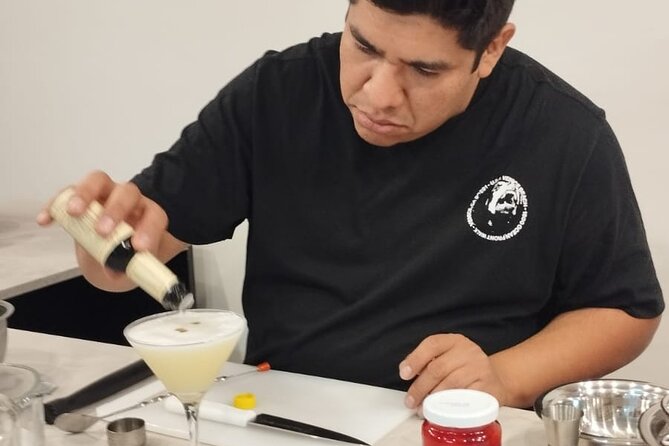
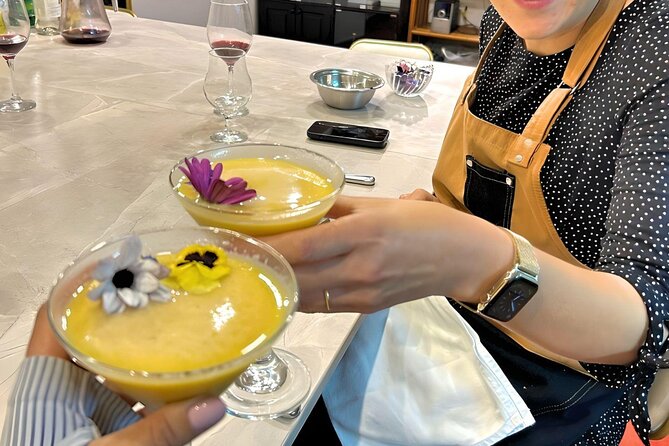
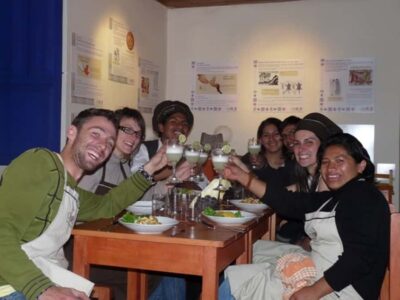
You’ll enjoy two pisco cocktails as part of the class, and you’ll learn how to recreate them too. That’s a big upgrade over typical cooking classes that offer only sips or none at all.
From past menus, classes may include drinks such as pisco sour and chicha morada. The pairing is thoughtful: fruity, tangy flavors match well with Peruvian food, especially the bright notes in ceviche and the lime-forward comfort of causa.
If you’re under 18 (or prefer no alcohol)
Peru’s alcohol rules apply: drinking alcohol is available from 18 years old. If someone is under 18, they’ll be served non-alcoholic drinks. In that case, pisco is replaced with bottled water. That means the taste experience stays intact enough for everyone to enjoy the class rhythm without alcohol.
Why learning cocktails helps your cooking
This may sound like a separate activity, but it’s actually tied to technique. Mixing teaches balance: sweet versus sour, fruit versus spirit, and how garnish and acidity change the whole drink. Those same balance skills show up in ceviche and causa limeña too.
Chef-led instruction: what you’re likely to get (and what to ask at the start)
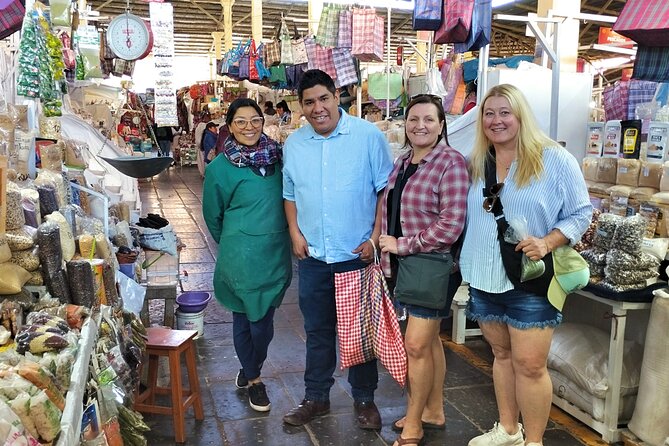
Chefs leading these classes (examples include Jorge and Jesus) are praised for clear, patient guidance and explanations in English. That’s important in Cusco, where kitchens can be small and timing matters. You don’t want to be guessing what’s next while others move ahead.
Before you start cooking, it’s worth doing two quick things:
- Tell the chef about any allergies or food restrictions right away.
- Confirm that you want everything handled as vegan for the whole menu.
Some classes in this area use different labels, so giving clear instructions at the start saves time. The good news is that this experience is built around vegan Peruvian cooking, and the menu is designed accordingly.
Price and value: is $69 a fair deal in Cusco?
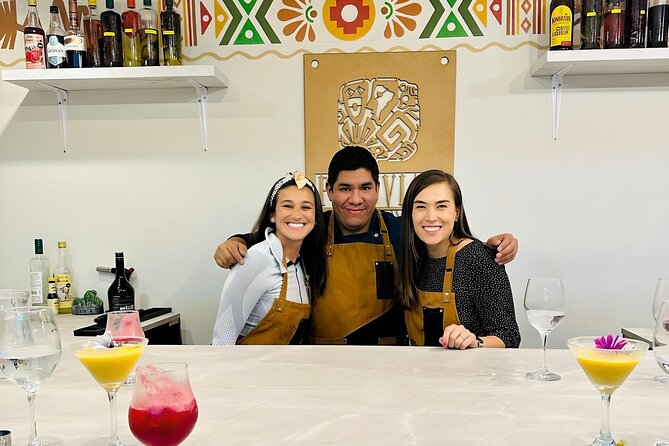
At $69 per person for about 4 hours, this sits in the “pay once, learn a lot” category. The value comes from what’s included, not just the price tag:
- Market visit + studio cooking in one ticket
- All ingredients and equipment provided
- Two cocktails included
- Recipes provided at the end
Many food experiences in Cusco either focus on tasting only, or they focus on cooking with extra costs for ingredients. Here, you get both shopping context and hands-on execution, and you leave with a repeatable skill set. The recipes matter because they turn the class into future dinners, not a single night memory.
Also, the small group size (up to 10) can justify the price. When attention is spread thinner in larger classes, you often spend part of your time waiting. This one aims to keep the kitchen moving with you included.
Practical tips before you go: making the first 15 minutes painless
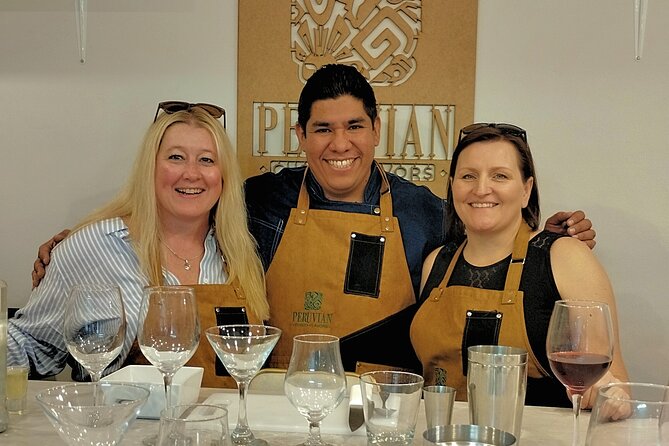
A few details can make or break the start of your class.
Plan your arrival at the meeting point
The tour starts at Mercado Central de San Pedro, at Thupaq Amaru 477, Cusco 08002, Peru. One practical tip: arrive a few minutes early and be ready for a door hunt. The entrance can be confusing if you’re looking only for the street-level sign. Use the marked entrance area, and look for the green door concept if you’re told to meet at a specific door number.
Public transport is nearby
It’s near public transportation, which helps if you’re not staying in the absolute center. That also makes it easier to connect with the rest of your Cusco day.
Bring your appetite, and pace the drinking
You’re cooking and tasting as you go. You’ll have two cocktails during the class, and there’s bottled water included. Pace yourself, especially if you’re also eating market samples right at the start.
Service animals are allowed
If you travel with a service animal, this experience allows it.
Who should book this vegan Cusco cooking class
This tour is a strong fit if you want:
- A hands-on food activity instead of only a tasting tour
- Vegan Peruvian dishes you can remake later
- A chance to shop in San Pedro Market with direction
- A small-group setting (max 10)
It’s also a good match for couples and solo travelers who want a social kitchen experience without feeling lost in a crowd.
If you’re the type who needs everything to be super specialized, you’ll want to confirm your dietary needs in advance. The menu is designed for vegan versions, and allergy handling is offered, but it’s still smart to communicate clearly at the start so there are no surprises.
Should you book it? My straight answer
Book it if you want more than a one-time meal. For $69, you get a market foundation, a chef-led cooking session, and practical skills for three dishes plus two pisco cocktails. The recipes at the end turn the experience into something you can repeat at home.
Skip it only if you prefer long restaurant-style tastings with minimal cooking, or if you dislike classes that involve active prep and kitchen work. Otherwise, this is one of those Cusco experiences that pays you back in real ways: you leave fed, you leave with techniques, and you leave with ingredient knowledge you can actually use.
FAQ
How long is the vegan Peruvian cooking class with cocktails in Cusco?
The experience lasts about 4 hours.
Where does the tour start?
It starts at Mercado Central de San Pedro, Thupaq Amaru 477, Cusco 08002, Peru.
How much does it cost?
The price is $69.00 per person.
What dishes and cocktails are included?
You’ll cook vegan Peruvian dishes including ceviche, causa limeña, and quinoa tamal. You’ll also enjoy two pisco cocktails during the class.
Is the class fully vegan?
Yes. The dishes taught are 100% vegan, and the experience is presented as a vegan Peruvian cooking class.
Are alcohol drinks included for minors?
Alcohol is available from 18 years old under Peru’s law. Under 18, pisco is replaced with non-alcoholic drinks using bottled water.
What’s the cancellation policy?
You can cancel for a full refund up to 24 hours before the experience start time. Within 24 hours, the amount paid is not refunded.
More Tour Reviews in Cusco


More Cooking Classes in Cusco
More Cusco Food and Markets

Recent write-ups from around Cusco, just off the trail
- Cuzco: Rainbow Mountain Excursion
★ 5.0 · 3 reviews - 1 day excursion to Qeswachaka bridge and the 4 lagoons
★ 3.6 · 3 reviews - Waqrapukara 1 day trekking + meals
★ 3.9 · 3 reviews - Valle Sur Cusco | half day
★ 4.3 · 3 reviews - Full-Day Condor Viewpoint & Inca Sites Tour
★ 5.0 · 3 reviews
Peruvian Cooking Classes, compared.
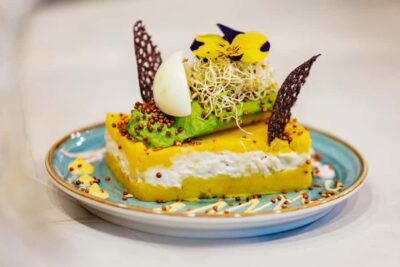 ★ 4.9Peruvian Cooking Class, Cocktails & Local Market TourFrom $67512 reviews
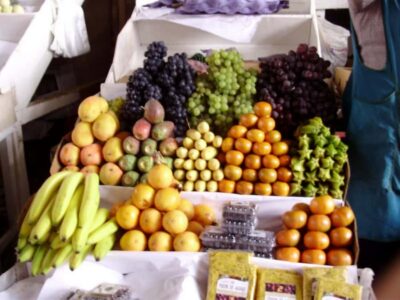 ★ 5.0Cooking class and market tour with a local chefFrom $57186 reviews
 ★ 5.0Private Andean Cooking Class, PachamancaFrom $15054 reviews
 ★ 5.0Cusco Cooking Class by ChocoMuseo in CuscoFrom $5429 reviews
 ★ 4.9Peruvian Cooking Class & Market TourFrom $6519 reviews
 ★ 4.73-Hour Peruvian Cooking ClassFrom $4916 reviews
Browse the lists this tour appears in